


Affordable laptops: AMD's solution vs Intel Wildcat Lake lacks efficiency
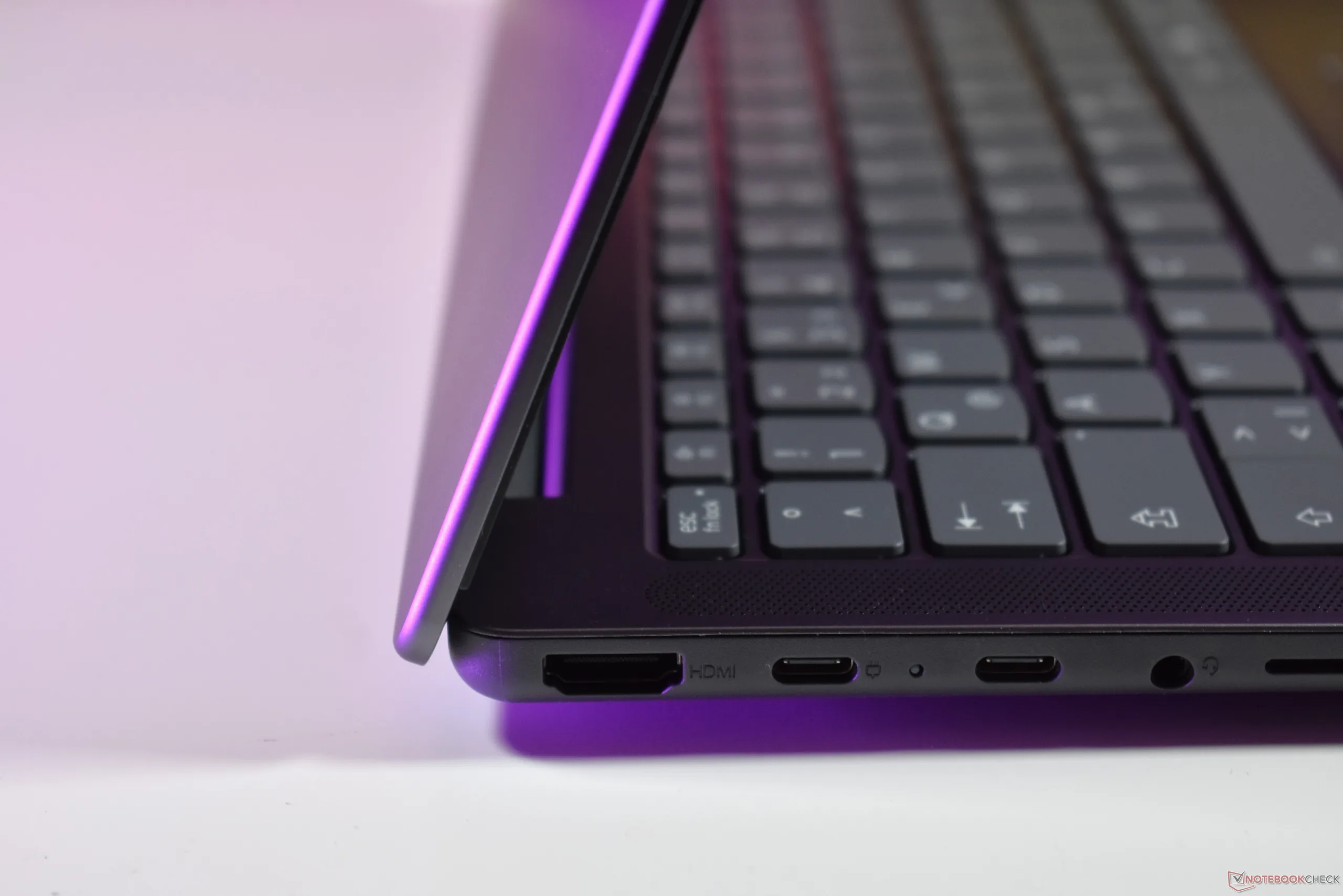
Despite the rising prices for pretty much everything in the PC market, the affordable laptop market has received some unexpected new life in 2026, thanks to the Apple MacBook Neo. Ever since, the renewed interest in the category has lead to a frantic search for competitors in the Windows laptop market. Lenovo has recently released such a competitor, the Lenovo IdeaPad Vibe 14, which we were already able to review. Like the Neo, the IdeaPad Vibe has a colorful exterior, and it starts at an affordable price of just $799.
While Apple uses its own A19 Pro processor in the MacBook Neo, Lenovo depends on the big CPU manufacturers for its affordable laptop. Curiously, Lenovo did not go with the obvious solution, which would be Intel Wildcat Lake, instead offering a choice of either the Qualcomm Snapdragon X or various AMD CPUs. We tested the AMD version, and spoiler alert: AMD has a problem here.
Our review unit featured the AMD Ryzen AI 5 330, which is a current-gen Zen5 chip with four cores in total, one Zen5 core and three Zen5c cores. Even with an up to date architecture, this chip has a hard time competing with Intel, let alone Apple.
To be fair, in terms of performance, the AMD Ryzen CPU does fine against Wildcat Lake, beating it in multicore-loads, but losing to it slightly when it comes to singlecore tasks. The bigger problem: battery life. The AMD-equipped IdeaPad Vibe does not even manage 10 hrs in our review, while the HP OmniBook 5 with Intel Wildcat Lake reaches 24 hrs (!) - with a bigger 60 Wh battery, compared with the 50 Wh of the IdeaPad, but that difference can not be attributed to the battery capacity alone.
In the end, AMD can not get around it: Zen5 is at this point outdated and based on an outdated 4nm process to boot. In the affordable laptop segment, buyers will have a better everyday experience with Intel, Qualcomm or Apple these days.
 Add as a preferred source on Google


