




Xiaomi no longer 'chasing Tesla' as Lei Jun praises highway battery test results
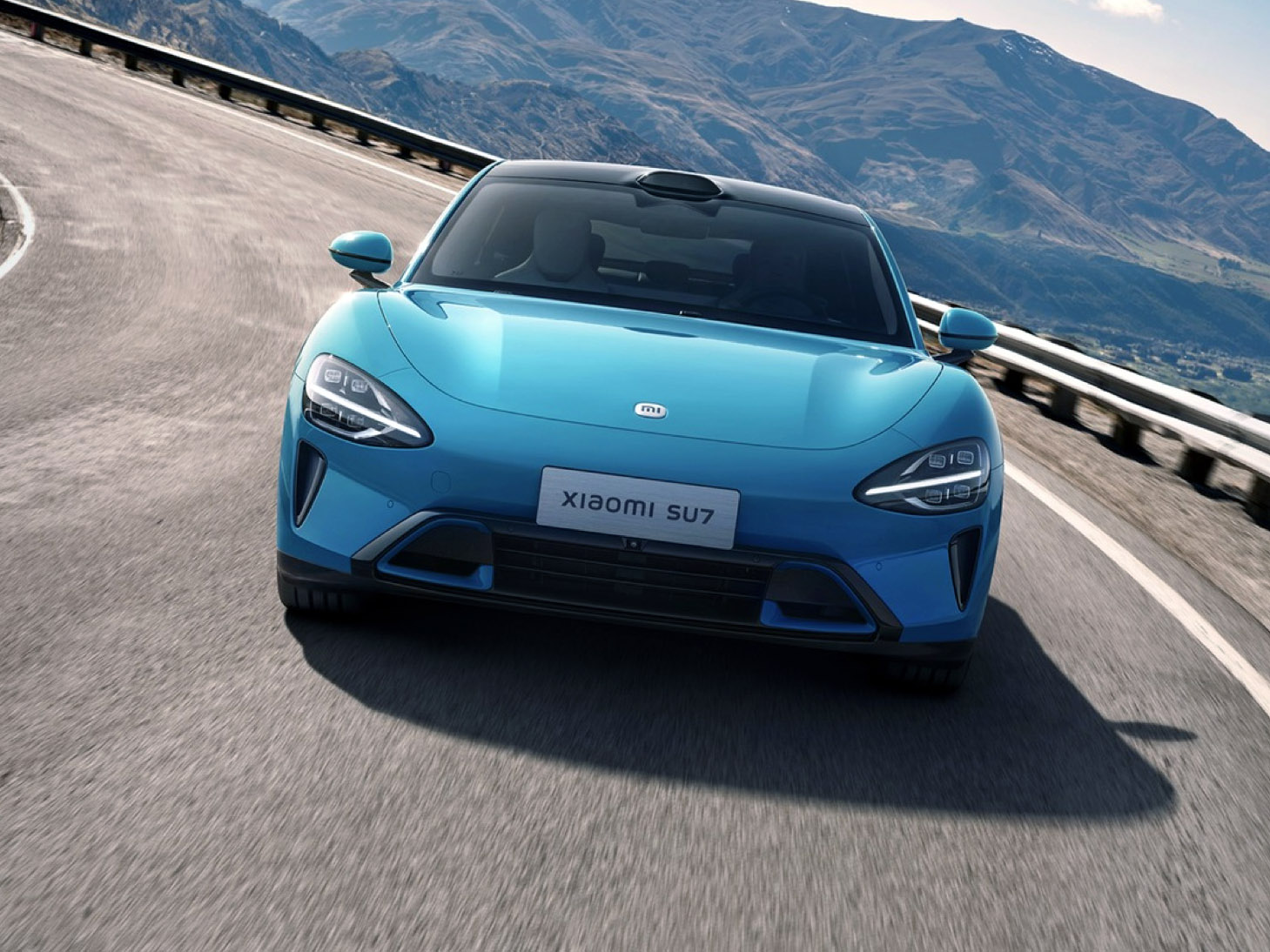
Xiaomi, a relative newcomer to the electric vehicle race, has managed to challenge Tesla not only in terms of EV specifications, but also in sales and profits.
It took it about two years to turn a profit from its EV business last quarter, as opposed to Tesla's decade in the market before it logged a profitable quarter. Granted, Tesla was the trailblazer that put electric vehicles on the radar of potential customers, making Xiaomi's job easier, and its CEO Lei Jun admits that they learned a lot from Tesla.
Tesla vs Xiaomi energy efficiency test
In a recent controlled testing of popular EV models' battery capacity consumption efficiency, Xiaomi only trailed Tesla vehicles by a tad. The Autohome testing was done at the same constant 120 km/h speed with the same cargo load, and at the same cabin temperature.
This is a rather tough test for electric vehicles, which don't do as well in terms of efficiency on the highway as they do in the city or in mixed driving mode. The Tesla Model 3 did best with 20.8 kWh of battery capacity consumed per 100 km, or about three miles covered per kWh.
Still, the Xiaomi SU7 did great with 22.5 kWh / 100 km, despite being a larger and more premium than the Model 3 vehicle. The Model Y logged an efficiency rate of 21.8 kWh/100 km, while the bigger and heavier Xiaomi YU7 SUV logged a battery consumption of 25.9 kWh/100 km.
Needless to say, Lei Jun was very pleased with the result. Chinese EV brands are no longer looking up to Tesla, he marvelled, as cars like the SU7 can be on par in terms of equipment and specifications, and yet come at a lower price.
In fact, what really makes me excited about this test, is that domestic EVs are no longer chasing Tesla, but are starting to meet industry standards side-by-side. Each brand is pushing energy consumption, thermal management, and vehicle efficiency to the limit, and all of them have solid base capabilities. To be honest, I haven't seen Chinese brands roll out this sense of confidence on one of the most difficult tracks in the world.
Still, Xiaomi's CEO demurred that the brand, known for its value-for-money phones or consumer electronics like the Redmi Buds 6 Pro, will keep learning and try to be an even better automaker in terms of efficiency.
When it comes to power draw, however, Tesla itself is facing competition in the US, with the undisputed leader still being Lucid, whose custom motors and drivetrain are capable of returning a record efficiency rate of more than 5 miles per kWh. Its premium vehicles, however, are more expensive than their Tesla or Xiaomi counterparts.
Get the Tesla Universal Wall Connector with 24' Cable on Amazon

 Add as a preferred source on Google


