




Apple took months to fix a basic iPhone keyboard issue
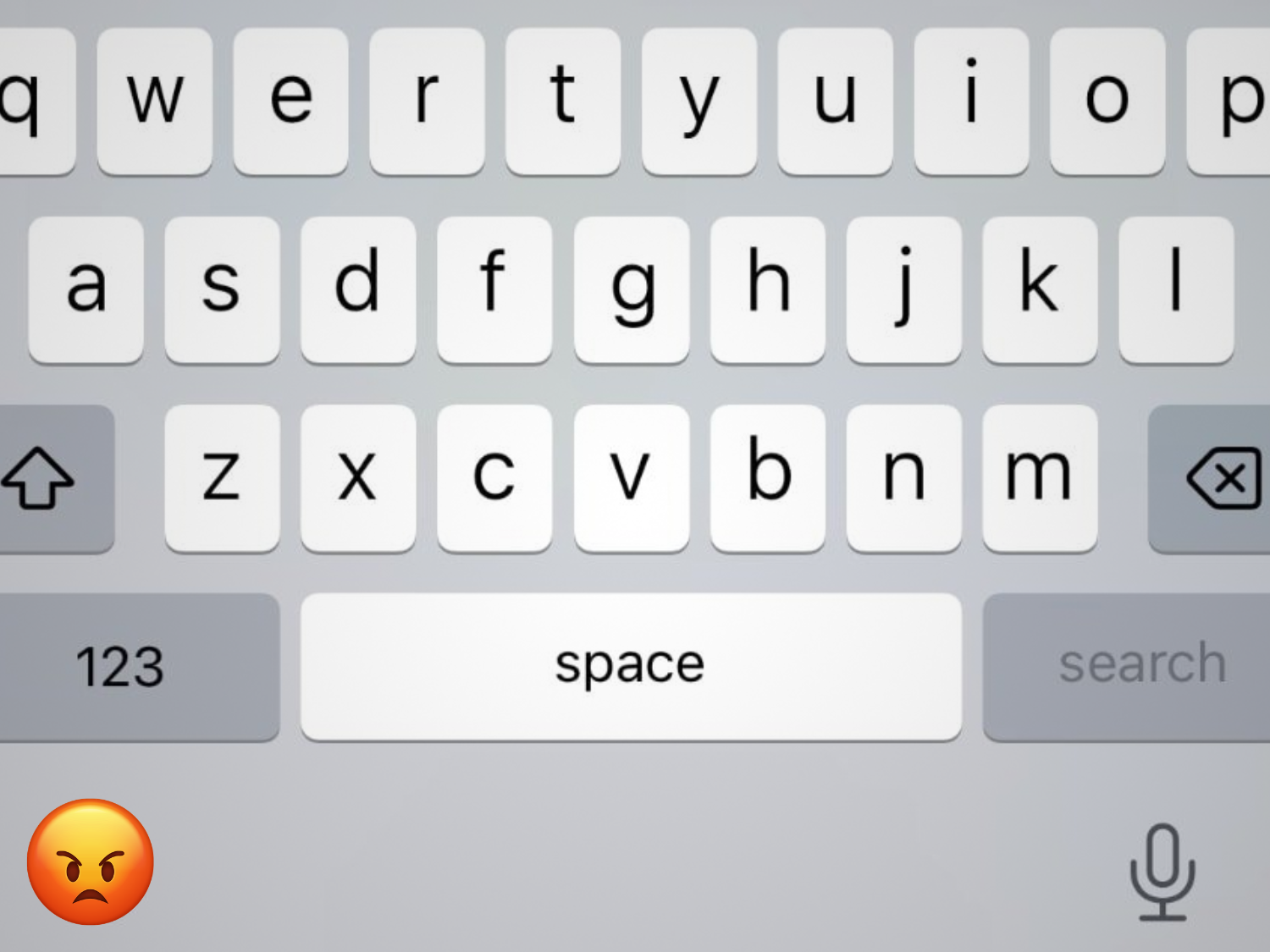
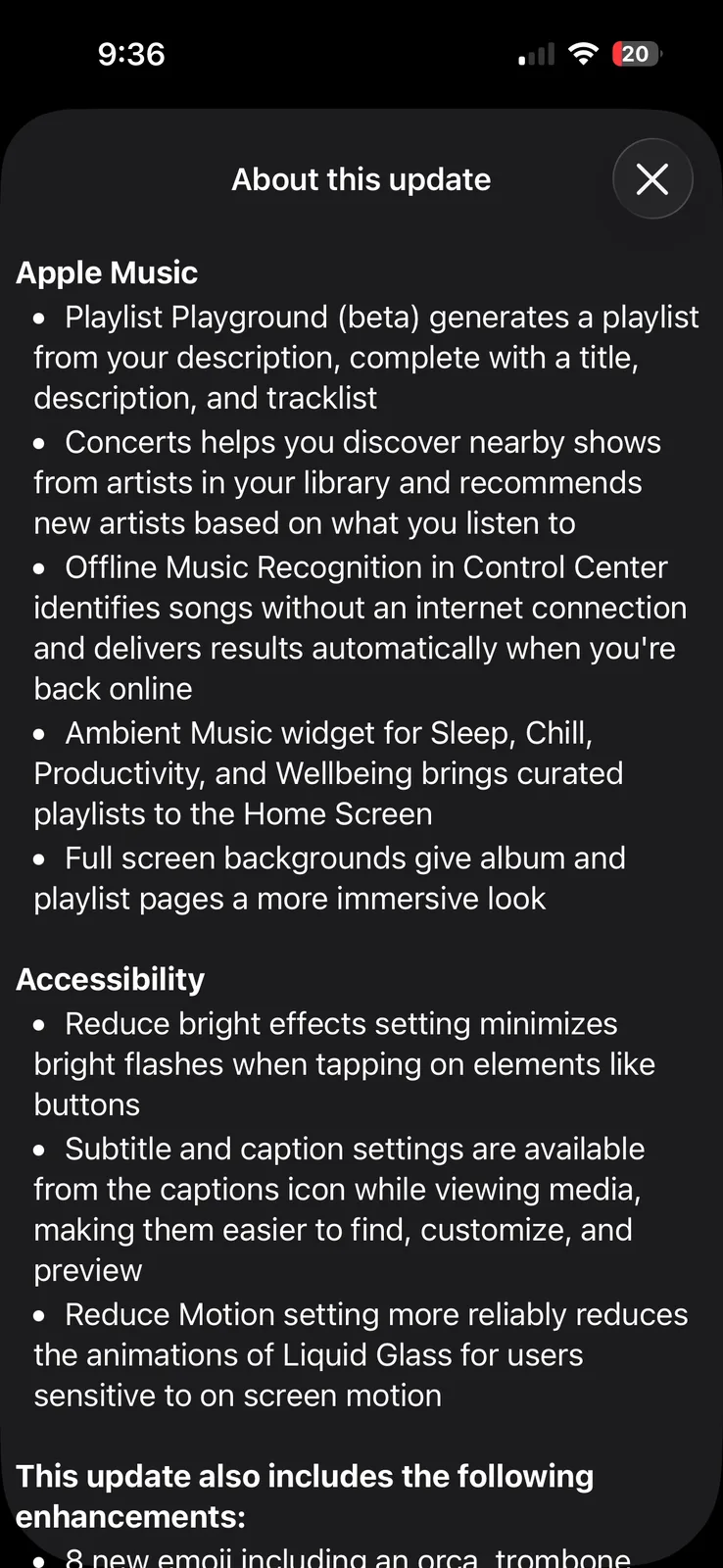
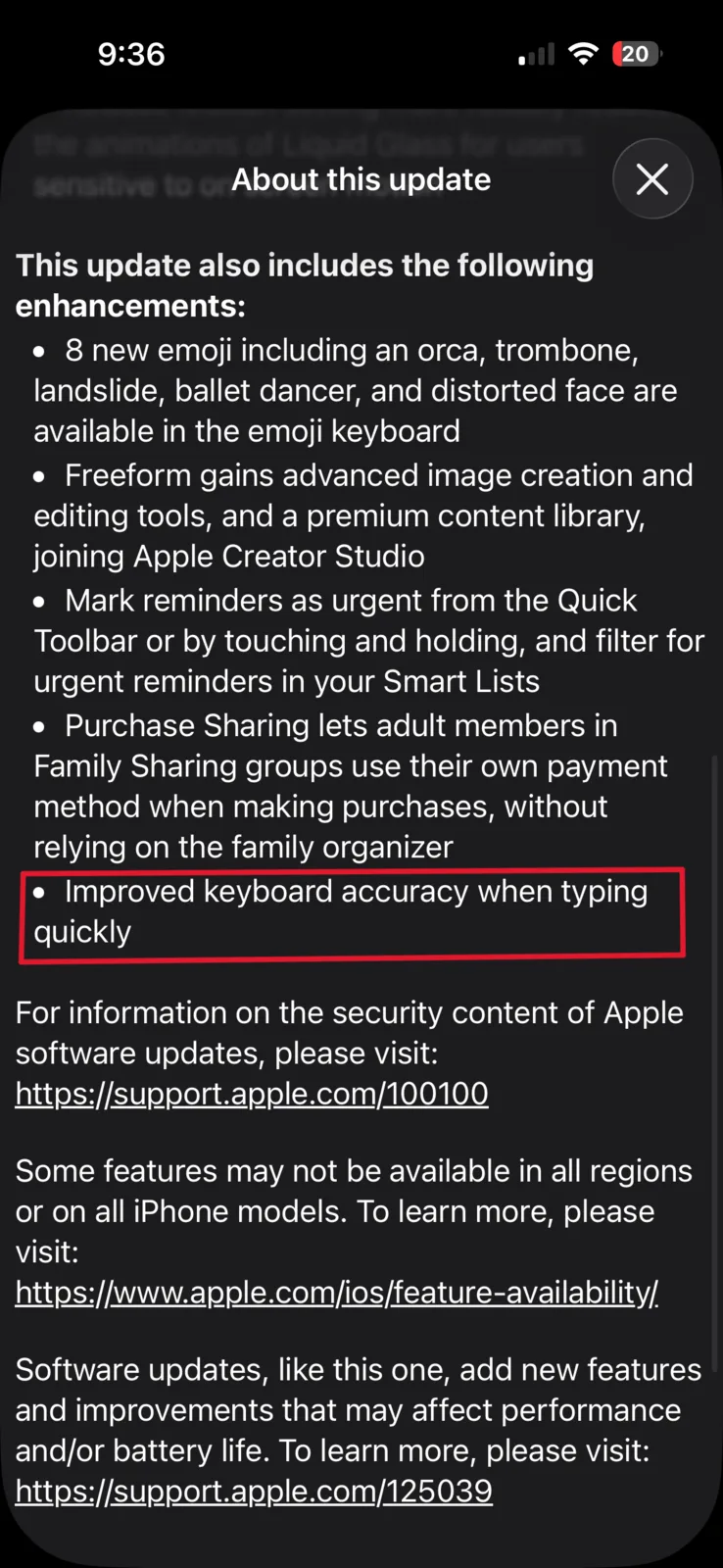
Apple has quietly rolled out iOS 26.4 Beta 4 with a small but key tweak: "improved keyboard accuracy when typing quickly". That's right - this was Apple’s first public acknowledgement to a bug that had been plaguing many iPhone users for months. Shortly after iOS 26 arrived in late 2025, a persistent glitch kept surfacing when typing rapidly, where some characters would simply fail to register. Users, including myself, tapped letters, saw them highlight, but the input never made it into the text. For something as basic as typing, that kind of inconsistency stands out immediately and gets frustrating real fast. Come on, it's only the most essential app on every device.
One Apple support user reported in November 2025 that onscreen typing accuracy had "dropped dramatically" after updating. By early 2026, complaints were pretty common online. MacRumors described "multiple complaints" that iOS 26 had made keyboards "far more error prone". In a Reddit thread, a user lamented that their keyboard was "lagging, missing inputs, [and] autocorrecting nonsense," which made the phone nearly "unusable" for him. Some users traced the issue back to iOS - it wasn’t a hardware problem or a specific app, and it didn’t happen with slower typing. In short, anyone who typed fast enough ran into it. At that point, it wasn’t just an edge case anymore, more of a widespread issue.
Despite all this uproar, Apple’s official fix only came recently via the 26.4 beta in March. There was no beta fix earlier and no mention in iOS 26.3 notes. Only when iOS 26.4 came out did Apple’s release notes spotlit the improvement. AppleInsider adds that the change "quashes a persistent, pesky bug" that had already "plagued" the iOS 26 lineup. In other words, Apple took roughly four to six months to patch a widely reported issue. More than anything, the delay raises questions about why such a clear problem hung around for so long. To be fair, for a company that prides itself on polish, that timeline feels really hard to justify - at least in my opinion.
Why the delay? Several factors are likely at play here. First, the bug only appeared under specific conditions - namely, very quick typing. If a user tapped letters at a normal pace, the keyboard worked just fine. That made the issue hard to catch in testing, since human testers or automated scripts might not try "type as fast as you can" scenarios until well into post-release. In QA labs, the keyboard may have seemed fine under typical use, which may have caused the bug to slip through early reviews. I myself noticed this after spending nearly a month with iOS 26, and once I did, I couldn't unsee it.
Second, the glitch seemed to be related to multiple parts of iOS 26’s keyboard system. Back in 2019, Apple was already late when it brought QuickPath to iPhones. A community member said that even "very minor changes in the size of the keypads" could confuse some users. Multiple users found that disabling swipe typing and predictive text improved the situation. I did the same, but to no avail. In short, this didn't look to be a single simple bug, rather, a byproduct of several overlapping changes. Touch input, gesture detection, and autocorrect all operate on the same data stream, so even small timing or detection changes can interfere with one another. Isolating and fixing it without breaking something else likely took time; however, half a year is still infuriating.
Third, there’s the question of priority. For most iPhone owners, the keyboard still worked - albeit imperfectly for the fast typers. Apple probably didn’t classify it as a security risk. The company often bundles such fixes into the next point update rather than issuing emergency patches. Indeed, reports indicate the fix first appeared in the 26.4 developer beta, but it also implies that Apple took its sweet time to test the solution before a bigger release. That approach can work for minor bugs, sure. This one, however, affected a core interaction with the device.
It’s worth noting how Apple handled communication here, or rather, how Apple handles communication in general. Unlike some companies, Apple rarely talks about bugs until they’re fixed. There was no public Apple statement or guidance on this issue; the only sign was the patch note. Plus, that silence can make any delay seem longer. Users such as me were left looking for information from Apple's forums and Reddit. Like, come on - a brief acknowledgement early on could have at least reassured users that the issue was being taken seriously.
I'm not enrolled in the Apple Beta program anymore, but I've been following chatter online. Thankfully, the response has been positive so far. A multitude of users on Reddit threads are reporting a major improvement. I hope future iOS testing includes more aggressive typing scenarios, and that Apple’s support teams triage touch-input bugs more visibly. Because, yes, I would absolutely lose it if I have to switch back-and-forth between two different keyboards on my primary device even one more time.
Source(s)
 Add as a preferred source on Google


