




US politician wants gamers to truly own digital games – but is that possible?
Do players actually own the digital games they buy, or are they effectively just renting them until the publisher decides to shut down the servers? The question has become one of the most hotly debated topics in gaming, particularly since Sony's announcement about the end of physical games. Now, Democratic US Congressman Ritchie Torres is taking up the issue with a proposed law called the Power To The Players Act. According to an official press release dated October 15, the legislation aims to give consumers genuine ownership rights over their digital purchases.
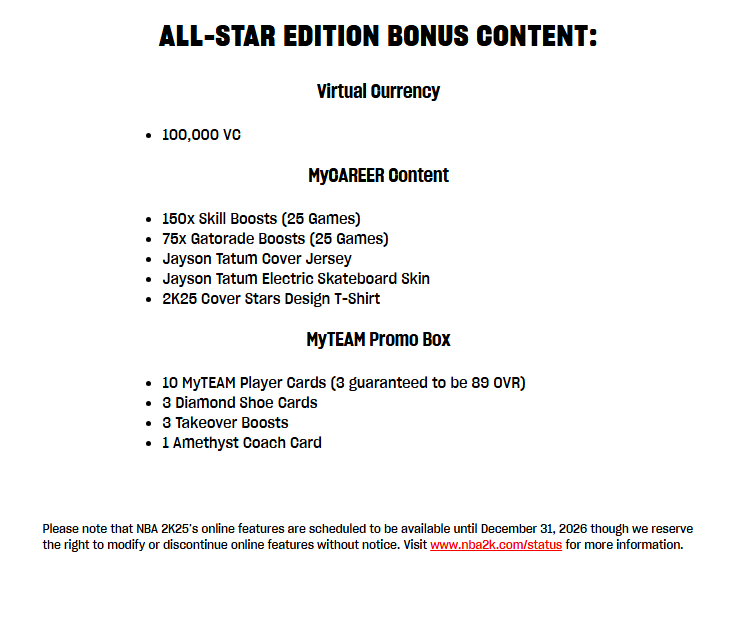
The proposal was apparently prompted by NBA 2K25. The basketball game is scheduled to be removed from digital storefronts on October 30, 2026, with its online servers shutting down the following day. This would leave significant parts of the game inaccessible. Torres considers that unacceptable, particularly given that the digital standard edition originally cost around €70.
The Power To The Players Act aims to ensure that buying a digital game means more than simply acquiring a license that can be revoked at any time. Instead, consumers would be granted permanent rights to use their purchases. One of the proposal's key provisions is a requirement for games to remain playable offline even after their online servers are shut down. Consumers would also be allowed to resell or transfer digitally purchased games to other people. The Federal Trade Commission (FTC) would be tasked with developing the necessary consumer protection regulations.
But there are some major hurdles
While the proposal is likely to appeal to many gamers, putting it into practice could be difficult for several reasons. One of the biggest technical challenges is the proposed offline-play requirement. Keeping single-player games playable without an internet connection may be relatively straightforward, but things get much more complicated with online-only multiplayer titles. These games rely on servers to connect players, and many of their core mechanics simply wouldn't work without them. Developers might therefore have to fundamentally rework certain games or give players the option to host their own servers.
The proposed right to resell digital games raises further questions. Platforms such as Steam and Epic Games could theoretically introduce a system that allows purchased games to be transferred between accounts. The original owner's license would be deactivated and reassigned to the buyer. Things become trickier with DRM-free games, such as those sold on GOG. While the license itself could still be transferred, there would be little way to verify whether the seller had actually deleted the game files they had already downloaded.
Publishers would also have little incentive to support a secondhand market for digital games. Major companies such as Electronic Arts and Ubisoft, which generate substantial revenue from digital sales, could be expected to push back against such changes. One possible response would be a stronger shift toward subscription services. Since subscribers pay for access rather than permanent ownership, such models could potentially allow publishers to sidestep some of the proposed requirements.
Gamers welcome the idea but doubt it will become law
Unsurprisingly, gamers on Reddit have largely welcomed the proposal. The prospect of stronger ownership rights for digital purchases is appealing, but few seem convinced that the legislation will actually make it into law. Much of the skepticism centers on the resistance the proposal could face from the gaming industry. Some users also accuse Torres of using the initiative primarily to generate political attention. Whether the Power To The Players Act will ever become law remains to be seen. Anyone who wants to share their own prediction is welcome to join the discussion in the comments below.
 Add as a preferred source on Google


No comments for this article
