





Lexar expands consumer storage while AI drives up memory costs
CheckMag
Lexar celebrates its 30th anniversary in 2026. For the celebrations, the storage manufacturer gave us a closer look at its manufacturing capabilities and vision.Benjamin Herzig Published 🇩🇪 🇪🇸 ...
When Micron announced the end of the Crucial brand and its exit of the consumer market, the uproar in the industry was immense. Less consumer choice, higher prices, all because Micron is chasing the higher profits of the B2B business and the AI datacenter buildout.
Crucial is not the first brand abandoned by Micron. In 2017, Micron divested itself from the Lexar brand, a name mainly known for memory cards, like CF cards and more modern SD and microSD cards for cameras.
Ironically, Lexar, the brand abandoned by Micron and sold to Chinese Longsys, is doing the opposite of its once-upon-a-time parent company: Continuing to serve and embrace the consumer market. For its 30th anniversary, Lexar gave us a look behind the curtain of its manufacturing capabilities and vision.
Longsys and Lexar: The Lenovo-approach to an established brand
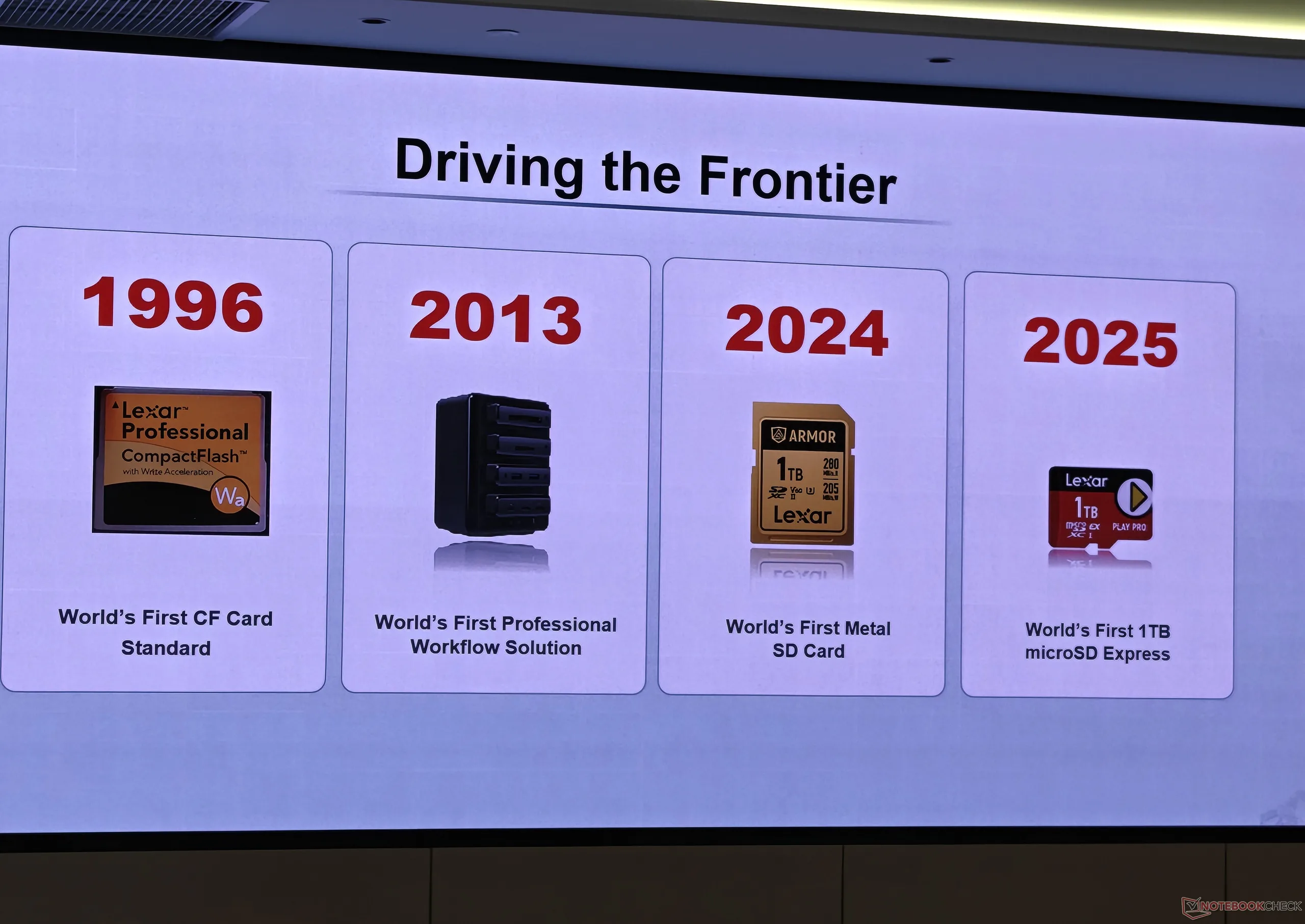
The Lexar brand is a product of the 1990s. Created in 1996, Lexar helped popularizing the CF card technology, which would become the standard storage solution for digital cameras. Founded in the US, Lexar is one of the brands now owned by a Chinese company, which is called Longsys. Longsys took over Lexar in 2017 and keeps investing and expanding the brand. This approach reminds us of another American name that is now owned by a Chinese company - Lenovo and the ThinkPad brand, originally created by IBM in 1992.
Like Lenovo and the Think name, Longsys keeps the Lexar brand, even taking on other product categories with it. The modern Lexar, under the umbrella of Longsys, still makes SD cards for cameras, but has expanded to other parts of the memory market as well: Lexar also sells UFS storage for phones, as well as SSDs and RAM for laptops and PCs now.
Manufacturing: Packaging done in-house
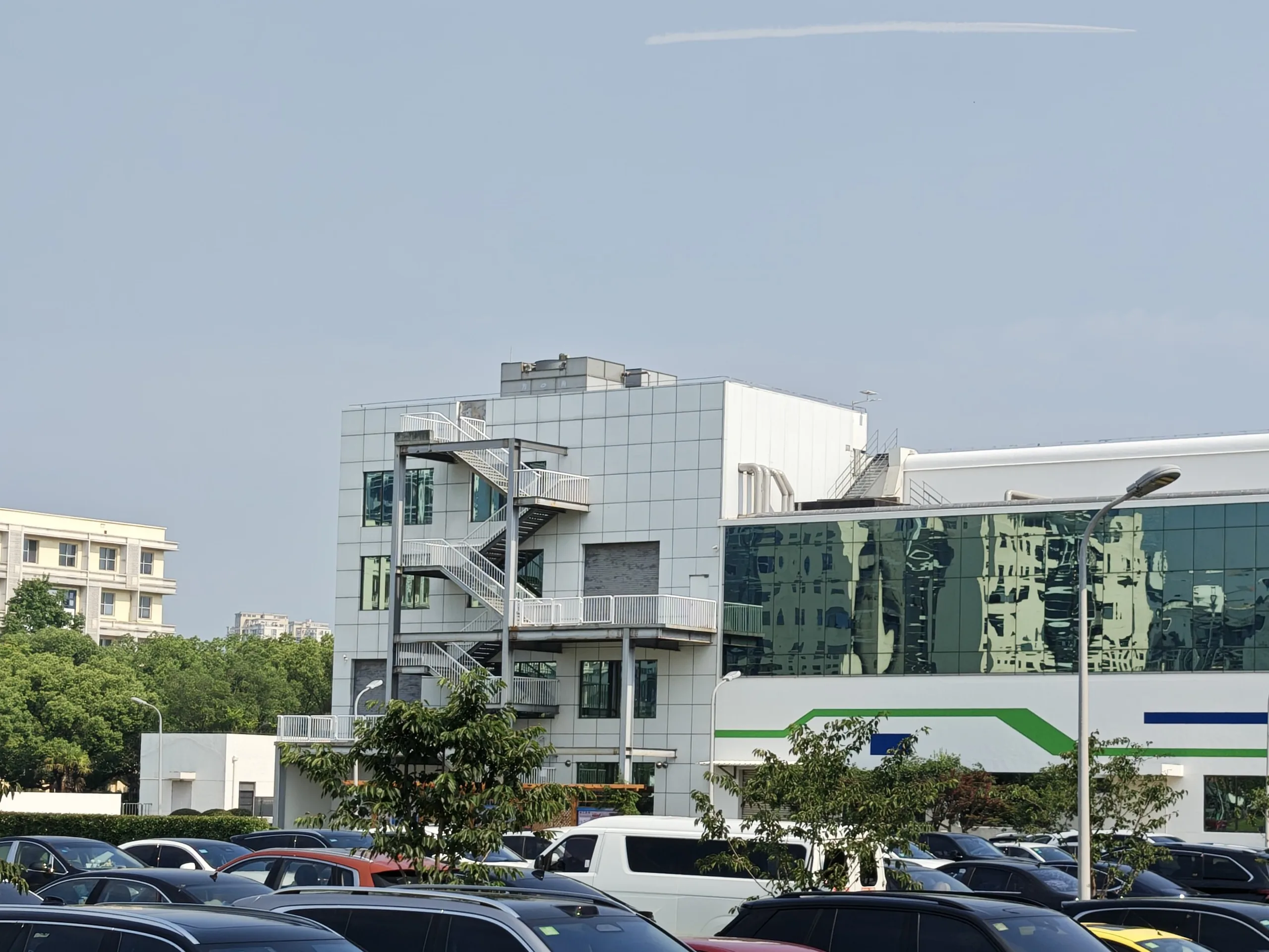
In terms of its products, Longsys and Lexar do not just buy products from other manufacturers and slap their name on them. Longsys has in-house manufacturing capabilities, with packaging and testing facilities in Suzhou (Longforce, a joint-venture with Taiwanese PTI) and in Zhongshan near Shenzen - the last of which was just opened two years ago.
Besides packaging, Lexar also does development here, as Lexar makes its own SSD controller chips. For the memory chips itself, Lexar has to rely on external sources - namely Samsung and SK Hynix - as Longsys does not have its own wafer manufacturing capability.
Products: mSSD and AI future
Since memory costs are projected to stay high, Lexar can not escape the AI wave completely. For systems that use AI, Lexar is making AI-focused SSD storage solutions, which Lexar hopes can take care of some of the memory demands of AI applications by off-loading them from the RAM to the SSD. This, of course, comes at the cost of lower speed, as SSDs are slower and also limited by the PCIe connection.
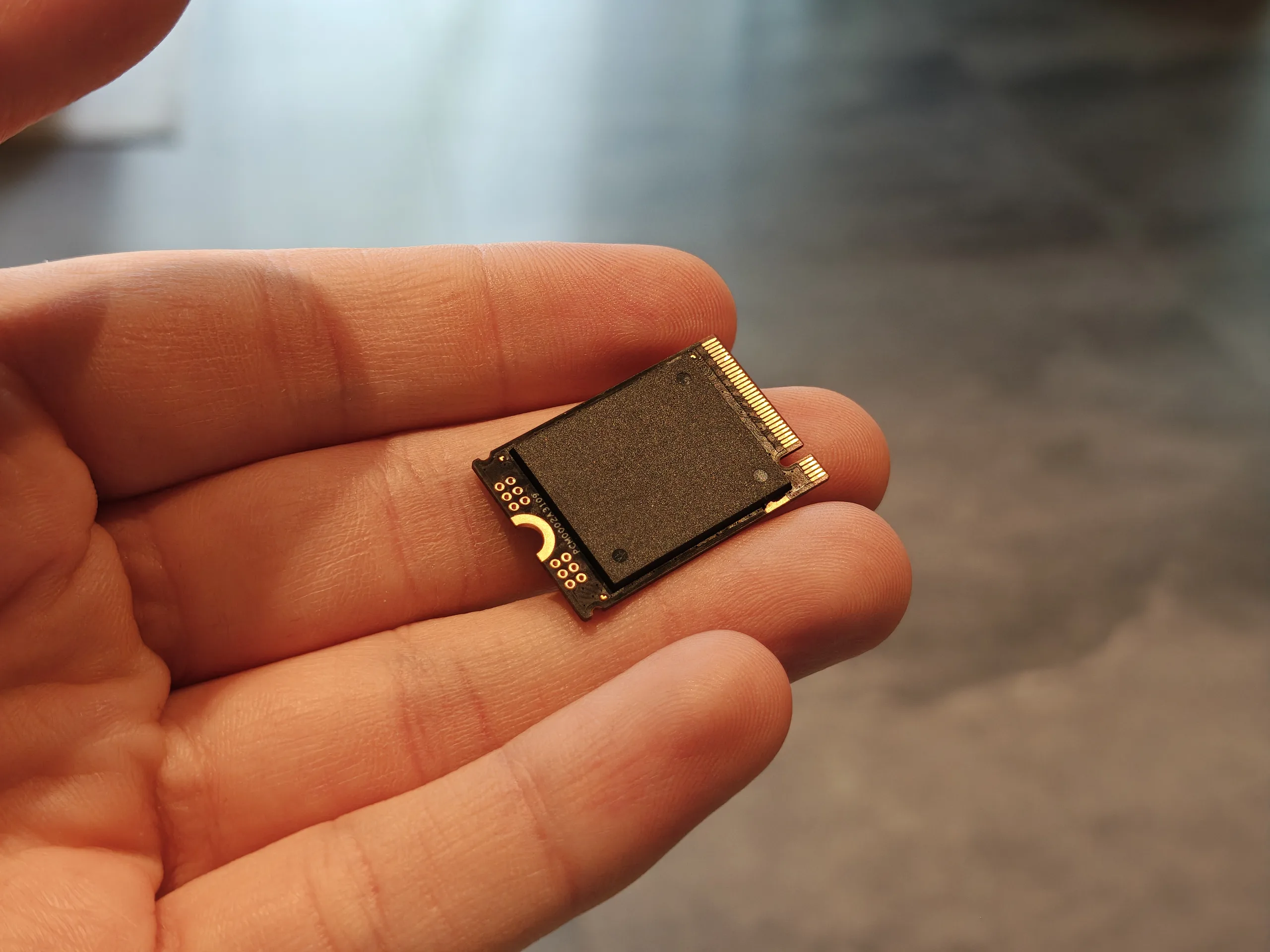
Like with the CF card in the 1990s, it is fair to say that Lexar is still trying to push the envelope when it comes to form factors. Lexar proudly showed off their mSSD solution, an even smaller SSD form-factor than existing M.2 drives, which can be used in an M.2 adapter if needed. mSSDs are tiny, measuring just 30 x 20 mm, with up to 2 TB capacity. To drive the adoption of this solution, Lexar told us they are working with partners, like Asus.
Happy Birthday, Lexar! Do you have any memories of using Lexar products? Share them with us in the comments!
Source(s)
Own
Lexar
Transparency
The author received information about this article in the context of an event hosted by the manufacturer. Any travel and accommodation costs were fully or partially covered by the manufacturer. The manufacturer had no influence on this article, nor was there any obligation to publish it.
 Add as a preferred source on Google


