




The home stretch: Intel CEO says restructuring is 80 % complete
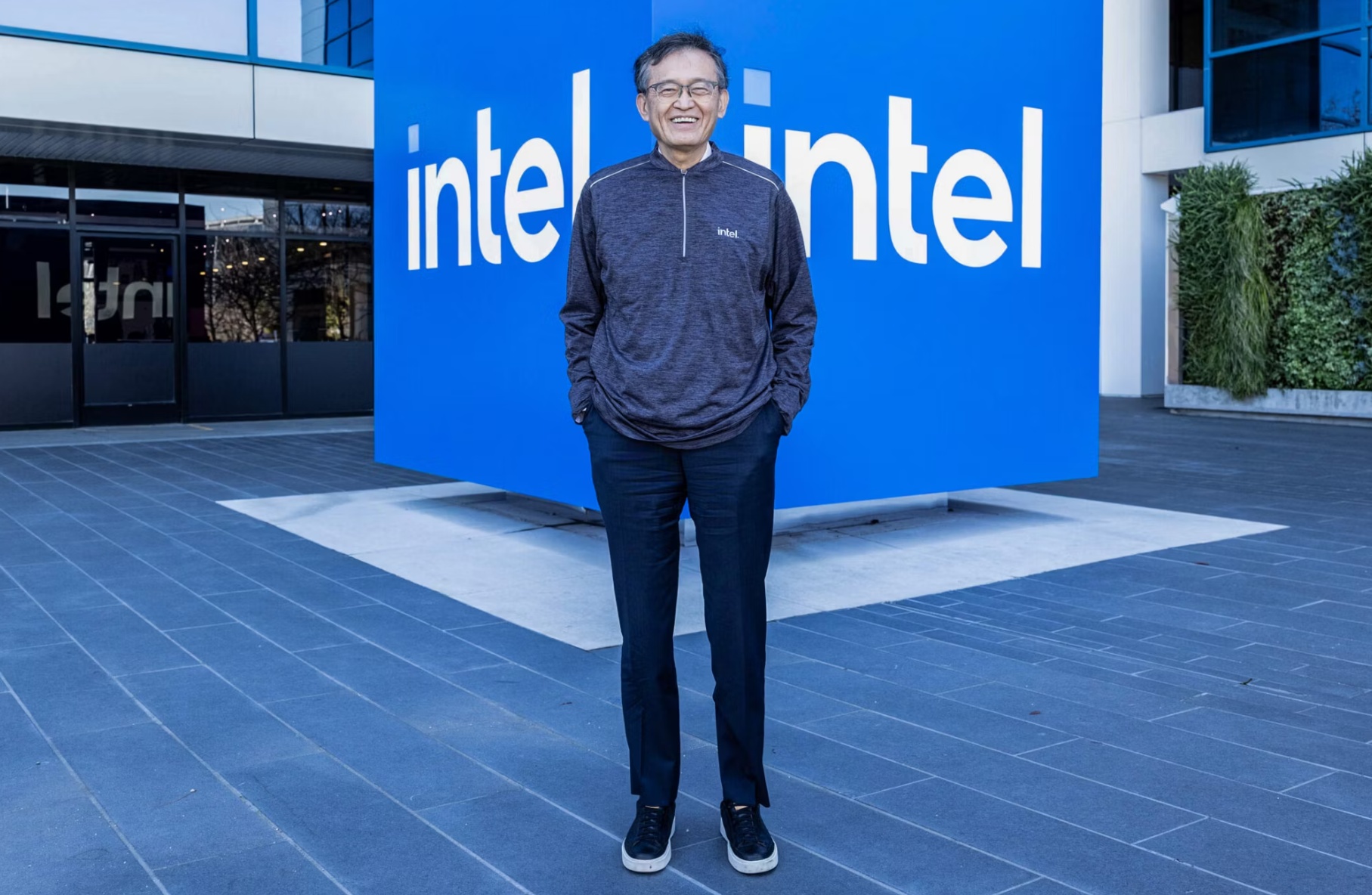
Intel CEO Lip-Bu Tan says the company’s sweeping restructuring is about 80 % complete. In an interview with Nikkei, he said he has replaced most of Intel’s senior leadership since becoming CEO in March 2025, as the chipmaker tries to regain ground in advanced chip manufacturing and AI.
Tan has brought in several new executives, including former SK hynix CEO Seok-Hee Lee. The turnaround has also attracted high-profile backing: Nvidia and SoftBank bought $5 billion and $2 billion worth of Intel shares, respectively. Intel’s stock has risen roughly fourfold since Tan became CEO. Tan did not specify which restructuring measures remain unfinished or when the process will be complete.
Intel is trying to catch up in leading-edge chip manufacturing, where it has fallen behind Taiwan’s TSMC, while also competing with Nvidia and other rivals in AI chips. Under former CEO Pat Gelsinger, Intel committed billions of dollars to expanding manufacturing capacity and developing its foundry business. The company recorded a net loss of $16.6 billion in the third quarter of 2024 amid a major restructuring effort, and Gelsinger stepped down in December of that year.
Tan acknowledged that rebuilding Intel’s contract manufacturing business will be a long-term undertaking. He pointed to TSMC’s own trajectory, noting that it took the Taiwanese company 10 to 20 years to become the world’s leading semiconductor foundry. Developing new manufacturing technologies and constructing factories require billions of dollars in investment over many years, he said.
He also said government support could help Intel make the long-term investments needed to develop new technologies and build factories. Last year, the US government converted previously allocated federal funding into an $8.9 billion investment, taking a 9.9 % stake in Intel without representation on its board. That stake has since fallen to about 8.2 % following a subsequent share offering.
Tan said the US administration is not using its stake to influence Intel’s strategy and that the company remains independent in its decision-making.
Asked about competition from China’s semiconductor industry, Tan said both US and Chinese companies have strengths and weaknesses, and that the most important consideration is which solutions best serve consumers and enterprise customers. Geopolitical restrictions must also be taken into account. Asked whether China could catch up with the United States in semiconductor technology within five to ten years, Tan said Chinese companies were “not that far behind” already.
 Add as a preferred source on Google


