


Teardown finds iPhone NAND under epoxy in Deli AP321 SSD
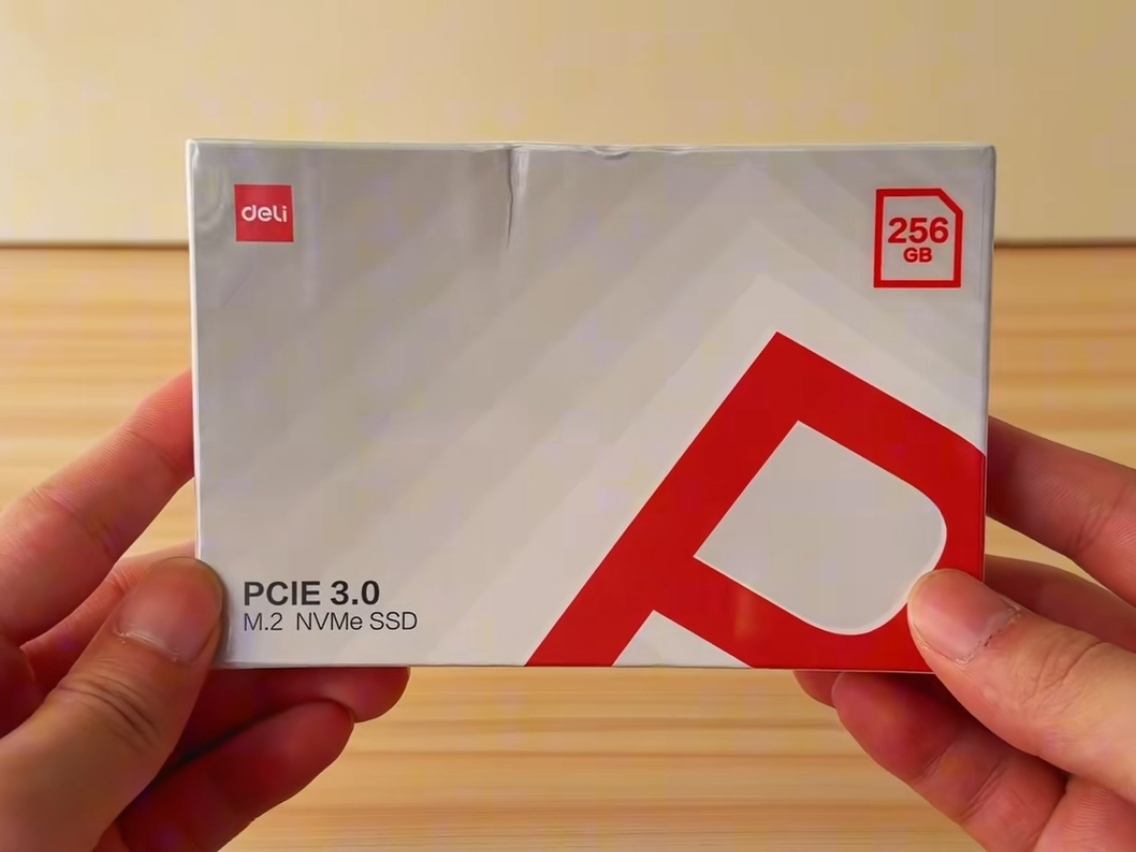
Deli is best known in China and globally for stationery and office supplies, and apparently, the company also sells an M.2 2280 PCIe 3.0 SSD called the AP321. Bilibili hardware repair channel Laocheng Xiaodou has published a teardown of the drive. The creator bought the drive from a third-party Pinduoduo store for 207 yuan (~$31) after a 51-yuan discount. The retail box lists Deli Group as the manufacturer, and its anti-counterfeit code checks out on Deli's website. In a chat, Deli's online customer service confirmed that the company produces the AP321. The creator also notes that the drive arrived already set up with an MBR partition, which is unusual for a new retail drive.
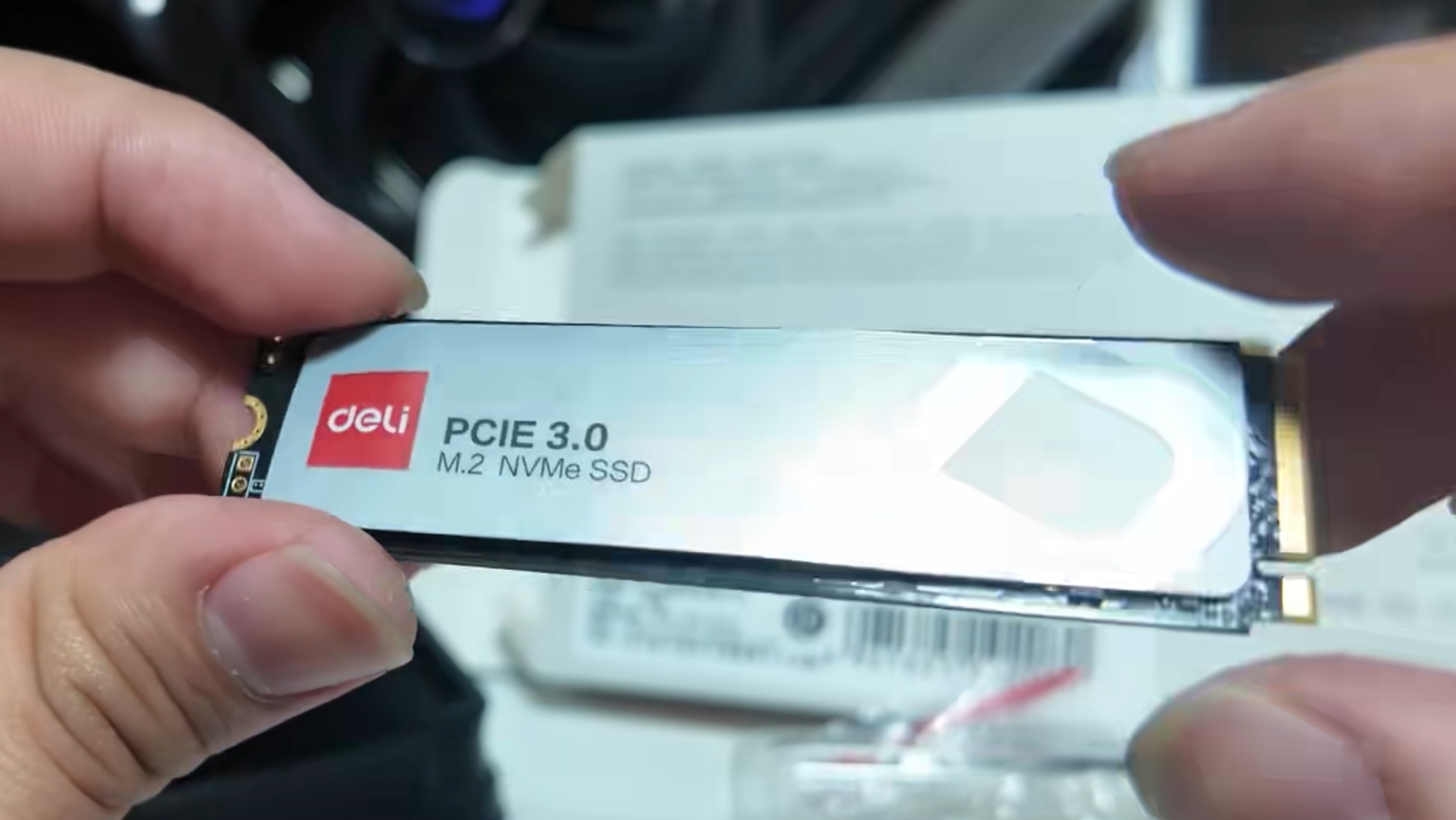
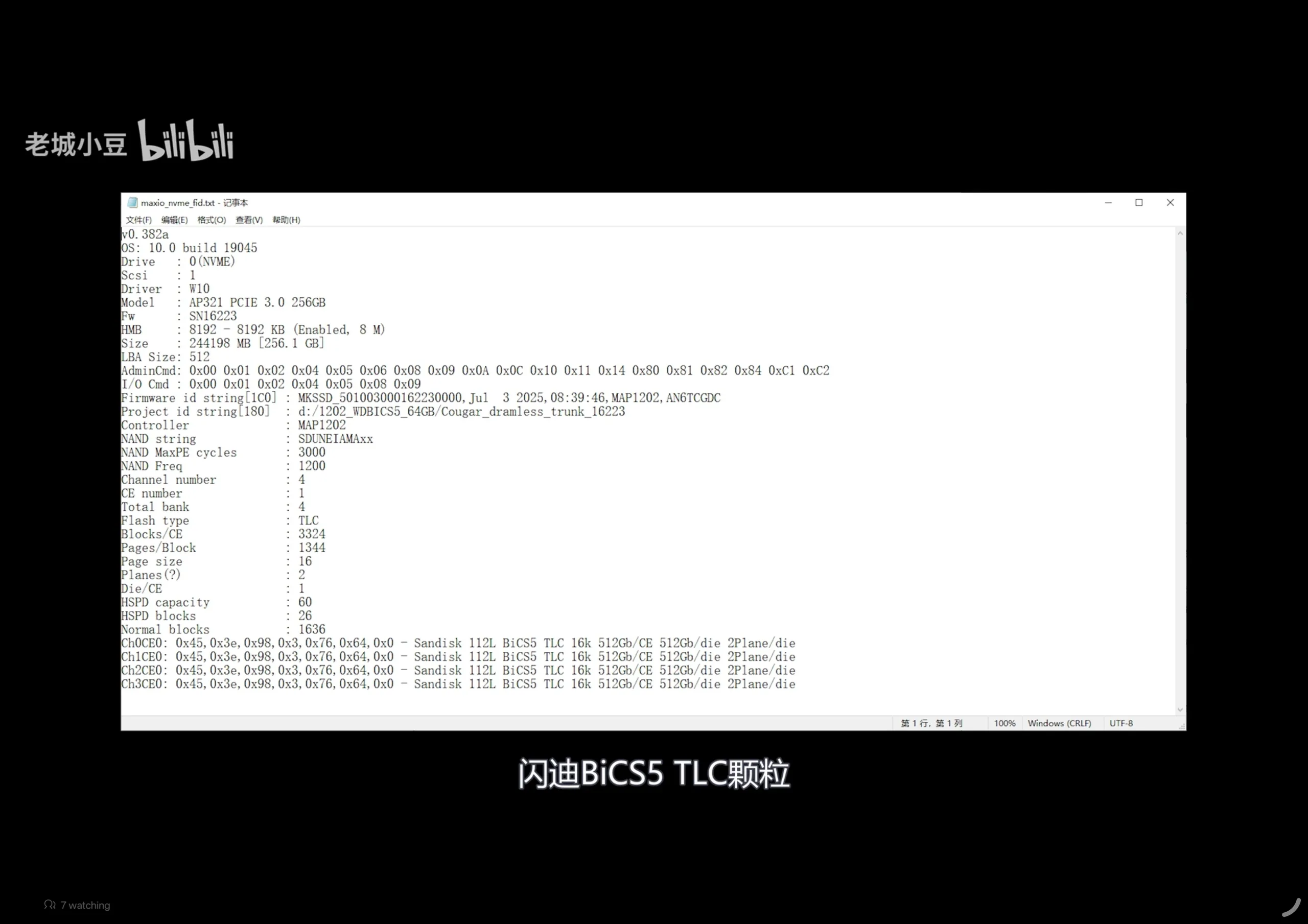
Diagnostic software identifies a DRAM-less Maxio MAP1202 controller and SanDisk BiCS5 TLC NAND, a common pairing in budget PCIe 3.0 drives. The creator measured sequential read speeds of about 3,050 MB/s and sequential write speeds of about 2,100 MB/s in CrystalDiskMark. According to the original uploader, the original screenshot was lost, so these figures are approximate.
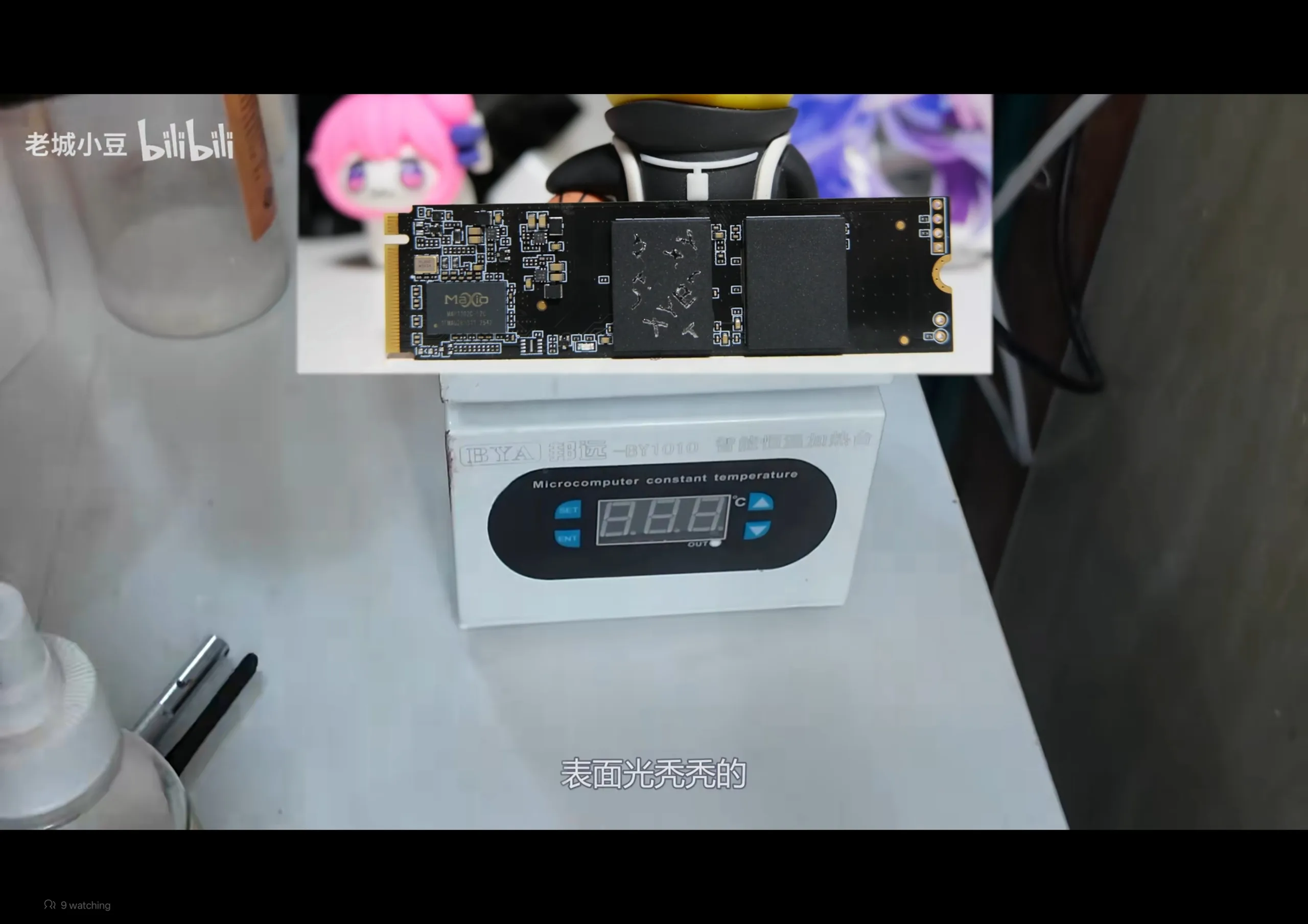
The software can read only the NAND dies themselves, not the packages they sit in. The two packages on the drive carry no markings and are thicker than standard BGA NAND packages. On a hot plate, the top layer of each came off, revealing a glued-on plastic cover over epoxy chip-on-board packaging. Under the epoxy, the creator found SanDisk-style "SDS" markings that match those on typical iPhone NAND packages.
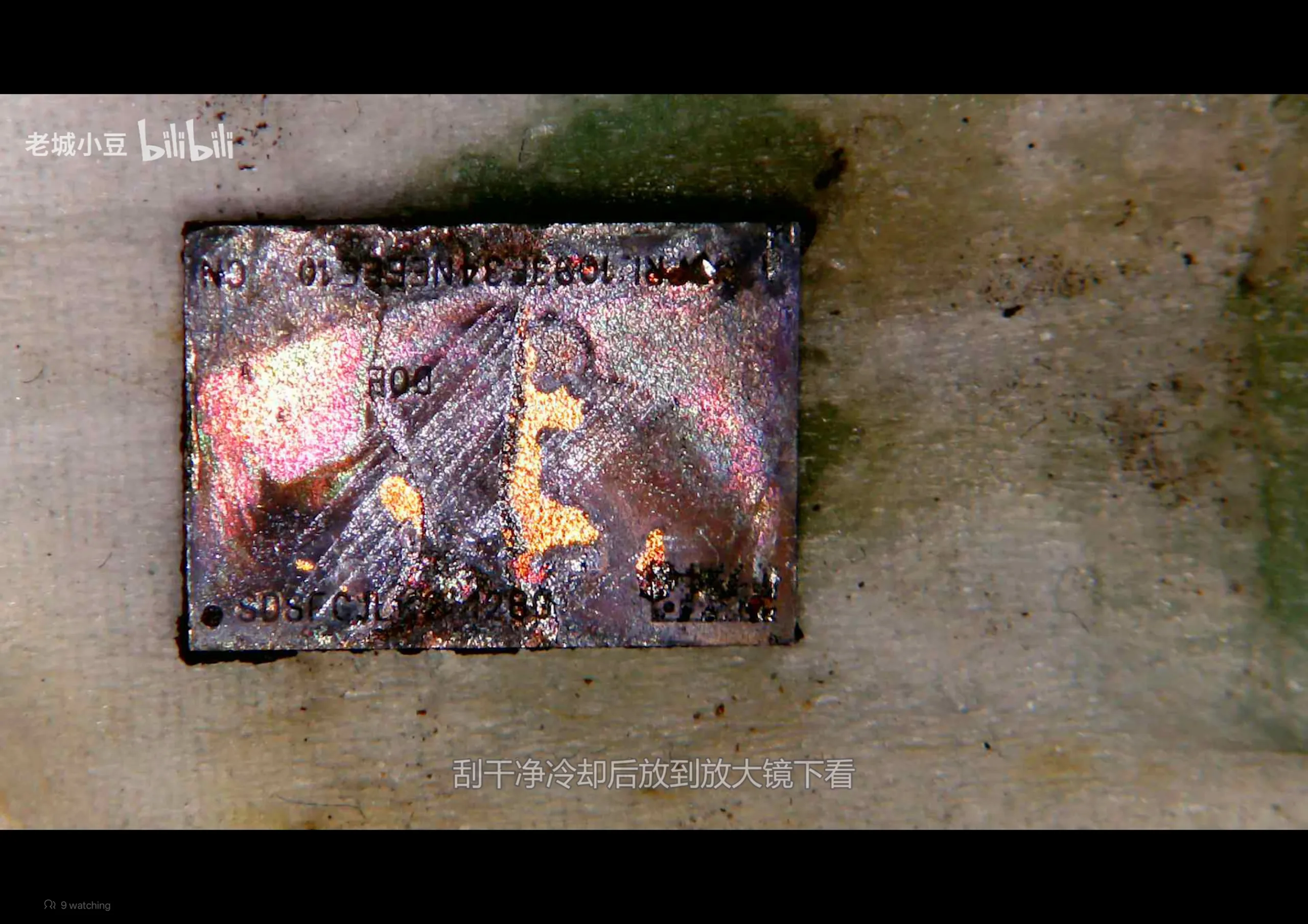
According to the creator, iPhone NAND packages cannot go straight into an SSD. The built-in controller section has to be cut away and the NAND signals routed out to the SSD's board before everything is sealed in epoxy. The creator lists possible sources such as packaging rejects, chips removed during iPhone storage upgrades and parts from damaged phones. He says it is impossible to tell where the Deli drive's chips came from.
This is not the first time this has happened; similar drives have appeared before. In 2023, a teardown of the ShineDisk M667 found SK hynix NAND made for Apple under the epoxy. But amid the current NAND supply shortage, Chinese media outlet Sina reported that the price of recovered phone memory chips has increased to around 40% to 60% of the price of new ones, which makes this an even more lucrative business.
Source(s)
Laocheng Xiaodou via Bilibili, Sina, Tom's Hardware
Teaser image: Tuba Lao Yang via Bilibili
 Add as a preferred source on Google


