



CheckMag | TCL CSOT's Mingzhong Zhou shares why OLED isn't killing LCD anytime soon and what's next for displays
DTC 2026 showcased a handful of OLED prototype displays that were pushing specs to the max. The 360Hz IJP (Inkjet-Printed) OLED laptop display, the panel with super-slim bezels, and the thin screen with low reflectivity are among the highlights. There were many headline-grabbing prototypes with conventional OLED (or FMM OLED) as well.
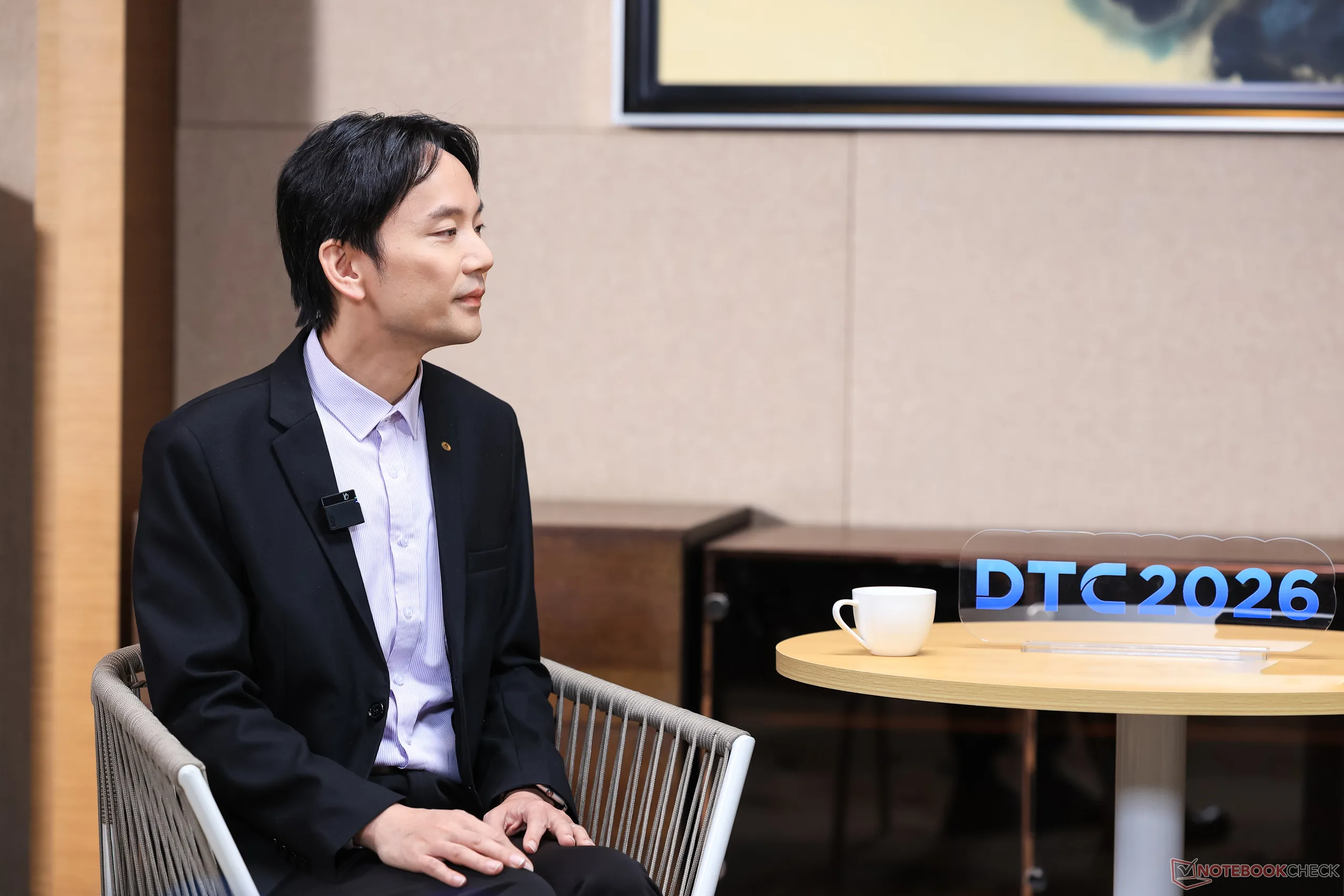
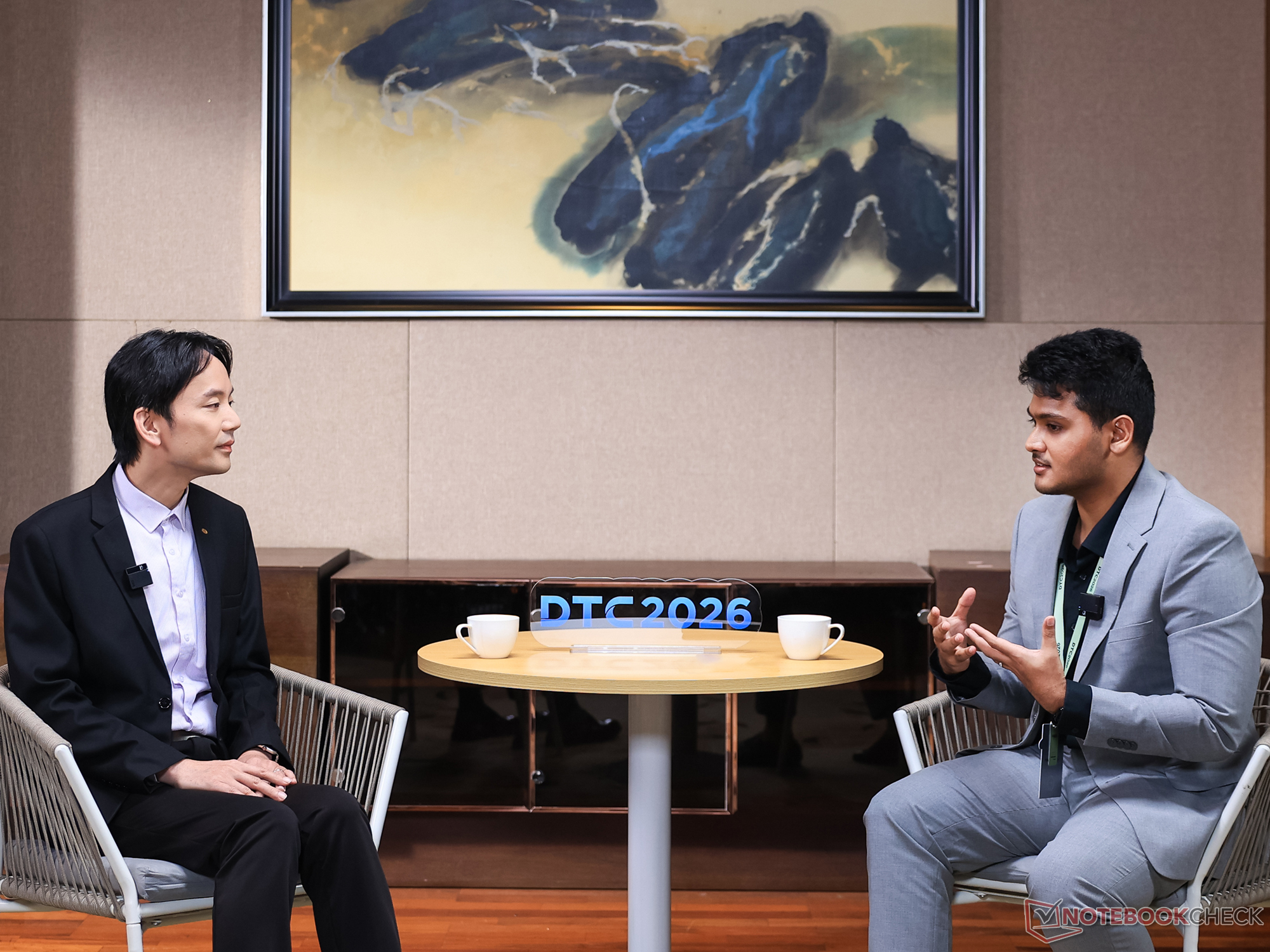
TCL CSOT has also showcased its progress in terms of LCD displays, but the advanced OLED prototypes made it seem like LCD screens might get swept off desks. Well, our talks with Mingzhong Zhou, Head of Technology Planning Center at TCL CSOT, painted a slightly different picture.
It will take some time for OLED to reach competitive pricing in laptops and monitors
Mingzhong Zhou told us that TCL CSOT is scaling up its T8 IJP OLED line, which is expected to enter mass production in Q4 2027. However, Zhou was careful to set our expectations on what this would mean in terms of affordable, mainstream products.
Bringing a production line online doesn't mean it can immediately deliver fully qualified products at full volume.
That is, while Q4 2027 is close, turning inkjet printing's theoretical material savings into genuinely competitive panel prices still hinges on a couple of factors. Among them are production efficiency, overall scale, and improving yields.
So, a Q4 2027 factory start is more likely to translate to broader consumer availability in 2029, if not in 2028. Even at that stage, LCD won't be going anywhere because the cost and scaling hurdles remain stubborn.
Zhou has also pointed to ongoing LCD improvements, some of which we have already seen at the DTC 2026 floor. These advancements further narrow the traditional weaknesses of the liquid crystal design, strengthening LCD's ground, and eventually we will see it evolve alongside OLED, possibly at the same pace.
Mingzhong Zhou paints a picture that looks far beyond the spec sheet
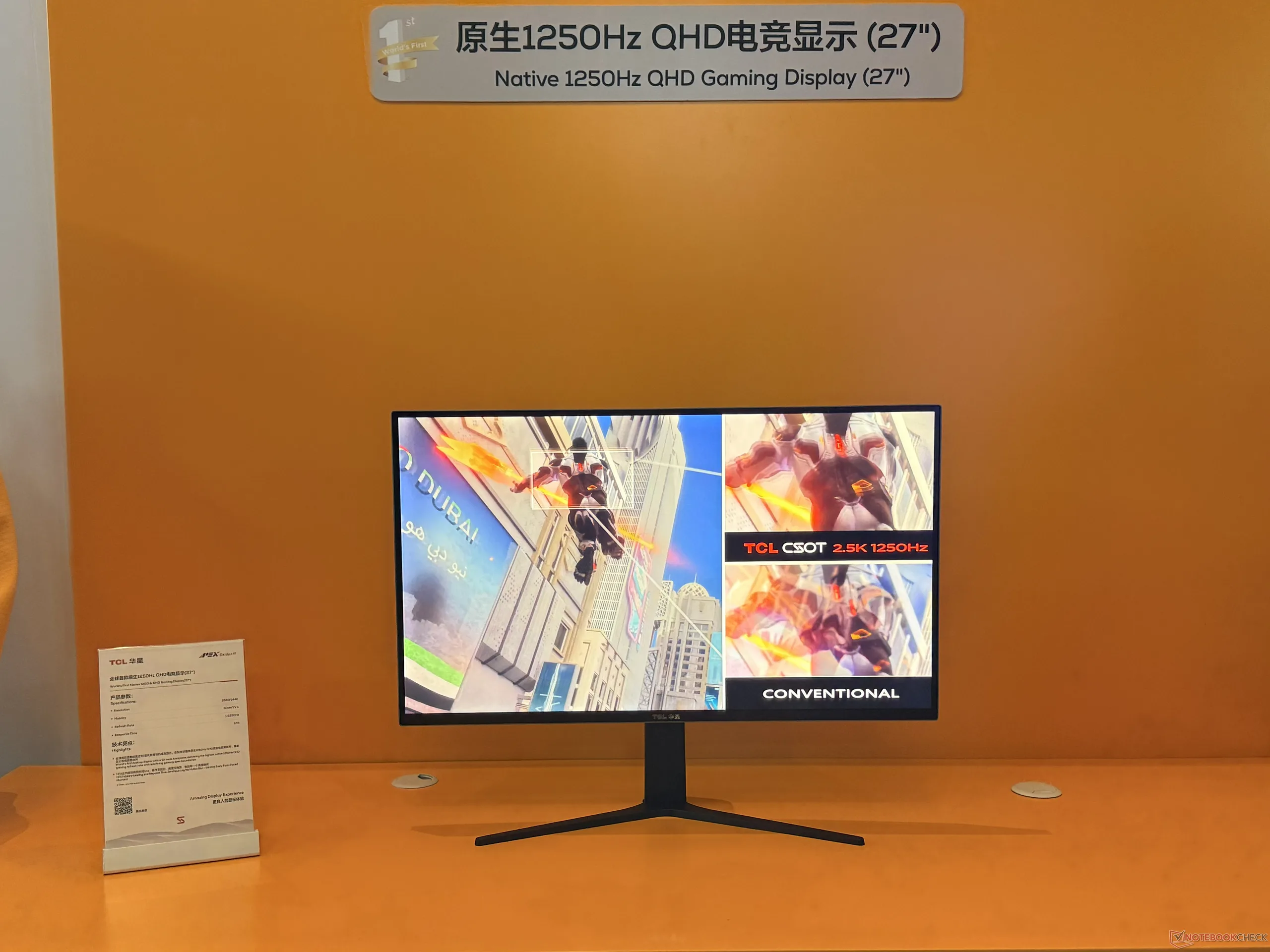
We have seen multiple headline-grabbing prototypes at DTC 2026. The smartphone OLED display with a 10,000-nit peak brightness rating, the 27-inch monitor with a 1,250Hz refresh rate, and the 500Hz OLED gaming monitor are among them. Zhou has, however, shared a vision that doesn't just chase headlining numbers such as these.
Mingzhong Zhou argues that for laptop and monitor buyers, the display quality needs to be judged based on real-world conditions. That includes sustained full-screen brightness, power draw at high refresh rates, and lifespan. Over the next few years, Zhou expects to see meaningful upgrades in four practical areas, which include:
- Better text clarity on more common monitor sizes, such as 27-inch, and look beyond raw PPI.
- Improved motion clarity instead of just focusing on response-time specs.
- Enhanced battery life through Oxide TFT and LTPO backplanes combo paired with adaptive refresh rates.
- Consistent everyday durability with displays that hold stable image quality, solid energy efficiency, and good longevity across years of mixed desktop use.
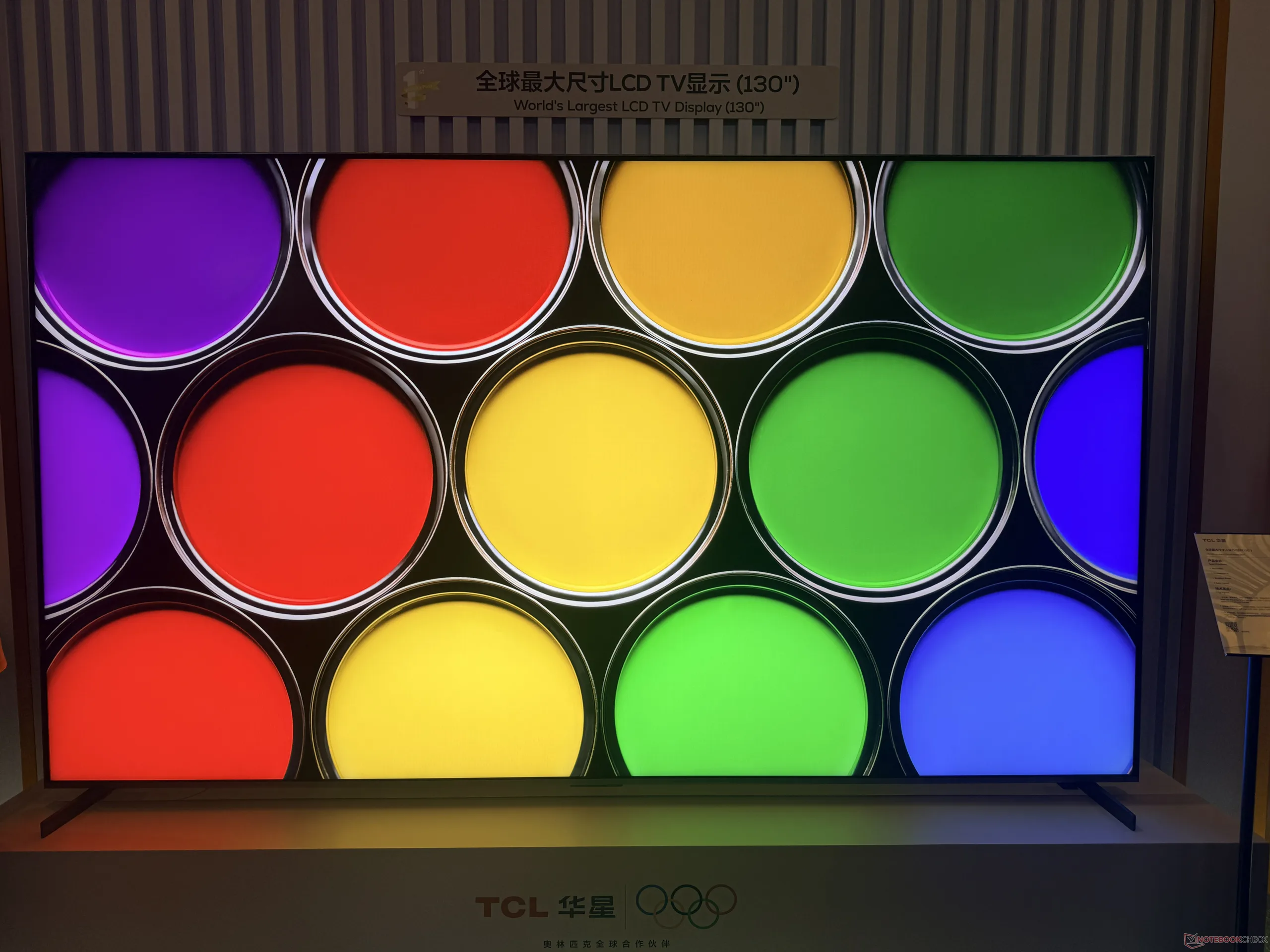
In simpler words, Zhou's comments have provided a reality check on the flashier prototypes showcased at DTC 2026. So, for anyone who might be shopping for a new laptop, the takeaway is fairly grounded. No matter what the panel type is, Zhou suggests that if it's from TCL CSOT, it will likely be more focused on delivering real-world advantages rather than just chasing a single record-breaking stat.
Of course, TCL CSOT is already facing some real competition
TCL CSOT isn't making a push in a vacuum. There are rivals moving quickly to offer answers to the same exact laptop and monitor pain points. Samsung and BOE, for example, have brought their own Gen 8.6 IT OLED lines into mass production in 2026. Alongside Oxide TFT and LTPO backplanes, they pushed on Tandem OLED stacks to bring notable improvements in brightness and battery life.
LG Display, on the other hand, has been refining the Tandem WOLED lineup with true RGB-stripe subpixel layouts. The company is targeting color-fringing and text-clarity issues next, which are some of the aspects that have held OLED monitors back, especially in productivity workflows.
The good part is that all this rivalry will work in buyers' favor. That is, even if mainstream OLED pricing doesn't happen with the advancement of IJP OLED, competition across the panel makers is bound to make everyday options better.
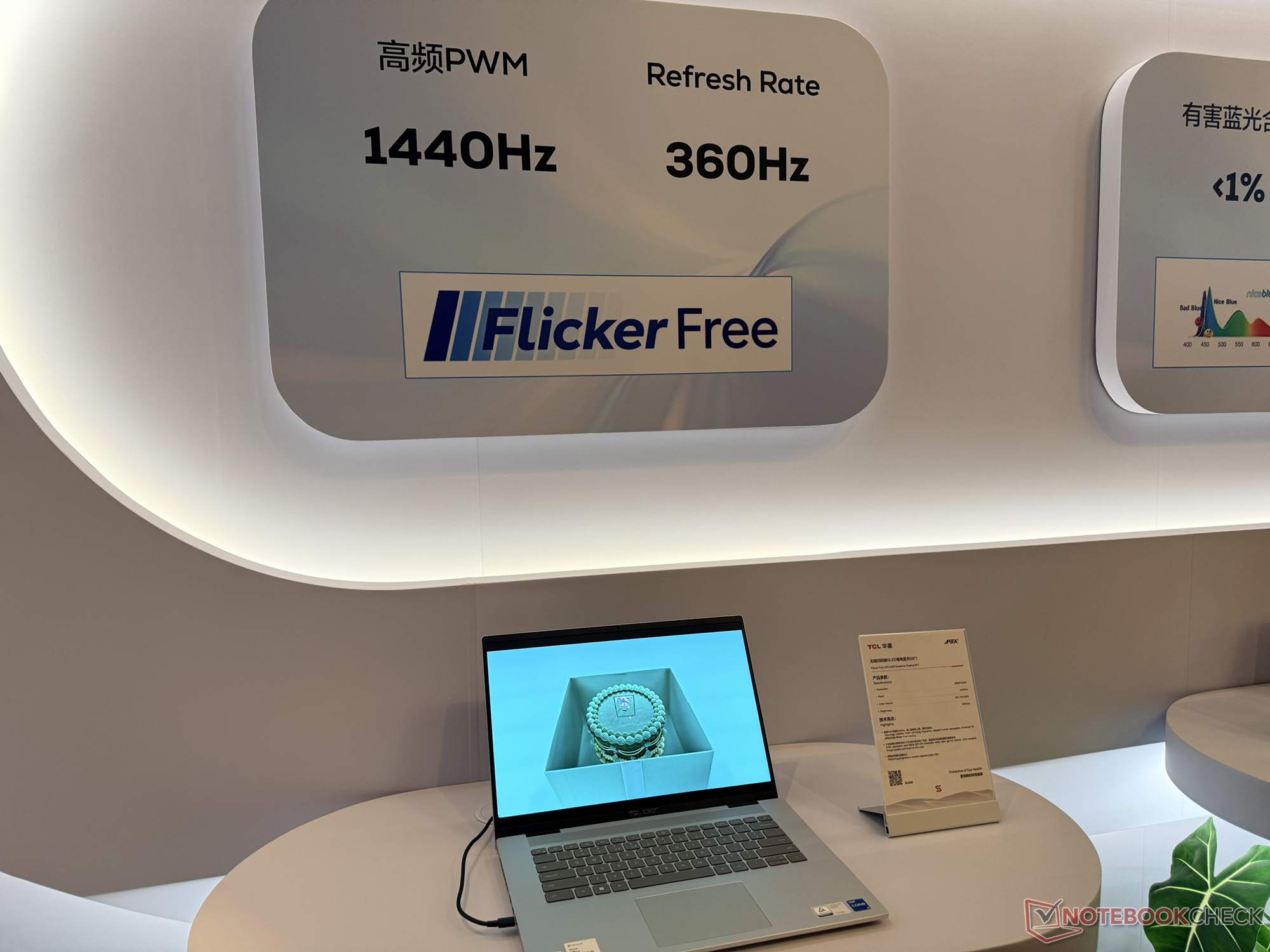
We also got a behind-the-scenes tour of TCL CSOT's t12 production line
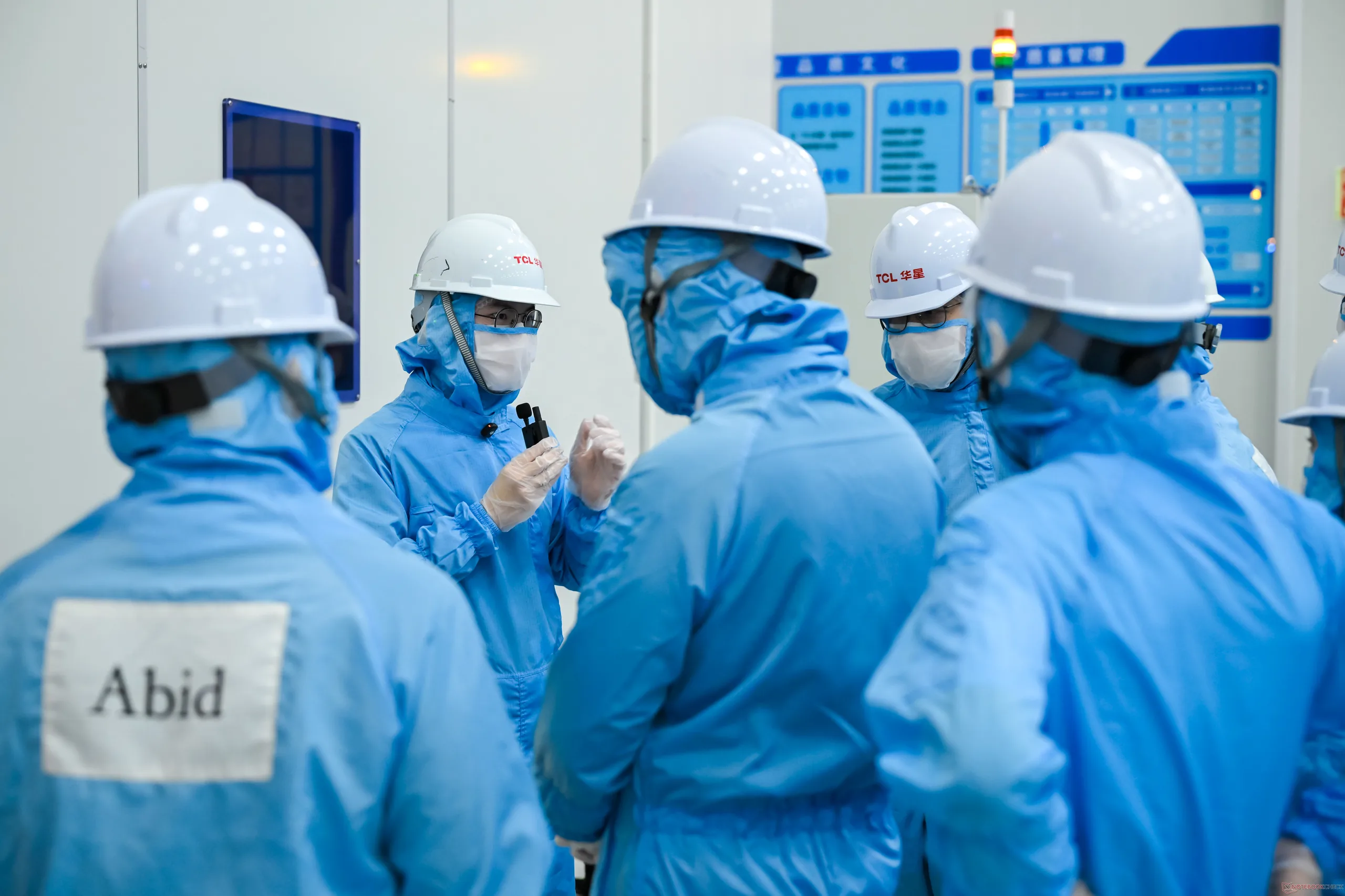
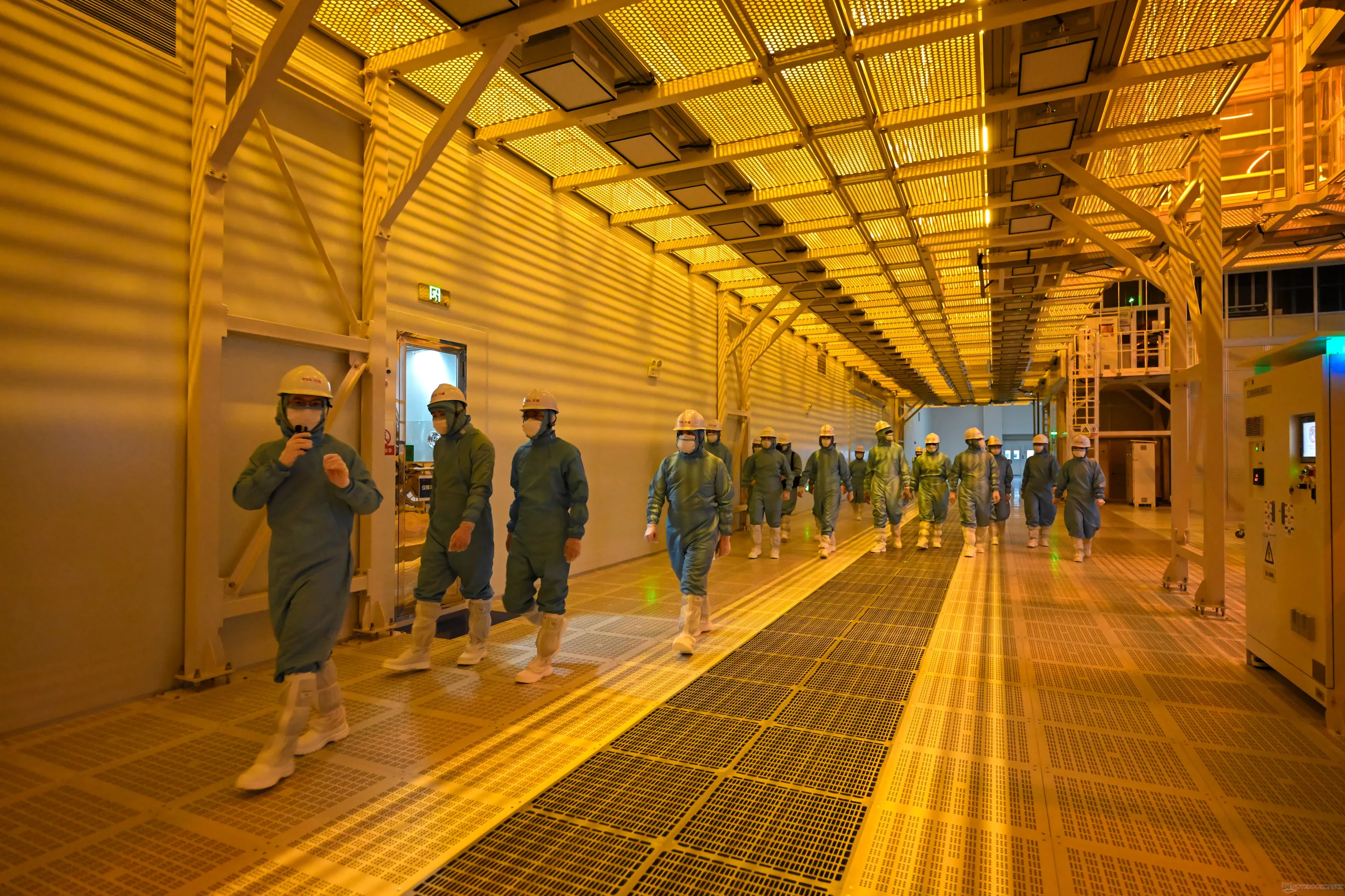
In November 2024, TCL CSOT reached the ability to mass-produce IJP OLED panels on the Gen 5.5 production line. TCL gave us a short tour of the Wuhan factory, and we got a short inside look at how things work behind the scenes.
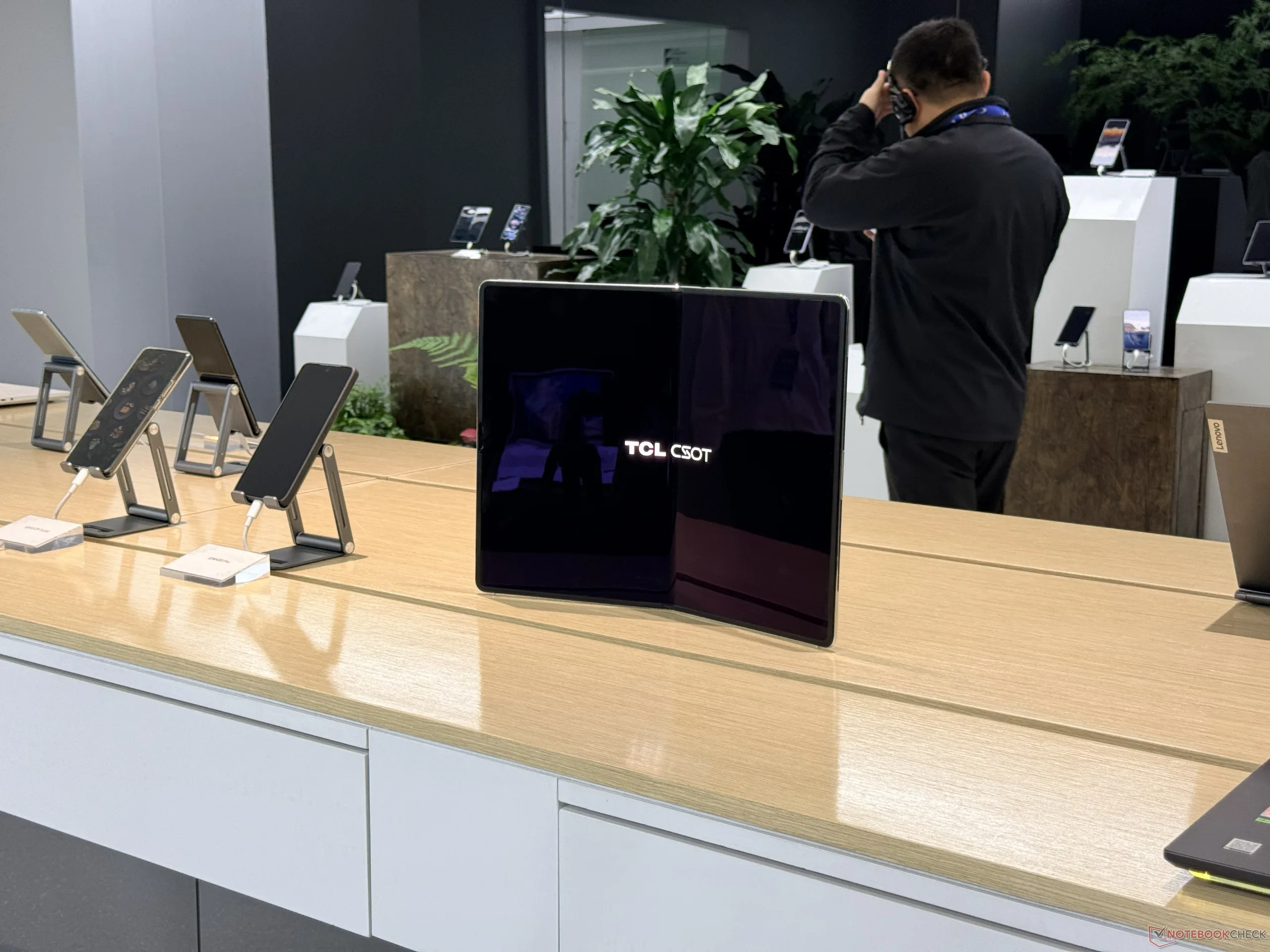
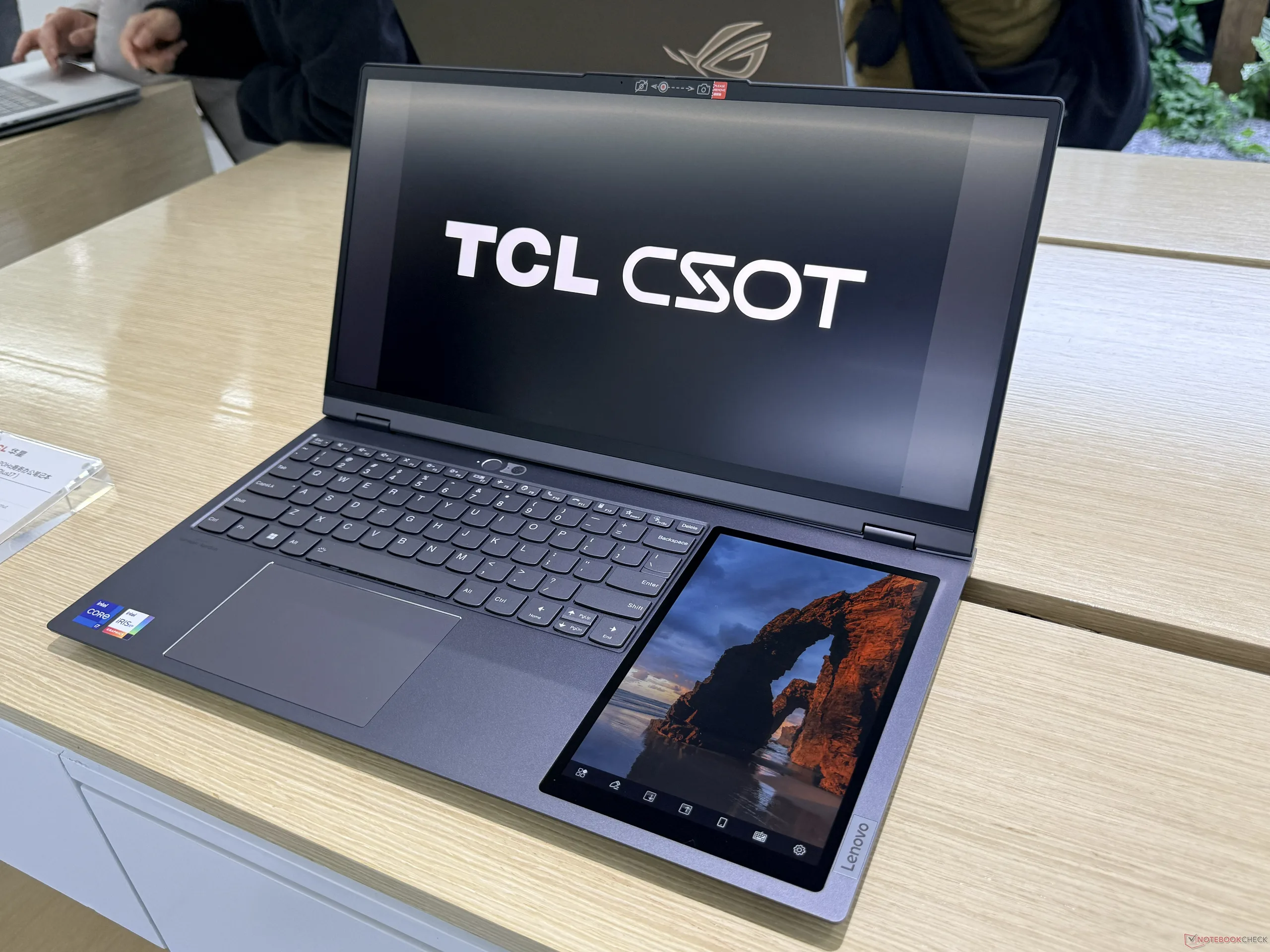
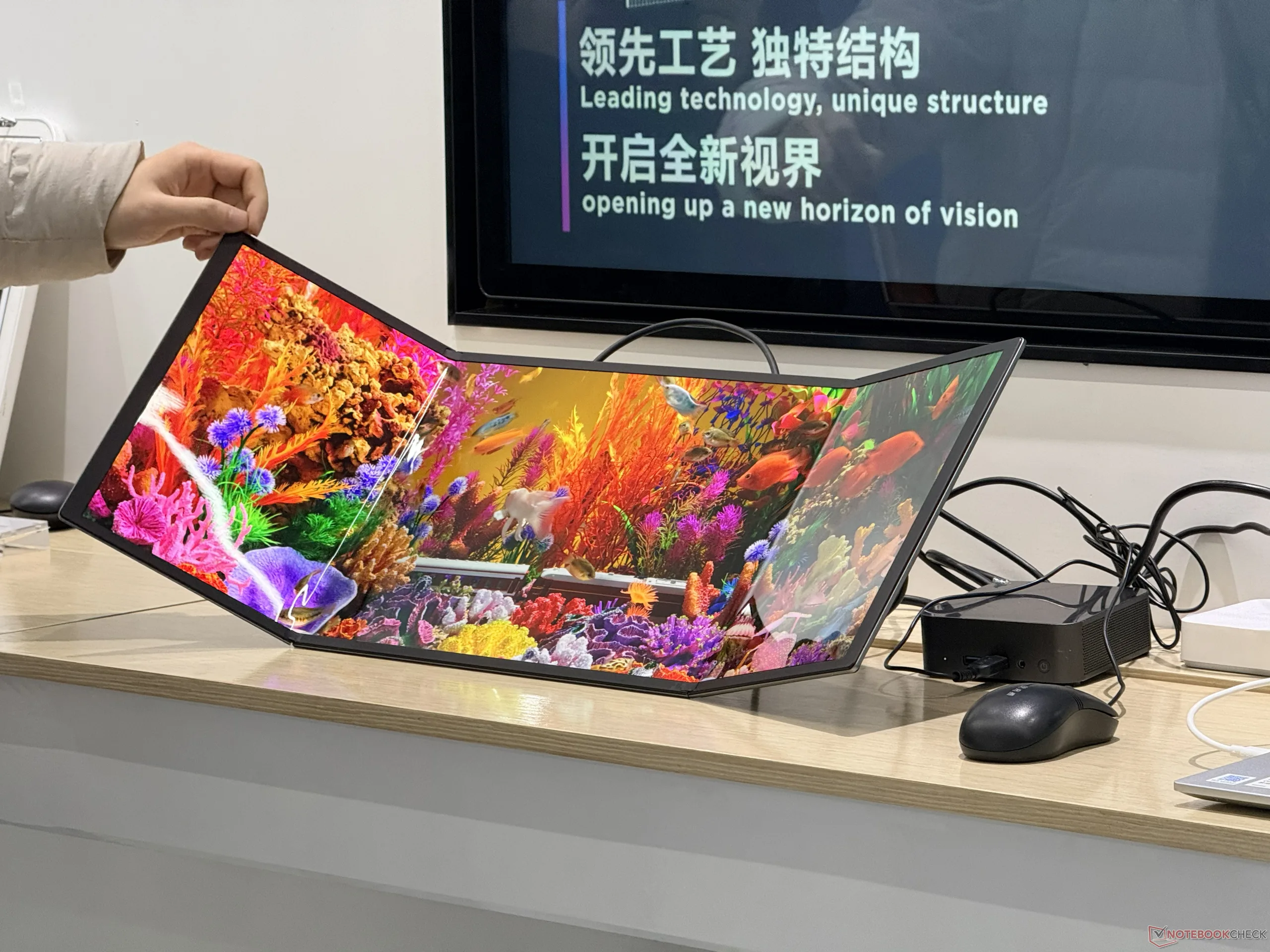
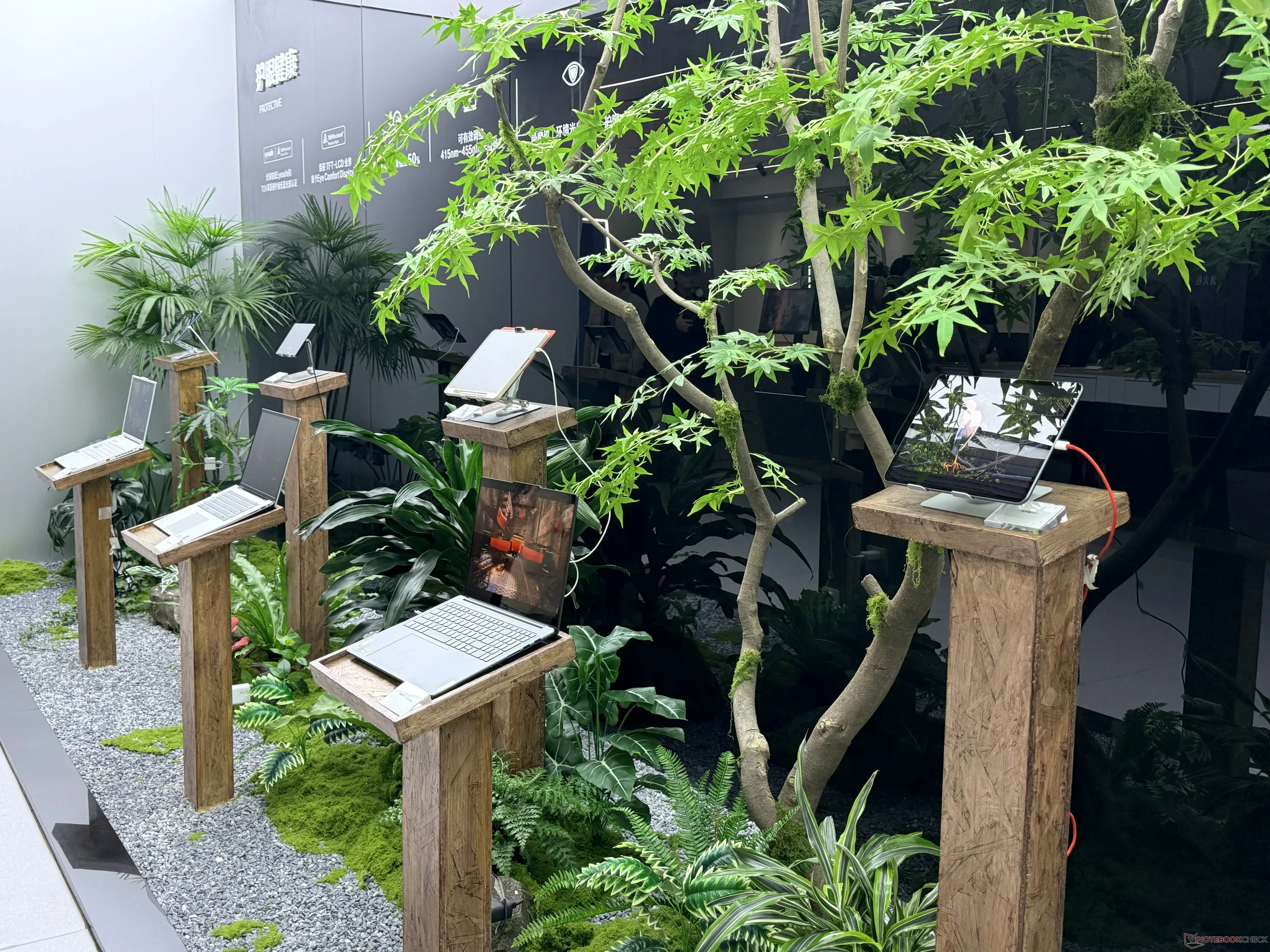
Before getting dressed up for the factory tour, TCL CSOT showcased the currently commercially available display tech at their exhibition area. A couple of highlights from the first segment of the area are the tri-fold portable monitor, the Huawei MateBook Fold with a large foldable OLED display, and the Lenovo ThinkBook Plus 17 with a small 8-inch display beside the keyboard.
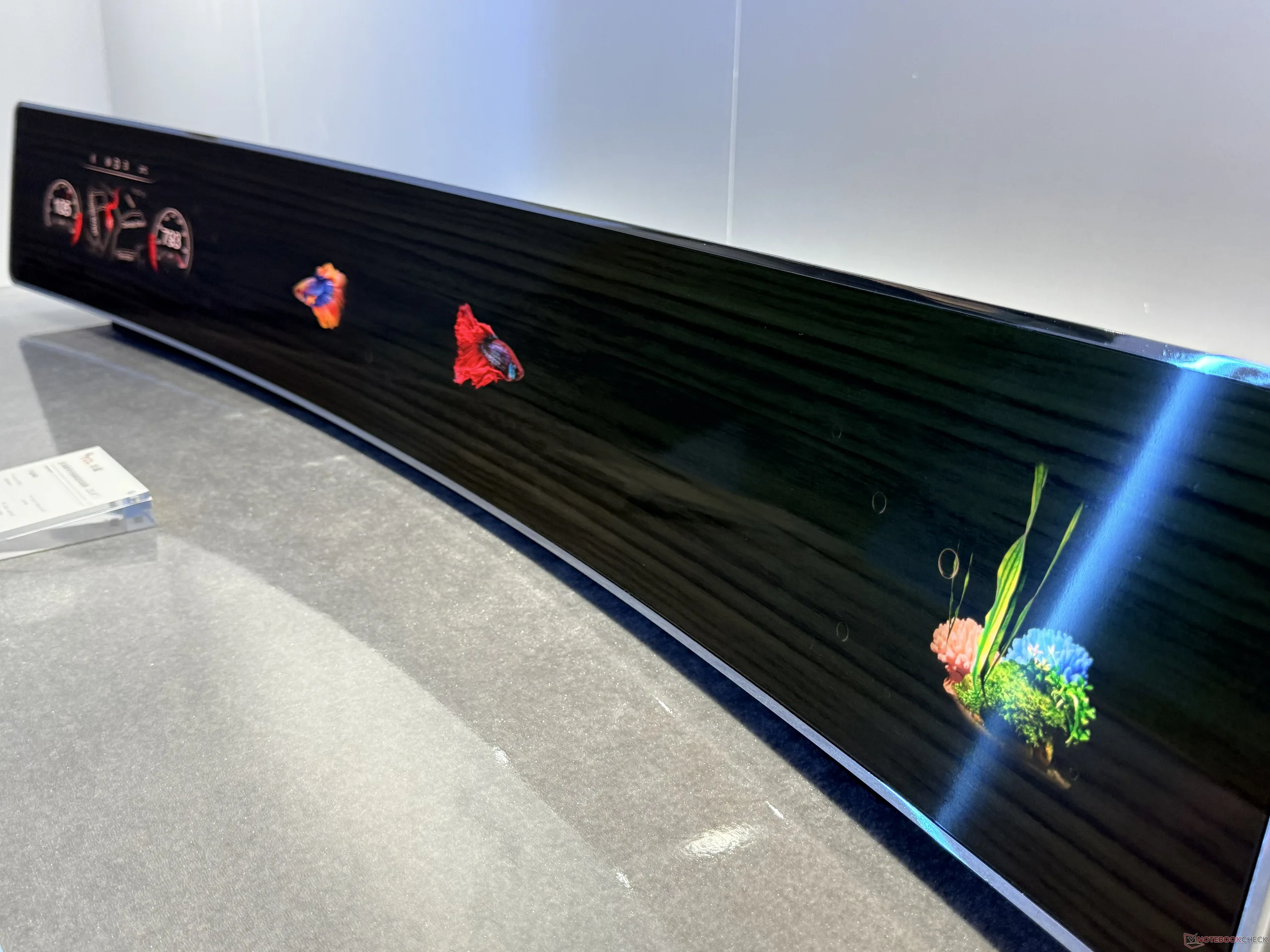
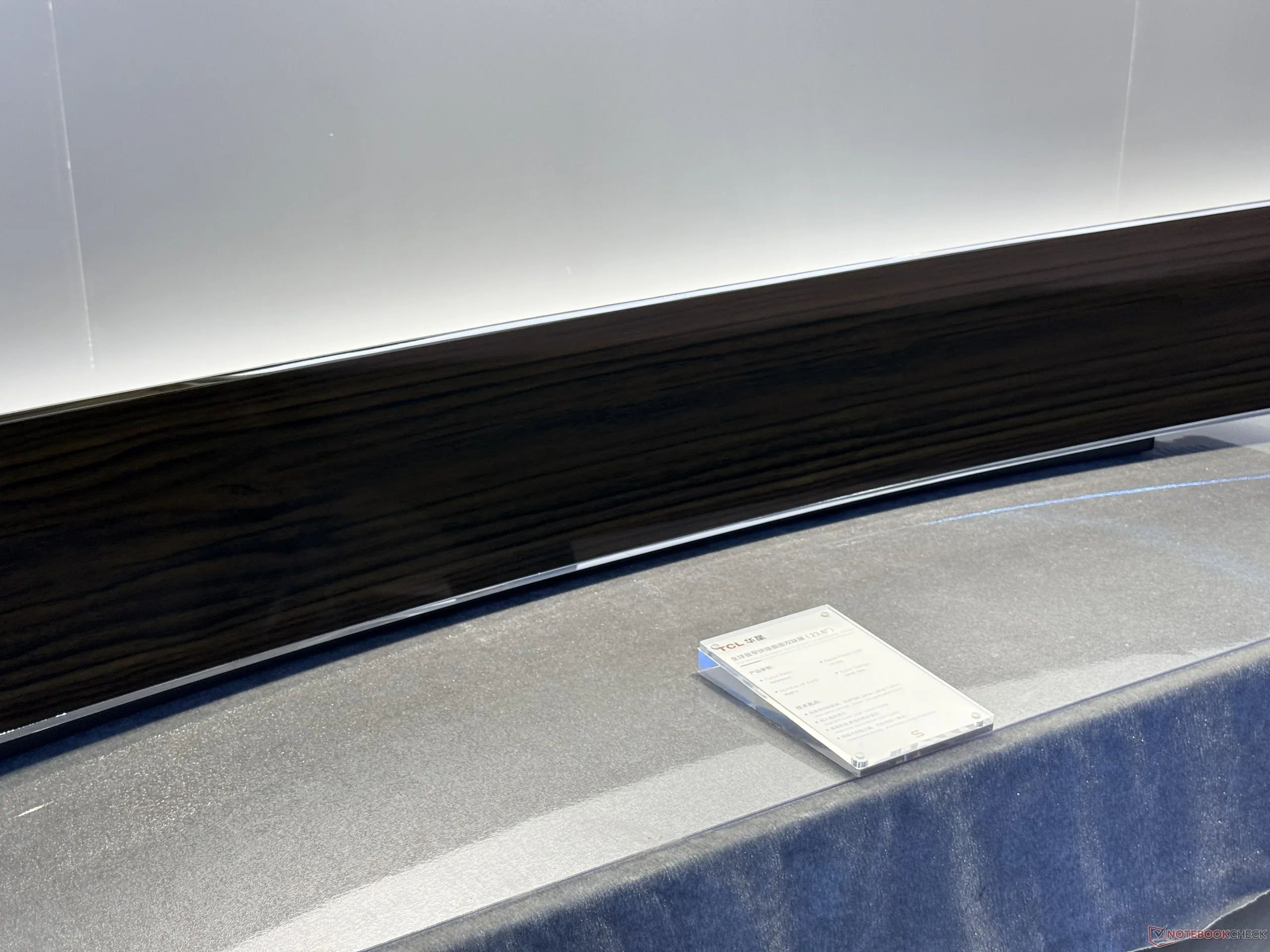
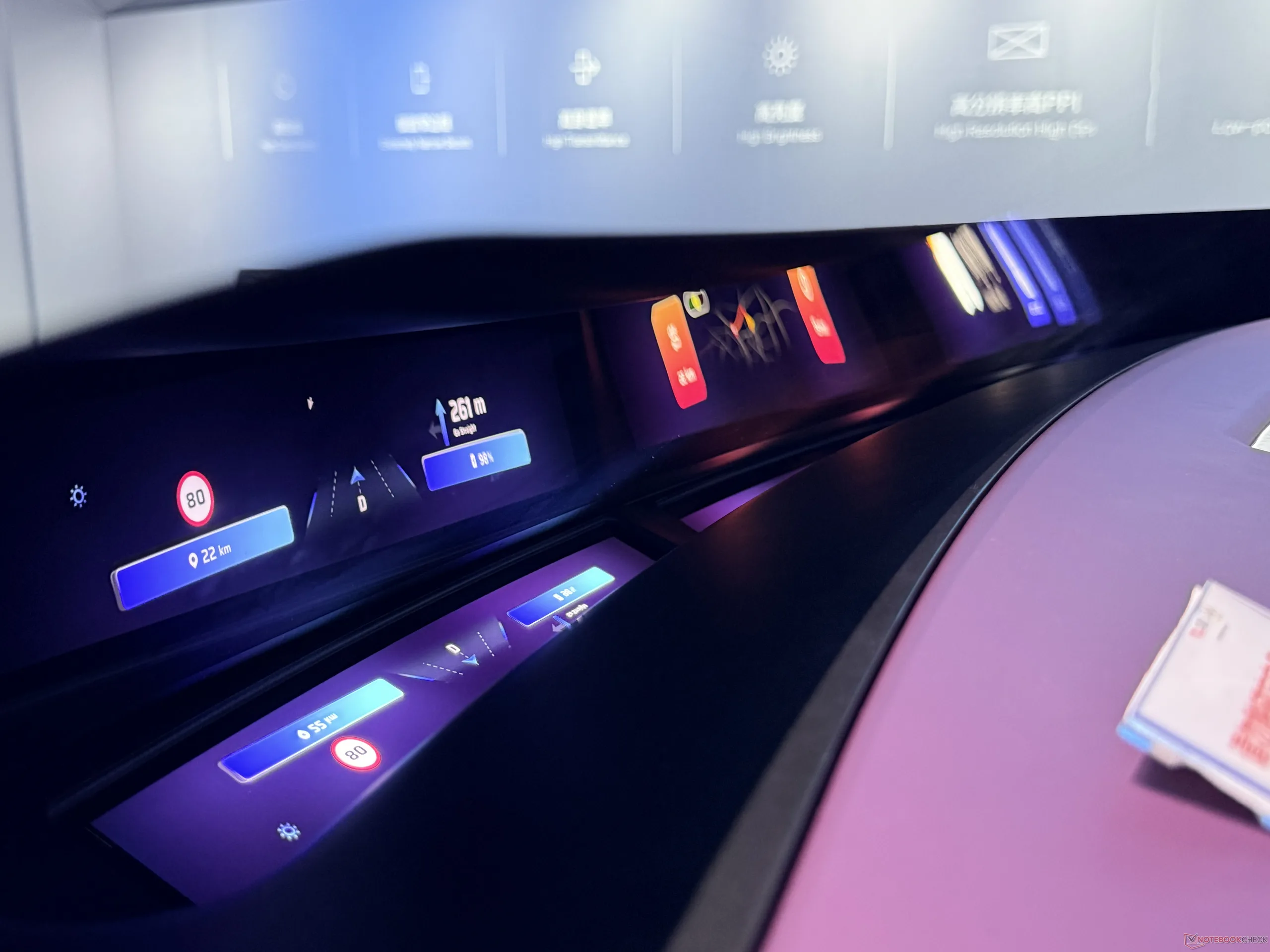
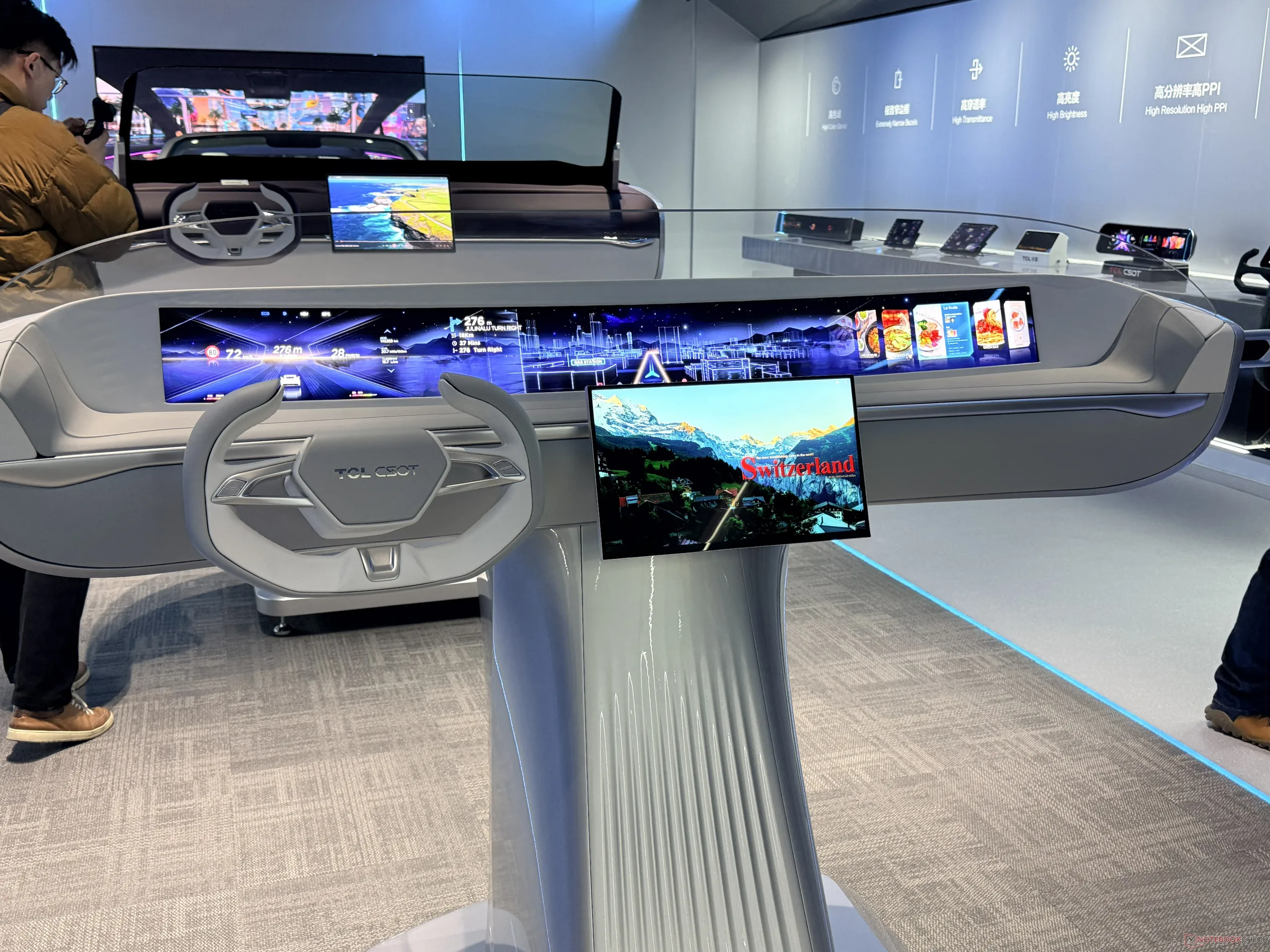
TCL CSOT has also showcased some of the currently available display tech for EVs, including a dashboard screen with wood-texture-like glass, a switchable privacy display, and a demo that's projecting HUD onto the windshield.
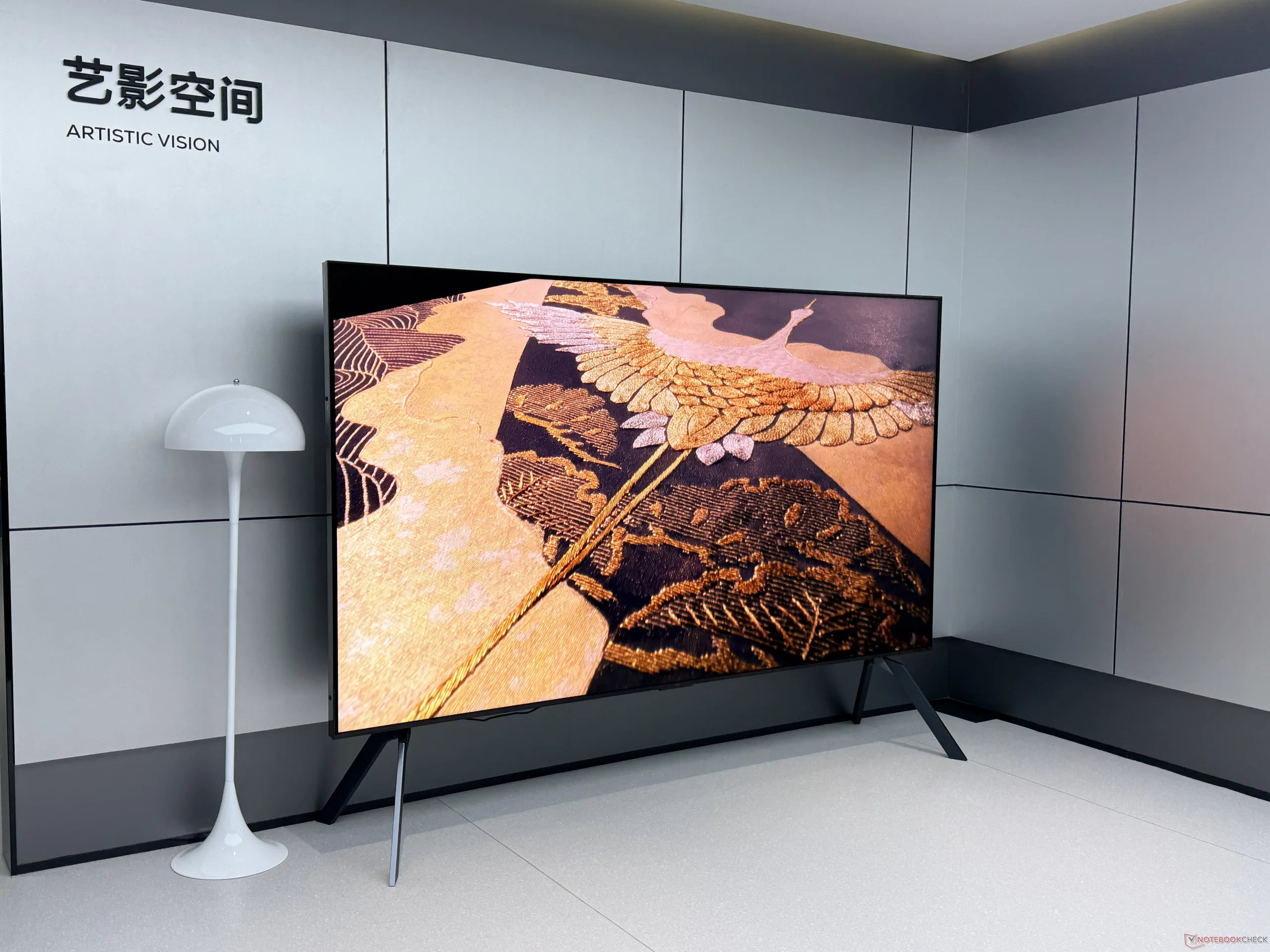
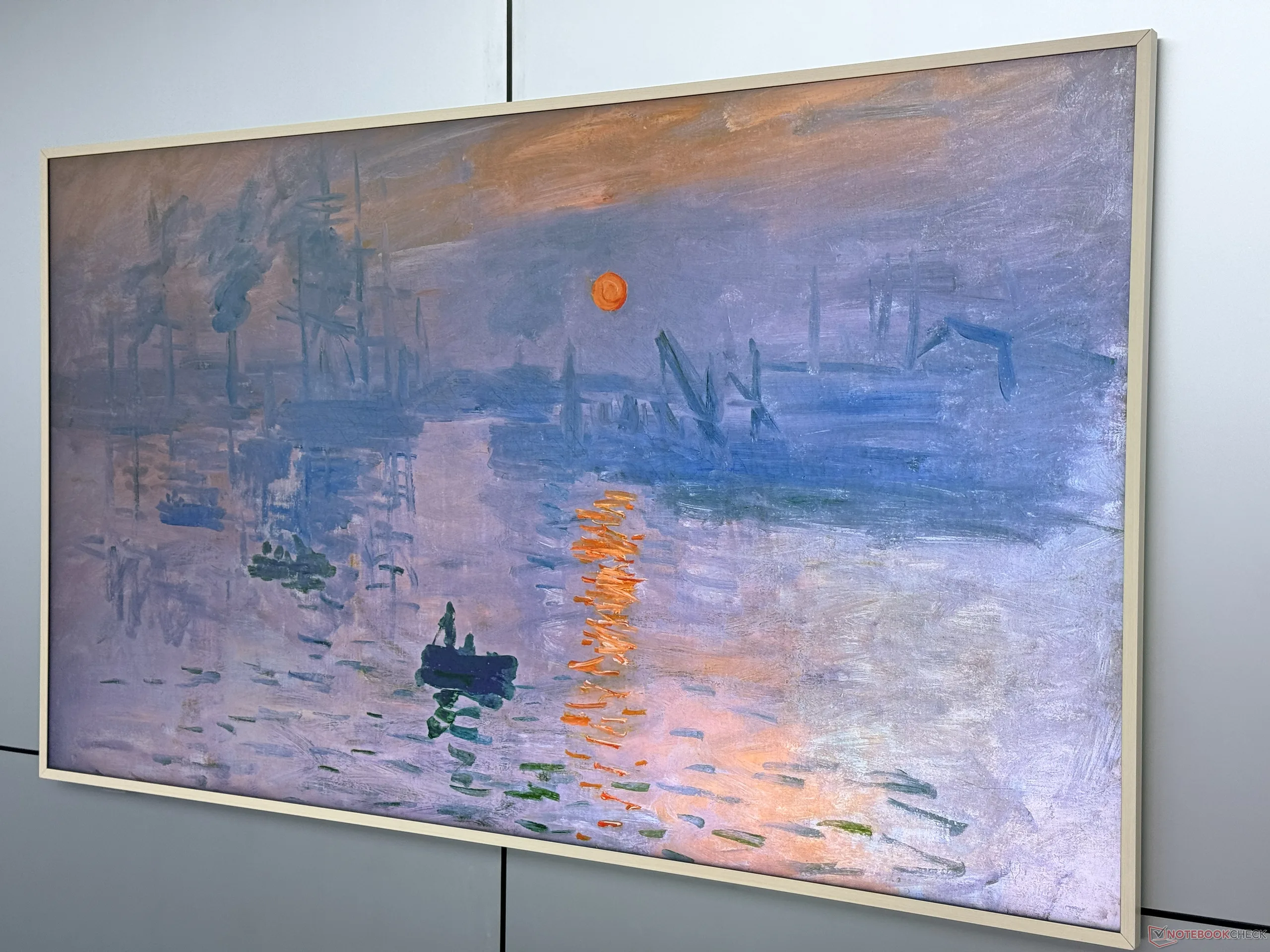
The last segment of the exhibition area featured home entertainment tech, including a wall-sized 115-inch mini LED TV with 20,000 dimming zones. This zone also had TCL's take on the Samsung The Frame: the NXTFRAME.
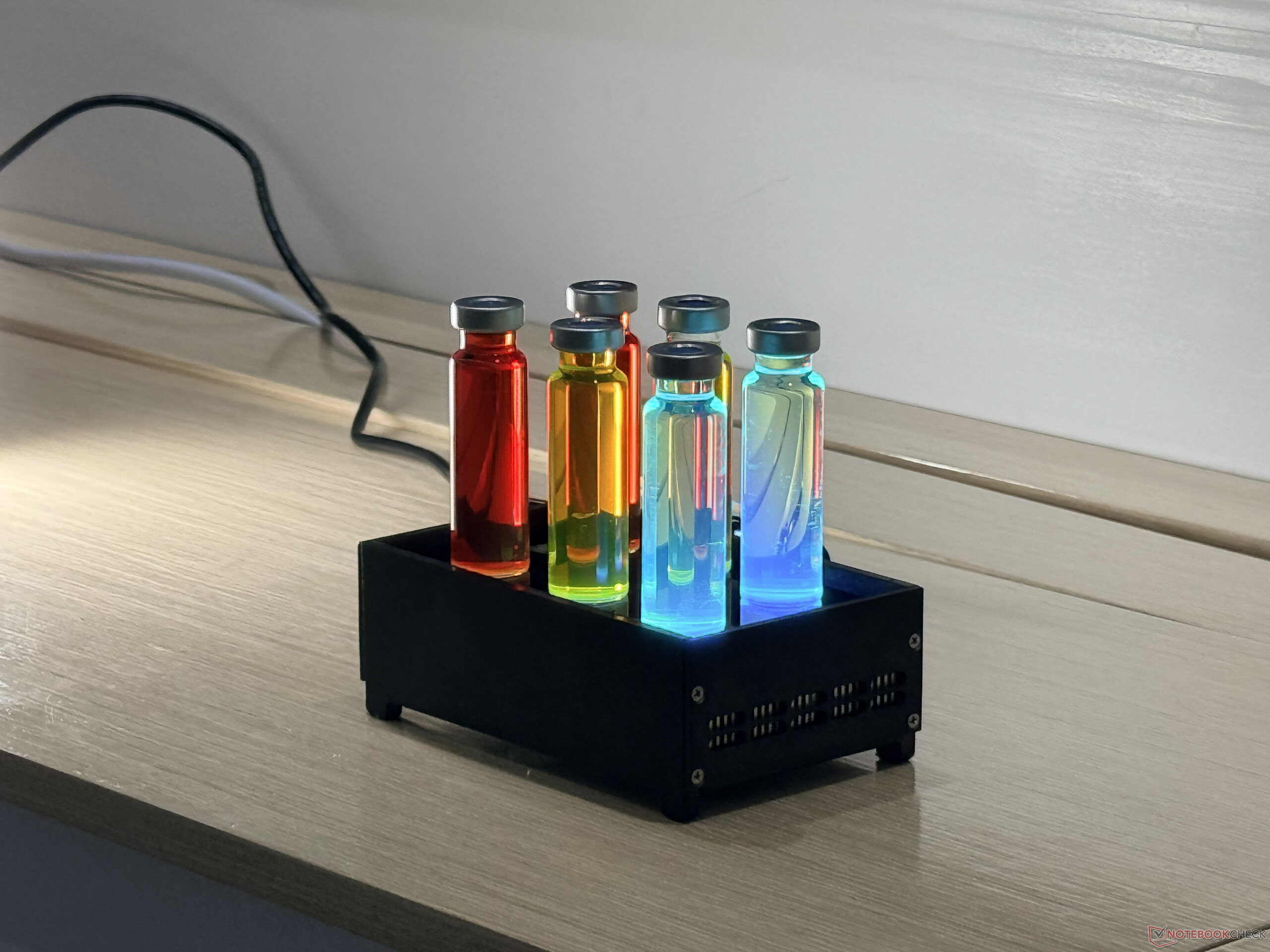
After the exhibition tour, TCL CSOT brought out a set of IJP OLED ink tubes and gave us a short introduction to the process. The video below sums up the whole thing into a more digestible clip.
This was followed by a brief factory tour of the t12 production line, where we got to see some internal processes. The main highlight of this final part is the IJP OLED printing head. We had the opportunity to be up close with one, and it was truly fascinating to see that the printing holes, where the inks come out, are so microscopic that you can't see them with your eyes.
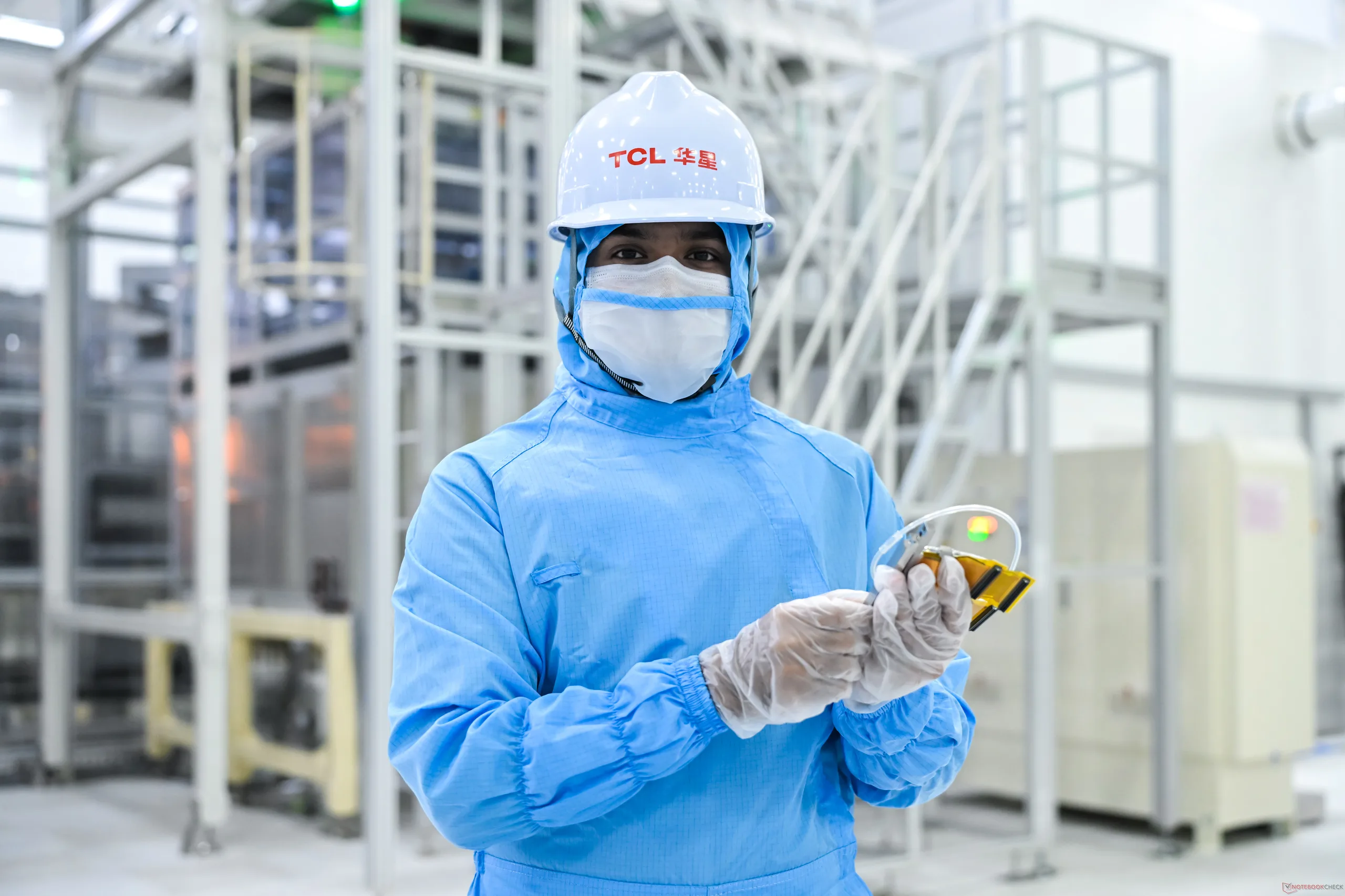
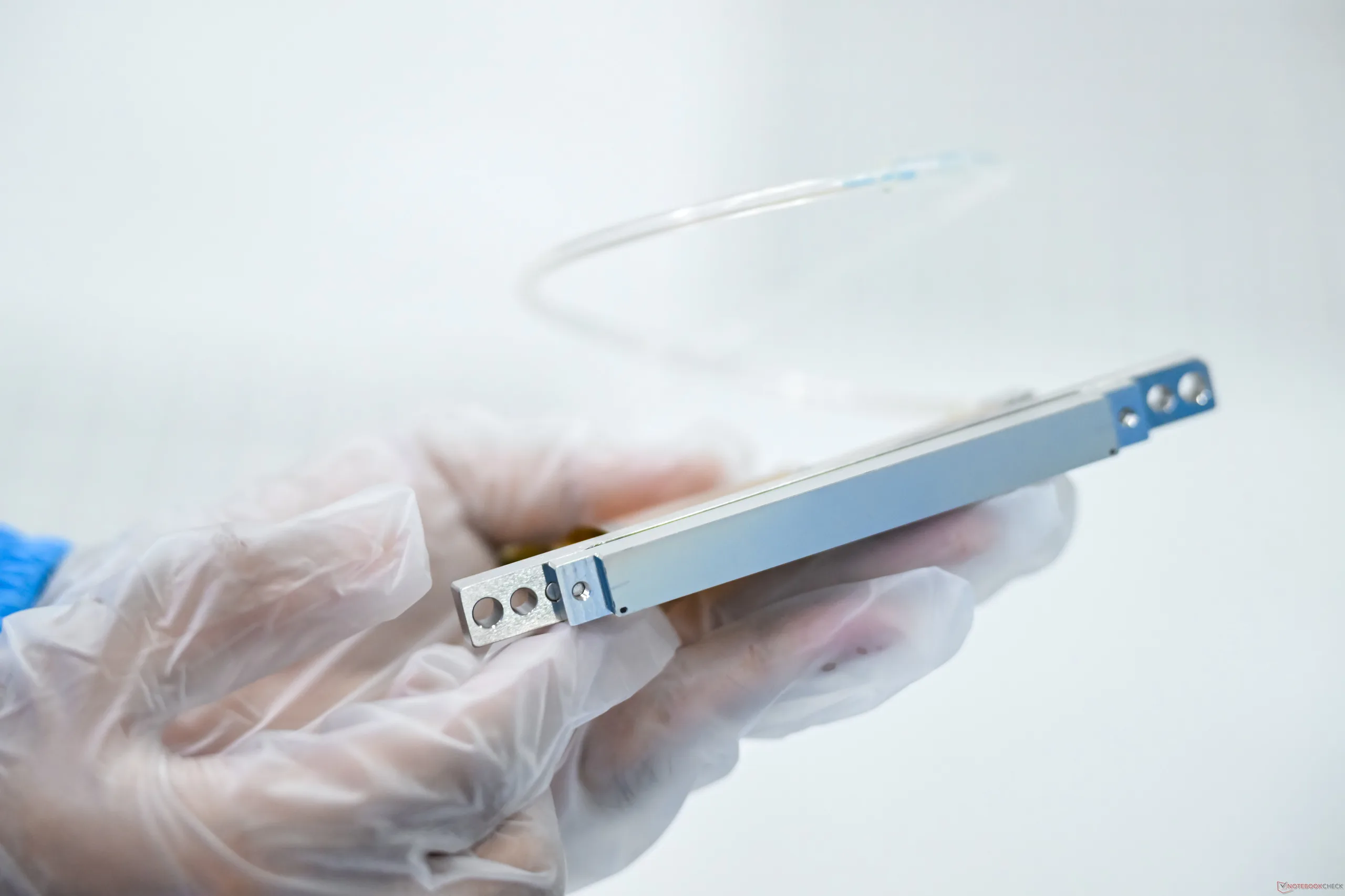
While we couldn't see the printing process in action, the tour took us closer to the machinery, and it showed us a couple of elements that work hand-in-hand during IJP OLED production.
Disclosure: TCL CSOT invited the author to Wuhan as part of DTC 2026 media tour and covered airfare and accommodation during the event. TCL CSOT had no editorial influence over this article, nor was there any obligation to publish it.
Source(s)
Own reporting and TCL CSOT
 Add as a preferred source on Google


