




SnailMail is trending: Making money with physical letters
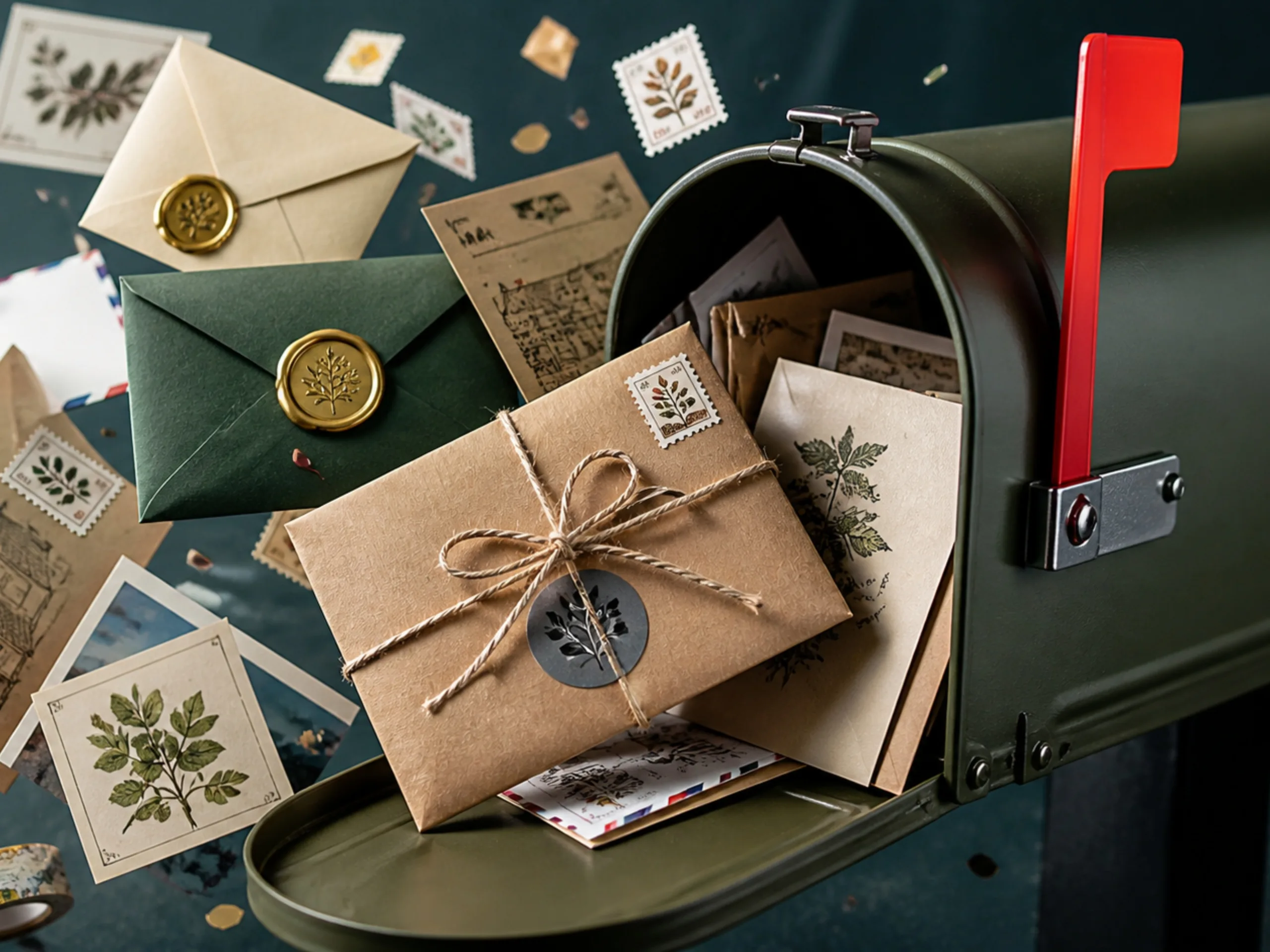
Under the term “SnailMail,” young creators are currently setting up subscription clubs to earn money. The principle is familiar from platforms such as Patreon: users pay a small monthly fee and receive exclusive content in return. Here, however, the product does not land in a digital feed or inbox, but in the mailbox. It is all about physical mail – from handwritten letters and recipes to small works of art.
The trend thrives on its contrast to fast digital communication. Real mail feels more personal and can have a kind of slowing-down effect amid digital overstimulation. At a time when AI is making content increasingly interchangeable, the concept seems to resonate particularly well. Paradoxically, its success is driven mainly by digital platforms: TikTok and Instagram serve as shop windows, production diaries and distribution channels. On TikTok, there are already more than 150,000 posts under the hashtag “SnailMail”.
CNBC interviewed several SnailMail providers, including Kiki Klassen, who sends around 900 letters per month to her “Lucky Duck Mail Club”. For around $8, subscribers receive typed letters and illustrated postcards. She is said to have generated monthly revenue of $4,385. According to CNBC, 25-year-old artist Trinity Shiroma runs the “Architecture Club”, in which she illustrates famous buildings or places every month. Subscribers receive prints, accompanying letters and small craft projects. Bo Natakhin from Toronto, meanwhile, focuses on a cooking zine by mail: his first issue is said to have been a 52-page mini cookbook with pasta recipes.
Whether creators can reliably make money this way in practice remains questionable. In a Reddit thread about starting a SnailMail club, the mood is fairly sober. Many users like the idea in principle, but doubt its long-term profitability and expect high monthly production pressure. One operator of a mail club adds that a clear concept and a distinctive profile are important – otherwise, marketing becomes difficult. The top comment sums up the mood in the thread: “Nice idea, but not a big money maker.”
Source(s)
 Add as a preferred source on Google


