


Siri AI: iOS 27.3 reveals Apple's personal memory feature
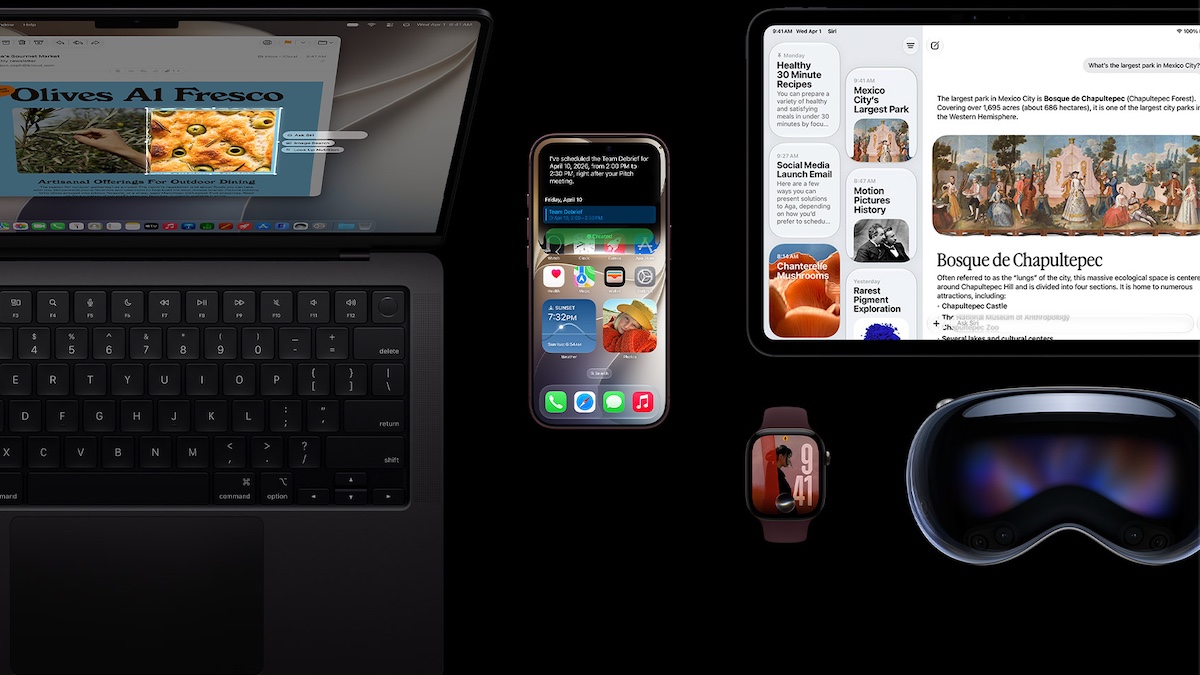
Siri AI may soon be able to remember significantly more than individual requests. In the first iOS 27.3 beta, code researcher pdfu has discovered a so-called memory graph designed to connect personal information and the relationships between different parts of a user's life. Instead of simply retrieving messages, photos, or appointments, Apple's assistant could eventually remember this context and use it in future conversations. For now, however, this remains unfinished functionality rather than an announced feature.
The graph is built around a profile representing the user. According to the code findings, it supports 26 categories of personal information, including contacts, relationships, frequently visited places, routines, activities, and health information. Interests, current priorities, and upcoming events are also part of the structure. Particularly interesting are the so-called memory atoms: individual records containing facts, opinions, intentions, and events, which can be associated with specific people, places, and points in time.
More than a smarter search function
The findings were documented by pdfu, who analyzed structures hidden in iOS 27.3. Apple is also developing a separate store for explicitly saved memories, with support for full-text and vector-based retrieval. However, MacRumors reports that the implementation is still incomplete, with no process yet creating these memory records automatically. There is no confirmed release date.
This would extend the personal context capabilities that Apple introduced in September. Siri AI can already use information from messages, emails, and photos to understand what users are asking about. A persistent memory could take that approach considerably further, allowing the assistant to build on previous interactions instead of starting from scratch every time. Whether Apple will implement the system exactly as discovered remains unclear.
Privacy and European availability remain open questions
Information about someone's health, relationships, and daily habits is particularly sensitive. It therefore matters which parts of the system would run directly on the device and which might depend on Private Cloud Compute. The current code findings do not establish the final architecture or explain how users would review, correct, or delete stored information. Apple has not publicly announced the memory graph.
European users face another complication. Siri AI is still unavailable on iPhones in the European Union, although supported Macs can access the assistant with the appropriate language settings. Even if Apple completes its new memory system soon, that does not necessarily mean iPhone owners in the EU will be able to use it immediately.
 Add as a preferred source on Google


