


Samsung Galaxy S27: Some Galaxy AI features will no longer be free
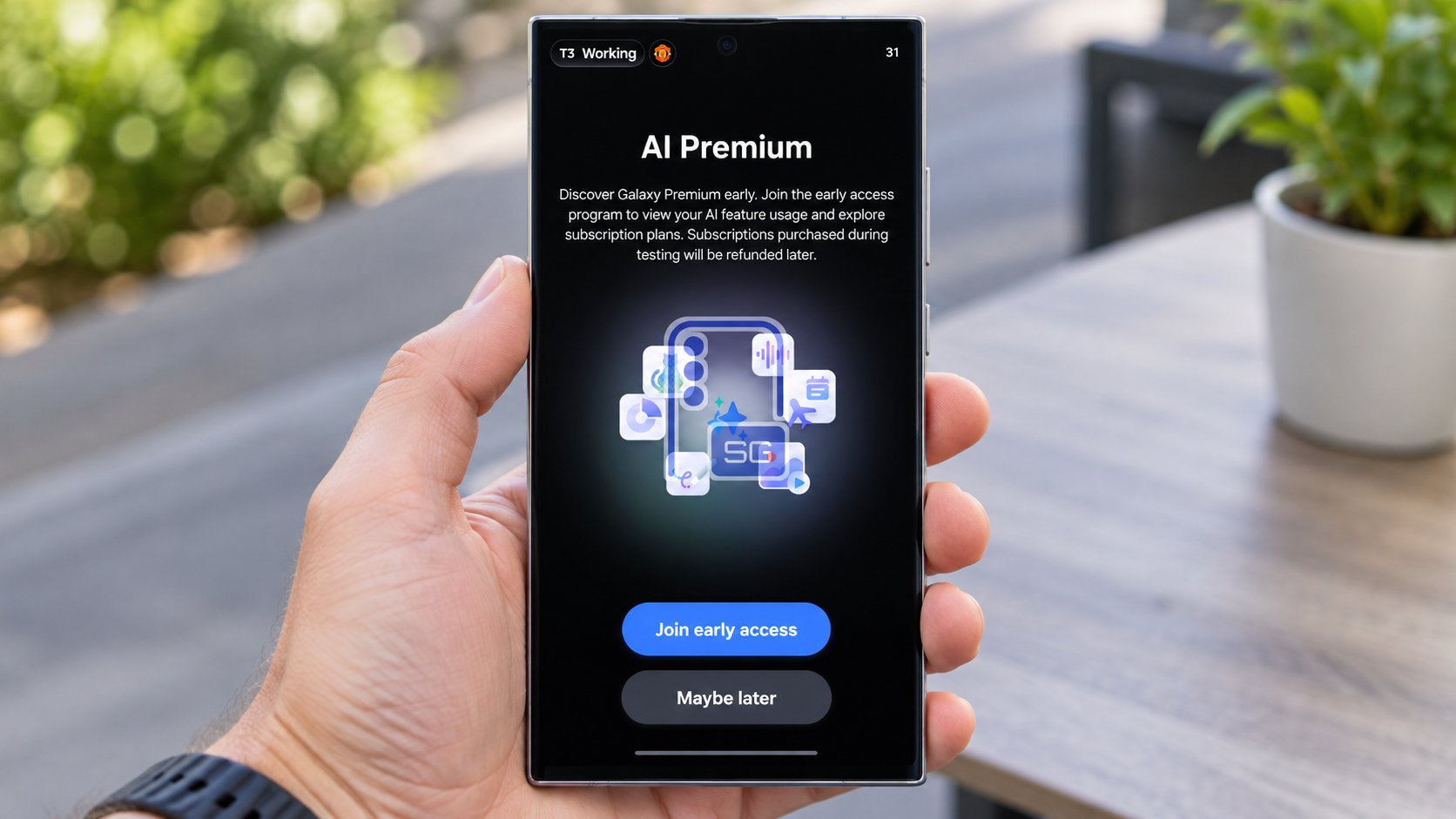
Samsung fans are already eagerly awaiting the next Galaxy Unpacked event, especially since some exciting hardware upgrades appear to be planned for the Galaxy S series next year, ranging from cameras to displays. Samsung will also likely introduce new Galaxy AI features alongside One UI 9.5, which will debut preinstalled on the Galaxy S27 generation.
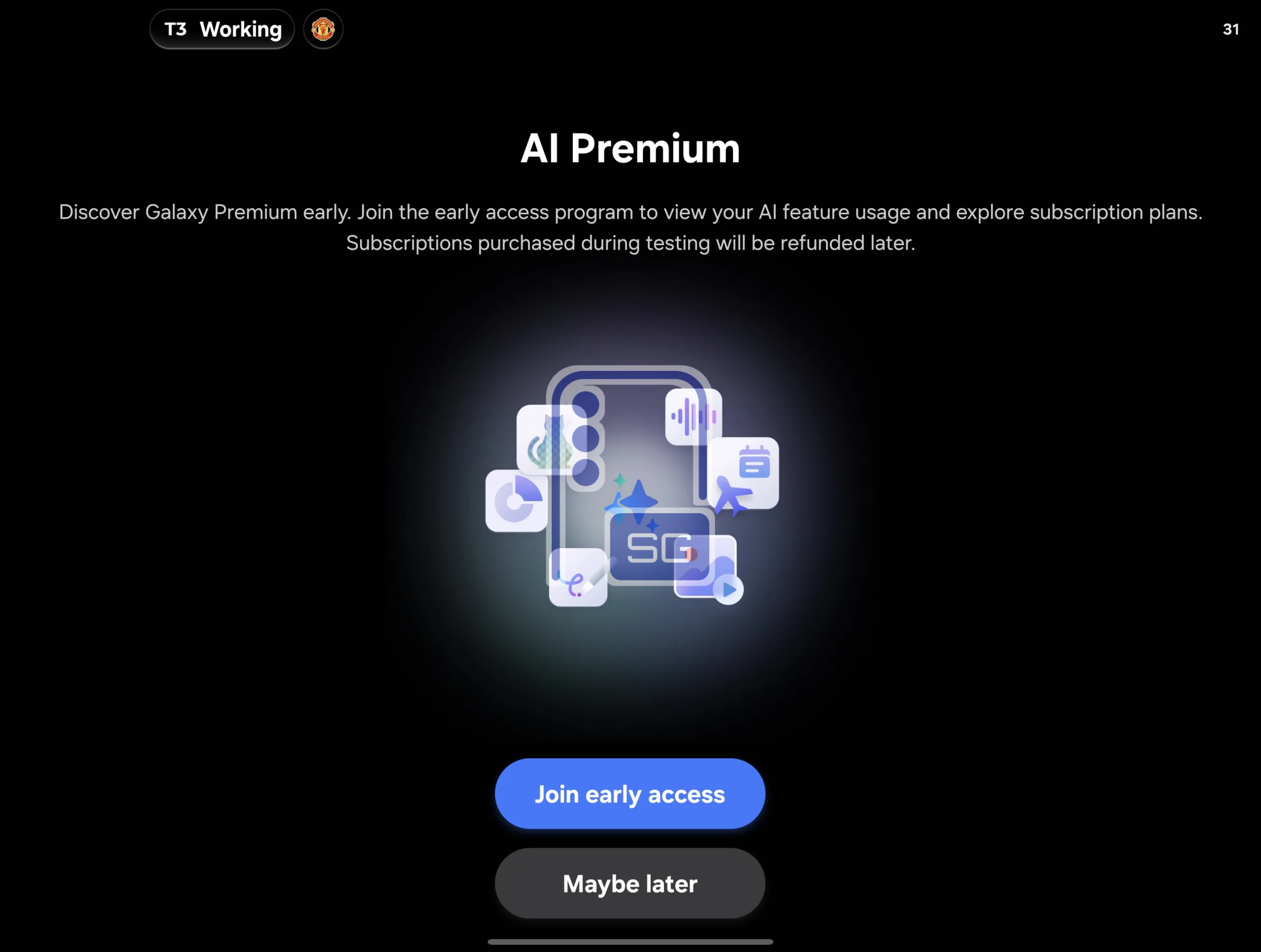
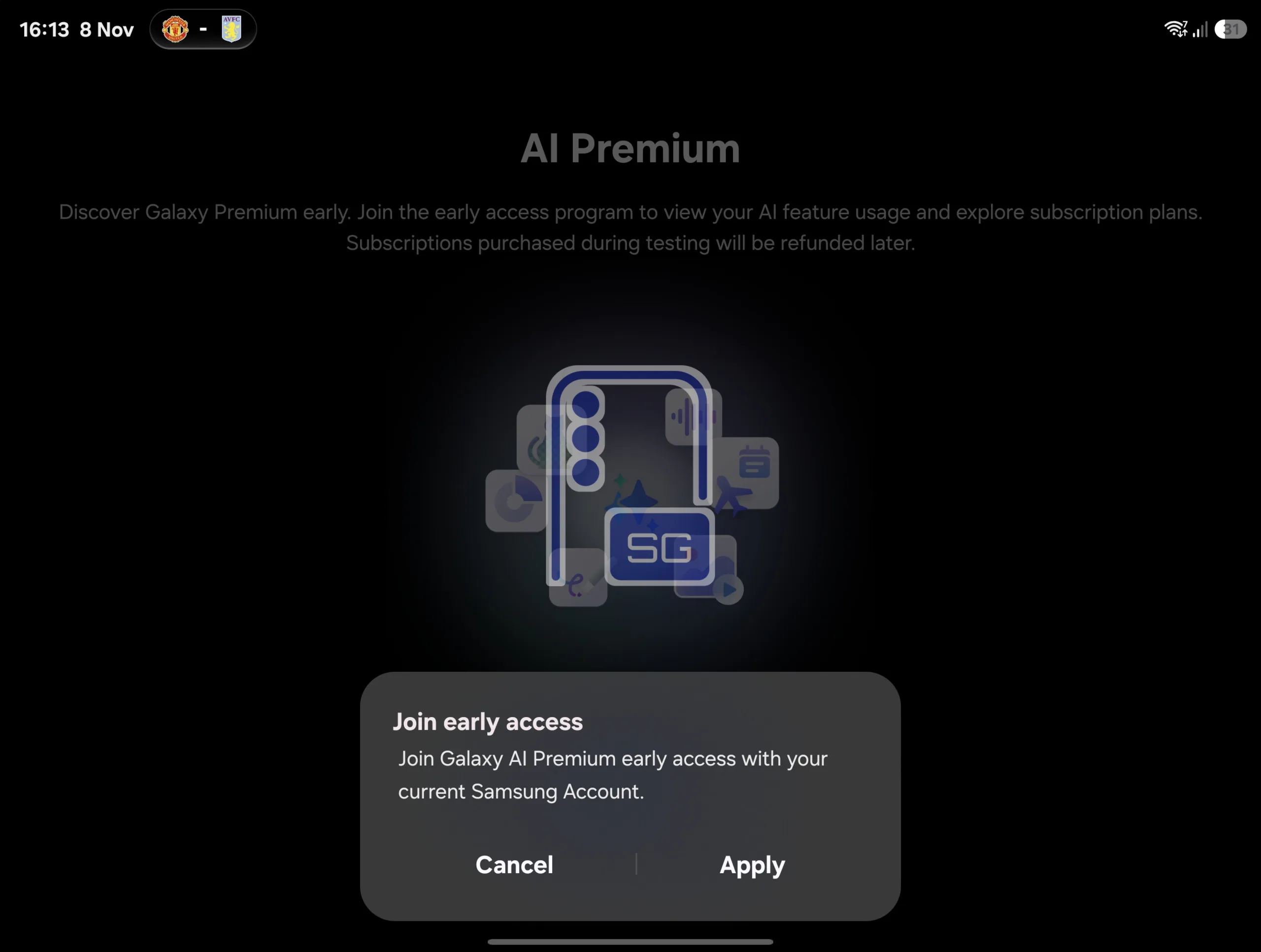
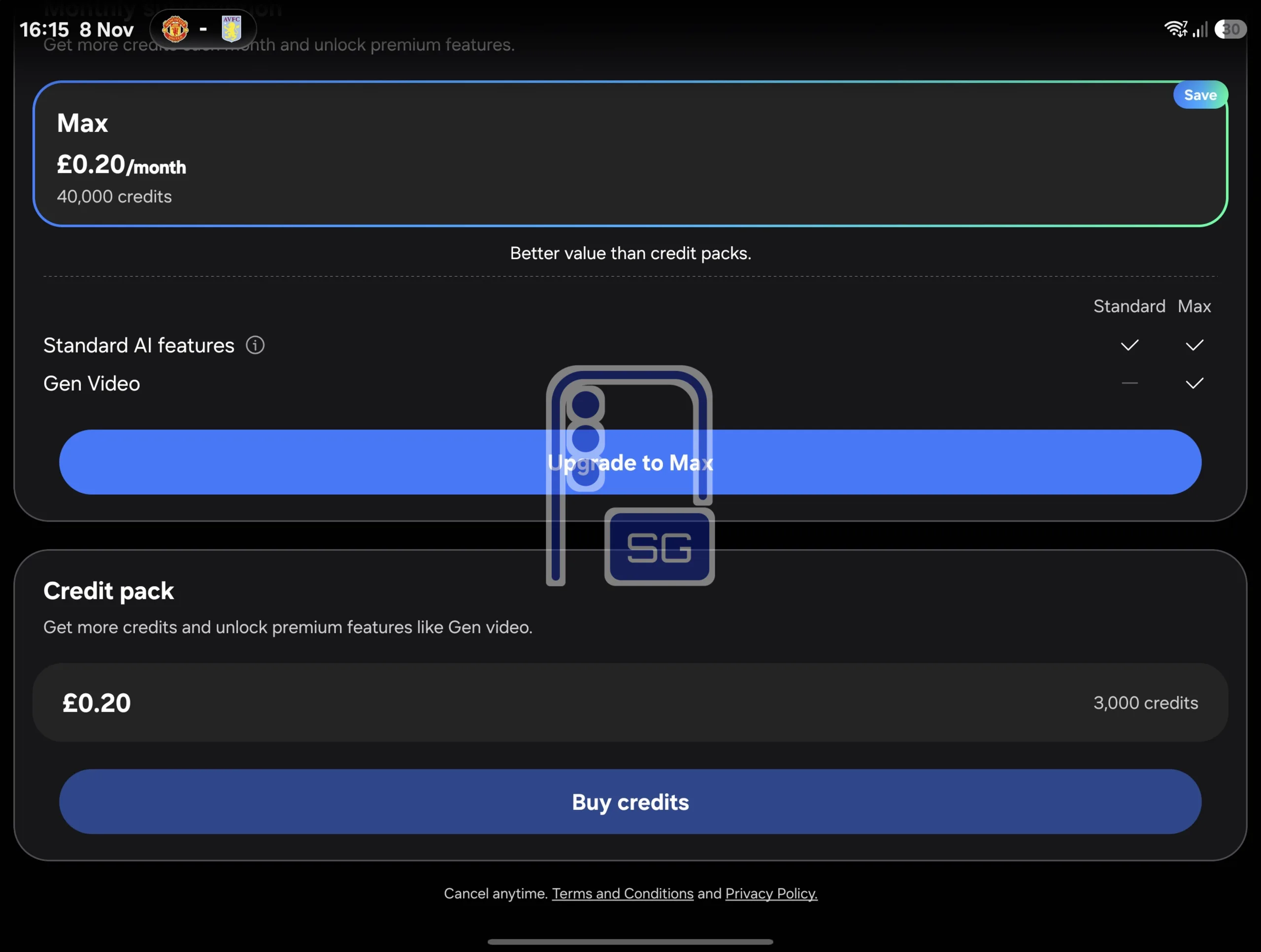
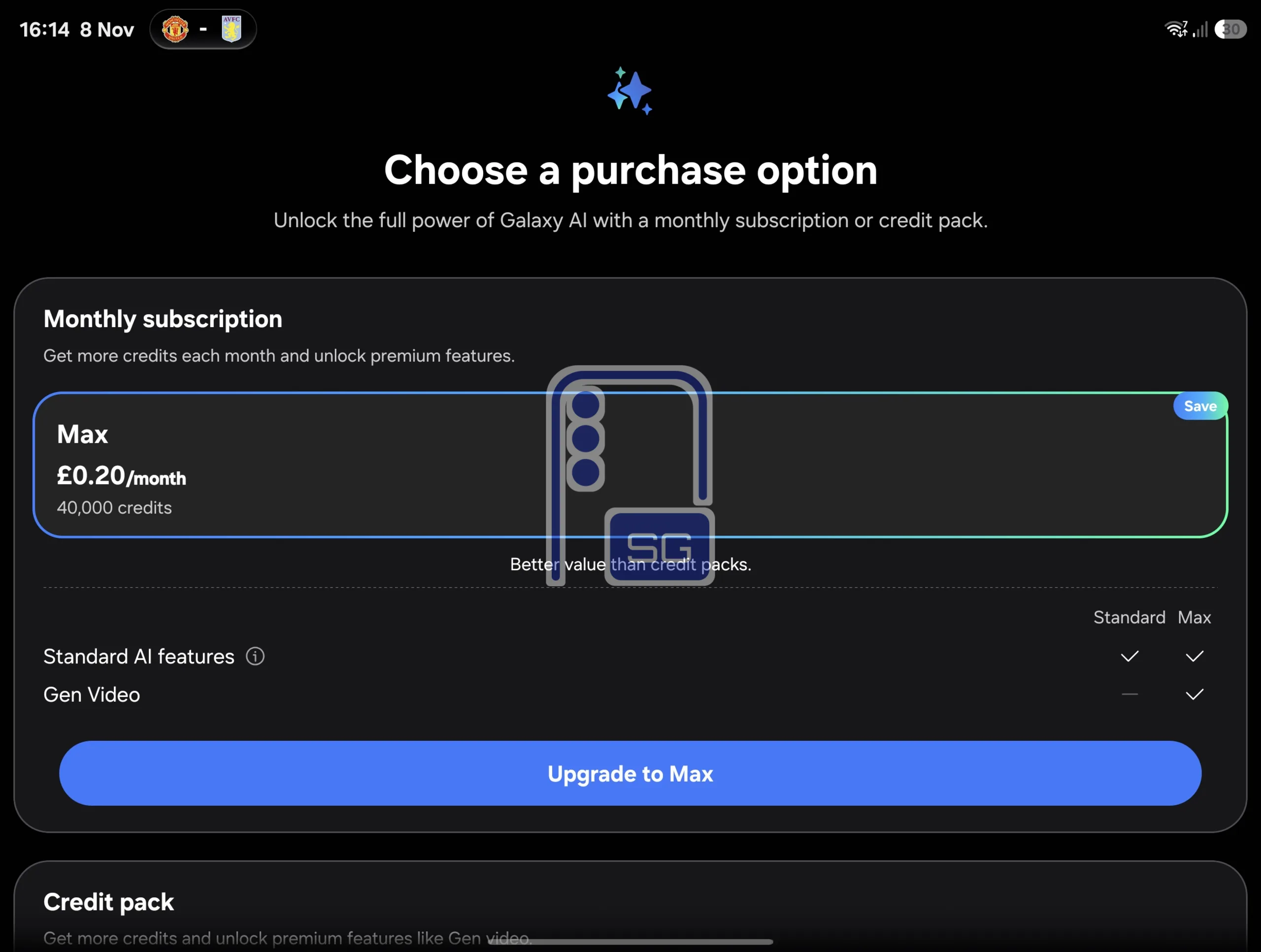
Unfortunately, both hardware and software could get pricier than ever, as a leak from Sammyguru now suggests. When the first Galaxy AI features launched in 2024, there were already rumors that some of these AI features currently available for free might eventually require payment. That now appears likely to happen in 2027. According to leaked code, Samsung is currently testing a premium subscription that is expected to cost $4.99 per month or $47.99 per year. At least, those are the prices listed in the code for the "Max plan".
Standard vs. premium AI features
Samsung will likely distinguish between standard features, which will remain free to use, and premium features, which will move behind a paywall. Samsung currently appears to be planning a public trial of the Max subscription, with the prices listed above likely applying after the trial phase. The standard AI features include Browsing Assist, "Now Brief", Creative Studio, Smart Captures, Samsung Keyboard, Photo Assist and Personal Agent. These will remain free but will be subject to usage limits. Under the plan, exceeding these limits will apparently incur charges. Alternatively, users can opt for the Max subscription, which allows four times the usage.
This Galaxy AI subscription will also include the following features classified as "premium": Gen Video (generating videos from photos), Bixby Action (automating tasks in apps) and Daily Briefing (apparently an enhanced version of Now Brief). According to the report, this subscription model will initially be exclusive to the Galaxy S27 series, but could later be rolled out to other Galaxy products. It also remains unclear which regions will get this subscription model, although at least Korea and the US are likely to be included at launch, with more countries expected to follow in the medium term.
Source(s)
 Add as a preferred source on Google


