




Rokid AI Glasses Style go global as $299 screenless AI smart glasses
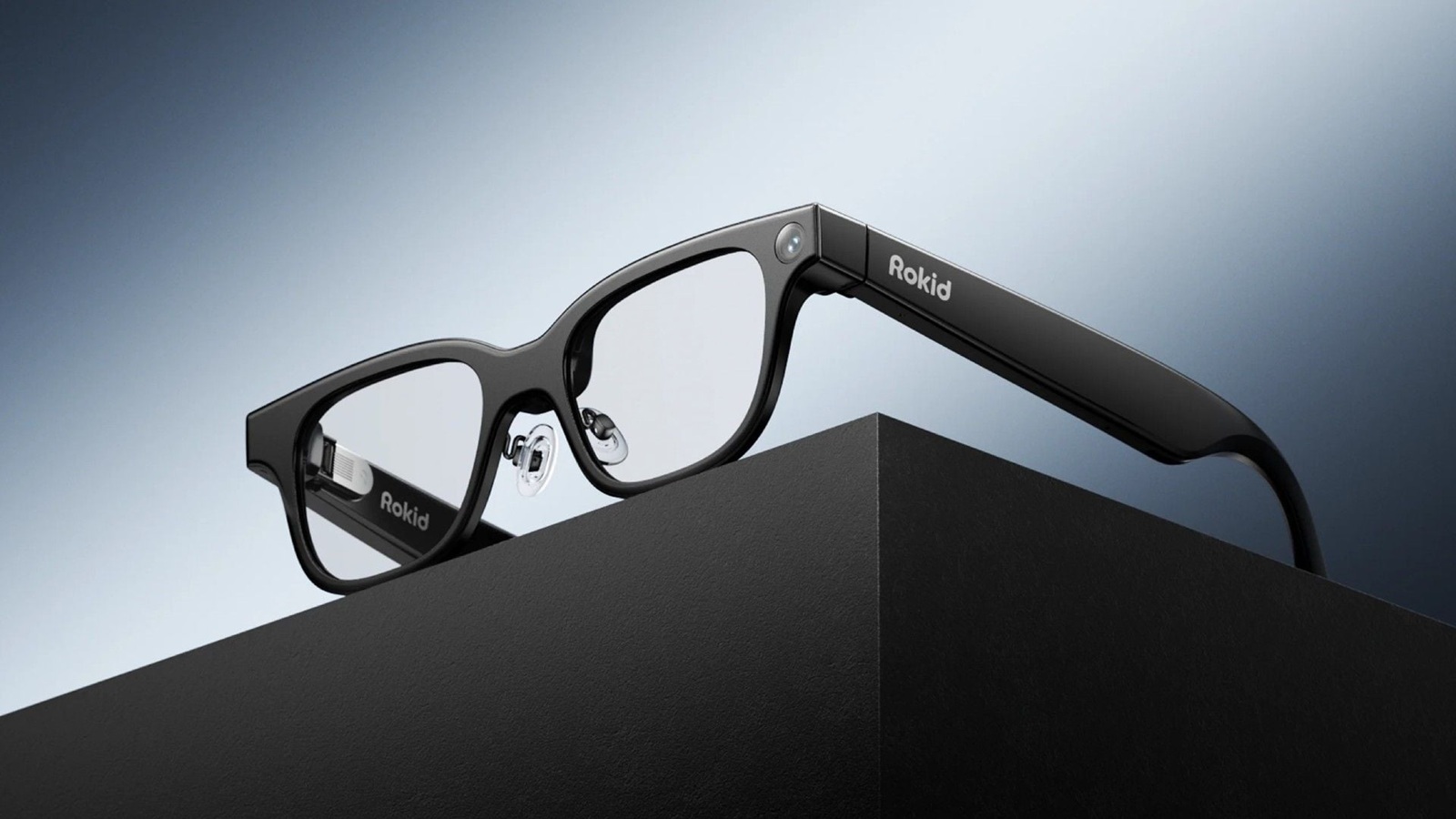
Rokid is rolling out its new AI Glasses Style worldwide, betting that people want the benefits of AI smart glasses without a built-in display. After their CES 2026 debut, the lightweight, screenless specs are going on sale globally from $299 later this month, with online orders open.
Key specs and design
Unlike Rokid’s earlier AR glasses, the AI Glasses Style have no HUD or micro-display at all. Instead, they lean on voice, audio, and a camera for day-to-day use:
- Weight: 38.5 g, lighter than many camera smart glasses from Meta and others
- Camera: 12 MP Sony sensor with 4K video support and continuous clips up to 10 minutes
- Battery: Up to 12 hours of typical use from the dual-chip architecture
- Design: Conventional-looking frames with full prescription lens support (up to around ±15.00D) and optional photochromic lenses that darken in sunlight
Rokid is positioning Style as “prescription-first” eyewear: buyers can upload their optical prescription, get custom lenses cut, and use the glasses as everyday vision correction that also happens to have AI on board. Bundles with prescription photochromic lenses are priced higher (around $398), but still undercut comparable setups with Meta’s Ray-Ban line.
Open AI ecosystem instead of one assistant
Under the hood, Rokid’s dual-chip design separates low-power voice and sensor tasks from heavier AI work, and the company is making a big deal of its “open AI ecosystem” pitch. Instead of locking users into a single assistant, Style can talk to multiple models and services, including:
- ChatGPT / GPT-based assistants
- DeepSeek, Qwen, and other LLMs
- Online services like Google Maps and Microsoft’s translation stack for navigation and live translation in dozens of languages
Voice commands (“Hey Rokid”) trigger tasks such as real-time translation, meeting transcription, summarization, object recognition, and navigation prompts through the open-ear speakers. There’s no requirement for an always-on phone screen, and the lack of a display helps keep weight and power draw down.
Rokid’s move also puts more pressure on Meta’s Ray-Ban smart glasses segment: Style lands $80 cheaper than Meta’s current models in many markets while promising longer video recording, a lighter frame, and broader AI model support — at the cost of skipping a branded fashion tie-in and a bundled charging case.
Source(s)
 Add as a preferred source on Google


