




Mechanochemical process recycles spent lithium-ion batteries using CO₂ at room temperature
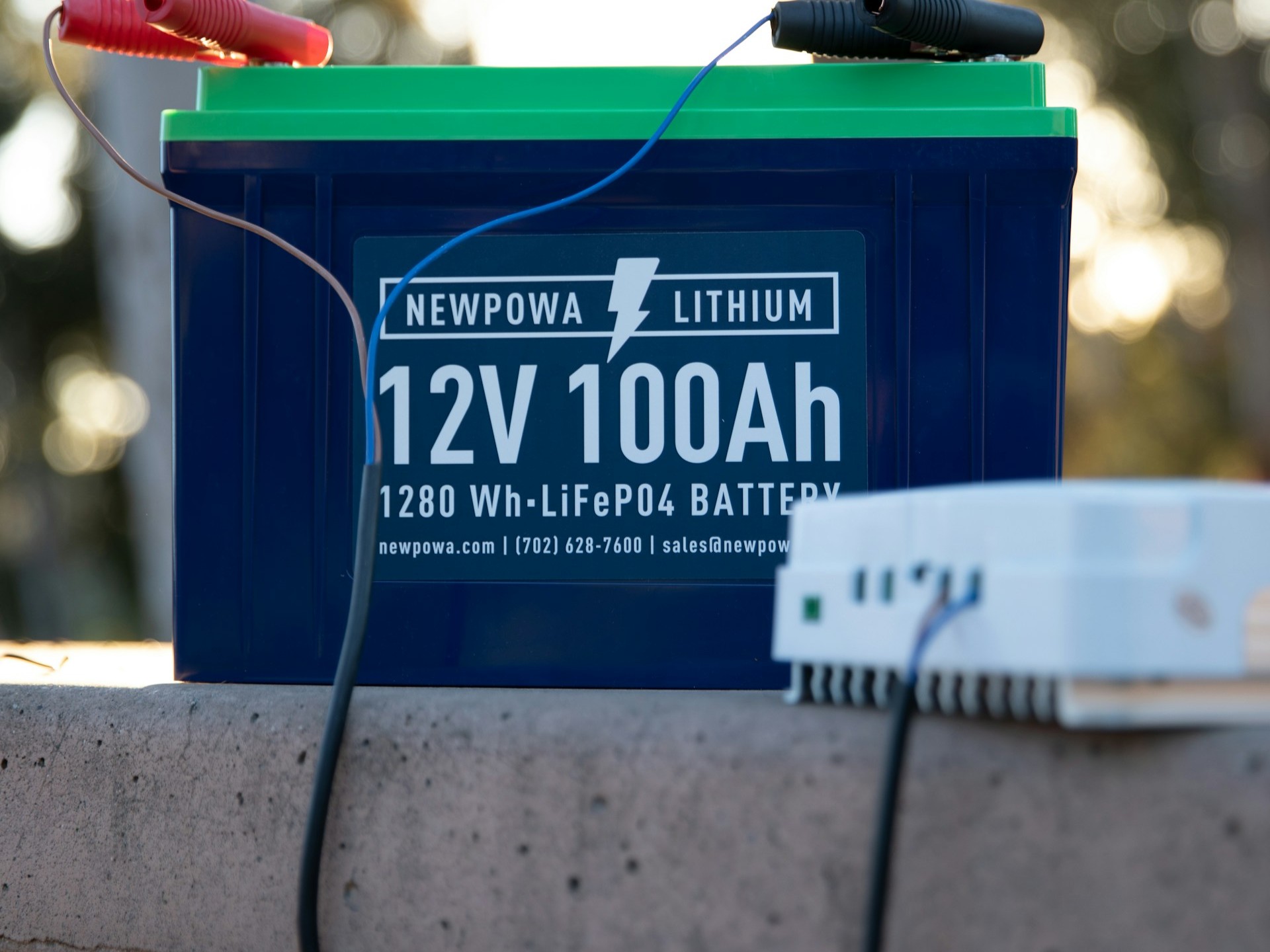
Every year, the number of lithium-ion batteries climbs, hitting 7.8 billion globally in 2016 alone, while most developing countries lack proper recycling regulations. With billions of lithium-ion batteries used worldwide, the growing tide of spent batteries is creating serious environmental and health risks.
Now researchers from the Chinese Academy of Sciences and the Beijing Institute of Technology have unveiled a revolutionary "three-in-one" strategy to tackle the growing global crisis of spent lithium-ion batteries. Published in Nature Communications, the study details a process that recovers critical metals at room temperature without the energy-intensive furnaces or harsh acids typically required in recycling.
The breakthrough centers on mechanochemical treatment, a high-energy ball milling process that induces cationic disordering within the battery’s atomic structure. This mechanical force triggers micro-segregation, driving lithium atoms toward the surface while concentrating transition metals like nickel and cobalt in the core. This rearrangement makes the lithium highly reactive, allowing for its selective extraction.
To recover the metal, the team introduced a mixture of water and pressurized carbon dioxide (CO2). The CO2 acts as the leaching reagent, reacting with the lithium-rich surface to form high-purity lithium bicarbonate. This method achieves a lithium recovery efficiency exceeding 95% while effectively isolating CO2, preventing the greenhouse gas from entering the atmosphere.
The strategy also solves the problem of secondary waste. Instead of discarding the leftover metal scraps, the process upcycles them into high-performance Oxygen Evolution Reaction (OER) catalysts for green hydrogen production. In testing, these catalysts demonstrated a low overpotential of 322 mV and remained stable for over 200 hours of operation.
By operating at ambient temperature and pressure, the system eliminates the toxic liquid waste and high carbon footprint associated with traditional pyrometallurgy and hydrometallurgy. The researchers believe this closed-loop route — which is particularly effective for high-nickel cathode systems — provides a sustainable, industrial-scale solution for bridging battery waste management with renewable energy conversion.
Source(s)
ScienceDirect and Nature via Tech Xplore
 Add as a preferred source on Google


