




Qualcomm’s seemingly backhanded compliment to Nvidia RTX Spark announcement
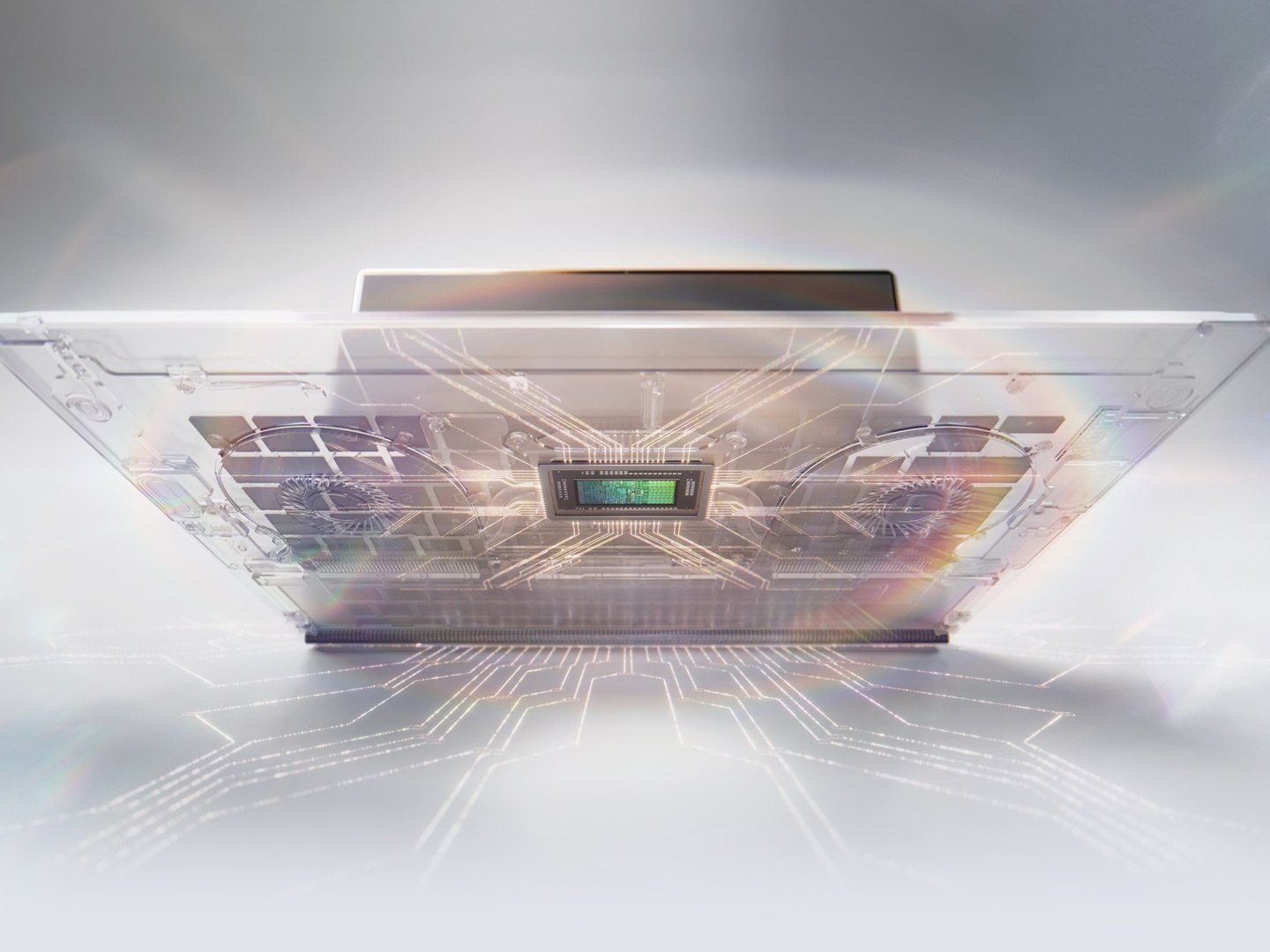
Nvidia’s announcement of the RTX Spark “Superchip” SoC based on the ARM platform took the internet by storm. It aims to usher in a new era of Windows PCs aside from traditional x86 chips. Qualcomm, being the company that sort of pioneered ARM-based laptop chip development many years ago, naturally had something to say about it.
Through a statement shared with Windows Central, SVP of Computing at Qualcomm, Kedar Kondap, gave a seemingly backhanded compliment to Nvidia, welcoming the new chip to the family. Here’s the full quote:
Welcome to the family. We are, you know, we're excited. When you think about the investments that we've made over the last several years, it's a good endorsement of the fact that there is an ecosystem that's growing outside of x86. We invested many years ago, driving the ecosystem and driving the entire platform story, whether it is getting the printers to work, whether it's getting the software apps to be compatible, whether it is getting the docks and peripherals to work, or whether it's getting more than 2,500 games to be compatible with Snapdragon. We led the way in driving that ecosystem, and I think this is positive tailwinds for the entire ecosystem. It will tell us how we're all taking the ball forward in the trajectory that we started.
It’s hard to glean the exact tone from text, but there seem to be hints of superiority baked into the welcoming message. Qualcomm made quite a few advancements with ARM through the Snapdragon X Elite, X Plus, C, and the fresh new X2 series chips. But it took them quite a few years to reach this point. That said, the efficiency gains that come from the platform are nothing to shirk at. Even Apple’s M-series chips are ARM-based, and thanks to the software and hardware level optimizations, they are extremely capable.
The major concern with Windows on ARM is compatibility, but both Qualcomm and app developers have made solid headway in that department, as well. With RTX Spark, Nvidia seems to have made it a non-issue, promising compatibility with every Windows app.
Source(s)
 Add as a preferred source on Google


