




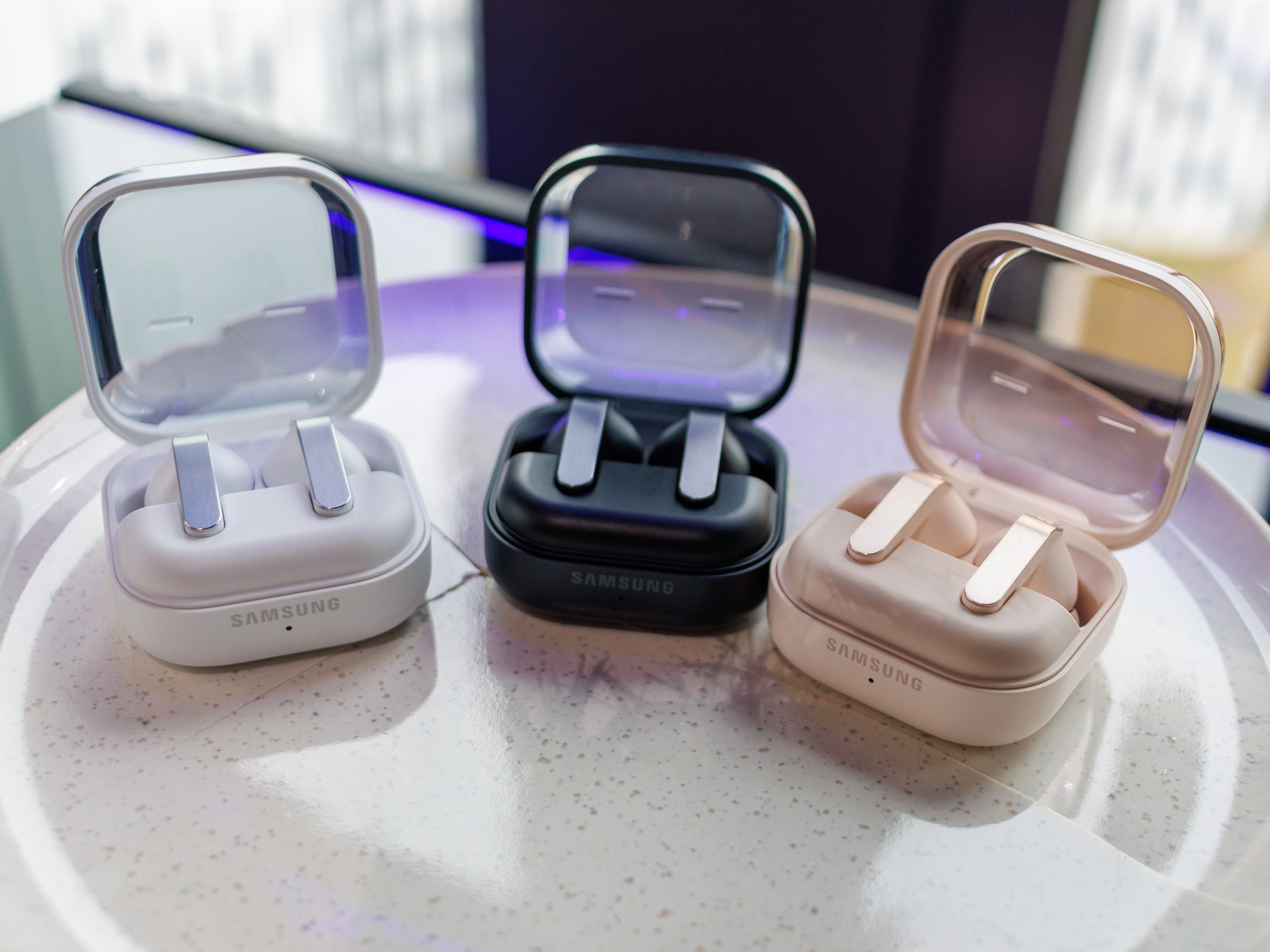
Verdict on the Samsung Galaxy Buds4 Series
The test shows that Samsung has made the right improvements with the Galaxy Buds4 series. Both models benefit from the revamped platform, better integration into the Galaxy ecosystem, and new AI features that make everyday use noticeably more convenient.
The Galaxy Buds4 stand out as straightforward all-arounders with a comfortable fit and solid sound tuning, though they clearly lag behind the Pro model in terms of ANC and sound detail. The Galaxy Buds4 Pro really shine in active noise cancellation, sonic precision, and an overall more immersive listening experience.
Both models also deliver good results in transparency mode and during phone calls, though they don’t quite reach the very top tier in extremely noisy environments. When it comes to battery life, the Pro model has a slight edge, though it isn’t exactly a endurance champion. Additionally, some features of the Galaxy Buds4 series can only be fully utilized with Samsung smartphones. These include, most notably, Galaxy AI features, seamless device switching within the Samsung ecosystem, and advanced audio features such as 360° sound and unrestricted Auracast integration.
All in all, the picture is consistent: The Buds4 are the practical choice for everyday use, while the Buds4 Pro represent the significantly more ambitious package for users who expect better sound quality and stronger noise isolation.
Pros
Cons
Price and availability

Table of Contents
Specifications: Samsung Galaxy Buds4 Series
| Galaxy Buds4 | Galaxy Buds4 Pro | |
|---|---|---|
| Fit | In-ear | In-ear |
| Connectivity | Bluetooth 6.1 | Bluetooth 6.1 |
| Range | 10 m | 10 m |
| Speakers | 1-way speaker, dynamic driver | 2-way speakers, dynamic drivers: tweeter and mid-bass driver |
| Microphones | six | six |
| Audio Codecs | SBC, AAC, LC3, SSC, SSC-HHQ | SBC, AAC, LC3, SSC, SSC-HHQ |
| Battery Capacity | 45 mAh (earbuds), 515 mAh (charging case) | 61 mAh (earbuds), 530 mAh (charging case) |
| Charging port | USB-C | USB-C |
| Wireless charging | Yes | Yes |
| Weight | 4.6 g (earbuds), 45.1 g (charging case) | 5.1 g (earbuds), 44.3 g (charging case) |
| Protection rating | IP54 | IP57 |
| Sensors | Accelerometer, orientation, Hall effect, pressure, proximity, touch, VPU | Accelerometer, orientation, Hall effect, pressure, proximity, touch, VPU |
| Firmware version | R540XXU0AZA4 / R540XXU0AZA4 | R640XXU0AZD2 / R640XXU0AZD2 |
| Package Contents | Earbuds, charging case | Earbuds, charging case, silicone ear tips (S, M, L) |
| Price (MSRP) | $180 | $250 |
With the Galaxy Buds4 series, Samsung is launching its latest in-ear headphones. Improved sound quality, more powerful active noise cancellation, and new AI features are designed to take the listening experience to a whole new level.
But how do these earbuds perform in everyday use? We put the Galaxy Buds4 series through a thorough test.
Body and Ergonomics - Galaxy Buds4 Series with a brand new design
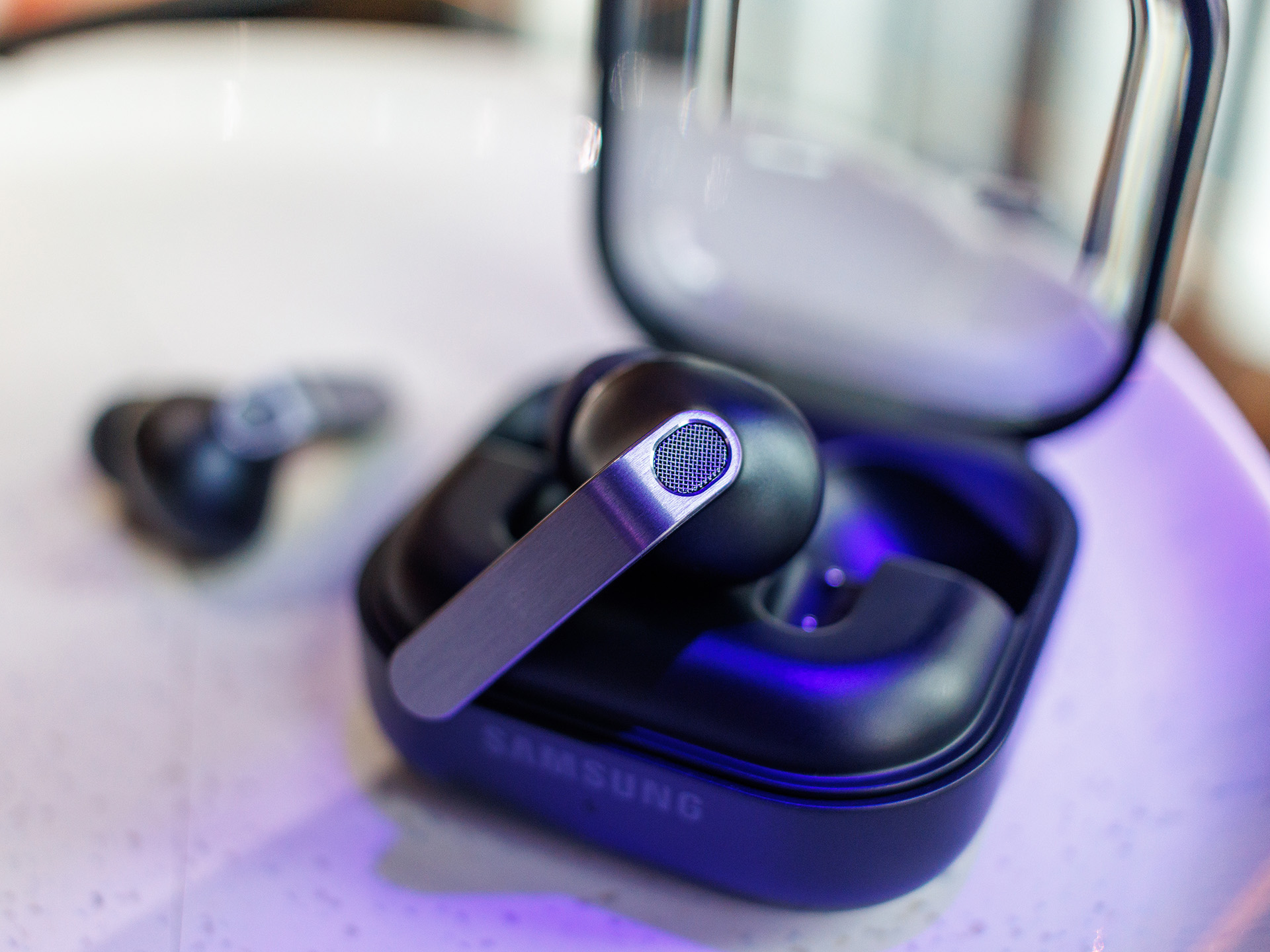
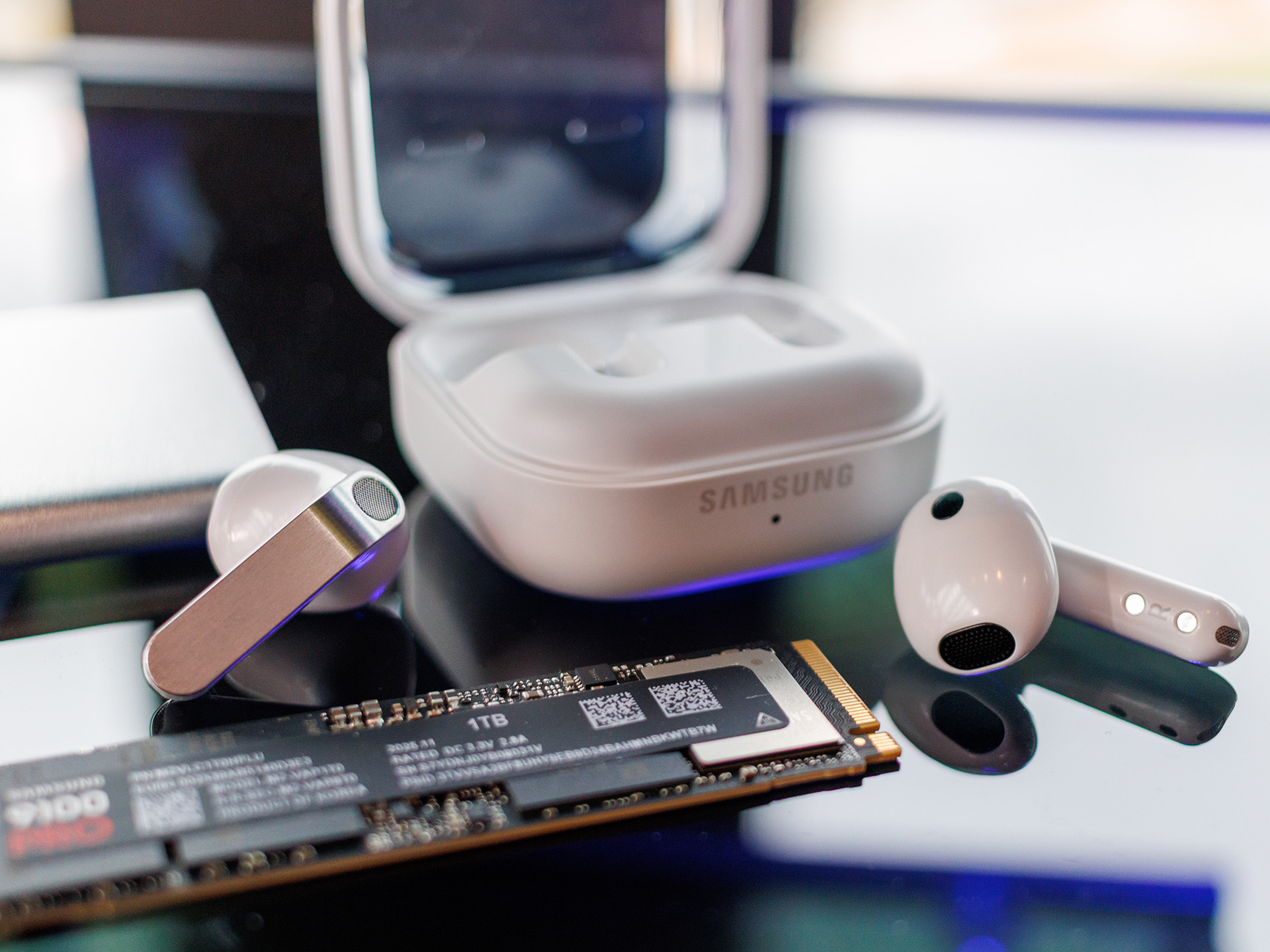
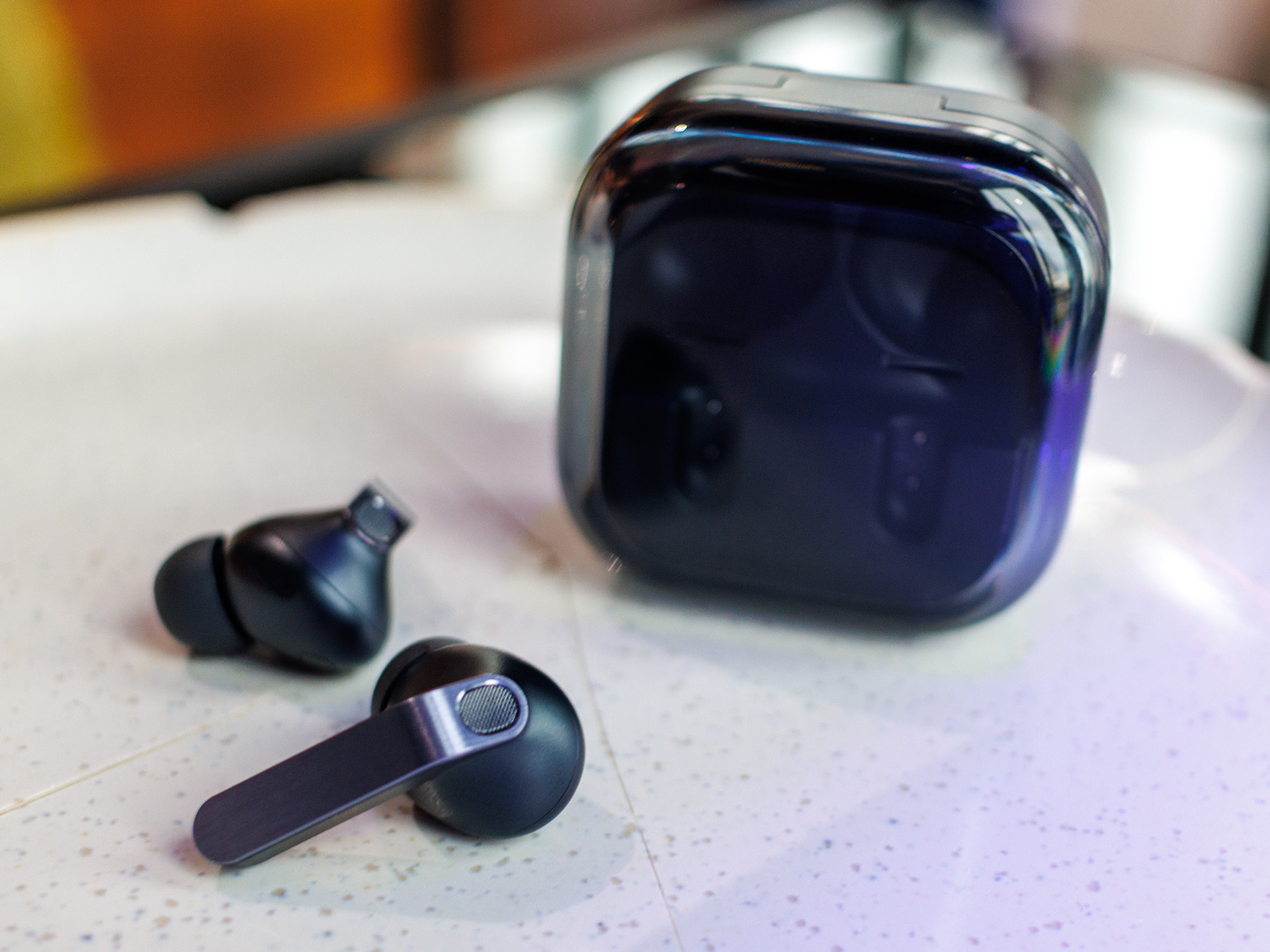
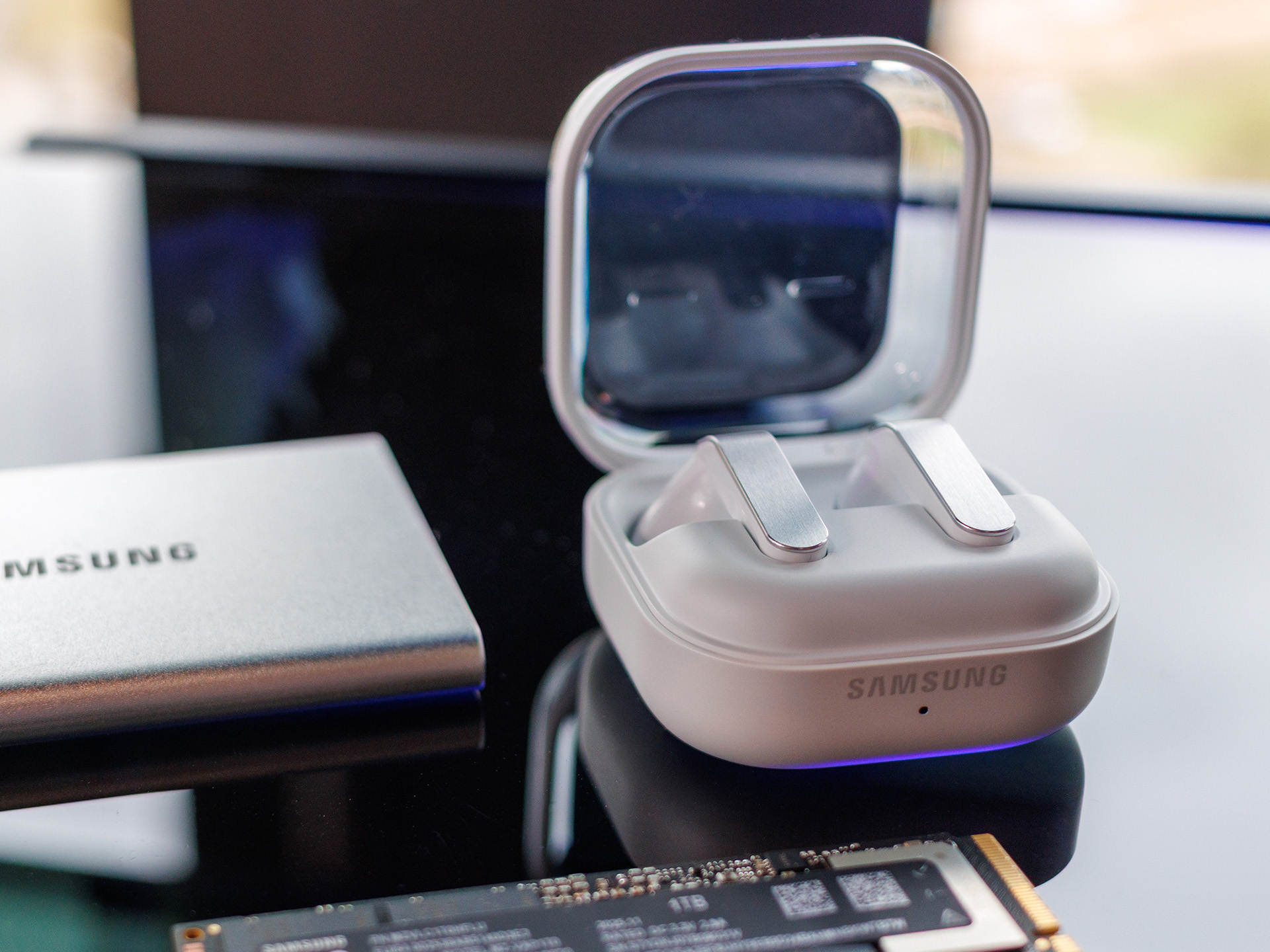
Samsung has completely revamped the design of the Galaxy Buds. After the angular design with LEDs on the Galaxy Buds3 Pro, Samsung is now opting for a sleek stainless-steel look. Both models feature high-quality craftsmanship with neatly assembled earbuds and a compact charging case.
The main differences lie in the design concept: While the Galaxy Buds4 feature a classic in-ear design without silicone tips, resulting in a particularly airy fit, the Galaxy Buds4 Pro include ear tips for a more secure fit and a better seal. This not only enhances comfort during physical activity but also improves passive noise isolation and the effectiveness of active noise cancellation.
Sustainability
The Galaxy Buds4 and Galaxy Buds4 Pro come in a small, plastic-free packaging. While the materials used include recycled plastic, Samsung does not provide sustainability information as detailed as it does for its smartphones. Furthermore, the devices are not designed to be repaired by the user.
Features and operation - Galaxy Buds with Auracast
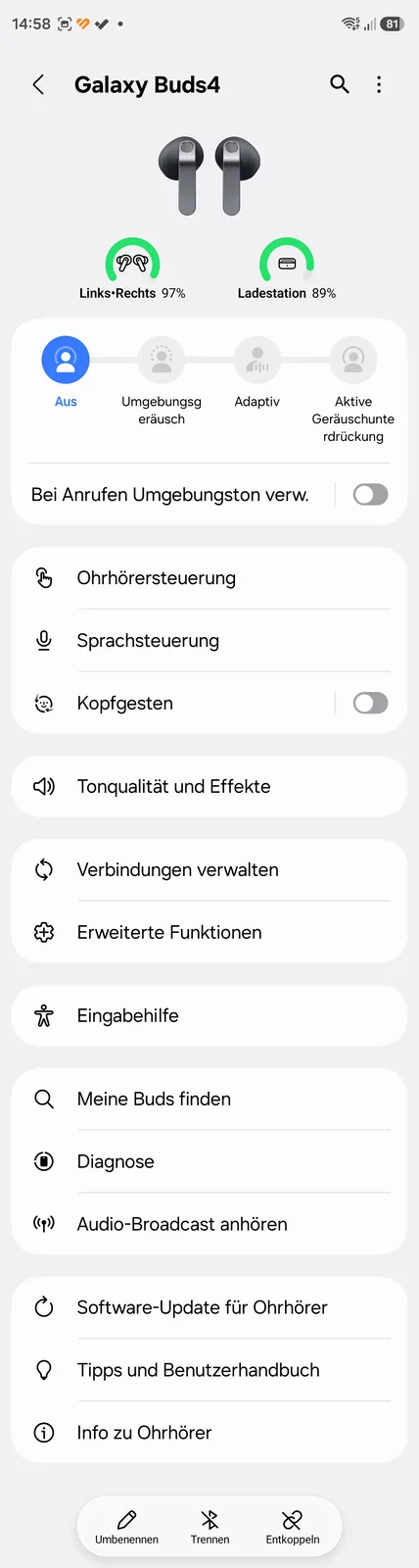
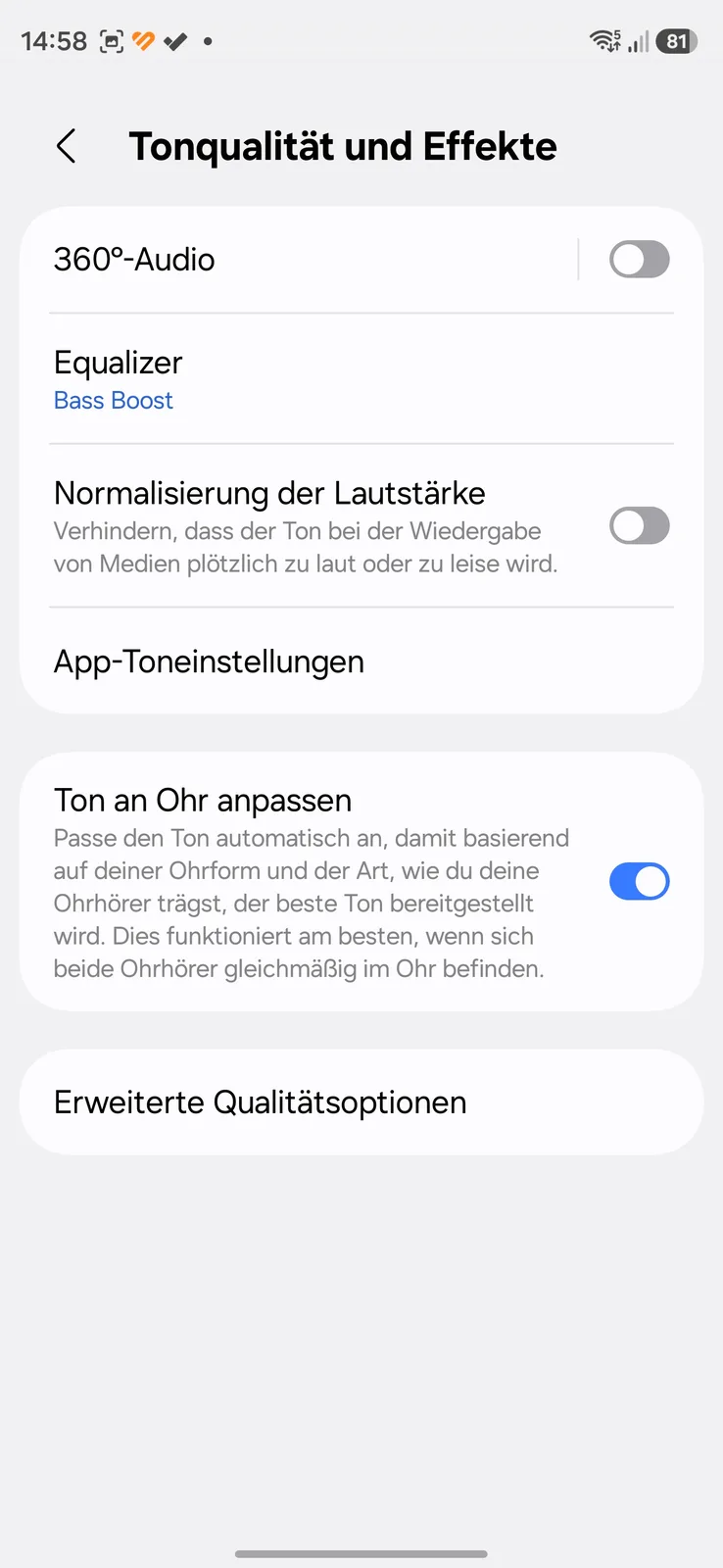
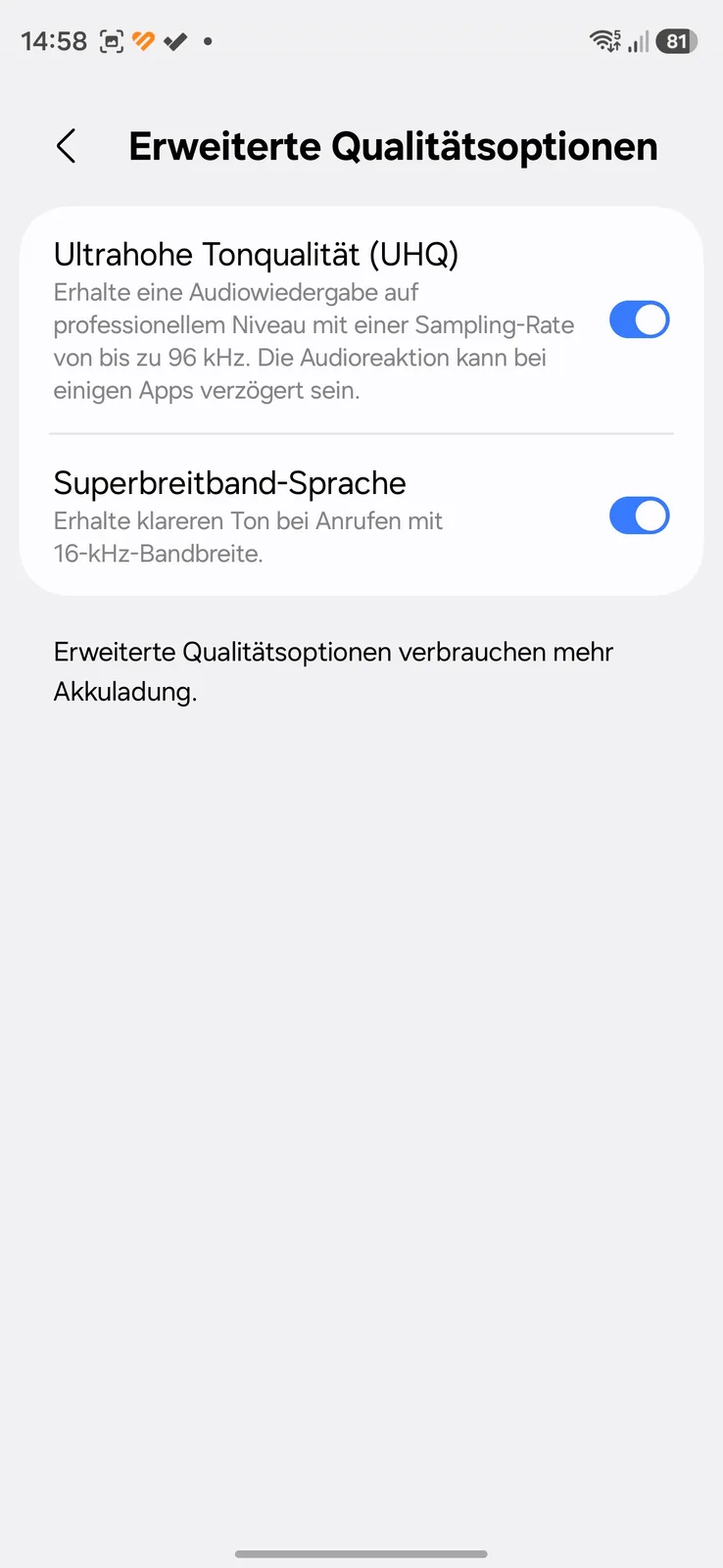
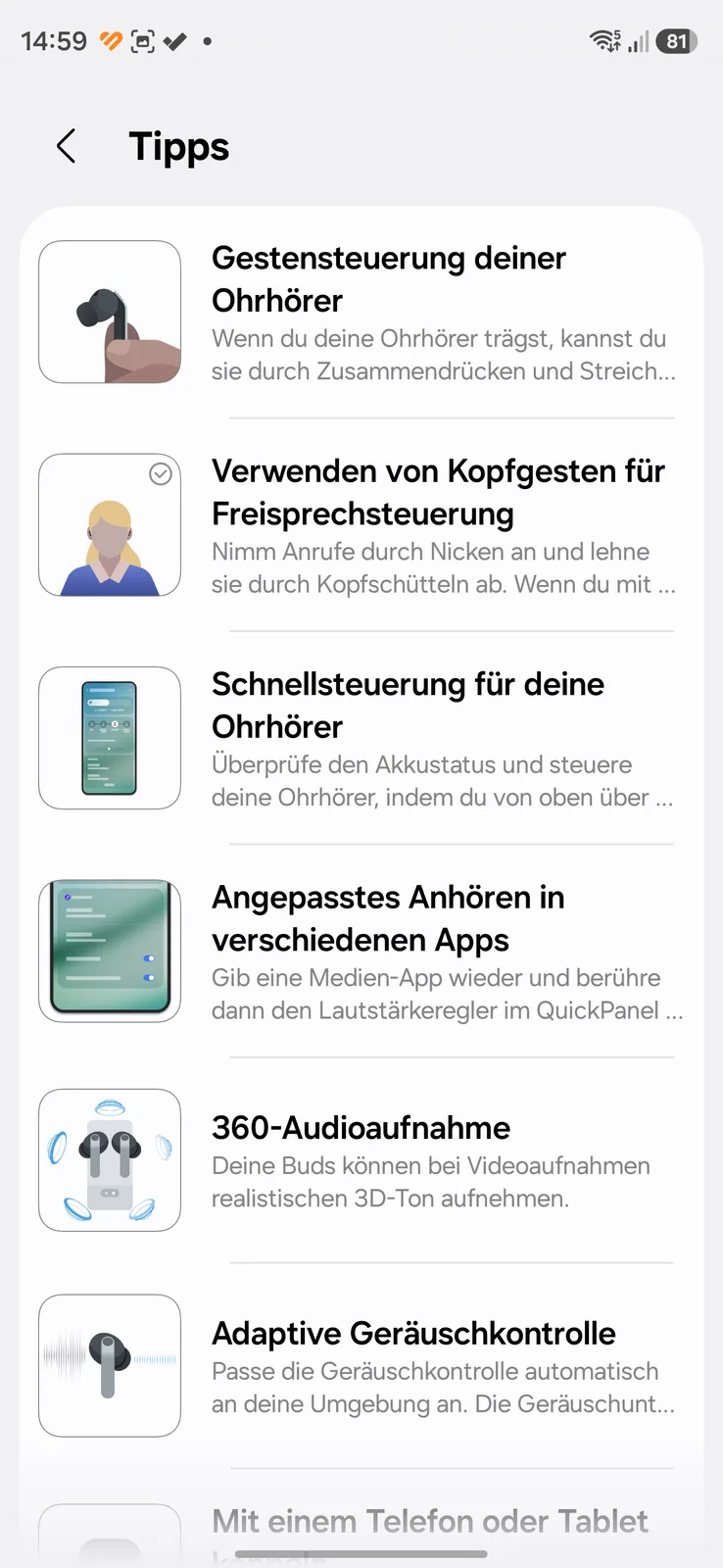
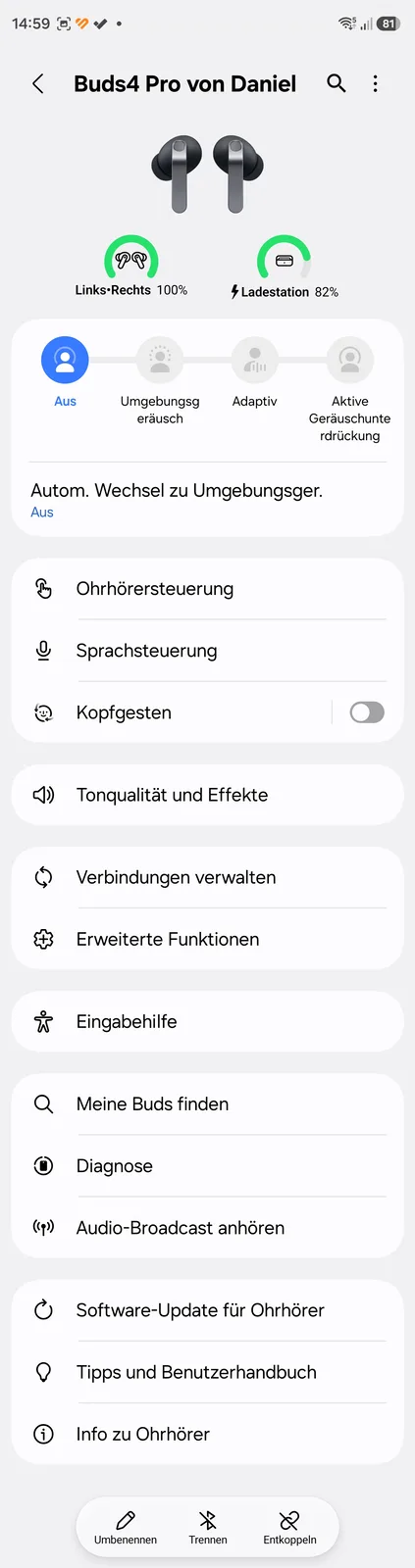
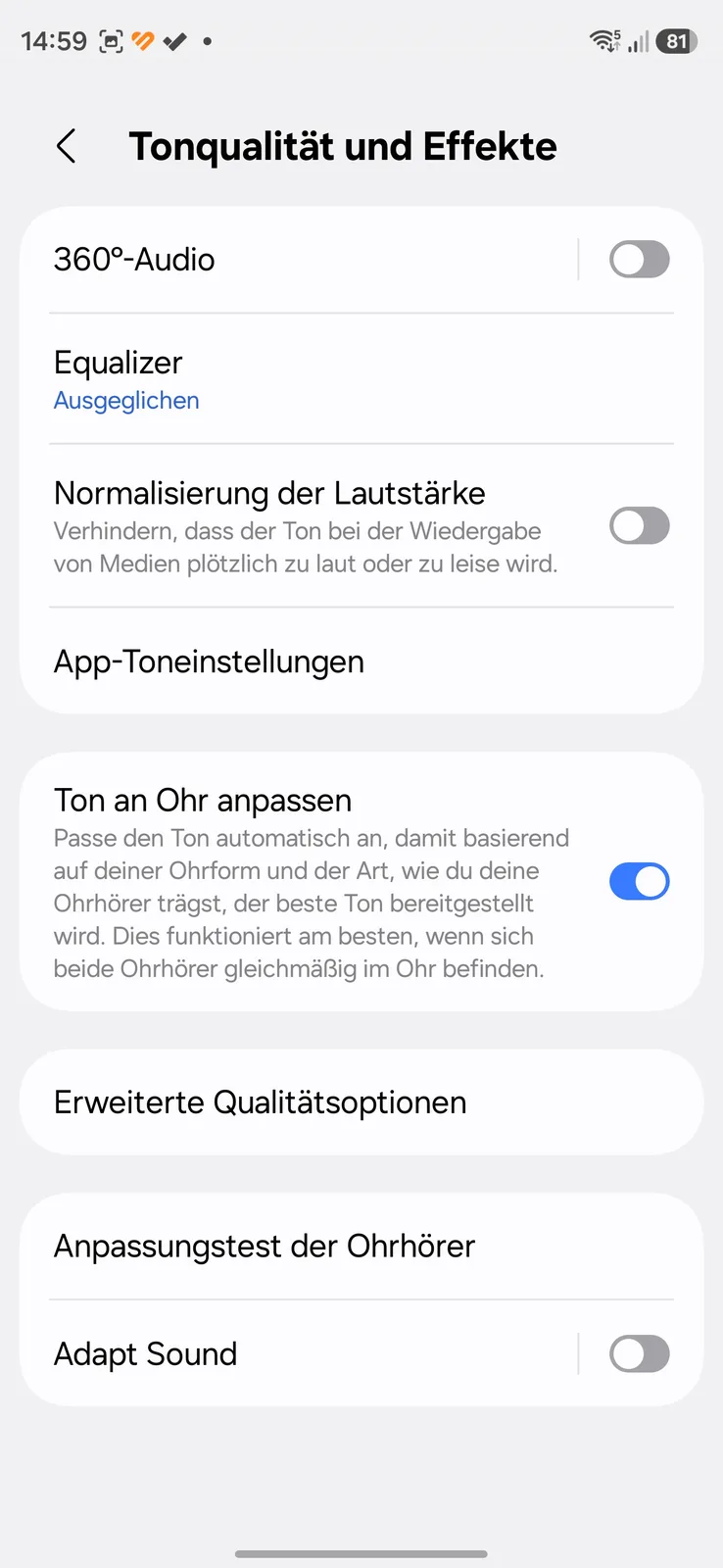
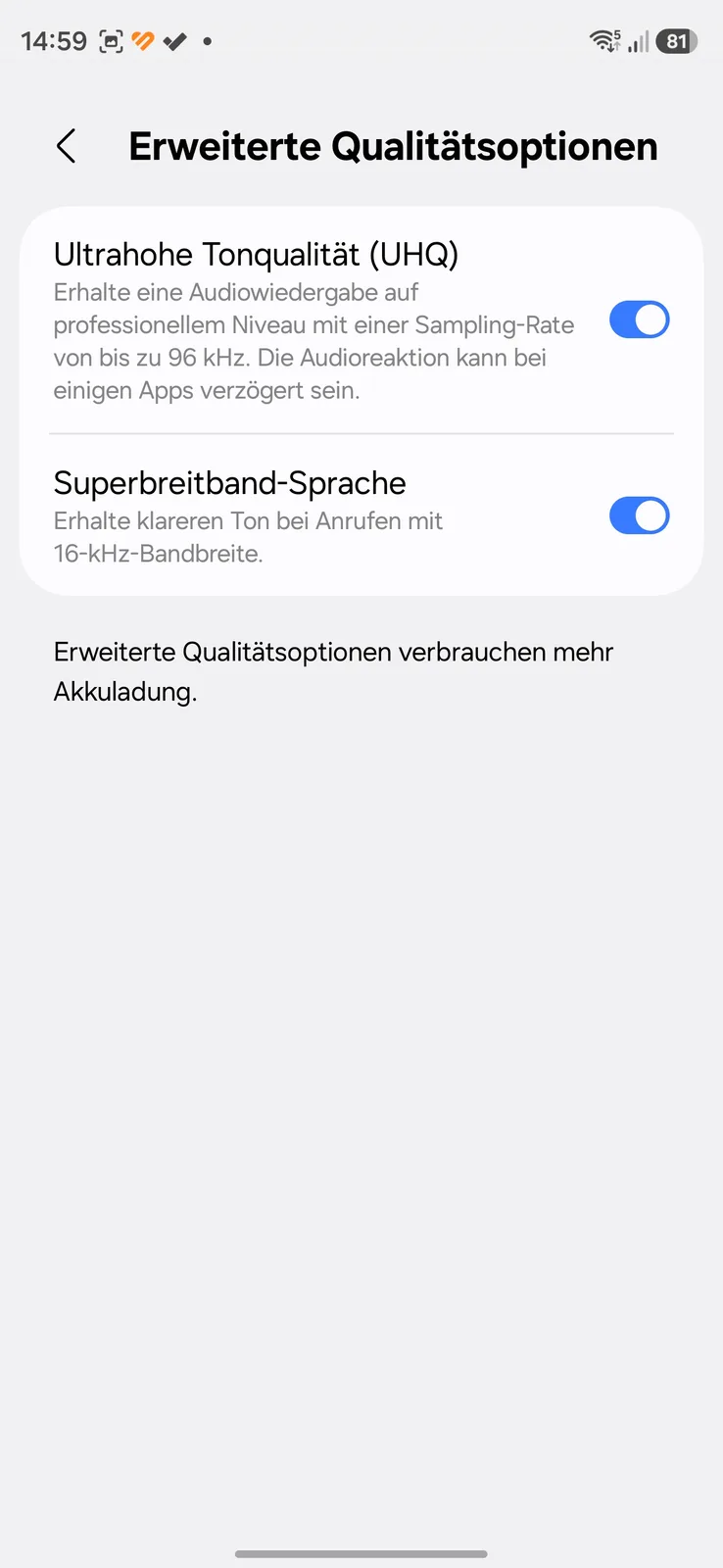
The Galaxy Buds4 and Buds4 Pro share Samsung’s latest wireless audio platform but differ significantly in their feature sets. Both models offer Bluetooth multipoint, improved latency for video and gaming applications, and integration with the Samsung ecosystem, including quick pairing and device switching. AI-powered audio features are also new or have been significantly enhanced. These include smarter real-time sound optimization and features that better separate speech from ambient noise, such as during phone calls or in noisy environments. The earbuds also support Auracast streaming.
The Buds4 are geared more toward everyday use: They feature solid sound tuning, basic active noise cancellation, and intuitive touch and gesture controls. The focus here is on ease of use and a balanced sound profile without a lot of extra features.
The Buds4 Pro take it a step further, adding more powerful adaptive noise canceling, finer sound tuning via advanced driver and audio technology, and additional microphones for better voice quality. Spatial audio and AI-powered features that adapt to the environment and usage scenario also play a bigger role here.
Samsung thus positions the Buds4 as straightforward all-rounders, while the Buds4 Pro are aimed more at users who expect maximum control, better isolation, and an overall more immersive listening experience.
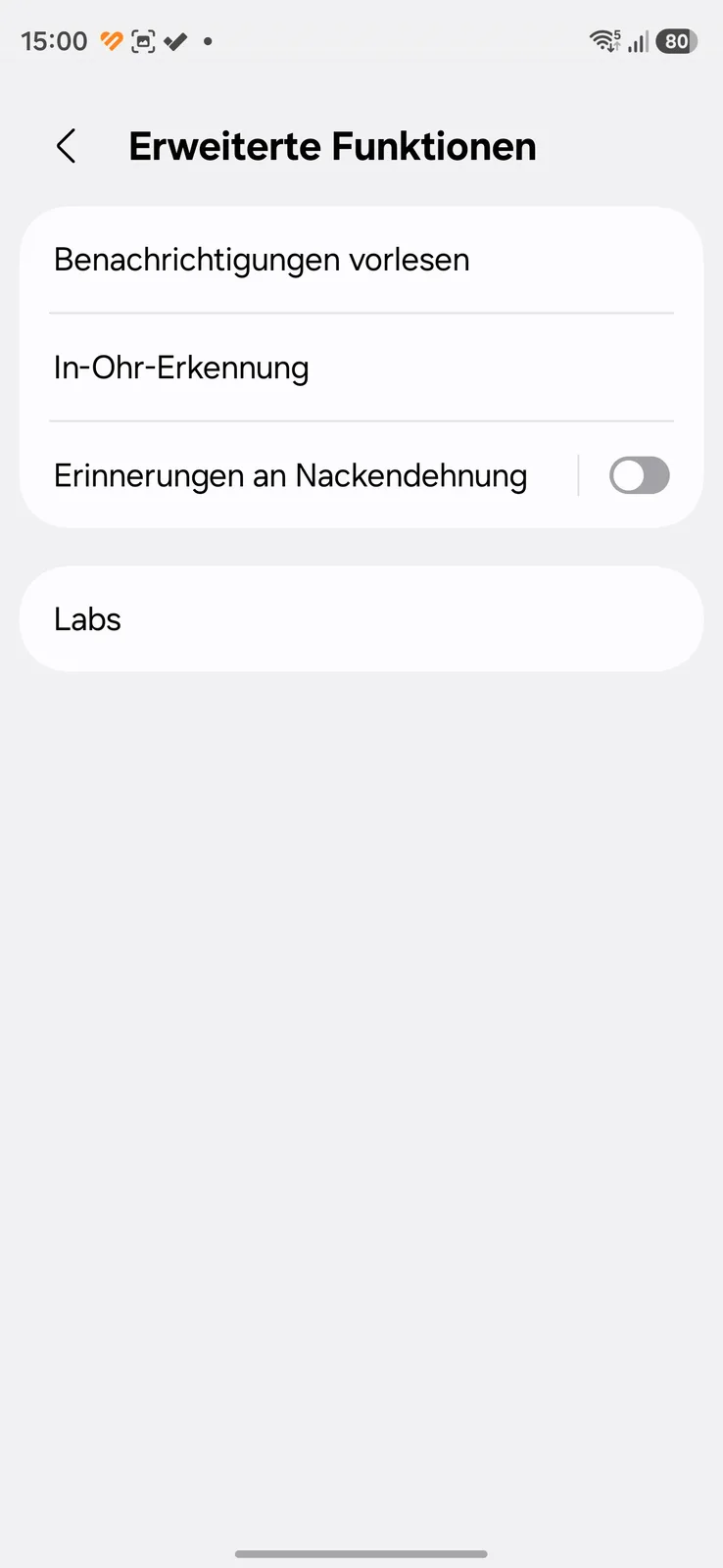
Sound - Buds4 (Pro) are an all-around improvement
When it comes to media playback, both Samsung earbuds deliver a lively sound, but the Galaxy Buds4 Pro audibly benefit from their second driver and are significantly more prominent than the Buds4, especially in the lower frequency ranges—a finding supported by the pink-noise measurement.
In transparency mode, the difference isn’t immediately noticeable, since the Galaxy Buds4 aren’t inserted into the ear canal and therefore provide less isolation for the wearer. In terms of quality, the mode is impressive, featuring natural voice transmission with minimal background noise.
The differences between the two Samsung in-ear headphones are most pronounced when it comes to active noise cancellation: while the cheaper Buds 4 offer only modest noise cancellation, the Buds4 Pro perform well even on airplanes, significantly reducing ambient noise.
When it comes to phone calls, both earbuds offer a good experience, provided there isn’t too much background noise. They reach their limits especially in loud environments; in these situations, the FreeBuds Pro 5 are in a class of their own.
| Loudspeakers | |
| THD | |
| Samsung Galaxy Buds4 Pro (RMS: -1.7 dBFS) | |
| Samsung Galaxy Buds4 (RMS: -1.7 dBFS) | |
| THD+N | |
| Samsung Galaxy Buds4 Pro (RMS: -1.7 dBFS) | |
| Samsung Galaxy Buds4 (RMS: -1.7 dBFS) | |
* ... smaller is better
THD (Total Harmonic Distortion): Harmonic distortion quantifies the magnitude of the components that arise from non-linear distortion (harmonic content) in relation to the original signal. THD refers only to the fundamental harmonic content. The distortion factor is often mentioned in the same breath, but refers to the overall signal.
THD+N (Total Harmonic Distortion + Noise): This value is comparable to THD, but in addition to the interference from harmonics, the interference from noise is also recorded as an effective value.
For the measurement, a low-harmonic sine wave signal (1 kHz, > 0 dB) is played through the headphones to be tested and recorded by a linear measuring microphone (measuring distance: approx. 1 cm) in an artificial head.
Samsung Galaxy Buds4 audio analysis
(+) | speakers can play relatively loud (92.8 dB)
Bass 100 - 315 Hz
(-) | nearly no bass - on average 16.8% lower than median
(+) | bass is linear (1.9% delta to prev. frequency)
Mids 400 - 2000 Hz
(±) | reduced mids - on average 9.7% lower than median
(±) | linearity of mids is average (7.3% delta to prev. frequency)
Highs 2 - 16 kHz
(±) | higher highs - on average 12.9% higher than median
(+) | highs are linear (5.7% delta to prev. frequency)
Overall 100 - 16.000 Hz
(±) | linearity of overall sound is average (23.2% difference to median)
Compared to same class
» 70% of all tested devices in this class were better, 5% similar, 25% worse
» The best had a delta of 4%, average was 23%, worst was 134%
Compared to all devices tested
» 70% of all tested devices were better, 5% similar, 25% worse
» The best had a delta of 4%, average was 23%, worst was 134%
Samsung Galaxy Buds4 Pro audio analysis
(+) | speakers can play relatively loud (92 dB)
Bass 100 - 315 Hz
(+) | good bass - only 3.3% away from median
(+) | bass is linear (2.3% delta to prev. frequency)
Mids 400 - 2000 Hz
(+) | balanced mids - only 4.9% away from median
(+) | mids are linear (4.8% delta to prev. frequency)
Highs 2 - 16 kHz
(±) | higher highs - on average 9.7% higher than median
(+) | highs are linear (6.4% delta to prev. frequency)
Overall 100 - 16.000 Hz
(+) | overall sound is linear (12.5% difference to median)
Compared to same class
» 11% of all tested devices in this class were better, 2% similar, 86% worse
» The best had a delta of 4%, average was 23%, worst was 134%
Compared to all devices tested
» 11% of all tested devices were better, 2% similar, 86% worse
» The best had a delta of 4%, average was 23%, worst was 134%
Battery Life - Galaxy Buds with up to 61 mAh
The Samsung Galaxy Buds4 (45 mAh) have slightly smaller batteries than the Galaxy Buds4 Pro (61 mAh), which translates to a one-hour difference in playback time in everyday use. Samsung claims up to seven hours for the Pro model (without ANC) and six hours with ANC; the Galaxy Buds4 last one hour less in each case.
In our test, these figures were fairly accurate for playback times; however, phone calls drain the batteries more quickly than media playback, so battery life in the office can be significantly shorter. While the Samsung Galaxy Buds4 (Pro) aren’t exactly endurance champions, they still offer good battery life for everyday use.
Transparency
The selection of devices to be reviewed is made by our editorial team. The test sample was provided to the author as a loan by the manufacturer or retailer for the purpose of this review. The lender had no influence on this review, nor did the manufacturer receive a copy of this review before publication. There was no obligation to publish this review. As an independent media company, Notebookcheck is not subjected to the authority of manufacturers, retailers or publishers.
This is how Notebookcheck is testing
Every year, Notebookcheck independently reviews hundreds of laptops and smartphones using standardized procedures to ensure that all results are comparable. We have continuously developed our test methods for around 20 years and set industry standards in the process. In our test labs, high-quality measuring equipment is utilized by experienced technicians and editors. These tests involve a multi-stage validation process. Our complex rating system is based on hundreds of well-founded measurements and benchmarks, which maintains objectivity. Further information on our test methods can be found here.
 Add as a preferred source on Google


