




Microsoft reveals Android-based AI device to rival iPhone: Qualcomm SoC, top-facing camera, small display, 5G
 Computex
At Computex 2026, Microsoft has officially unveiled Project Solara, an ambitious new "chip-to-cloud" platform designed to shift the focus of computing from the apps we use on our phones to AI agent-first experiences that do things for you (and instead of you).
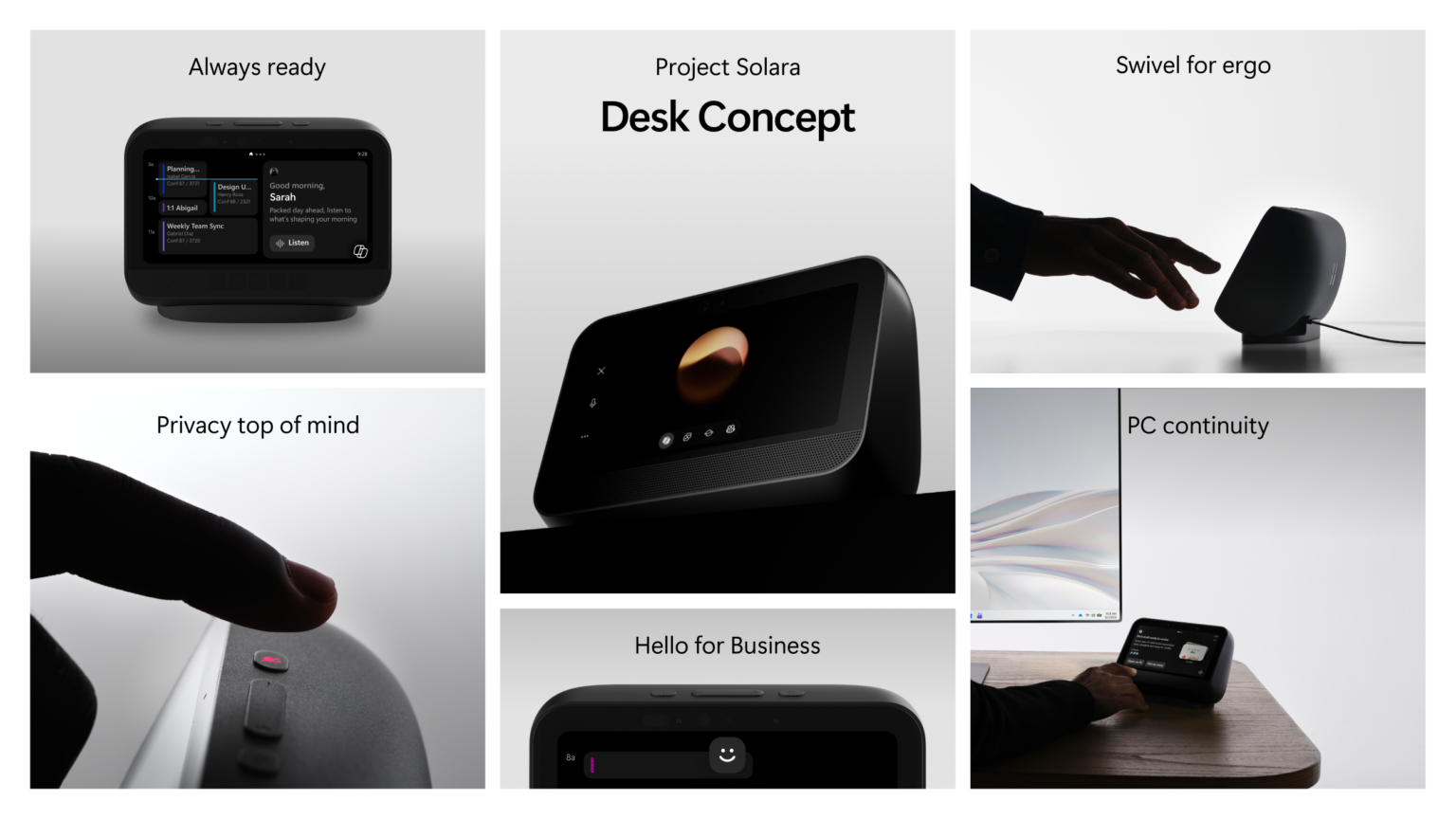
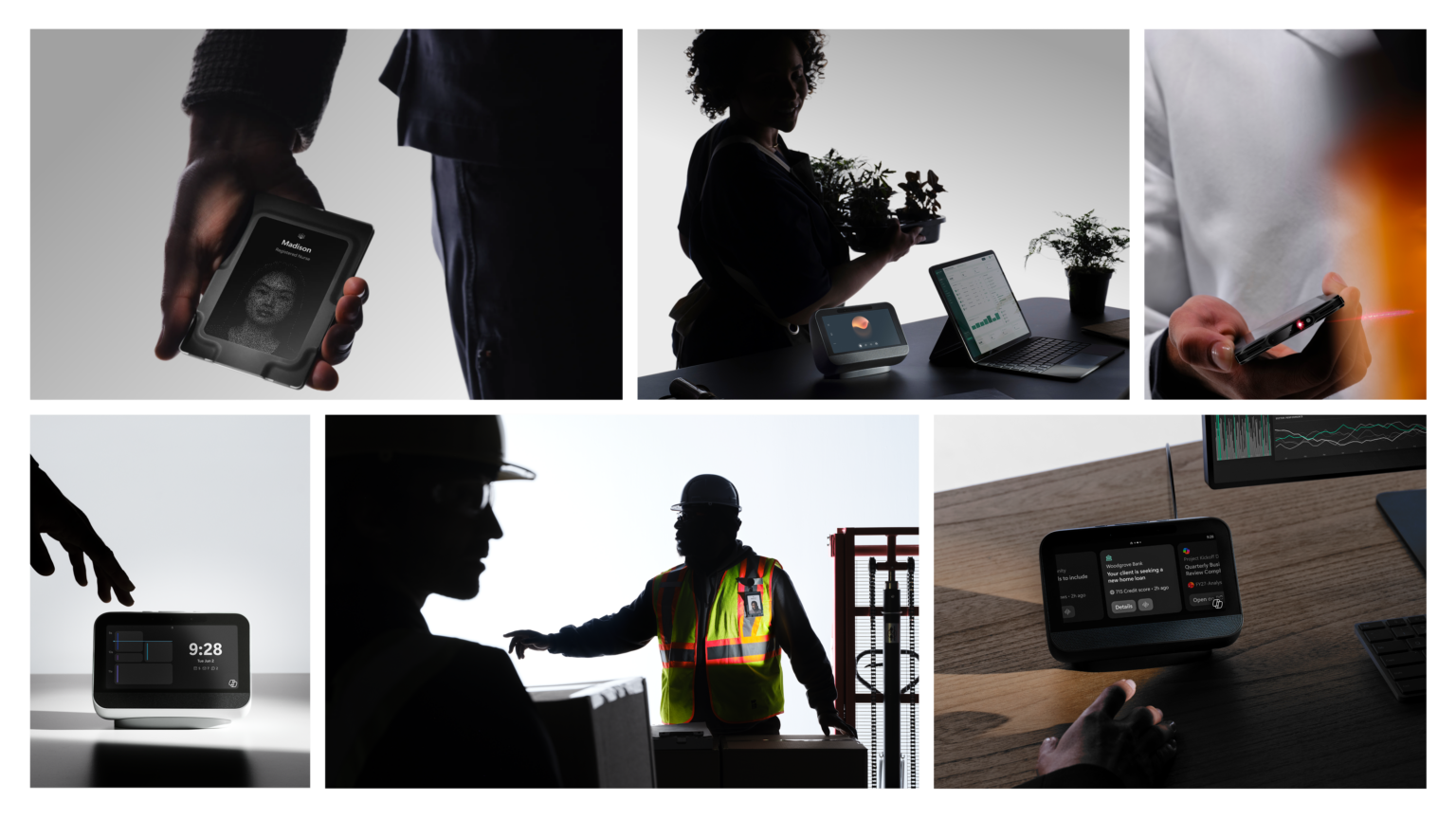
While the company revealed a stationary desk-based smart display concept that looks like a smart speaker/display combo, the real standout announcement is a portable wearable device, that hints at a future where the smartphone as we know it might be rendered obsolete.
And despite the fact that Microsoft doesn't call the device a "phone", it sure has all of the hardware and software to do what your iPhone 17 Pro or Galaxy S26 Ultra can do.
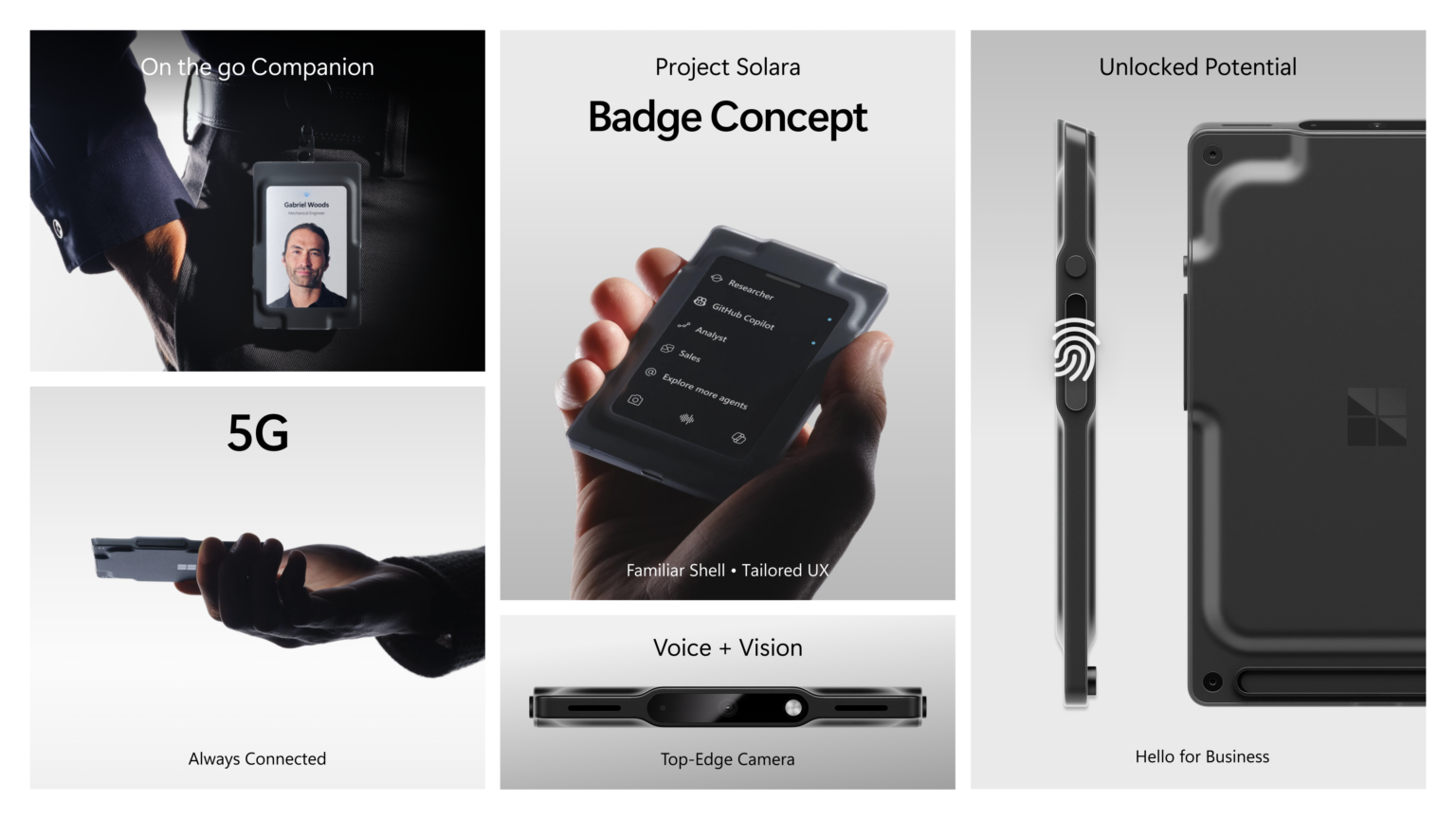
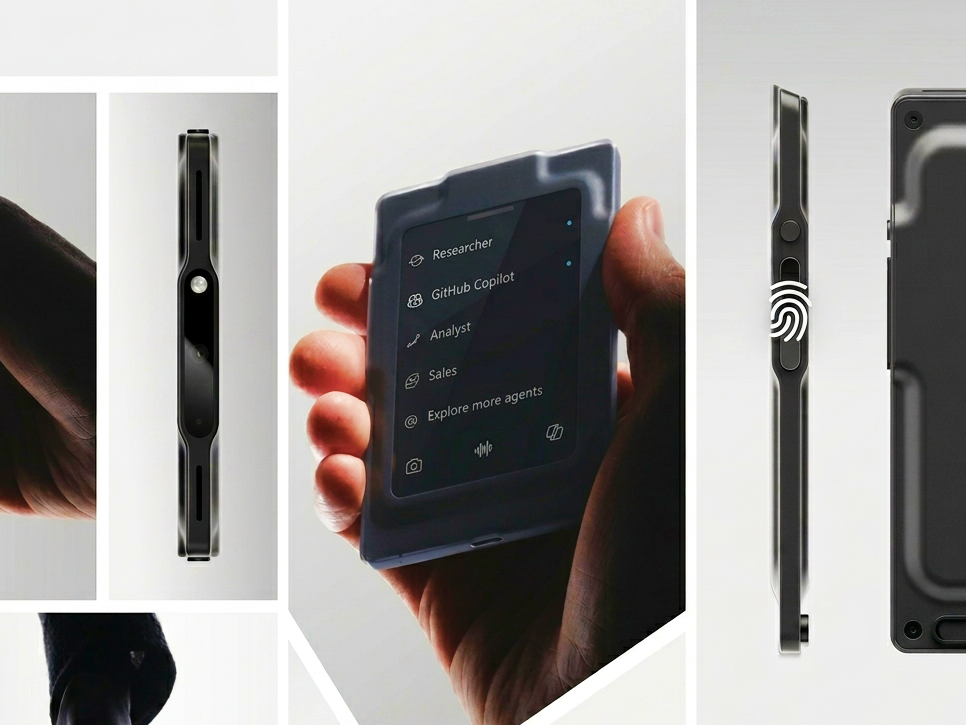
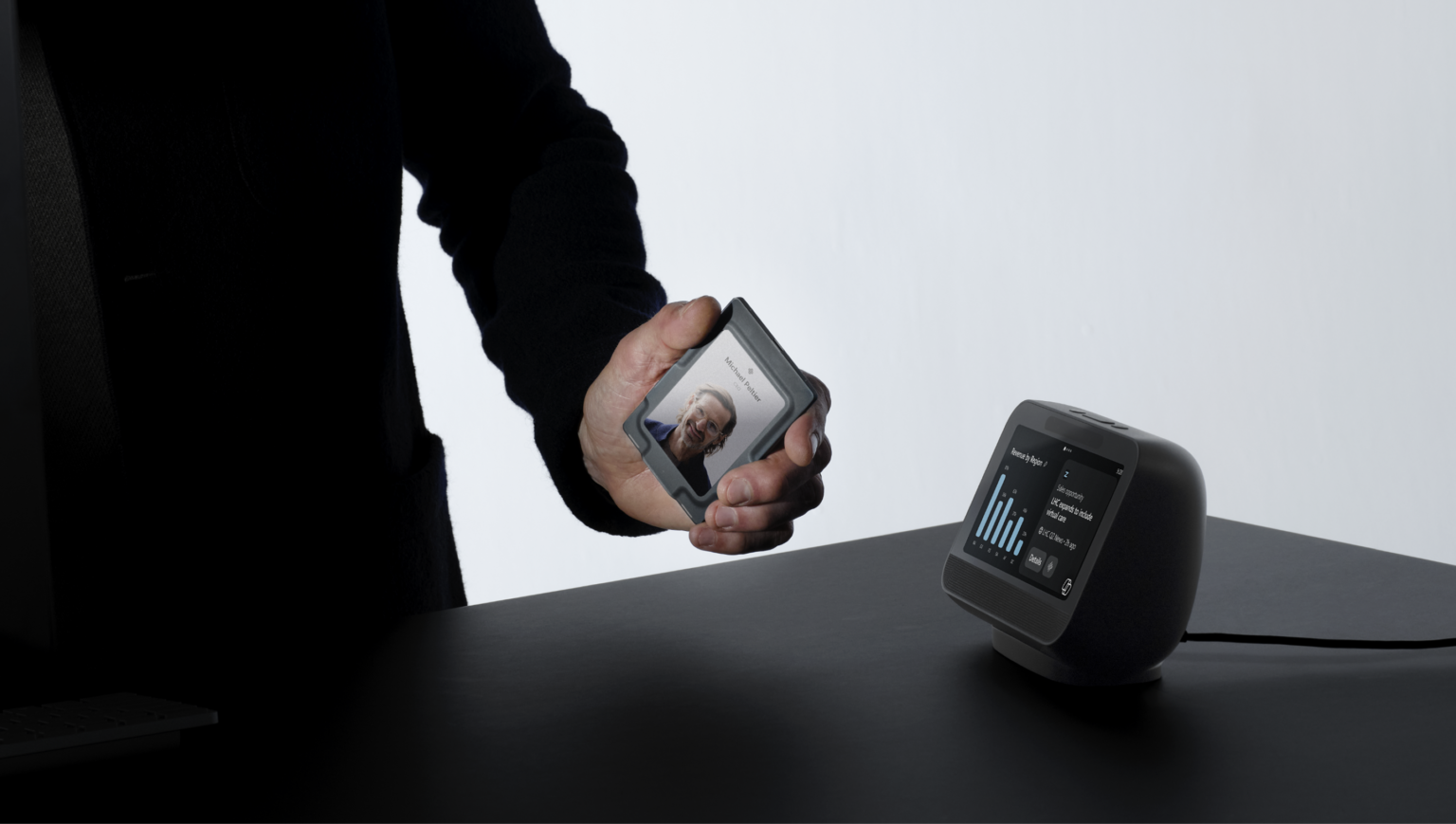
Microsoft's Android-based wearable badge looks a lot like a smartphone: Touchscreen, top-facing cameras, next-level mics, Qualcomm SoC
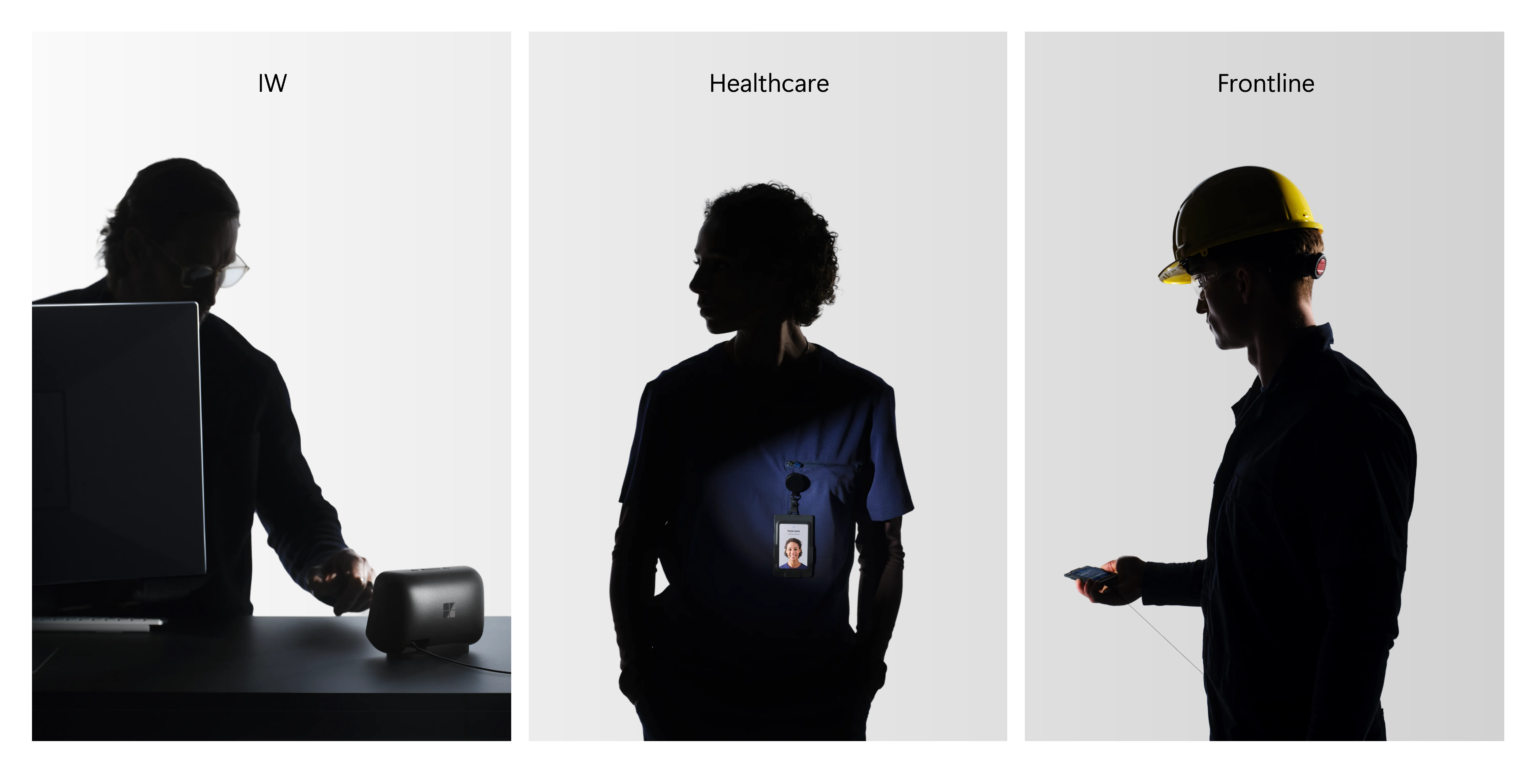
The badge, a crucial hardware element of Project Solara, is not just a digital ID (which is what it looks like) but a dedicated, always-connected interface for AI agents, says Microsoft. Currently designed for frontline and information workers, this wearable replaces the traditional app-based grid (that we know from phones) with a streamlined, agent-centric UI.
Reportedly utilizing an Android-based OS for the device (specifically the Microsoft Device Ecosystem Platform), Microsoft says that the current "app-launcher" smartphone paradigm may be too cumbersome for the era of active AI agents.
Microsoft Project Solara badge-phone, features and hardware:
- Small touchscreen for interacting with AI agents
- Top-facing camera system for environmental awareness
- Side-mounted fingerprint reader for biometric security
- Privacy switch and volume controls
- Far-field high SNR microphone array and speaker
- Side-facing camera (it looks like the camera of the current concept is top-facing)
- WiFi, Bluetooth, GNSS, and 5G wireless connectivity
- Qualcomm wearable silicon (likely an unannounced chip; for reference, OpenAI is said to be working with MediaTek on a custom Dimensity 9600 for its own AI phone/device)
- Android-based custom OS
It’s important to note that even though they are still in their concept stage, the company is testing the badge and smart display devices internally among hundreds of employees, hoping to quickly move the wearable phone/computer from a concept to mainstream adoption. Having started internal testing, Microsoft prepares to begin enterprise pilot testing in the healthcare, retail, hospitality, financial services, legal, industrial, and field services.
Microsoft and OpenAI might be racing to replace your iPhone/Android: The Open AI phone or Microsoft’s badge - who will be first?
In related news, Qualcomm’s CEO said that "resistance is futile", when it comes to adopting agentic AI-based devices and operating systems like the ones part of Project Solara. Meanwhile, the timing of Project Solara likely isn’t a coincidence. With rumors swirling that OpenAI is fast-tracking its own AI-focused smartphone for a potential early 2027 launch, Microsoft is likely trying to position itself to be the dominant platform provider for this next hardware cycle.
In case you’re wondering why today’s flagship smartphones can’t serve the same purpose as Microsoft and OpenAI’s upcoming AI agent phones/devices, the answer might be in the "stack", according to Microsoft. While traditional phones rely on apps (as we know them), the company thinks that to truly reach "agent-first" potential, devices must be purpose-built, lightweight, and specialized for AI.
By lowering the barrier to entry for specialized hardware, using AI to handle UI generation rather than requiring developers to build native apps for every new form factor, Microsoft aims to make the hardware ecosystem as fluid as the software.
All in all, whether Project Solara and the badge/phone/computer device (or its successor) can successfully disrupt the iPhone/Android space remains to be seen, but the message seems clear. The next battleground for AI might not be taking place in your browsers but in your pockets.
Source(s)
 Add as a preferred source on Google


