




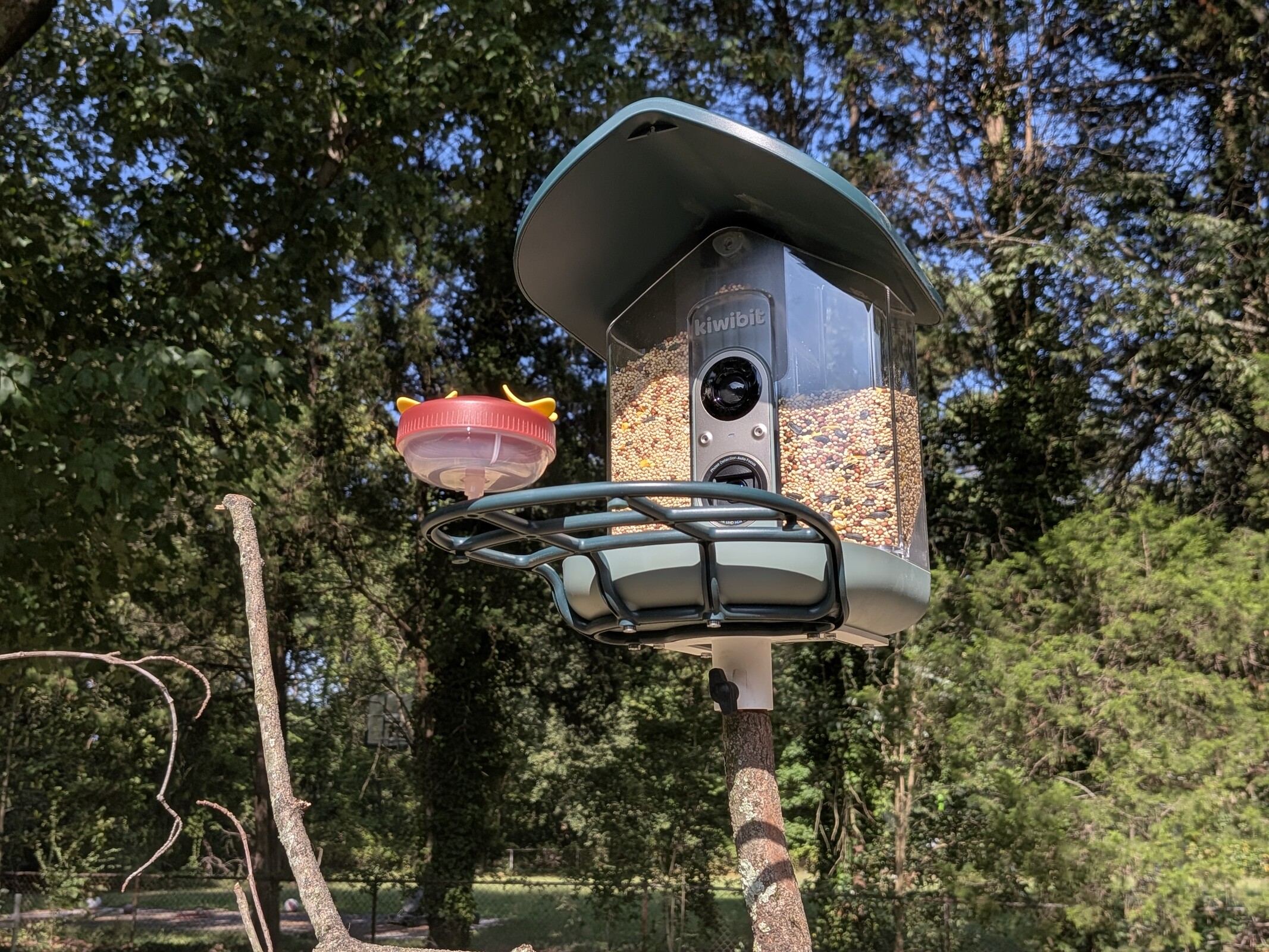
Kiwibit Bird Feeder 2 Pro review: Birds can’t get enough
Quick autofocus and a maturing app.
The Kiwibit Bird Feeder 2 Pro addresses the biggest complaints of its predecessor and brings PDAF autofocus, a 5W solar panel, and a maturing app experience to backyard birding. While not perfect, it is working its way there.Stephen Pereyra Published
Verdict - A solid iteration on their flagship series
The Kiwibit Bird Feeder 2 Pro builds on the original's sturdy design while fixing its most annoying software quirks. Upgraded with a 4K HDR sensor, phase-detection autofocus, and a detachable battery, the feeder makes watching quick backyard birds much easier and in more detail. Thankfully, bundling permanent AI recognition clears out the constant subscription pop-ups from the earlier model, though the occasional ad remains, turning the Kiwibit app into a fun digital bird-collection hub. While it still skips an included yard pole and slow-motion recording is a bit choppy, the Pro version feels much more refined for everyday birding.
Pros
Cons
Price and availability
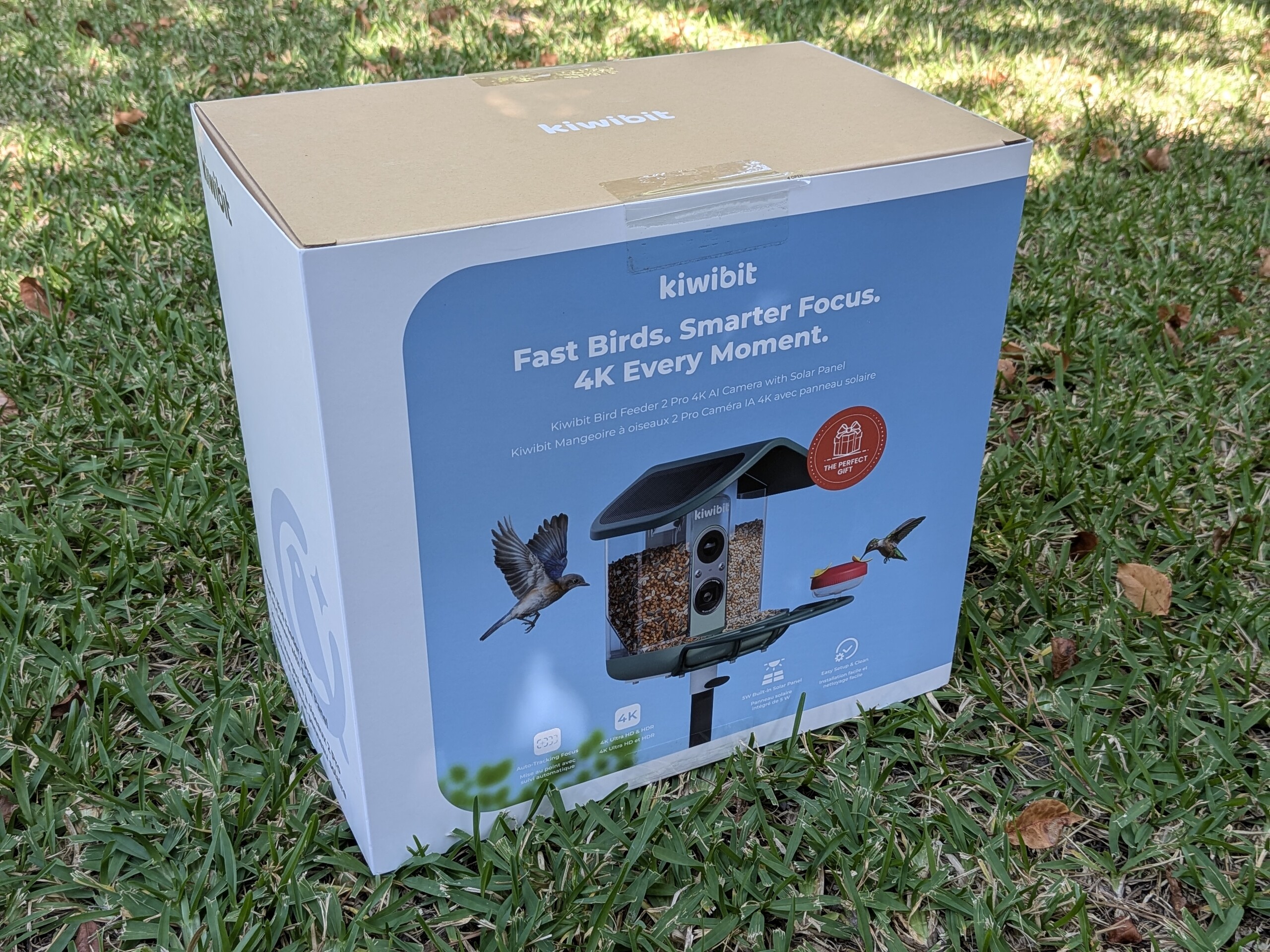
The Kiwibit Bird Feeder 2 Pro is available directly through the official website and select online retailers. Promotional pricing lists the package at around $229, while standard retail sits closer to $259.

The Kiwibit Bird Feeder 2 Pro builds on the original by adding a 4K HDR sensor, phase-detection autofocus, and a detachable battery. The Pro model also includes updates to the Kiwibit app and other quality-of-life improvements.
Specifications
| Specification category | Kiwibit Bird Feeder 2 Pro |
| Video resolution | 4K HDR (5MP stills) |
| Focus system | PDAF autofocus |
| Field of view | 130-degree diagonal FOV |
| High-speed video | 1080p at 120fps (SD card mode) |
| Power system | Detachable 5200mAh battery, 5W solar panel |
| Audio hardware | Dual-microphone design (48kHz digital) |
| Wireless connection | Dual-band Wi-Fi (2.4G+5G) |
| Seed capacity | Detachable 1.7-liter grain hopper |
| Weather protection | IP65 waterproof and dustproof rating |
Unboxing, hardware, and installation
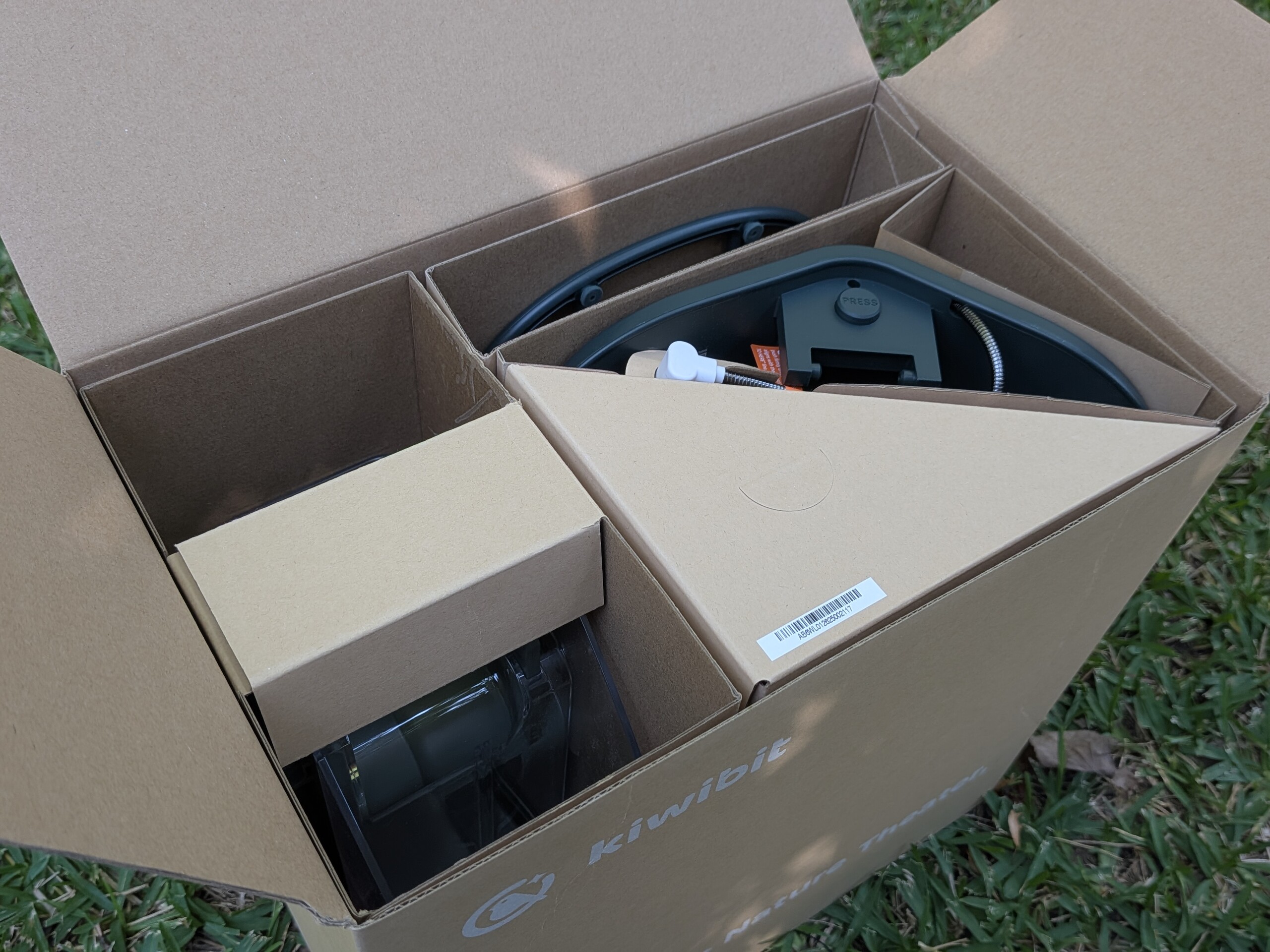
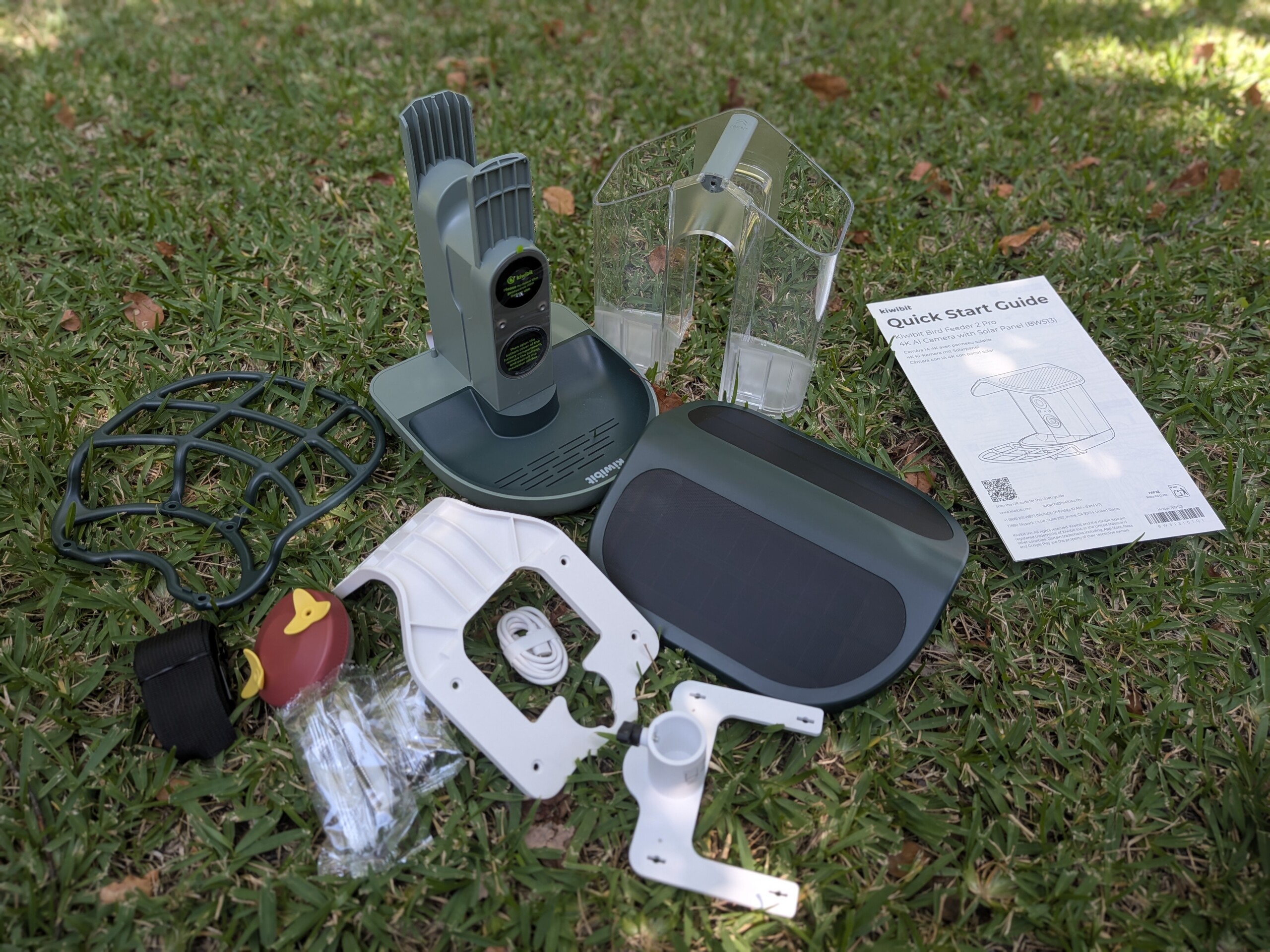
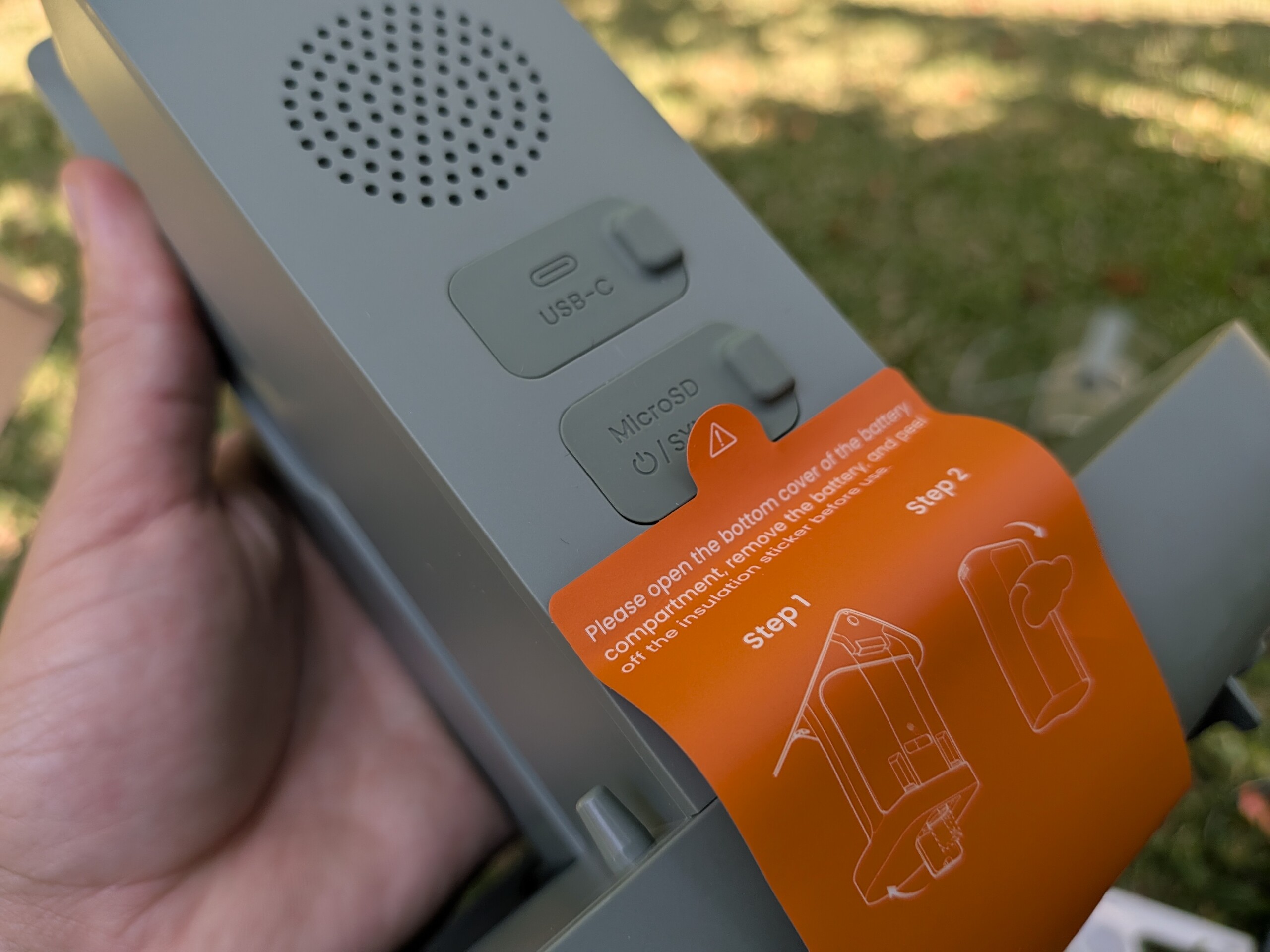
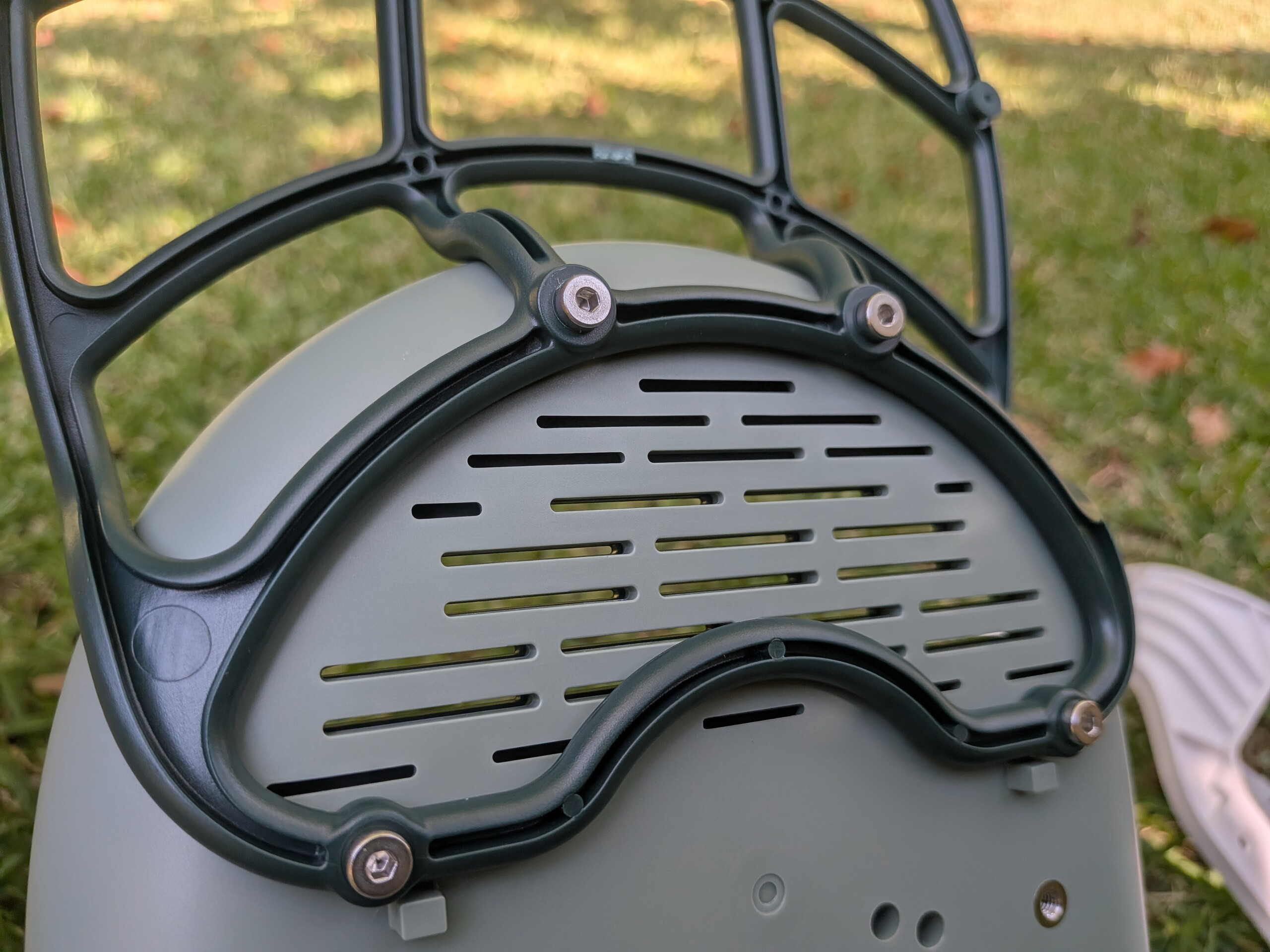
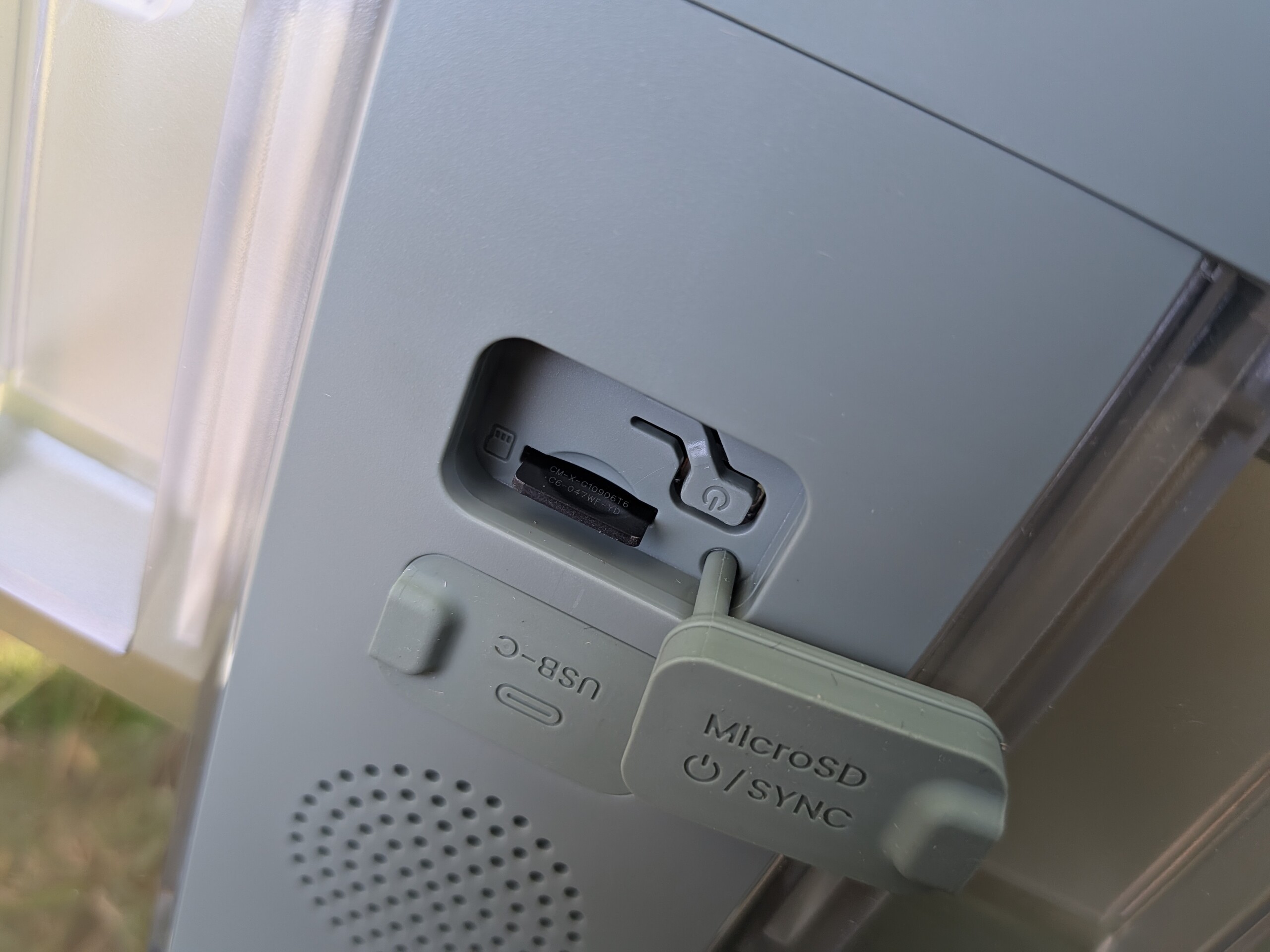
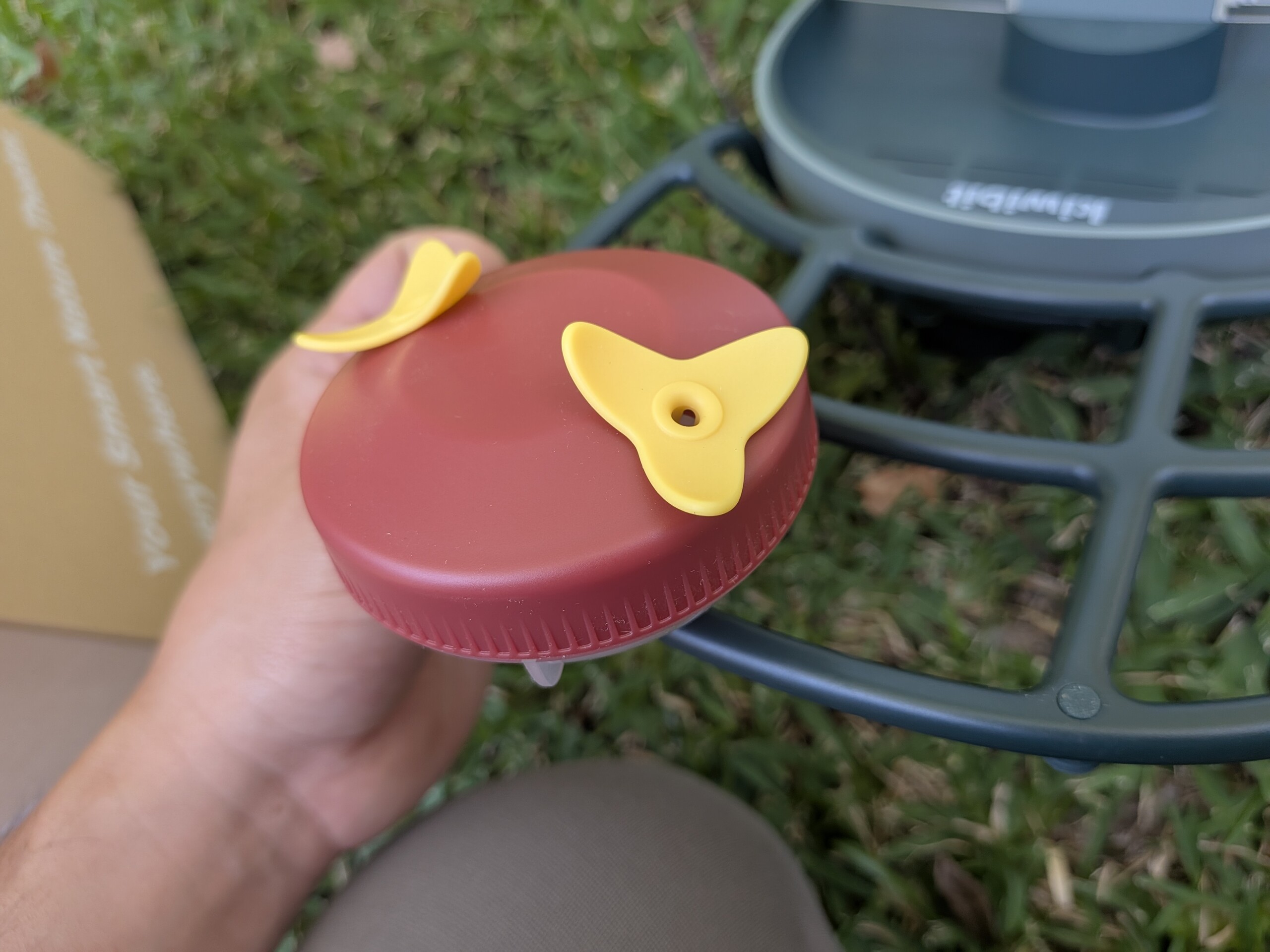
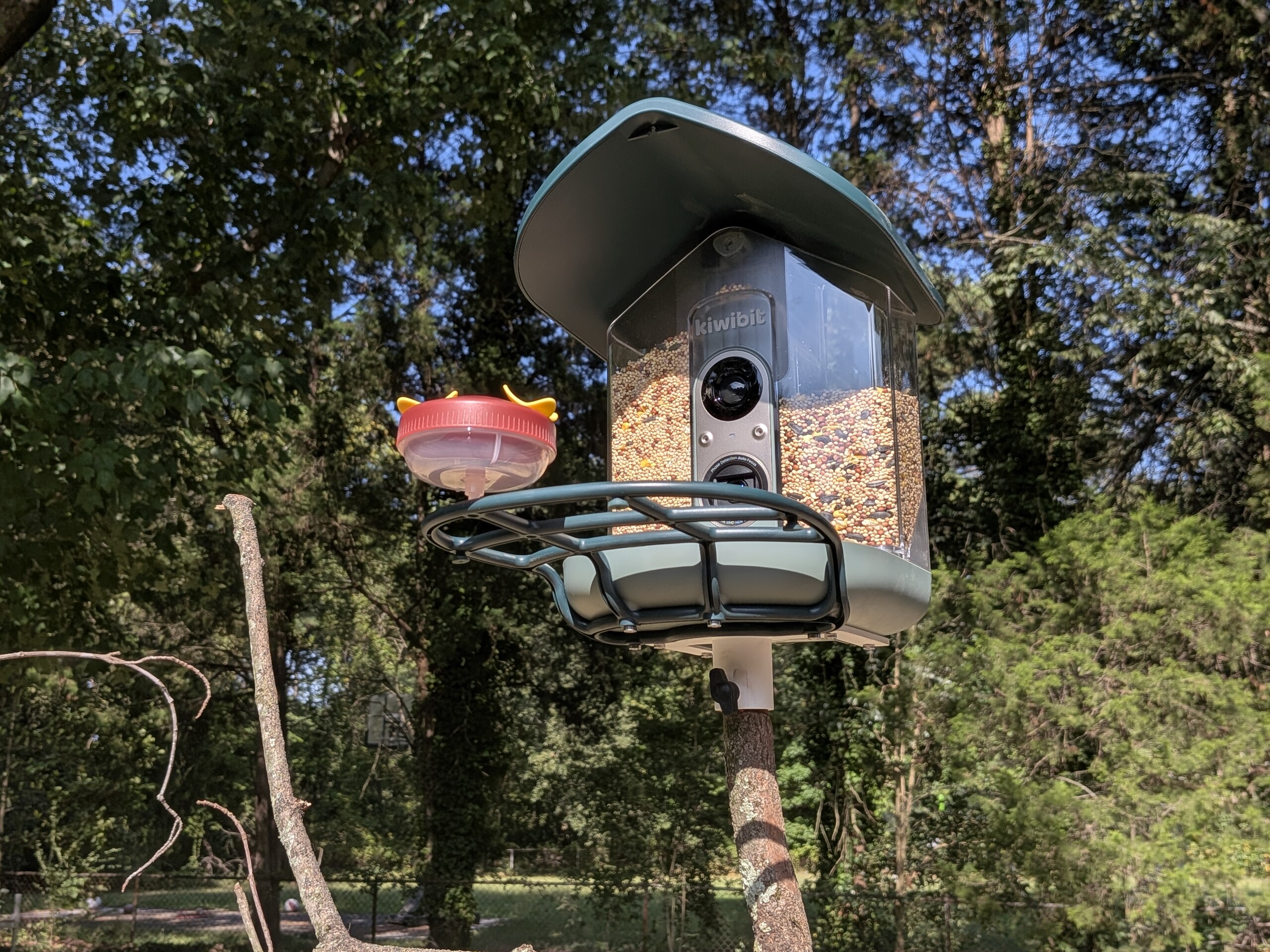
The feeder keeps the original's thick plastic-and-metal construction, giving it a durable feel that holds up well in outdoor weather due to its IP65 waterproof and dustproof rating. It also features a detachable 1.7-liter grain hopper that slides out easily when it's time to clean out wet seed or add a fresh refill.
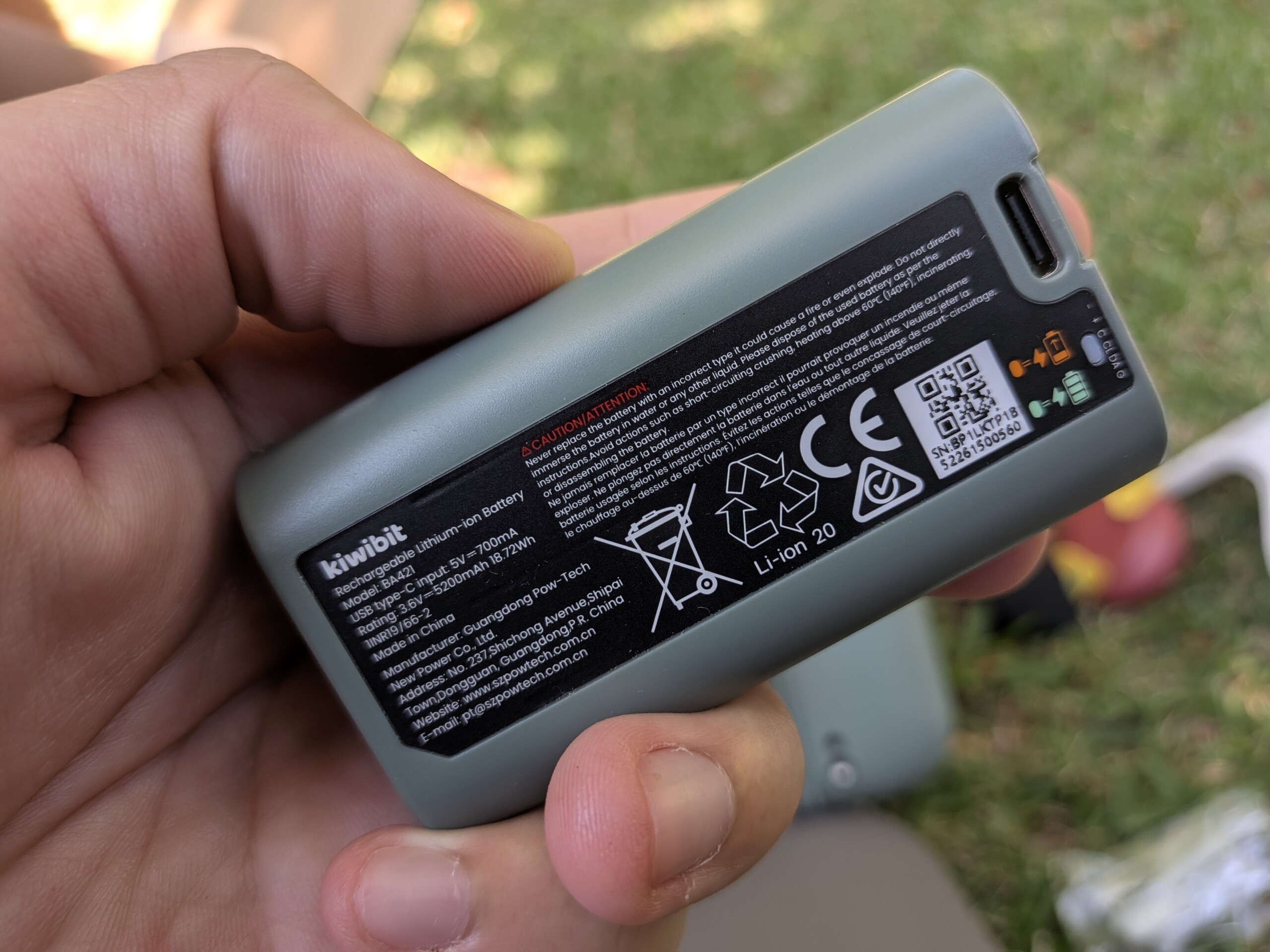
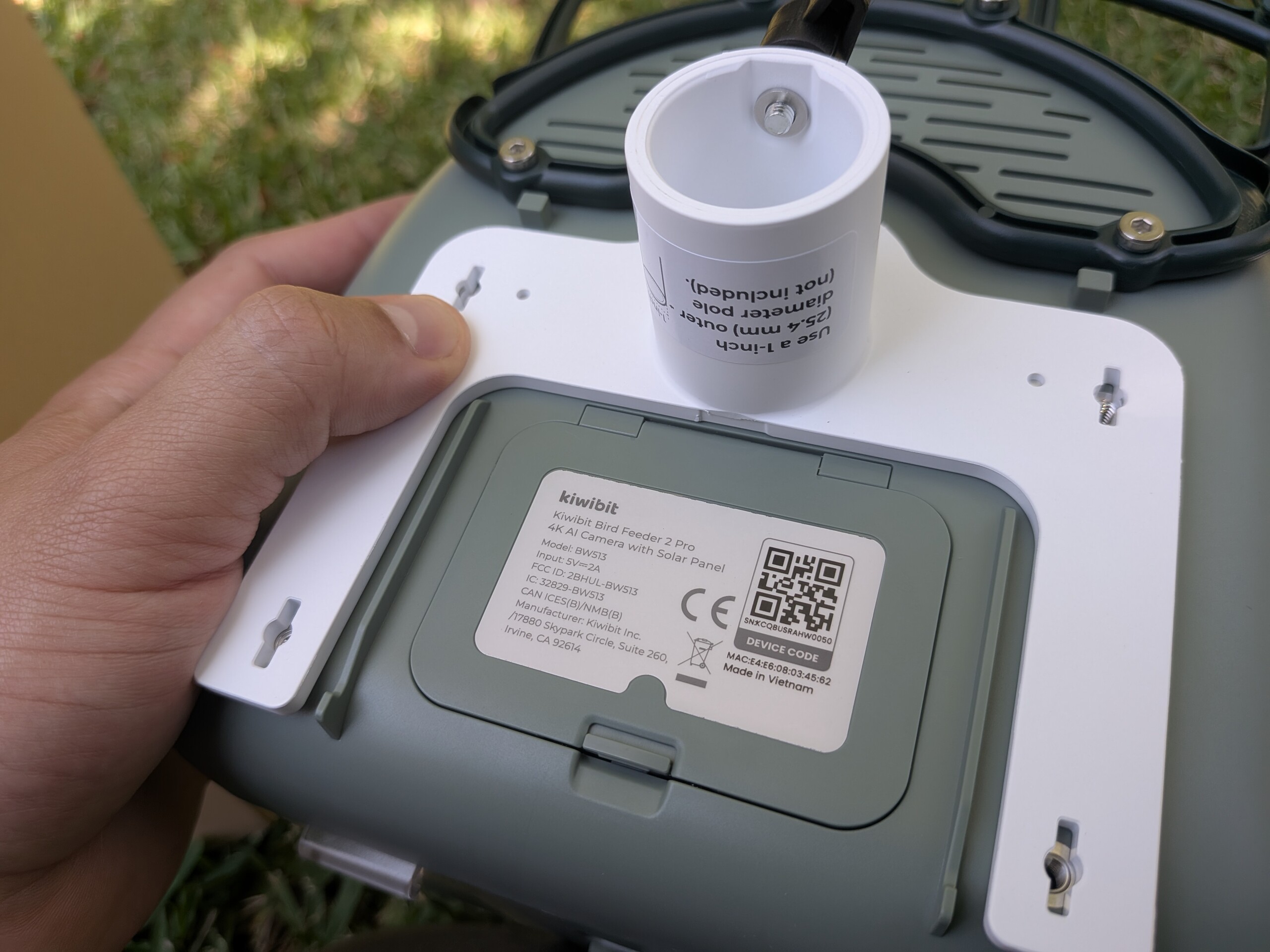
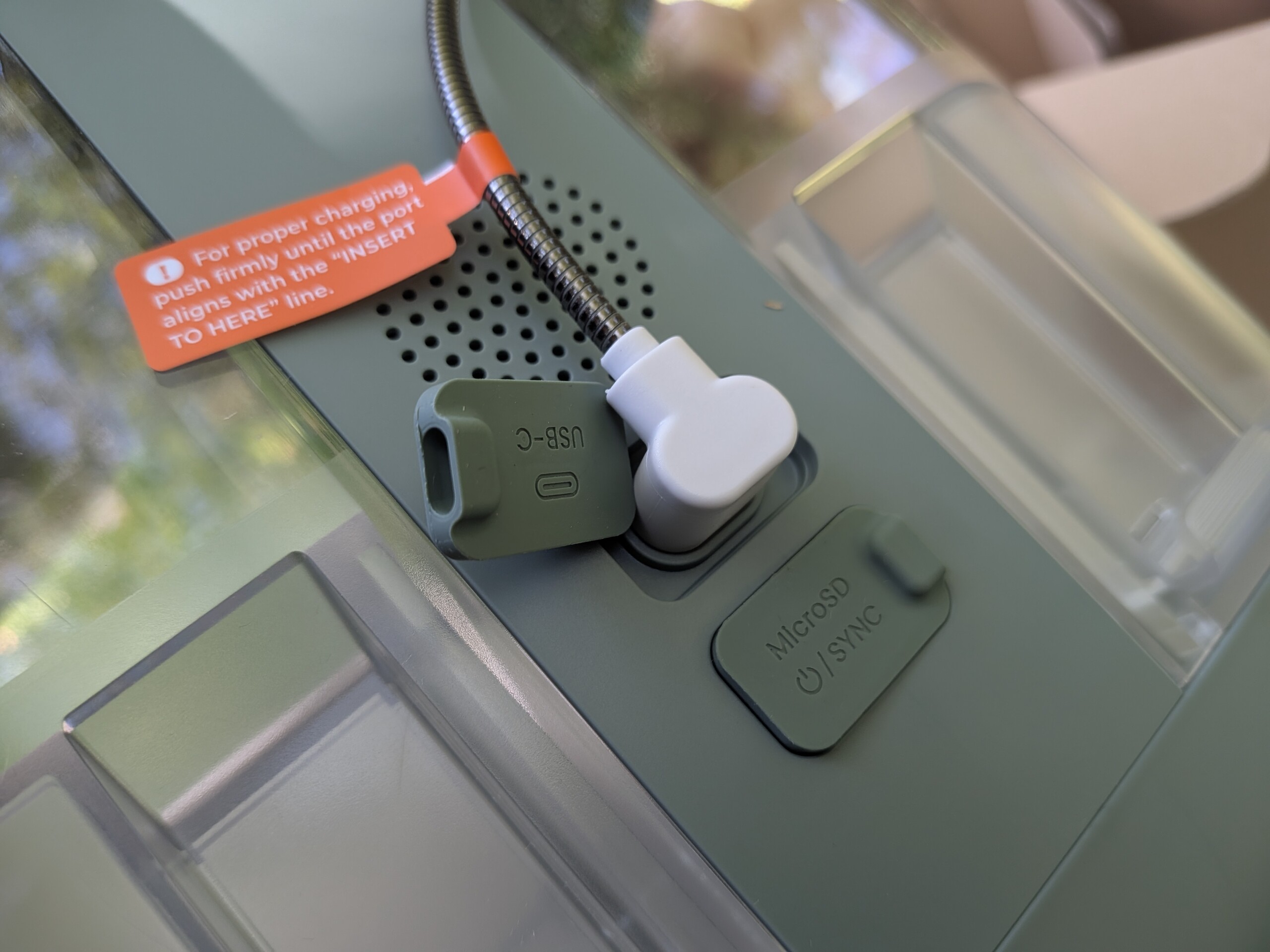
Power delivery is also convenient. The roof integrates a 5W solar panel designed to keep the battery topped off. The feeder also has a detachable 5200mAh battery that pops out for indoor charging, but testing showed this feature is largely unnecessary. Mounting options remain flexible, though the package still does not include a dedicated metal ground pole.

Features and performance
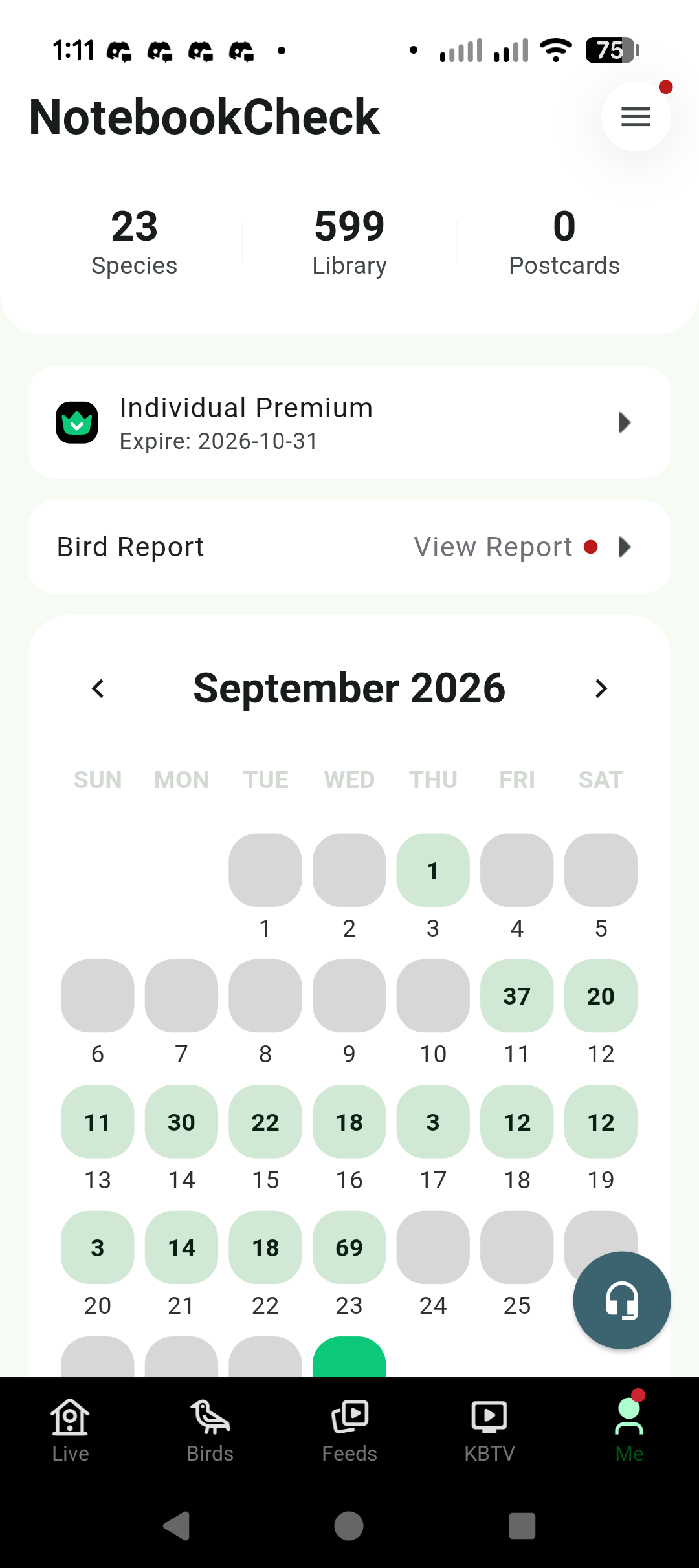
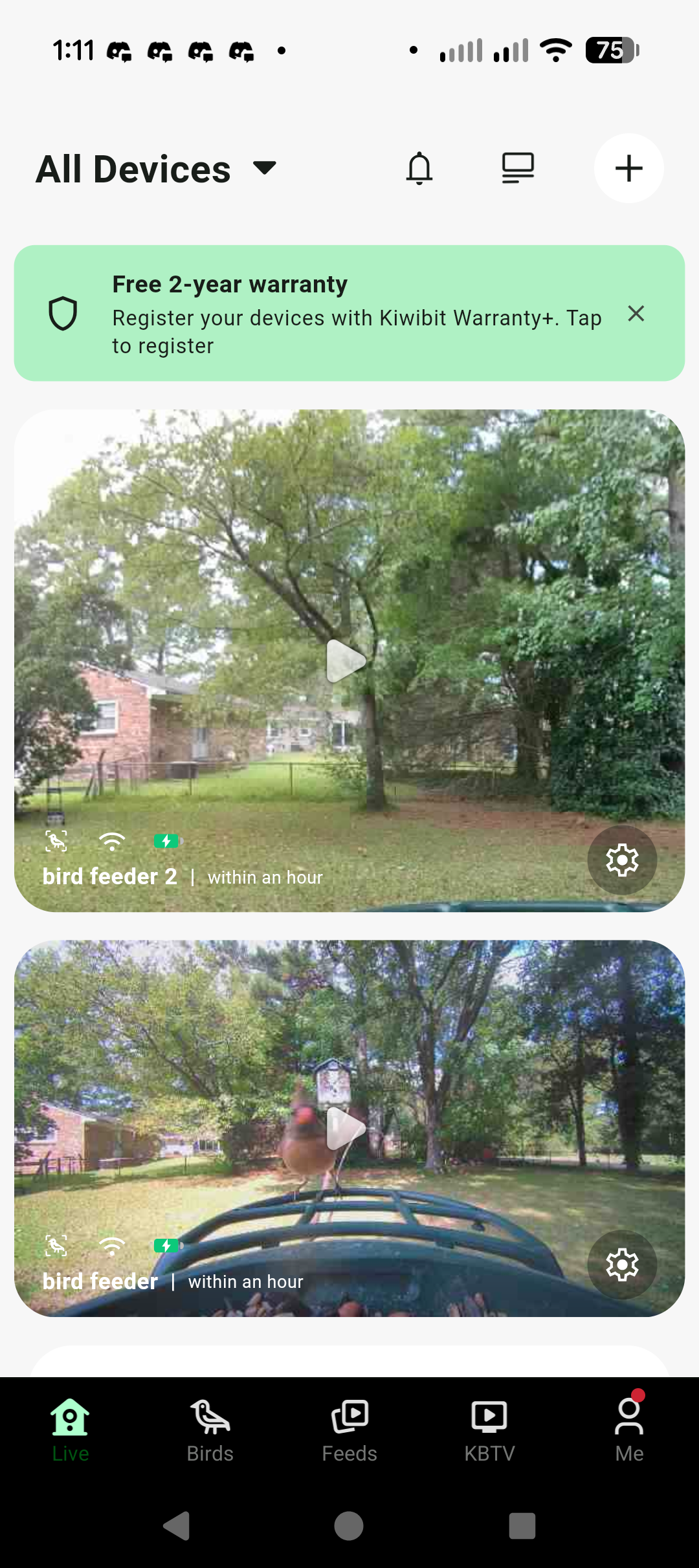
The companion app provides a much cleaner experience this time around. On the earlier model, the interface was cluttered with pop-up ads urging users to pay for premium bird identification. With permanent AI bird species recognition included, those prompts are largely gone, except for a few pop-ups about cloud storage and access.
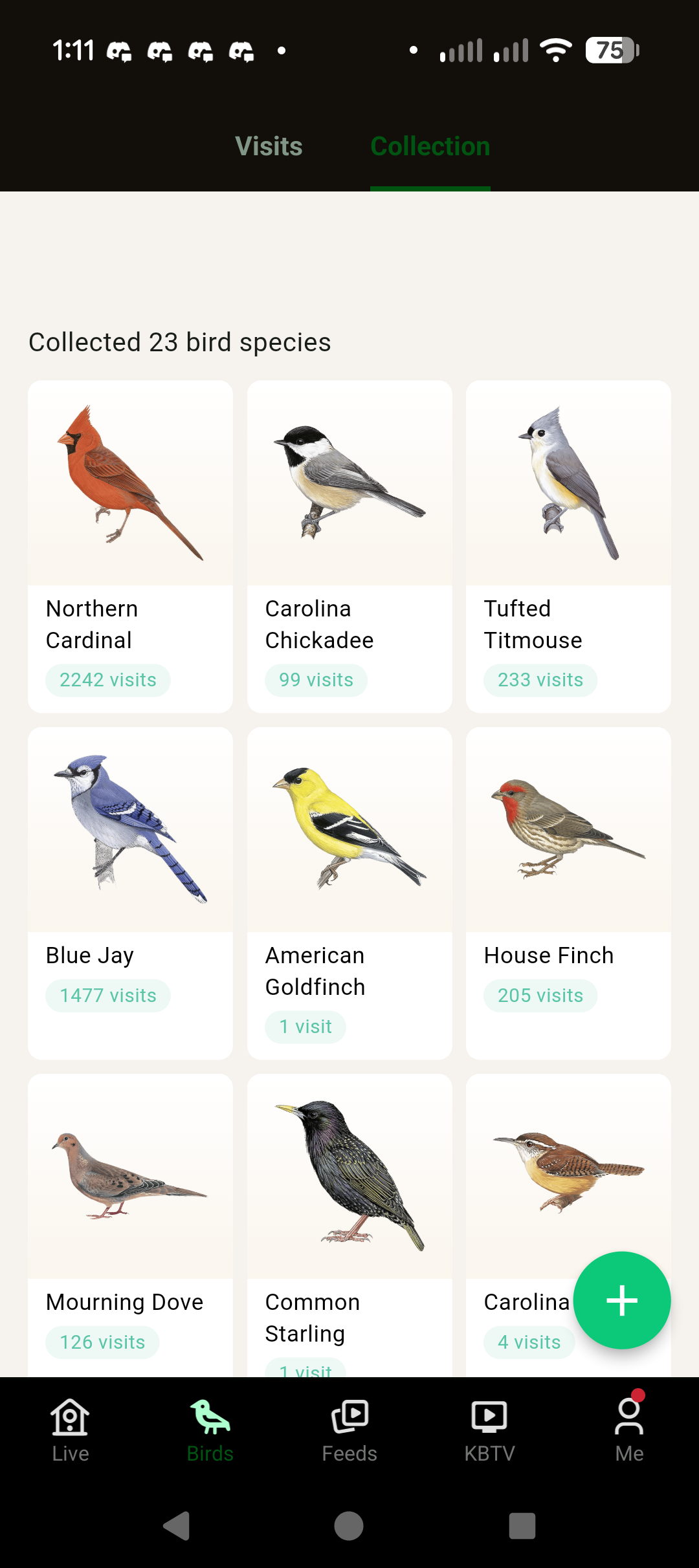
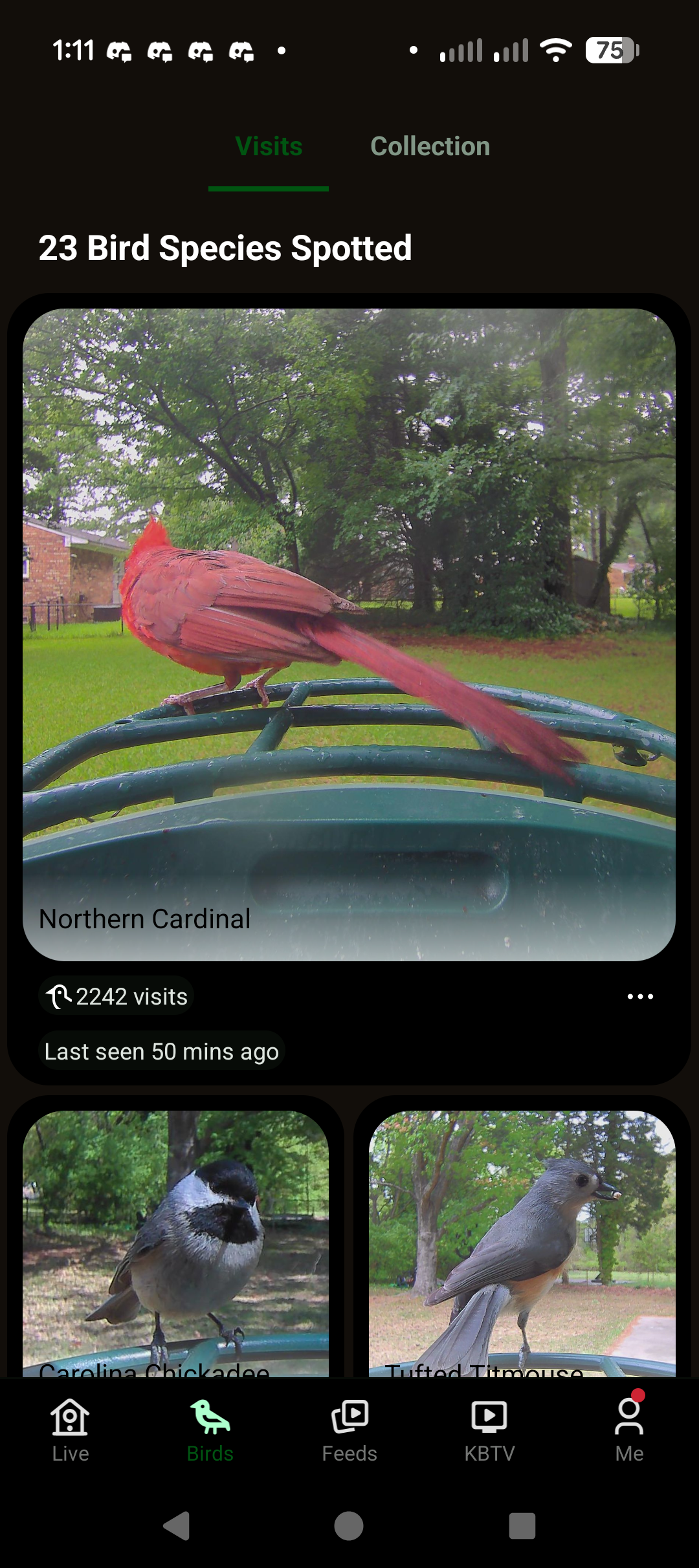
Instead, the app focuses on cataloging visiting birds. It automatically tags arrivals against a database of over 10,000 species, building an interactive visitor logbook. Motion alerts can still get overwhelming during an afternoon feeding frenzy, but browsing the daily arrivals feels rewarding rather than frustrating. Additionally, setting up the device on a home network is easy, as 5 GHz Wi-Fi helped the device pair quickly and provides a highly stable connection without any dropouts in the yard. However, this stable connection is in part due to a dedicated outdoor router that we use during testing of these devices.
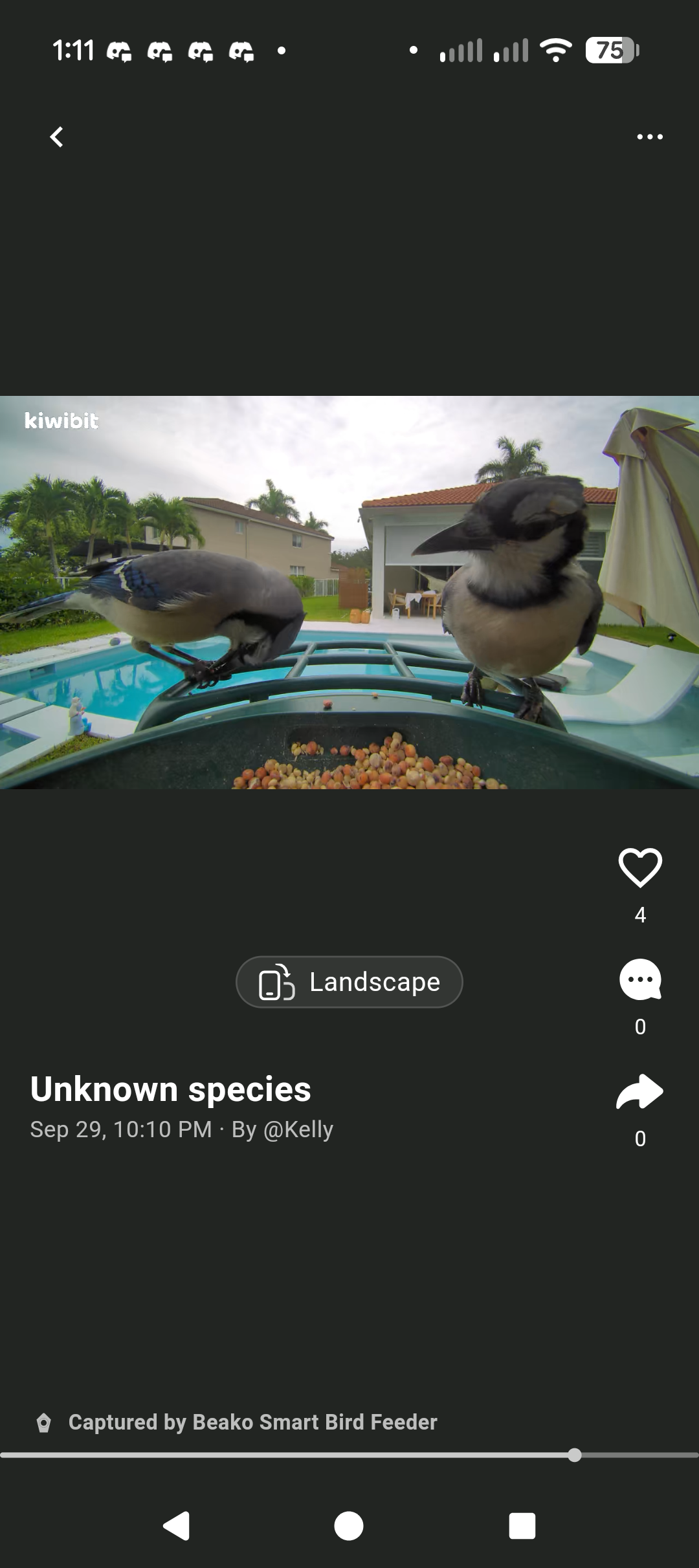
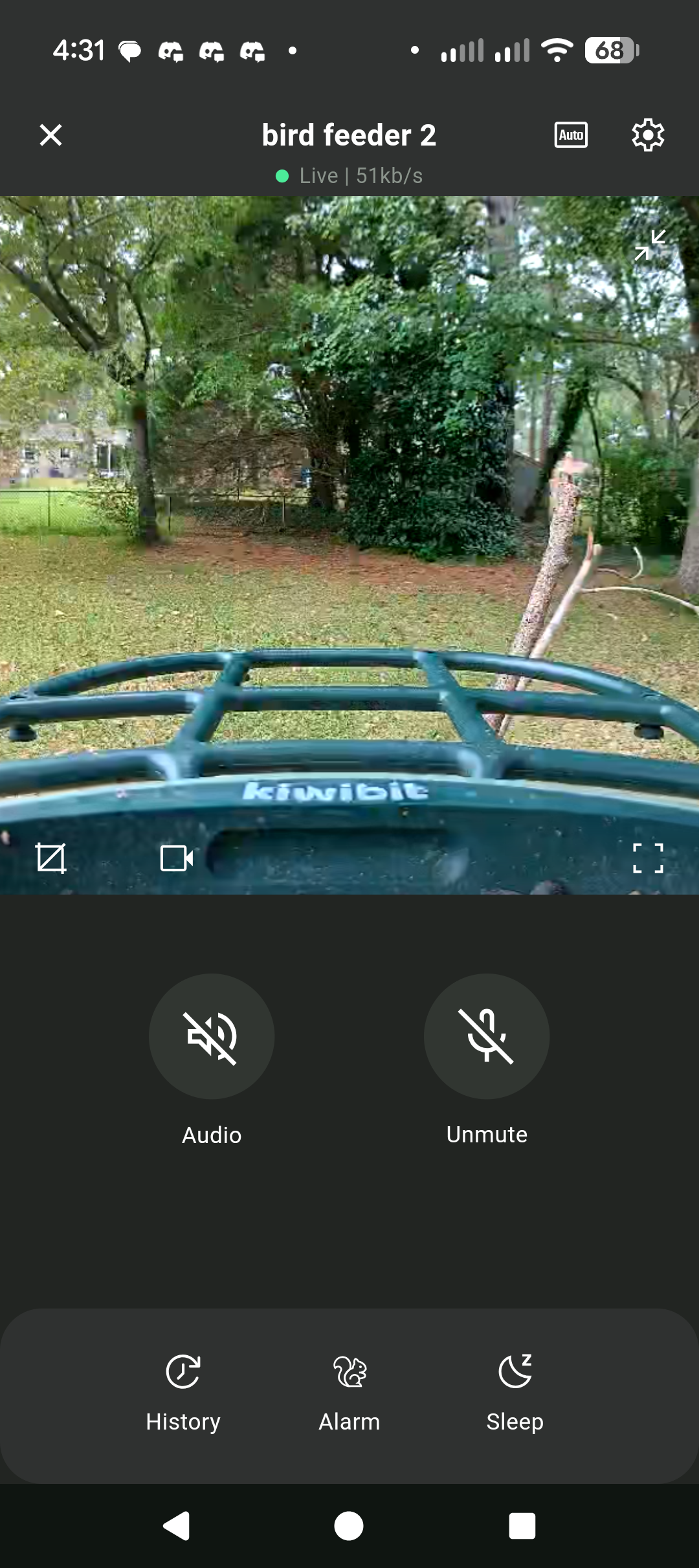
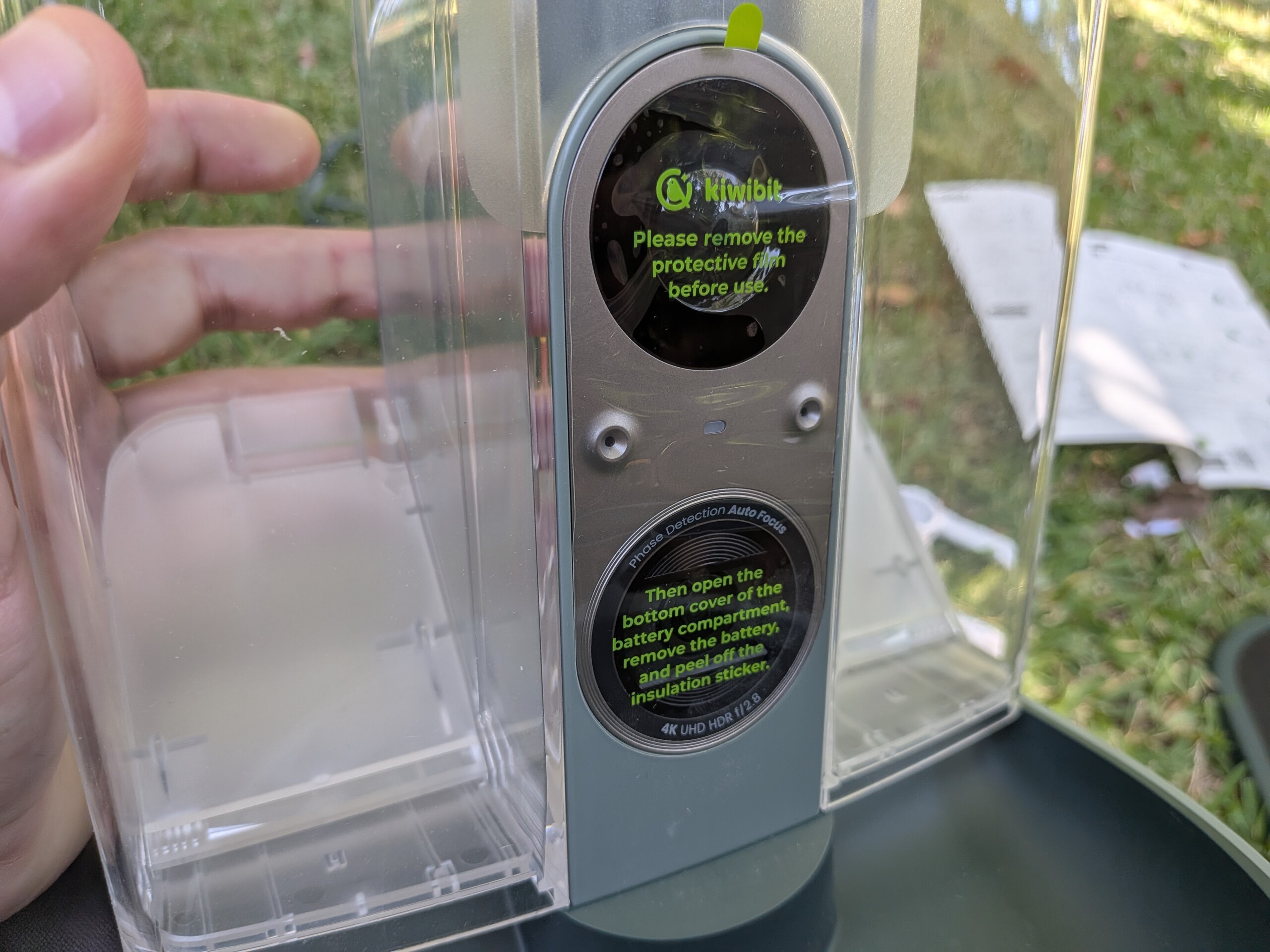
The upgraded camera sensor makes a noticeable difference in everyday clips. Where older fixed-focus lenses tended to blur when a bird hopped right up to the camera housing, the phase-detection autofocus (PDAF) adjusts dynamically to keep feather details clear whether birds are near or far. Colors look balanced in bright daylight, avoiding the blown-out white highlights common with cheaper outdoor lenses, not to mention the lens warping. For fast-moving action, the camera supports 120fps slow-motion at 1080p, though this feature runs strictly in SD card mode and was a bit choppy.
Audio performance is functional but unremarkable. The feeder utilizes a dual-microphone design with a 48kHz digital mic. In practice, it captures background noise without excessive digital hiss, and the ambient chirps are perfectly fine for standard listening. Wind interference was never an issue during testing. However, it falls short of true high-fidelity audio, and when streaming video clips through the app, there is sometimes a noticeable delay where the sound lags behind the footage.
Conclusion
The Kiwibit Bird Feeder 2 Pro smooths out the rough edges of its predecessor. By toning down the aggressive subscription prompts, adding quick PDAF autofocus, and providing near-uninterrupted power through the 5W solar panel, it turns what was once a slightly frustrating gadget into an easy-to-recommend backyard viewer. While the audio occasionally lags and users must supply their own mounting pole, the 4K HDR video and stable Wi-Fi connection make this model a reliable, low-maintenance window into backyard wildlife.
Transparency
The selection of devices to be reviewed is made by our editorial team. The test sample was given to the author by the manufacturer free of charge for the purposes of review. There was no third-party influence on this review, nor did the manufacturer receive a copy of this review before publication. There was no obligation to publish this review. As an independent media company, Notebookcheck is not subjected to the authority of manufacturers, retailers or publishers.
 Add as a preferred source on Google


No comments for this article
