




Intel says Raptor Lake will stay for years as buyers flee expensive DDR5
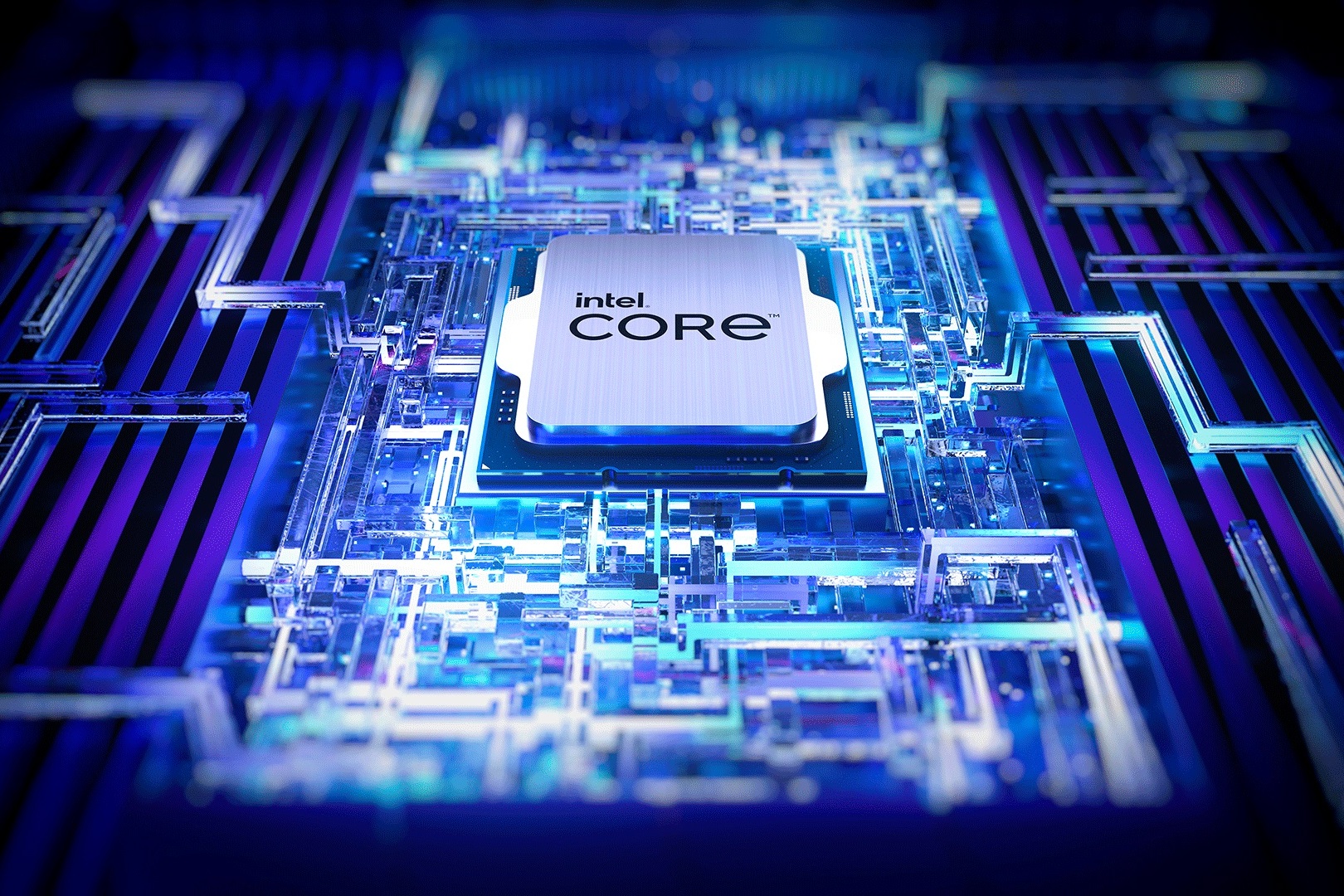
Intel has no plans to abandon its older Raptor Lake processors anytime soon. The company says the CPUs and their LGA 1700 platform will remain an important part of its product lineup for years, as high DDR5 prices are driving renewed demand for systems with cheaper DDR4 memory.
Intel vice president and general manager of the enthusiast channel business Robert Hallock told Tom's Hardware that the company intends to keep offering Raptor Lake processors and expects pricing and availability to stabilize over time.
Going forward, 10nm products like Raptor Lake; that is a core part of the portfolio that I want to offer to people for years to come - Robert Hallock.
The new wave of interest in Raptor Lake is closely tied to the ongoing memory shortage. DDR5 prices have risen sharply, making it increasingly expensive for budget-conscious PC builders to move to newer platforms. LGA 1700, meanwhile, supports DDR4, allowing users to build or upgrade PCs without purchasing expensive DDR5 memory.
According to Hallock, Intel did not anticipate the sudden increase in demand. As customers looked for more affordable hardware, they still wanted the fastest processors available within their budgets, making Alder Lake and Raptor Lake particularly attractive.
The unexpected demand has contributed to shortages and higher prices for some Raptor Lake models. The Core i5-14600K, which sold for around $200 or less for much of last year, is now selling for roughly $250 when available. The Core i7-14700K, which previously often cost less than $350, has climbed to around $380 at some retailers and can be difficult to find in stock.
Intel is now working to increase Raptor Lake inventory and smooth out pricing. The company is also reportedly preparing Raptor Lake Next, another refresh of the platform that is expected to arrive early next year. At the same time, motherboard manufacturers have begun releasing more LGA 1700 boards with DDR4 support, reversing a trend that had largely disappeared as the industry transitioned to DDR5.
Intel says this renewed focus on Raptor Lake will not come at the expense of its next-generation Nova Lake processors. Instead, the company is considering a clearer separation between mainstream and enthusiast products as pricing pressures reshape the PC market.
The situation highlights how dramatically the PC market has changed because of the memory shortage. Raptor Lake was already an aging platform, but the sharp increase in DDR5 prices has suddenly made its support for inexpensive DDR4 memory a significant advantage. As long as DDR5 remains expensive, Intel appears ready to keep its older LGA 1700 platform in the game.
Source(s)
 Add as a preferred source on Google


