




How intelligent is a smart irrigation controller?
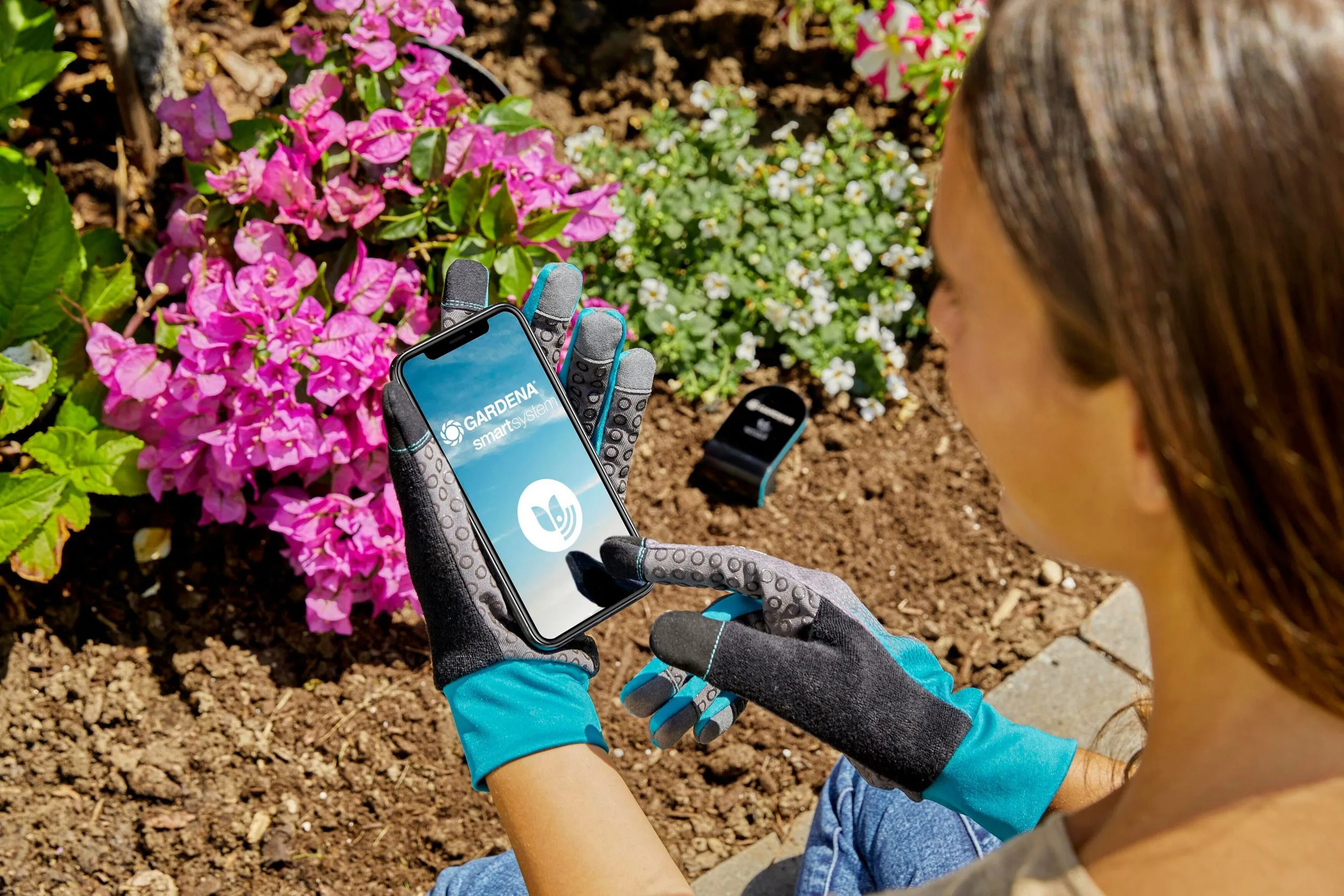
For many, an intelligent irrigation system probably needs to be able to do one single thing: water plants to an extent that provides them with sufficient moisture without any manual intervention, while at the same time not flooding the entire property. Not too difficult a task, you might think? Well...
Level 1: "Smart" ... timers?
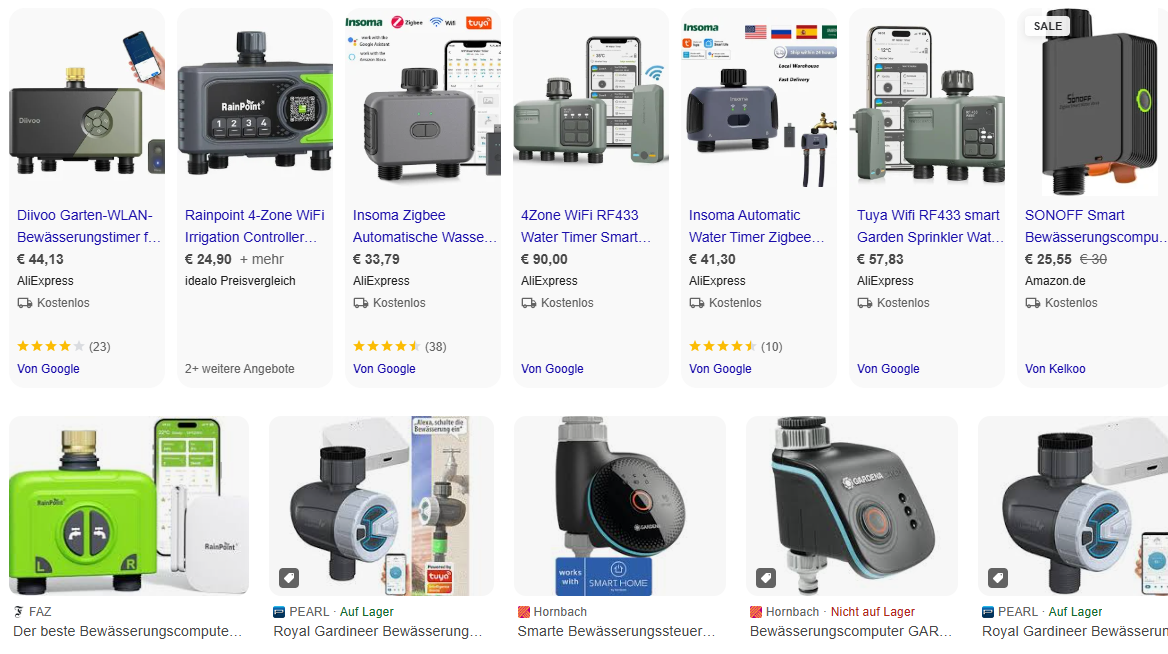
Anyone who searches Google for "intelligent irrigation" receives suggestions for irrigation controllers in abundance. This includes particularly inexpensive models, such as the one that will be presented below as representative of this group.
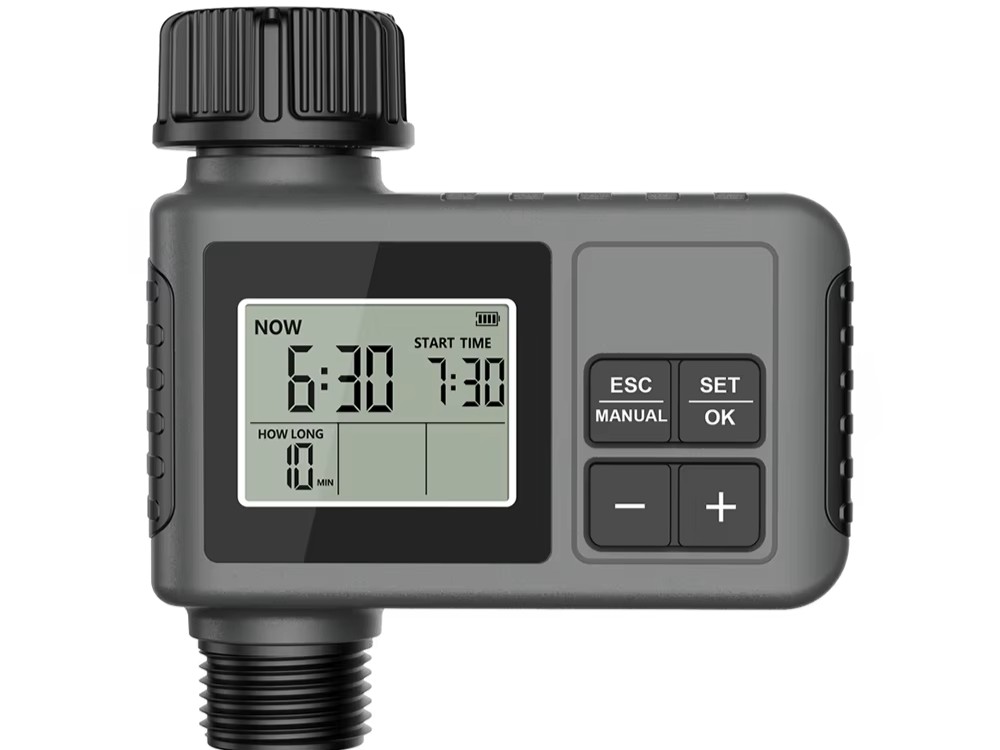
The "Insoma Automatic Water Timer Intelligent Irrigation System Sprinkler Timer" is by far the cheapest device that advertises "intelligent features," costing around $20 on Aliexpress (as part of a welcome offer). It enables watering on a schedule (start time, duration, and frequency), manual watering for a specific time, and pausing irrigation during rainy periods.
However, these settings must be made directly on the device; there is no automatic adjustment of the intensity depending on the season or weather. If, for example, you are away from home for a longer period of time (or if you neglect to take care of the irrigation controller for other reasons), it can certainly happen that the plants are watered much more heavily than would actually be necessary based on the weather conditions. Due to the power and water consumption, this is not only unnecessarily expensive but also a pointless burden on the environment.
Level 2: Irrigation controllers with smartphone control
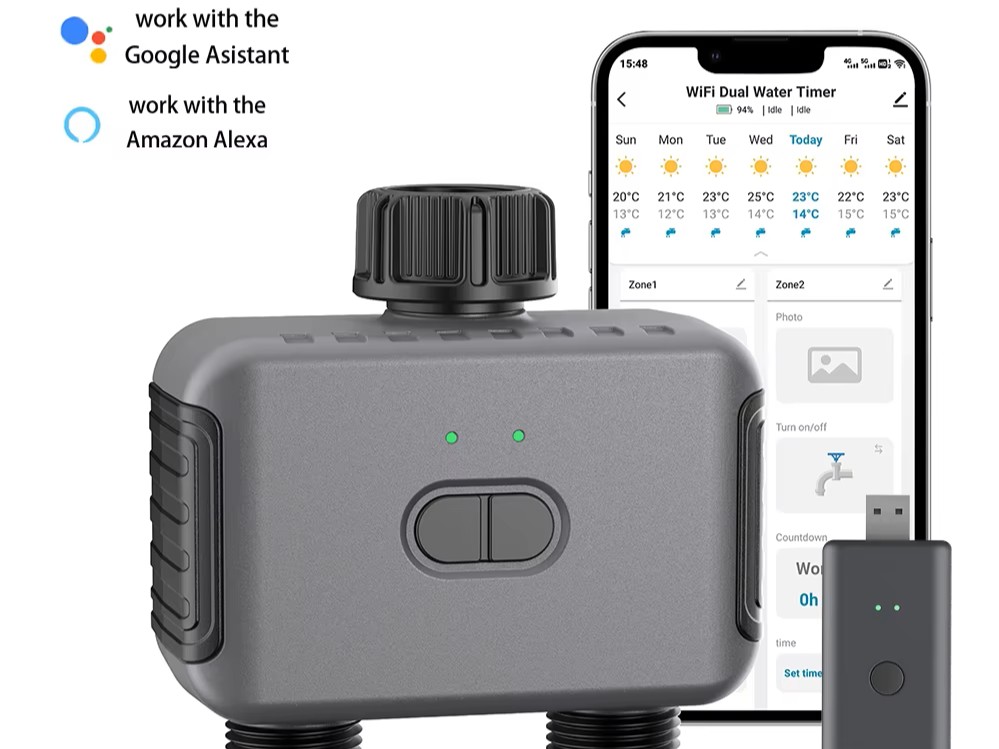
These devices are equipped with at least one wireless module and can thus usually be connected to your own network via Wi-Fi, Bluetooth, or ZigBee. They often have the same functions as classic irrigation timers (irrigation on a schedule), but allow you to change them on the go via smartphone. This is practical, for example, for adjusting the watering intensity while on vacation. But who really wants to monitor the weather at home while on vacation and then manually change the schedule?
Level 3: Truly intelligent systems
Wouldn't it be much nicer if the irrigation system could do this independently based on weather or moisture data? Truly intelligent systems go even one step further: They also take into account parameters such as soil conditions, plant type, and solar radiation (and thus evapotranspiration). The algorithm then knows whether thirsty tomatoes in sandy soil or an undemanding lawn on clay soil needs to be watered right now.
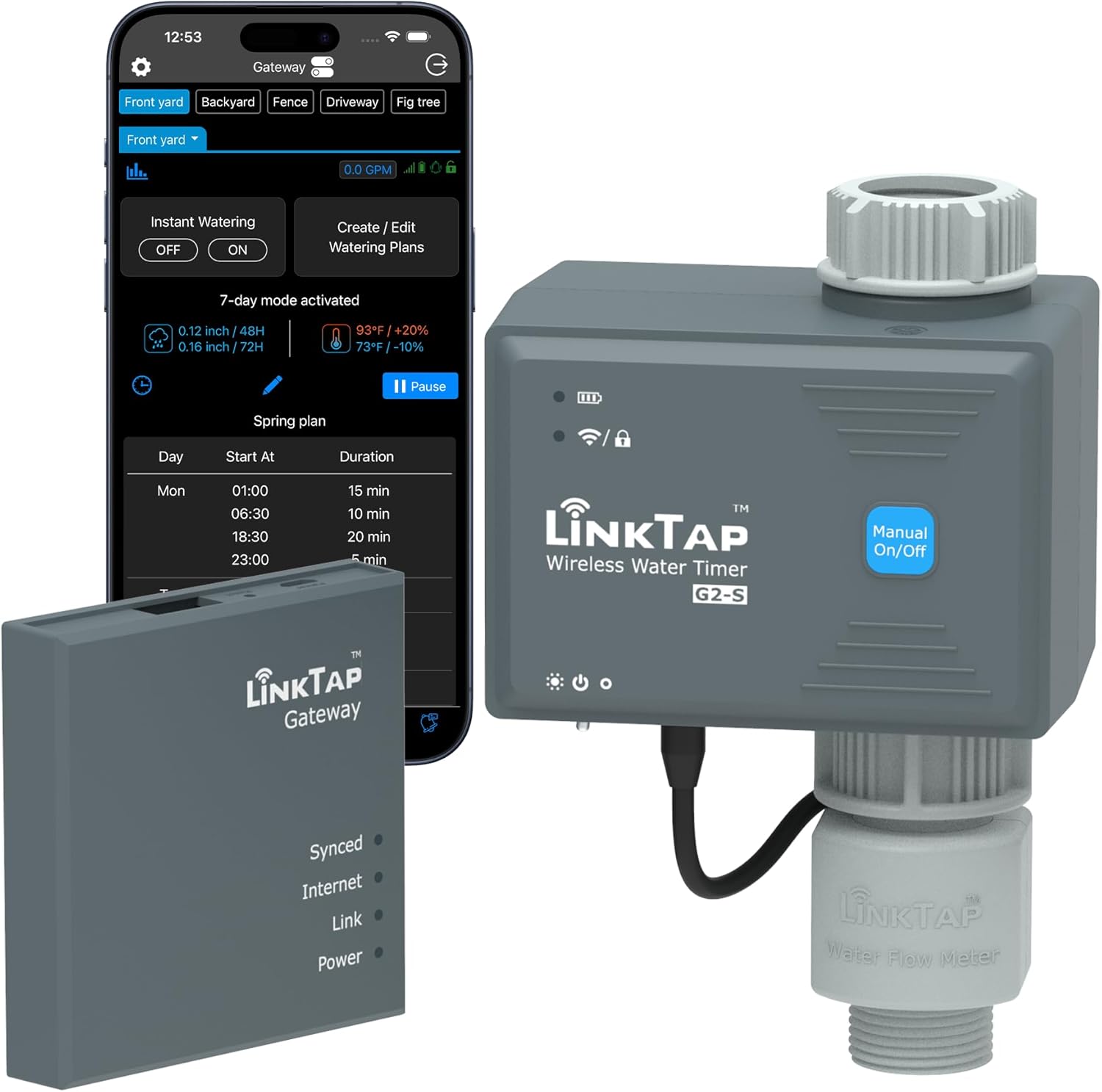
Depending on your own preferences (e.g., local control and true integration into the smart home vs. a closed ecosystem), a wide variety of solutions can be found. Be it irrigation controllers for large systems with multiple valves (the open-source solution OpenSprinkler should be mentioned here) or devices for direct mounting on the tap, such as the LinkTap G2S.
The latter in particular shows what really justifies the term "smart". It not only has the functions mentioned above but also a built-in flow meter. If the garden hose bursts or the pump suddenly stops delivering water, this anomaly is detected by the system, the valve is immediately closed, and a warning is sent to the smartphone, instead of flooding the garden in the first case, for example. Such systems not only water on demand instead of rigidly according to a schedule, but also offer additional protection against unpleasant surprises.
Source
own research
 Add as a preferred source on Google


