




New public GMRS and FRS frequencies may be on the way
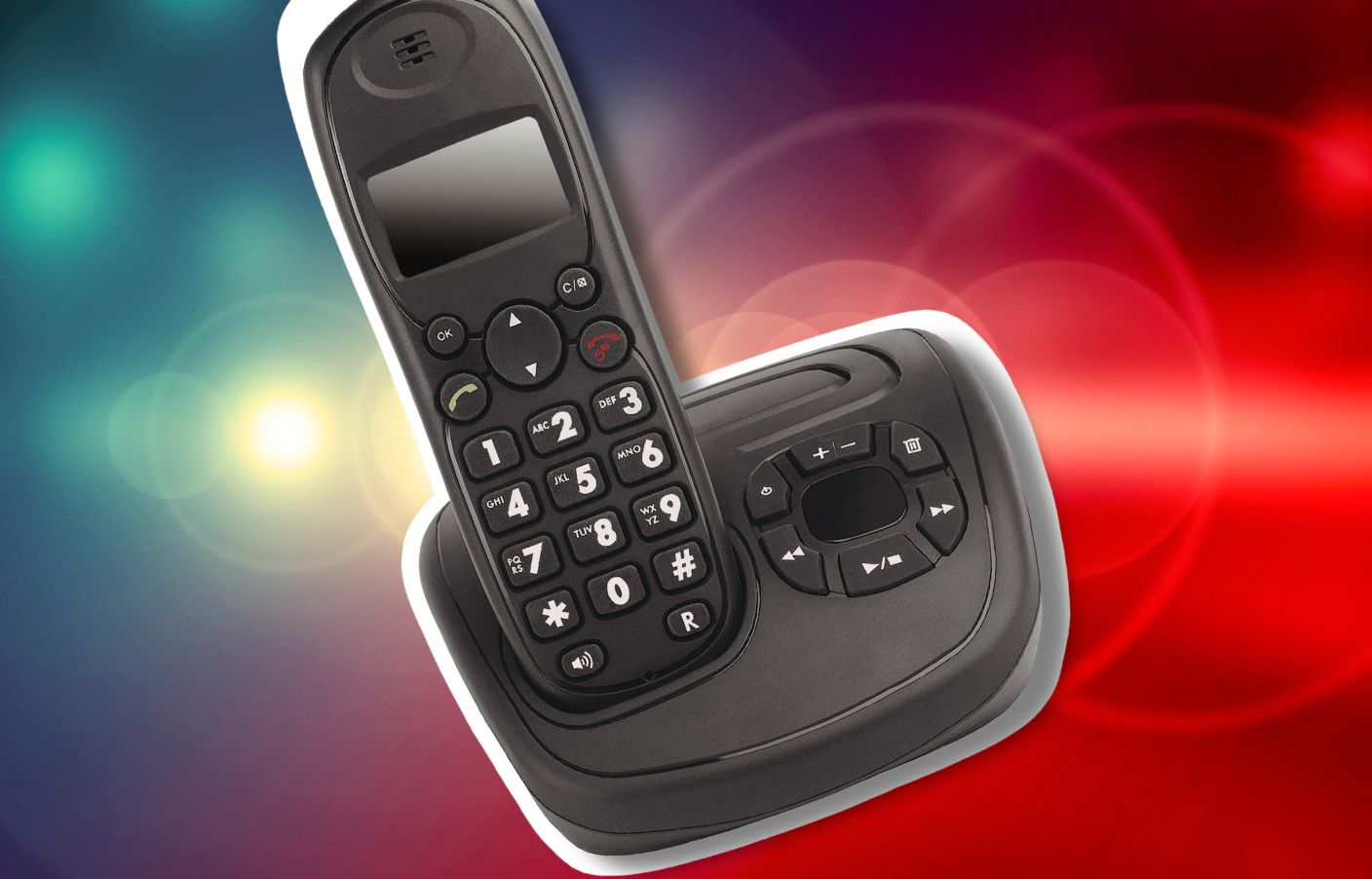
Cordless landlines have long been considered antiquated tech, largely replaced by cellphones for both business and personal communication. However, the frequencies the FCC originally issued to these now-ancient devices are still locked behind federal regulations. Last year, a petition was sent to the FCC to raise awareness of this fact, and recent FCC filings have shown promising prospects for reclassifying these long-forgotten frequencies. Currently, the primary public two-way radio spectrum in the US sits in the UHF (Ultra High Frequency) band between 462.5500 MHz and 467.7250 MHz. Meanwhile, the VHF (Very High Frequency) Low Band frequencies used by old cordless phones, specifically 46 MHz and 49 MHz, are severely underutilized.
Recently, the FCC adopted a Direct Final Rule removing the 46 MHz frequency from its current classification. While this does not guarantee it will become available for GMRS and FRS use, it represents the first step toward opening it up for the public. Specifically, the petition argues that these VHF Low Band frequencies would enable superior personal and emergency communications. Because VHF radio waves are longer and can penetrate dense forests and roll over terrain, they would prove invaluable during natural disasters. However, since 49 MHz, a frequency also popular in older baby monitors, has not yet been reclassified, the petition is being updated to implore the FCC to consider making both frequencies available to the public. Full details on the petition and more technical information can be found in the resources below.
Source(s)
Ham Radio 2.0 on YouTube
 Add as a preferred source on Google


