




Googlebooks have an image quality problem despite their OLED screens

The new Googlebooks combine Google's new operating system with high-end laptop hardware, including premium metal chassis and high-resolution OLED screens. The manufacturers' technical specifications also list the usual display specifications: very high contrast ratios thanks to perfect black levels, high color accuracy and full coverage of the P3 color space. Having now tested the Asus Googlebook 14 and the HP Googlebook 14c, however, we have found that the reality is different. Both devices only operate in sRGB mode, color accuracy is not particularly good, and the Asus Googlebook 14 also has a problem with a significantly elevated black level, resulting in a comparatively low contrast ratio.

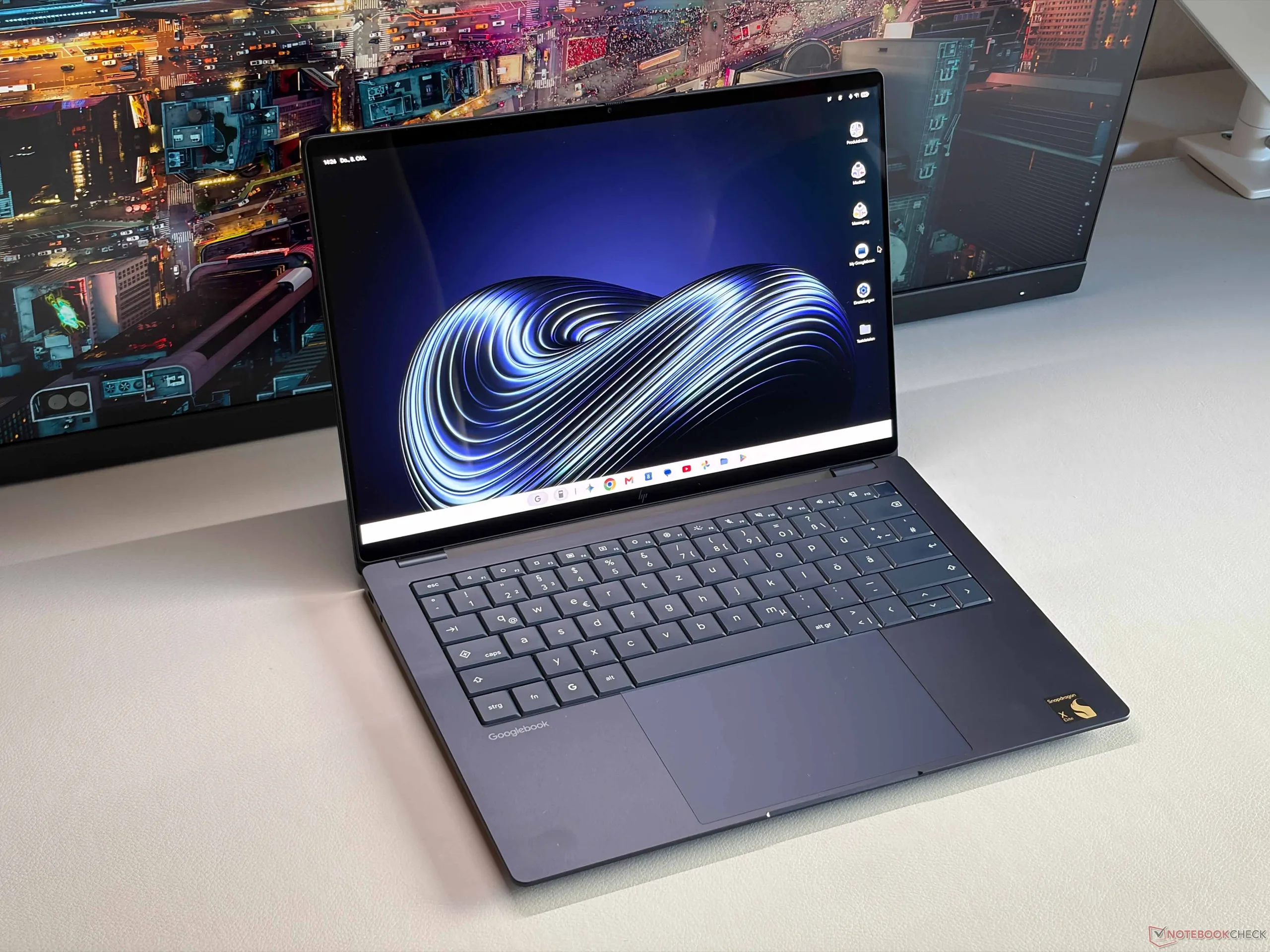
The limitation to the sRGB color space affected both review units: the HP Googlebook 14c with a Snapdragon processor and the Asus Googlebook 14 with an Intel processor. Unfortunately, there is no option in the settings to change this. Windows laptops with OLED panels often come with different color profiles for sRGB and P3 out of the box, ensuring accurate color reproduction and allowing users to edit images. This is not possible on either Googlebook, even though suitable apps such as Adobe Photoshop are available.
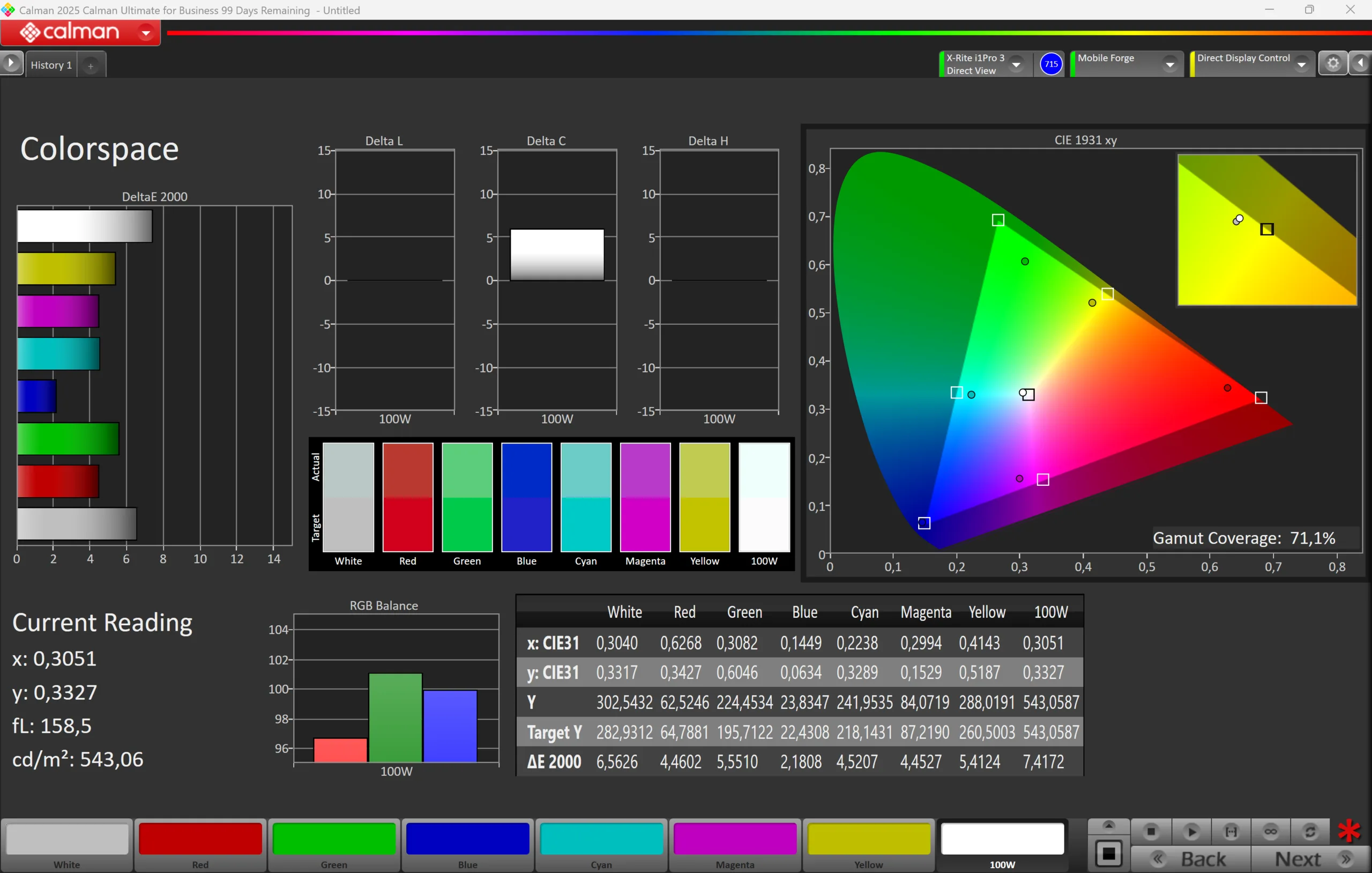
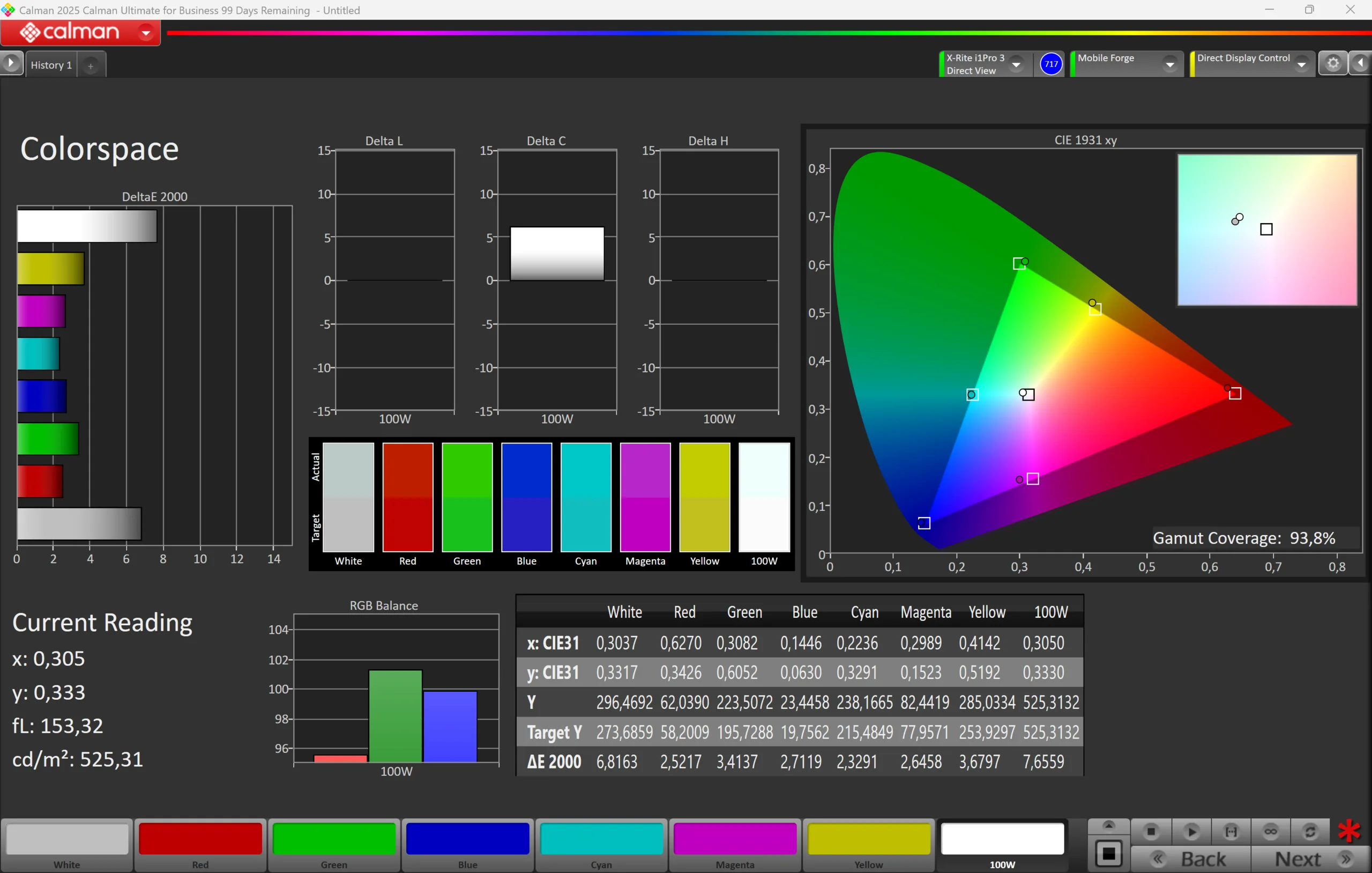
These are not the only problems, however. The HP Googlebook 14c, for example, currently does not support HDR playback. This means users get little benefit from the OLED panel's substantially higher peak brightness. HDR playback does work on the Asus Googlebook 14, but this model has problems with its black level. At 0.42, it is significantly elevated and closer to that of an IPS panel, which is also clearly reflected in the contrast ratio of just around 1200:1. We have never encountered anything like this on an OLED panel before.
The manufacturers, and Google in particular, urgently need to address these issues, as Googlebooks are not cheap and currently simply do not deliver the image quality expected from high-quality OLED screens. Further details of our measurements, including color gamut coverage, can be found in our in-depth reviews:
 Add as a preferred source on Google


