




DistroSea lets users run 50+ Linux distros without installing
After Microsoft decided that many perfectly functional Windows 10 PCs should not be eligible for Windows 11, affected users were left weighing their options. While Windows 10 continues to work, its free Extended Security Updates (ESU) program is scheduled to end on October 13, 2026, prompting some users to consider alternatives such as Linux.
For newcomers, however, choosing a Linux distribution can be overwhelming. Instead of downloading multiple ISO files, creating bootable drives, or live USBs, and testing each option individually, users can now experiment with different Linux distributions directly from a web browser using a platform called DistroSea.
DistroSea’s goal is straightforward, that is, helping first-time Linux users find a distribution that suits their needs before committing to an installation. The service currently hosts more than 50 operating systems and over 500 different versions, giving users a broad selection of environments to explore.
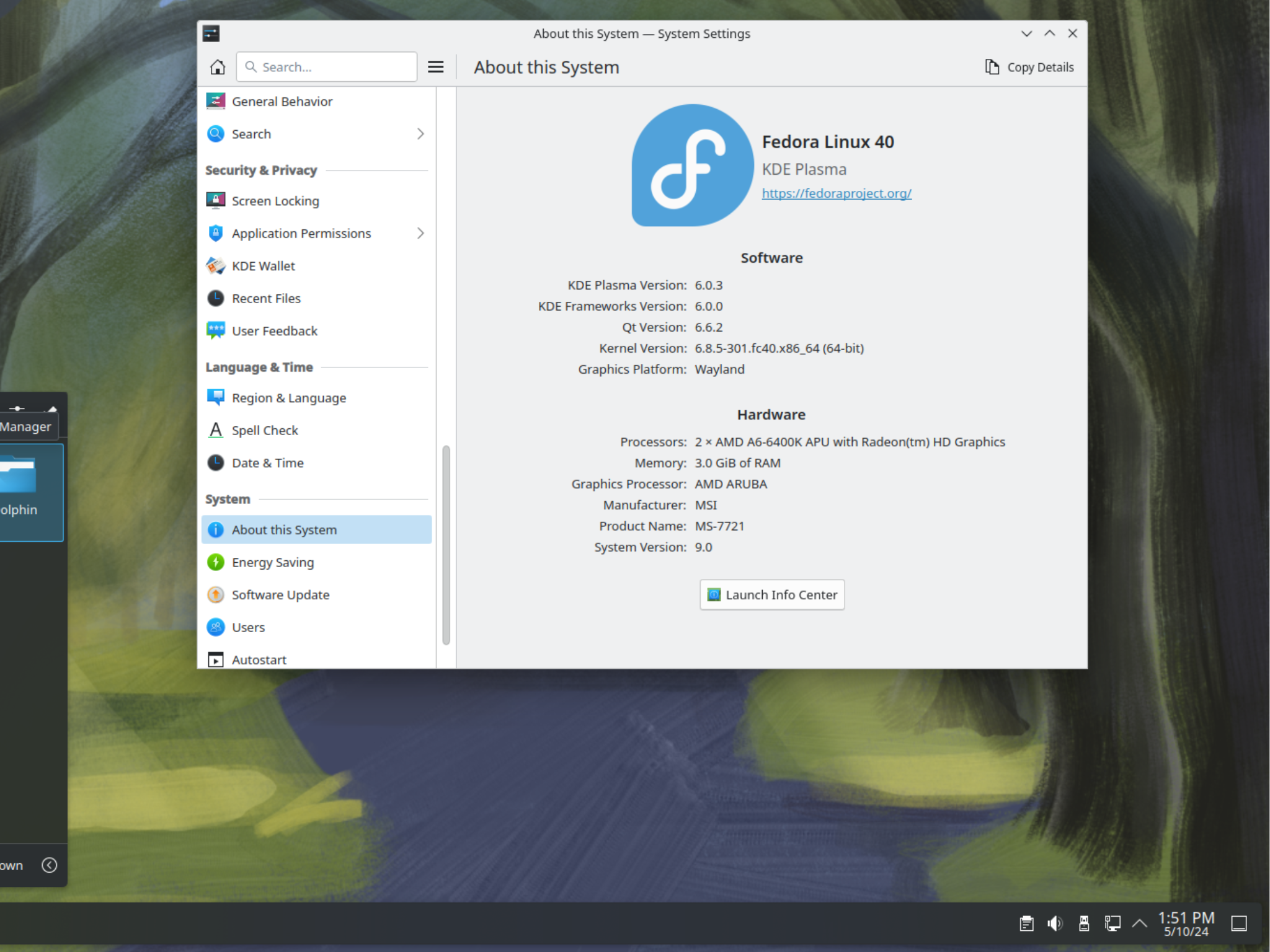
Getting started is simple. Users only need to visit the website, select a distribution, choose a preferred version, and launch it. The operating system then loads in a remote virtual machine, allowing users to interact with it much like they would on real hardware.
During testing, PearOS NiceC0re ran smoothly inside the browser, offering a surprisingly complete desktop experience. Privacy-conscious users may also appreciate that local features can be explored without signing in or sharing information from their PC. Sessions can even be continued without internet access for a limited period.
Those who choose to create an account gain access to several additional features, including queue skipping, captcha-free access, ad-free sessions, increased virtual machine resources, internet connectivity, and longer session durations.
One of DistroSea’s most notable features is its adjustable streaming quality. Users can modify both stream quality and compression levels through a simple slider, making the experience more usable on slower internet connections.
Accessibility is another strong point. The platform is available in six languages, including English, Spanish, German, French, Italian, and Portuguese, making Linux experimentation more approachable for users worldwide.
 Add as a preferred source on Google


