




Critical material could cause supply issues and price increases for CPUs and other components
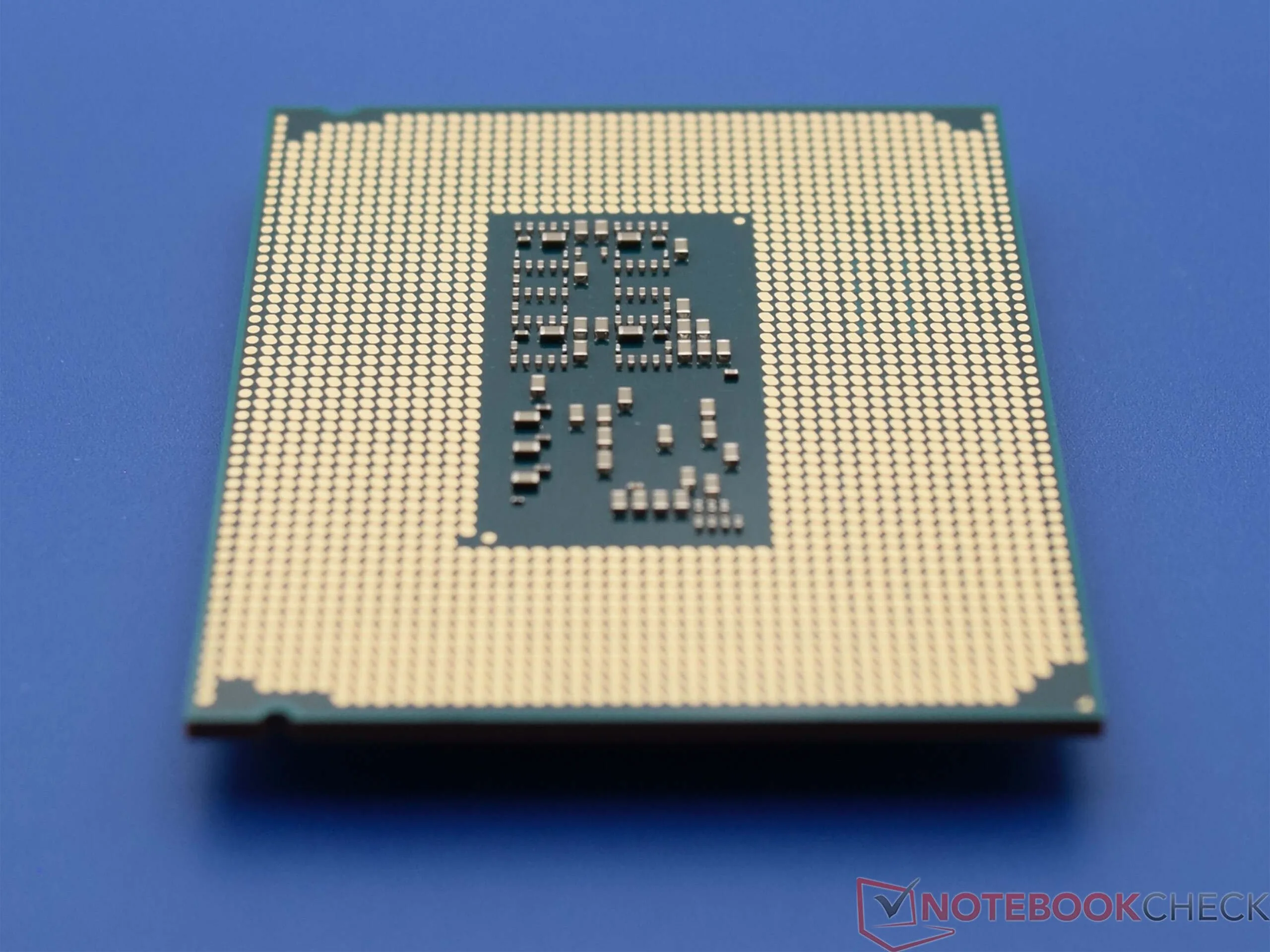
When customers buy a prebuilt PC, there is certainly not just one manufacturer involved. Instead, thousands of companies are involved in production in one way or another across the entire supply chain, whether as a silicon dioxide supplier for semiconductor manufacturing or for producing the plastic coating on specialized screws. While it’s sometimes possible to switch suppliers for some components, a report by The Wall Street Journal suggests this does not apply for a material that’s needed to make processors.
Specifically, the issue is a fine fiberglass cloth that’s used as a film in the manufacturing of processors, among other things. This material is also known as T-Glass and serves a mechanical function by preventing a circuit board from warping. Even small deformations can cause a chipset to fail completely, for example if solder joints crack or electrical connections break. Such deformations can be caused by external pressure and by heat which is practically unavoidable. According to the report, T-Glass is used in the substrate, not in the semiconductor itself.
According to the aforementioned report, this material is produced almost exclusively by a single company called Nitto Boseki. Strong demand is apparently running up against a production capacity that cannot be increased quickly, and prices have already increased as a result. It is unclear if this will significantly affect the price of products. However, it could also lead to serious supply issues. These concerns seem to be serious enough, as The Wall Street Journal mentions that major industry players such as Apple and T-Glass manufacturers have at least considered direct talks and negotiations.
Source(s)
The Wall Street Journal, Image: Sebastian Bade, Notebookcheck
 Add as a preferred source on Google


