


Back to the '80s? Ford wants to make connected cars more privacy-friendly
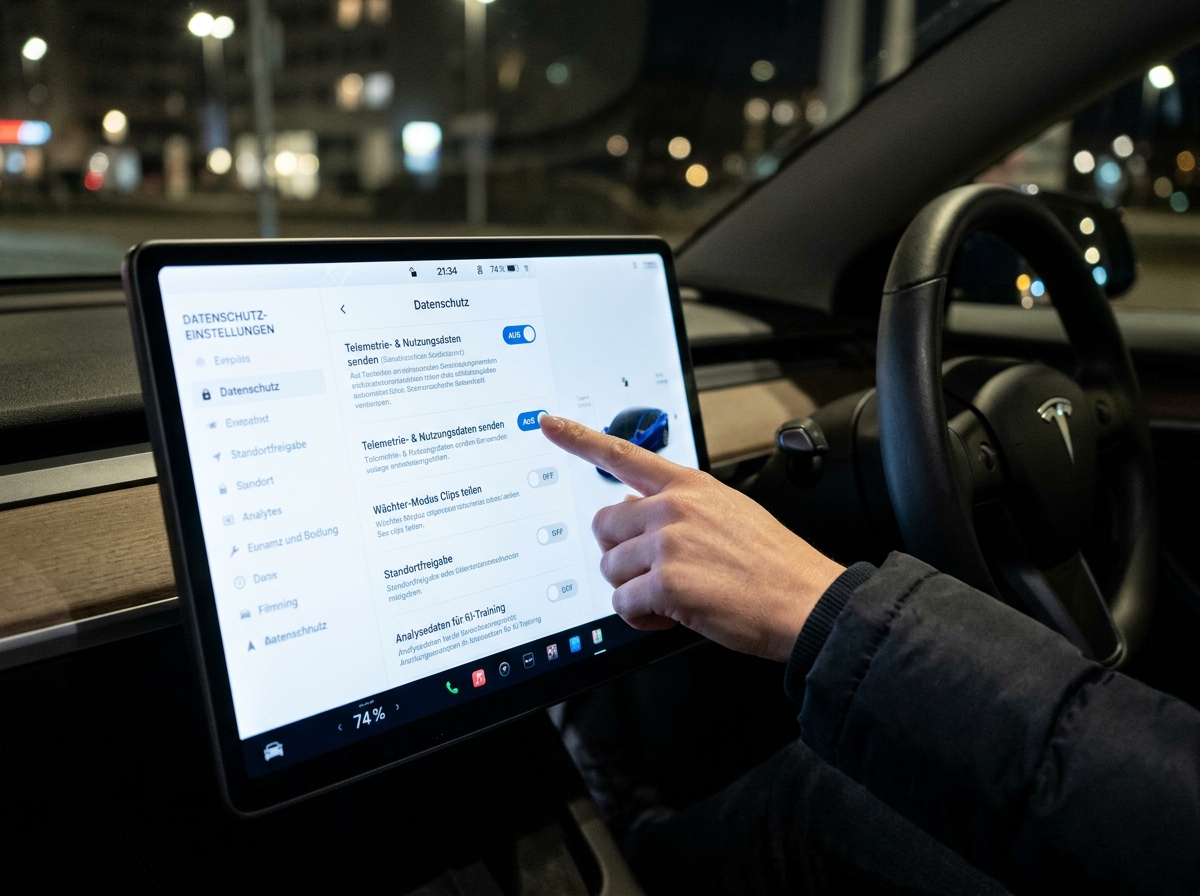
A car, especially an electric vehicle, knows more about its driver than many people realize. Modern vehicles have long since become rolling, connected computers. They collect vast amounts of data. Here's just a small sample: location, starting points and destinations, routes and places visited, speed, mileage, steering behavior, braking patterns (general driving behavior), seat occupancy, weight detection, paired smartphones, contacts, and more. For many drivers, however, it's difficult to keep track of exactly which data is transmitted to the manufacturer. During the initial setup process on the car's infotainment screen, customers often grant manufacturers extensive rights to collect telemetry and usage data by accepting privacy policies and terms and conditions.
Ford has now launched a new website outlining its privacy commitments. For each model, the automaker details what data is collected, how Ford uses it, how drivers can limit data collection, and what the consequences of doing so may be. The company also emphasizes that it does not sell driving data to data brokers. The website represents an effort to bring greater transparency to the often opaque world of data collection in modern vehicles. Ford wants to make the relationship between data sharing and digital vehicle features easier to understand. This should allow customers to decide for themselves which data they are willing to share, depending on which services they want to continue using.
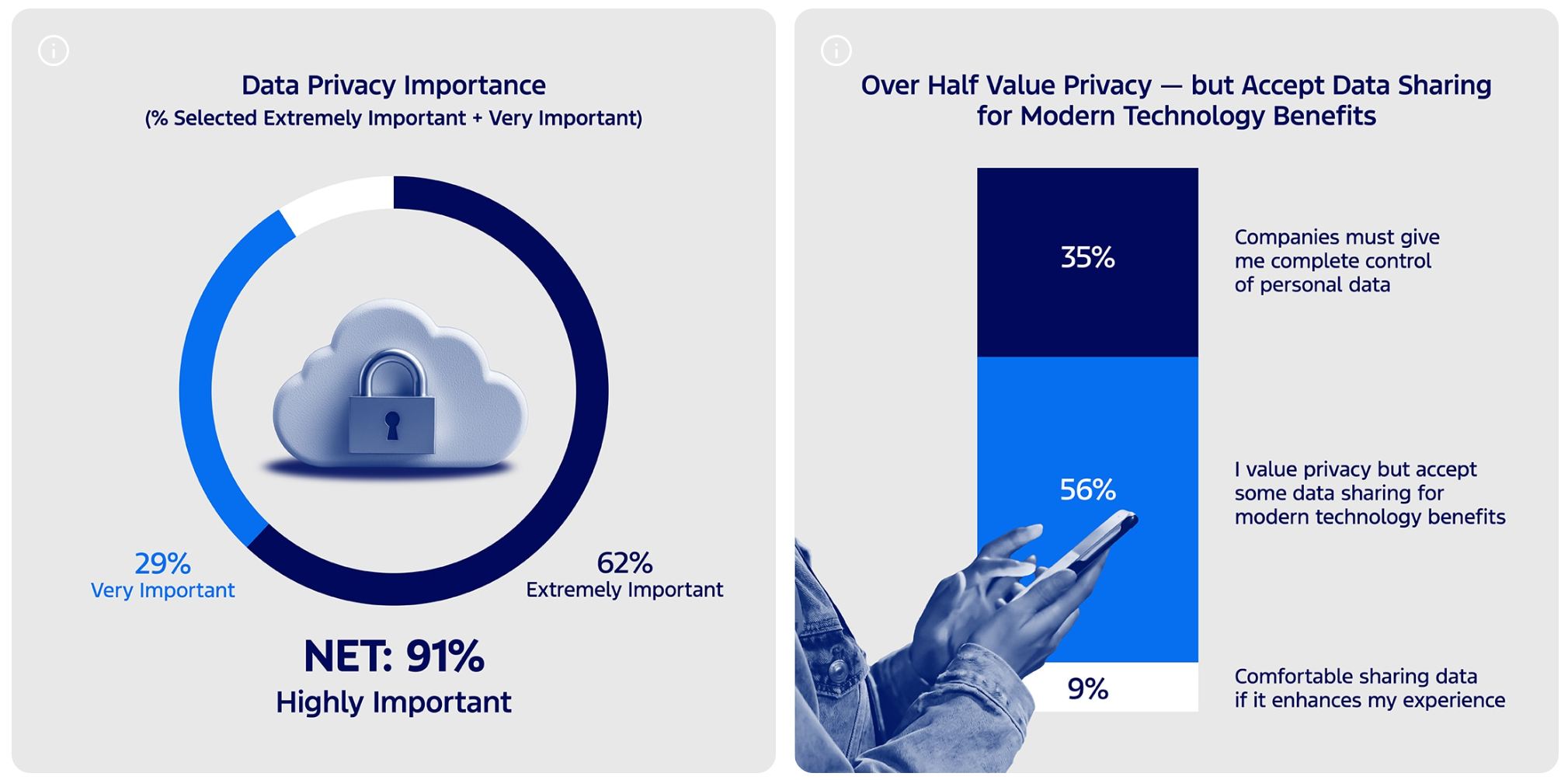
This puts Ford in something of a pioneering position among automakers, setting itself apart as a more transparent provider. However, the website is less a privacy guarantee than a commitment to transparency. Ford's initiative also raises a practical question: How much digital privacy is still possible in today's cars without giving up the convenience of modern automotive technology? And is a public privacy commitment enough to build trust in an automotive industry that increasingly relies on data?
Depending on the model and privacy settings, opting out of data collection can cause certain features to stop working. For example, hands-free driving functions, vehicle location services, or certain online services may no longer be available. Of course, not all data collection can be disabled at Ford, either. Ford describes situations, for instance, in which location data may be processed regardless of the vehicle's standard location settings. These include legal obligations, valid government requests, and certain emergencies. Drivers therefore receive no guarantee that their vehicle will stop collecting data altogether. Still, greater transparency is a good first step. For now, these efforts apply only to the U.S. market.
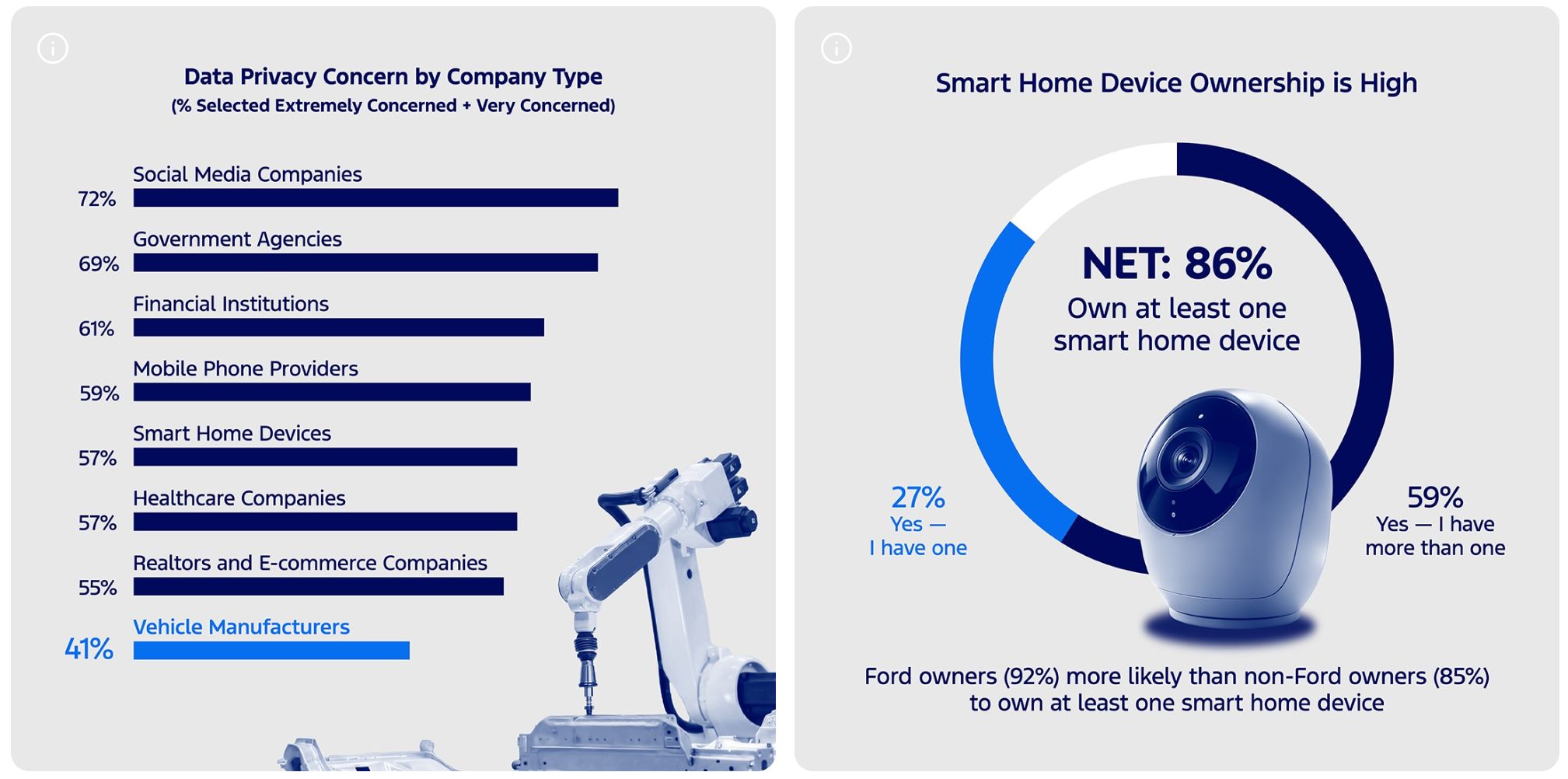
Source
 Add as a preferred source on Google


