




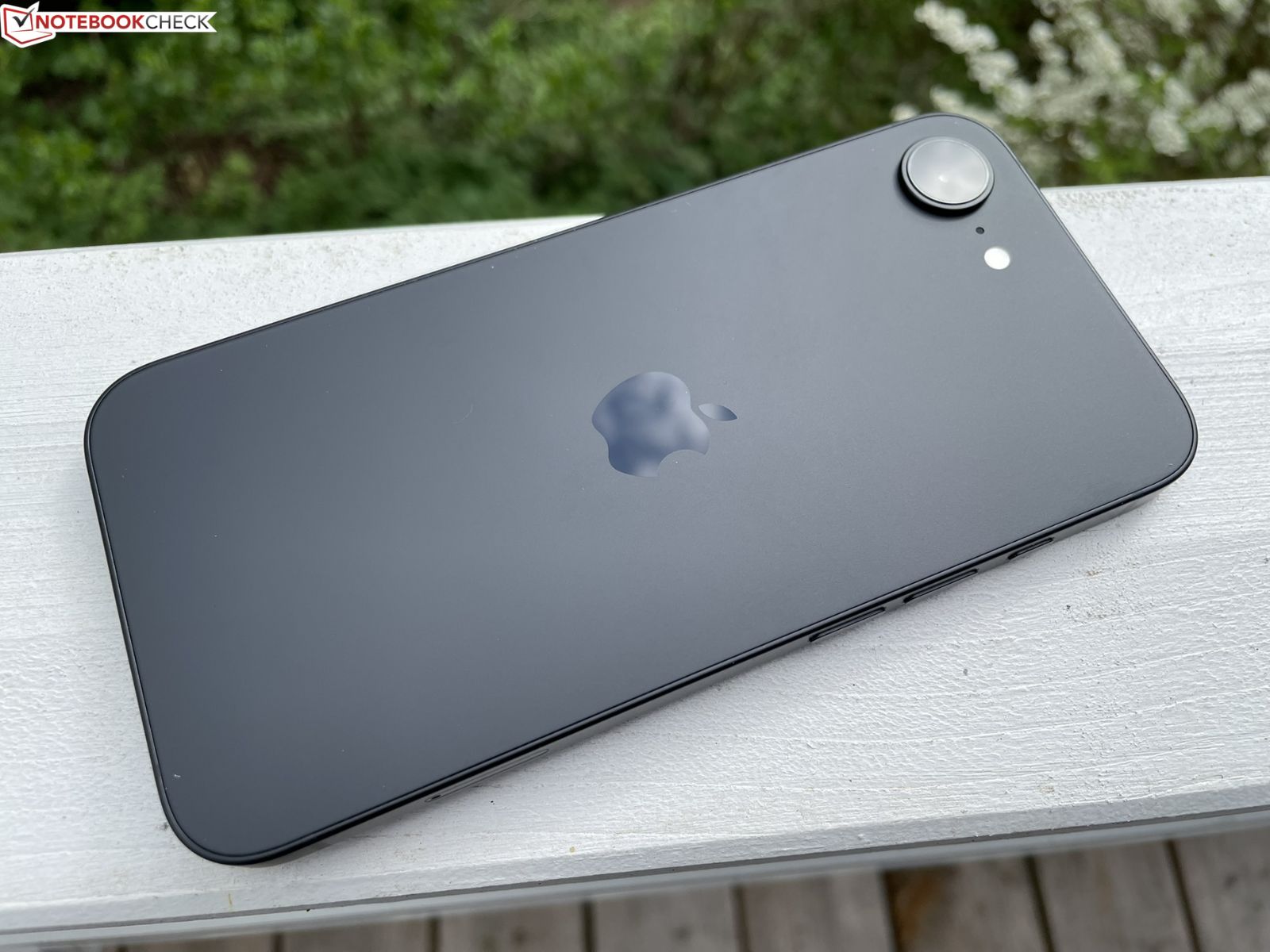
Apple iPhone 17e leaks: Price expectations, 60 Hz display and single-camera rumours — should you upgrade?
CheckMag
Early leaks point to notable design and hardware changes for Apple’s upcoming iPhone 17e, including a more modern front layout and upgrades borrowed from the latest flagship models. With Apple expected to keep the starting price the same, the 17e is positioned as a more ambitious entry in the company’s budget line. A launch is rumoured for early 2026.Yetnesh Dubey 👁 Published 🇪🇸 🇵🇹 ...
Apple’s budget iPhones have quietly become some of the most important devices in the company’s line-up. The base iPhone 17 recently received an award for the best smartphone of the year from the popular YouTuber MKBHD. And 2024’s iPhone 16e, a phone some reviewers initially questioned for its value, went on to become one of the world’s top-selling smartphones in Q3 2025, according to Counterpoint Research, outperforming many mid-range Android models in global shipment rankings. It even surpassed popular Android mid-range models in several key markets.
Now, only a year later, the iPhone 17e is shaping up to be a far more ambitious update. Early leaks suggest that Apple is preparing a budget model that looks and behaves much closer to a full flagship, without increasing the $599 starting price. For anyone holding onto an older SE, XR or budget Android phone, this raises a simple question: is the 17e finally the upgrade that gets everything right?
A new selfie camera borrowed from the iPhone 17
Leaker Jeff Pu claims the iPhone 17e will inherit the 18MP Center Stage selfie camera introduced on the current-gen iPhone 17 series. This camera supports landscape and portrait recording, wider framing, and improved stabilisation - features that benefit video calls, social content creation, and everyday photography.
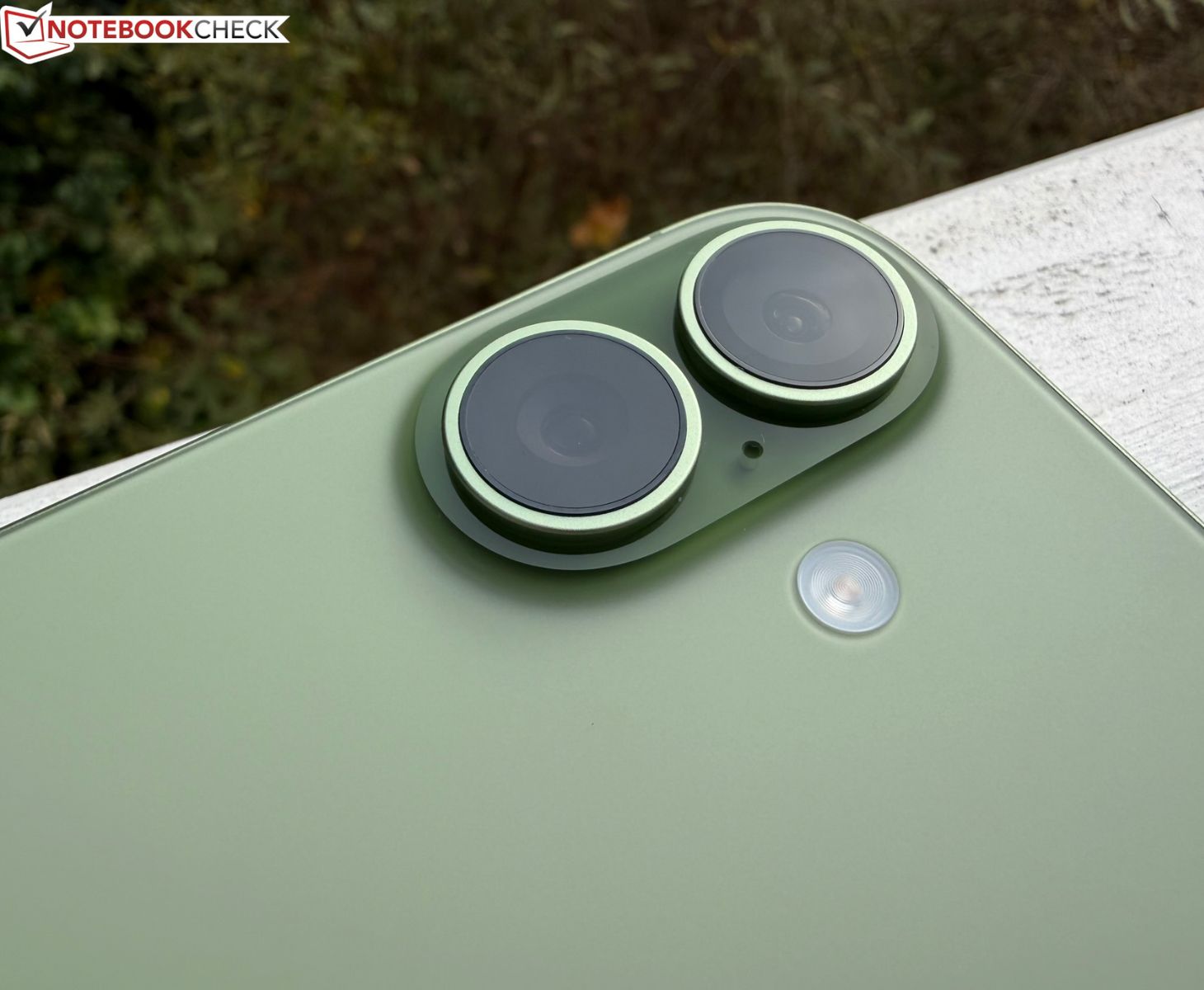
For a budget iPhone, this is a significant step up. Apple is unlikely to change the 48MP rear camera, but upgrading the front camera could make the 17e especially attractive to younger buyers and users relying on their phone for video-first communication.
A19 chip to bring flagship-class performance
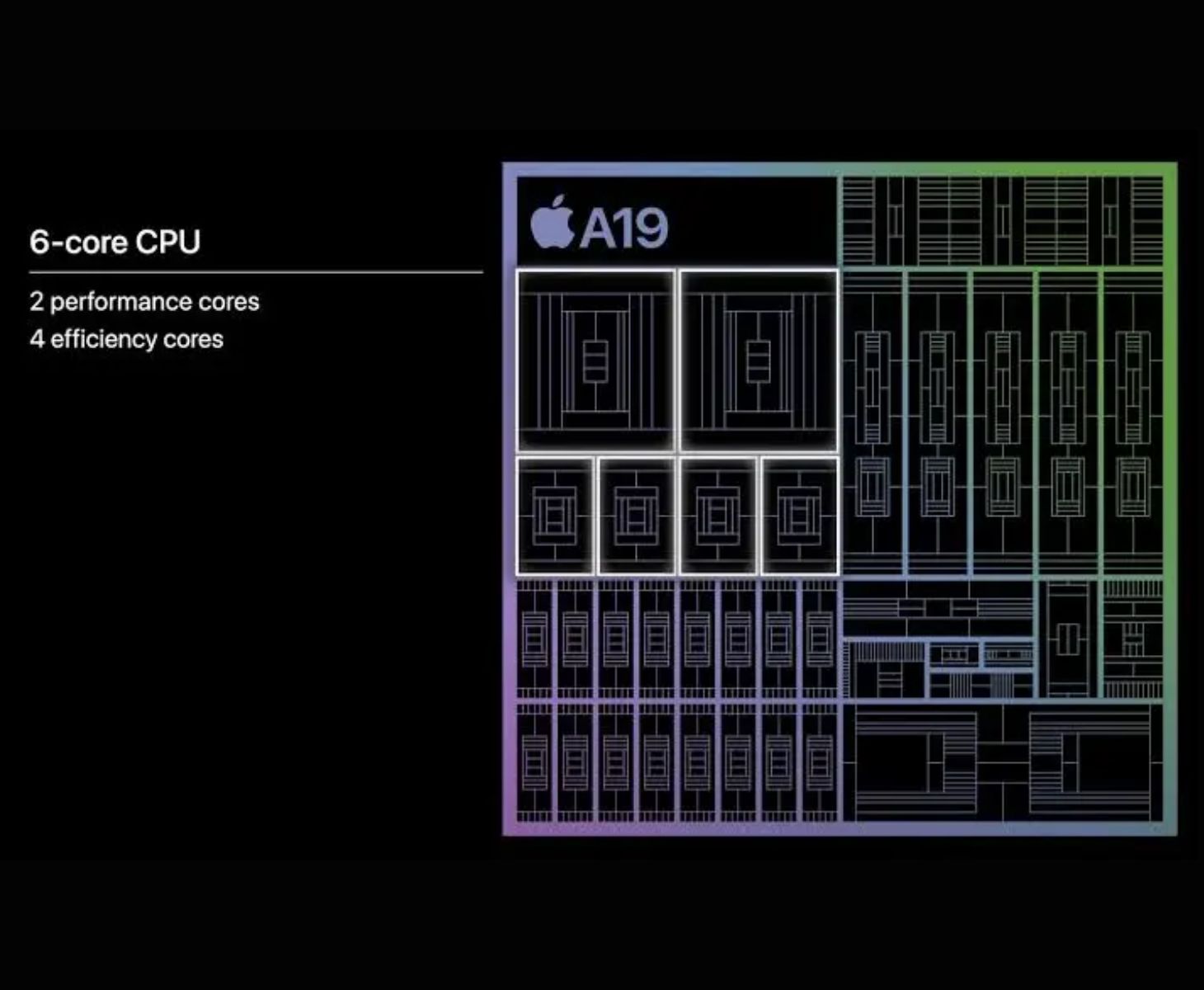
The processor is the most surprising rumour. The iPhone 17e is expected to ship with the A19 chip from the same generation as what Apple’s 2025 flagship phone models have. According to early technical breakdowns, the A19 contains similar architectural improvements as the A19 Pro, with only one fewer GPU core.
That means its performance may go far beyond typical Android mid-range devices. If this leak holds, the 17e could deliver multi-year longevity unmatched in its price class.
Slimmer bezels, Dynamic Island and a more compact design
One of the most noticeable changes coming to the iPhone 17e is its redesigned front. Reports suggest it will keep a 6.1-inch, 60 Hz OLED panel similar to the one used in the iPhone 14, but with noticeably slimmer bezels to make the device look more modern and slightly smaller overall.
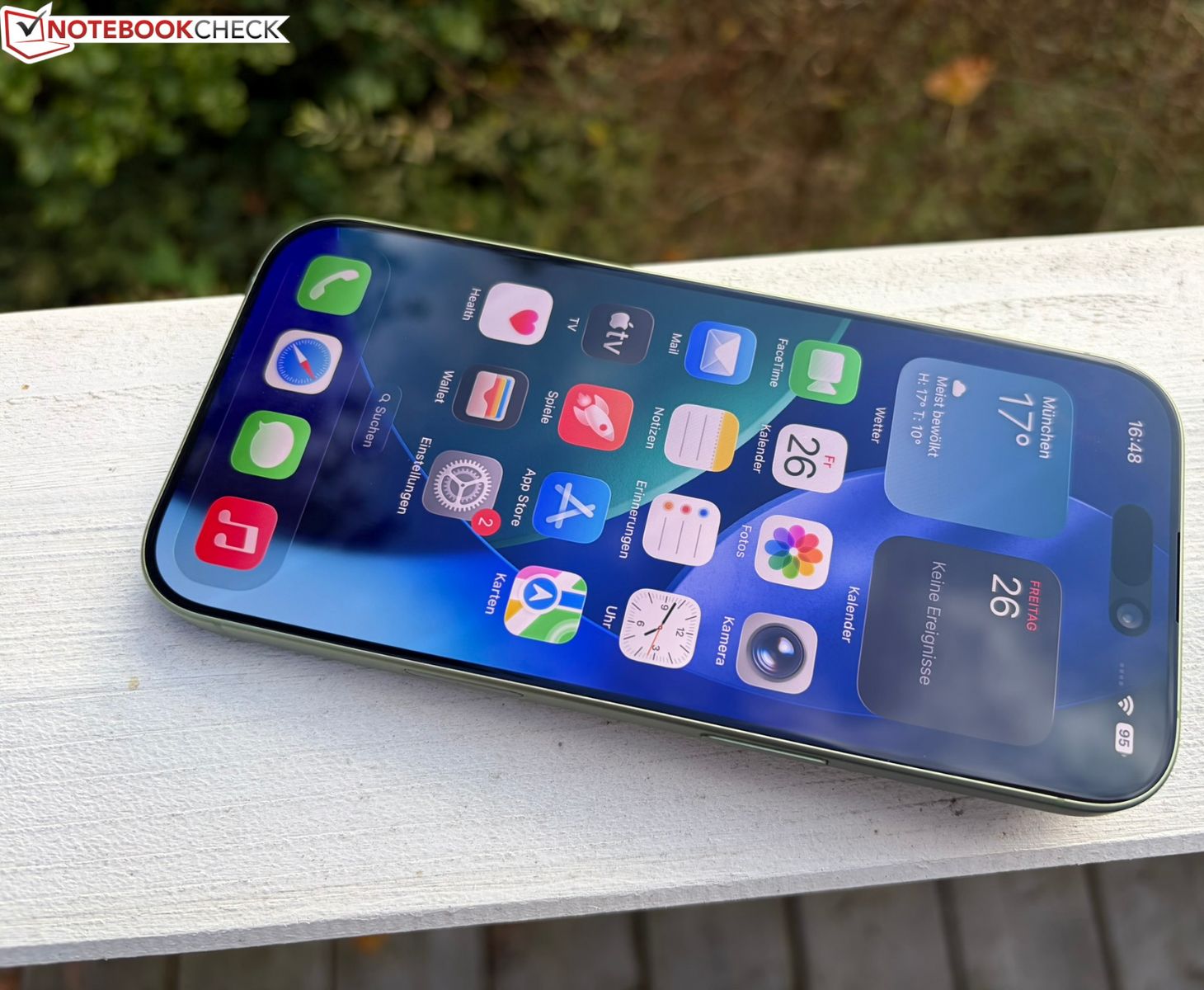
Rumours also indicate that Apple may finally bring the Dynamic Island to the 17e, replacing the large notch and giving the budget model a cleaner, more contemporary appearance.
Pricing and launch window
Despite these upgrades, current rumours suggest Apple will keep the $599 starting price unchanged. For international buyers, this matters for a different reason: tariffs often increase in proportion with prices, so a lower base price will keep the 17e relatively accessible in markets like India, Latin America and Southeast Asia.
Production is again expected to be mostly carried out in India, mirroring the strategy behind the 16e’s successful rollout.
As for timing, the 17e is rumoured to launch between January and March 2026, potentially alongside a new budget iPad and budget MacBook, well ahead of the next round of flagship announcements.
Should you upgrade to the iPhone 17e?
If the leaks are accurate, the 17e represents one of the most substantial updates Apple has ever delivered in its budget line. The switch to the Dynamic Island, slimmer bezels, a more compact design, a significantly improved selfie camera, and the A19 chip collectively push the 17e into an entirely different category.
Users on older SE models, iPhone XR/11-era devices, and most budget Android phones will see improvements across design, performance, longevity, and camera capability, all at the same expected price.
For users already carrying a 16e in their pocket, the decision will depend on how much value they place on the new design and camera. Sure, the iPhone 17e may get a new OLED display with the Dynamic Island, but it will likely still use a 60 Hz panel, and switching from one 60 Hz display to another isn’t going to feel like an upgrade for most people.
The same goes for performance and battery life. The A19 chip will obviously be faster on paper, but the apps that run well on the iPhone 16e will run the same way on the iPhone 17e. There isn’t going to be a perceivable difference in day-to-day performance between the two phones. Sure, benchmark numbers will show one ahead of the other, but even for the most demanding users, the real-world gap will be minimal.
A good example is the recent launch of Red Dead Redemption on the App Store, which runs at 30 FPS on both the iPhone 16e and the iPhone 17 at the high graphics preset. This means the upcoming iPhone 17e will handle the game just as well, since it will likely use the same chip as the iPhone 17.
The only change that could become a genuine reason to upgrade is the new selfie camera. But even that depends on how much you rely on the front camera. If you’re a content creator or someone who uses it daily, the iPhone 17e could feel like a meaningful upgrade.
But for everyone else, the 16e still has a lot to offer. The conversation is totally different for new buyers, though. For them, the iPhone 17e could be a meaningful upgrade, not because it’s the cheapest iPhone, but because it might finally deliver a budget device that doesn’t feel like a compromise.
Source(s)
 Add as a preferred source on Google


