


Amazon unveils flying security camera and autonomous robot
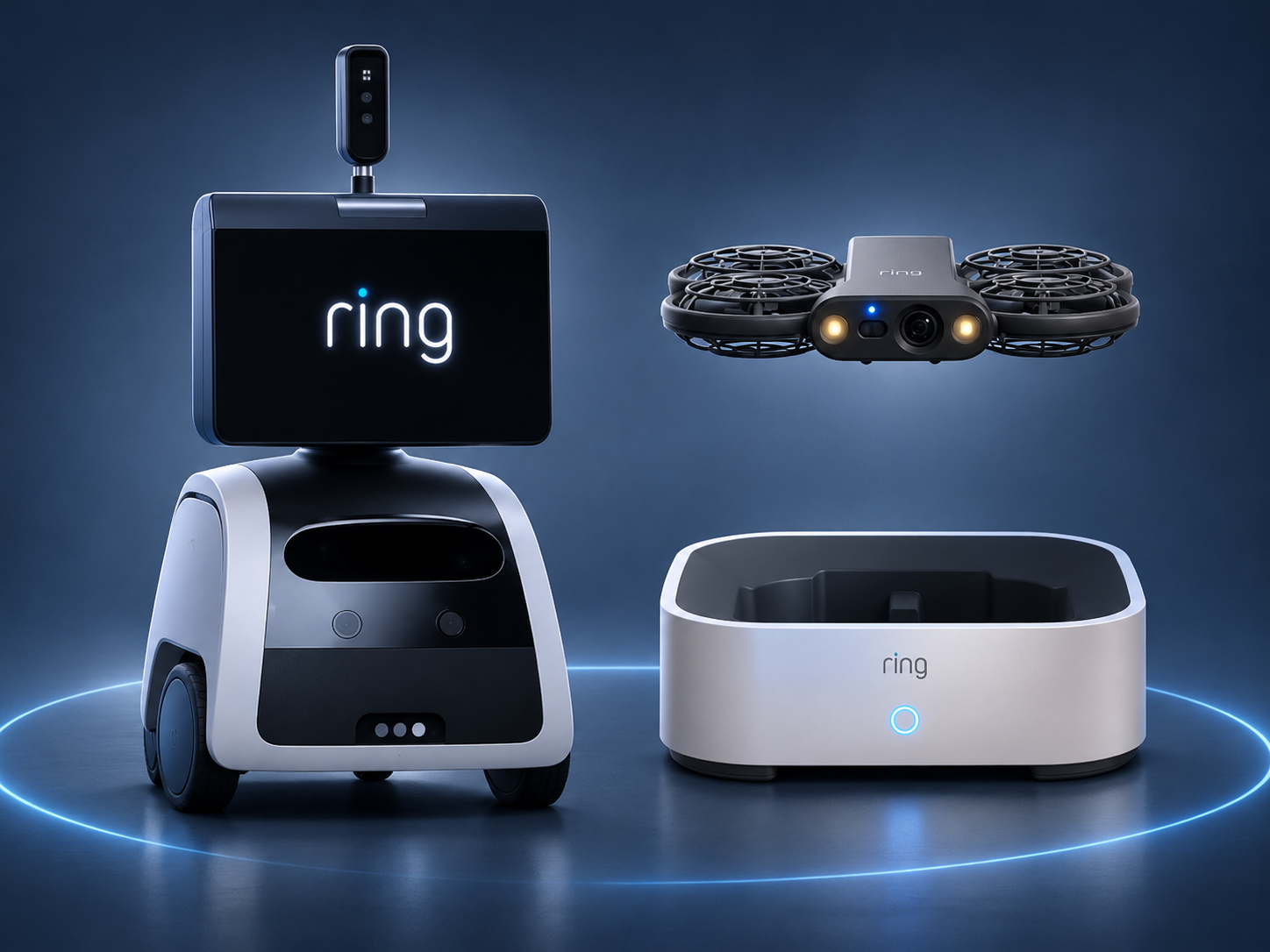
Amazon's Ring is moving beyond conventional security cameras with the introduction of Ring Robotics, a new product category centred around autonomous security devices. The company has unveiled the Ring Drone Cam, a flying indoor camera, alongside the Ring Rover Cam, a wheeled security robot designed for businesses, although you can still technically have one patrol your home.
Both devices are powered by Ring's new AI Pilot system, which combines cameras, specialised computer vision models, onboard sensors and cloud processing to navigate indoor environments. During setup, the system creates a floor plan of the surrounding area, identifies rooms and suggests locations worth monitoring. Users can then establish custom patrol points and schedules, allowing the robots to navigate around obstacles without constant supervision.
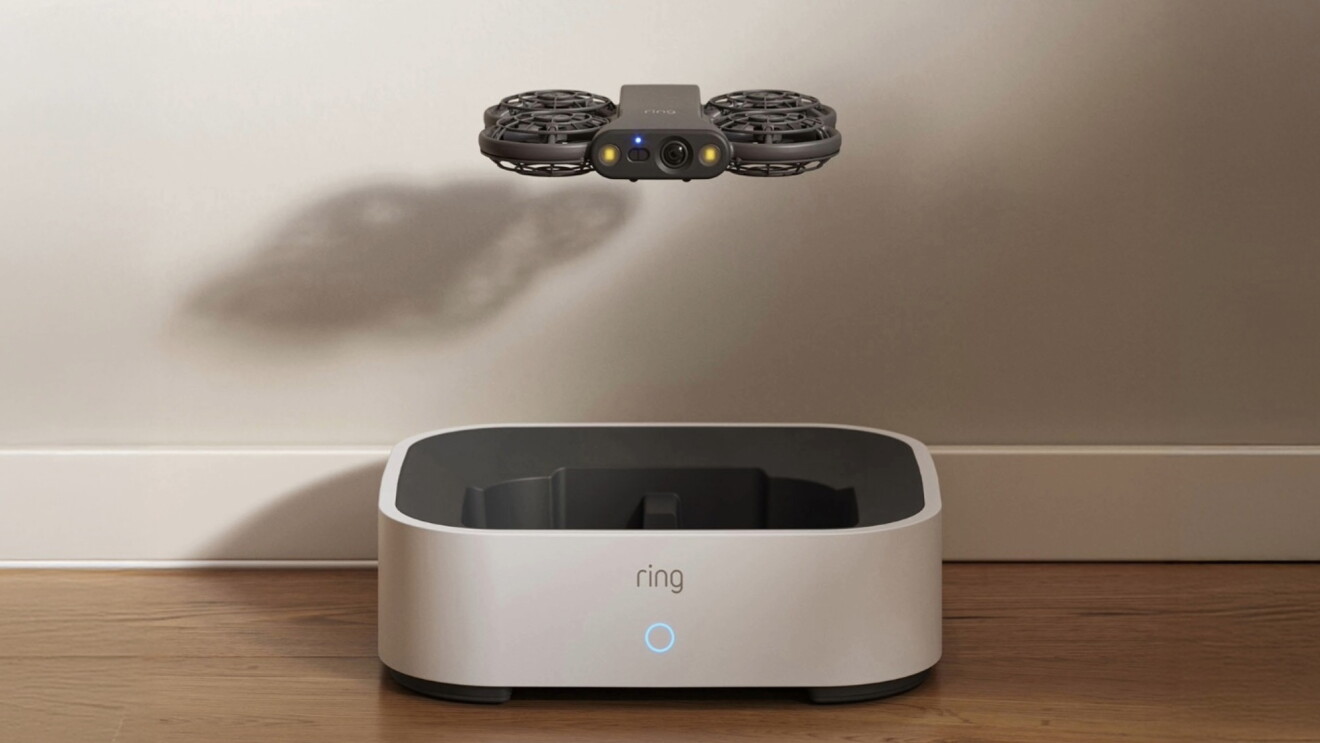
The more affordable Ring Drone Cam is designed to eliminate the need for fixed security cameras in every room. It features a 2K camera with a 148-degree field of view and can rotate 360 degrees to survey its surroundings. Two built-in LED lights provide illumination in low-light conditions, while integration with existing Ring cameras, doorbells, and sensors lets it automatically investigate triggered alarms.
Users can also send the drone to predefined locations on demand or schedule patrols through the Ring ecosystem. The device weighs just 165 grams and can fly for five to eight minutes per charge. It relies heavily on cloud-based processing for navigation, although it retains enough onboard intelligence to land safely if its internet connection is interrupted.
Interestingly, this isn't Ring's first attempt at building a flying security camera. The company originally announced the Always Home Cam back in 2020, but the product never received a widespread commercial release. Ring founder Jamie Siminoff explained that the earlier design encountered numerous technical challenges, particularly as additional sensors increased its weight and power requirements. The new Drone Cam addresses some of those limitations by offloading much of its processing to the cloud.
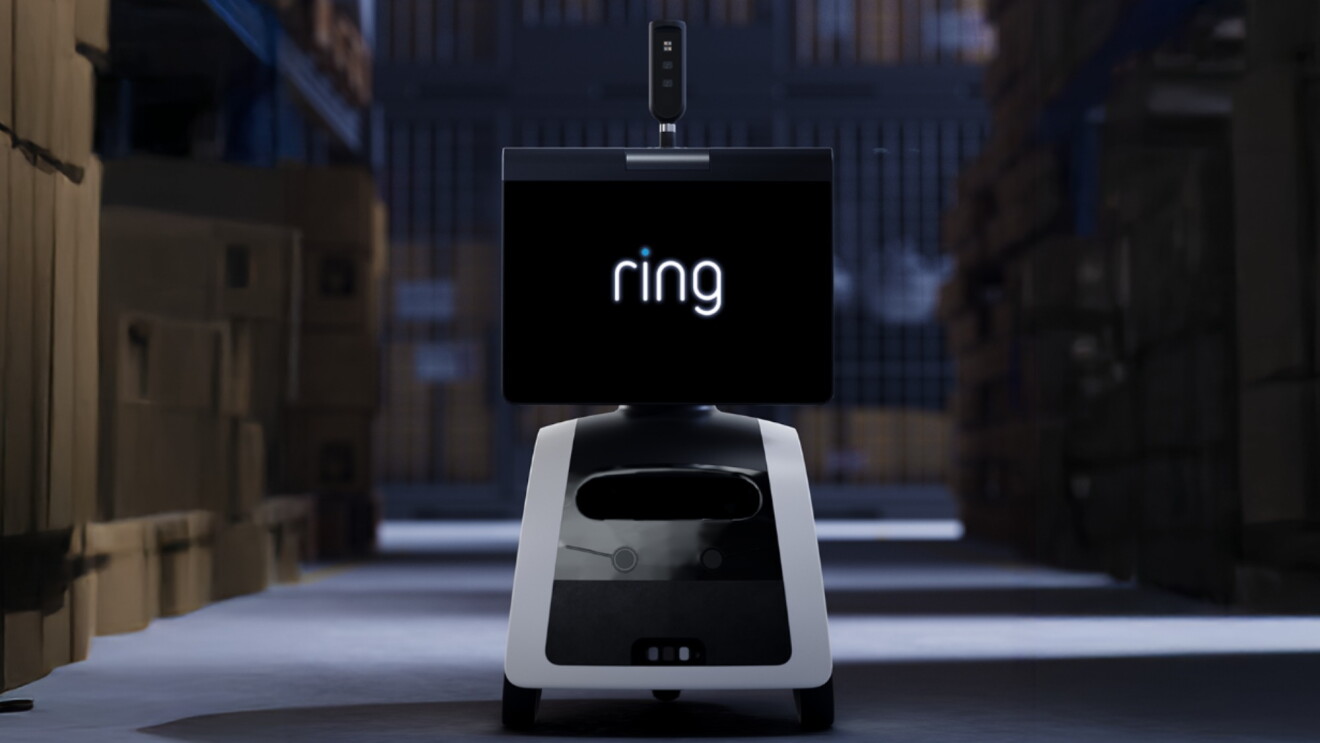
Meanwhile, the Ring Rover Cam takes a different approach. Designed primarily for warehouses, stores and other commercial environments, the wheeled robot can autonomously patrol predefined routes and investigate disturbances detected by connected Ring devices.
Its most distinctive feature is an adjustable periscope camera that can extend above counters and shelving to provide a better view of the surrounding area. The robot supports continuous video recording and streaming at up to 4K resolution, alongside 360-degree scans at designated patrol points. Additional security features include a built-in siren, a visible light tower, two-way audio and continuous person-motion detection, even while docked.
Privacy is another major consideration, particularly given that both devices can move around private indoor spaces. Ring says the Drone Cam switches off its camera while docked, while the Rover Cam includes a Sleep Mode that retracts its periscope and disables its microphone. Both devices feature visible recording indicators and use Ring's Throw Away the Key (TAKE) encryption system to protect captured footage. However, the system's reliance on cloud processing means customers will still need to trust Ring's handling of their video data.
The Ring Rover Cam is scheduled to begin shipping in the United States on December 16, 2026, for $999.99, with preorders available now. The Ring Drone Cam will follow on January 27, 2027, priced at $249.99. Certain features require a compatible Ring Protect subscription. Exactly which ones? Only time will tell.
One important caveat for prospective Drone Cam buyers: Amazon's announcement notes that the device has not yet received the required FCC authorisation, so its commercial availability remains subject to regulatory approval. Neither product has received international pricing or availability details.
Source(s)
 Add as a preferred source on Google


