




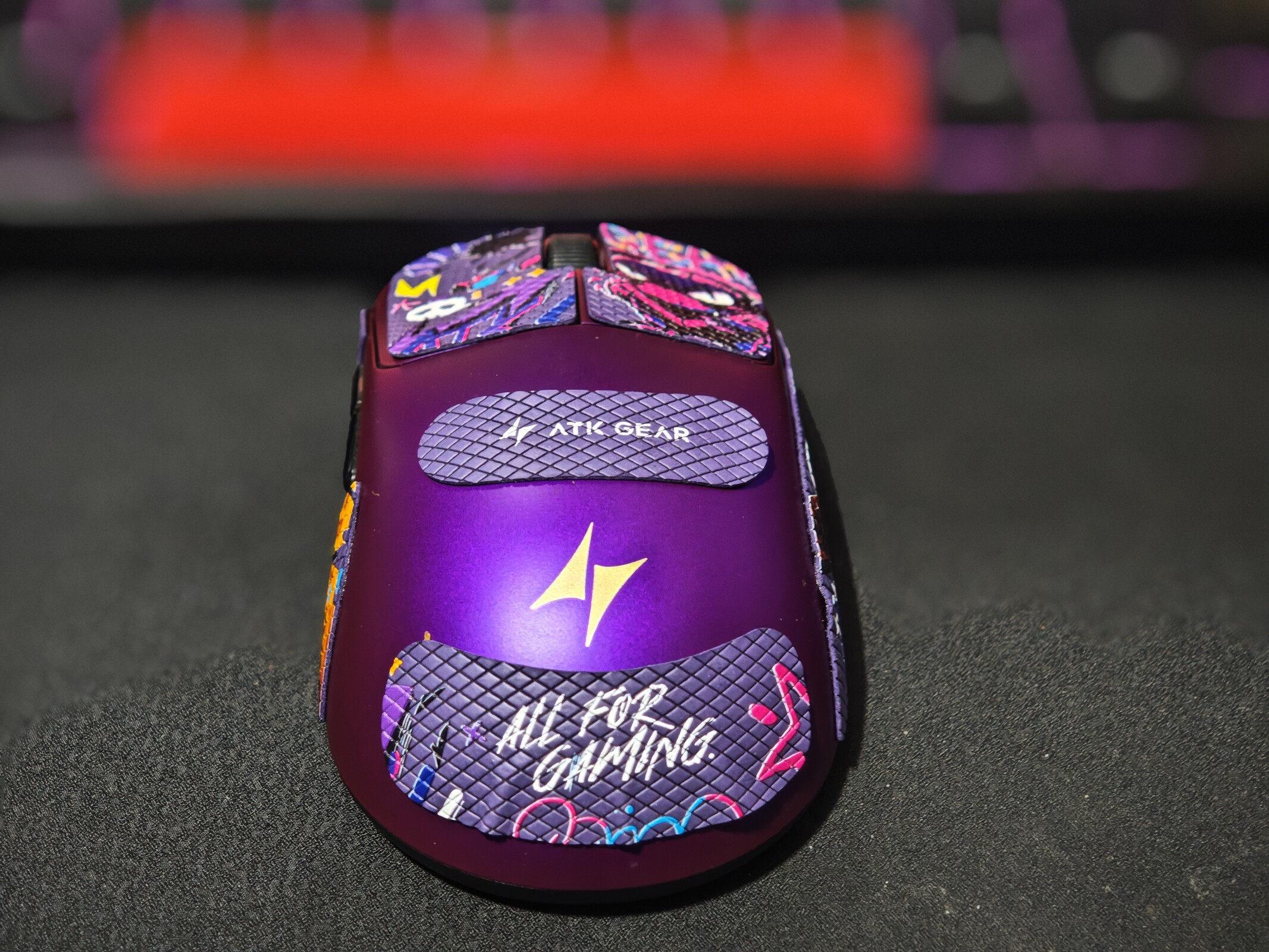
ATK Duckbill Ultra review: Fast and lightweight with minimal caveats
I am speed
The ATK Duckbill Ultra is a gaming mouse with a state-of-the-art PAW3950 Ultra sensor with 8K polling rate support. Its 500 mAh battery life is noticeably more than that offered by the competition, making it a viable alternative for anyone in the market for a lightweight mouse.Anil Ganti 👁 Published 🇳🇱 🇫🇷 ...
Verdict - Fast and light
While it isn’t the most affordable mouse around, the Duckbill Ultra caters to gamers who need to push their mice to the limits without breaking the bank. Battery life is great, with guaranteed multi-day functionality, even under the most demanding circumstances. That said, the sensor offers diminishing returns after a certain point. Using it as its maximum advertised limit is borderline counterproductive.
As a primarily ARPG player, the mouse checked all the boxes for me; although I wouldn’t have complained if it came with an extra button or two. Nevertheless, the Duckbill Ultra is definitely worth considering if you’re in the market for an ultra-lightweight mouse with elaborate software customization options.
Pros
Cons
Price and availability
You can buy the ATK Blazing Sky Duckbill Ultra on the company's website for $109.98 after a $25 discount. Its price on Amazon is $135.98.

When it comes to gaming mice, ATK isn’t exactly the first brand that pops to mind, especially for audiences who are familiar only with mainstream brands like Razer and Logitech. It offers a wide range of mice, and the Duckbill Ultra, which we will be reviewing today, is poised as a flagship product.
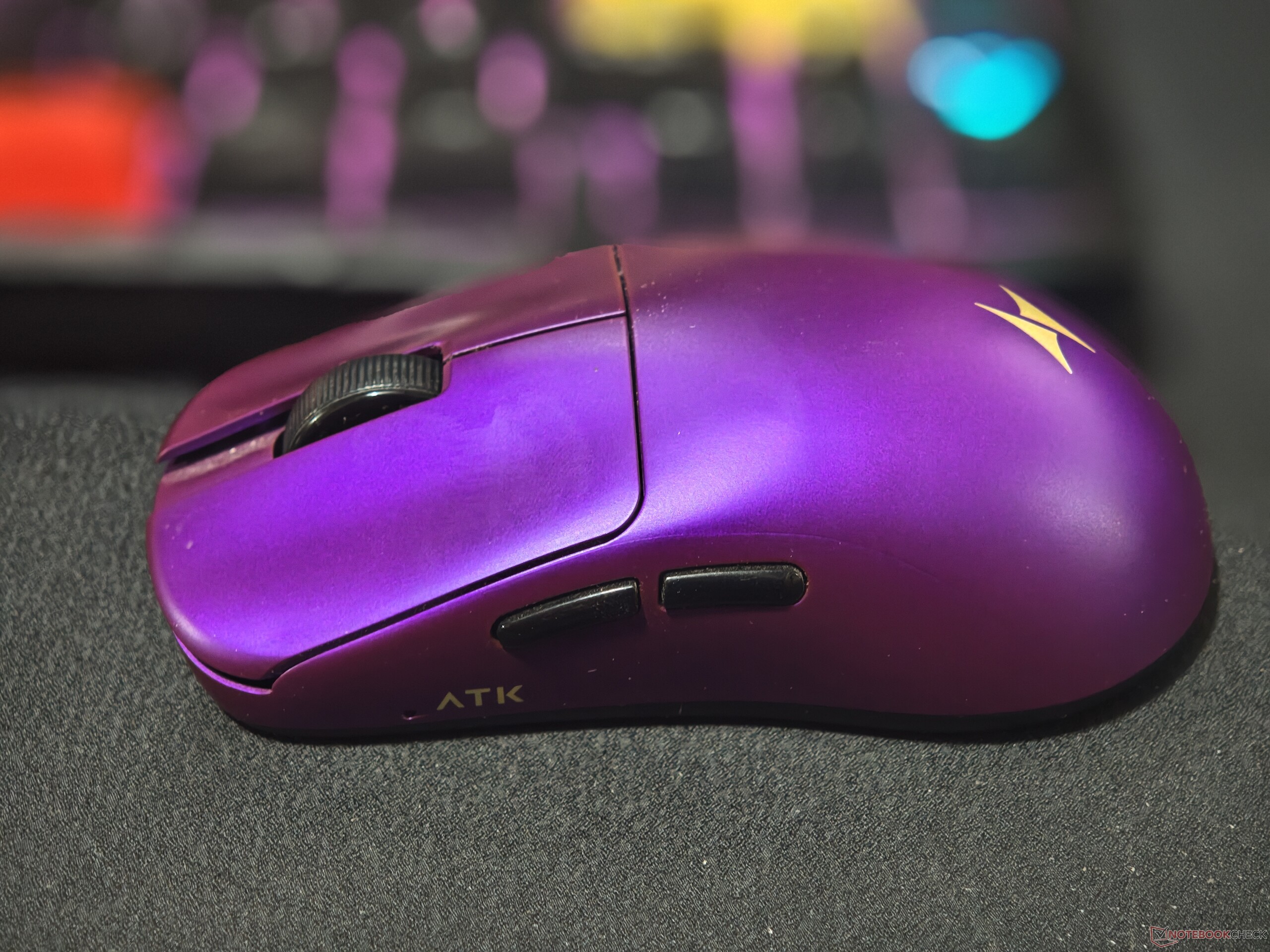
The ATK Blazing Sky Duckbill Ultra lies on the lighter end of the gaming mouse spectrum, weighing only 46 grams. It uses an off-the-shelf Pixart PAW 3950 Ultra sensor found on other mice like the Attack Shark R5 Ultra and McHose A7. The sensor boasts of some impressive specs, such as a polling rate of 8,000 Hz, a maximum DPI of 42,000 and a minimum lift-off-distance of 0.7 mm. It works in tandem with a Nordic 54H20 SoC and a 500 mAh battery to keep everything powered.
Specifications
| Sensor | PixArt PAW3950 |
| MCU | Nordic 54H20 |
| Switches | ATK optical switches |
| Connectivity | Tri-mode (2.4 GHz, USB-C and Bluetooth) |
| Battery | 500 mAh |
| Buttons | Left-click, right-click, scroll, front and back |
| Weight | 46 grams |
| Design | Claw grip, primarily for right-handed users |
| Polling rate | 8,000 Hz over 2.4 GHz and USB-C |
| DPI range | 800-42,000 |
Design
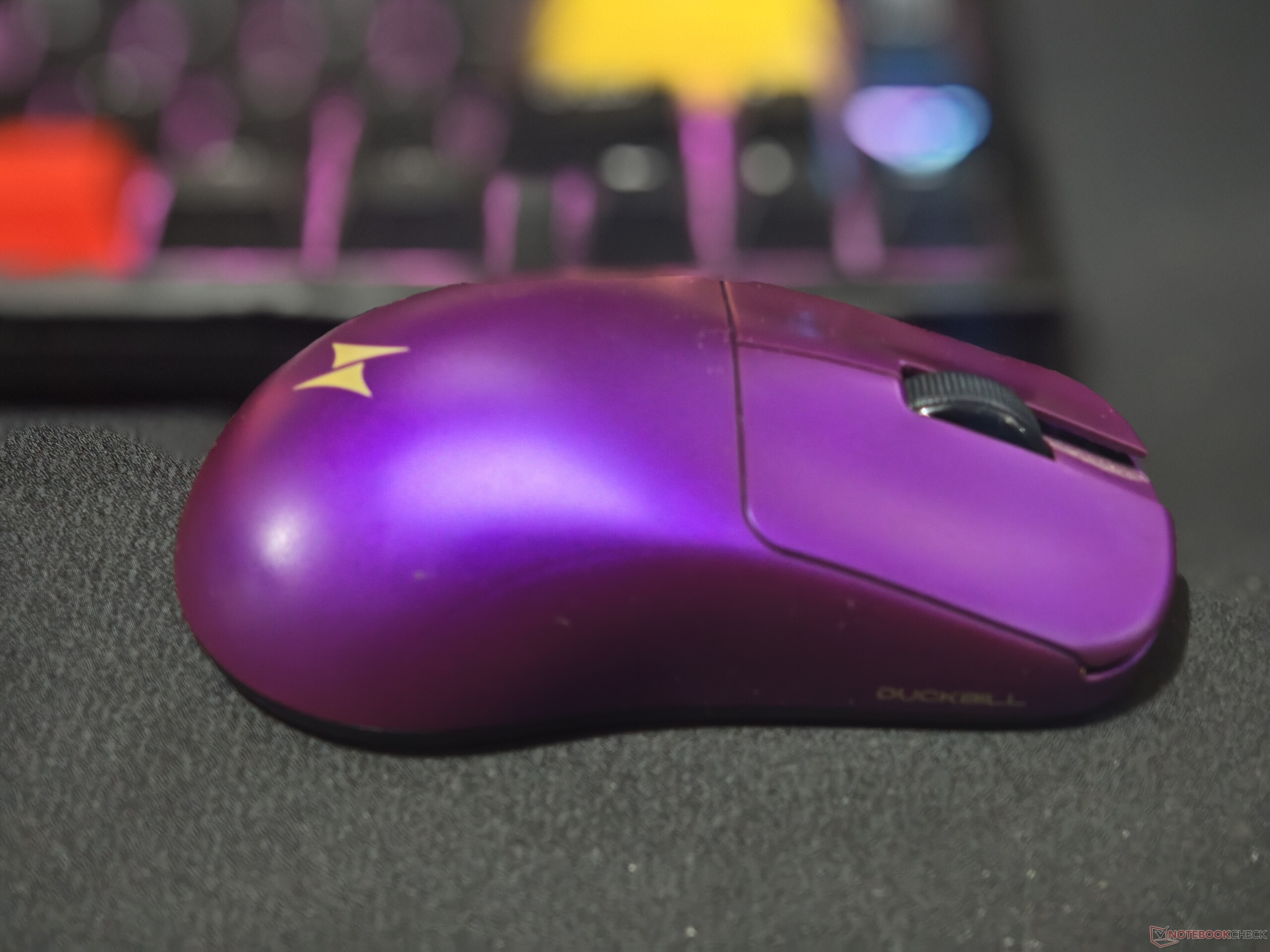
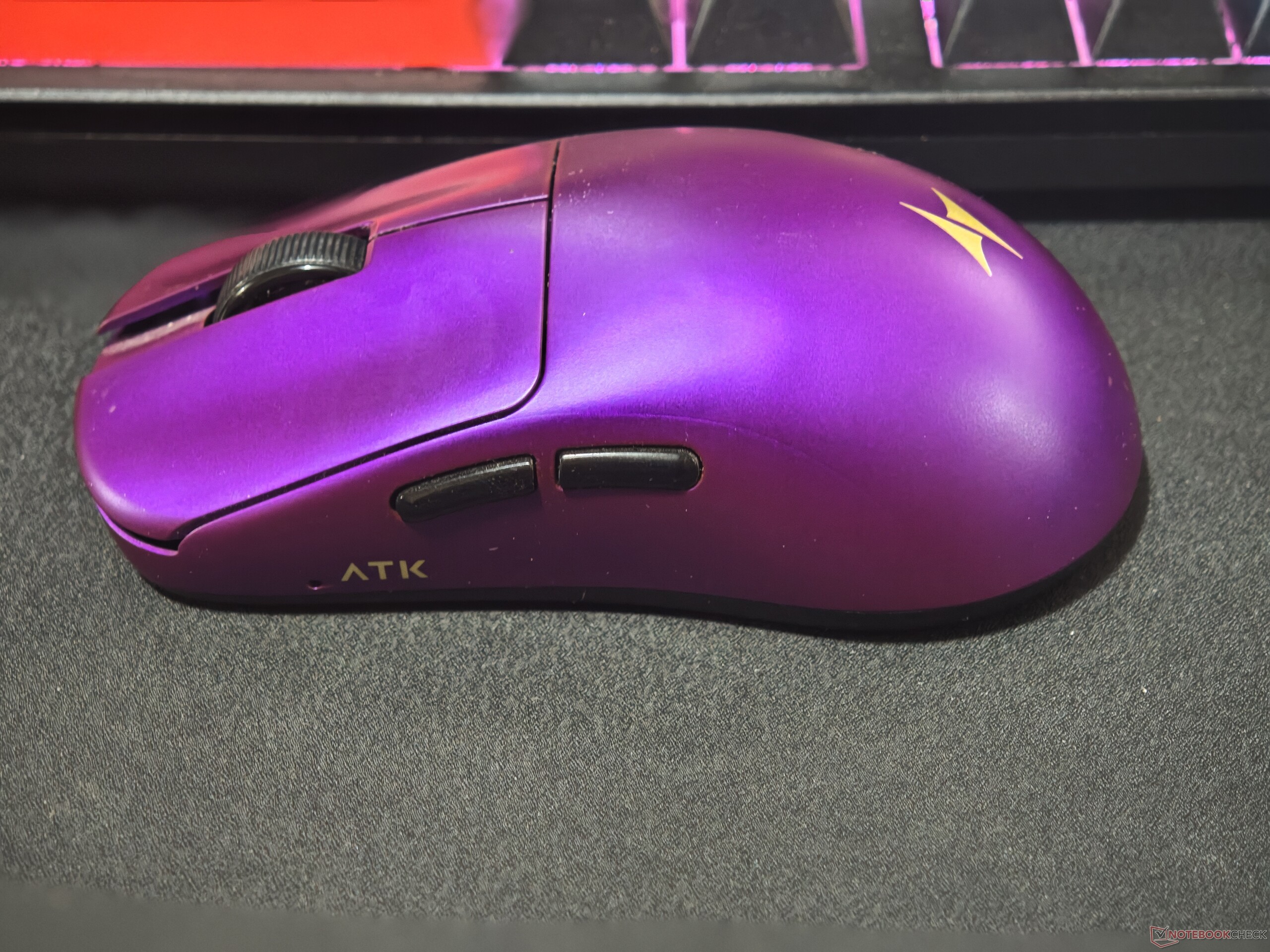
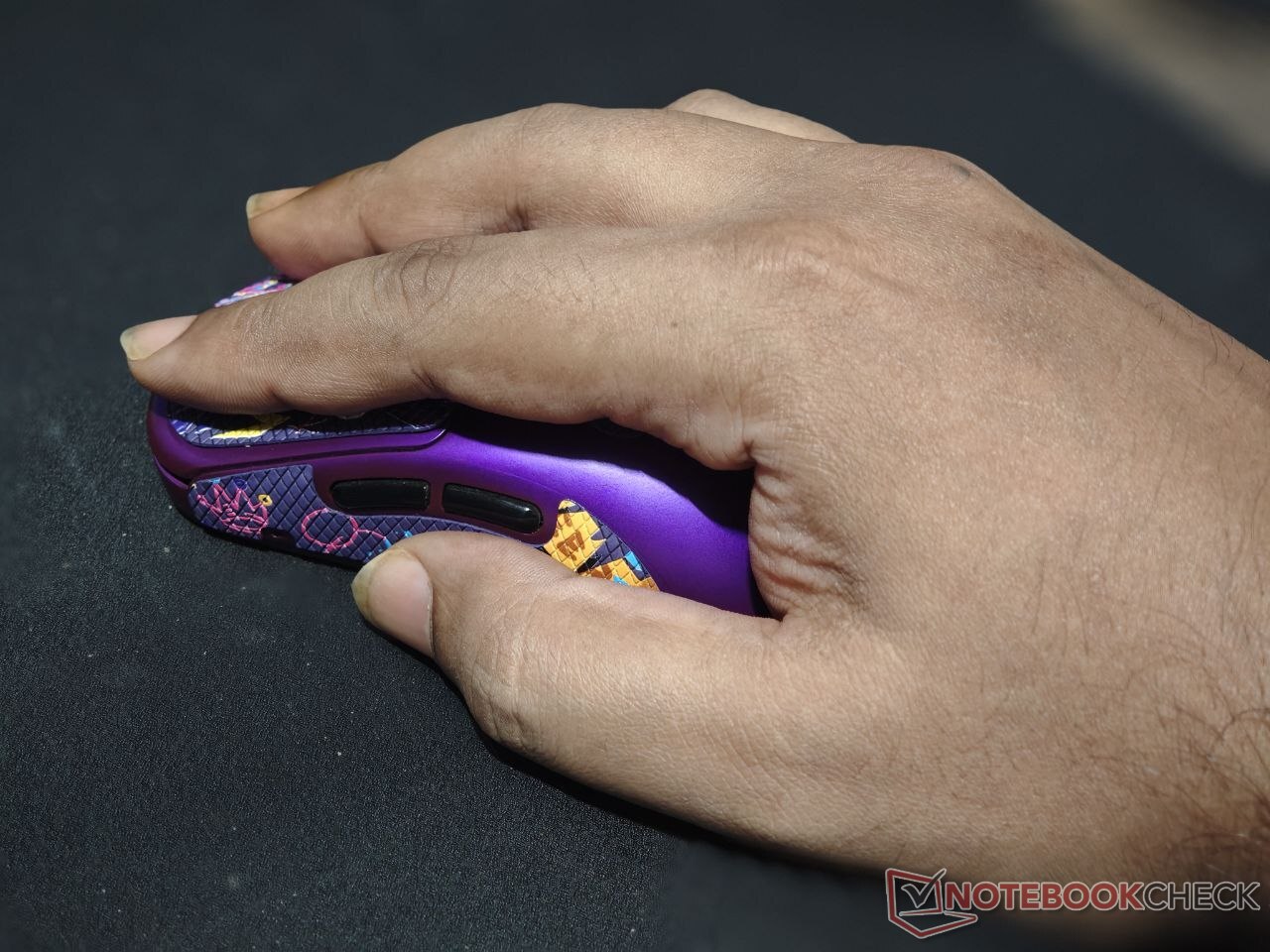
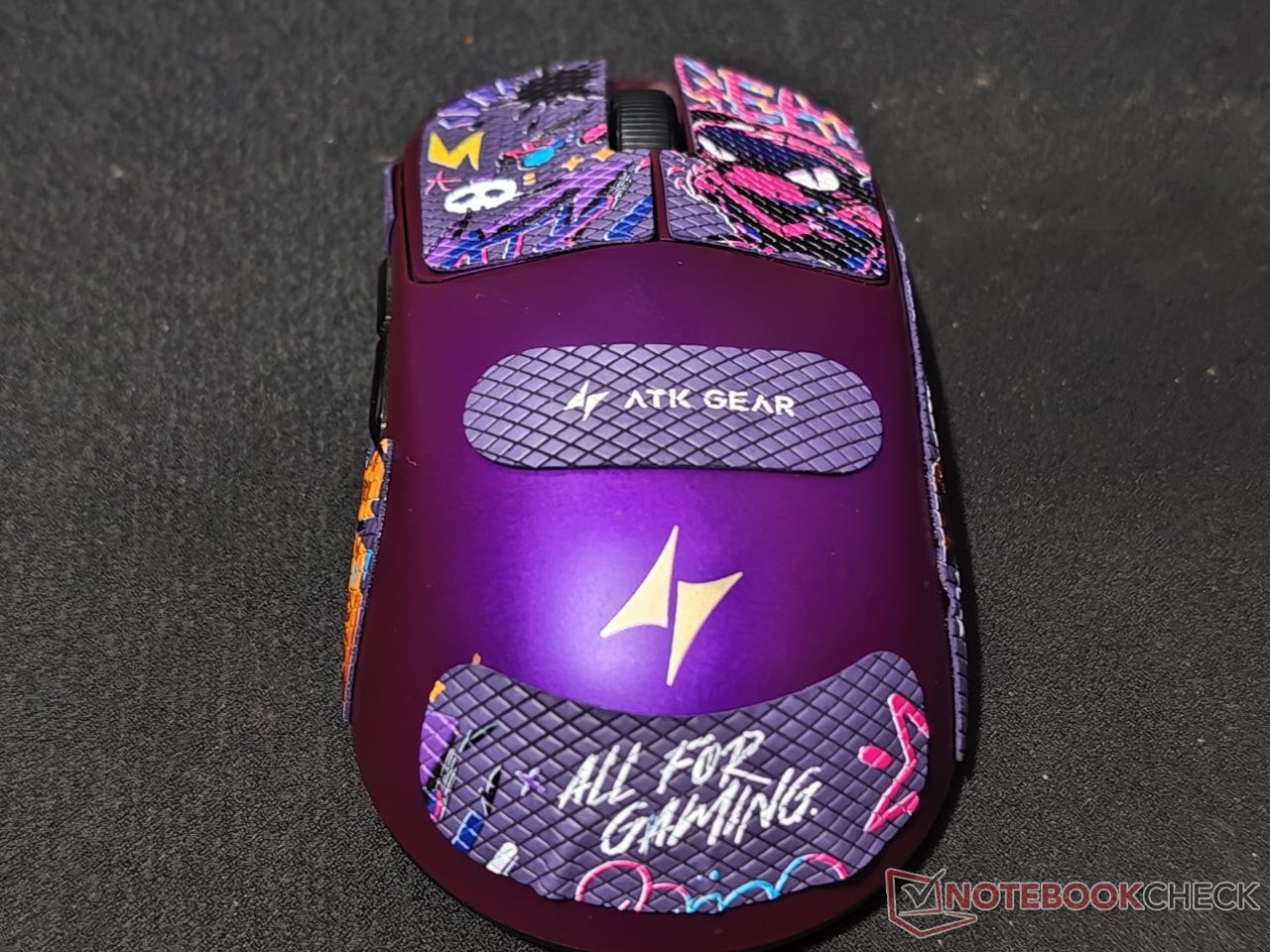
The actual mouse measures 118 mm x 55 mm x 37.4 mm and is ideal for a claw grip. It is on the smaller side and users with large hands might have some trouble adopting. Connectivity options include Bluetooth, USB-C and a dedicated 2.4 GHz dongle. Unlike regular dongles that slot directly into a USB-A port, ATK uses a two-phase design with the actual dongle dangling from the USB port via a USB-A to USB-C cable. On paper, this will help you keep the sensor physically close to the mouse to eliminate any stray 2.4 GHz radiation, but in reality, it is seldom a limiting factor.
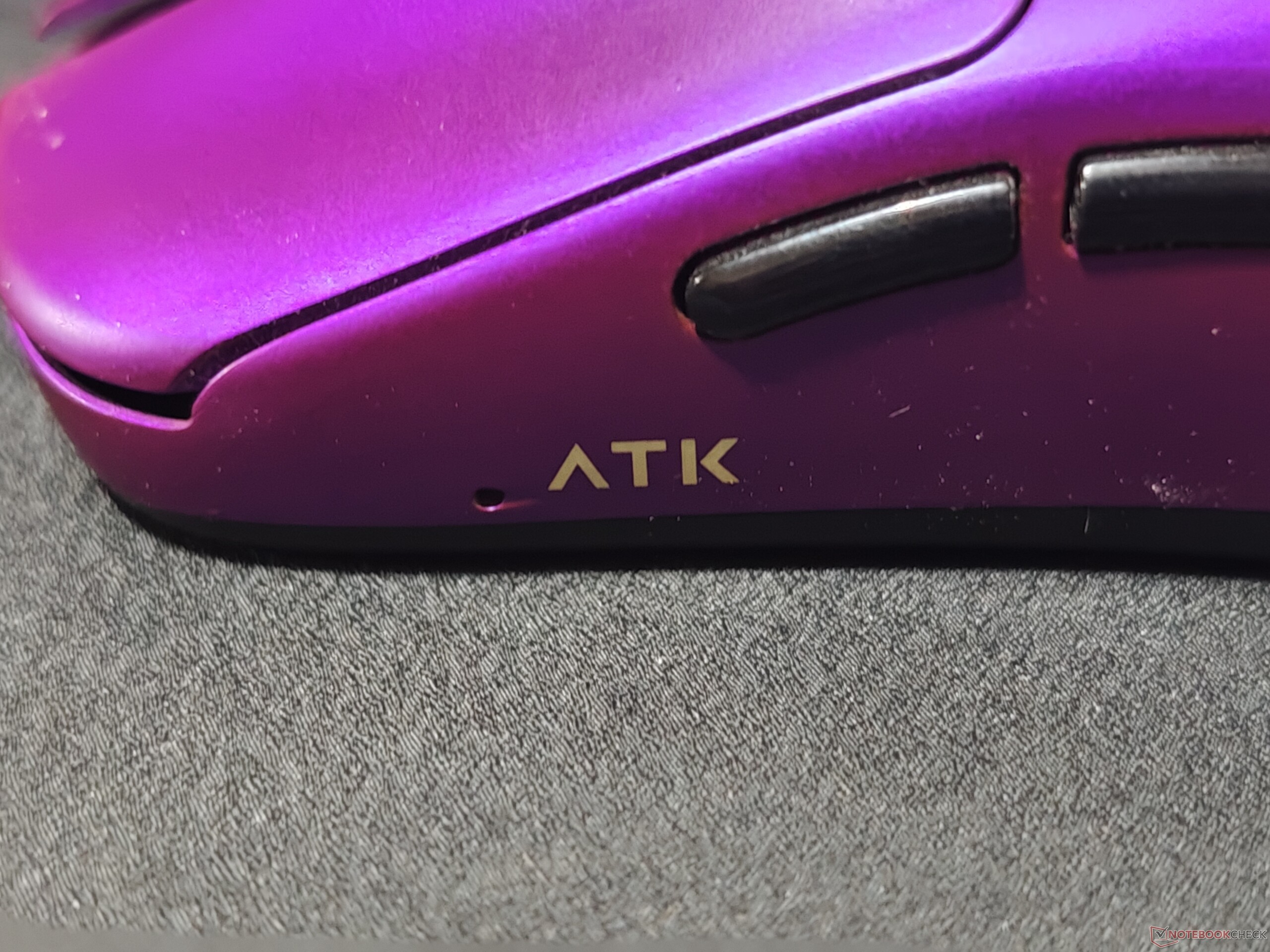
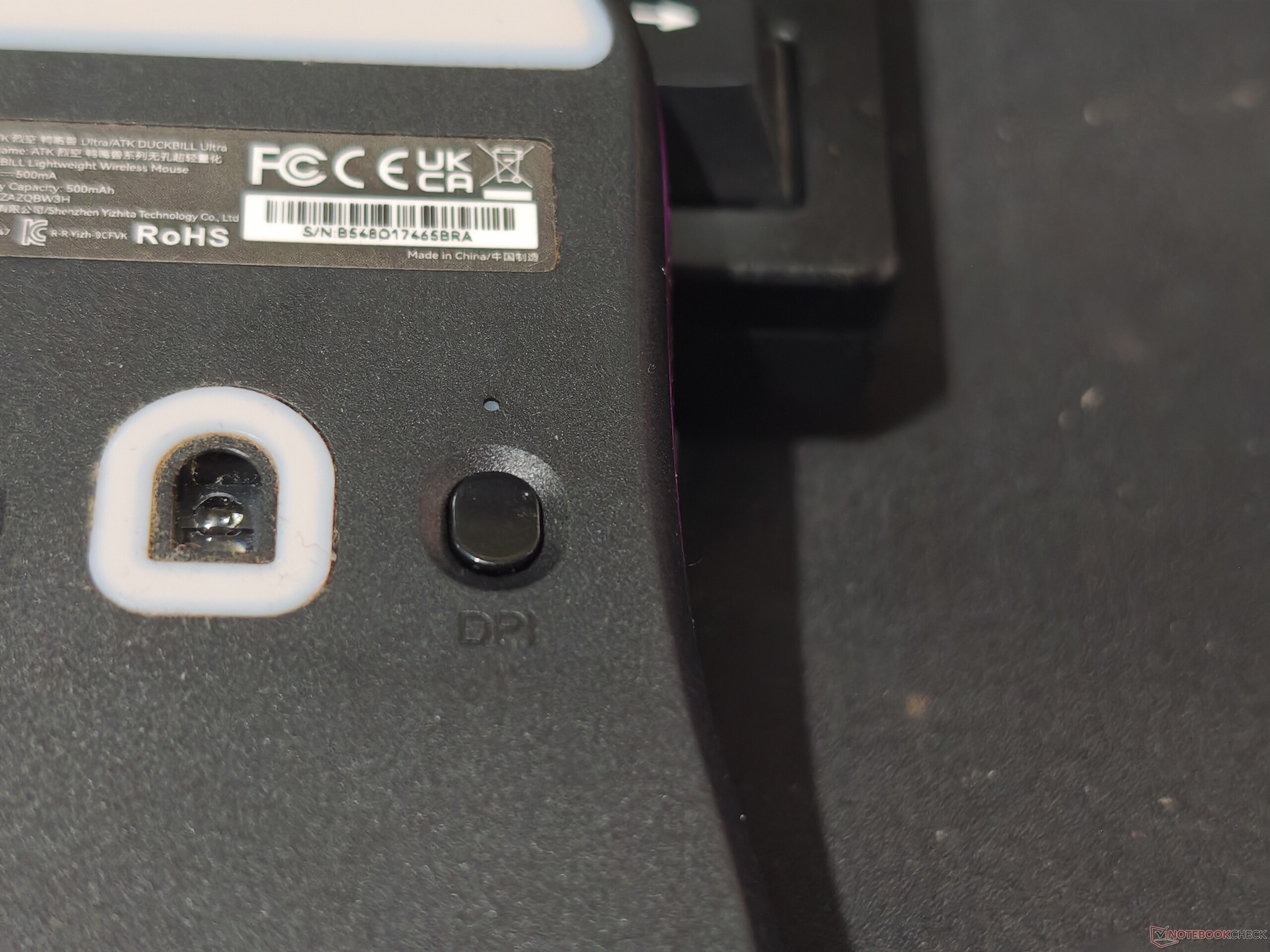
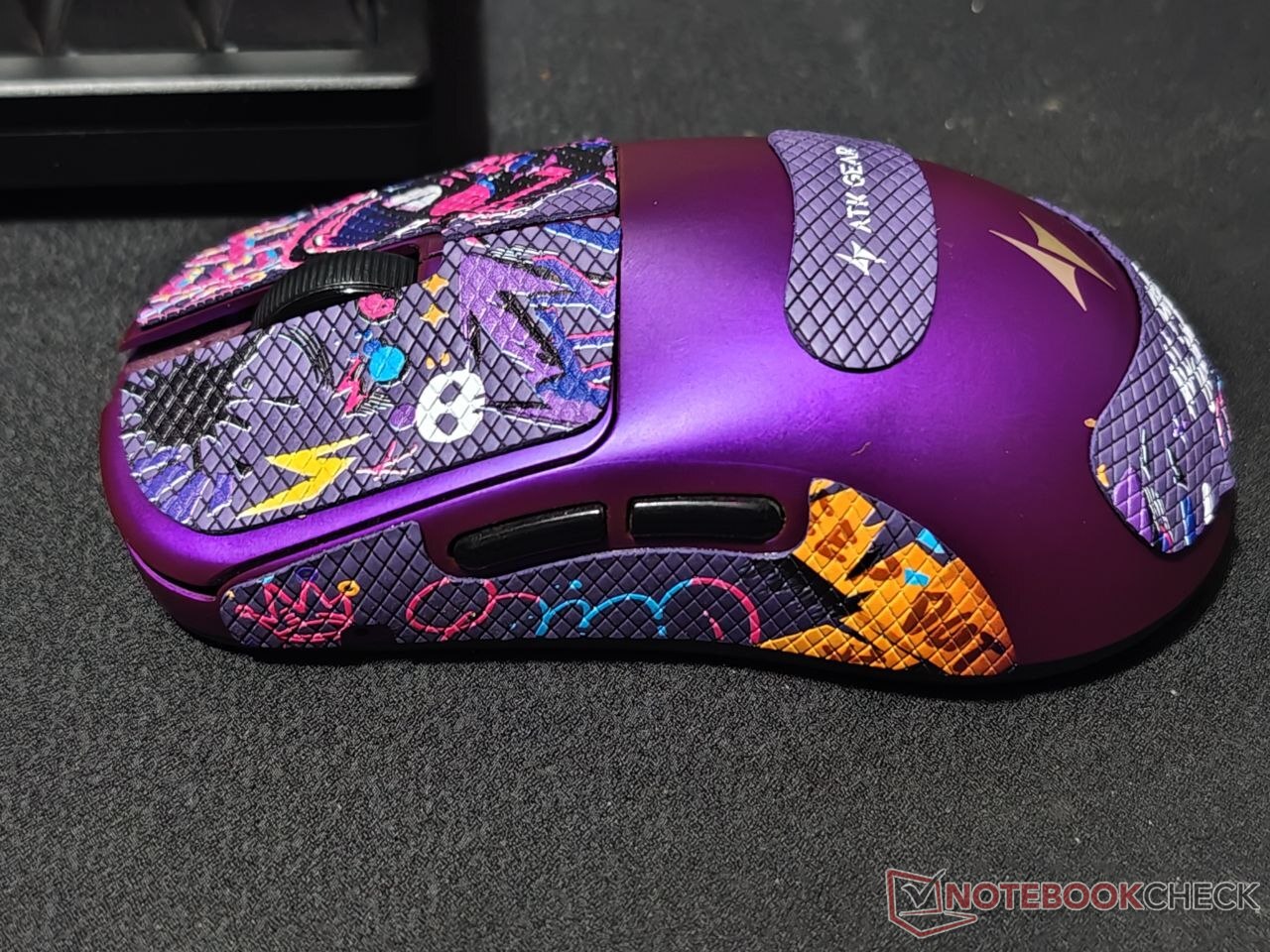
Like many low-profile mice the Duckbill Ultra has a total of four customizable buttons—five if you consider the scroll wheel. The programmable buttons are on the right side, making it less than ideal for left-handed people. On-the-fly DPI switching is made possible via a button at the back. Not ideal for those who want to switch seamlessly in the heat of battle.
Unboxing
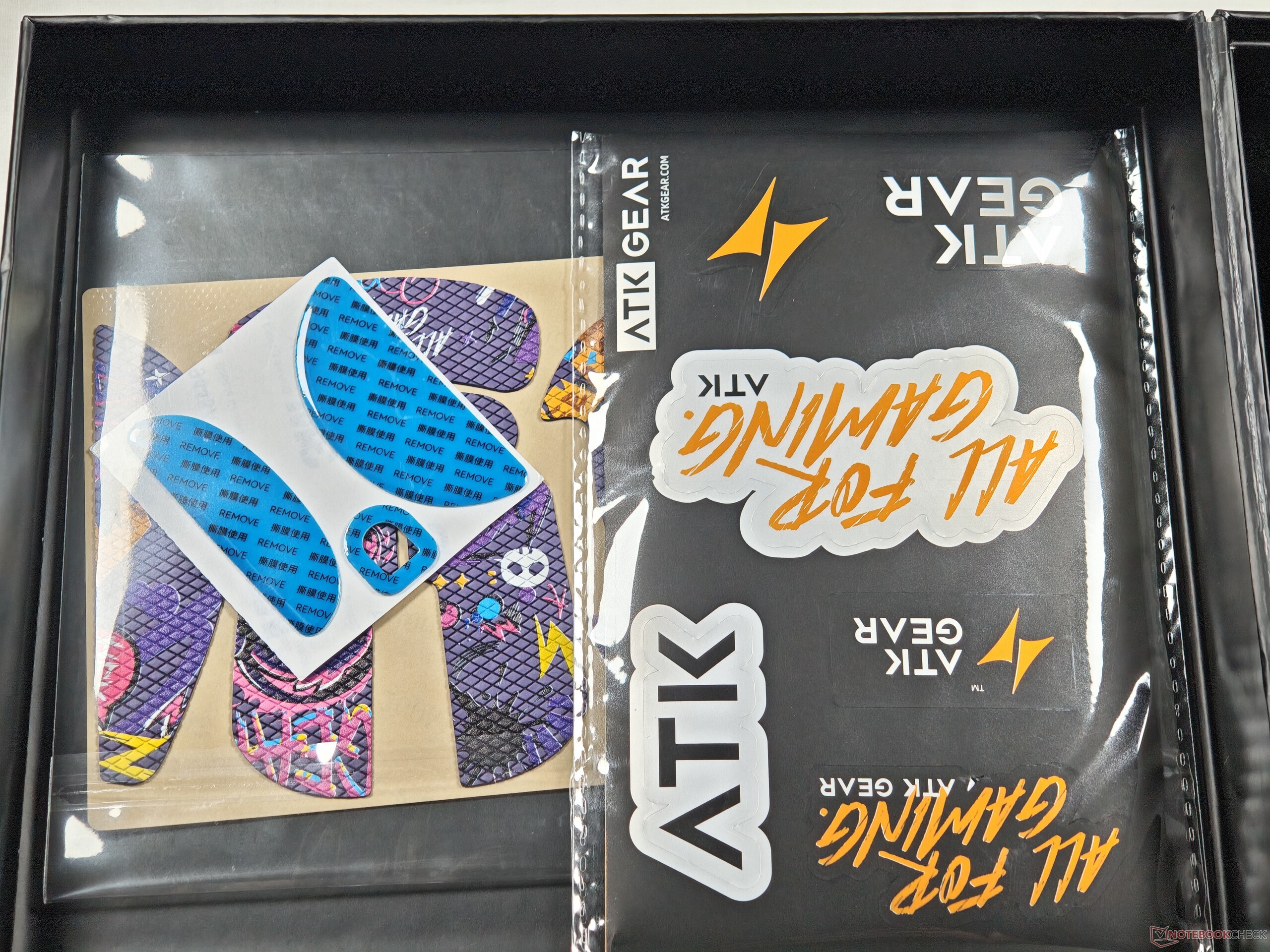
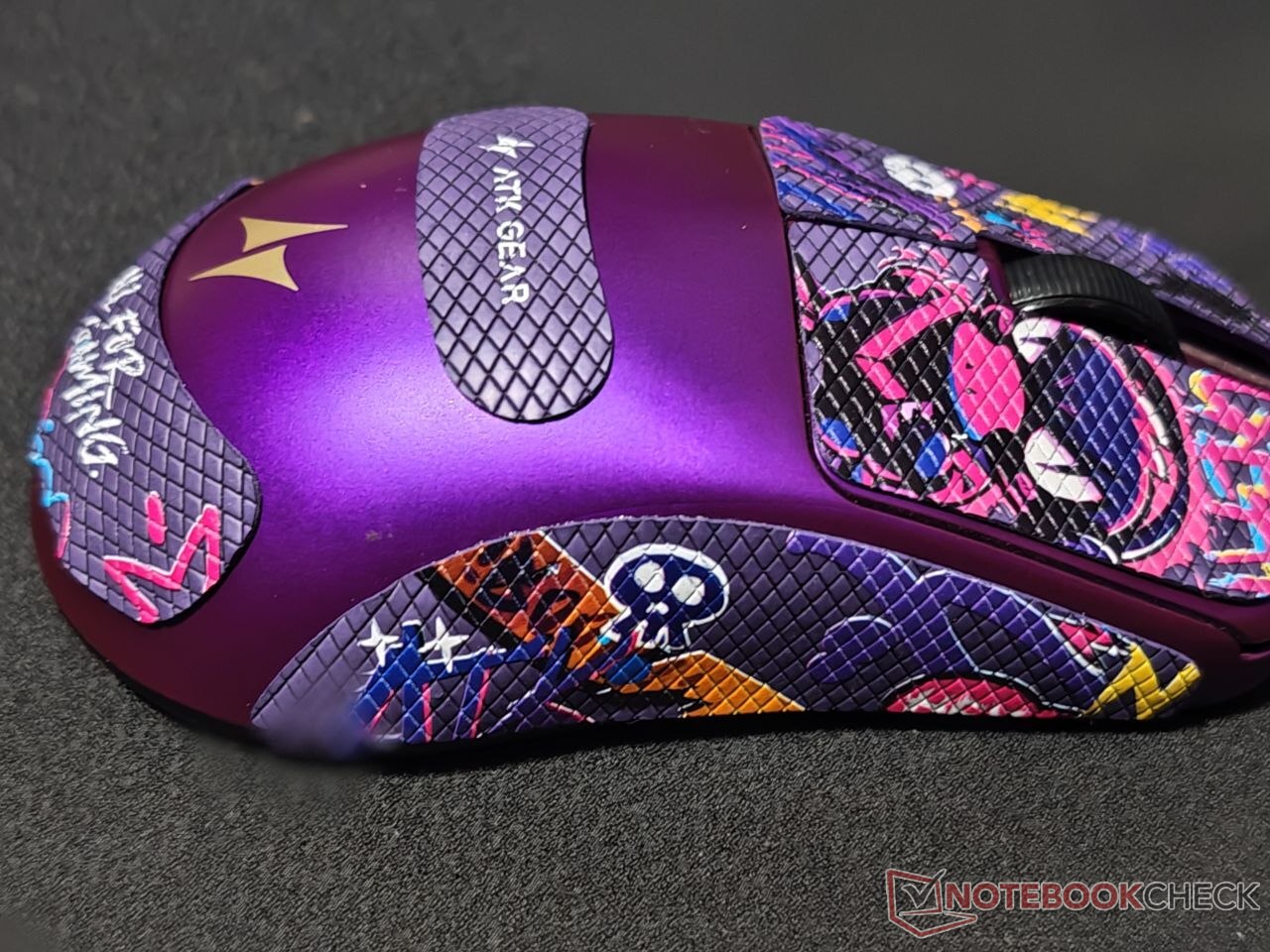
ATK’s packaging for the Duckbill Ultra is flashy, for the lack of a better term. The actual box comes with a sleeve rich with ATK branding. Inside, you get the mouse, a USB-C to USB-A cable, a dongle, PTFE feet and a dizzying amount of stickers. All of it is presented on a foam base that adds that extra premium feel.



Build quality and impressions
As a long-time Logitech G502 owner, the ATK Blazing Sky Duckbill Ultra came as a bit of a shock due to its weight. Initially, the build feels a bit cheap, but the plastic body is necessary to keep weight low. I’ve used the mouse as a daily driver for the better part of the past two month, and it only has minimal finger grime residue.
ATK uses its in-house optical switches on the Duckbill Ultra. While the left and right click are responsive, the macro buttons sometimes missed an input or two, especially in intense button mashing scenarios. Now, that isn’t necessarily a bad thing because the mouse is primarily marketed towards FPS gamers and not Path of Exile.
Unlike most gaming peripherals, the Duckbill Ultra doesn’t have much in the way of flashy lights. All you get is a tiny LED indicator at the left that blinks when the battery is low. Essentially, the design is very minimalist and ideal for people who don’t like flashy mice. There’s an even tinier light next to the DPI button that tells you what DPI your mouse is running at any given time.
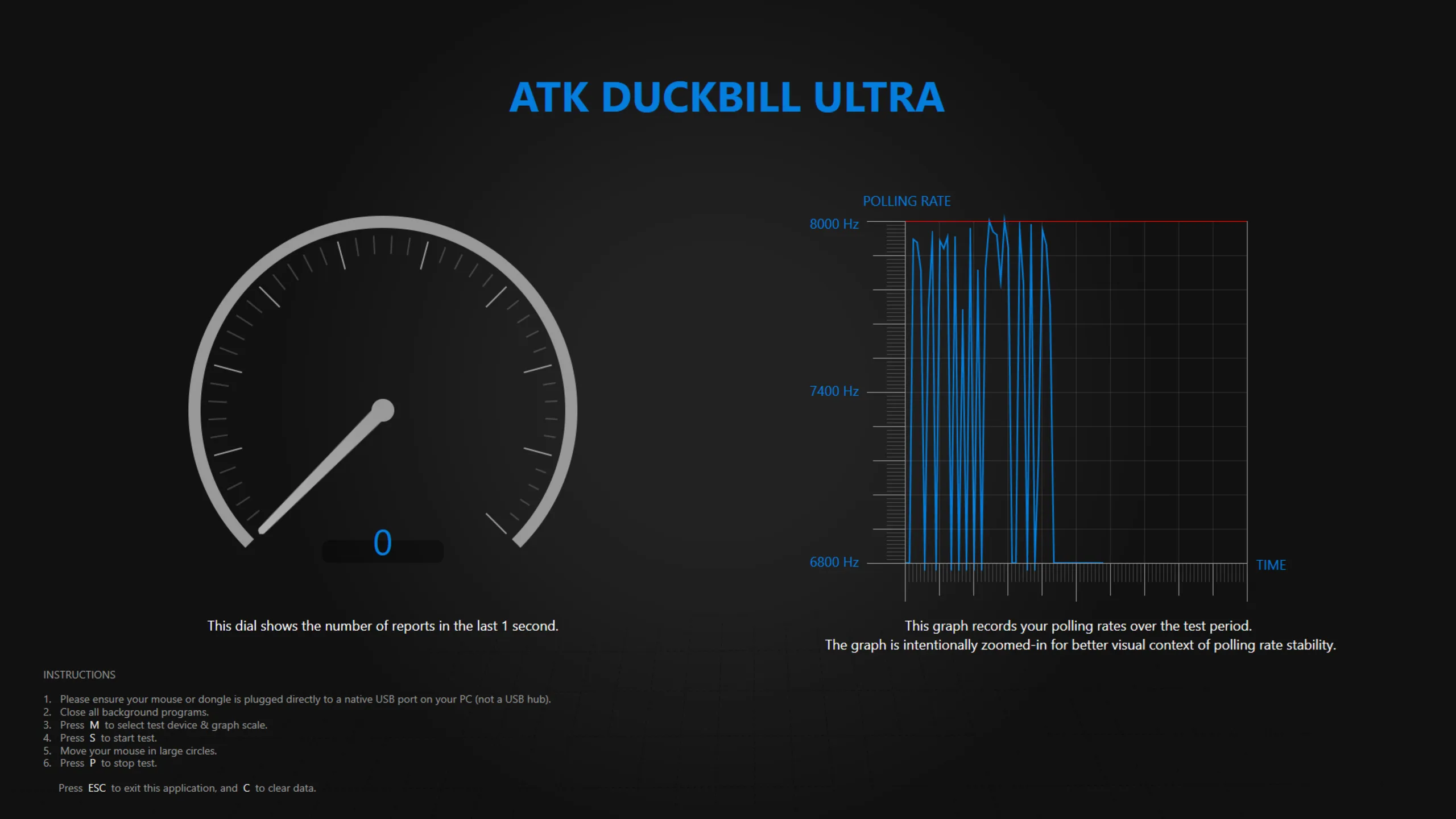
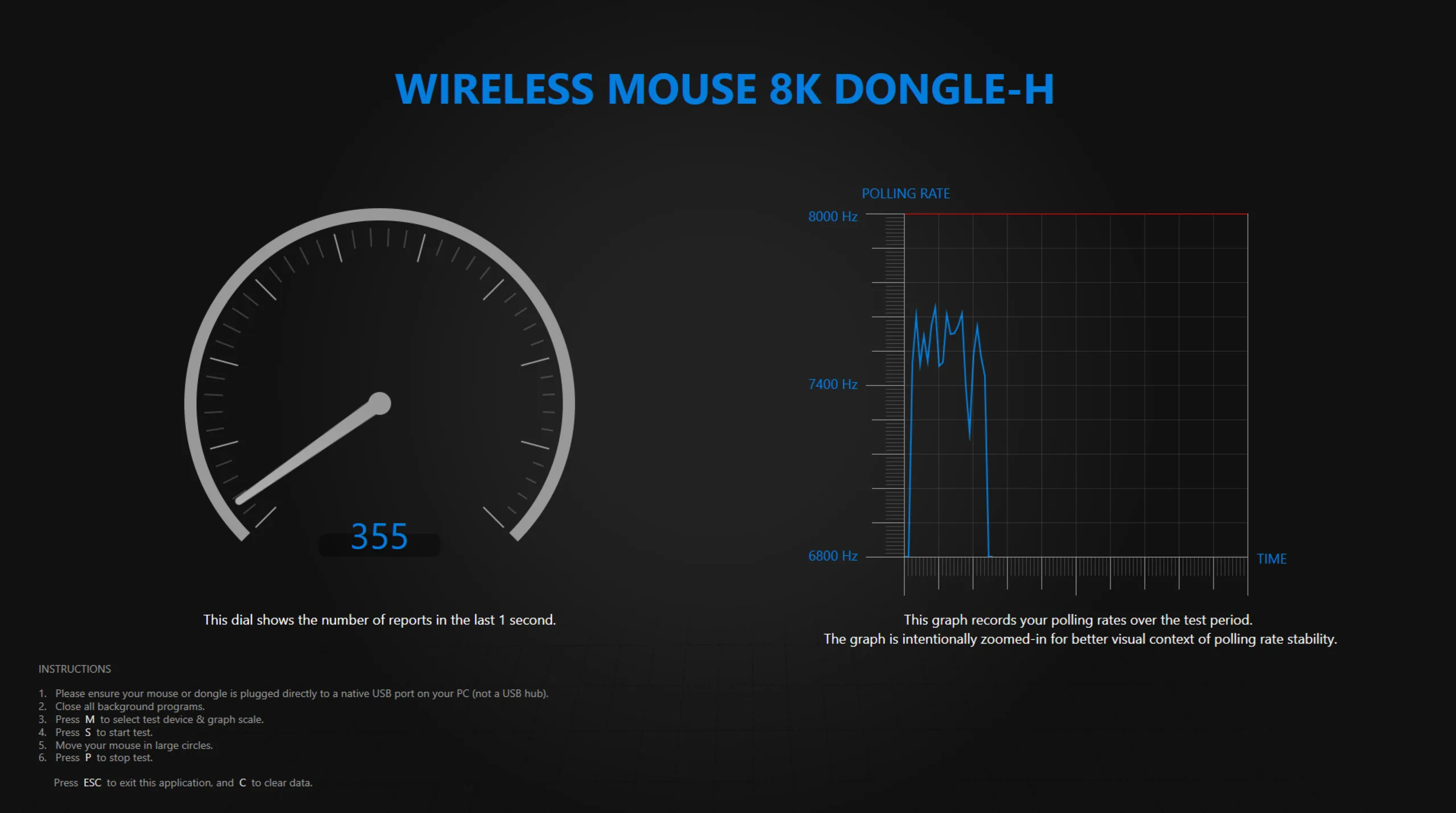
Using Razer’s polling rate measurement tool, we tested if the ATK Duckbill Ultra’s sensor performs as per spec. In wireless mode, the sensor capped at around 7,800 Hz, which is acceptable. Things got a bit interesting in wired mode, though. For a brief moment, the tool showed a reading of above 8,000 Hz. Intriguing, but at the very least, it proves that the mouse works as advertised.
DPI variation
For DPI variation, fired up Mouse Tester and moved the Duckbill Ultra 10 centimeters in a horizontal direction to determine if it was operating at the advertised DPI. Polling rate was set at 8,000 Hz throughout, and we observed the following results. The mouse consistently operates at a higher rate than reported by the software, usually in the 6-10% range. While not ideal, that figure depends on a bunch of factors such as operator imperfections, surface material and sensor manufacturing variations.

Sensor performance
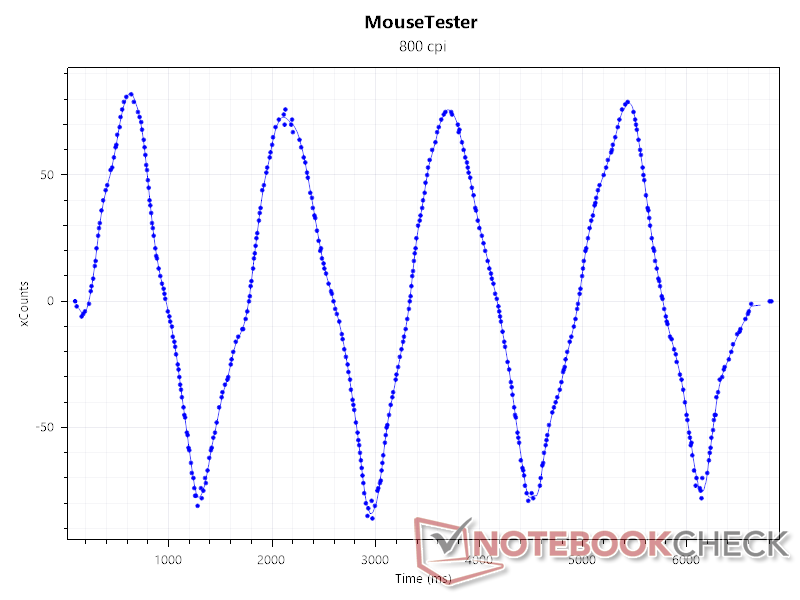
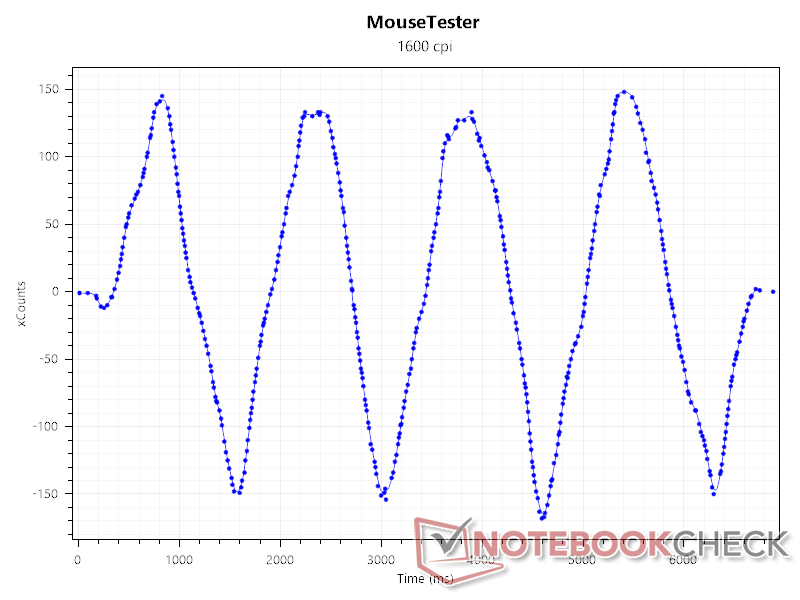
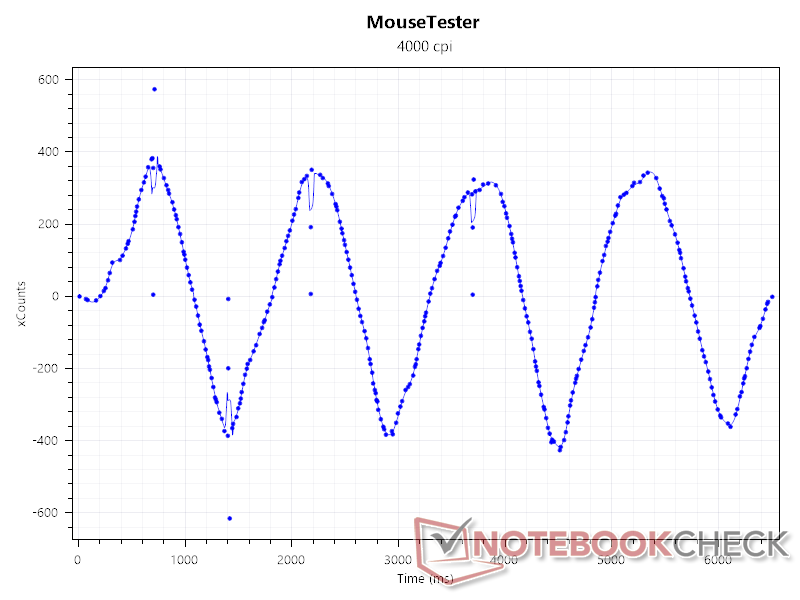
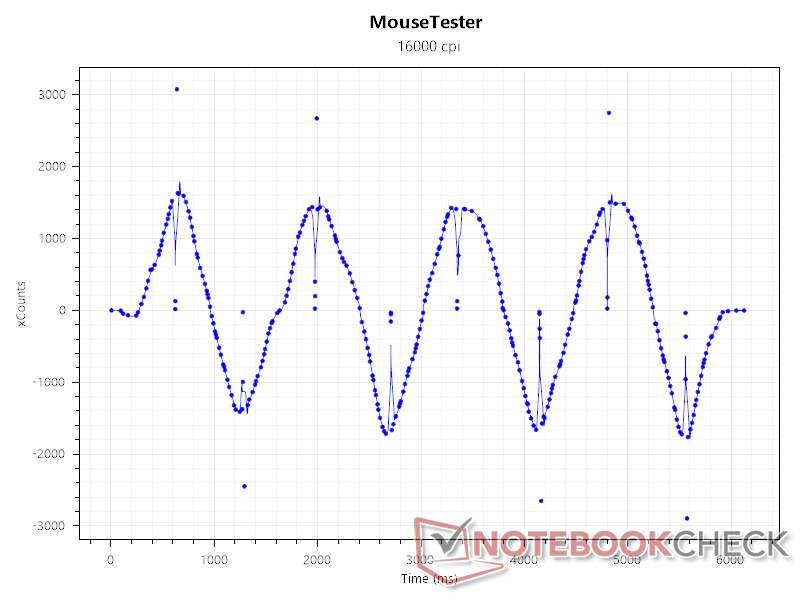
We tested how the Duckbill Ultra's PAW3950 Ultra sensor holds up in various tests using the MouseTester benchmark.
Speed-related Accuracy Variance (SRAV)
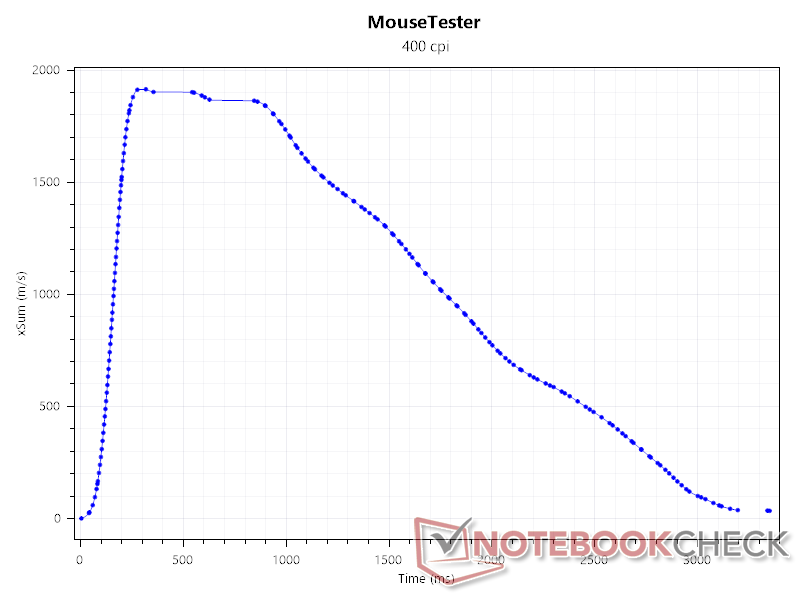
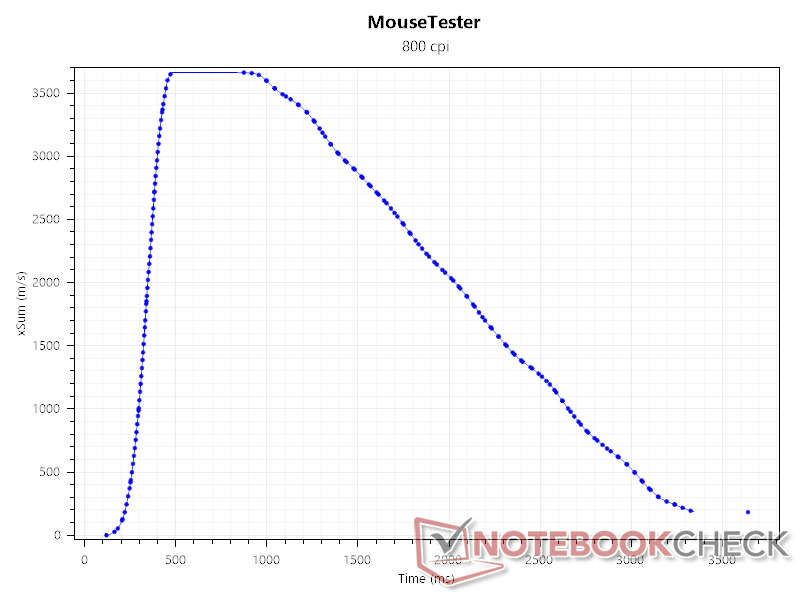
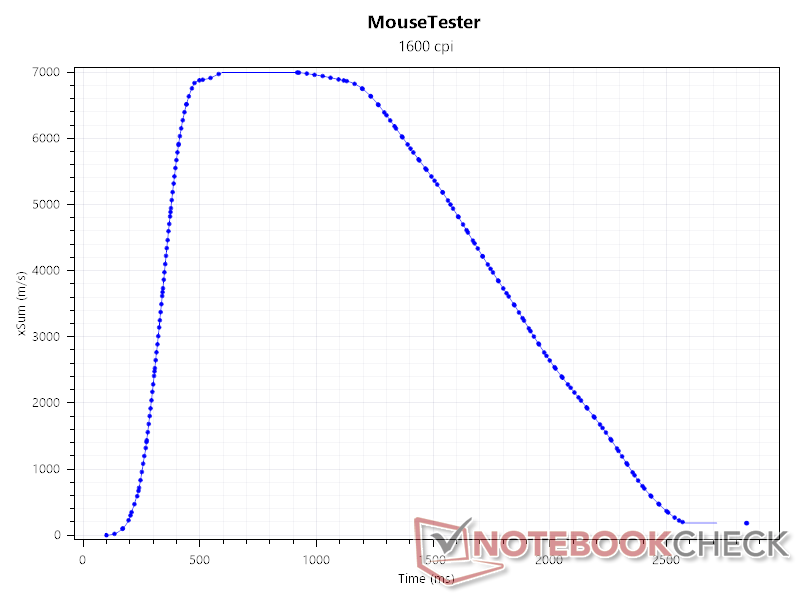
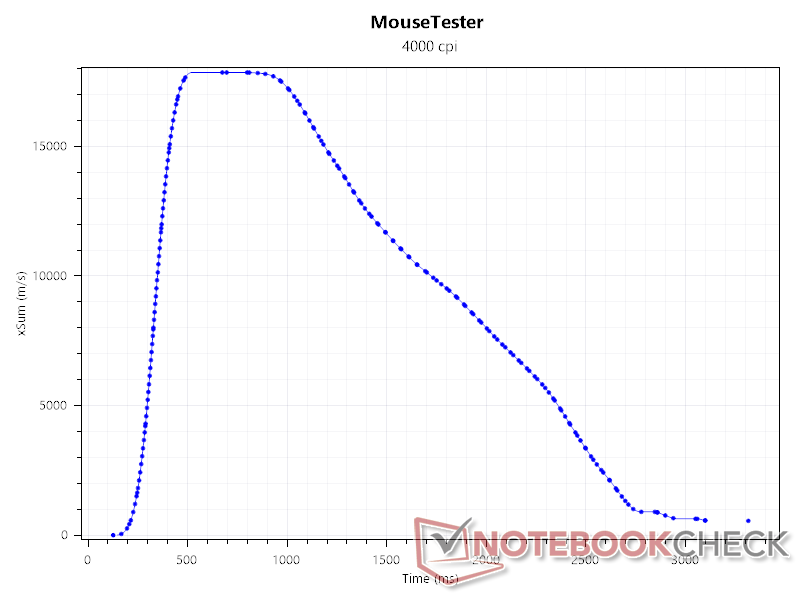
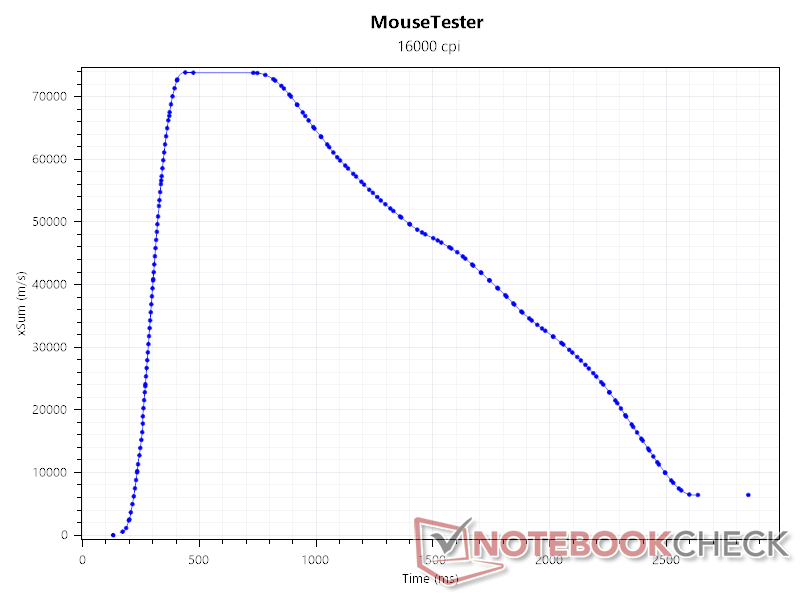
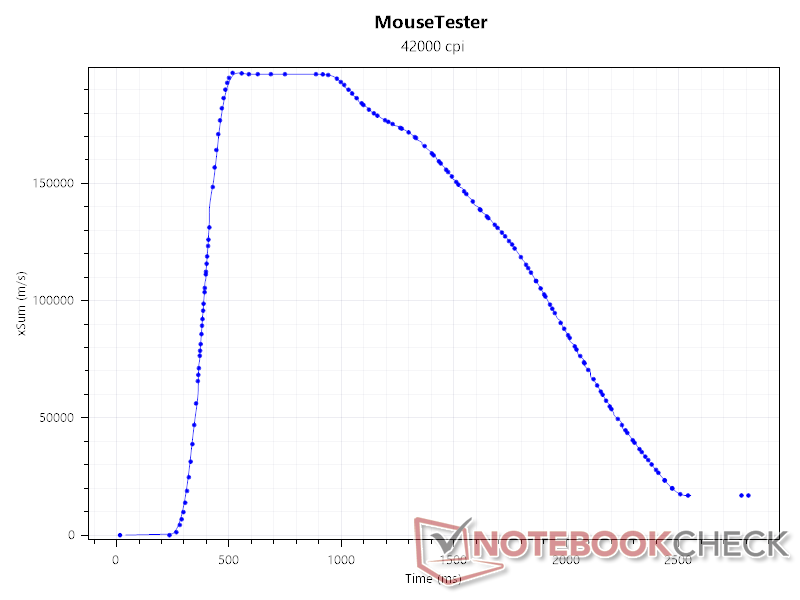
SRAV or speed-related accurcy variance tells us if the sensor has any inherent acceleration. To test it, we rapidly accelerated and then slowly decelerated the Duckbill Ultra to and from a set position, and observed the following graph. The sensor shows no sign of acceleration, but the data does get a little skewed at higher DPI counts.
Sensor count
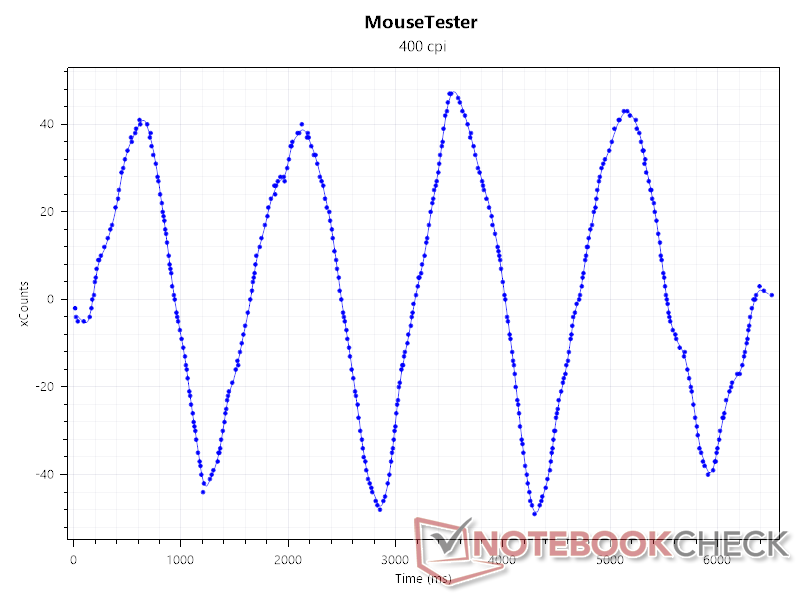
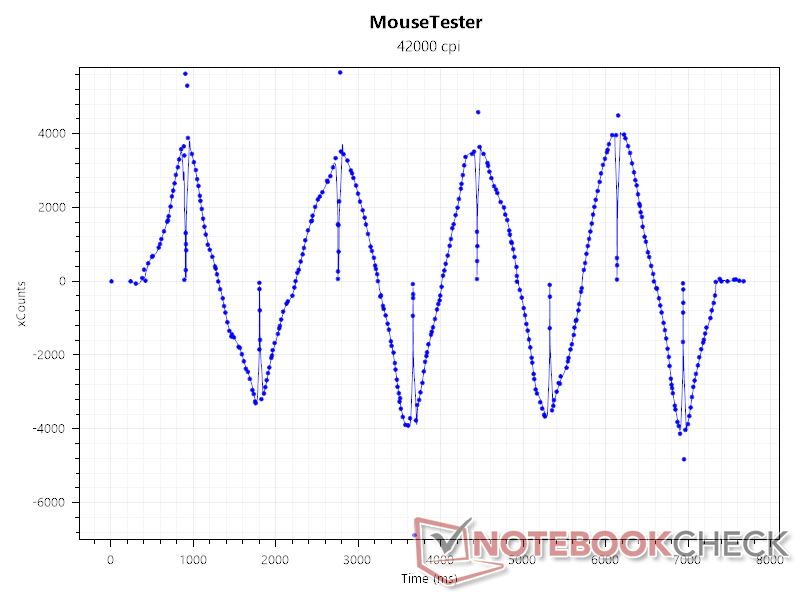
At lower DPI values, the Duckbill Ultra's sensor has no issues counting inputs, as exhibited by the smooth sine curve. However, as the value keeps increasing, the graph gets more erratic due to a wide range of factors such as the sensor hitting its physical limit and minute imperfections on the test surface.
Software and customization
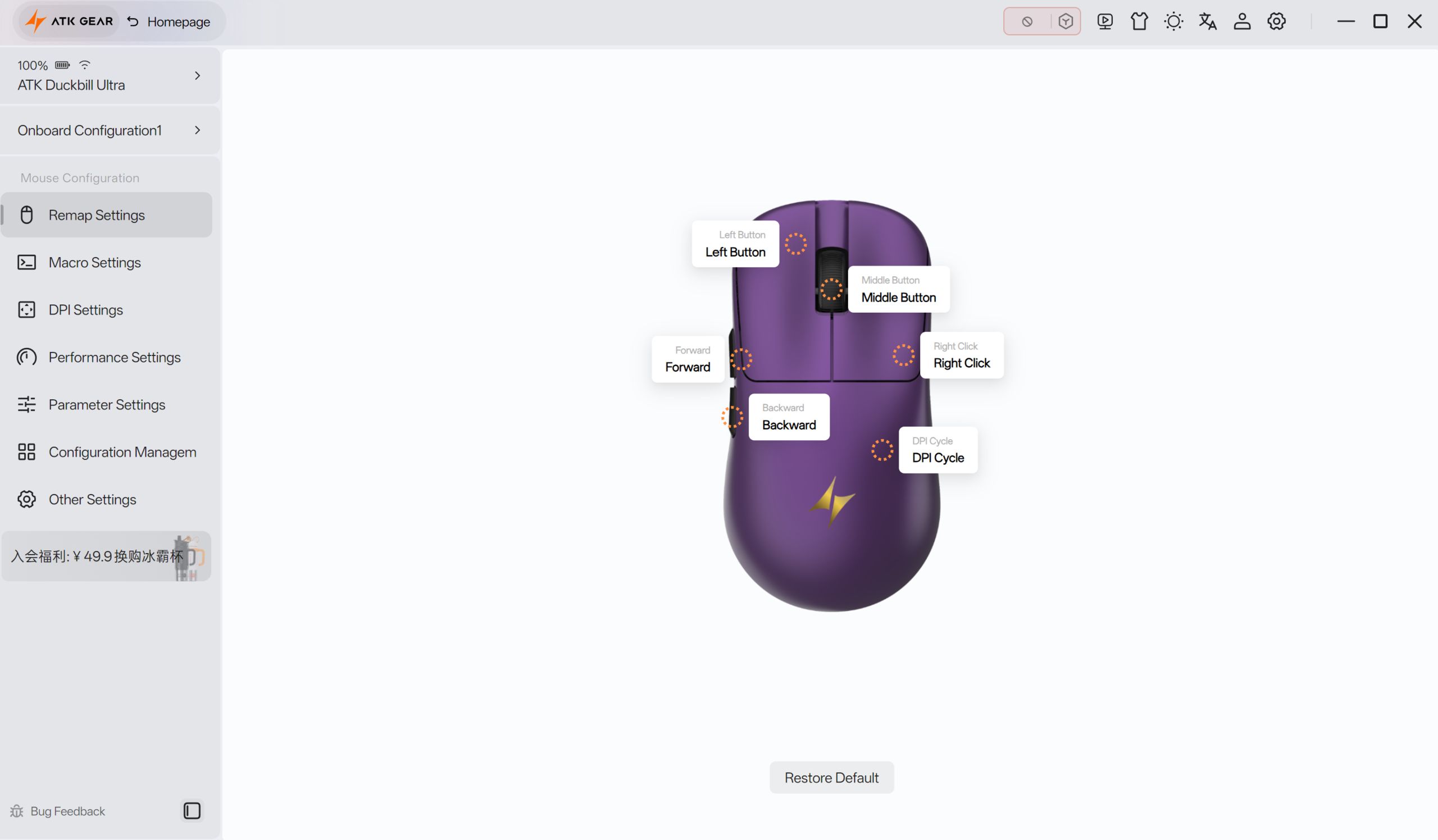
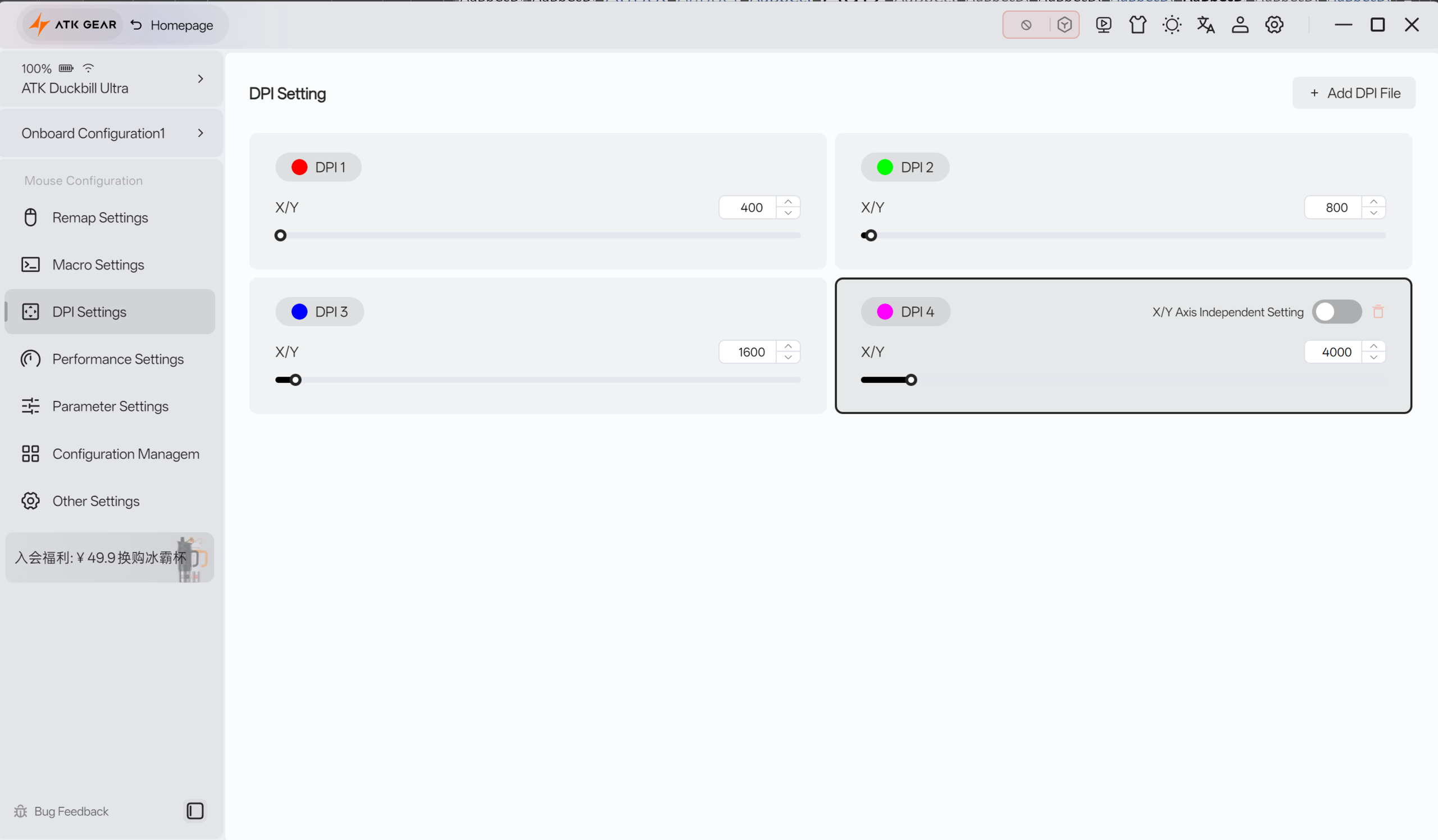
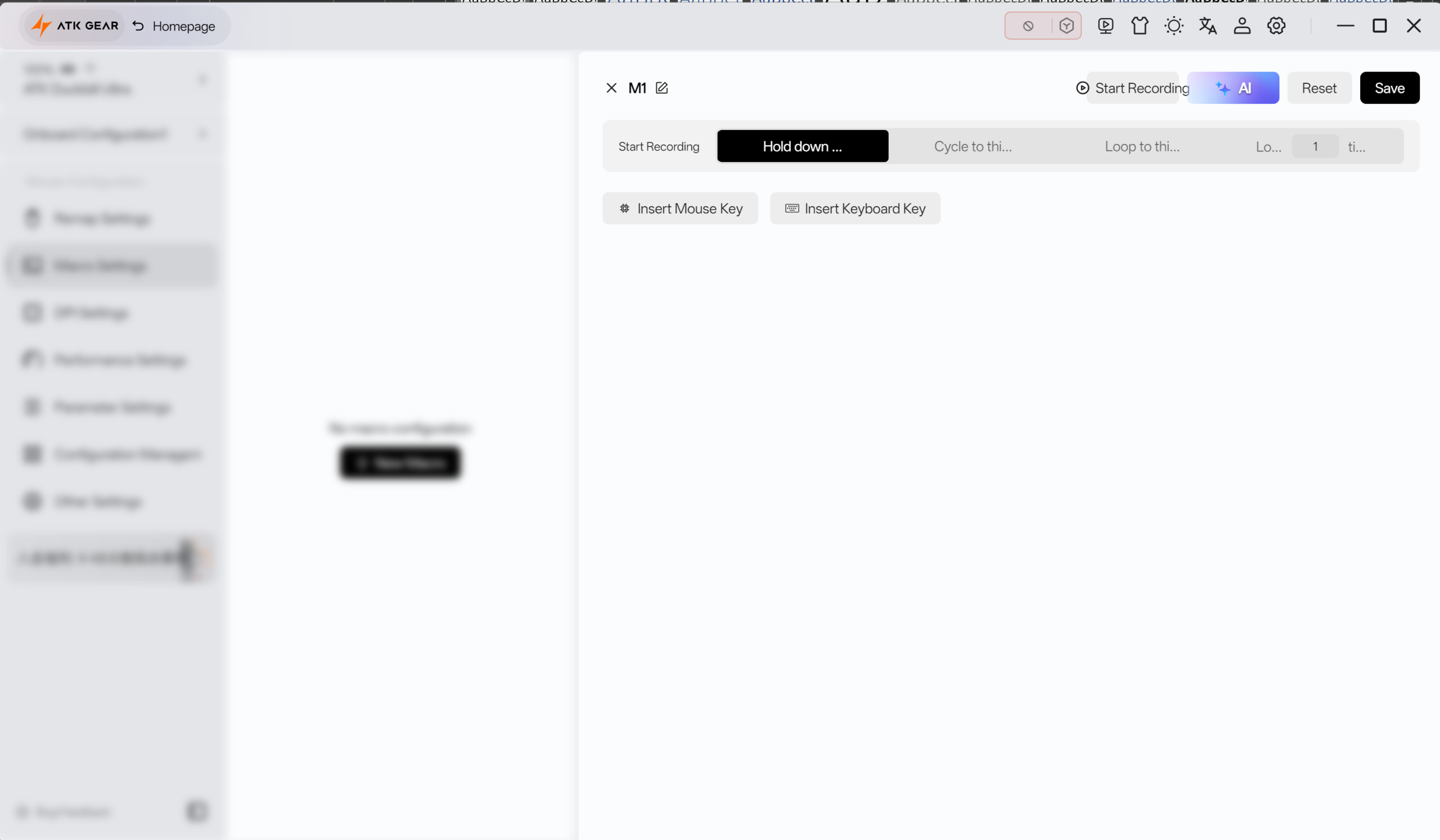
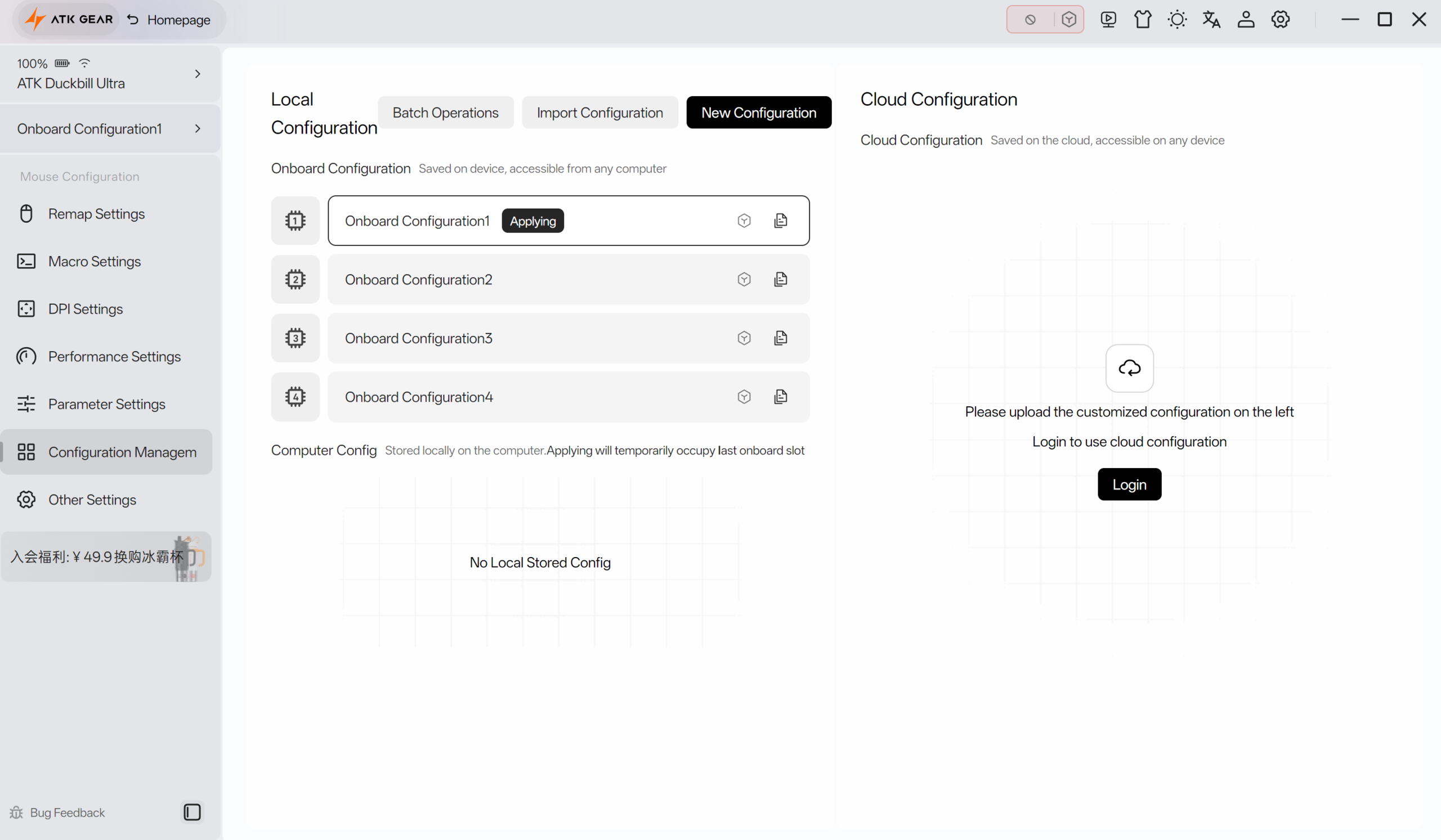
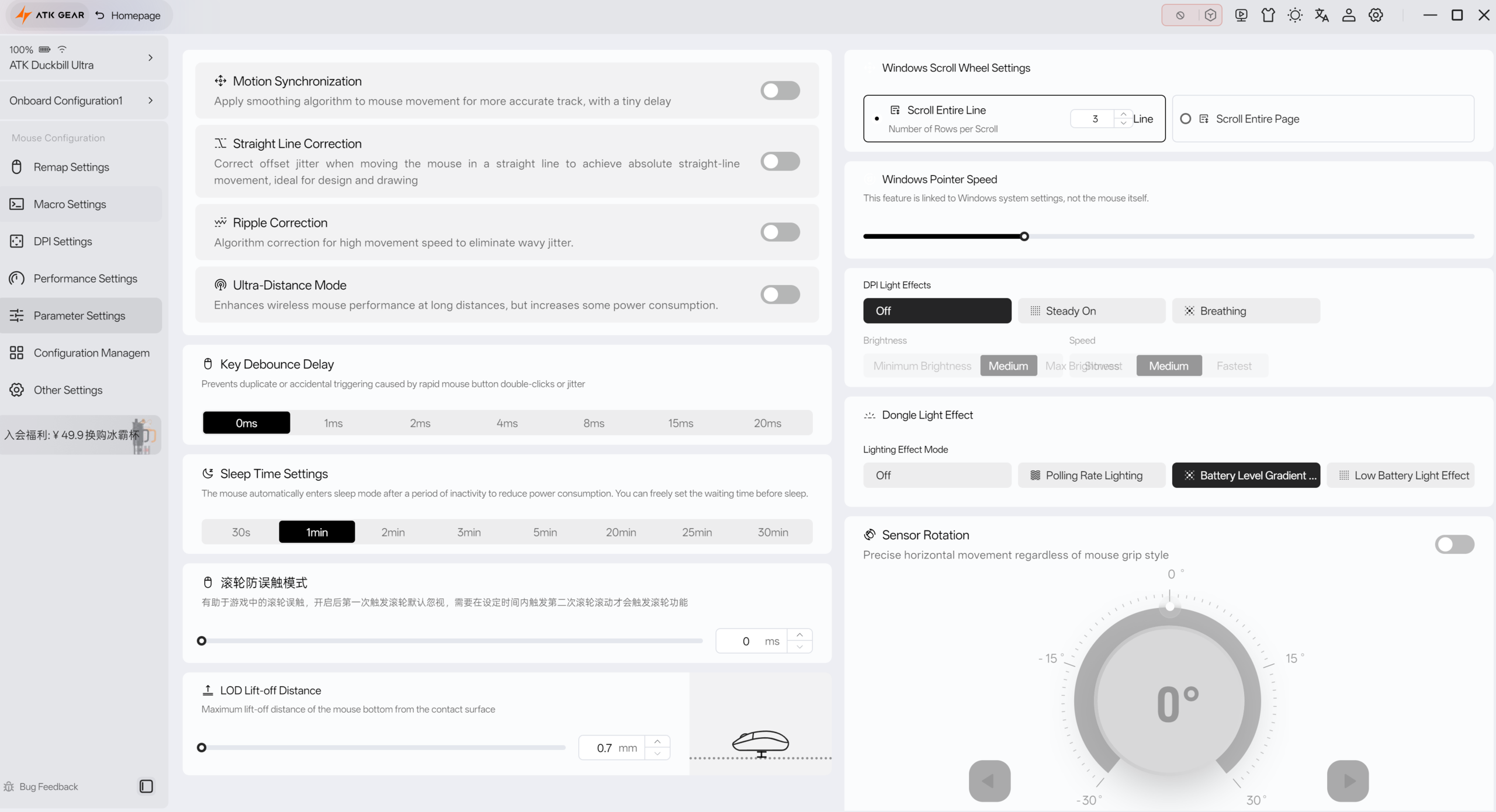
The Blazing Sky Duckbill Ultra can be configured via ATK Hub, which can be run online. An offline client is also available. ATK Hub offers a wide range of customization options. It offers a dizzying amount of customization options, such as the ability to individually set different values for ‘X’ and ‘Y’ DPI, ripple correction, straight line correction, and more.
Each button is remappable and one can save up to four configurations on device. The ‘forward’ button lets you switch between them on-the-fly in real-time. Not an ideal solution, but acceptable given its construction. However, it might be problematic in-game, especially when you have a function mapped to the said button.
There are, however, some minor quirks in the software. Some parts of it are in Chinese despite setting the language to English. Not a dealbreaker, but something that will hopefully be addressed in a future patch.

Battery Life
Depending on the polling rate, the Duckbill Ultra can deliver anything between two weeks to two days of battery life. During my three-month stint of running it with a 2.4 GHz dongle, I mostly kept it at 8,000 Hz and 4,000 DPI. With this configuration, I averaged at 36 hours of battery life, with a few variations depending on how many hours I played games. ATK Hub gives you a rough idea about how long your mouse will last under different conditions.
Conclusion
The ATK Duckbill Ultra is a solid, lightweight mouse with some impressive features. However, its sensor could do with some fine-tuning, especially when it comes to DPI variations.
Transparency
The selection of devices to be reviewed is made by our editorial team. The test sample was given to the author by the manufacturer free of charge for the purposes of review. There was no third-party influence on this review, nor did the manufacturer receive a copy of this review before publication. There was no obligation to publish this review. As an independent media company, Notebookcheck is not subjected to the authority of manufacturers, retailers or publishers.
 Add as a preferred source on Google


