


AMOLED brightness in smartwatches: How many nits do you really need?
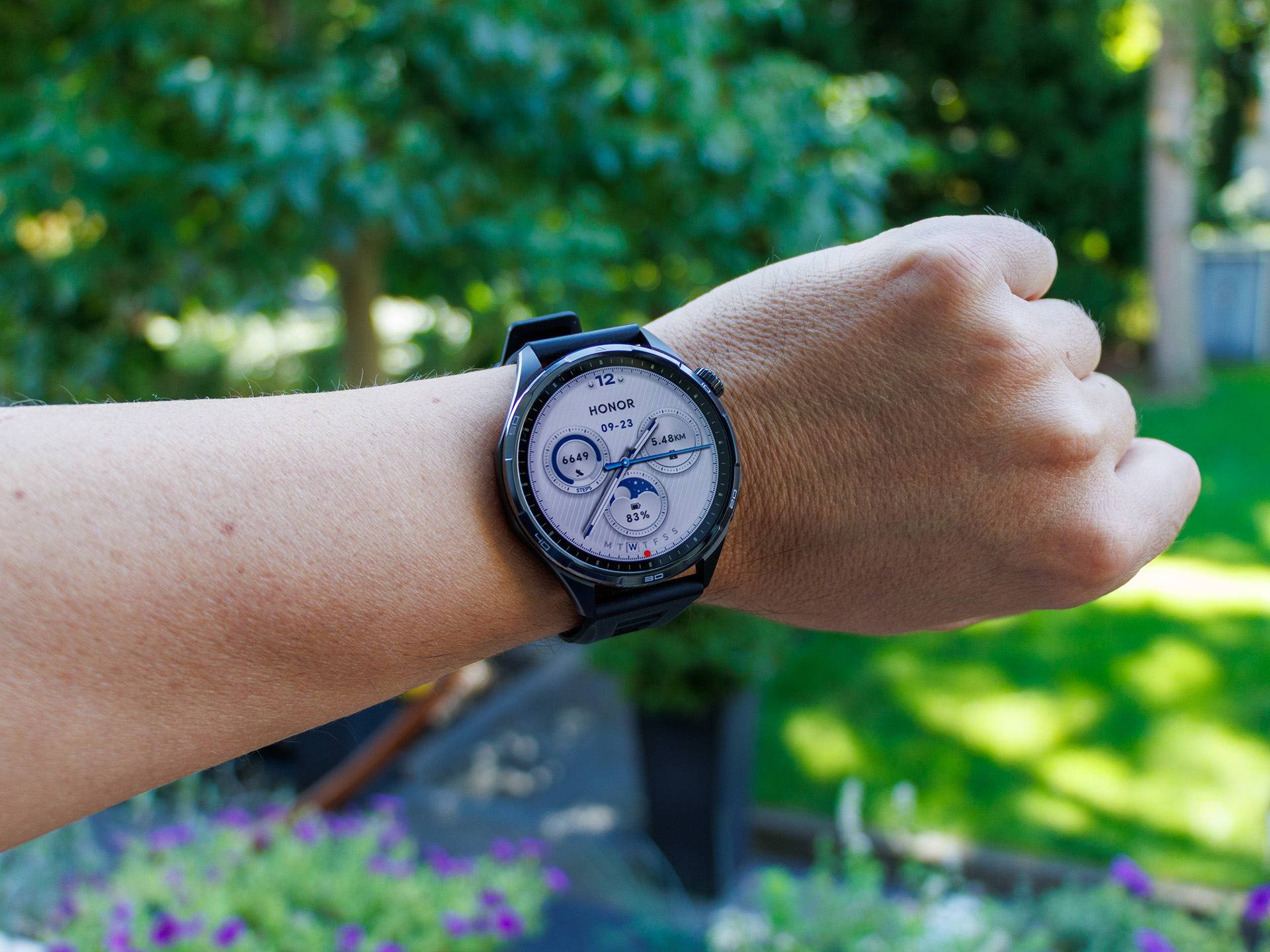
With smartwatches, display brightness is the key factor in determining how easily you can read the time, messages, and workout data outdoors. It’s usually measured in nits or candelas, with one nit equal to one candela per square meter (cd/m²). As a general rule, the brighter the display, the more visible it remains in direct sunlight.
For everyday use, around 500 to 1,000 nits is often sufficient. Those who train outdoors frequently will benefit from 1,500 to 2,000 nits or more. Peak values of 3,000 nits provide additional headroom in bright sunlight. However, these figures alone say little about the actual display quality.
Manufacturer specifications often refer to a maximum brightness that the display achieves only under specific conditions and, in some cases, only briefly. Automatic brightness control may result in significantly lower brightness levels in everyday use. Additionally, a particularly bright display increases power consumption.
This is demonstrated by the Honor Watch 6. Honor advertises a brightness of up to 3,000 nits. In our test, we measured a maximum of 2,340 cd/m² in the preset basic mode. In the special bright mode, the value rises to 2,818 cd/m². With manual adjustment, however, the maximum brightness is limited to 699 cd/m².
The minimum brightness is at least as important. A display that can’t dim low enough causes unnecessary glare at night. On the Honor Watch 6, for example, we measured a minimum of 20.62 cd/m². In a dark bedroom, that’s clearly too bright.
When buying a smartwatch, therefore, the highest possible nit rating shouldn’t be the only factor to consider. A good watch combines high peak brightness for sunny days with reliable automatic adjustment and the lowest possible minimum brightness for nighttime use.
Source
 Add as a preferred source on Google


