




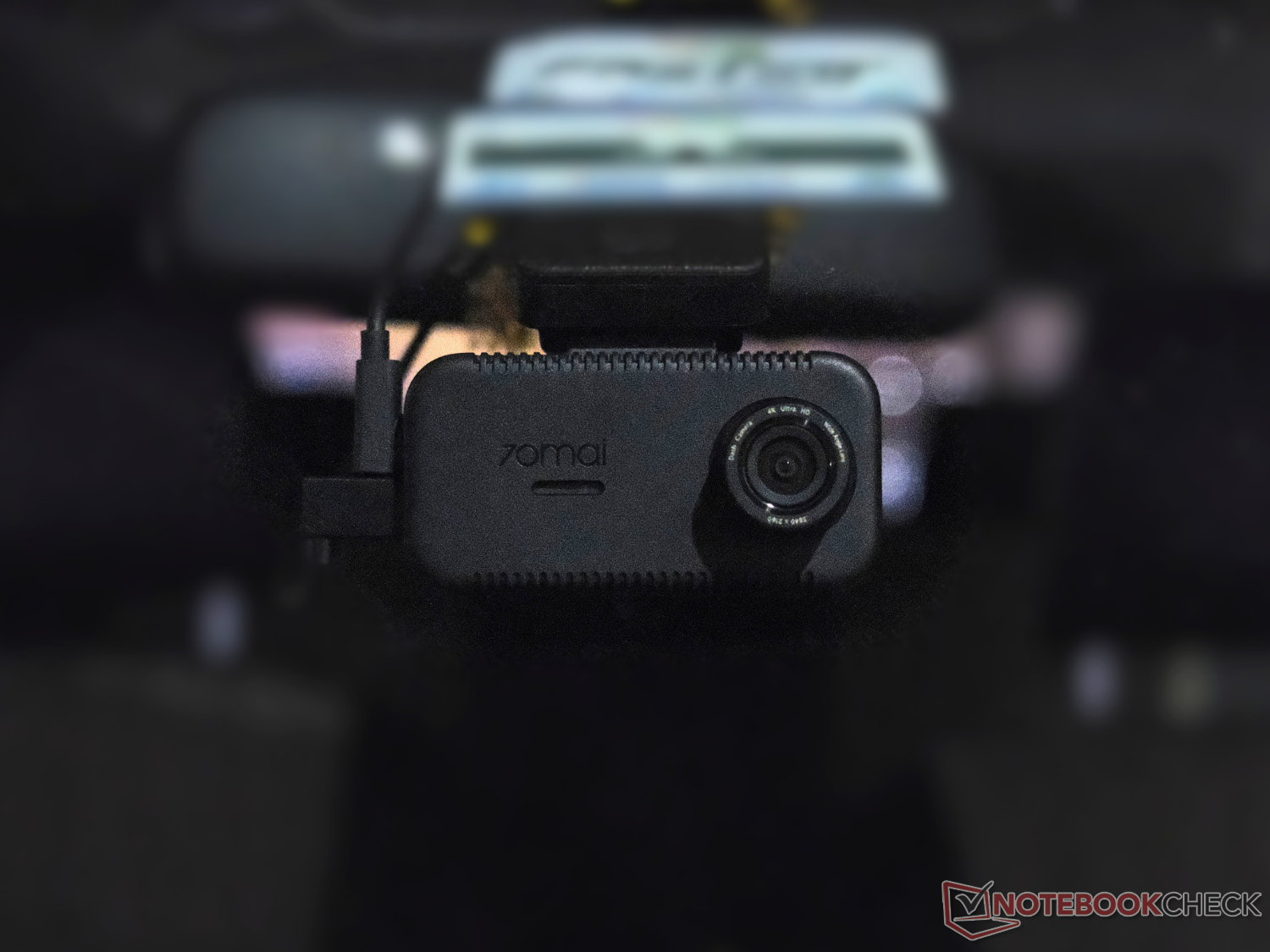
70mai 4K A810 Lite dash cam review: Compact, well-priced, and surprisingly capable
Affordable 4K surveillance
The $149.99 70mai A810 Lite bundle comes with high-resolution front recording and a companion rear camera. While its frame rates do take a hit in dual-channel mode, a native supercapacitor and high-speed Wi-Fi 6 transfers make it a strong value proposition for everyday drivers.Anubhav Sharma Published 🇪🇸 🇵🇹 ...
Verdict - A feature-packed dash cam that doesn't break the bank
The 70mai 4K A810 Lite punches well above its price for a compact dual-channel dash cam. The front camera is genuinely excellent - particularly after dark - and the $149.99 bundle price, which includes the RC21 rear camera and a 64 GB SD card, makes this one of the better-value dash cam packages on the market right now. However, the rear camera in low light and the frame rate drop in dual-channel mode are the two real compromises. But if you're someone who wants capable, always-on 4K recording in a relatively discreet form factor, the A810 Lite should be on top of your list, if not in there somewhere.
Pros
Cons
Price and availability
The 70mai Dash Cam 4K A810 Lite bundle is widely available for $149.99, a package price that includes the main 4K front camera, the RC21 1080p rear companion camera, and a 64 GB microSD card. The kit can be purchased globally through the official 70mai store or on Amazon. If you're looking for continuous parking surveillance, you can also find variants bundled with the optional 4G hardwire kit through the same retail channels.
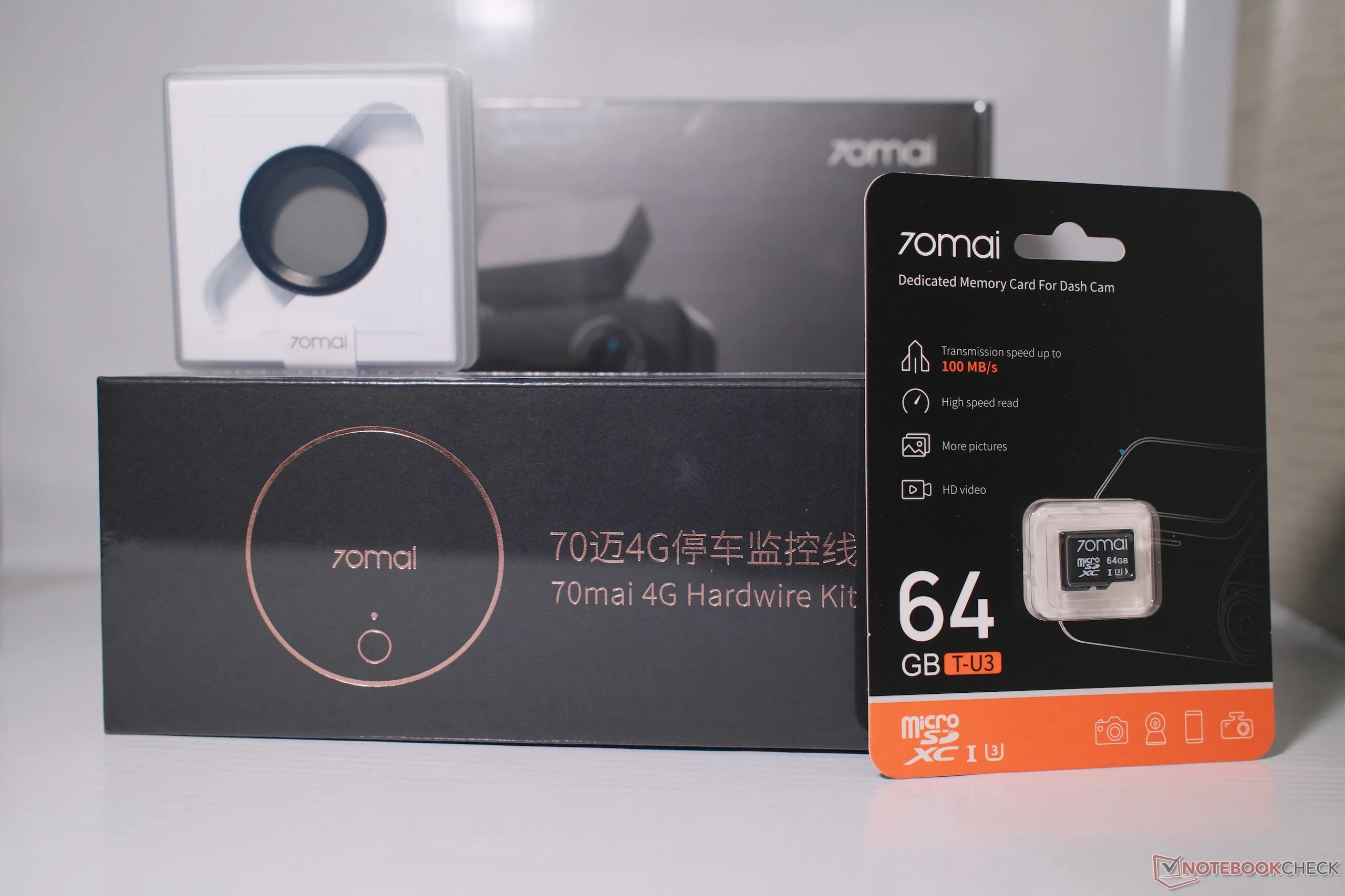
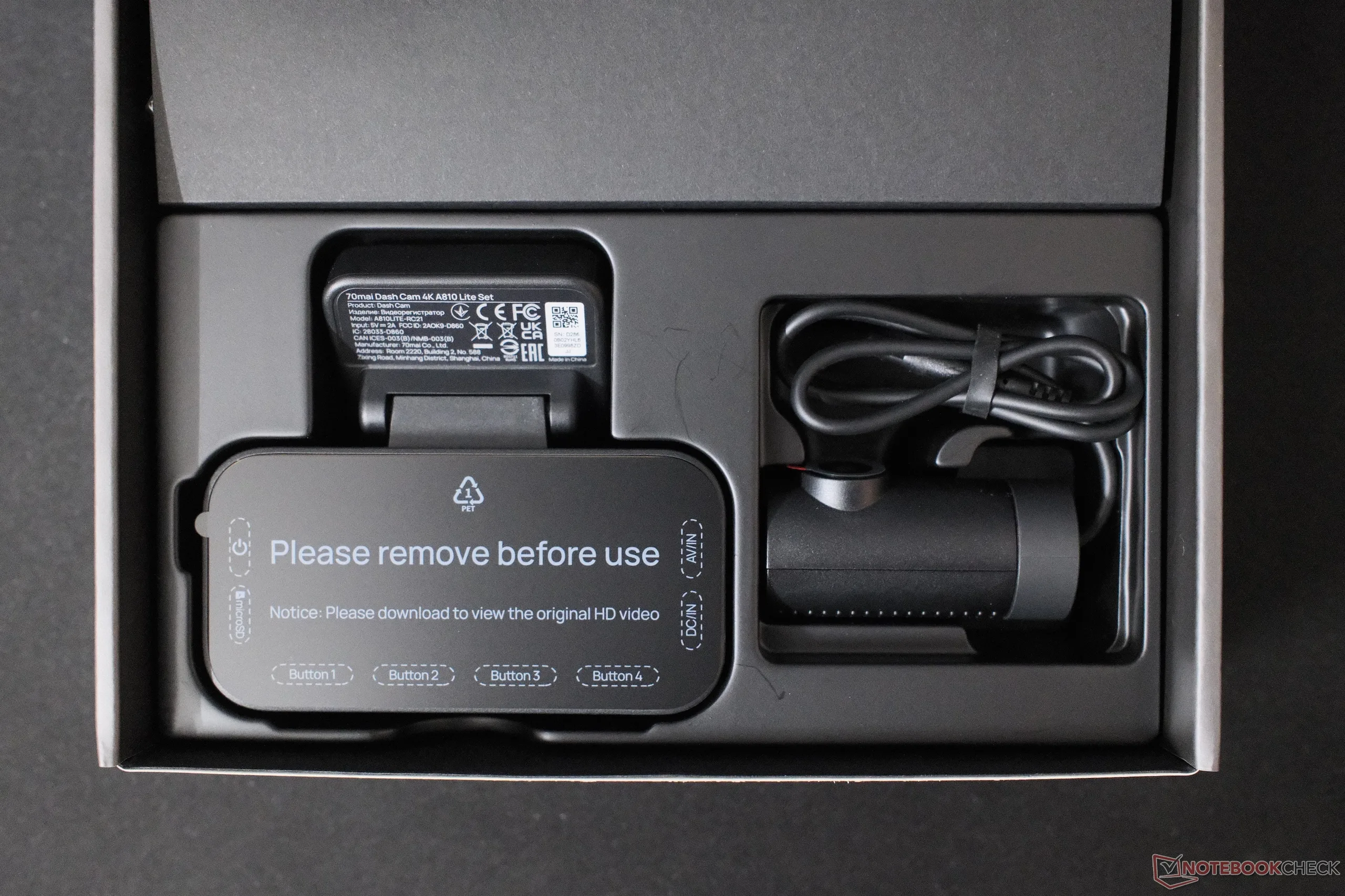
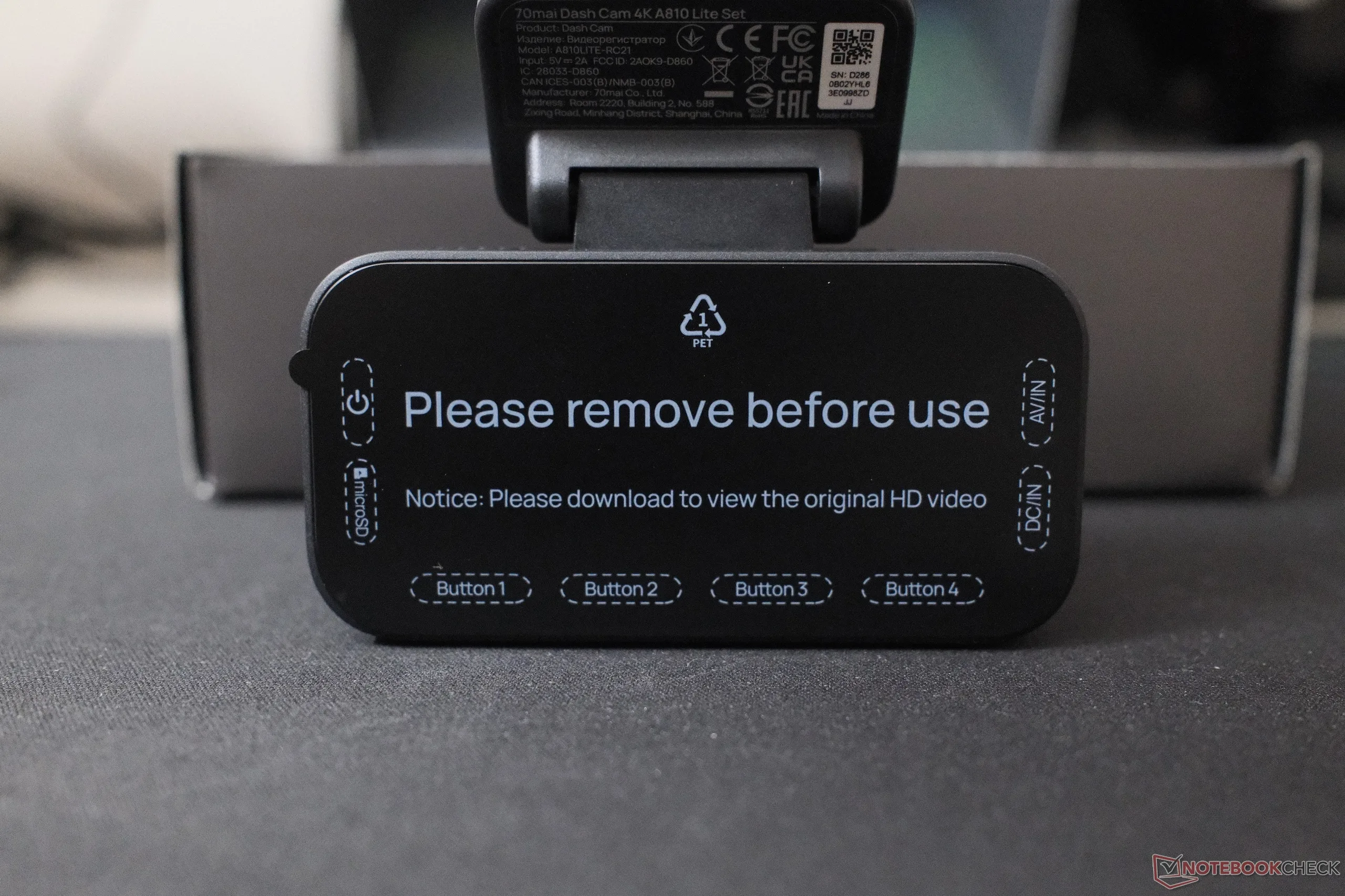
The $149.99 70mai A810 Lite bundle provides high-resolution front recording and a companion rear camera. While its frame rates do take a hit in dual-channel mode, a native supercapacitor and high-speed Wi-Fi 6 transfers make it a strong value proposition for everyday drivers.
Specifications
| Feature | Details | ||
| Model | 70mai Dash Cam 4K A810 Lite | ||
| Front Resolution | 3840 x 2160P (4K UHD) | ||
| Rear Resolution | 1920 x 1080P (Full HD via RC21) | ||
| Front Lens | 140° FOV, f/1.55 aperture | ||
| Rear Lens | 130° FOV | ||
| Front Sensor | GalaxyCore GC8613 | ||
| Single Frame Rate | 4K at 30 FPS | ||
| Dual Frame Rate | 4K at 24/25 FPS (Front) / 1080p at 25 FPS (Rear) | ||
| Power Source | Heat-resistant Supercapacitor | ||
| Display | 3.18-inch IPS screen | ||
| Connectivity | Dual-band Wi-Fi 6 (2.4GHz / 5GHz), Built-in GPS | ||
| Storage Support | MicroSD (32 GB to 512 GB; 64 GB included in bundle) | ||
| Dimensions | 91 x 46 x 24.4 mm |
Case & features - Compact build with a functional screen
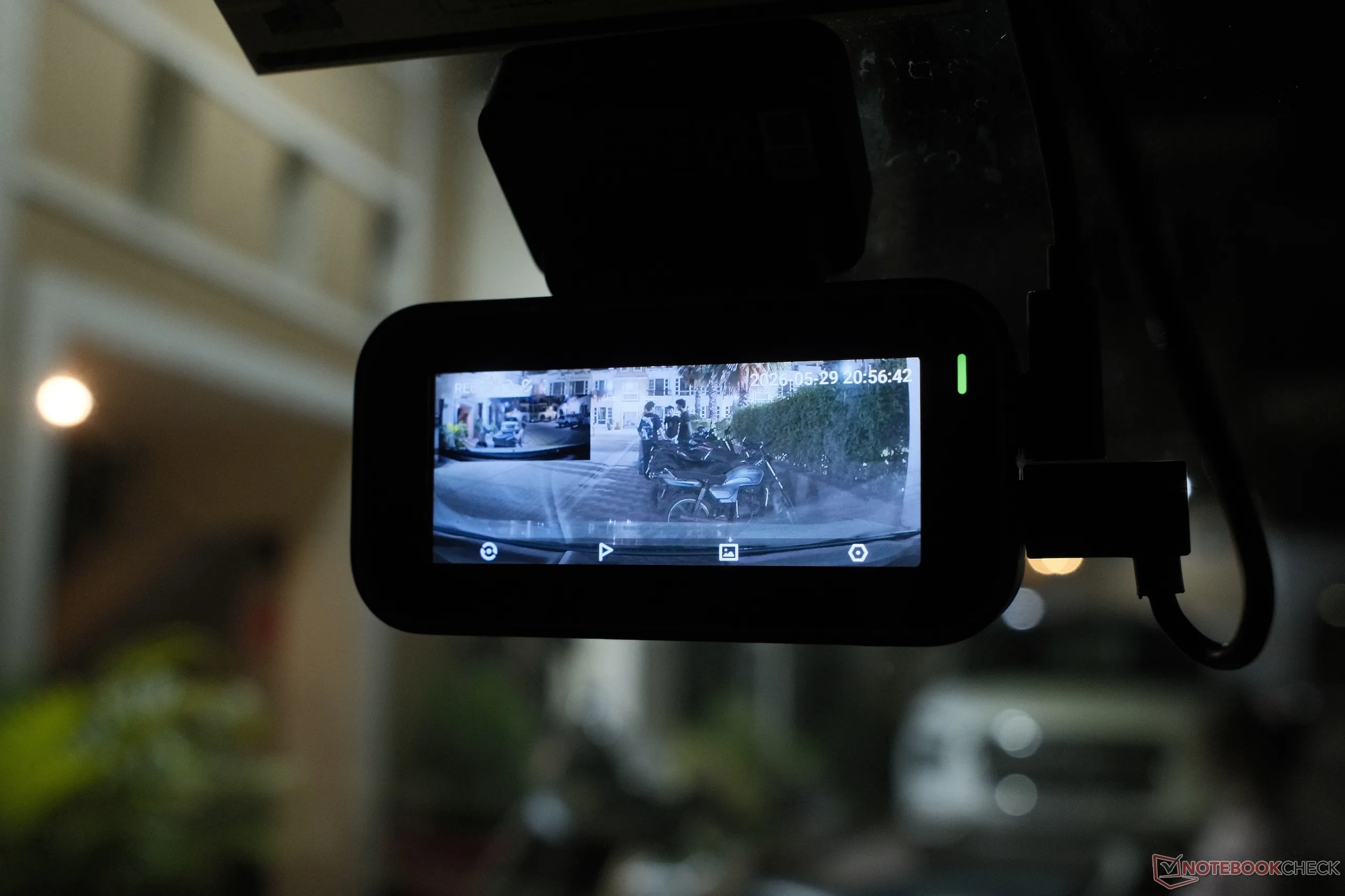
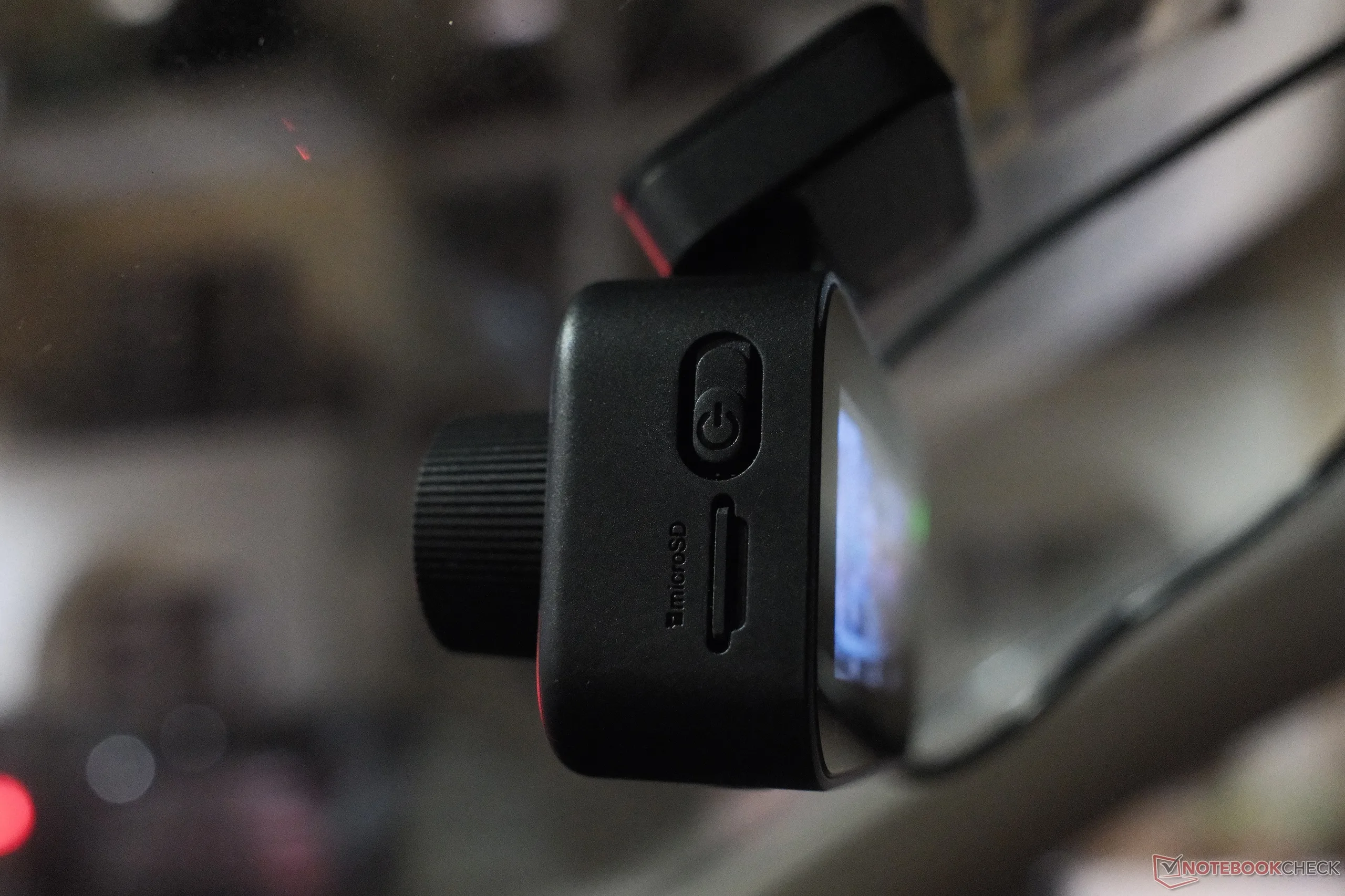
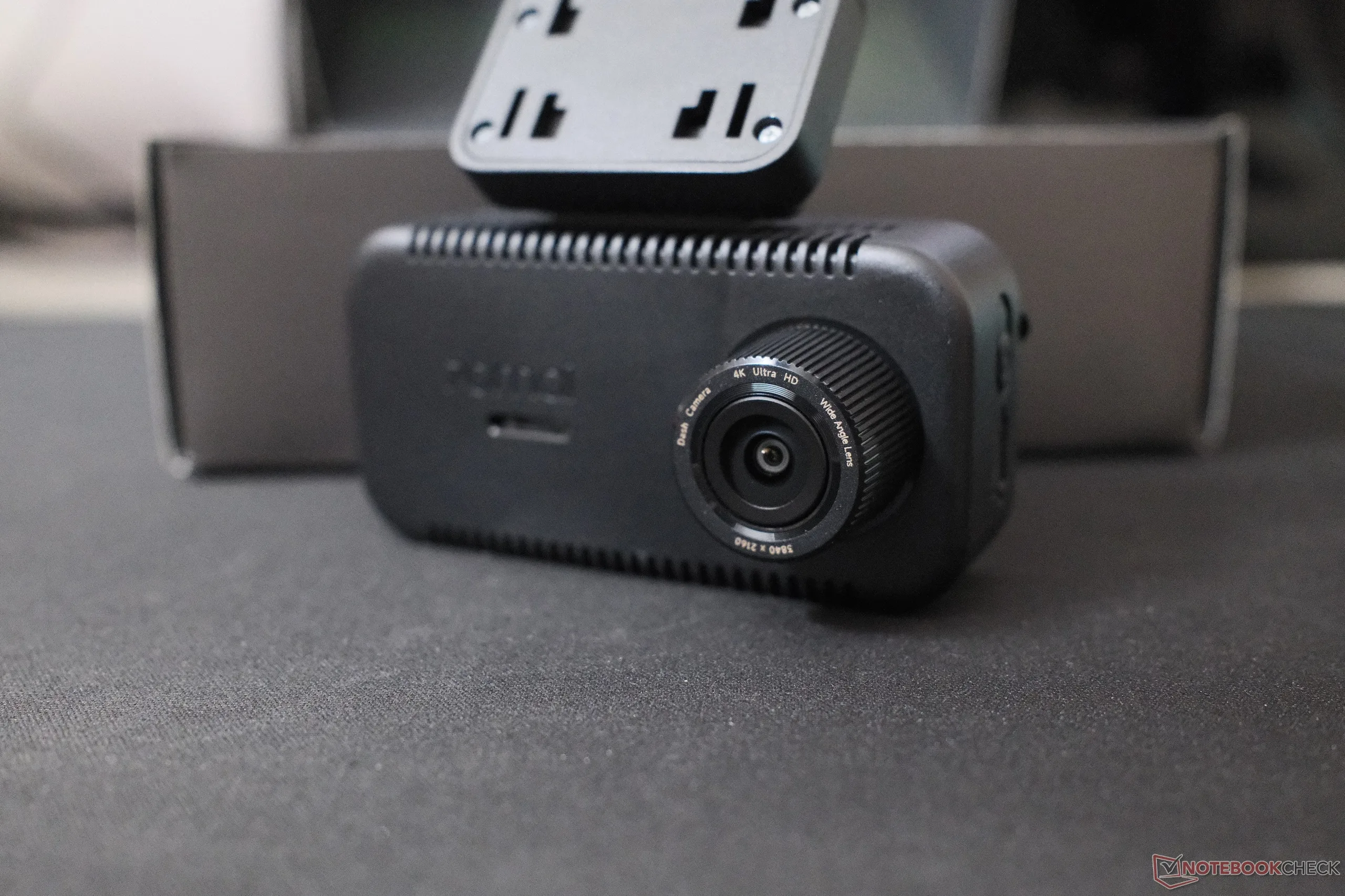
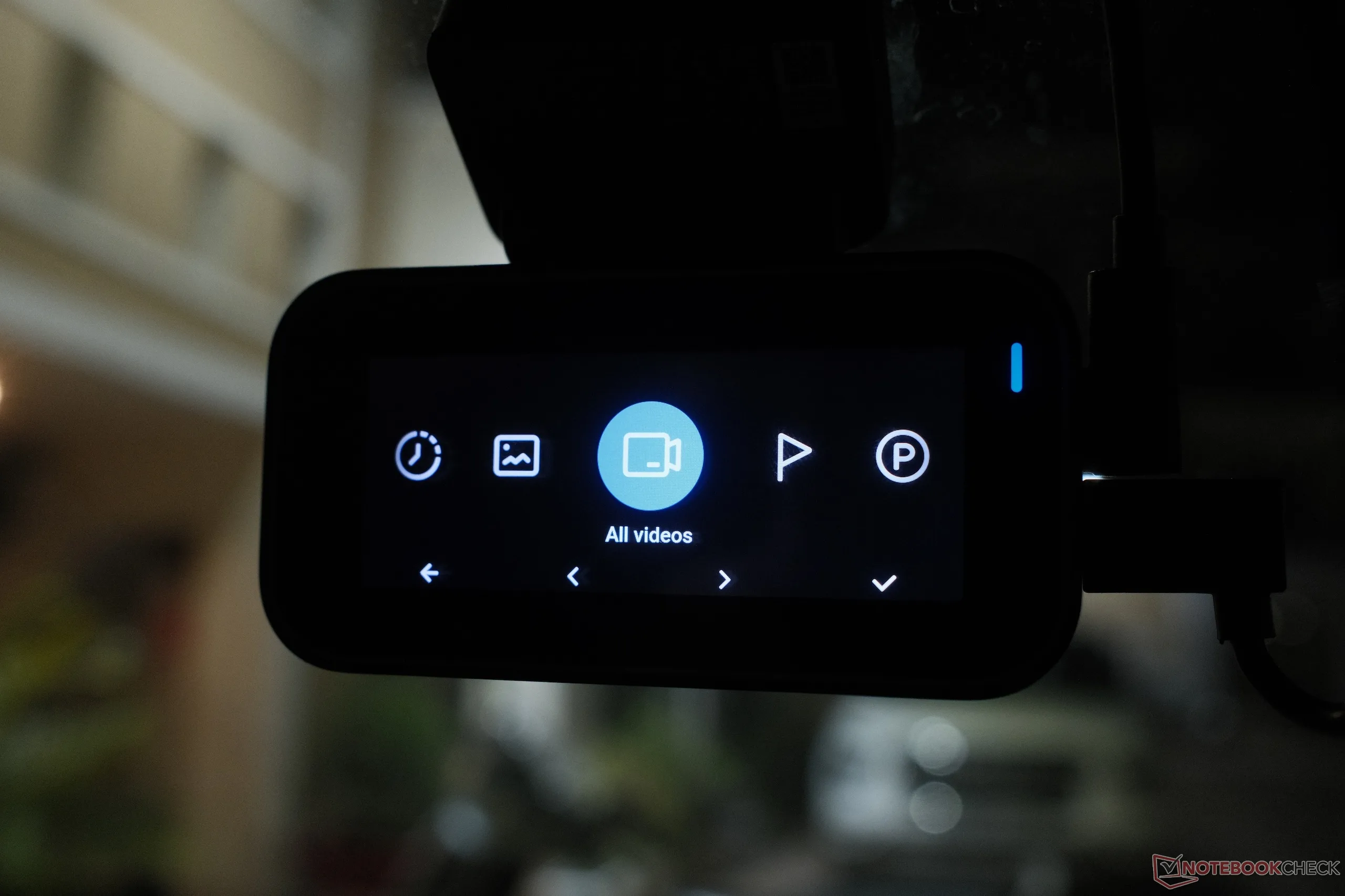
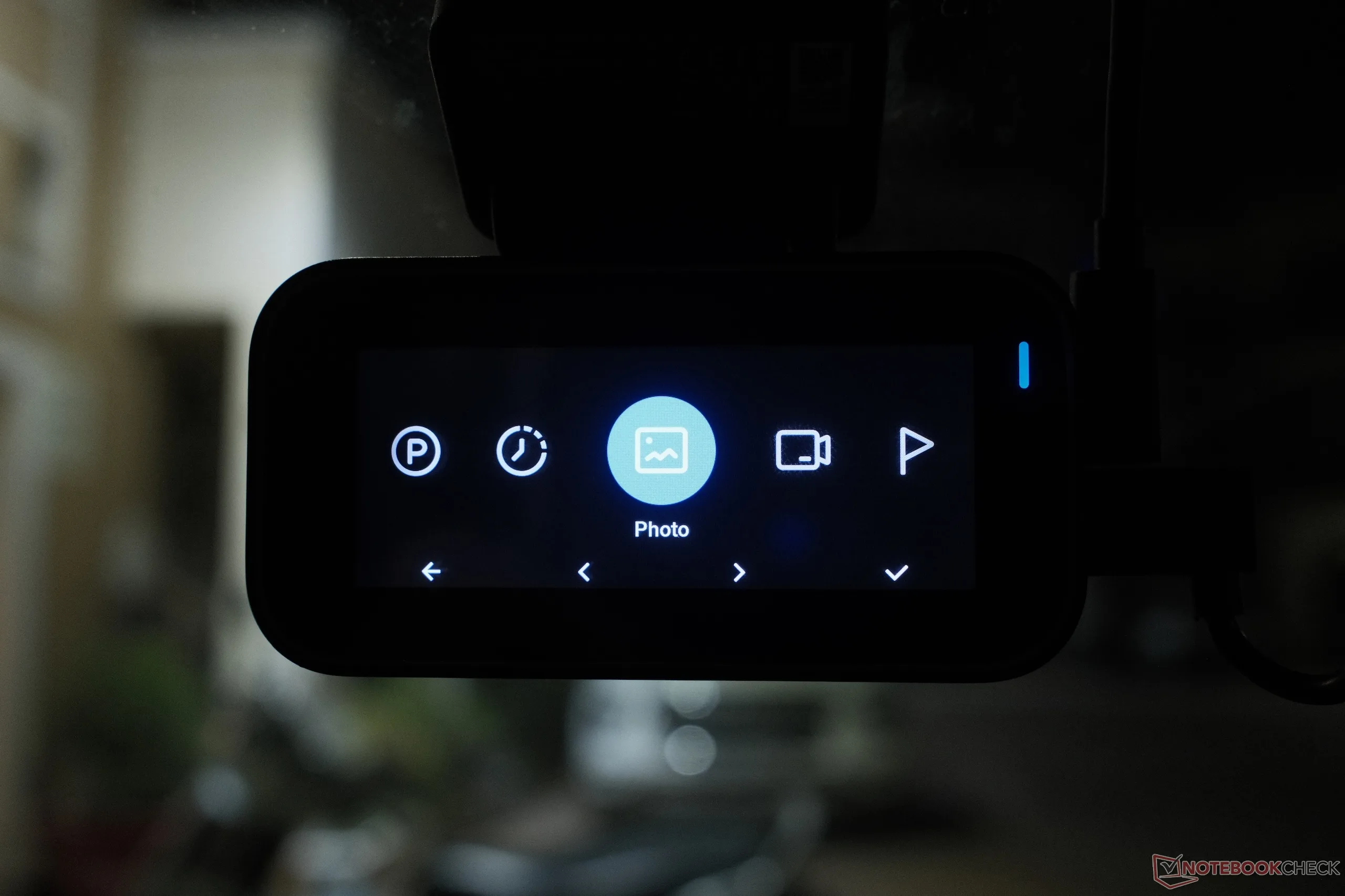
The 70mai 4K A810 Lite measures 91 x 46 x 24.4 mm, which makes it roughly the size of a standard bank card. Unlike entirely screenless alternatives (that require a smartphone app for every minor adjustment), this model gets a built-in 3.18-inch display. The case layout features three physical navigation buttons along the lower edge and dedicated USB-C ports for both main power input and the optional rear camera line. The chassis construction uses matte black plastic throughout. The dashcam has a simple appearance that easily hides behind (or below) a standard rearview mirror.
One key upgrade over previous 70mai hardware iterations is the transition to a supercapacitor power supply system. Replacing the traditional lithium-ion battery cell means the internal electronics can safely withstand extreme cabin temperatures up to 85°C. Thanks to this component change, the risk of battery swelling and damage are nearly eliminated, especially during summer parking sessions in countries like India (where our unit was being tested). Athough, it does mean the device shuts down instantly when primary vehicle power is cut unless paired with a hardwire kit.
Installation and setup - Clean routing with app synchronization
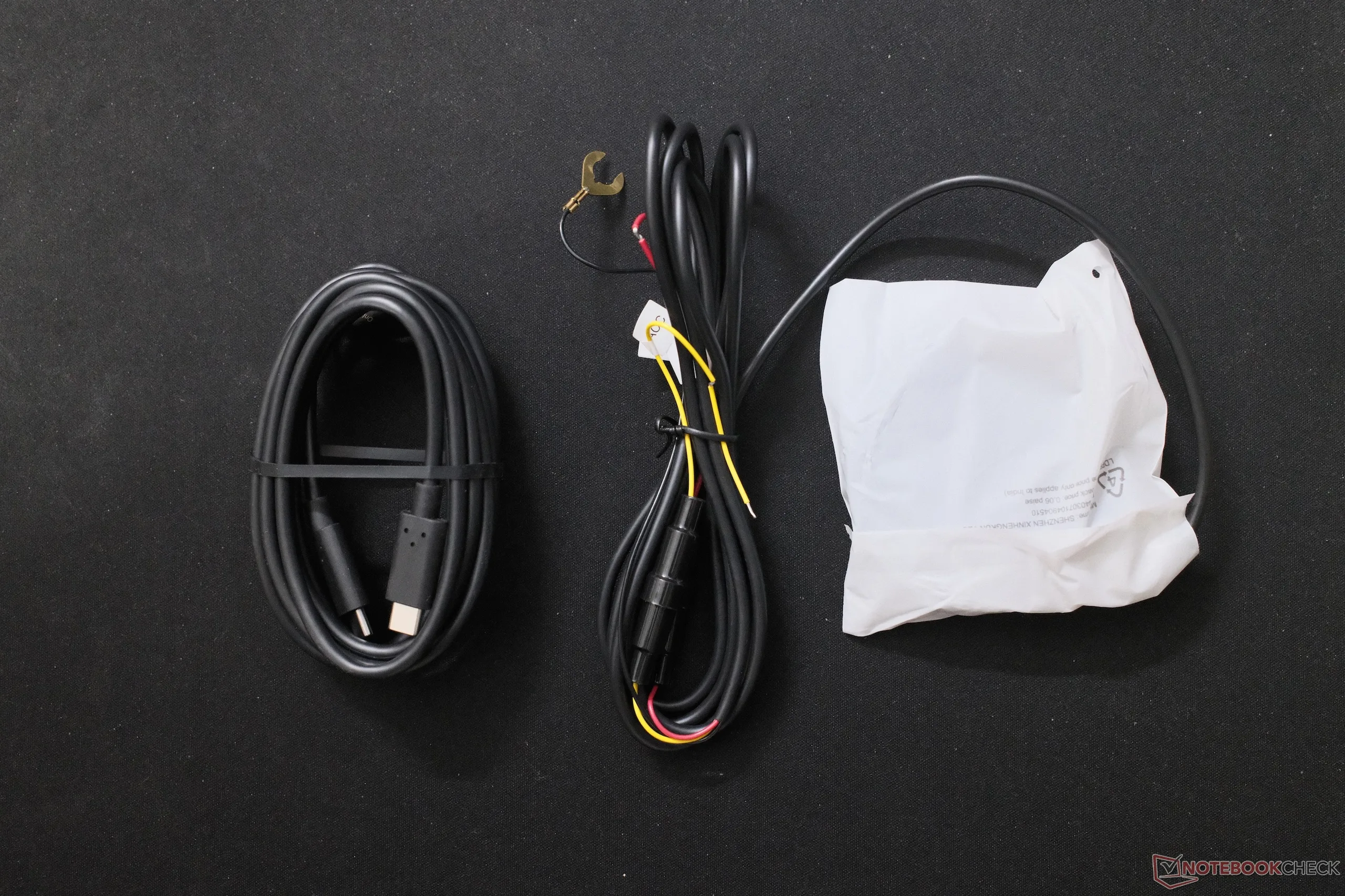
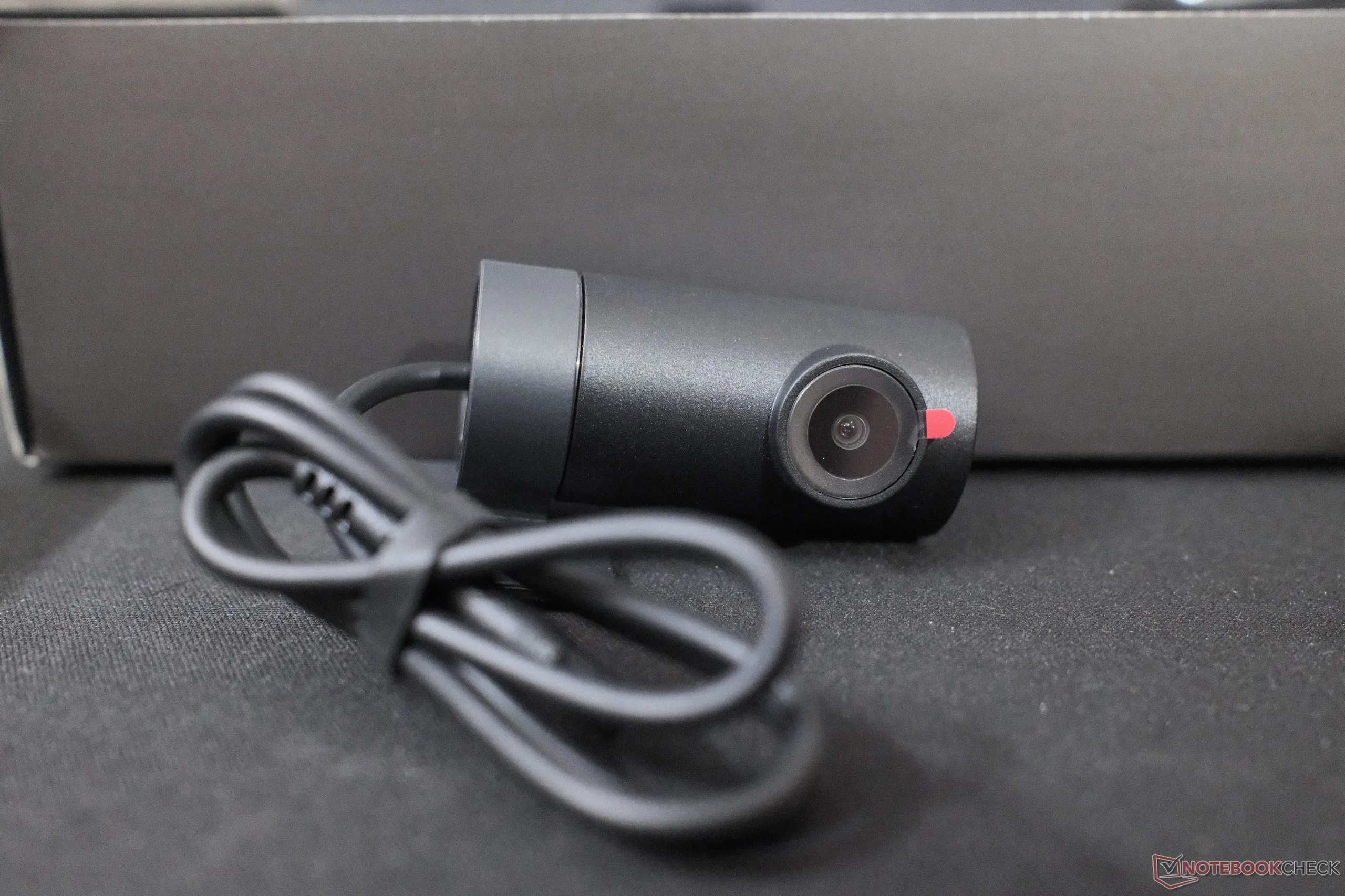
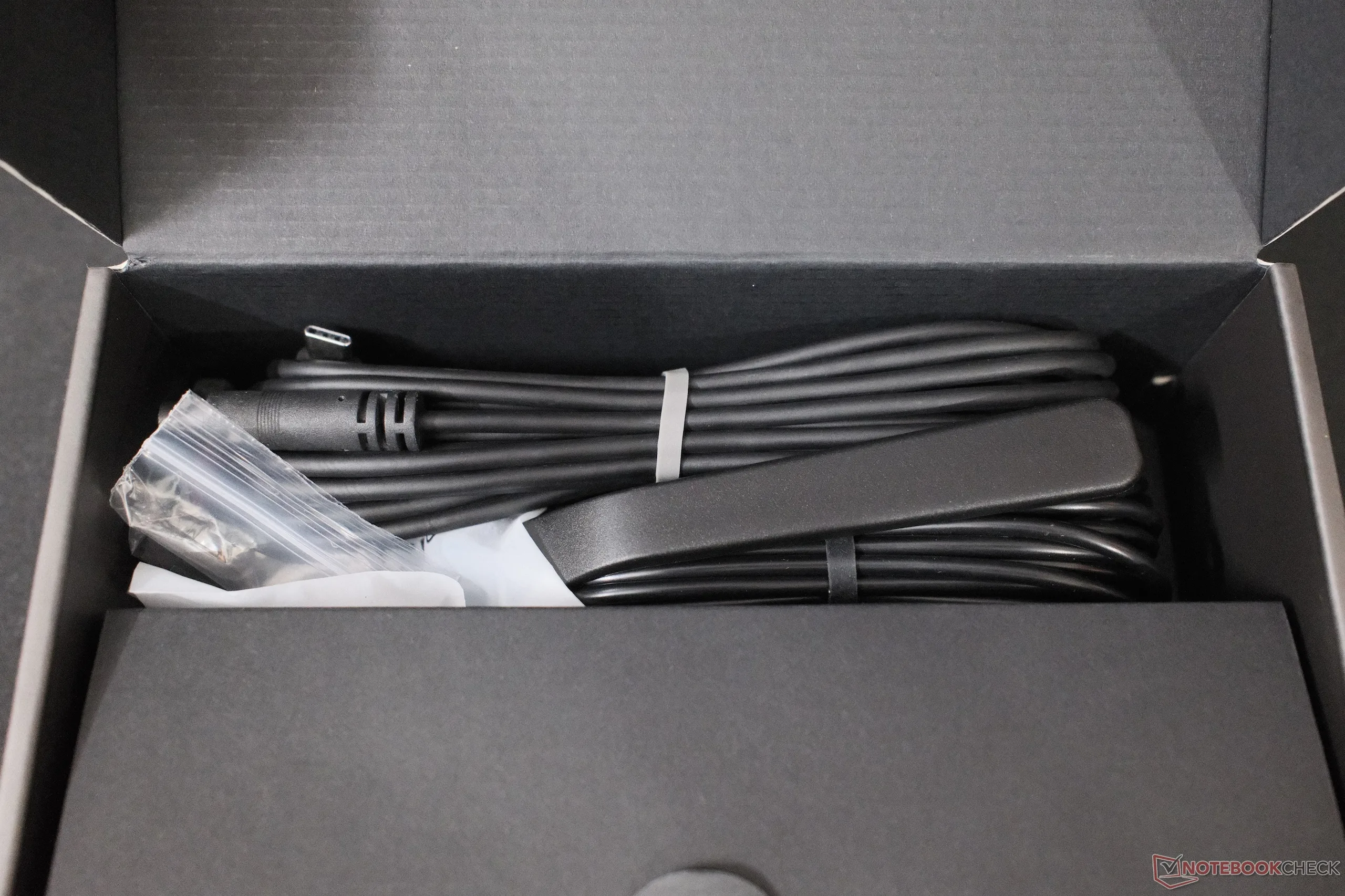
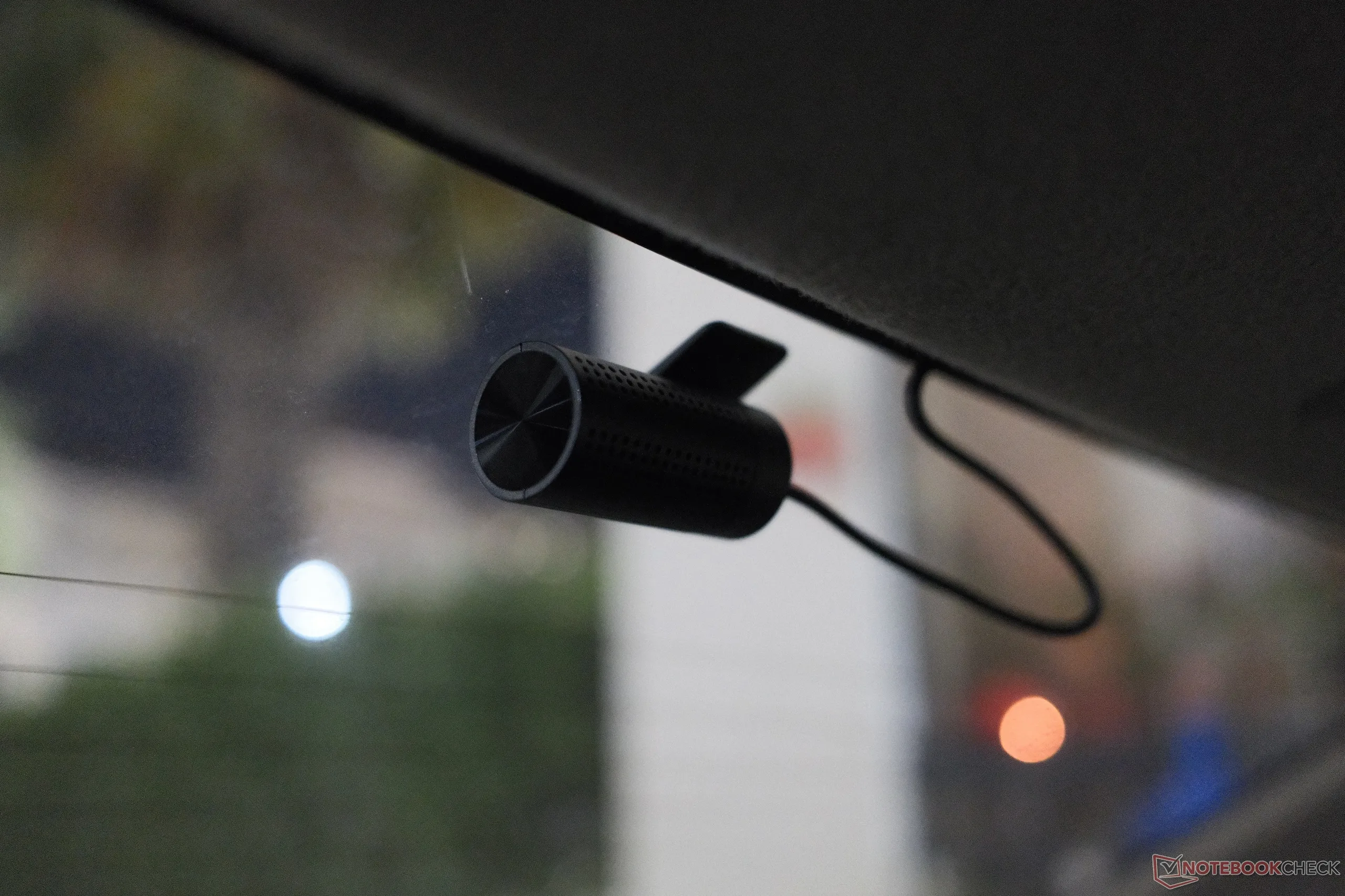
Mounting the primary unit involves an electrostatic sticker and an adhesive windscreen bracket. The camera body can be rotated manually along the vertical axis to set the correct recording angle, however, the hinge mechanism felt a little stiff during initial adjustment. Cable routing for the front camera is pretty straightforward using the included trim pry tool, but running the long coaxial wire to the small RC21 rear window camera takes more patience in vehicles with complex side-curtain airbags. We resorted to taking a professional's help for the same.
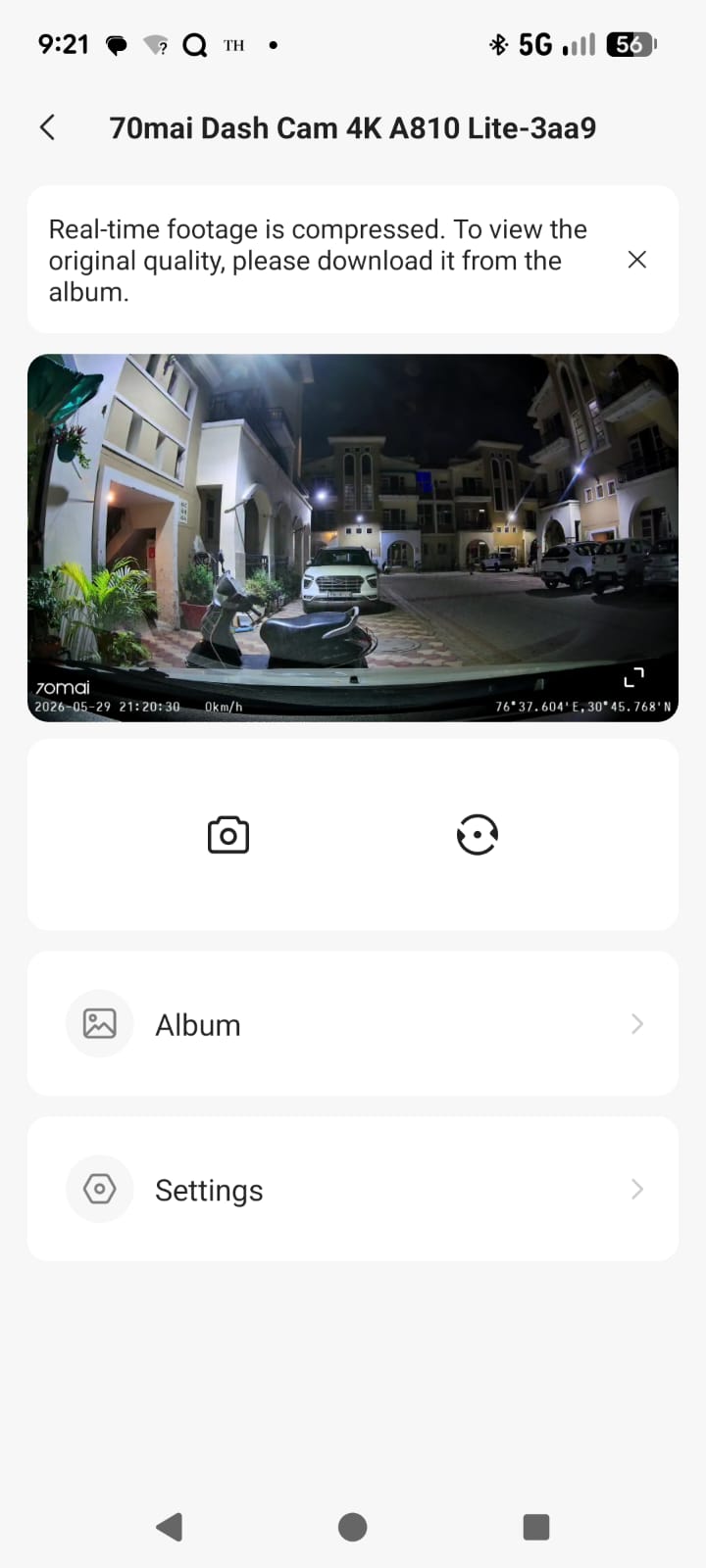
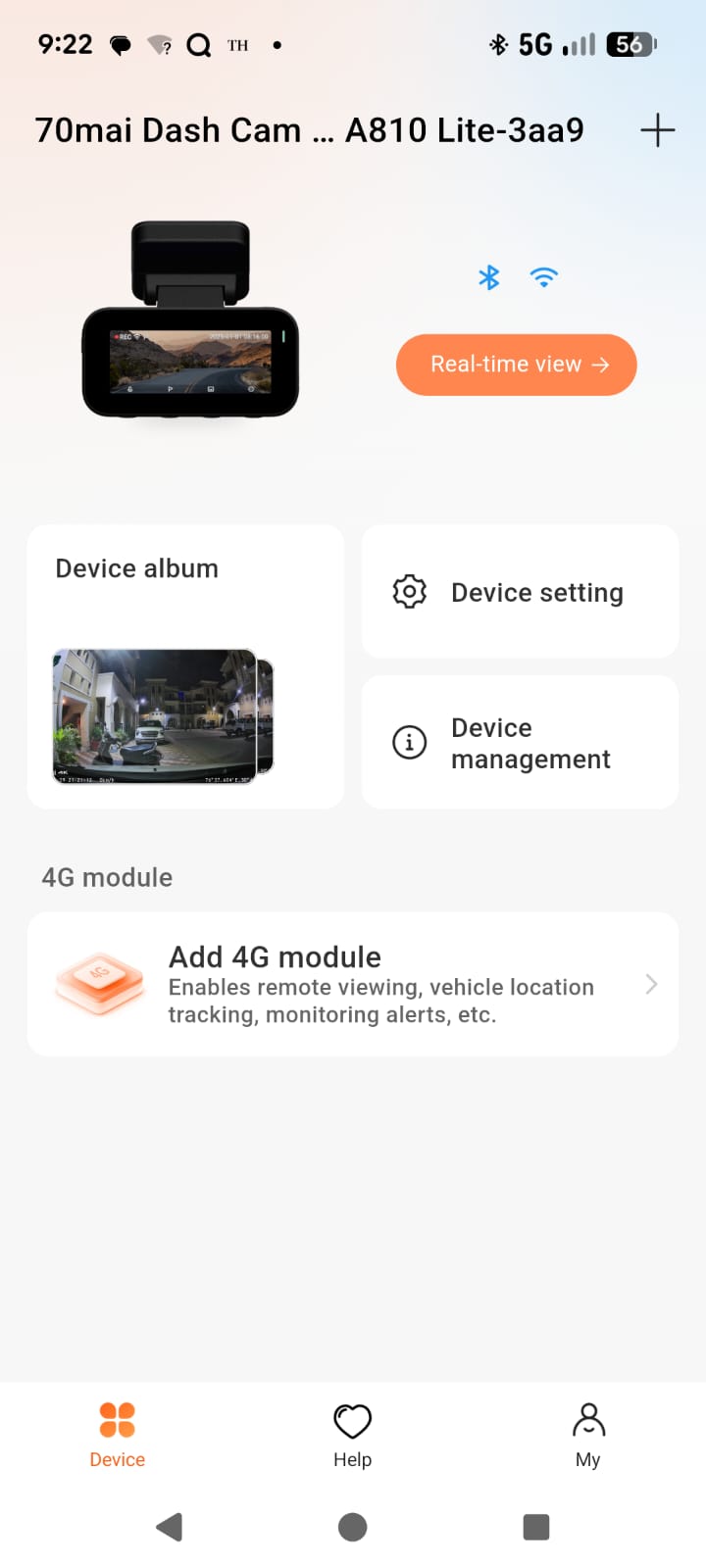
Initial device configuration completely bypasses manual time and date entry when synchronized with the companion smartphone application. The dashcam establishes a local wireless connection to pull geographic coordinates and synchronization data automatically. The mobile interface is quite clean, although users from some countries (like India) will struggle a little to set an account up. You can use the app to toggle resolution limits, change G-sensor impact thresholds, or update internal system firmware without menu hunting on the small built-in screen.
Smart features - Fast Wi-Fi and robust parking backup
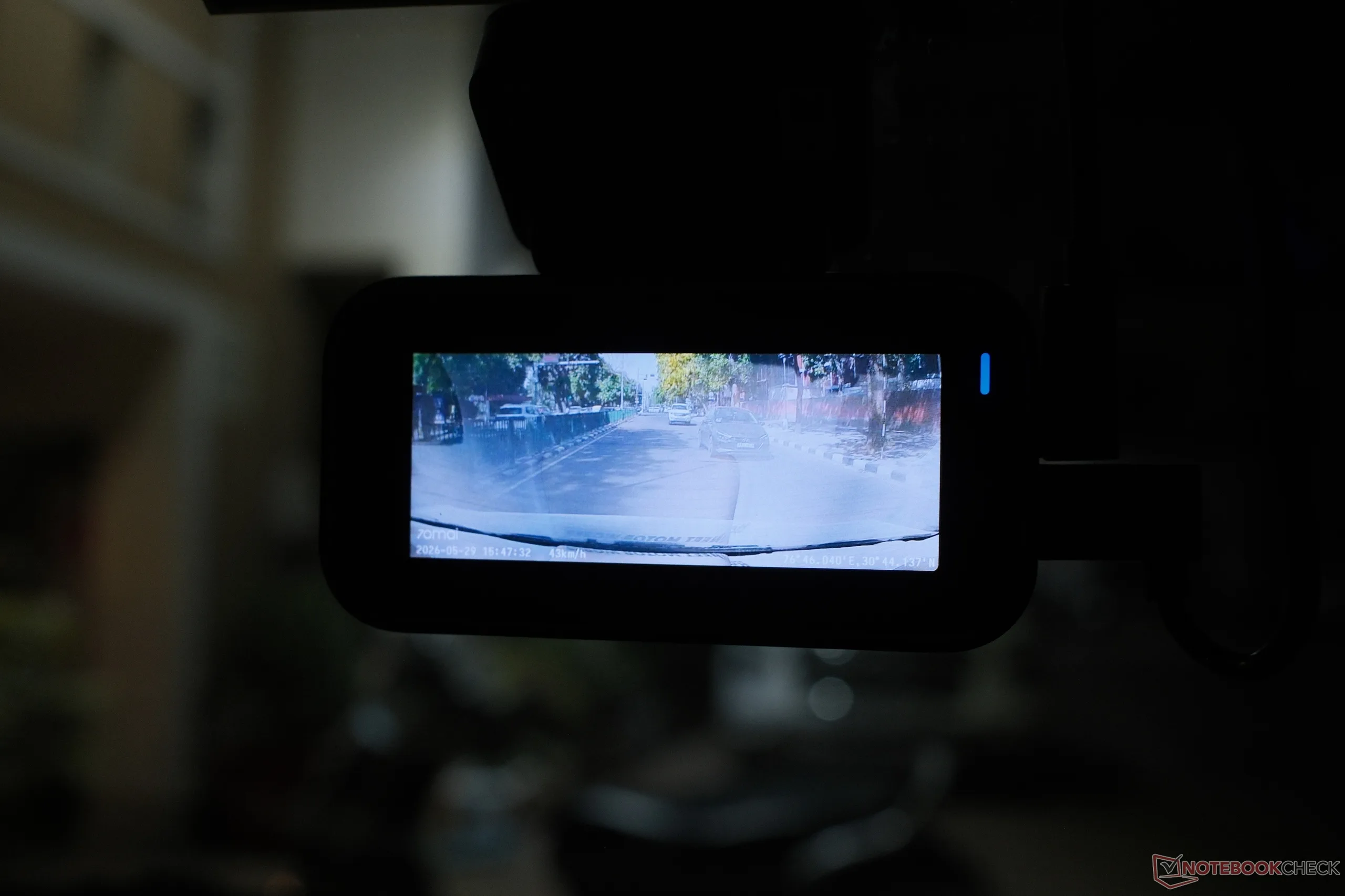
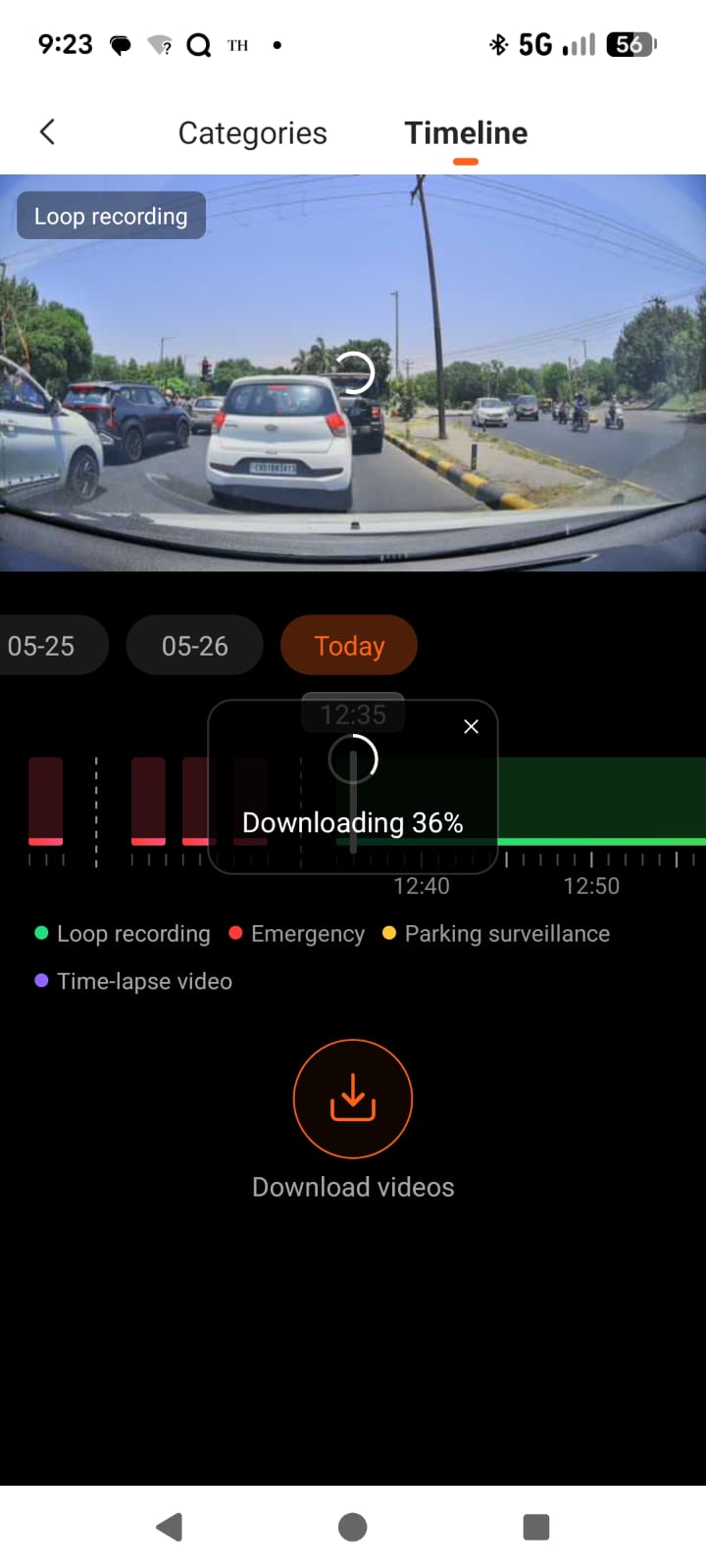
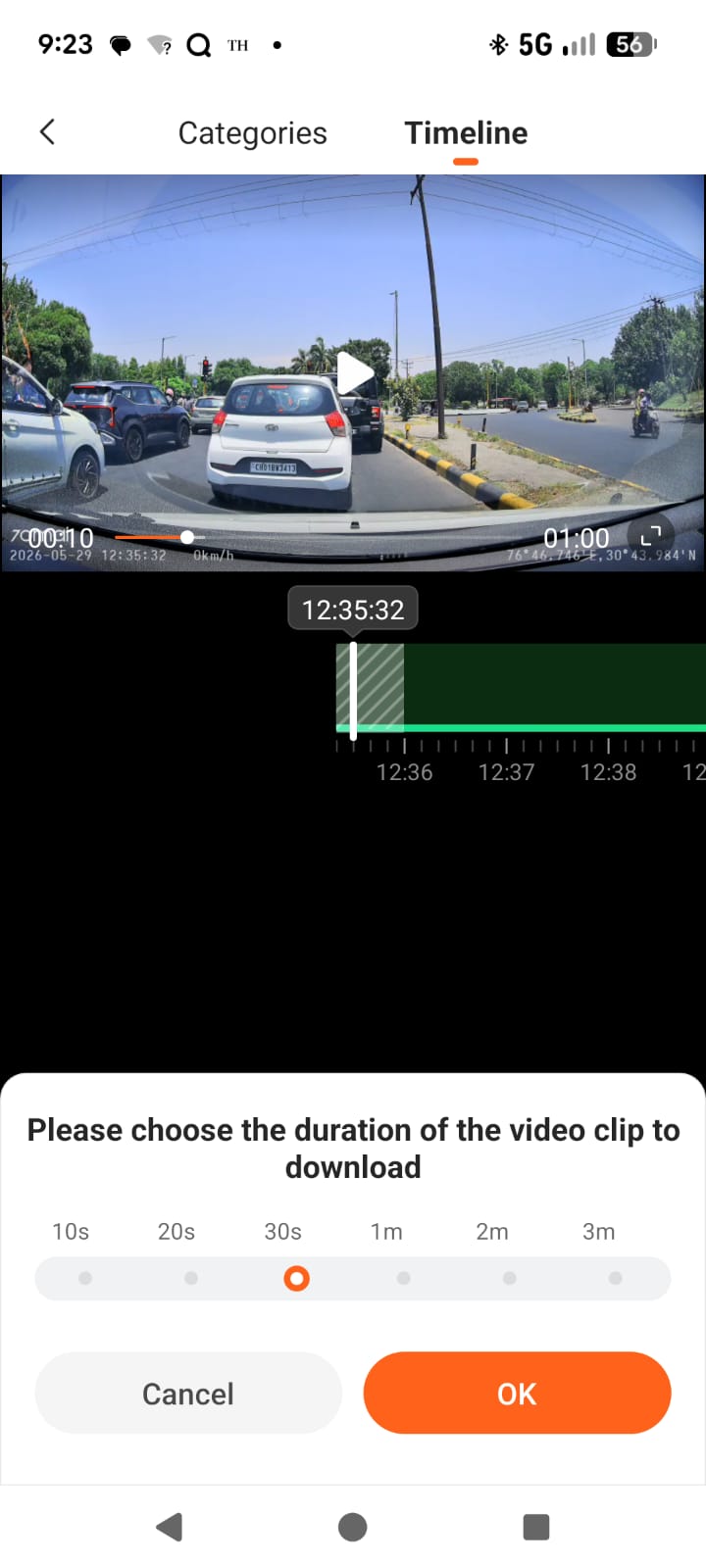
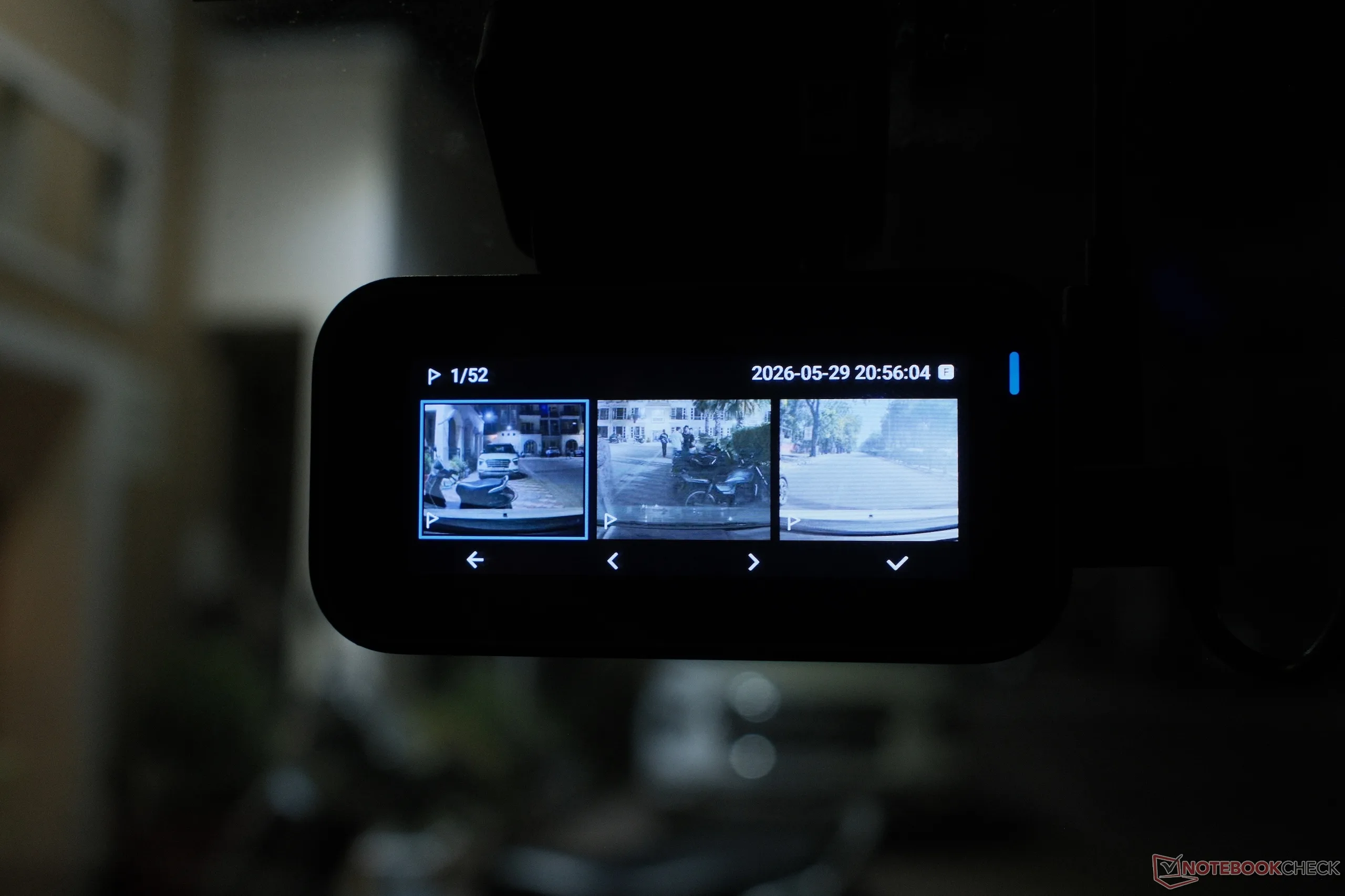
Data offloading is very fast, thanks to dual-band Wi-Fi 6 hardware. The dashcam supports both 2.4 GHz and 5 GHz wireless bands, achieving solid real-world download speeds when transferring large 4K video clips directly to a smartphone. The internal GPS logger operates reliably. It embeds speed readouts and exact geographic coordinates directly onto the video files for insurance verification purposes (see below).
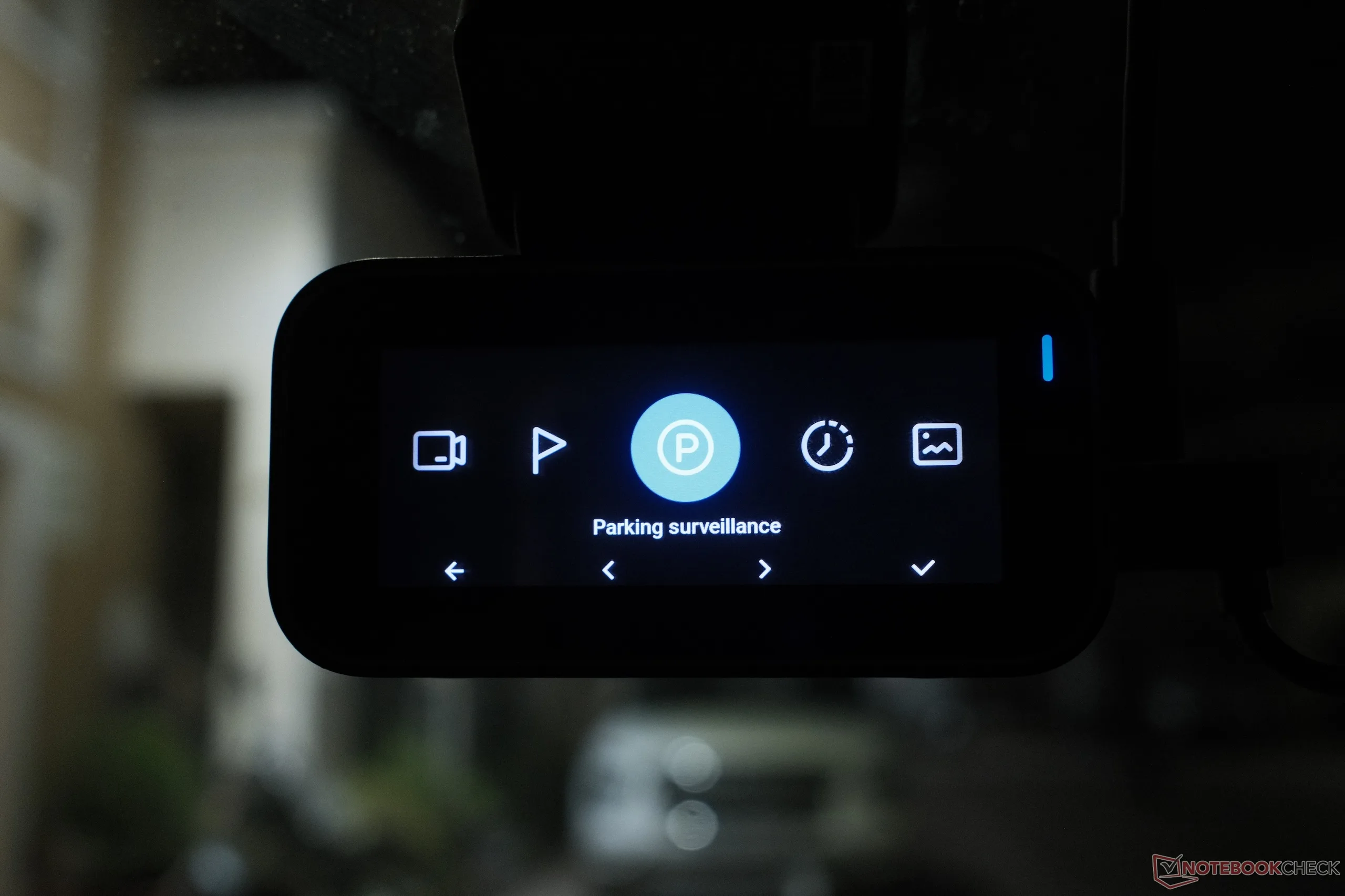
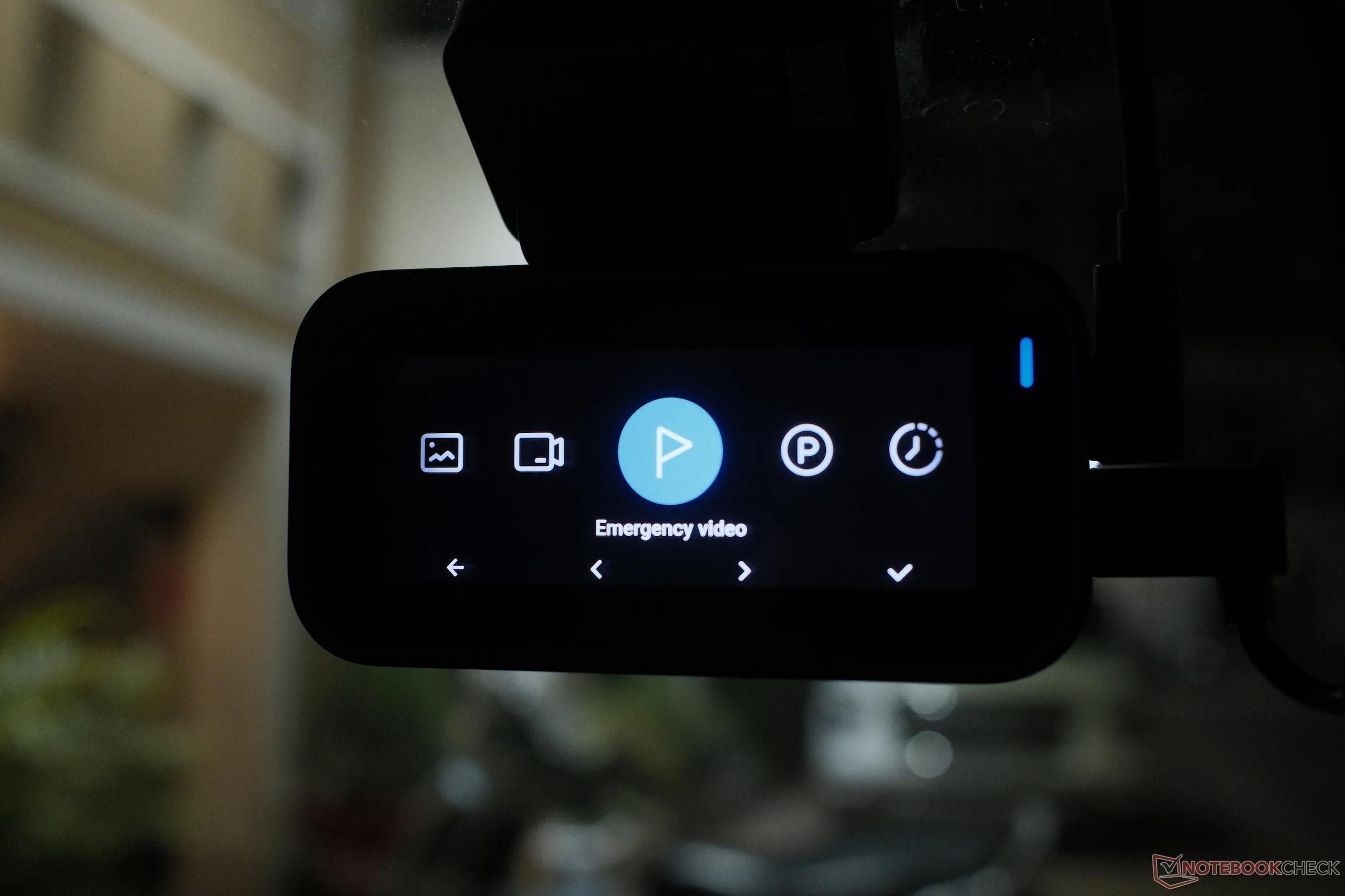
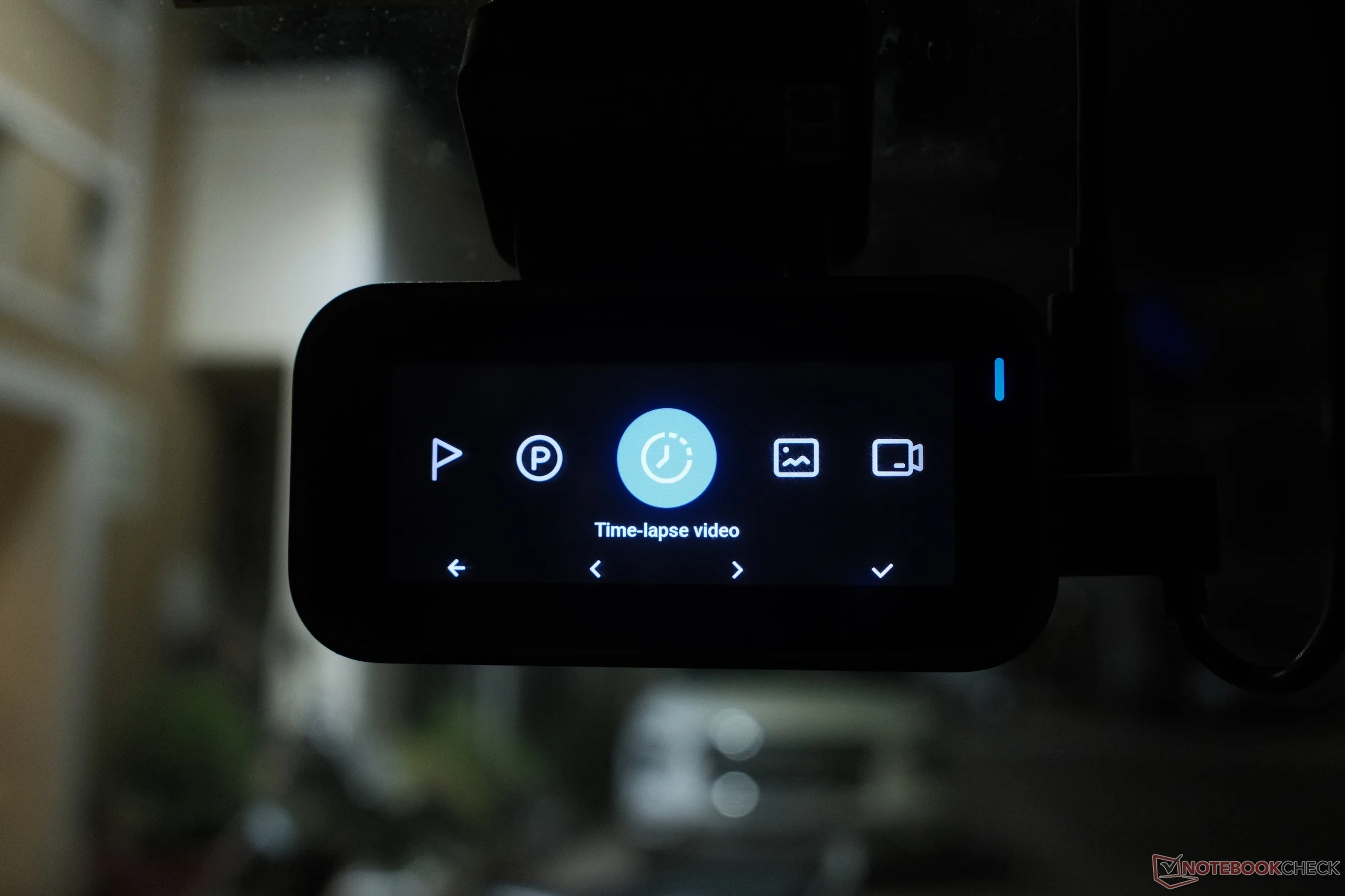
Advanced surveillance options become available when the unit is paired with an optional 4G hardwire kit; however, this wasn't possible with the vehicle used to test our unit. This connection enables buffered emergency recording, which automatically saves a clip starting several seconds before an impact sensor trigger. The camera also supports a time-lapse parking guardian mode that compresses hours of footage down to manageable intervals. However, users must monitor their vehicle battery cutoff thresholds within the application to prevent deep discharge during extended storage.
Conclusion
For $149.99, the 70mai 4K A810 Lite is an easy recommendation for those who prioritize crisp front-facing video and reliable thermal performance. Its dual-channel frame rate drops and weaker rear night optics are noticeable trade-offs, but they fail to overshadow the value packed into this discreet dual-lens system.
Transparency
The selection of devices to be reviewed is made by our editorial team. The test sample was given to the author by the manufacturer free of charge for the purposes of review. There was no third-party influence on this review, nor did the manufacturer receive a copy of this review before publication. There was no obligation to publish this review. As an independent media company, Notebookcheck is not subjected to the authority of manufacturers, retailers or publishers.
 Add as a preferred source on Google


