




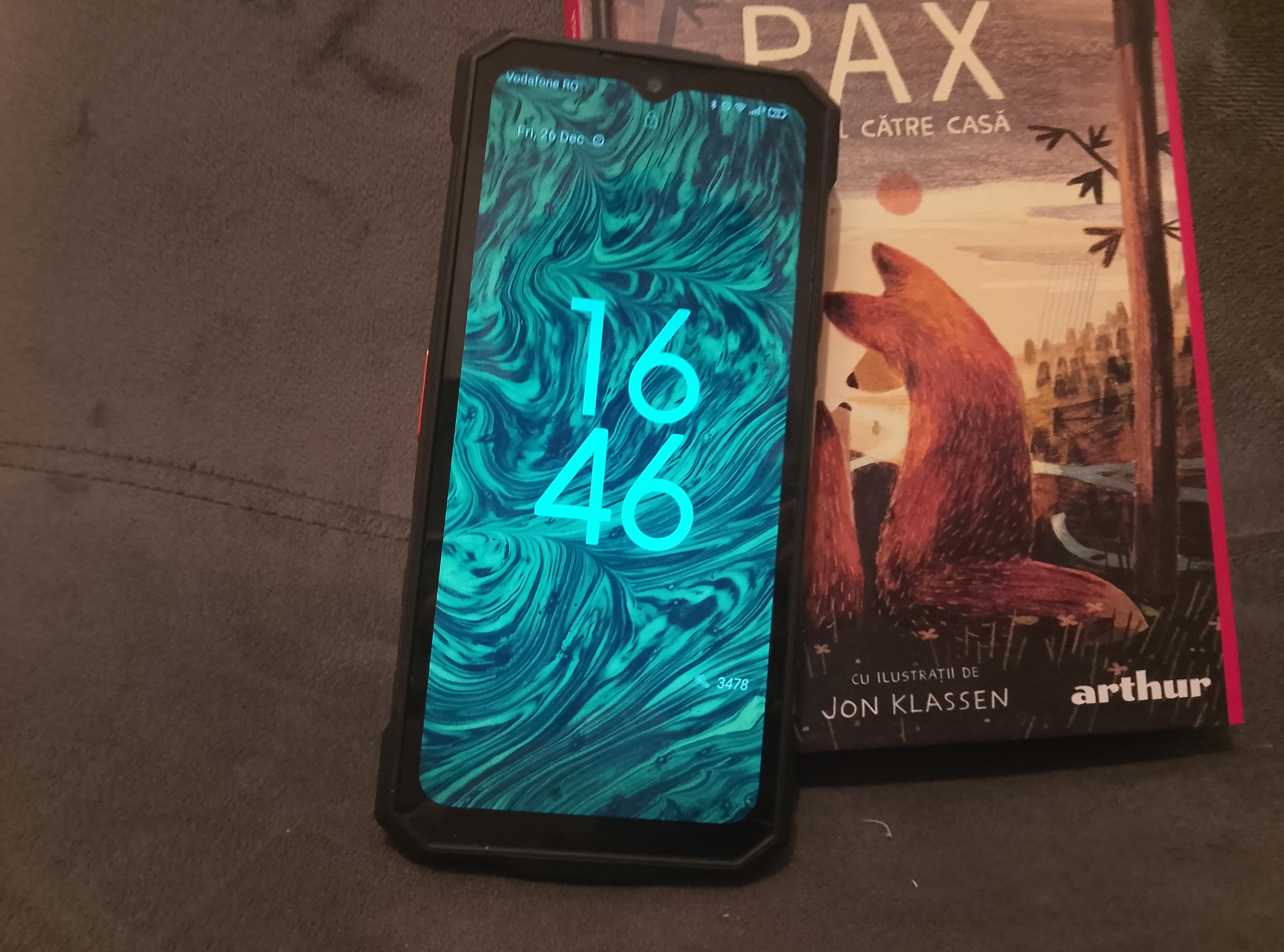
Doogee Fire 7 Pro 13,000-mAh smartphone hands-on
Sergey Tarasov Published 🇫🇷 🇪🇸 ...
In addition to its big 13,000 mAh internal battery, this new rugged Doogee smartphone (curr. $319 directly from Doogee) offers dual-SIM 5G, a night vision camera, a bright integrated flashlight on its back, a "gloves on" mode, a notification LED up front, a dedicated button enabling quick access to a selection of features, and more all working to help it distance itself from a generic smartphone selling for $200 to $300.
More Doogee reviews:
Pros
Cons
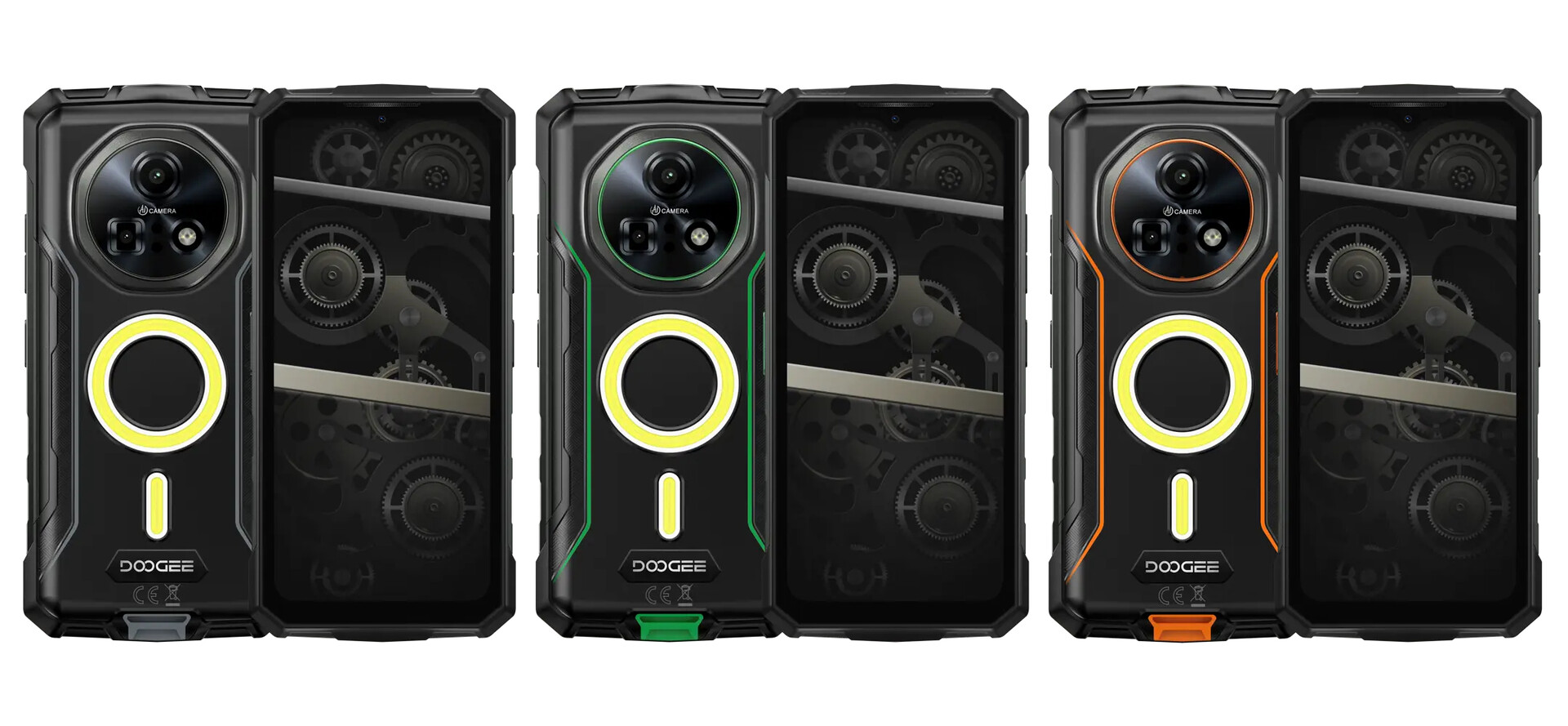
Doogee Fire 7 Pro Specifications
Case. Connectivity. Features
The Fire 7 Pro is about twice as thick as your typical 2025 smartphone, and twice as heavy. Its rubberized plastic casing is more comfortable to hold and use than one might expect, however. With slightly smaller-than-average male hands, at least, it is.
There is a thin and barely noticeable screen protector pre-applied.
Two consecutive drops on hard concrete flooring, carried out intentionally from adult hip height, or ~1 meter, did nothing to hurt the test Fire 7 Pro's exterior, with no scuffs or scratches evident upon a close inspection. The test unit can be used in the rain perfectly well and washed in the shower, too.
Its only port resides on the bottom. This is a USB-C 2.0 port, covered with a flap. Copying a 400-MB file to an Intel Evo machine running Windows 10 took 18 seconds.
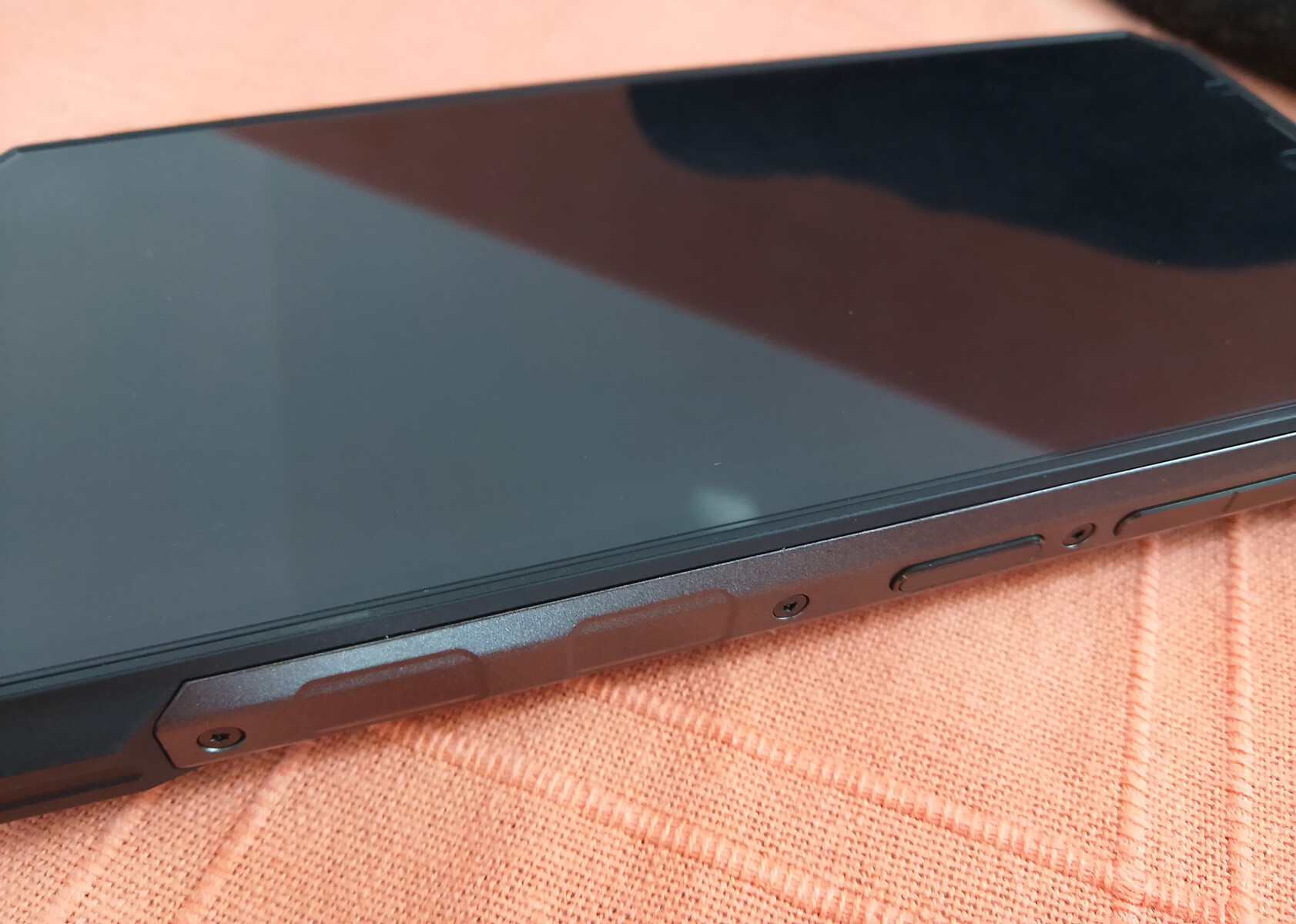
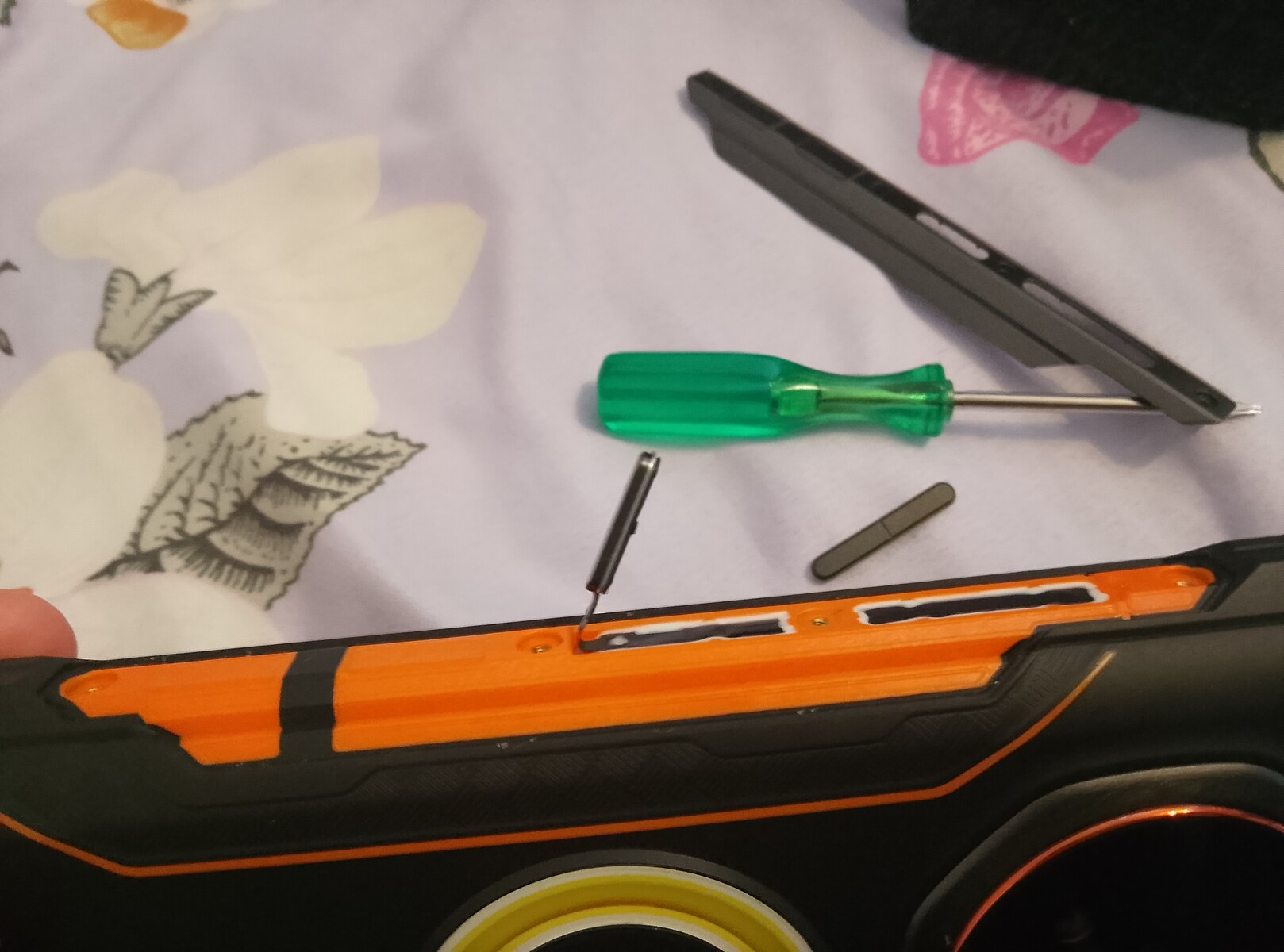
Found on the phone's left-hand side is a SIM card tray with carvings for 2 nano-SIM cards and one micro-SD card. Getting it out of its slot proved more challenging than expected. One has to pry open a small flap first, which can be difficult to accomplish with nails alone. Then, the tray itself has to be pried out of its slot. There is a small r-shaped element on its outer portion for this that sticks out just a little. The unusual-looking SIM tray tool found in the box helps in both cases.
When on, the 2 LED modules found on the Fire 7 Pro's back emit fairly bright cold white glow. For controlling their brightness (base 20 % to full 100 %) as well as behavior (regular mode; blinking in a rapid succession; transmitting the international SOS signal), there is a dedicated app pre-installed but in practice, it's easier to use the Android quick access menu instead that runs the lights - which Doogee calls Camping Light - at a steady brightness of around 50 %. This is bright enough for the user to do normal-life things in a really small room, think 7 or 8 square meters small. Even at 100 %, the brightness is still only just sufficient for properly lighting up smaller rooms; 11 or 12 square meters, at best. One decent 230-V LED light bulb appears exactly as bright.
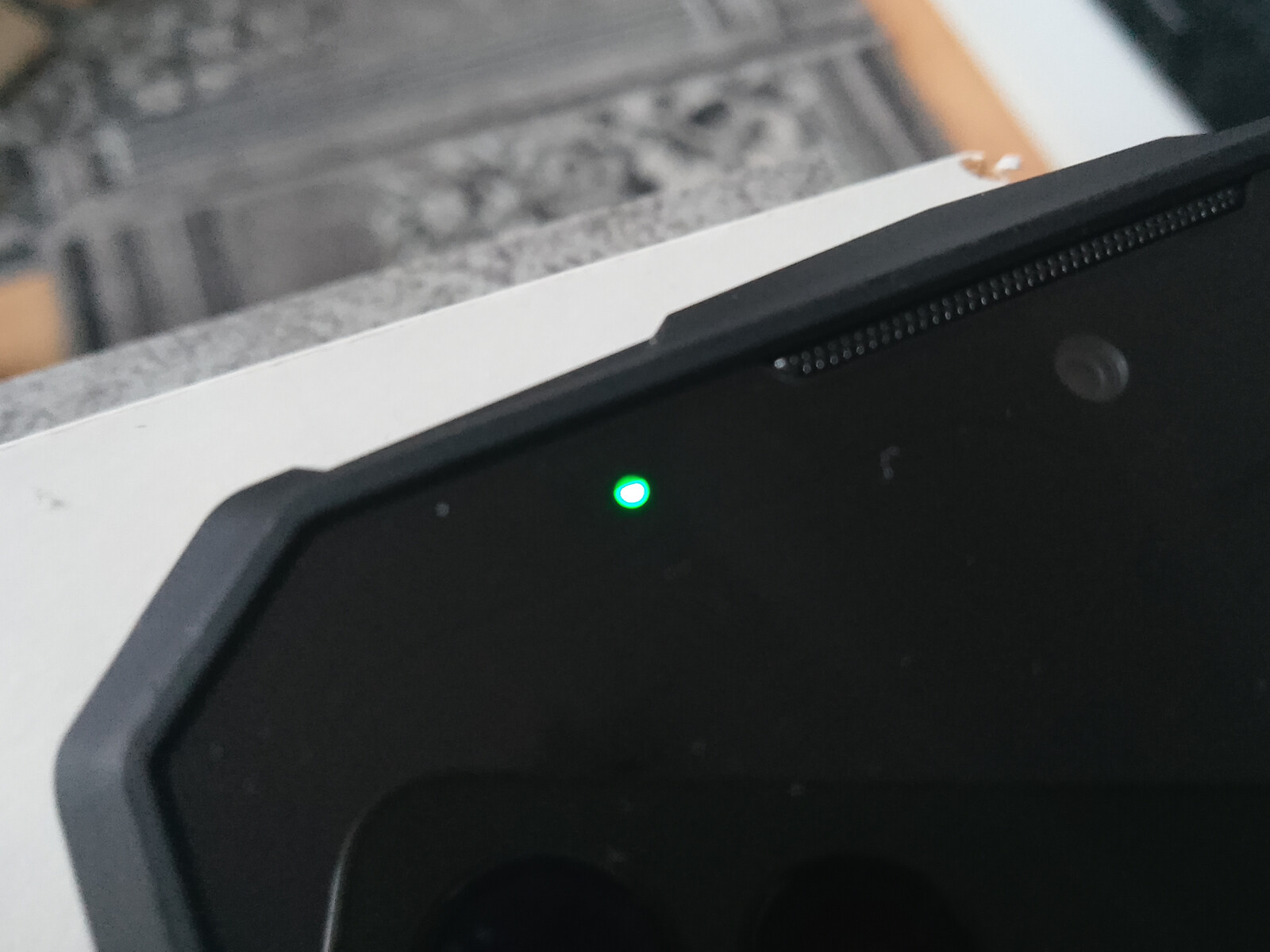
Last but not the least, there is a very small indicator LED on the front of this Doogee product, right above the display, letting the user know if/when the battery is low (or charged, or charging), if there are notifications waiting to be read, and more.
POC intercom
Doogee puts some special emphasis on the built-in software walkie-talkie feature, designed to enable seamless voice communication with colleagues and friends alike.
The feature is only available on select Doogee smartphones as of December 2025 - the Fire 7 Pro being one such model - and requires Internet connection to work.
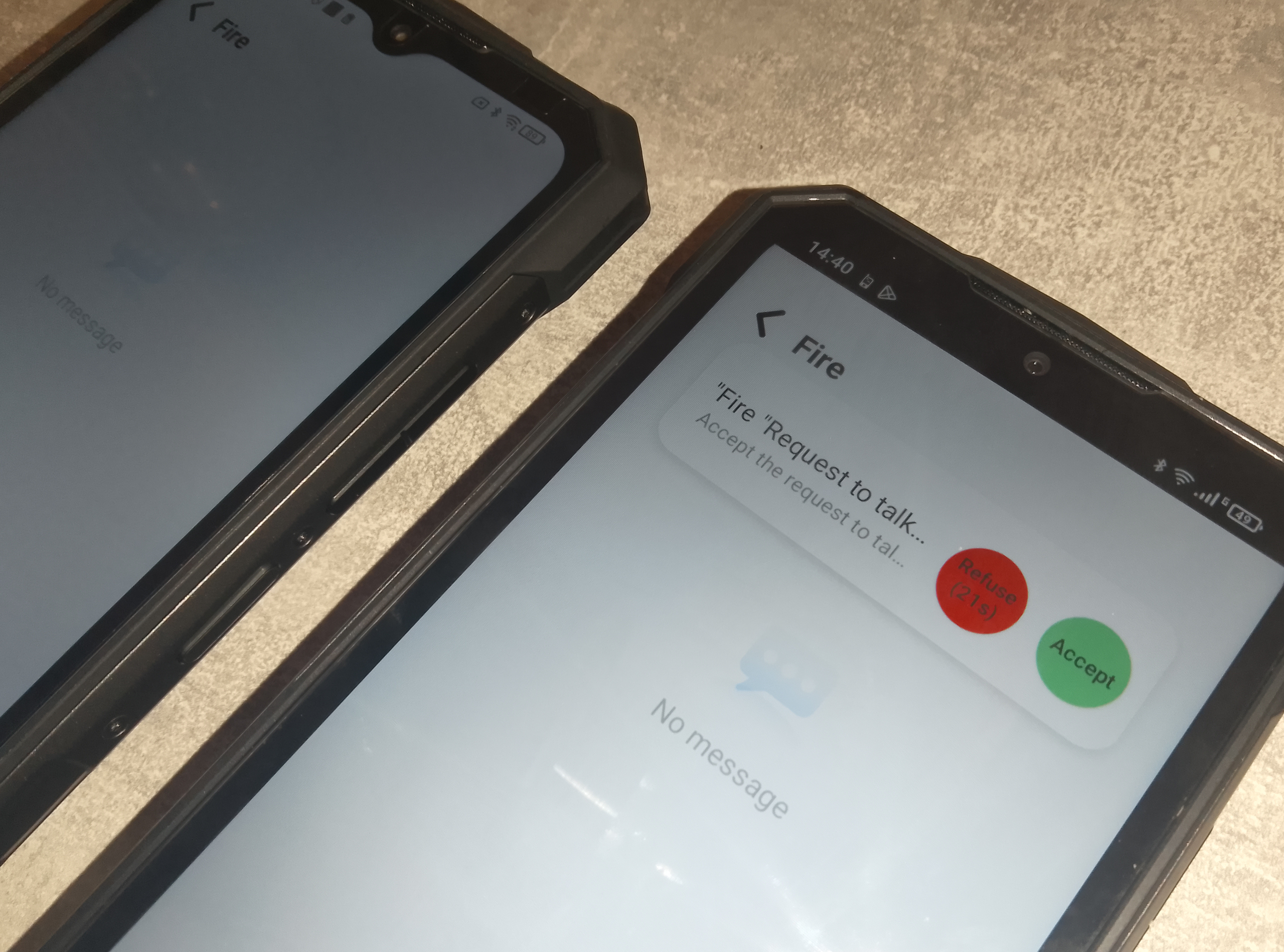
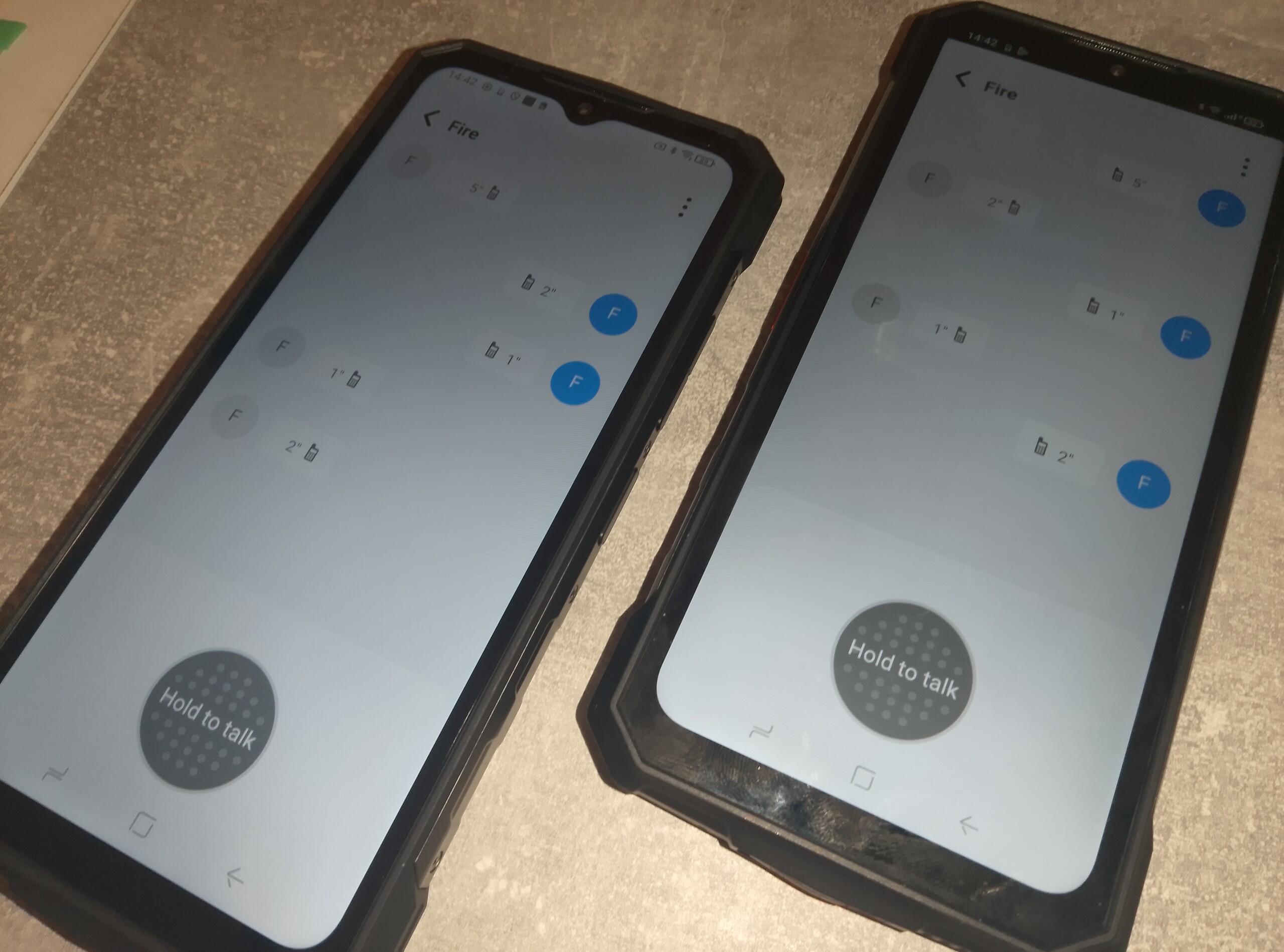
Basically, after two or more phones are "paired" which involves pressing "Request to talk" and then accepting, the users get to send each other high-quality enough voice messages. Tapping the "Hold to talk" button starts the recording. Taking the finger away sends the message. You can also create groups and send SOS alerts to contacts, which should include your current location.
The custom action button can be set to quickly launch the intercom app, something regular smartphones do not offer.


Software - Android 15 with Doogee customization
The Android 15 build installed here isn't pure Android, with multiple tweaks here and there, many of them designed to let the user customize their experience to a much greater degree than the average smartphone.
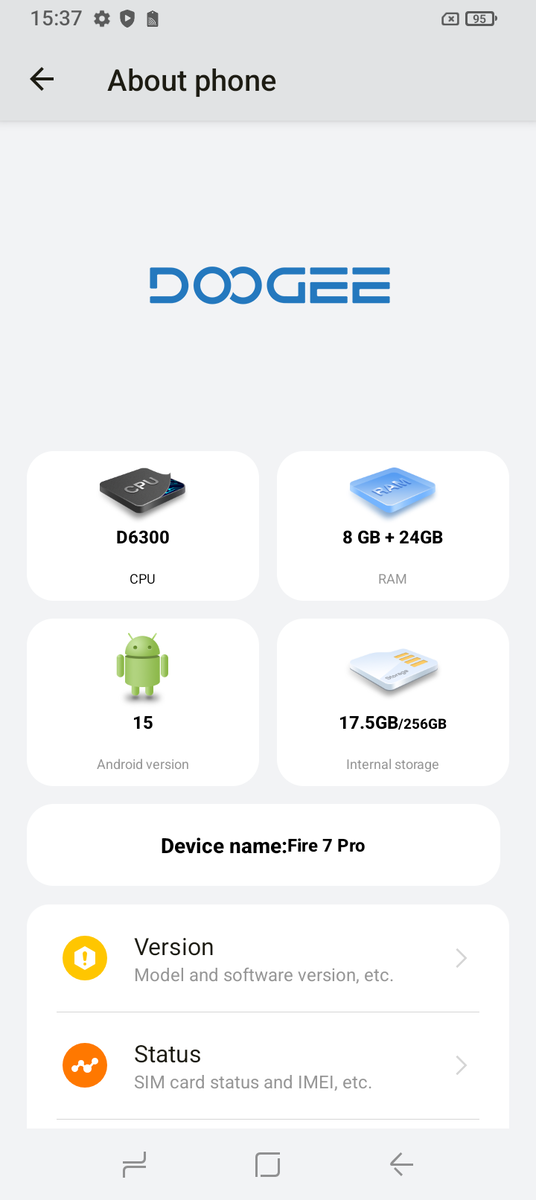
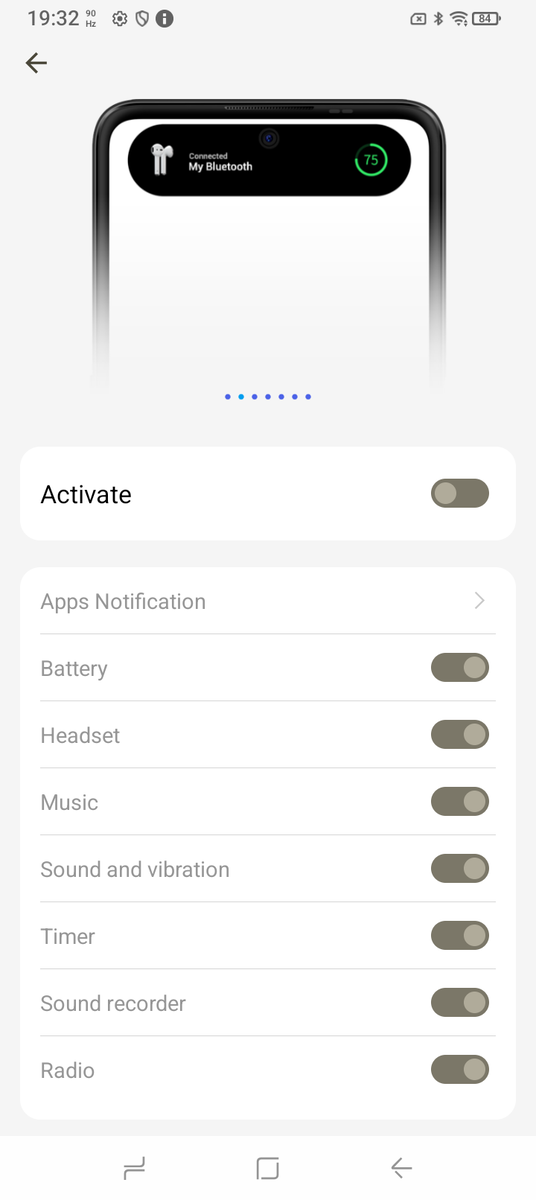
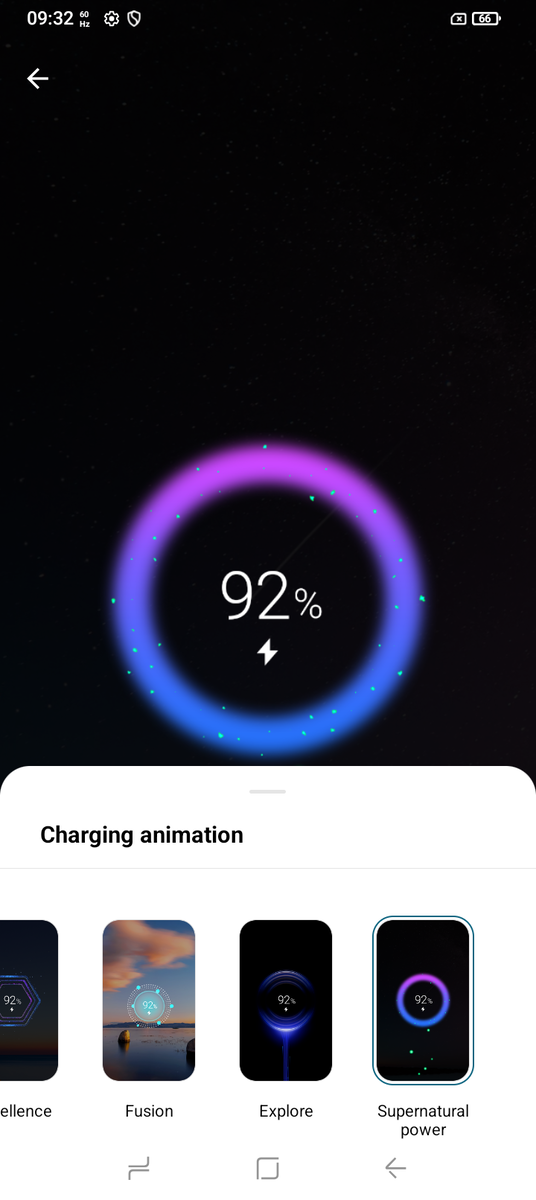
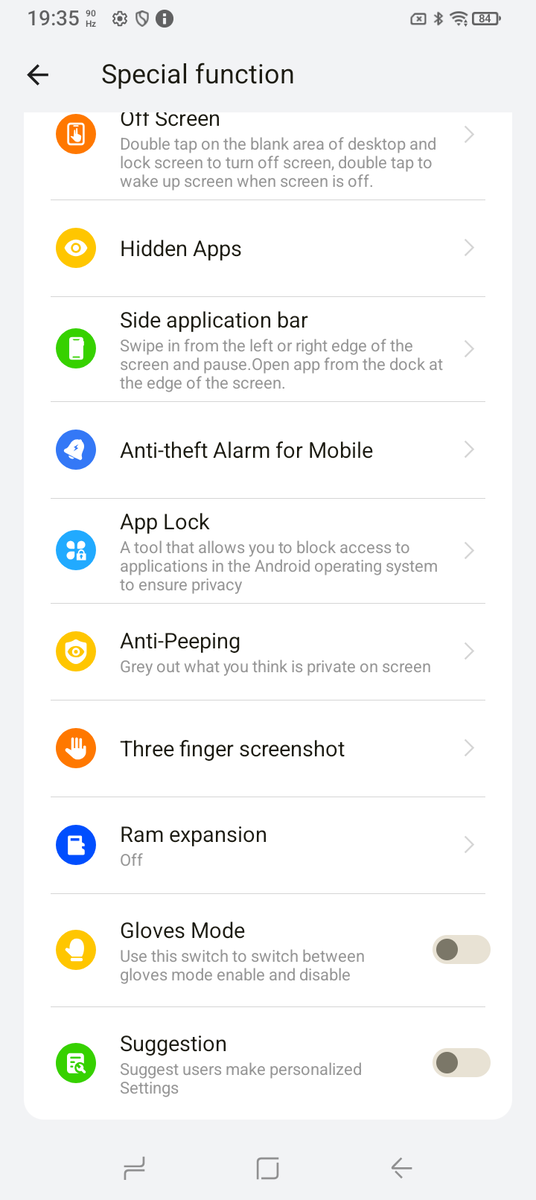
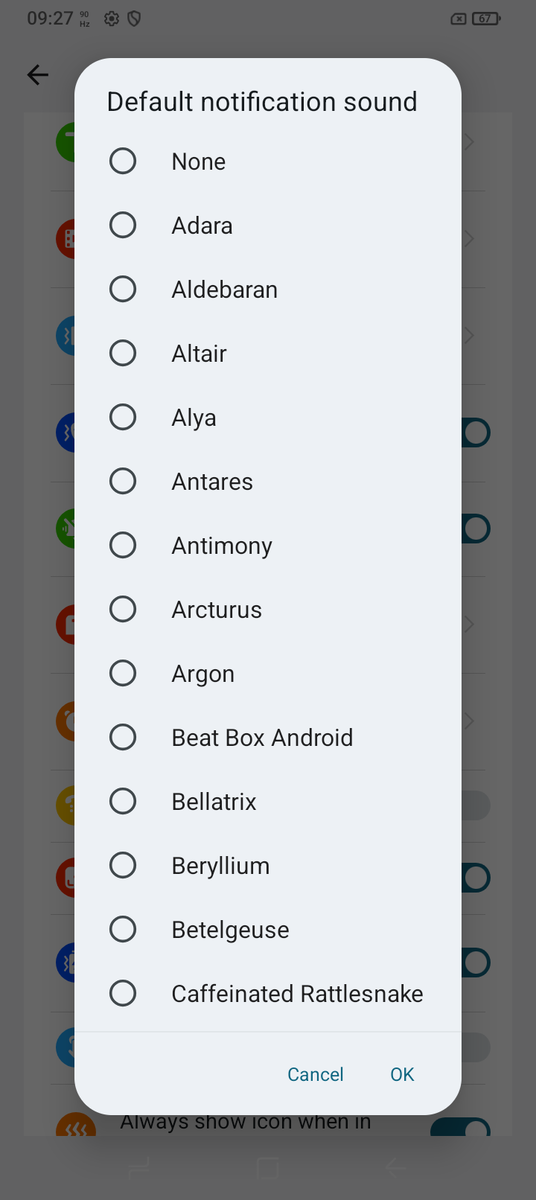


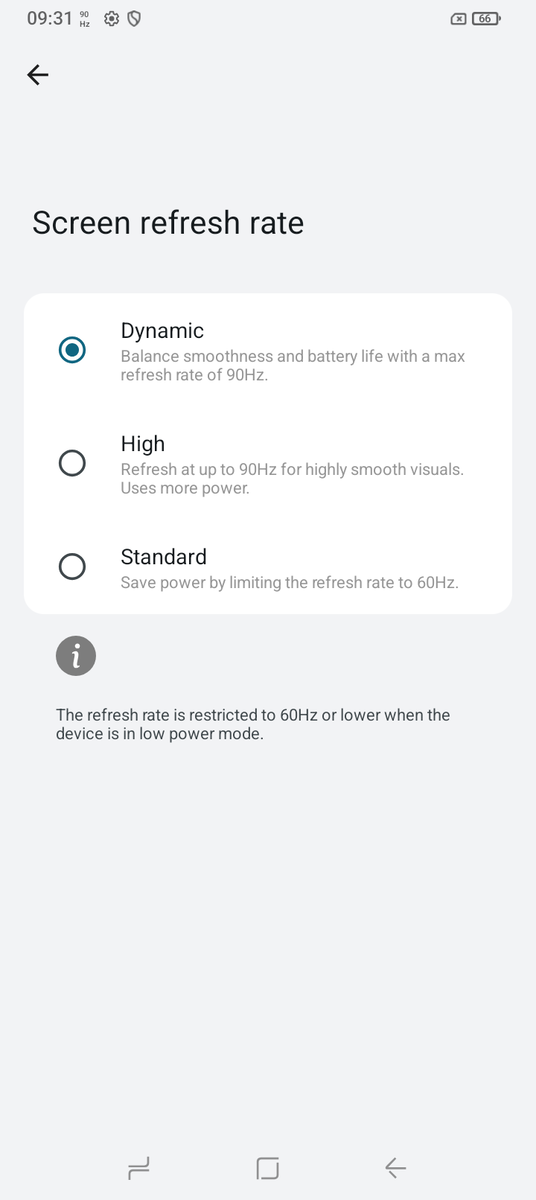

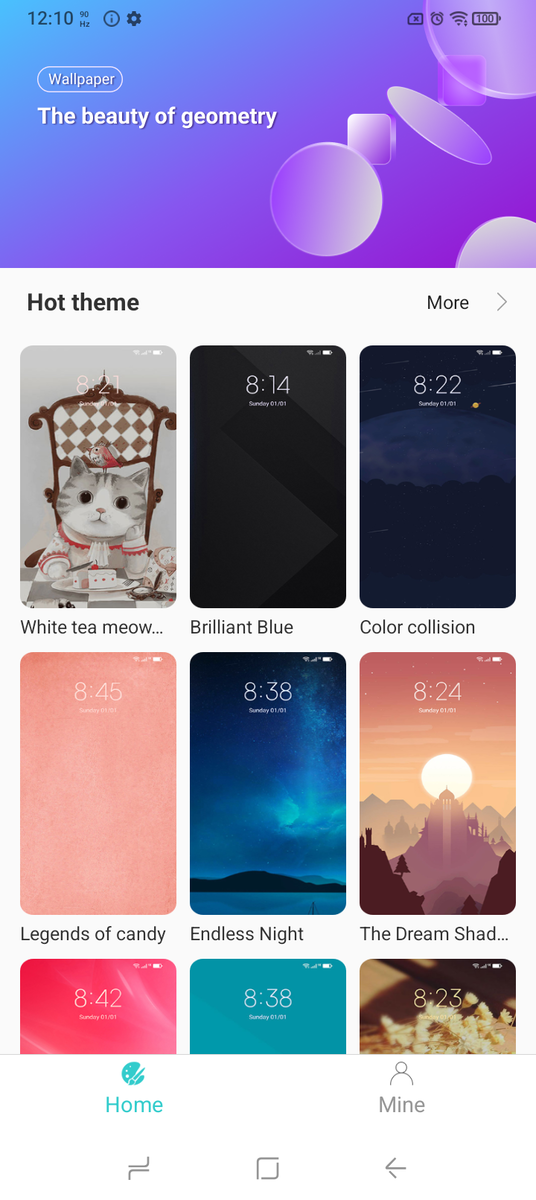
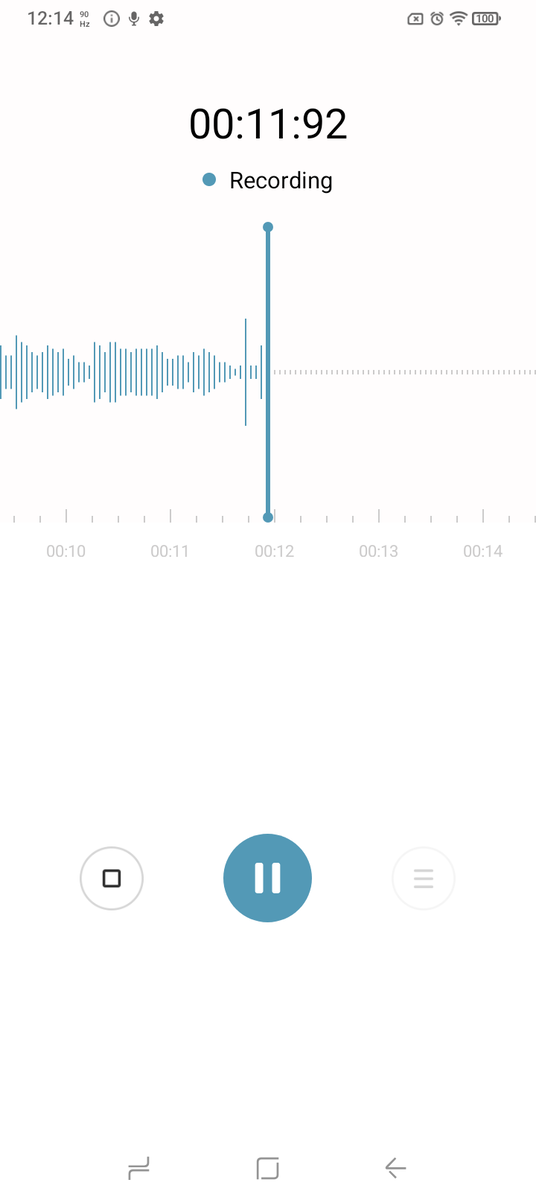
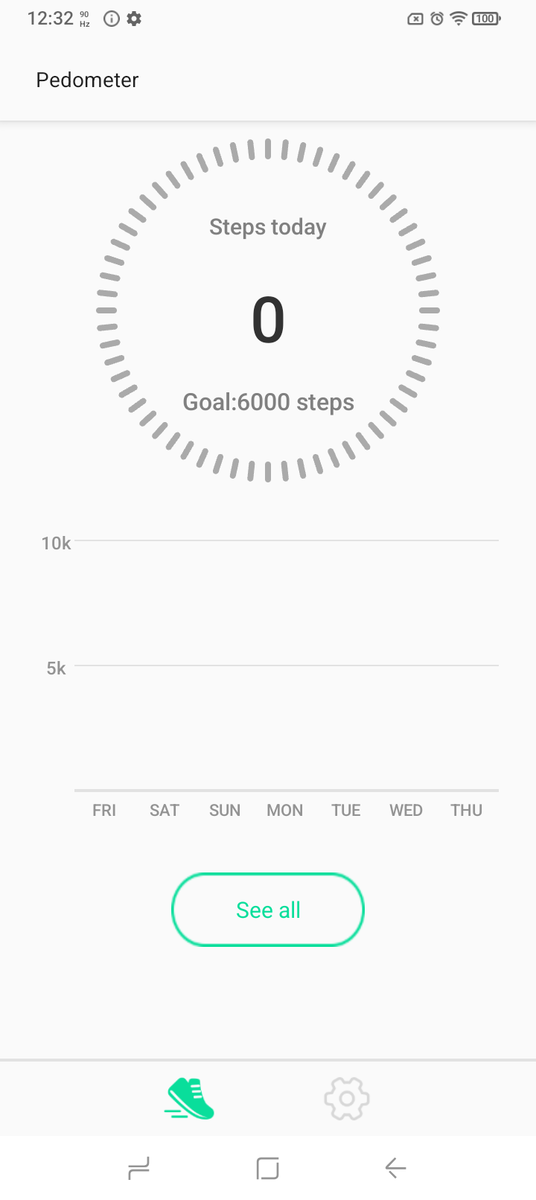
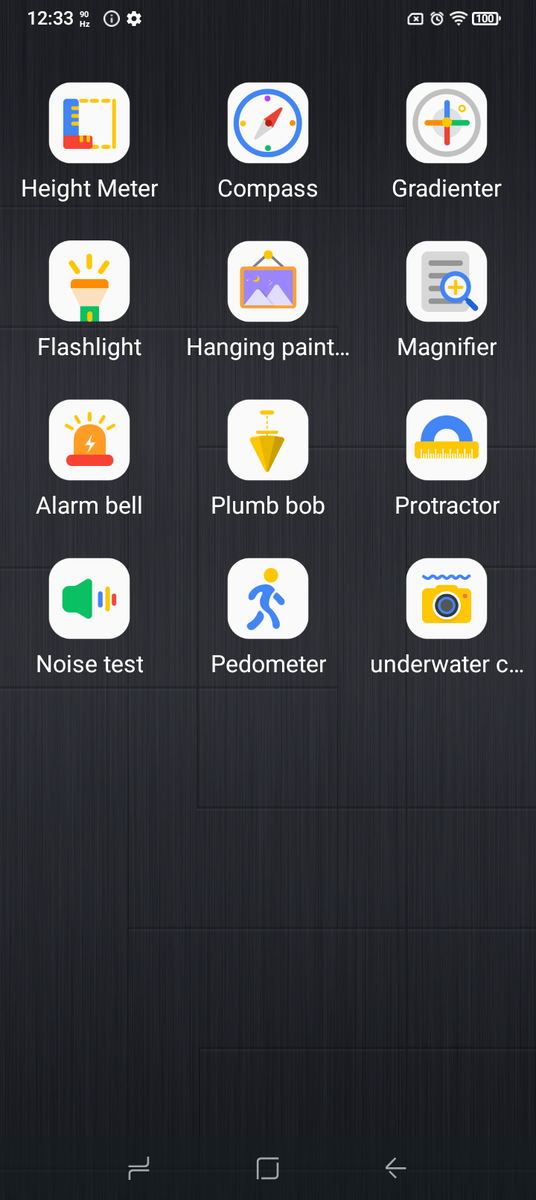
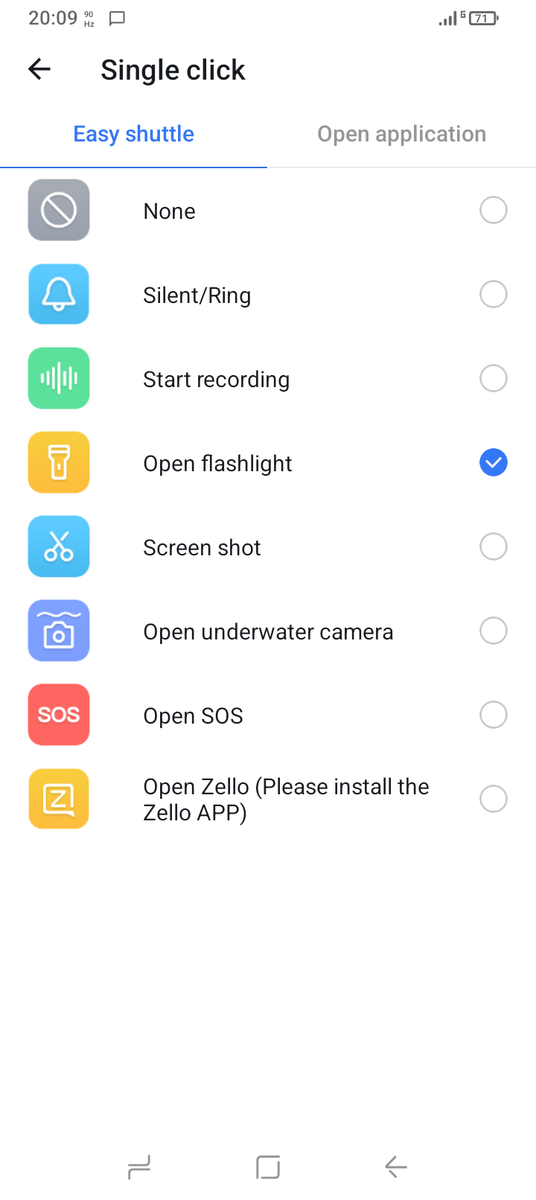

Downloading a new theme through the corresponding app lets you change app icons, the wallpaper and screensaver in seconds. Going for a more familiar look, like that offered by the Microsoft Launcher, is no problem, either and can be done in a matter of seconds by heading to the Play Store.
Past experience with Doogee smartphones indicates the Fire 7 Pro is unlikely to receive an Android 16 update any time soon, if ever.
Security patches are made available every few months.
Cameras - More does not mean better
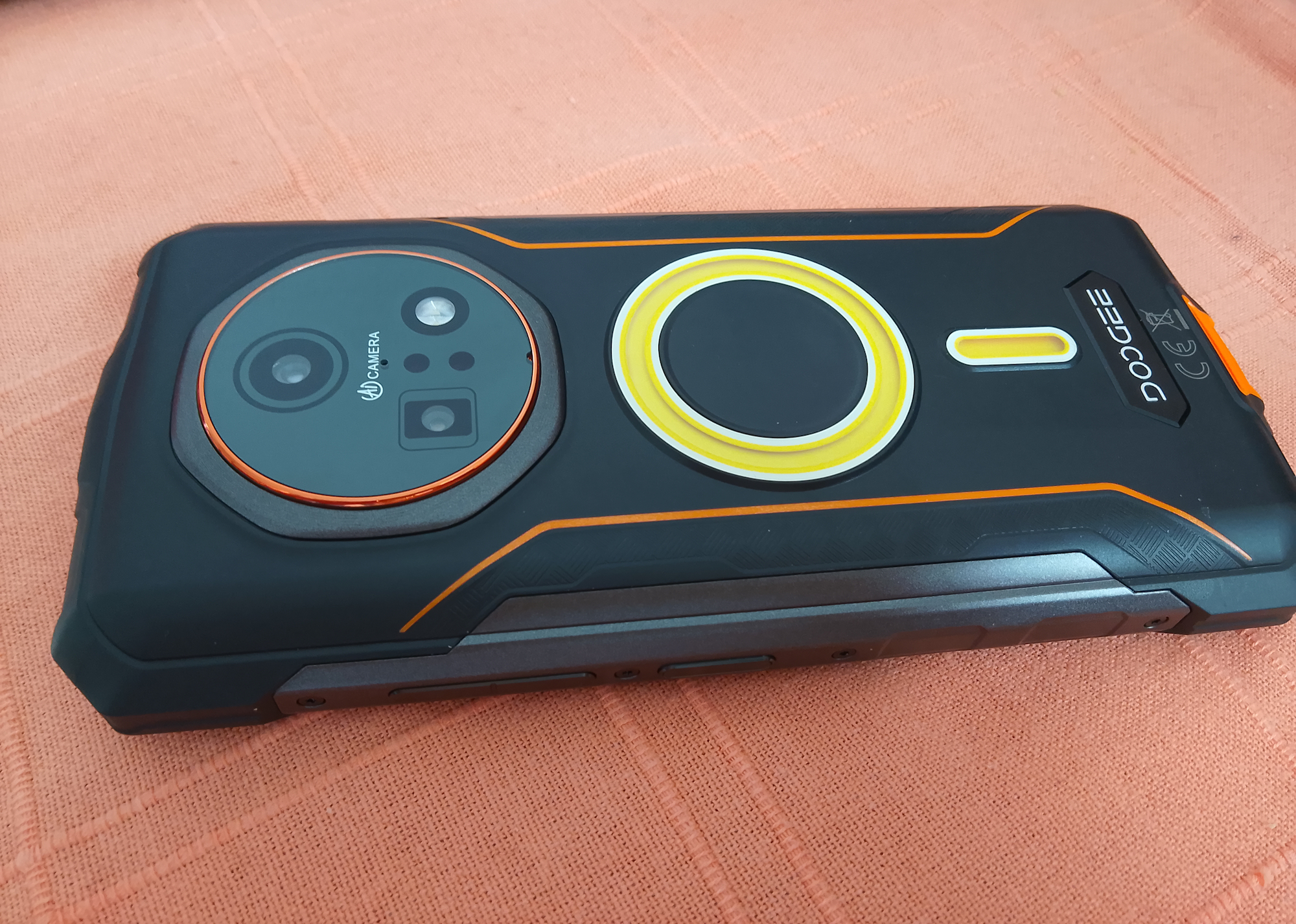
Three image sensors come installed, with optical image stabilization notably absent.
- Primary: 64 MP, F/1.79, 1/3.08"
- Night vision: 20 MP, F/1.8, 1/1.93"
- Front: 16 MP, F/2.0, 1/3.1"
While numbers such as 64 and 20 seem good and up-to-date enough, with small sensors, increasing pixel counts actually hurts picture quality, as there is progressively fewer light reaching every pixel leading to issues with color fidelity, sharpness, focus, and performance in darker shooting conditions.
The vast majority of photos produced by the test Fire 7 Pro's primary and front camera sensors are neither very sharp, nor very color-accurate. Even with plenty of sunlight cascading through the window, a backpack of the perfect red (C51111) color gets a prominent blue/purple tint for a raspberry-like appearance. Bright-colored objects, like radishes, tend to look very wrong.
By default, all shots get a prominent watermark; thankfully, disabling that takes just a couple of taps.
When taking pictures at night, the camera app becomes slower to react to inputs, with regular delays of 1 to 2 seconds between pressing the magic button and the file actually getting created.

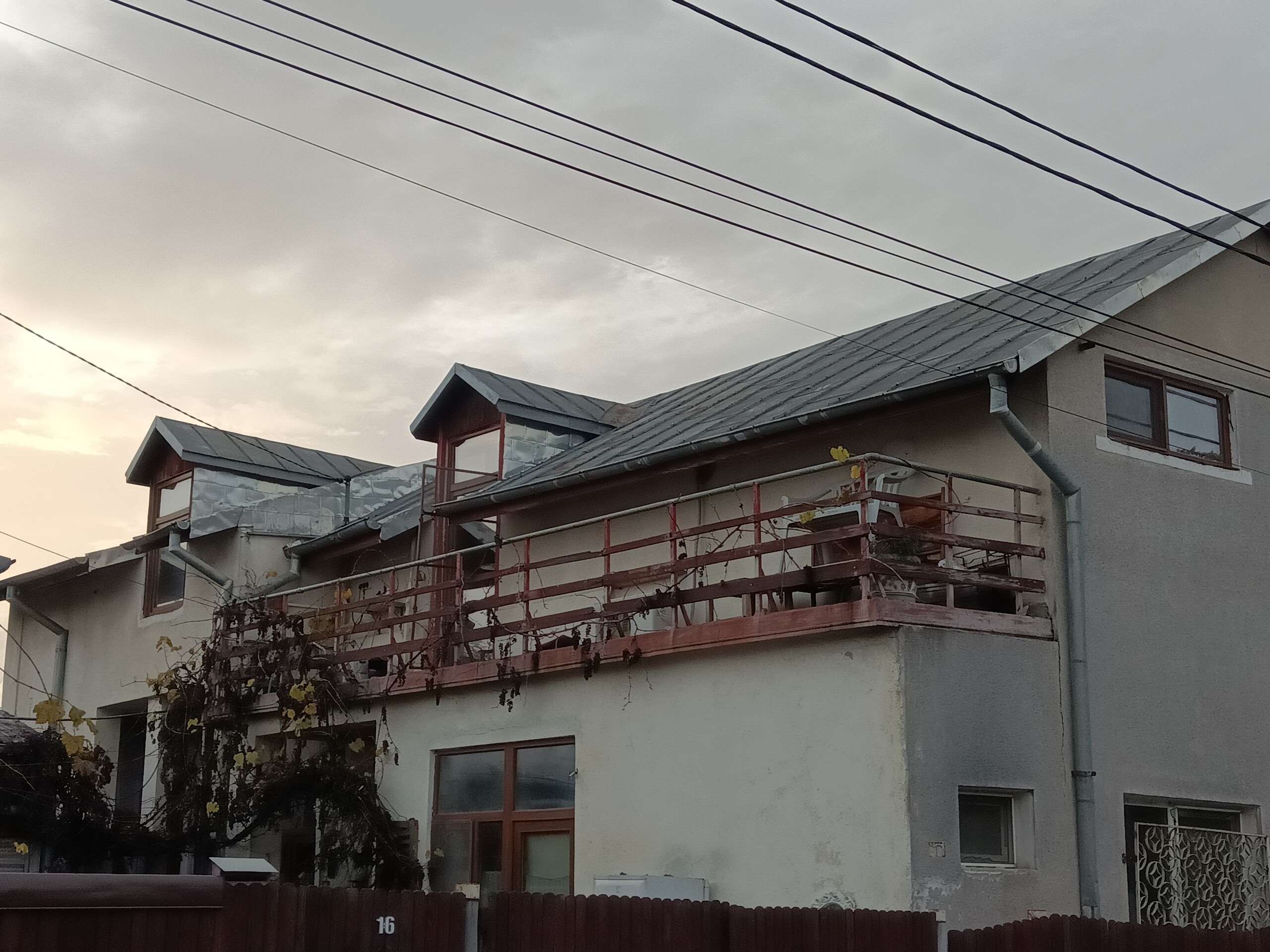
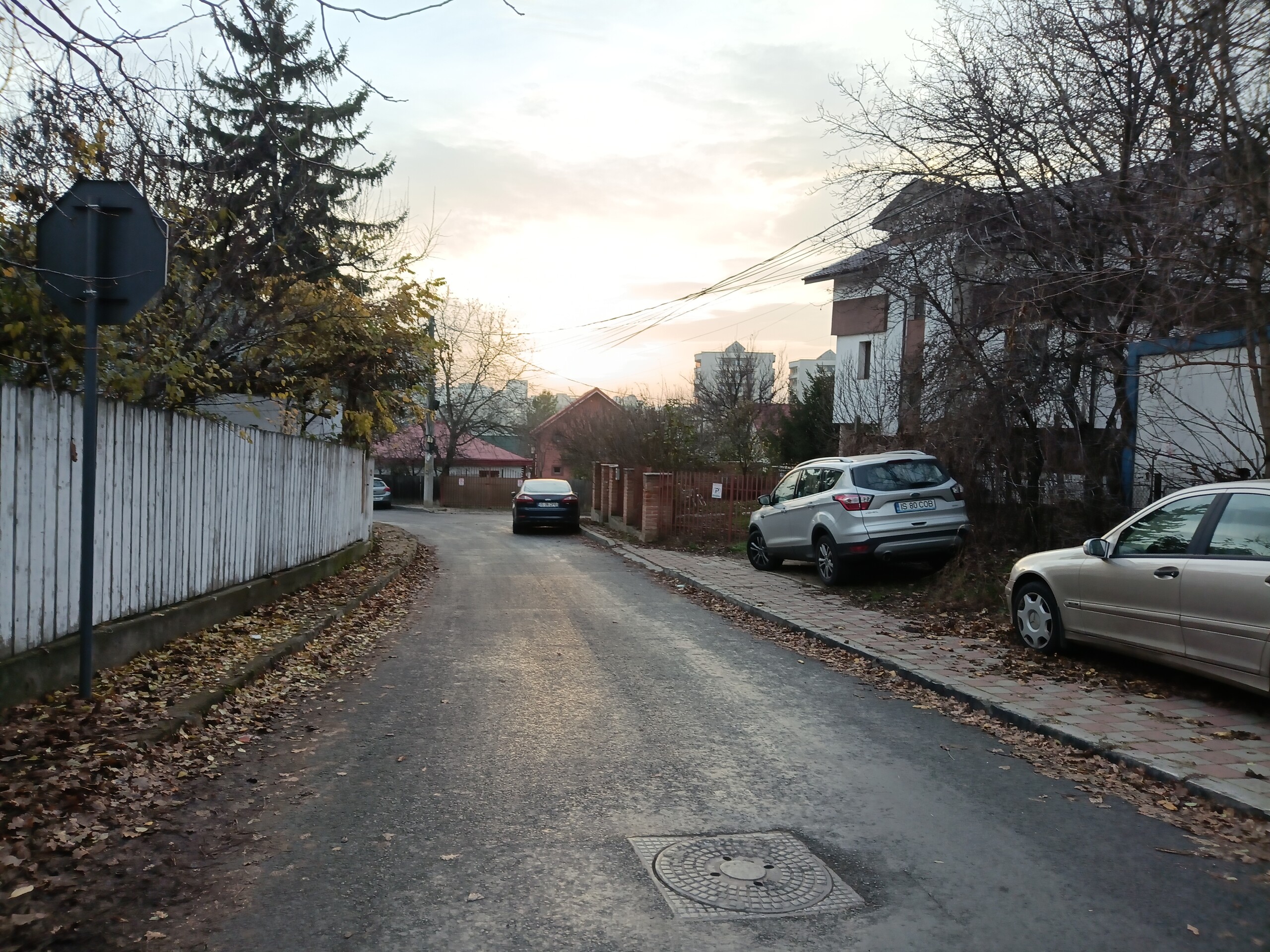
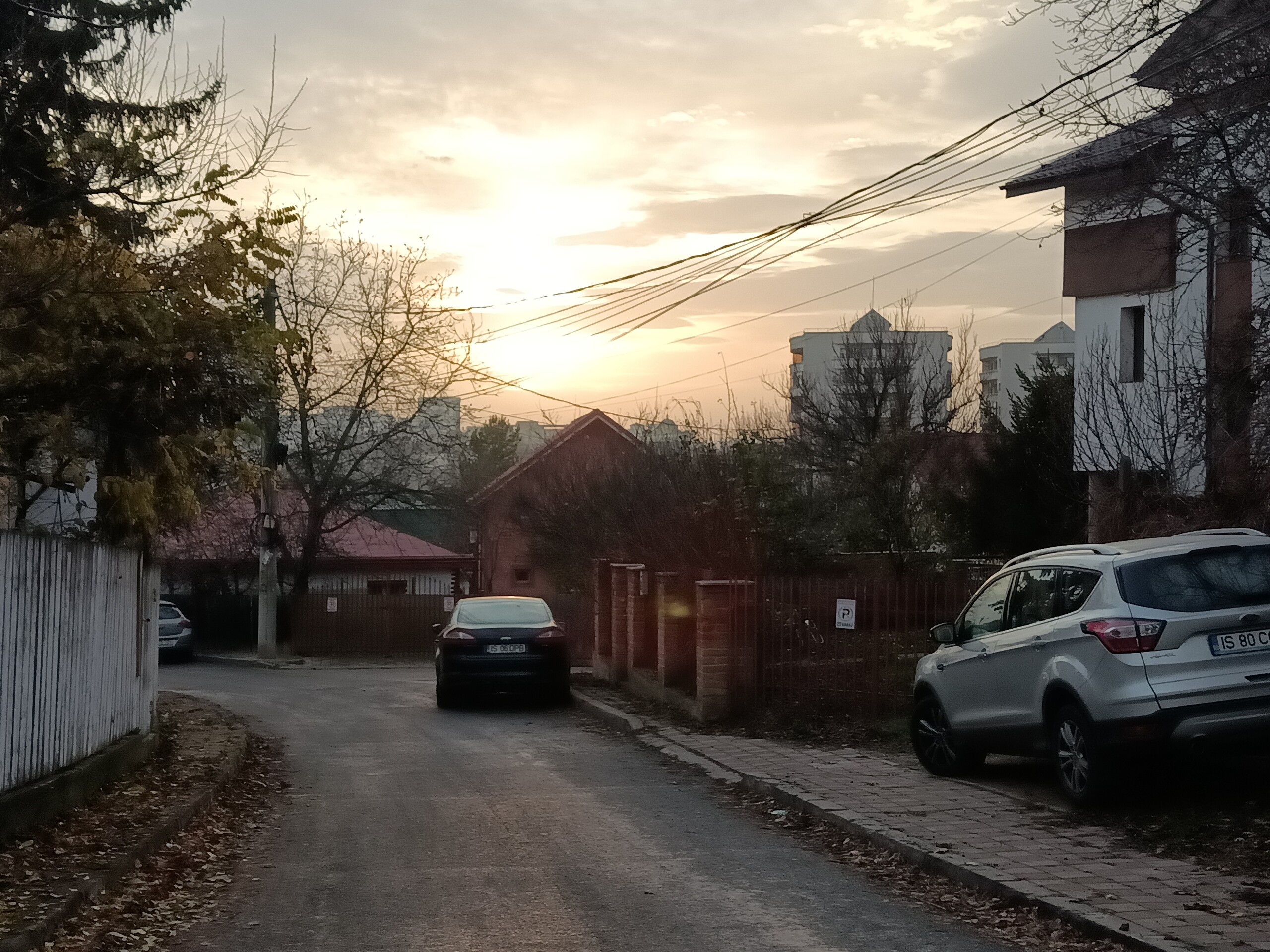
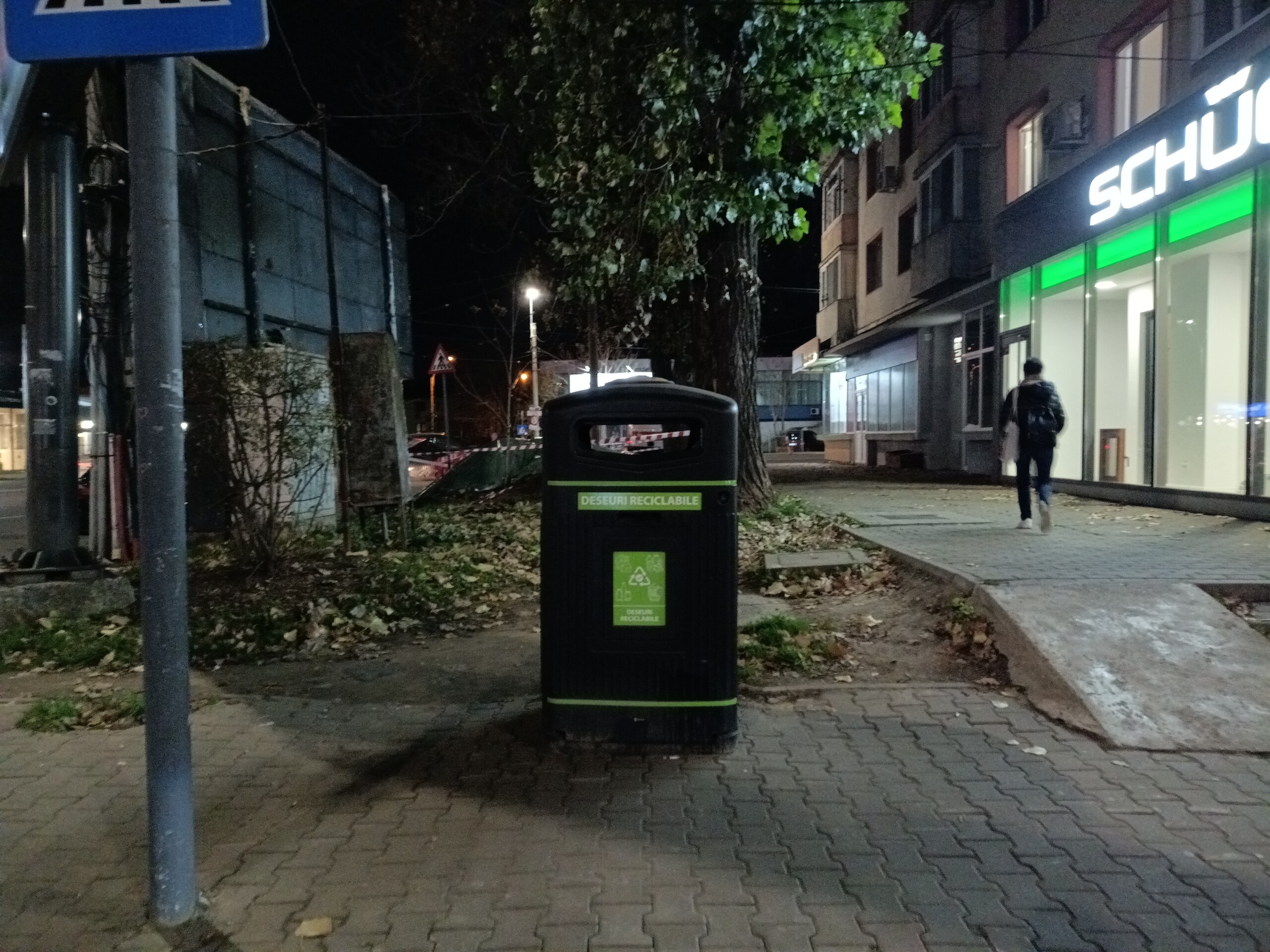
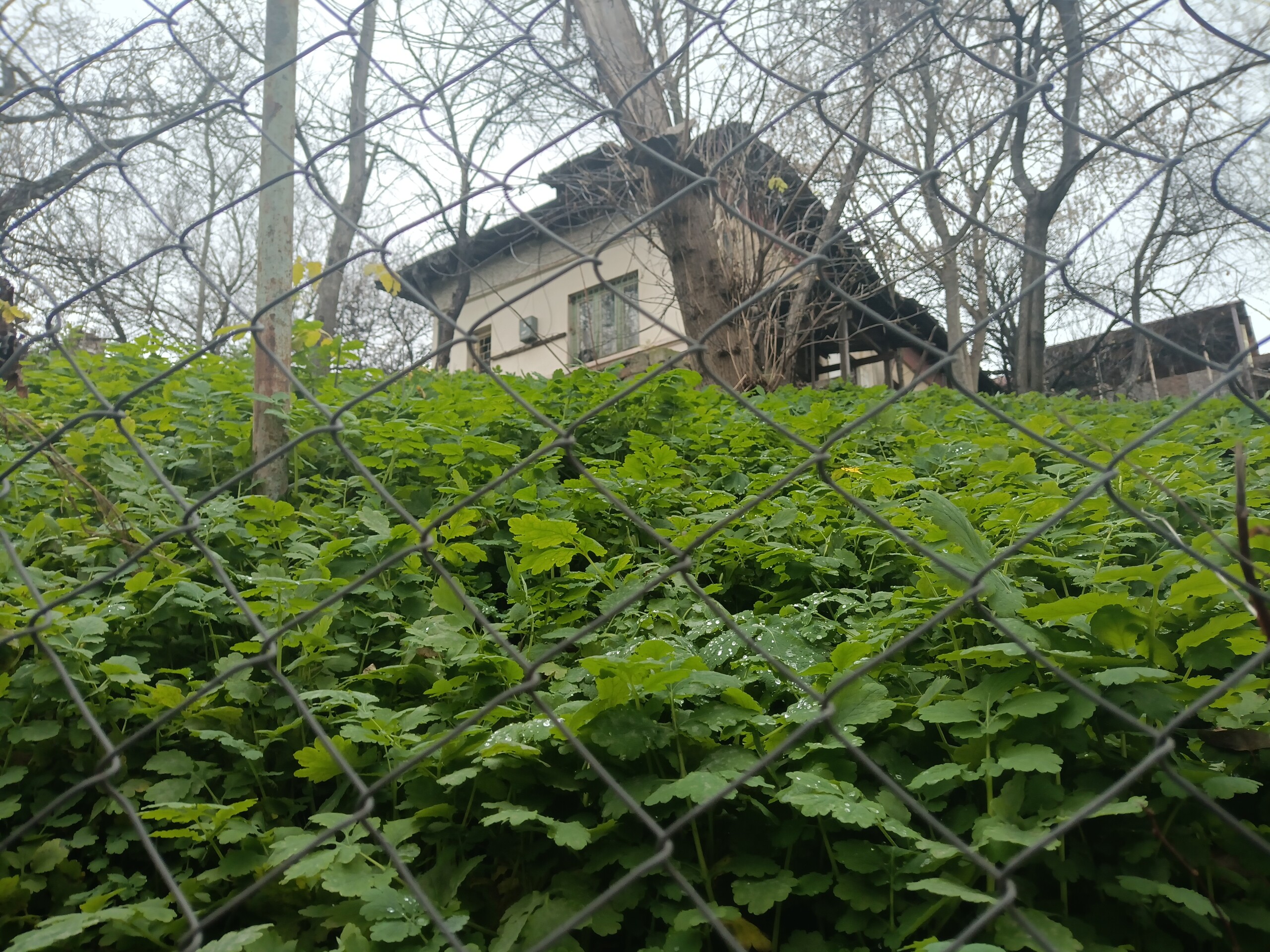





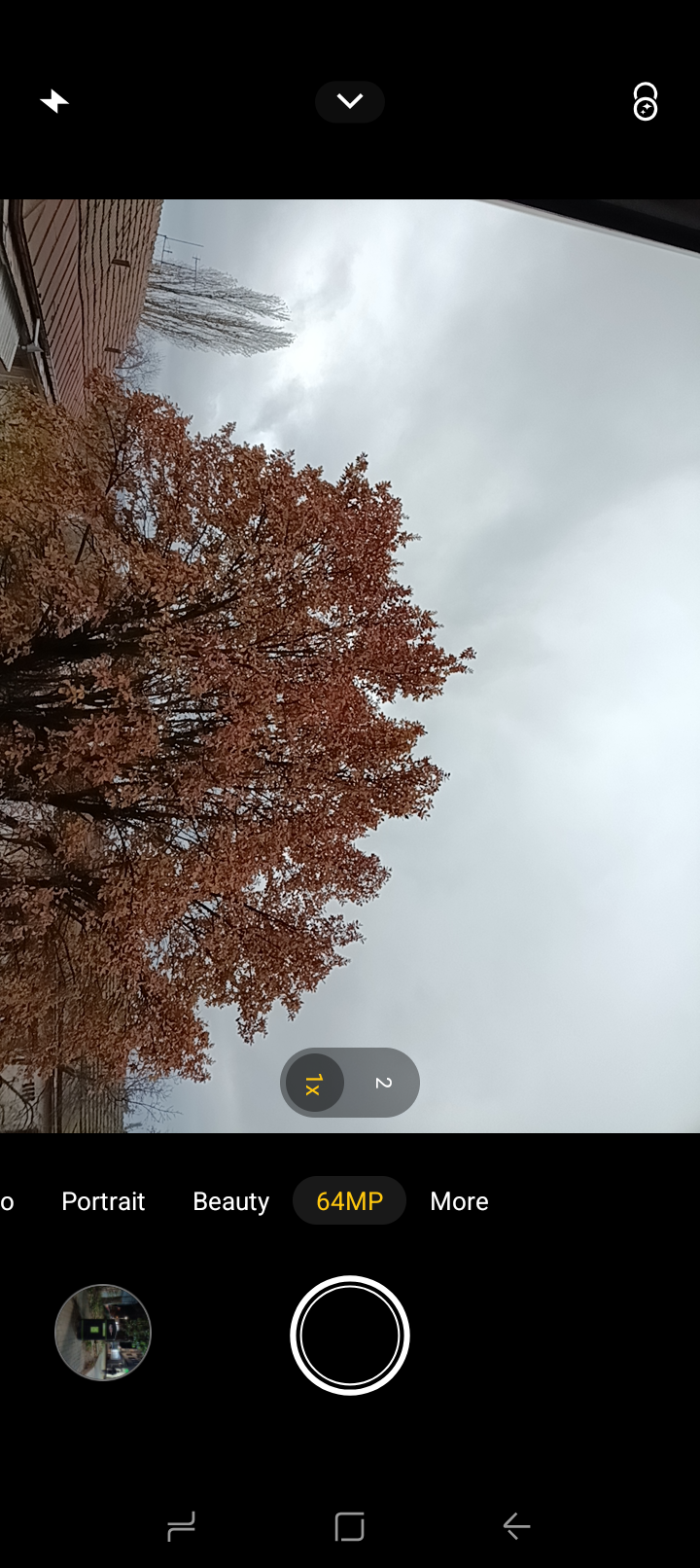
The Fire 7 Pro's built-in mics do a rather good job recording conversations taking place close nearby, as well as birds chirping a dozen meters away. Videos look reasonably good, too.
The phone's night vision camera lets you take black-and-white photos when and where it's completely dark. Conveniently enough, simply switching the back lights on makes the primary camera usable again, too, so that's two options for the user to choose from.
The rear camera setup has a flash of its own that can be used as a flashlight in parallel with the Camping Light.


Accessories
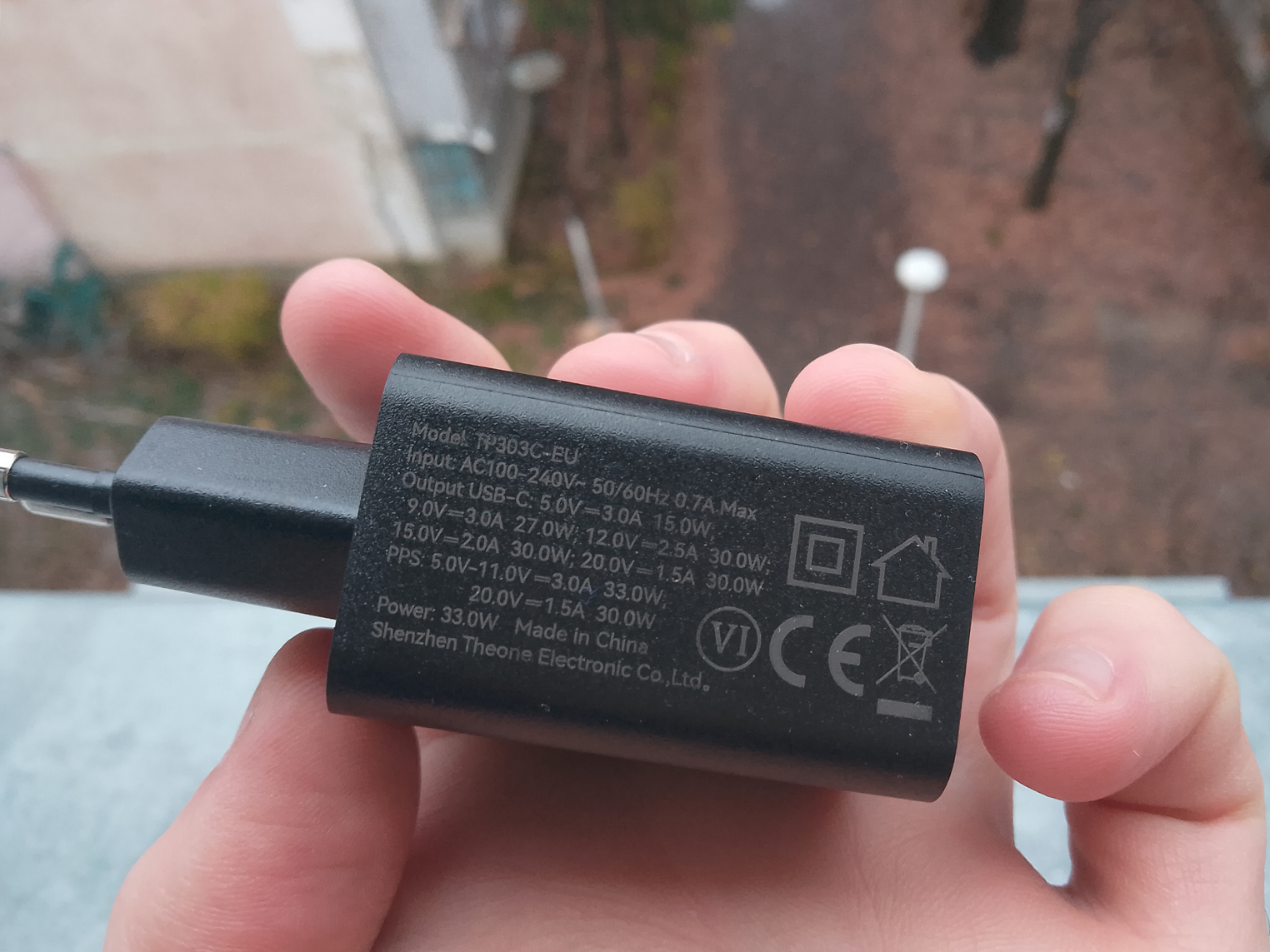
In addition to the smartphone, the unassuming cardboard box is home to a small 33-W charger providing enough wattage to power and charge many passively cooled laptops, as well as a USB-C to USB-C cable, a SIM tray ejection tool, and various information/warranty papers.
Display
Sub-$300 phones rocking AMOLED displays are no longer a rarity. The Fire 7 Pro, on the other hand, still makes do with an HD+ IPS display, 720 by 1612 pixels, 60 or 90 Hz. It's an all-right display with a teardrop-shaped notch, and it does get bright enough for use outdoors.
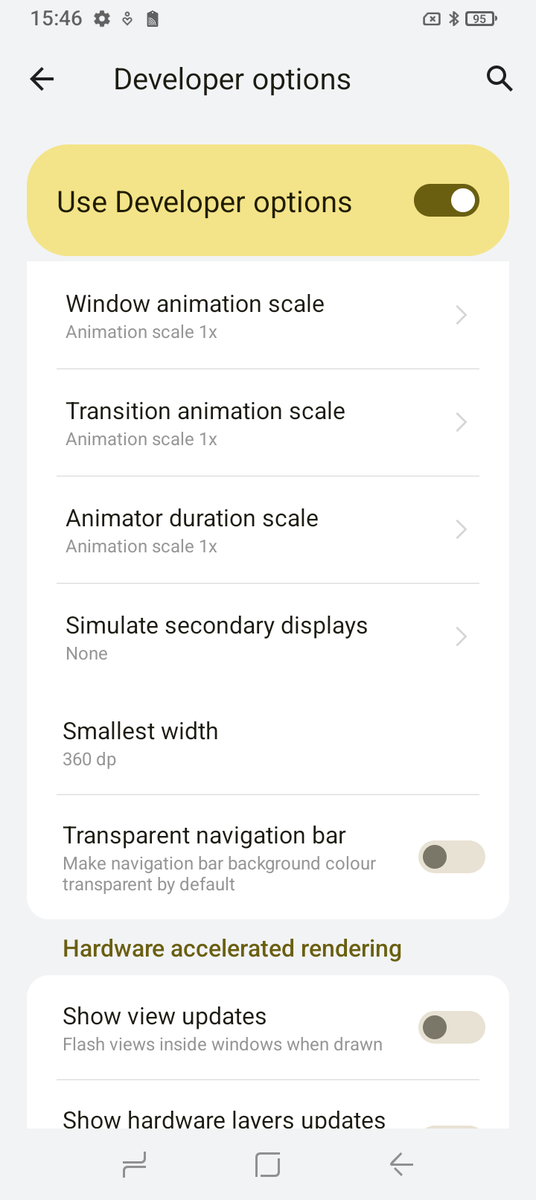
With Android's "smallest width" set to 360 by default, most apps are rendered at 360 x 806 here.
The sensor whose job is to estimate how bright the phone's immediate surroundings are could use some extra tuning, as the display's brightness tends to be a little higher than necessary, particularly at night.
There is a bit of a purple/blue tint to many colors out of the box. Switching the display's color temperature from Default to Warm helps.
Performance
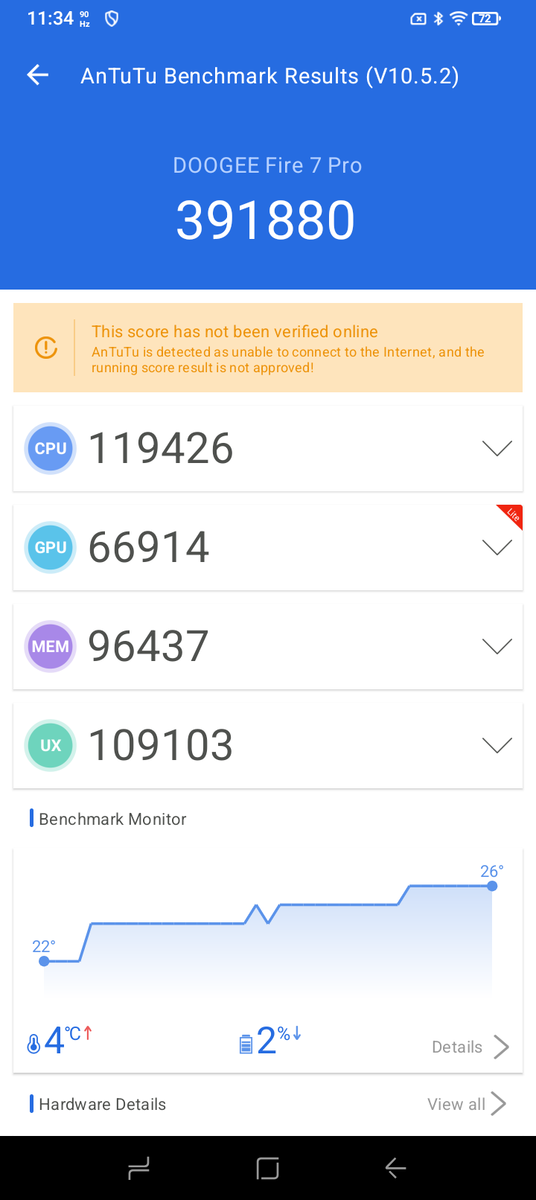
The Dimensity 6300 is a relatively popular SoC that was unveiled in April 2024 with anything-but-new CPU cores and a fairly unremarkable iGPU in tow. eSIMs aren't supported here, and the Wi-Fi 5 circuitry is limited to the slowest 1 x 1 antennta configuration. Still, for mundane tasks, the Dimensity's performance is more than sufficient.
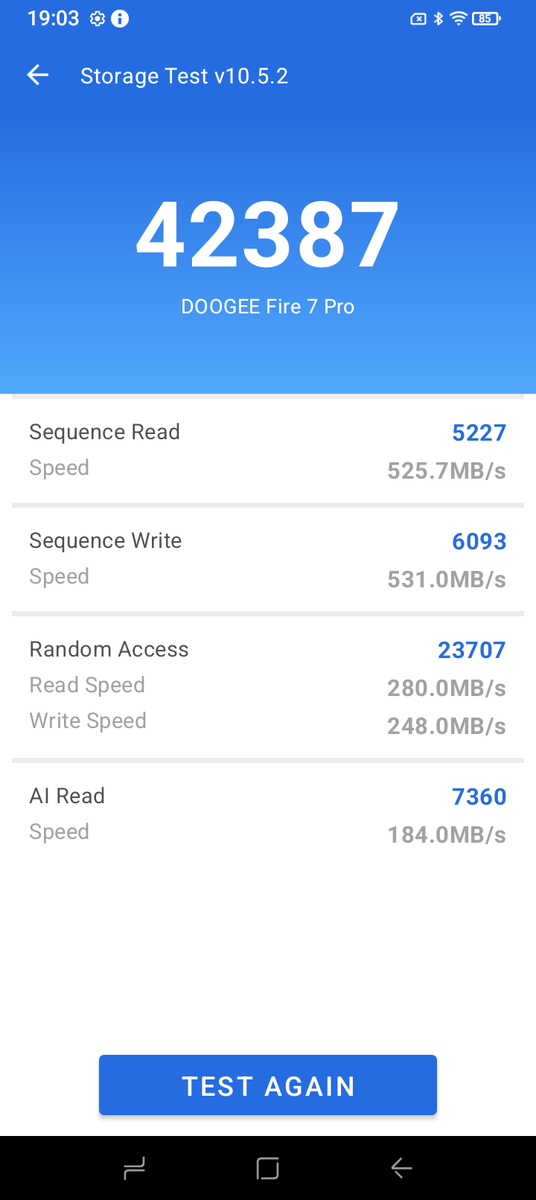
The phone's 256-GB data storage chip is not particularly fast with both sequential reads and writes just above the 500 MB/s mark, meaning keeping those 24 GB of "extra RAM" enabled might not be the best choice as the additional gigabytes will be many times slower to read and write to than actual RAM.
| Mozilla Kraken 1.1 - Total | |
| Doogee Doogee Fire 7 Pro | |
| Average Mediatek Dimensity 6300 (1435 - 1828, n=4) | |
| Xiaomi Redmi 15C 5G | |
| Lenovo Idea Tab | |
| Samsung Galaxy S25 | |
| Apple iPhone 17 | |
* ... smaller is better
Speakers
The Fire 7 Pro's built-in mono speaker gets reasonably loud but is otherwise fairly mediocre, with bass and definition lagging behind something as old as Apple's iPhone 4S.
Battery life
The 13,000-mAh (48.2-Wh) internal battery supports 33-W wired charging and 5-W reverse charging. Doogee's battery life claims are as follows:
- 29.4 days or 706 hours of standby;
- 39 hours of video playback;
- 22.4 hours of Web browsing.
With 2 hours of watching 1080p AVC video content online at a 30 % display brightness discharging the battery by 5 %, these numbers seem realistic enough. Running Camping Light at the lowest brightness level is less taxing than expected, too, with just 1 % to 2 % of charge lost per hour.
The stock 33-W charger needs 1 hour and 21 minutes to get the battery charge percentage up to a perfectly good 90 % from an alarmingly low 25 %.
Verdict
For $299, the Fire 7 Pro seems like a relatively balanced proposition with its enormous battery, tough casing and 5G support as highlights. Those looking for a modestly priced phone that won't become useless after falling down a cliff or out of a canoe might be in luck.
Its cameras won't win any awards, and the display stands no chance against modern OLED technology with the latter's thousands nits of peak brightness as well as superior contrast. On the other hand, IPS panels have a noticeably lower power consumption, helping extend runtimes.
Transparency
The selection of devices to be reviewed is made by our editorial team. The test sample was given to the author by the manufacturer free of charge for the purposes of review. There was no third-party influence on this review, nor did the manufacturer receive a copy of this review before publication. There was no obligation to publish this review. As an independent media company, Notebookcheck is not subjected to the authority of manufacturers, retailers or publishers.
This is how Notebookcheck is testing
Every year, Notebookcheck independently reviews hundreds of laptops and smartphones using standardized procedures to ensure that all results are comparable. We have continuously developed our test methods for around 20 years and set industry standards in the process. In our test labs, high-quality measuring equipment is utilized by experienced technicians and editors. These tests involve a multi-stage validation process. Our complex rating system is based on hundreds of well-founded measurements and benchmarks, which maintains objectivity. Further information on our test methods can be found here.
 Add as a preferred source on Google


