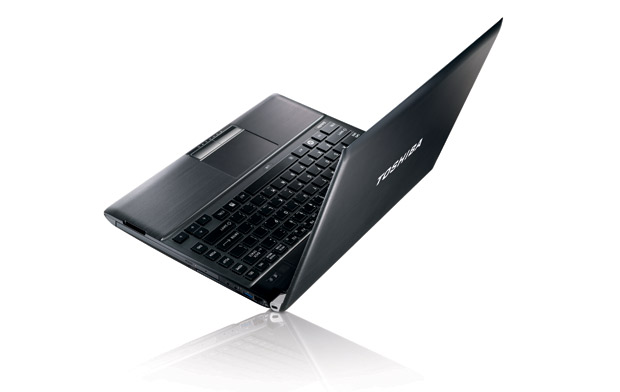
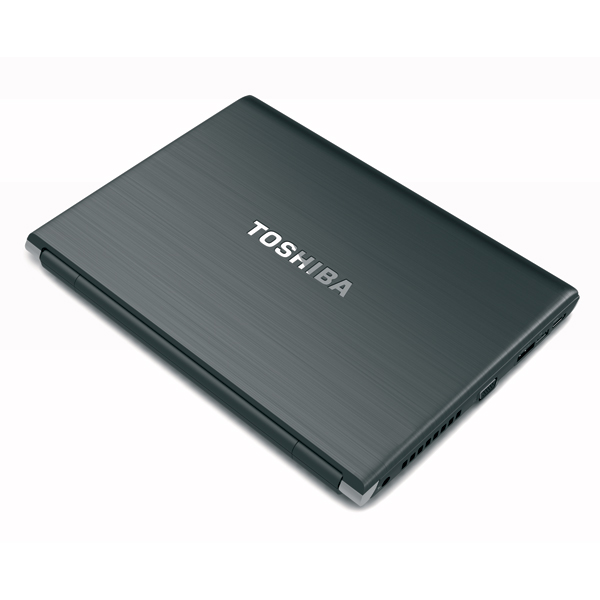
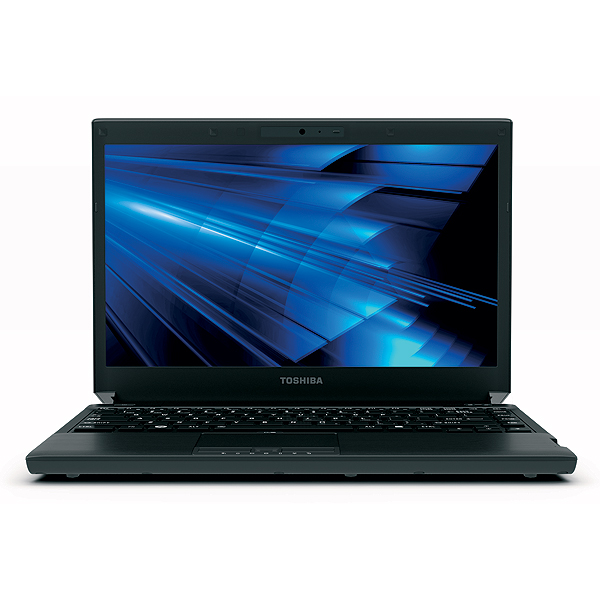
Toshiba Portégé R830-1DZ
Specifications
Price comparison
Average of 2 scores (from 2 reviews)
Reviews for the Toshiba Portégé R830-1DZ
Source: Tech Advisor
 Archive.org version
Graphics aside, the raw performance of the Toshiba Portégé R830-1DZ is head and shoulders above the opposition in this group test. The blend of high-quality components and variety of connectivity options in this small shell combine to make the Portégé a winner. It does cost some £300 more than a 13in MacBook Pro but the extra performance and decent screen make it attractive. Just make sure you can handle all that noise.
Single Review, online available, Very Short, Date: 01/06/2012
Rating: Total score: 80% price: 60% performance: 90% features: 70% ergonomy: 80%
Foreign Reviews
Source: PCM
 NL→EN Archive.org version
Single Review, online available, Short, Date: 01/19/2012
Rating: Total score: 70%
Comment
Intel HD Graphics 3000: Integrated graphics card in the Intel Sandy Bridge processors (Core ix-2xxx). The HD 3000 is the faster (internally GT2 called) version with 12 Execution Units (EUs).
Only some 3D games with very low demands are playable with these cards.
» Further information can be found in our Comparison of Mobile Graphics Cards and the corresponding Benchmark List.
Intel Core i7: The Intel Core i7 for laptops is based on the LG1156 Core i5/i7 CPU for desktops. The base clock speed of the CPUs is relatively low, but because of a huge Turbo mode, the cores can dynamically overclock to up to 3.2 GHz (920XM). Therefore, the CPU can be as fast as high clocked dual-core CPUs (using single threaded applications) but still offer the advantage of 4 cores. Because of the large TDP of 45 W / 55 W, the CPU is only intended for large laptops.
2640M: Very fast dual-core processor based on the Sandy Bridge architecture with an integrated graphics card and dual-channel DDR3 memory controller. » Further information can be found in our Comparison of Mobile Processsors.
 Add as a preferred source on Google