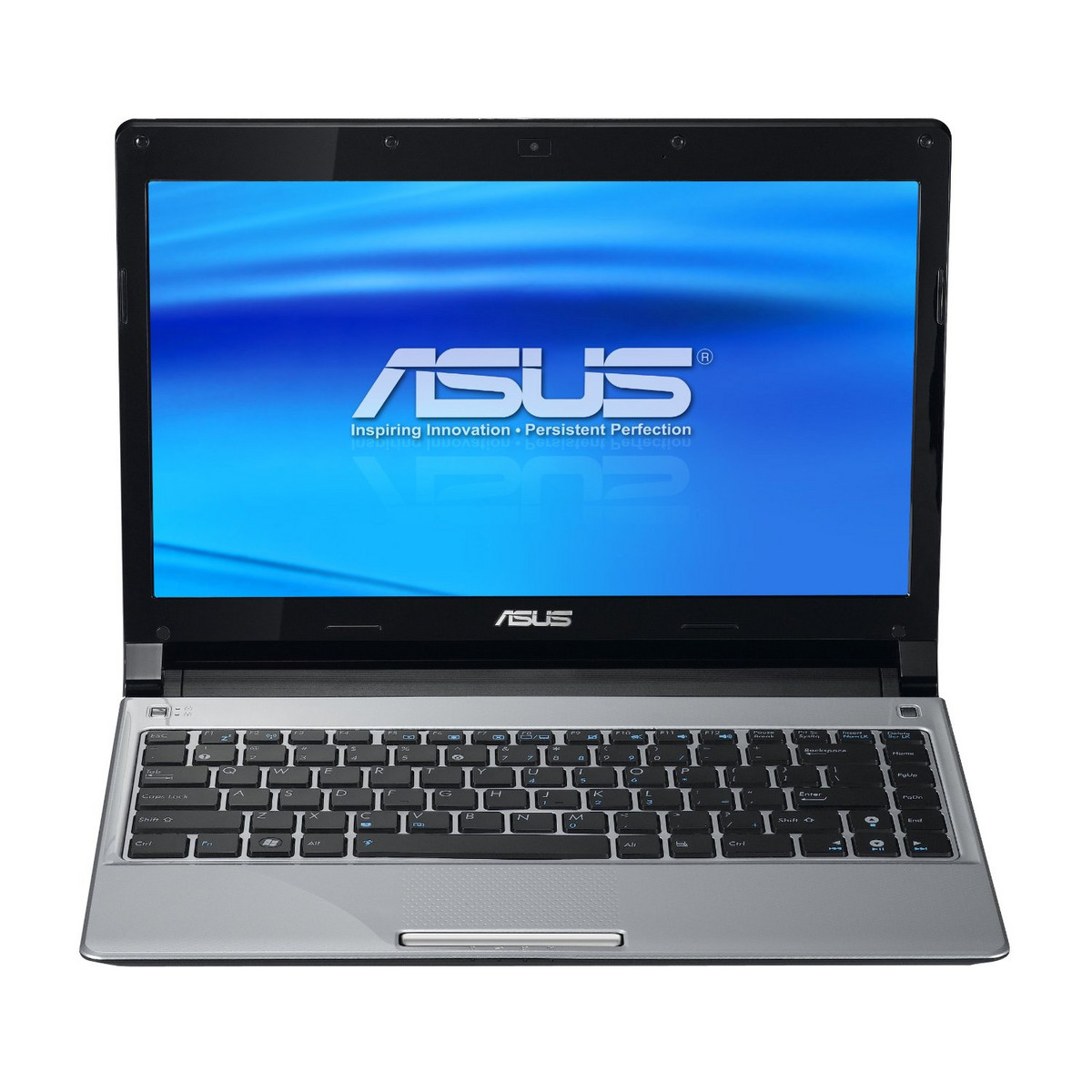
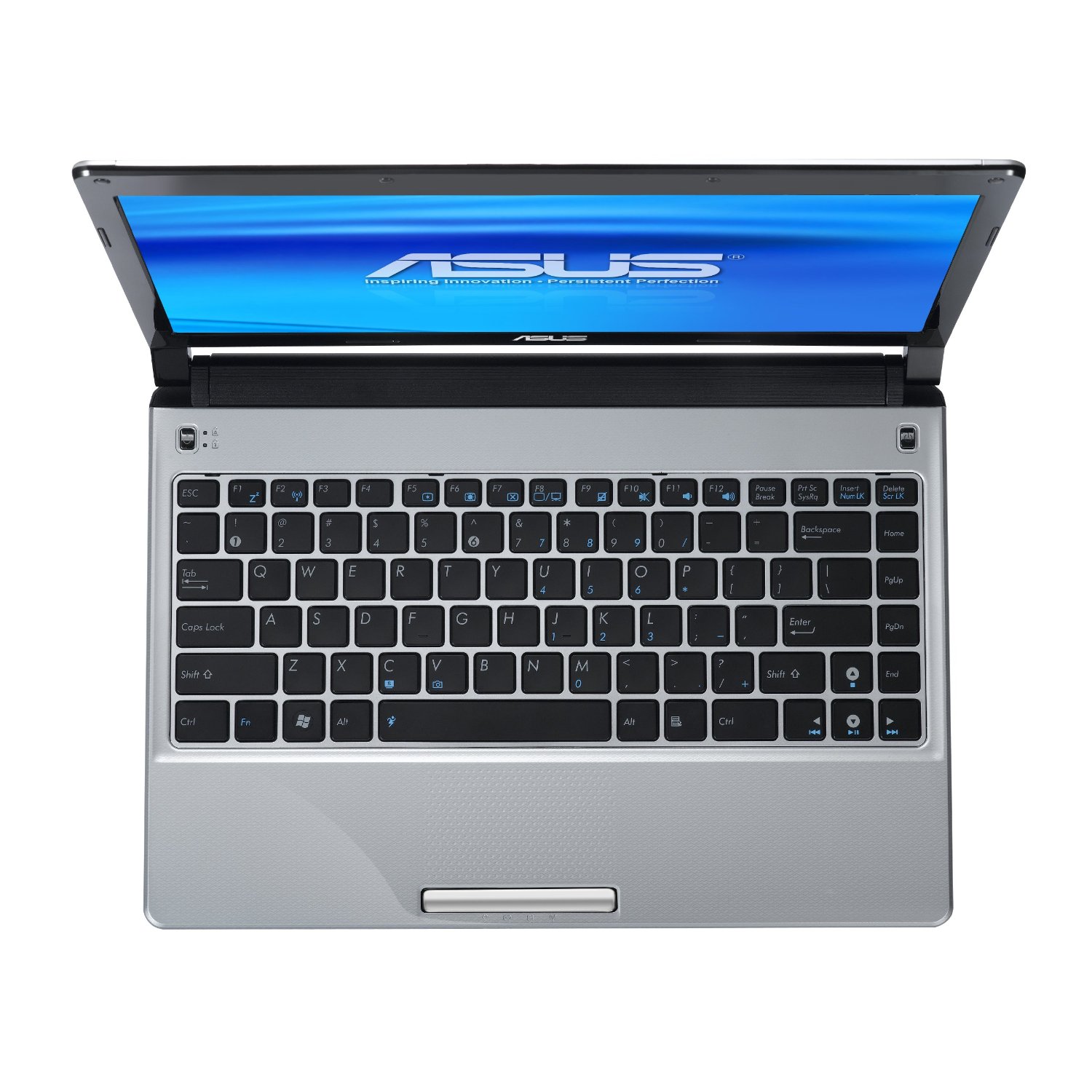
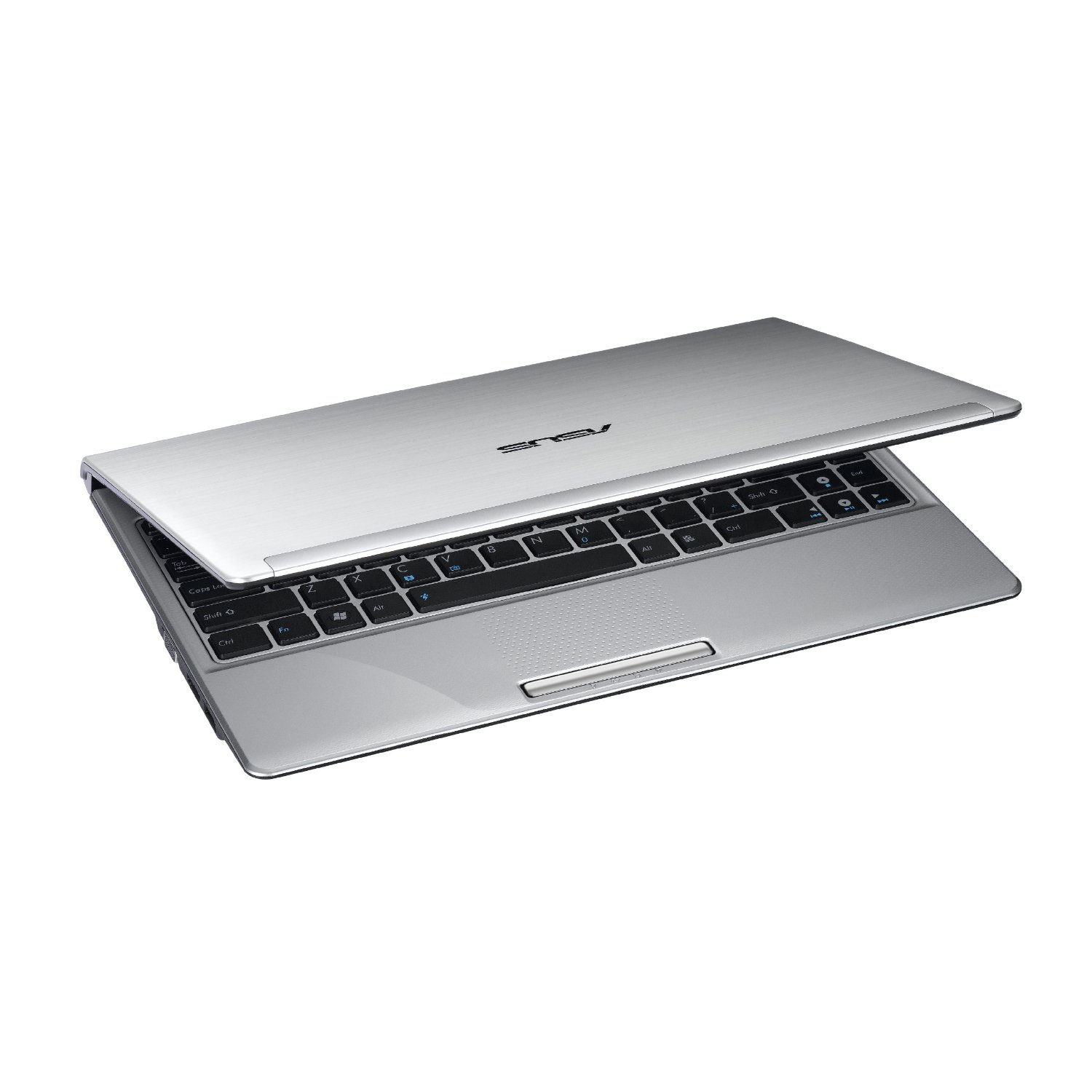
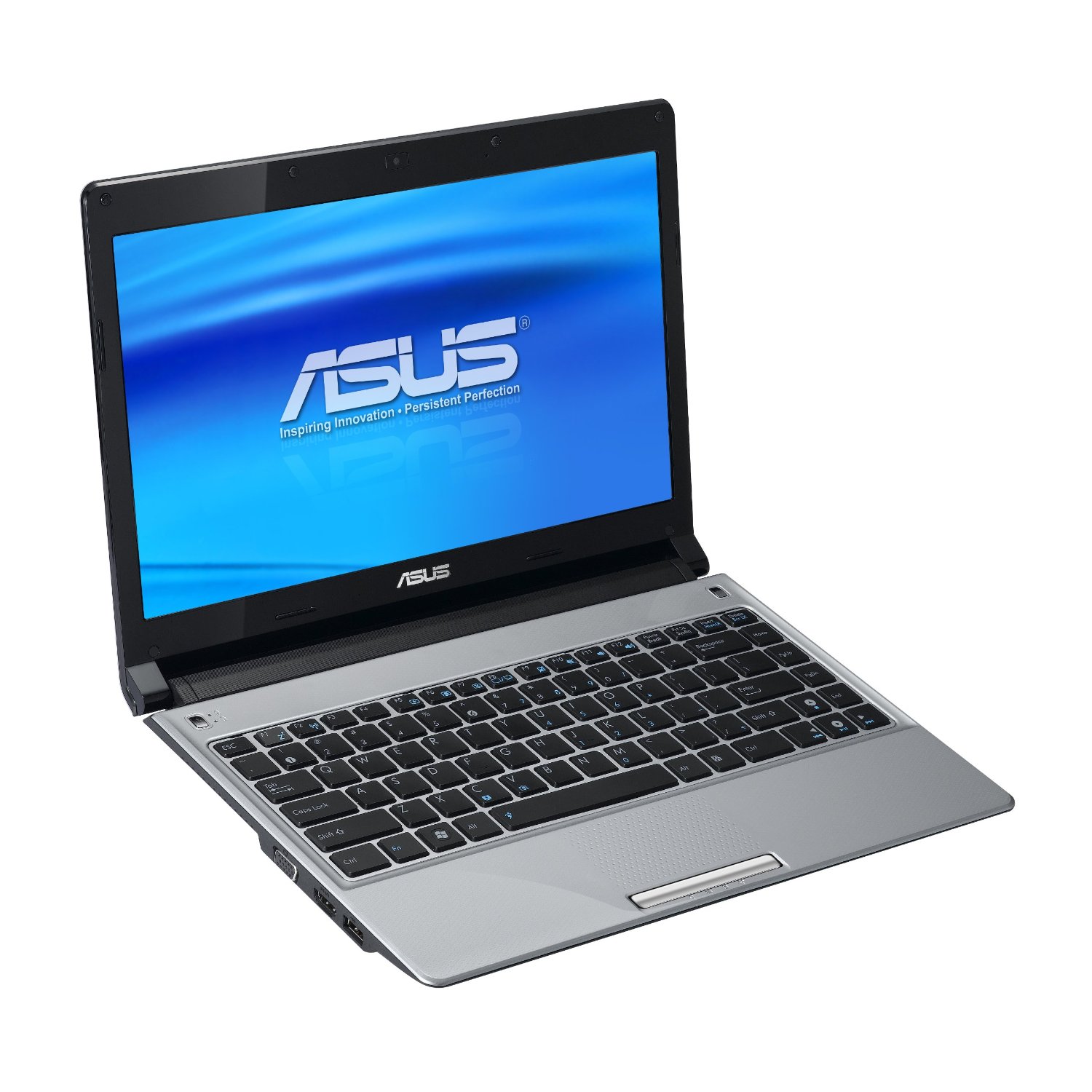
Asus UL30VT-A1

Specifications

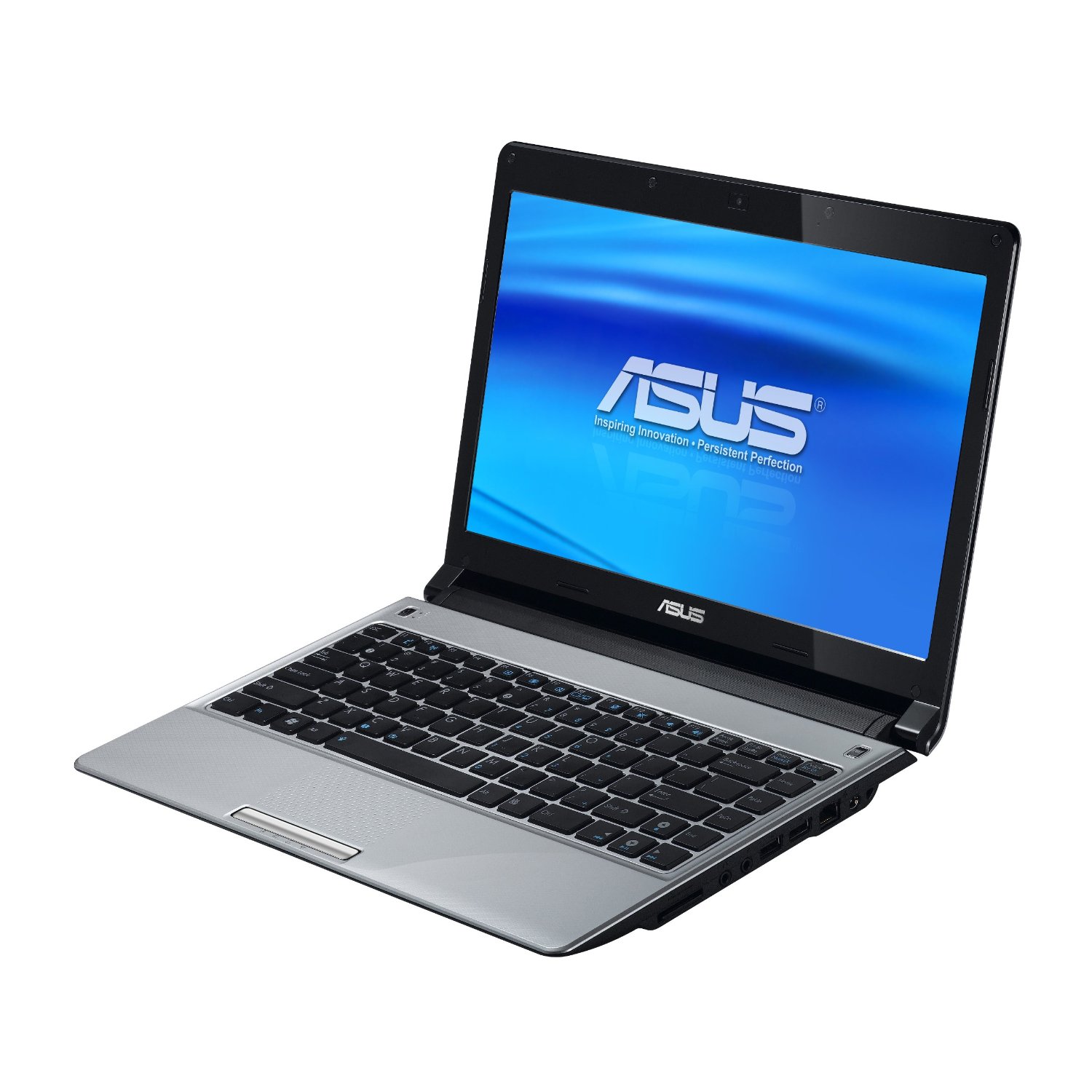
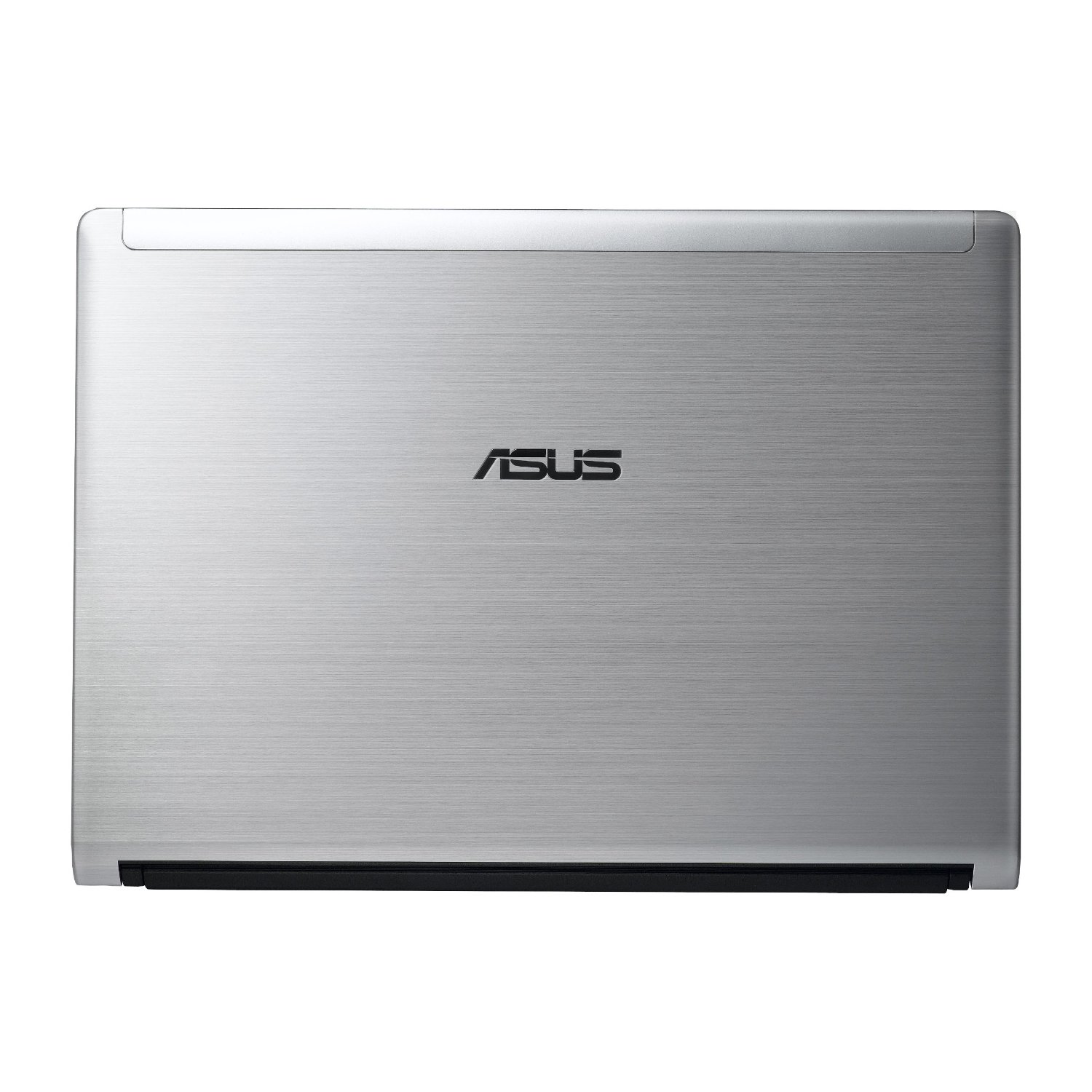
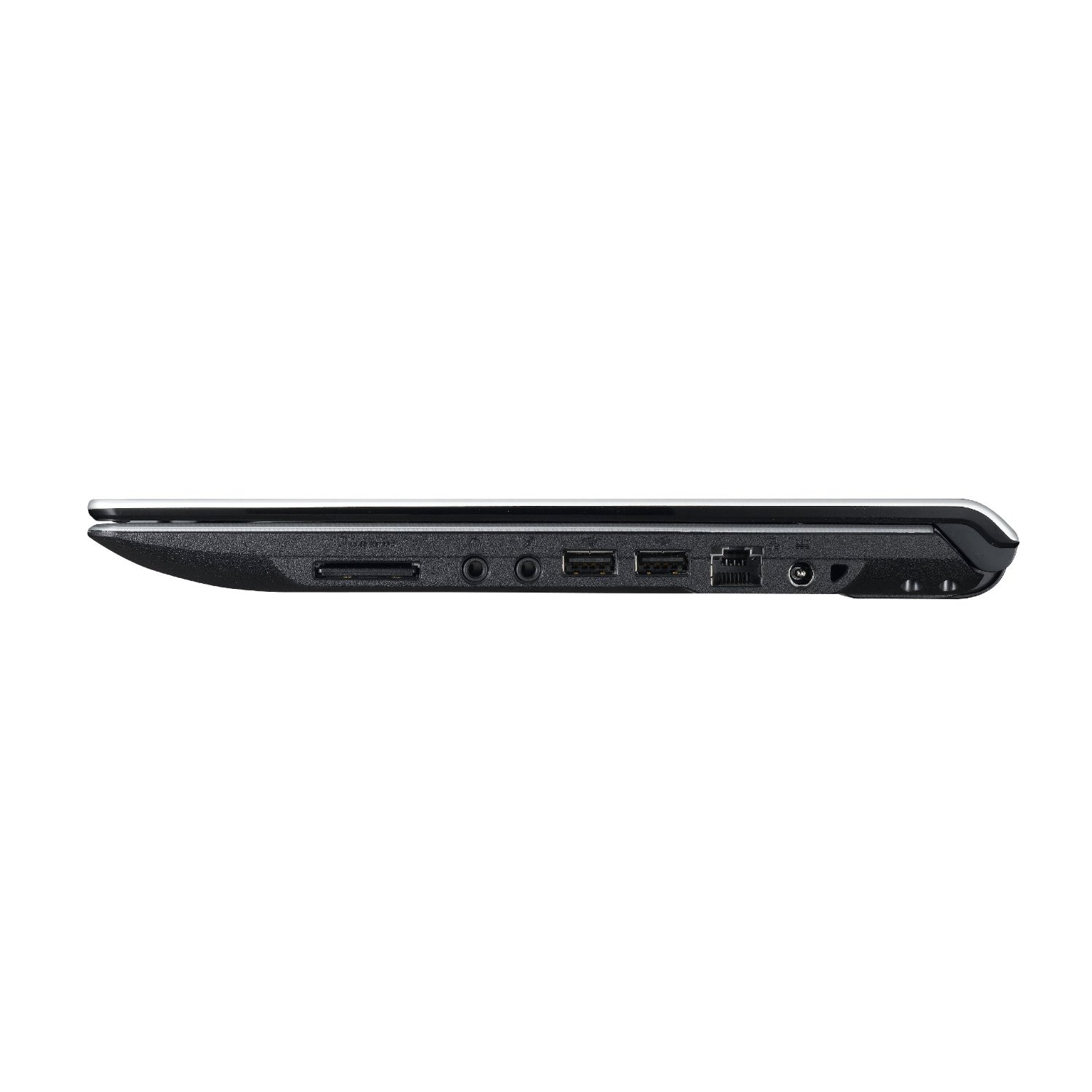
Asus UL30VT-A1Notebook: Asus UL30VT-A1 (UL30 Series)
Processor: Intel Core 2 Duo SU7300
Graphics Adapter: NVIDIA GeForce G210M
Display: 13.3 inch, 16:9, 1366x768 pixels, glossy: yes
Weight: 1.7kg
Price: 600 euro
Average Score: 70% - average
Average of 1 scores (from 1 reviews)
price: - %, performance: 70%, features: - %, display: 60% mobility: 100%, workmanship: 70%, ergonomy: 100%, emissions: - %

Reviews for the Asus UL30VT-A1

70% ASUS UL30VT-A1 Light and Thin
Source: notebookforums.com English
I've replaced the original 500gb 5400rpm hard drive with an Intel x25-m 80gb solid state drive so any lag that might have been felt using the original 500gb is gone and everything runs buttery smooth. My system boots up in about 20-30seconds and everything is pretty much instant.
Single Review, online available, Very Short, Date: 07/13/2011
Rating: Total score: 70% performance: 70% display: 60% mobility: 100% workmanship: 70% ergonomy: 100%

Comment

NVIDIA GeForce G210M: The GeForce G210M is the successor of the G110M and also possesses 16 shader cores. Because of the 40nm process, the chip is clocked much higher but is still staying in the same power envelope.

Non demanding games should be playable with these graphics cards.

» Further information can be found in our Comparison of Mobile Graphics Cards and the corresponding Benchmark List.


Intel Core 2 Duo: This is the Core Duo and Core Solo successor with a longer pipeline and 5-20% more speed without more power consumption. As an addition to the Core Duo design there exists a fourth decoder, an amplified SSE-unit and an additional arithmetical logical unit (ALU).

The Core 2 Duo for laptops is identical to the desktop Core 2 Duo processors but the notebook-processors work with lower voltages (0.95 to 1188 Volt) and a lower Frontside bus clock (1066 vs 667 MHz). The performance of equally clocked notebooks is 20-25% lower than Desktop PCs because of the lower Frontside bus clock and the slower hard disks.


SU7300: Slow clocked dual core processor with a low TDP of 10 Watt.» Further information can be found in our Comparison of Mobile Processsors.


13.3": This is a common display format for subnotebooks. Netbooks, UMPC and some subnotebooks have tinier displays. Nevertheless, the majority of standard laptops has a higher format. The advantage of a small display is, that the subnotebook can be small dimensioned and can be carried easily. Further the small display needs few energy, which improves the battery runtime and in consequence the mobility. The disadvantage is that the reading of texts is a bit exhausting for the eyes, especially with high resolutions.» To find out how fine a display is, see our DPI List.


1.7 kg: This sub-notebook weighs less than the average of all notebooks and represents a medium class of weight among the sub-notebooks. 11 inch displays are normal for this class of weight.


Asus: ASUSTeK Computer Incorporated, a Taiwanese multinational company, produces motherboards, graphics cards, optical drives, PDAs, computer monitors, notebook computers, servers, networking products, mobile phones, computer cases, computer components, and computer cooling systems. The company's 2007 revenues reached US$6.9 billion. ASUS also produces components for other manufacturers. The Eee PC initiated the netbook boom in 2008.

Asus reviews


70%: This rating is bad. Most notebooks are better rated. This is not a recommendation for purchase.


» Further information can be found in our Notebook Purchase Guide.

Notebooks from a different Manufacturer and/or with a different CPU

» Toshiba Satellite U500-178
Core 2 Duo P8700

Notebooks with the same GPU

» Medion Akoya P7611/MD97288
Pentium Dual Core T4400, 17.3", 3.4 kg
» Toshiba Satellite M500-PSMKCA
Core 2 Duo T6600, 14.0", 2.4 kg
» Asus UL50VT-RBBBK05
Core 2 Duo SU7300, 15.6", 2.4 kg
» Acer Aspire 7736G-663G25Mn
Core 2 Duo T6600, 17.3", 3.2 kg
» Asus UL50VF
Core 2 Duo SU7300, 15.6", 2.367 kg
» Asus UL50VS
Core 2 Duo SU7300, 15.6", 2.4 kg
» Toshiba Satellite A500-19X
Core 2 Duo T6600, 16.0", 2.8 kg
» Asus UL80VT-WX007X
Core 2 Duo SU7300, 14.0", 2 kg
» Sony Vaio VPC-CW15FGW
Core 2 Duo T6600, 14.0", 2.4 kg
» Asus UL50Vt
Core 2 Duo SU7300, 15.6", 2.3 kg
» Asus UL50Vt-XO037V
Core 2 Duo SU7300, 15.6", 2.4 kg
» Asus UL50VG
Core 2 Duo SU7300, 15.6", 2.4 kg
» Asus UL80Vt-A1
Core 2 Duo SU7300, 14.0", 2.2 kg
» Asus UL80Vt
Core 2 Duo SU7300, 14.0", 2.2 kg
» Medion P7612 / MD97860
Core 2 Duo T6500, 17.3", 3.4 kg

Laptops with Same Screen Size and/or Weight

» Asus Transformer Book TX300CA-C4005H
HD Graphics 4000, Core i7 3517U
» Acer Aspire S7-391-6413
HD Graphics 4000, Core i5 3337U
» Samsung 540U3C-A02UK
HD Graphics 4000, Core i3 3217U
» Dell XPS 13 Developer Edition
HD Graphics 4000, Core i7 3537U
» Asus VivoBook S300CA-C1016H
HD Graphics 4000, Core i3 3217U
» Samsung 540U3C-A01CA
HD Graphics 4000, Core i5 3317U
» Samsung Ultra Touch 740U3E-S02DE
Radeon HD 8570M, Core i7 3537U
» Sony Vaio SV-S13A3Z9ES
GeForce GT 640M LE, Core i7 3540M
» Asus UX32VD-R3001H
GeForce GT 620M, Core i5 3317U
» Asus Taichi 31-CX003H
HD Graphics 4000, Core i5 3317U
» Sony Vaio SV-T13126CNS
HD Graphics 4000, Core i5 3317U
» Sony Vaio SV-T1313C5E
HD Graphics 4000, Core i5 3317U
» Samsung 730U3E-S04DE
Radeon HD 8570M, Core i5 3337U
Current Prices

Pricerunner n.a.

> Notebook / Laptop Reviews and News > Library > Asus > Asus UL30VT-A1
Author: Stefan Hinum, 2011-08-13 (Update: 2012-05-26)