Why make PC CPUs when there's no memory? Intel shifts production to server chips
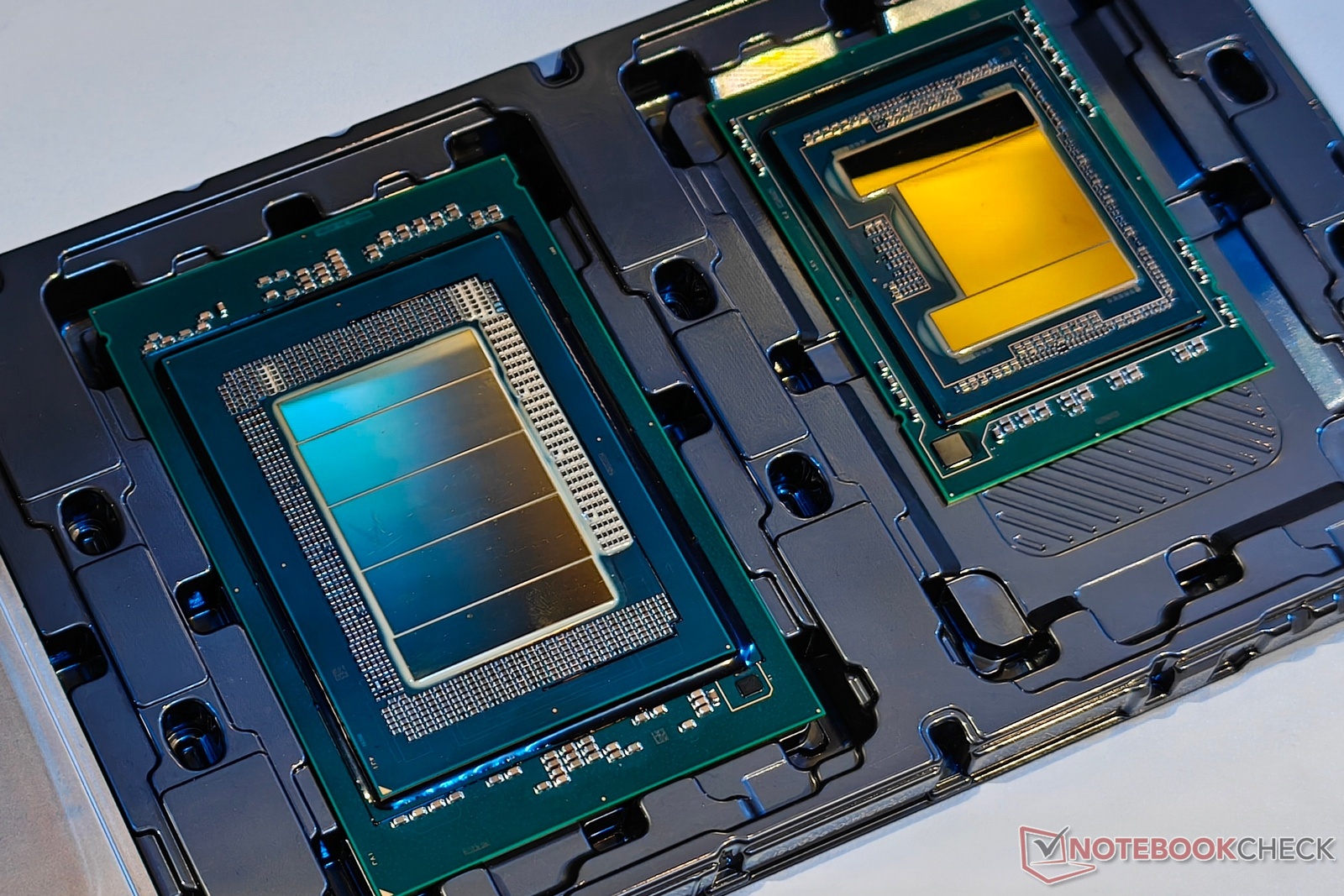
Intel is shifting some of its manufacturing capacity from consumer processors to server CPUs as demand from AI companies continues to grow. The company is facing what CEO Lip-Bu Tan describes as “one of the most significant supply shortages in history,” with demand for processors now exceeding what Intel can produce.
Intel expects the consumer PC market to keep shrinking in the coming quarters, while demand for server processors continues to rise. To keep up, the company is moving some manufacturing capacity from consumer CPUs to server chips. It is also expanding production at its Fab 24 facility in Ireland, where it plans to make more Xeon processors and accelerating equipment installation at Fab 62 in Arizona.
One of Intel's immediate priorities is increasing production of Xeon 6 processors based on the Granite Rapids architecture. Demand for these CPUs already exceeds available supply, despite planned production increases. Intel's Data Center and AI division generated $7.3 billion in revenue in the third quarter of 2026, up 17 % sequentially and nearly 80 % year over year. The company expects demand to remain strong in 2027 and 2028 as AI operators deploy more CPU-intensive inference and agentic workloads.
Intel is also converting some manufacturing resources in Oregon from its 18A process, originally intended for Panther Lake PC processors, to Intel 3 production for data center chips. The additional Intel 3 capacity is expected to become available in the second half of 2027. At the same time, Intel is installing more equipment at its Arizona facilities to support future 18A and 18A-P products, including server processors.
The shortage is not limited to wafer production. Intel is also struggling to get enough advanced packaging materials, particularly the substrates used in its multi-chip processors. The company is working with suppliers to increase production and expects around 40 % more substrate capacity to become available in the second half of 2027. It is also expanding its packaging operations in New Mexico and Malaysia.
However, these changes will take time to improve supply. Intel expects shortages to remain particularly severe during the first half of 2027, even as it works to increase production. The company plans to spend approximately $20 billion on capital expenditures in 2026, with investment expected to increase significantly next year.
Intel believes that higher manufacturing output, improved yields and additional packaging capacity will help it meet growing demand in the second half of 2027 and beyond. Until then, the company will have to balance limited production capacity between its consumer CPU business and the rapidly expanding AI infrastructure market.
 Add as a preferred source on Google