




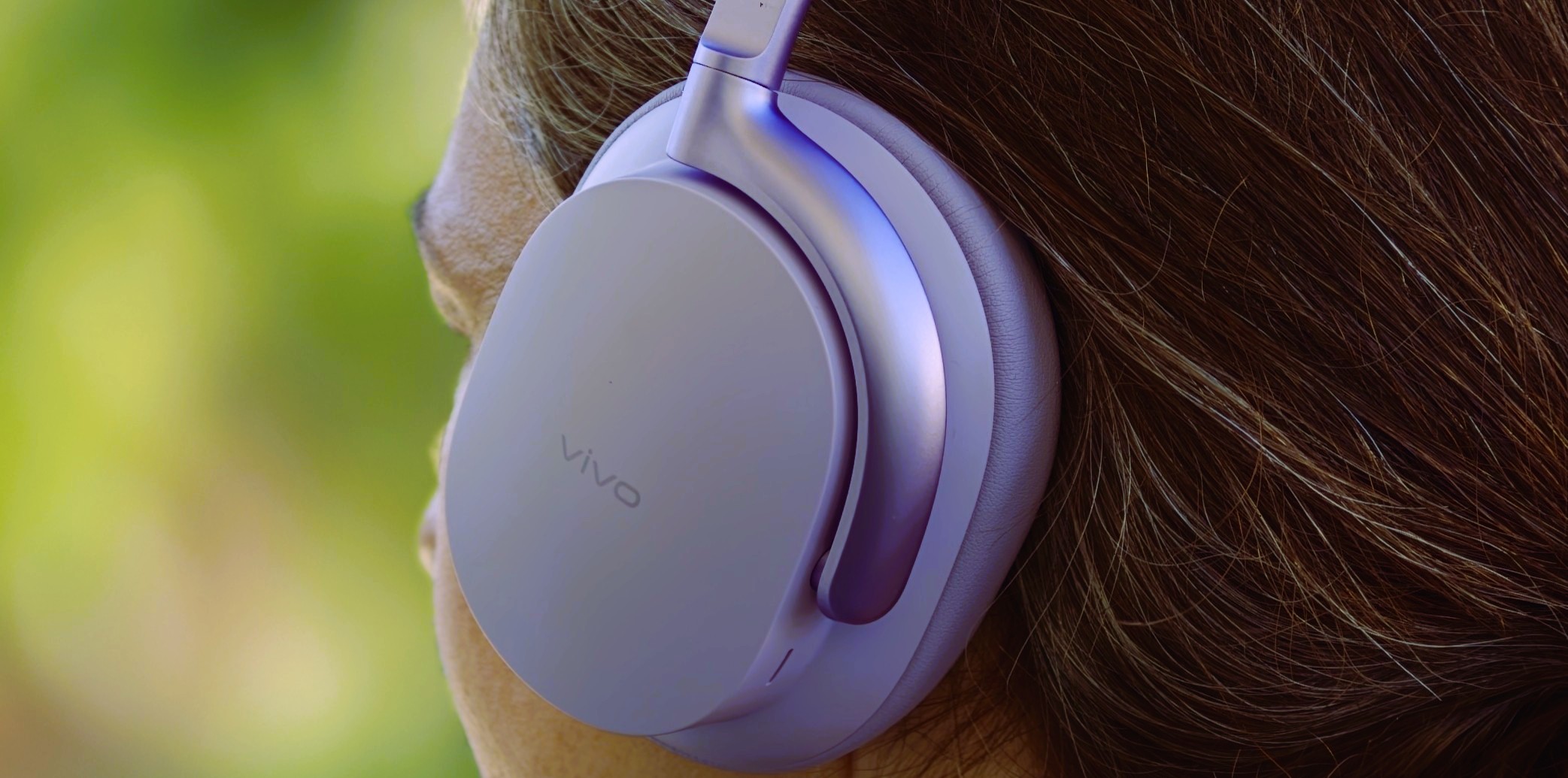
Vivo Over-Ear Headphones review: Great value with ANC & long battery life
A battery-life marvel?
Vivo’s new headphones are the company’s first over-ear model, and they aim to lure buyers away from the AirPods Max 2 and Sony WH-1000XM6 right from the start with high-end hardware. Active noise cancellation, strong sound quality, and long battery life are intended to support their premium ambitions despite the affordable price. Could these headphones be a hidden gem?Marcus Herbrich, ✓ Ninh Duy (translated by DeepL / Ninh Duy) Published 🇩🇪 🇪🇸 ...
Verdict - An affordable alternative to Apple’s AirPods Max 2 with long battery life
Vivo’s new Over-Ear Headphones show that the company gets a lot right in terms of comfort, features, and battery life. Although the lightweight plastic housing does not feel particularly premium, it remains comfortable to wear for several hours. The large foam ear cushions provide very good passive noise isolation, which noticeably compensates for the merely average active noise cancellation.
Vivo also earns points for using physical buttons instead of touch controls. They prove reliable and intuitive in everyday use, although the volume dial could feel more premium. In terms of sound, the headphones provide a solid foundation, but they lack some clarity and sparkle, leaving the overall presentation sounding somewhat flat.
Compared with premium models from Apple and Sony, Vivo’s new over-ear headphones offer a compelling price-to-performance ratio. However, prospective buyers should not expect exceptional ANC or sound quality for under €100.
Pros
Cons
Price and Availability

We received the Vivo over-ear headphones from TradingShenzhen. Prices start at €87, or $99, and the headphones are available in white and purple. It is currently unclear whether Vivo plans to launch them in Europe. So far, they have only been announced for the Chinese market, where they cost 499 yuan, or about €65.
Table of Contents
- Verdict - An affordable alternative to Apple’s AirPods Max 2 with long battery life
- Specifications for the Vivo over-ear headphones
- Design and ergonomics - Lightweight Over-Ear Headphones
- Features and controls - Over-Ear Headphones with ANC and physical buttons
- Sound - Over-Ear Headphones with 40-mm drivers and LDAC support
- Battery Life - Long runtimes with and without ANC
Specifications for the Vivo over-ear headphones
| Form factor | Over-ear |
| Colors | Lavender/Violet, Cloud White |
| Dimensions | 181.6 × 147.6 × 86.3 mm |
| Weight | 238 g |
| Frequency range | 20 Hz — 40 kHz |
| Audio Codecs | AAC / SBC / LDAC |
| Active Noise Cancellation (ANC) | Supported |
| Call Noise Cancellation | Supported |
| Microphones | 4+1 |
| Chipset | BES2710Y-8X |
| Bluetooth version | Bluetooth 5.4 |
| Latency | 47 ms (Gaming Mode) |
| Battery life | Up to 75 hours |
| Charging port | USB Type-C |
| Charging time | 2.5 hours |
Design and ergonomics - Lightweight Over-Ear Headphones
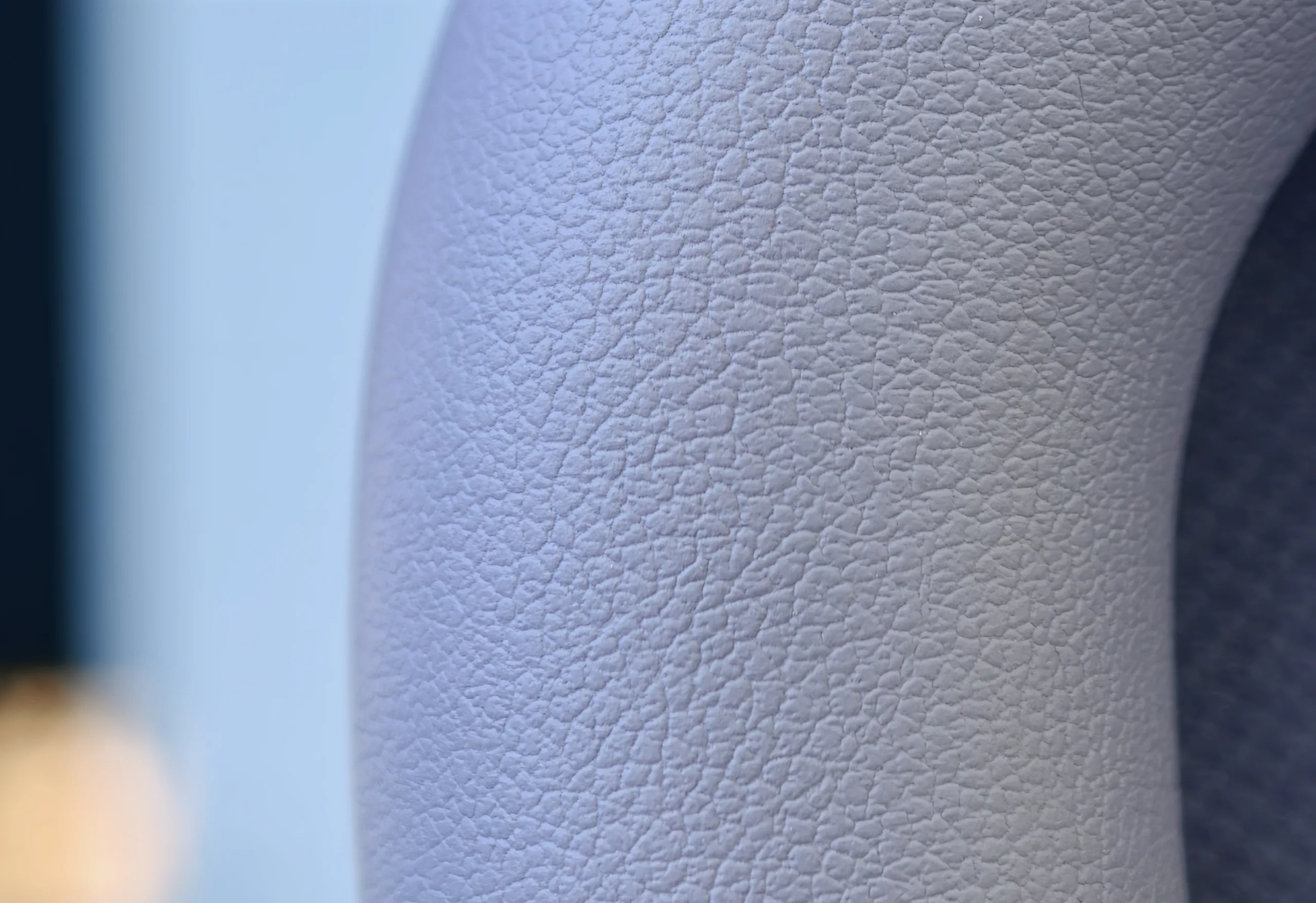
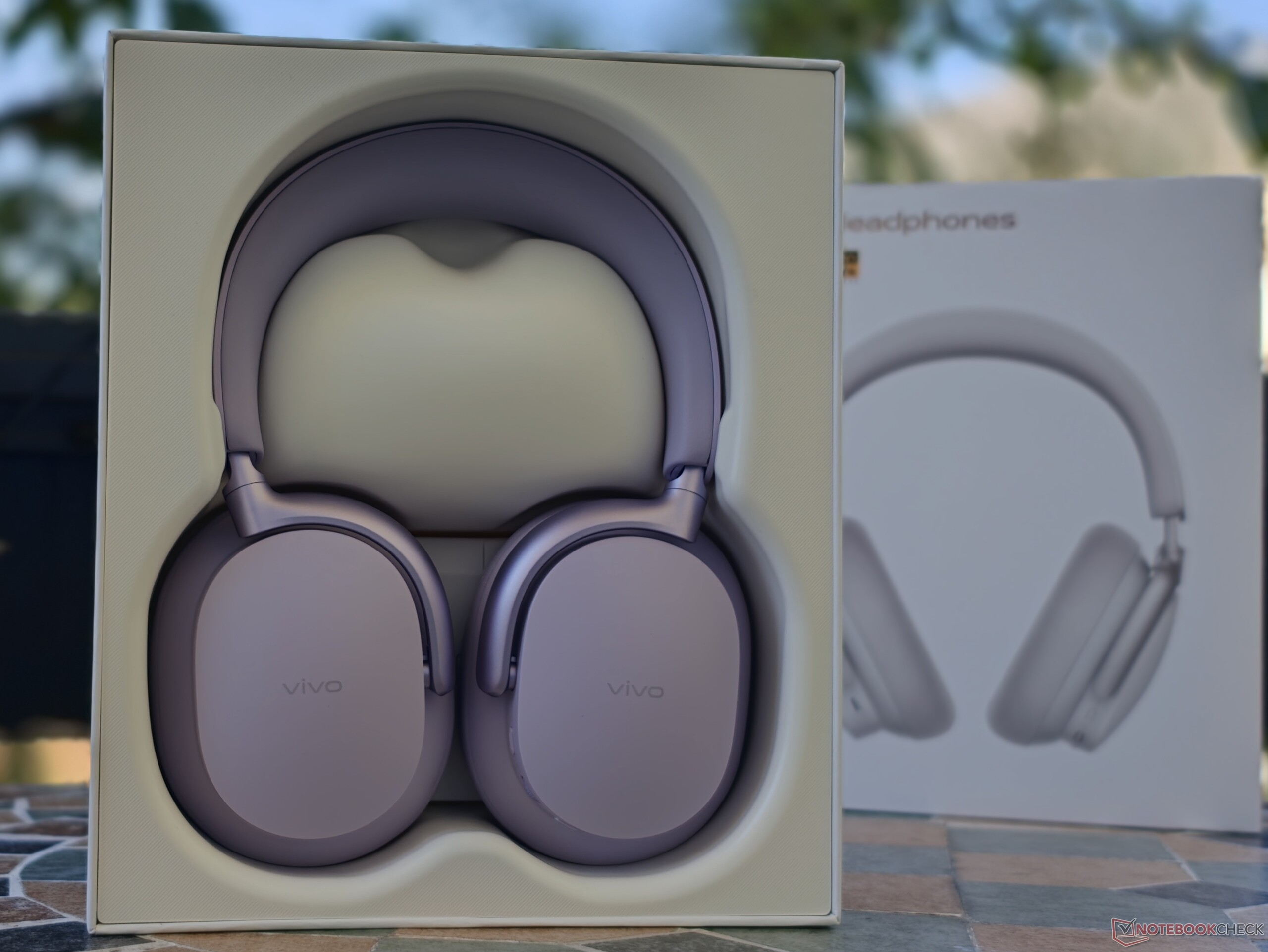
With the simply named Over-Ear Headphones, Vivo has expanded its product lineup. For its first wireless over-ear model, the company chose plastic instead of aluminum. As a result, the headphones do not feel quite as premium, but at just 285 g, they are pleasantly lightweight compared with Apple’s AirPods Max 2, which weigh 386 g.
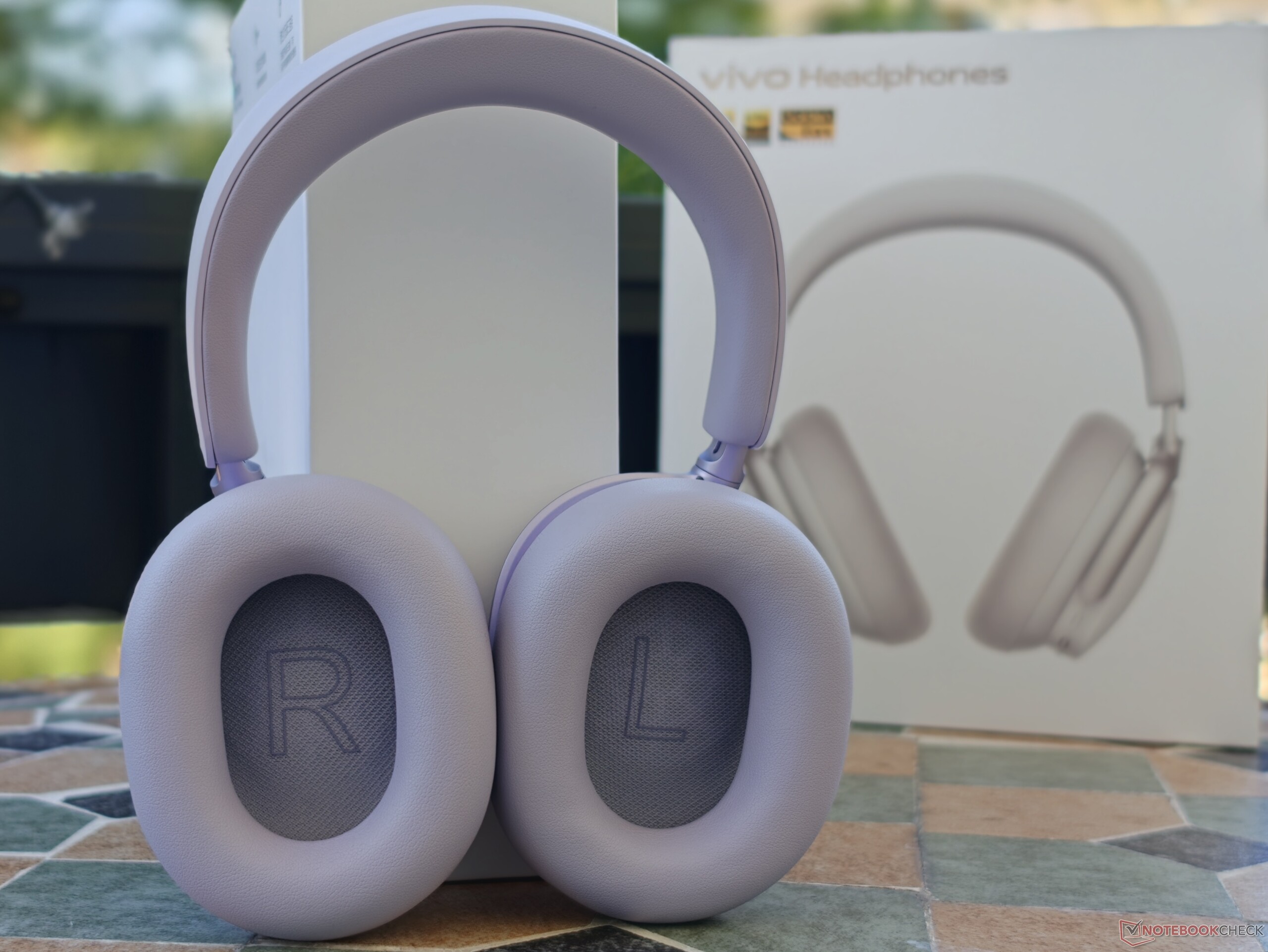
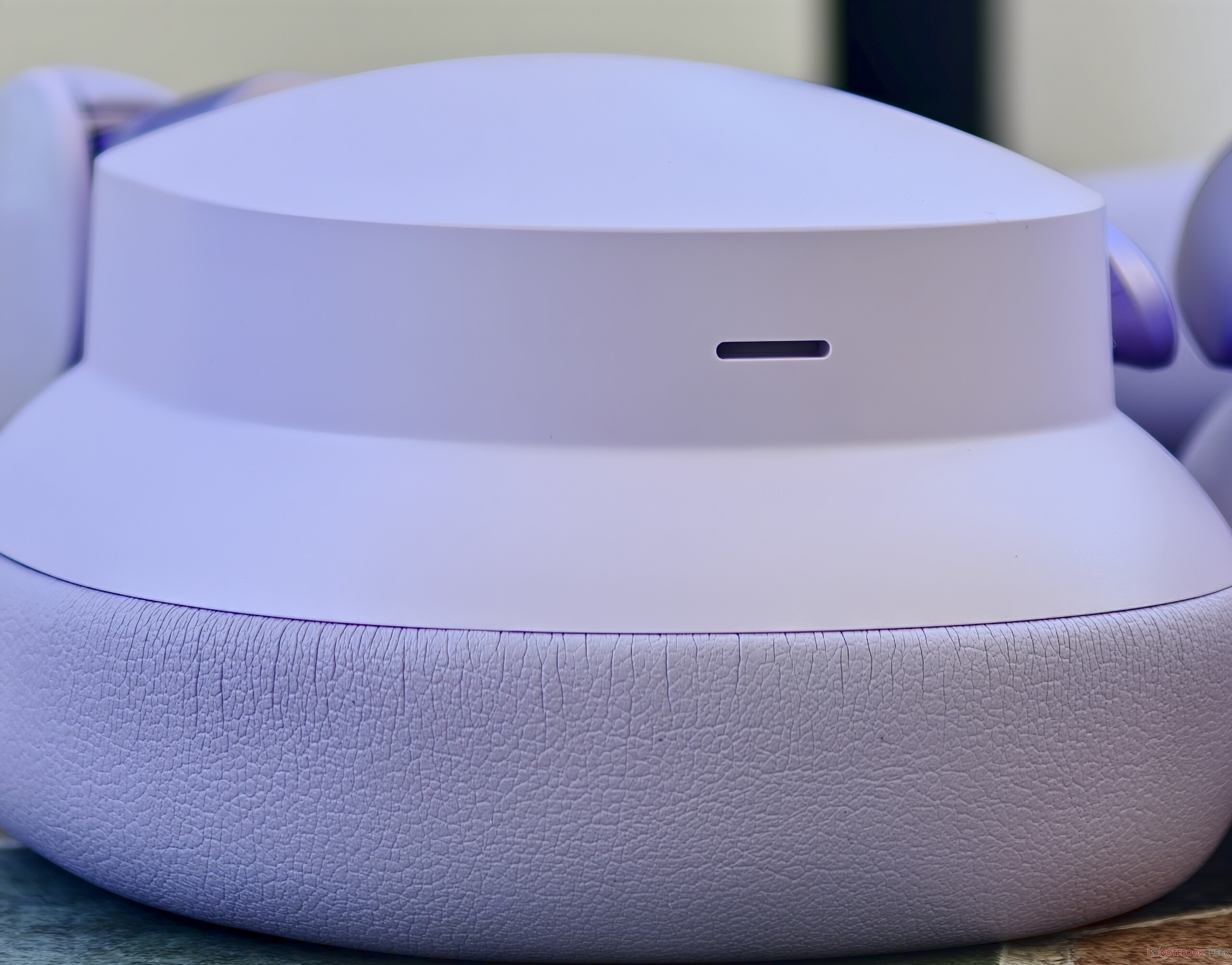
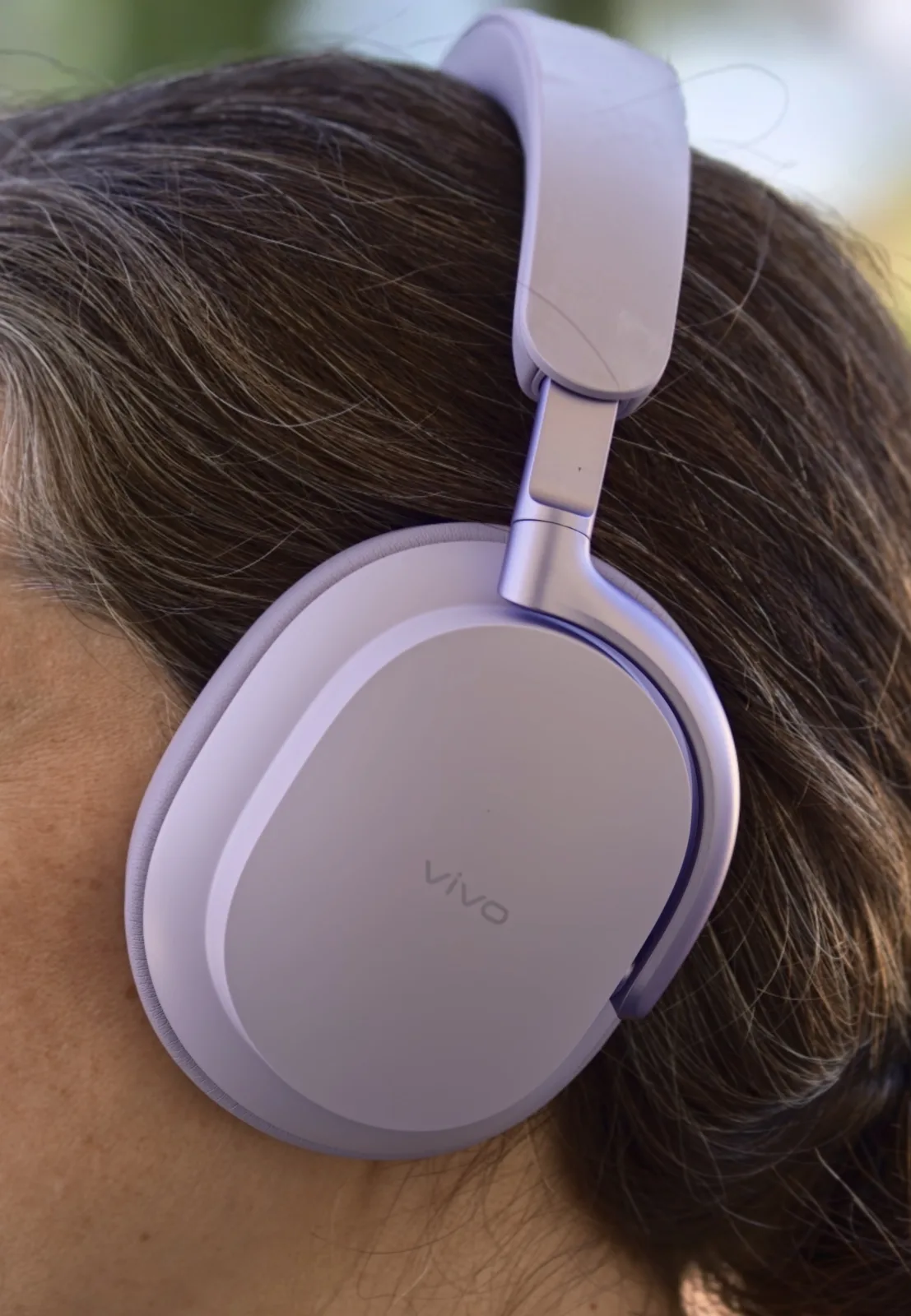
The large, soft ear cushions provide a high level of comfort in everyday use, while the leather-like material feels pleasant against the skin. The cushions fully surround the ears and provide very good passive noise isolation.
Vivo does not specify any protection against dust or water ingress. The headphones also cannot be folded for easier transport in a bag or backpack.

Features and controls - Over-Ear Headphones with ANC and physical buttons
The over-ear headphones support Bluetooth 5.4 and use a Bestechnic BES2710Y-8X audio SoC. They also offer a low-latency gaming mode and five microphones for voice calls.
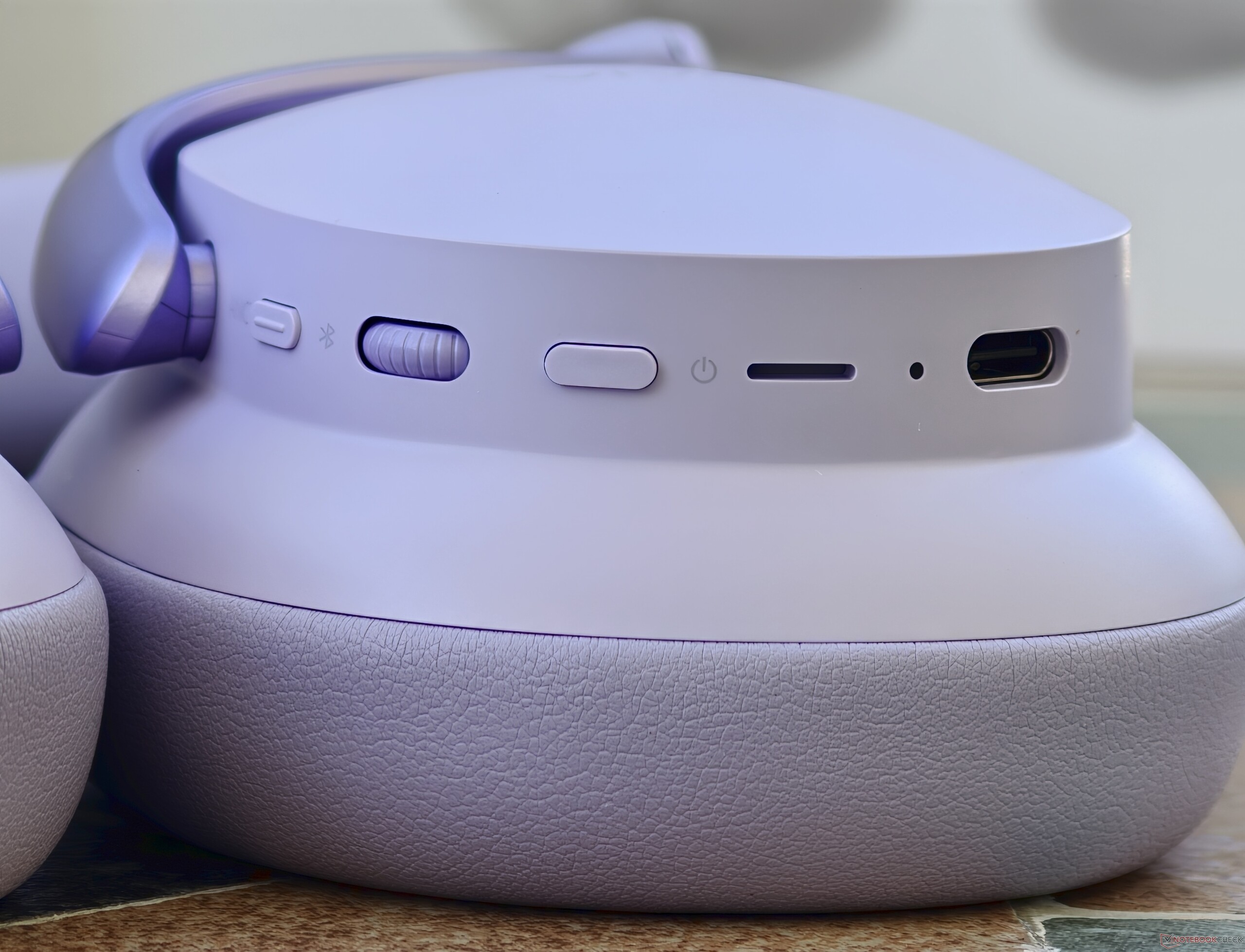
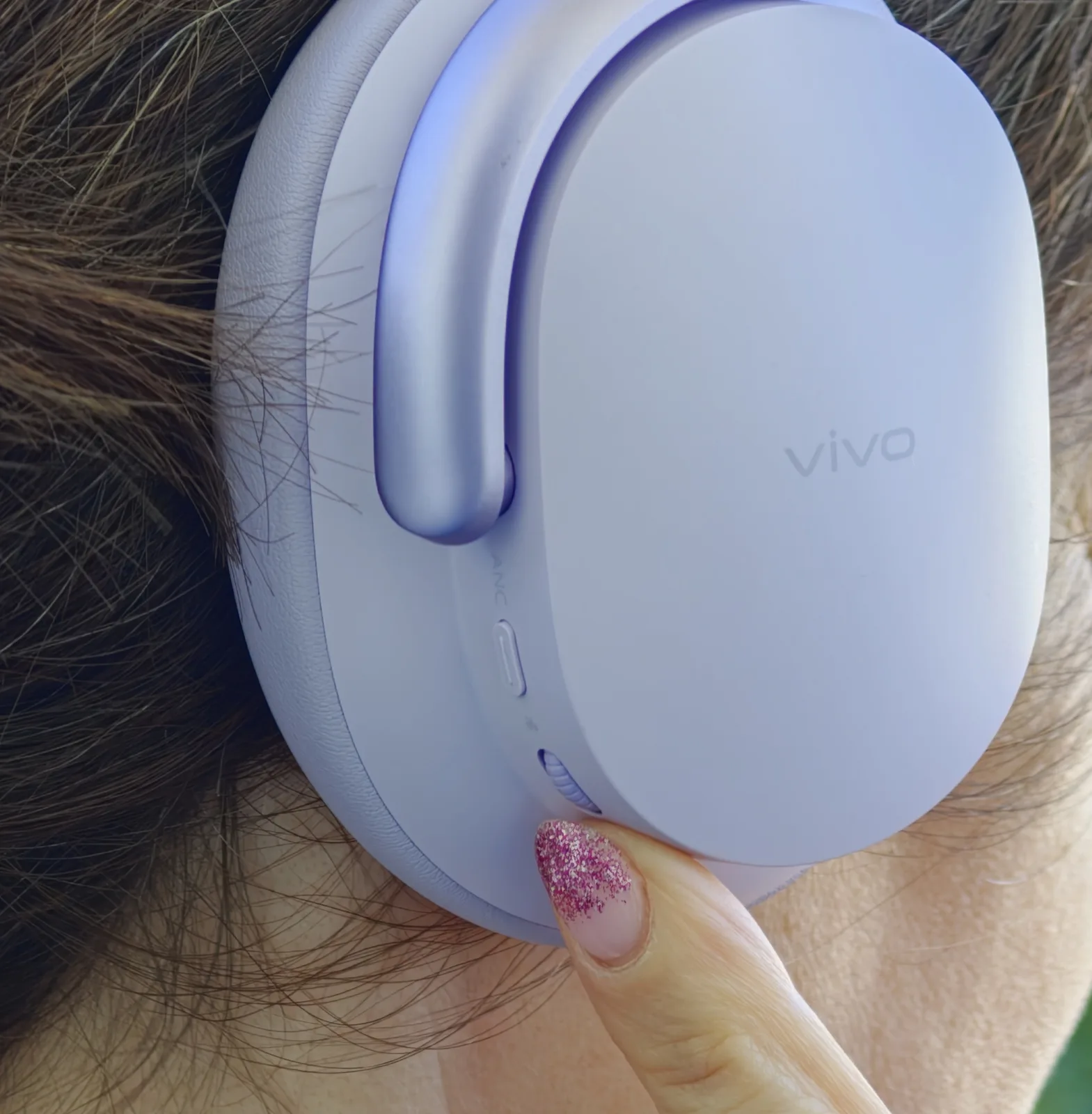
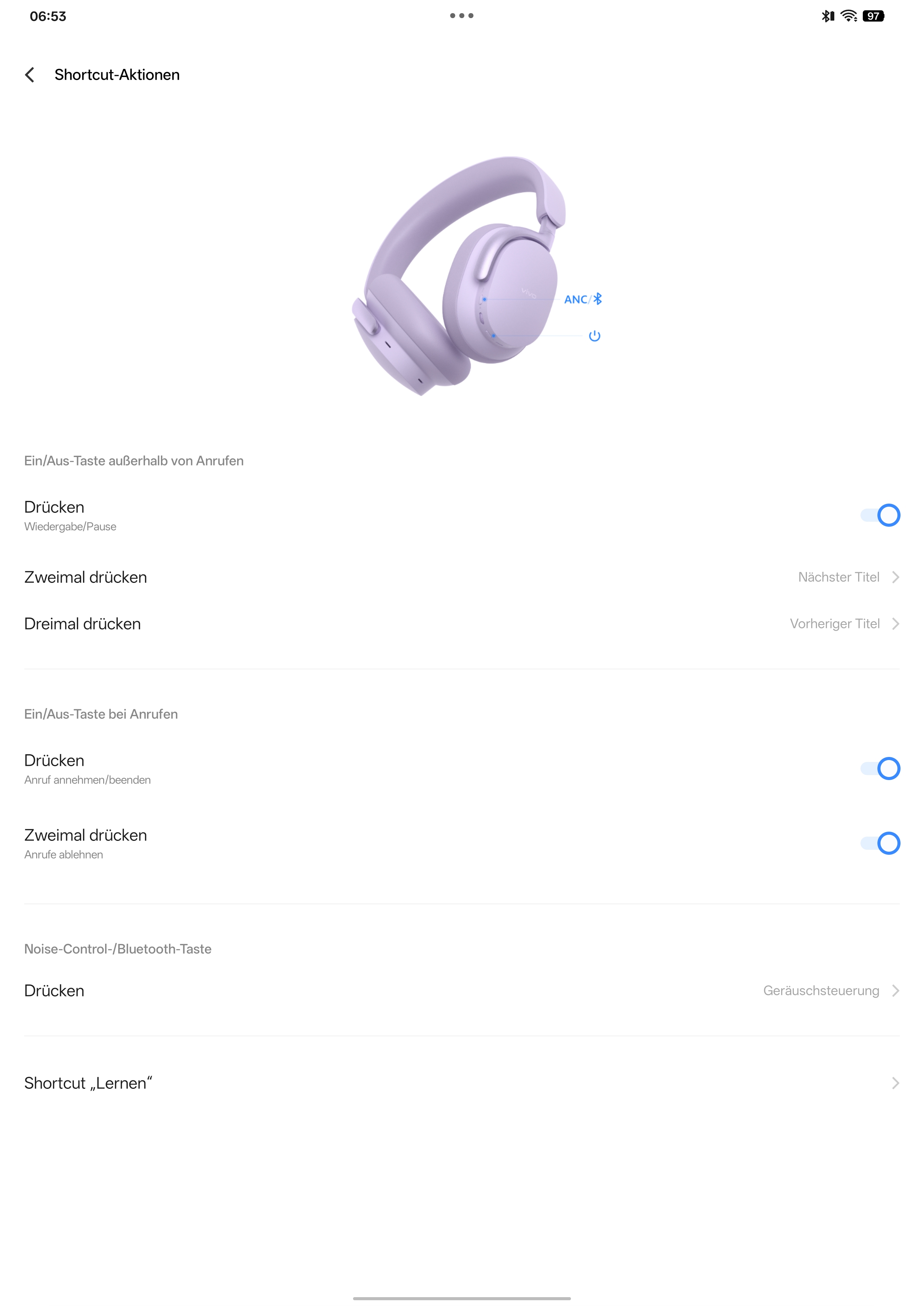
Instead of touch controls and swipe gestures, Vivo uses physical buttons. In our testing, they enabled quick and precise operation without requiring us to look at the controls. The headphones have three control elements: a power button, an ANC button, and a rotary volume control. The latter does not feel particularly premium, however. We would have preferred slightly more resistance when turning it or defined click stops.
Some buttons perform multiple functions. The power button also serves as a multifunction button for music playback and calls, while the ANC button is used for Bluetooth pairing. The button assignments can be customized in the Vivo app.
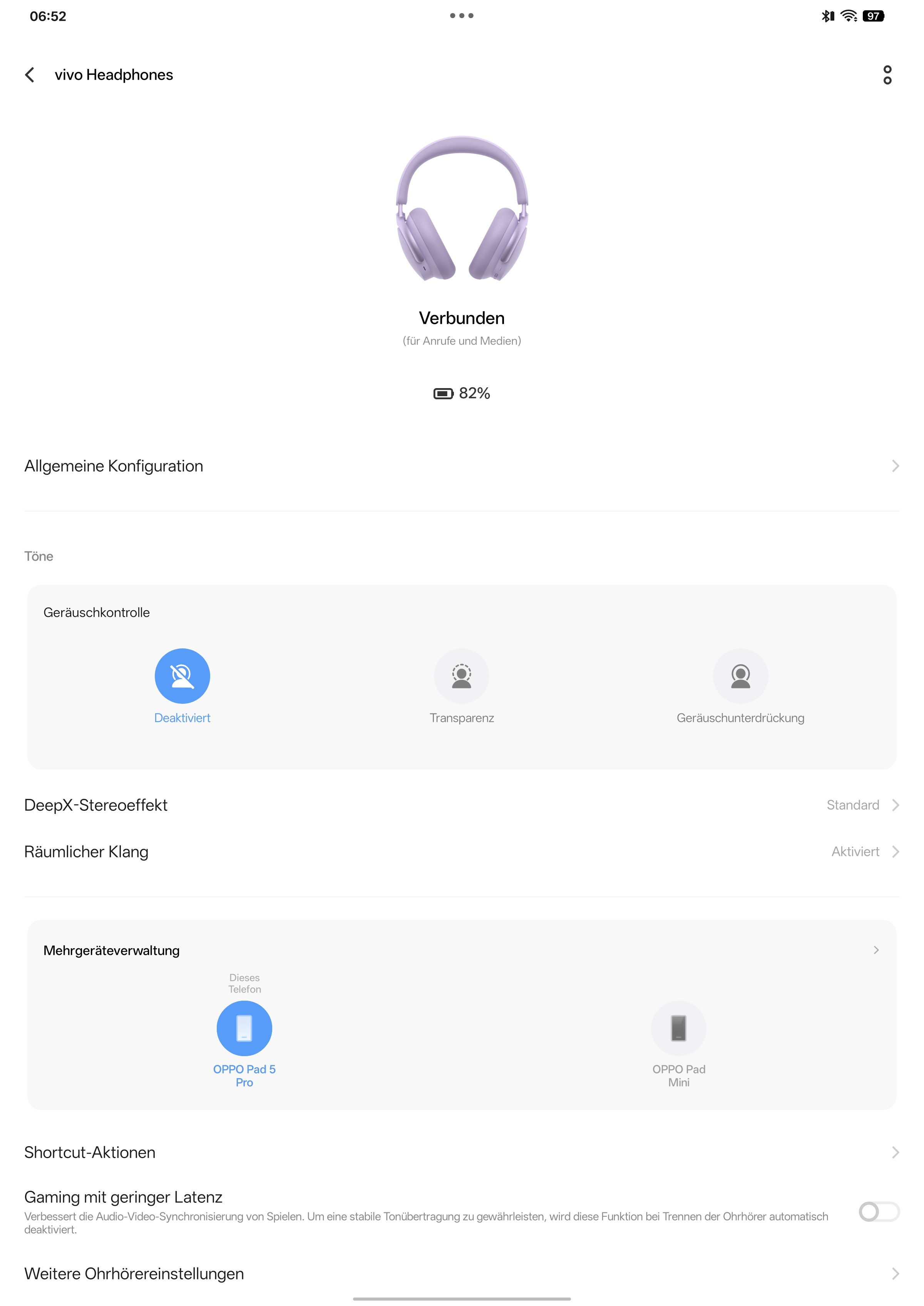
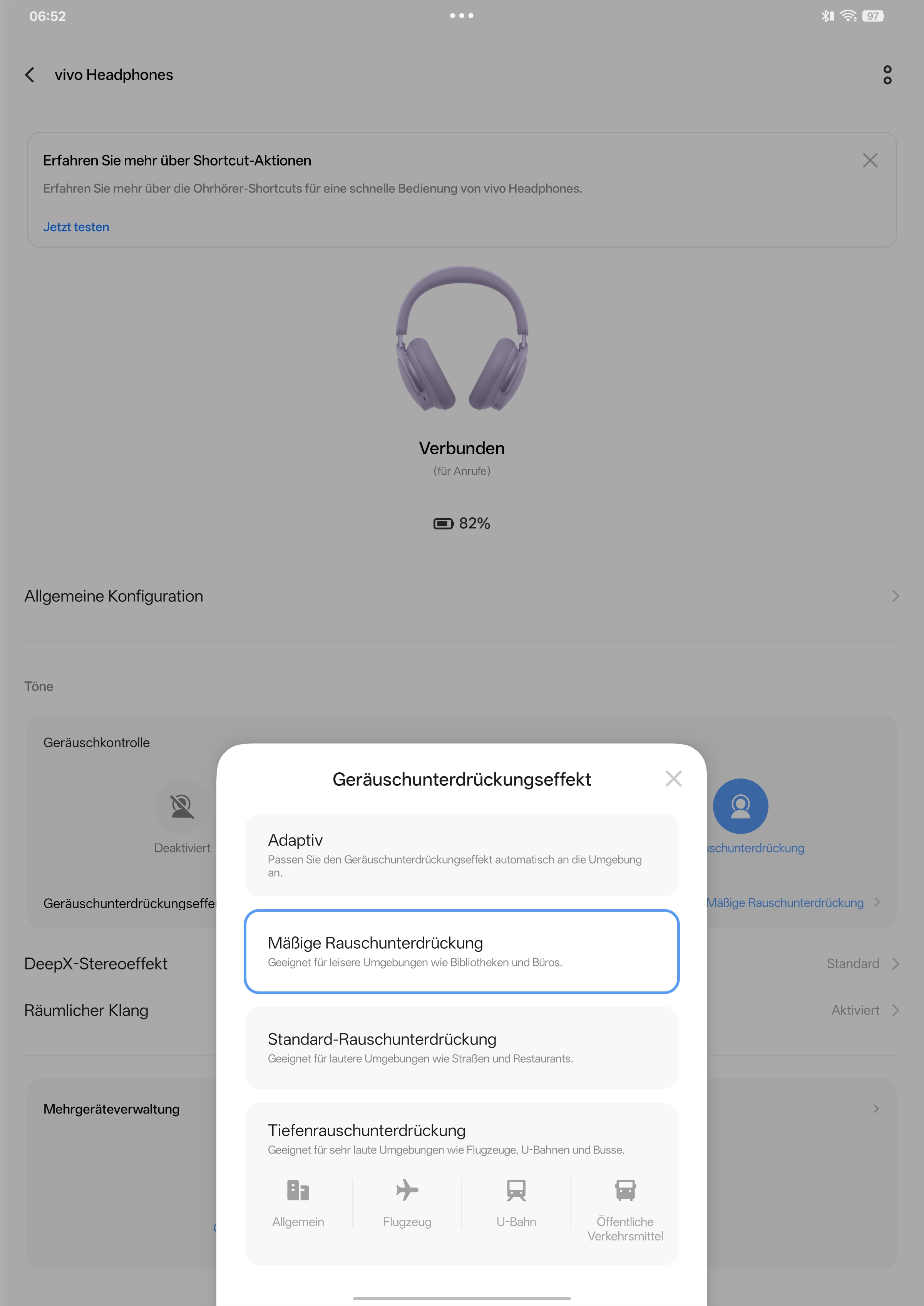
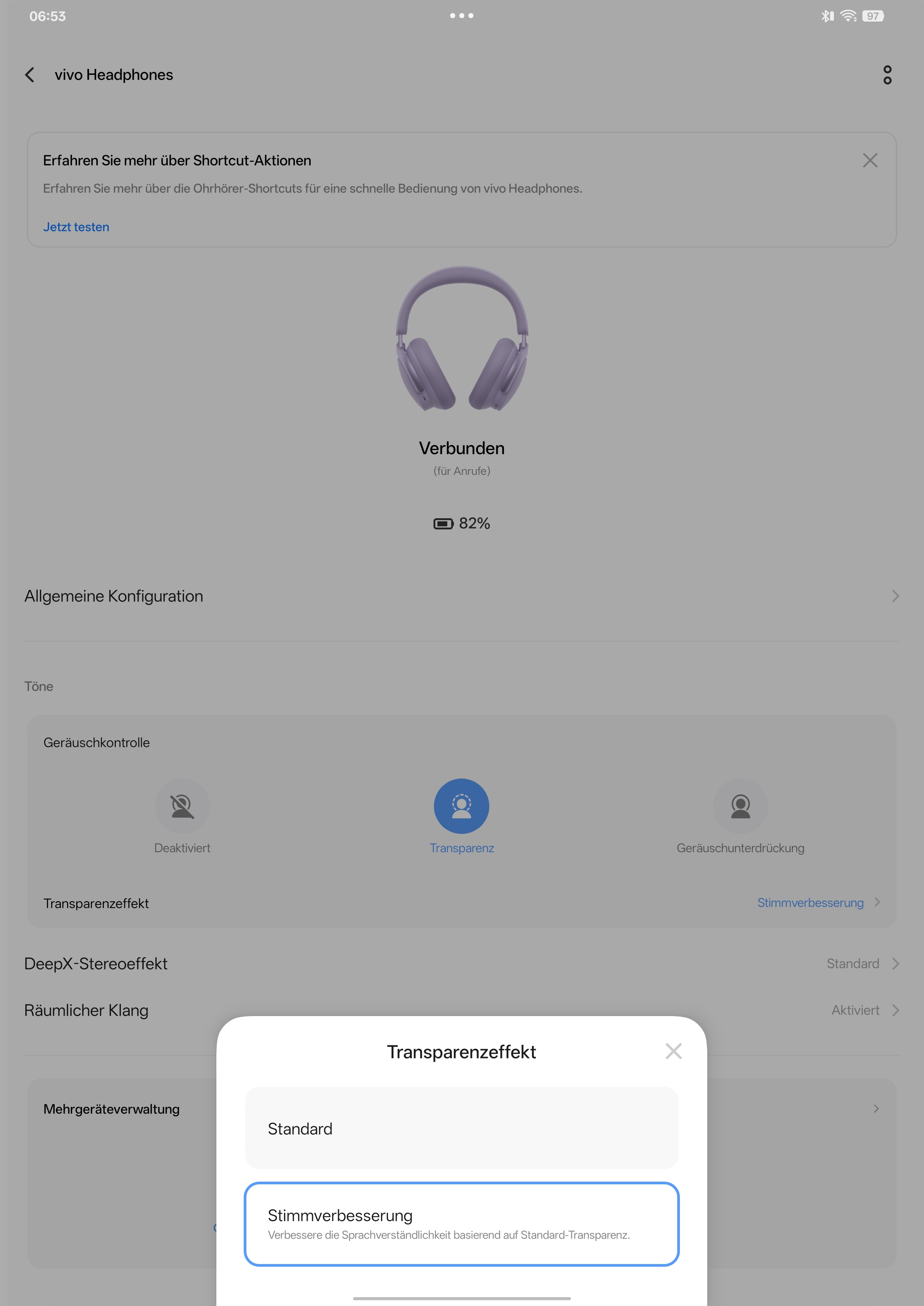
The app also provides several adaptive noise-cancellation modes. The headphones can automatically detect ambient noise and switch among the “Light,” “Normal,” and “Intensive” profiles. Alternatively, users can adjust the level of noise cancellation or activate transparency mode at the press of a button.
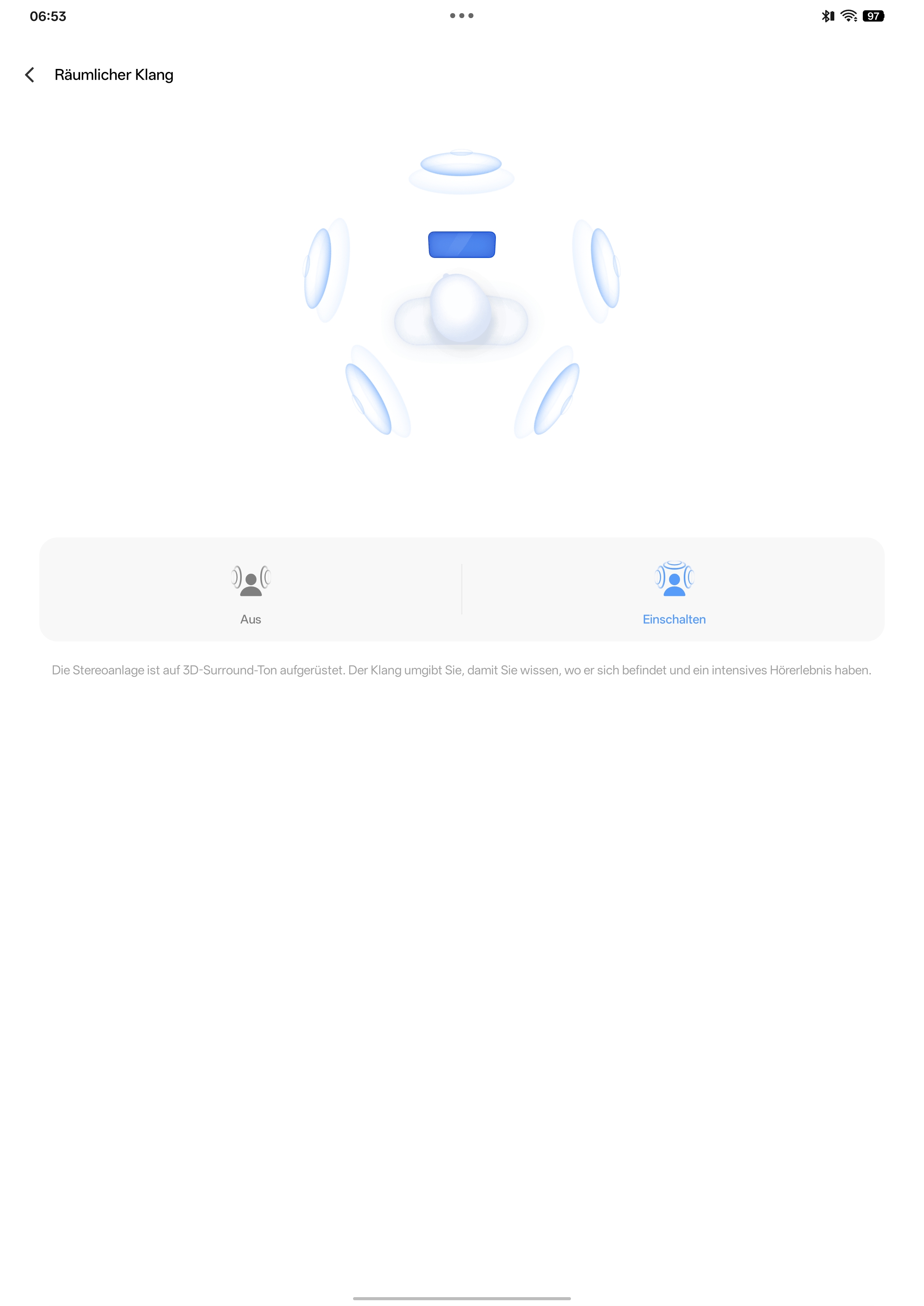
One notable feature in this price range is the ability to switch seamlessly among as many as three connected devices. Unfortunately, Vivo restricts this function to its own smartphones and tablets. The headphones also include a feature that converts conventional stereo audio into immersive 360-degree surround sound.
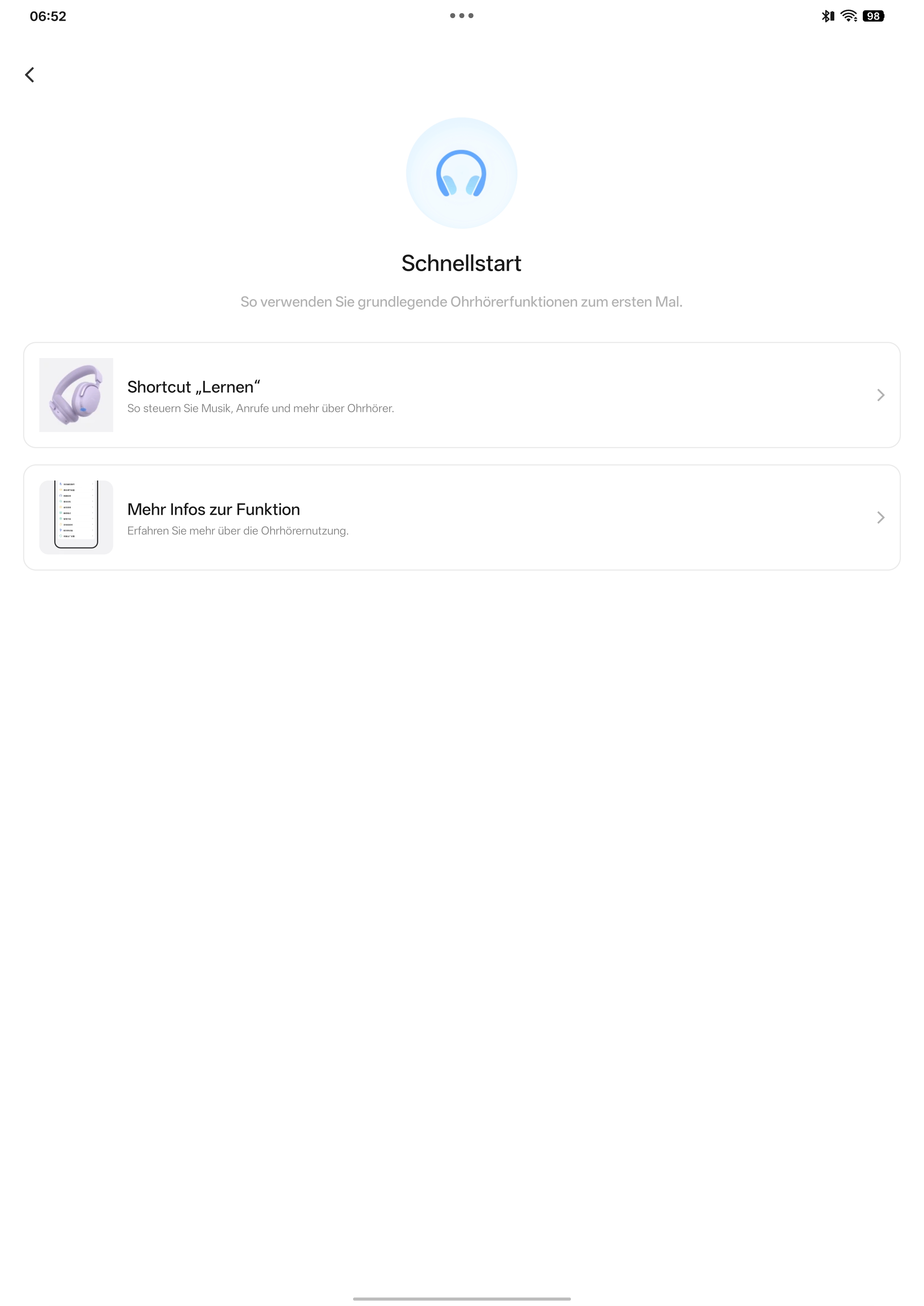
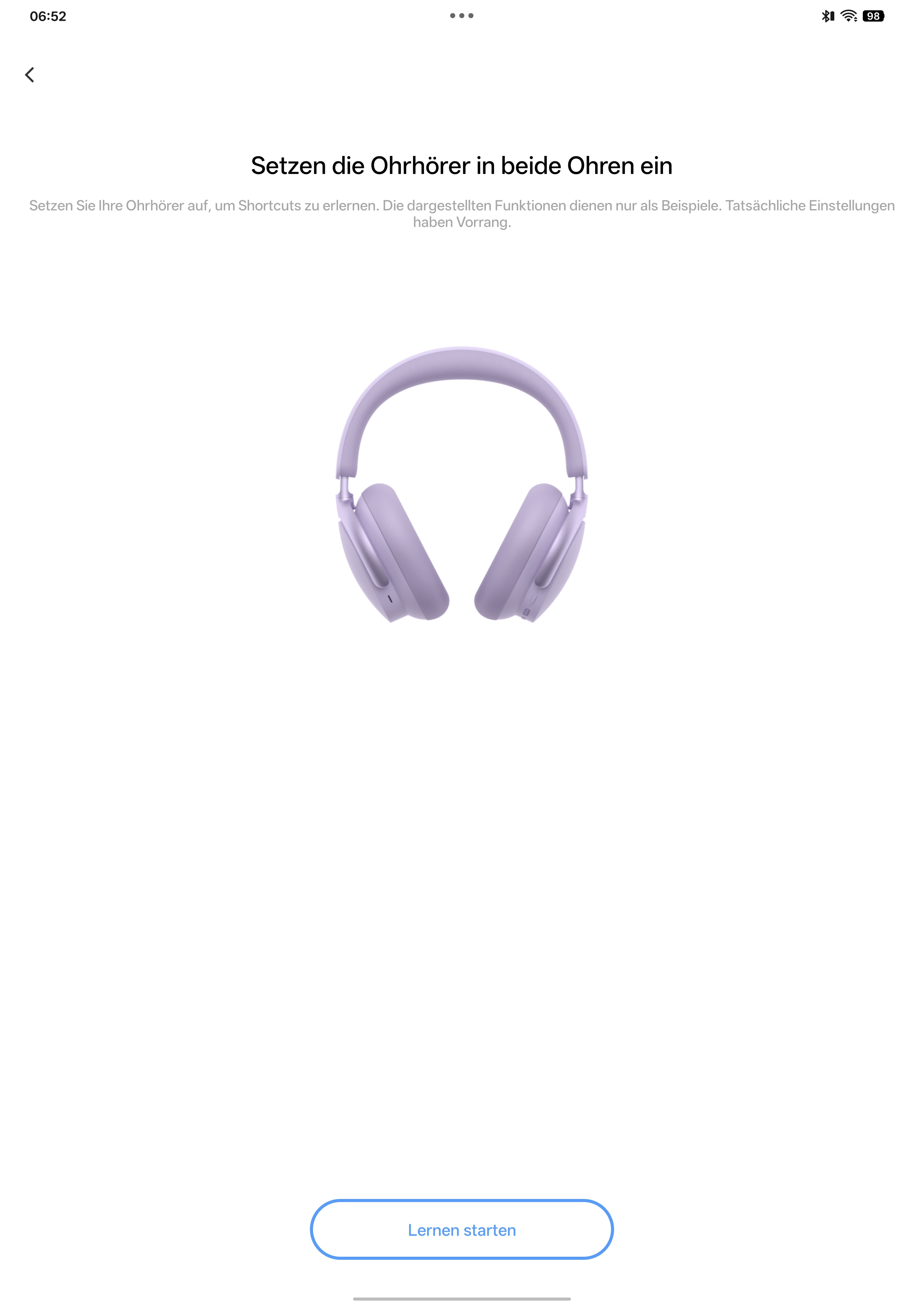
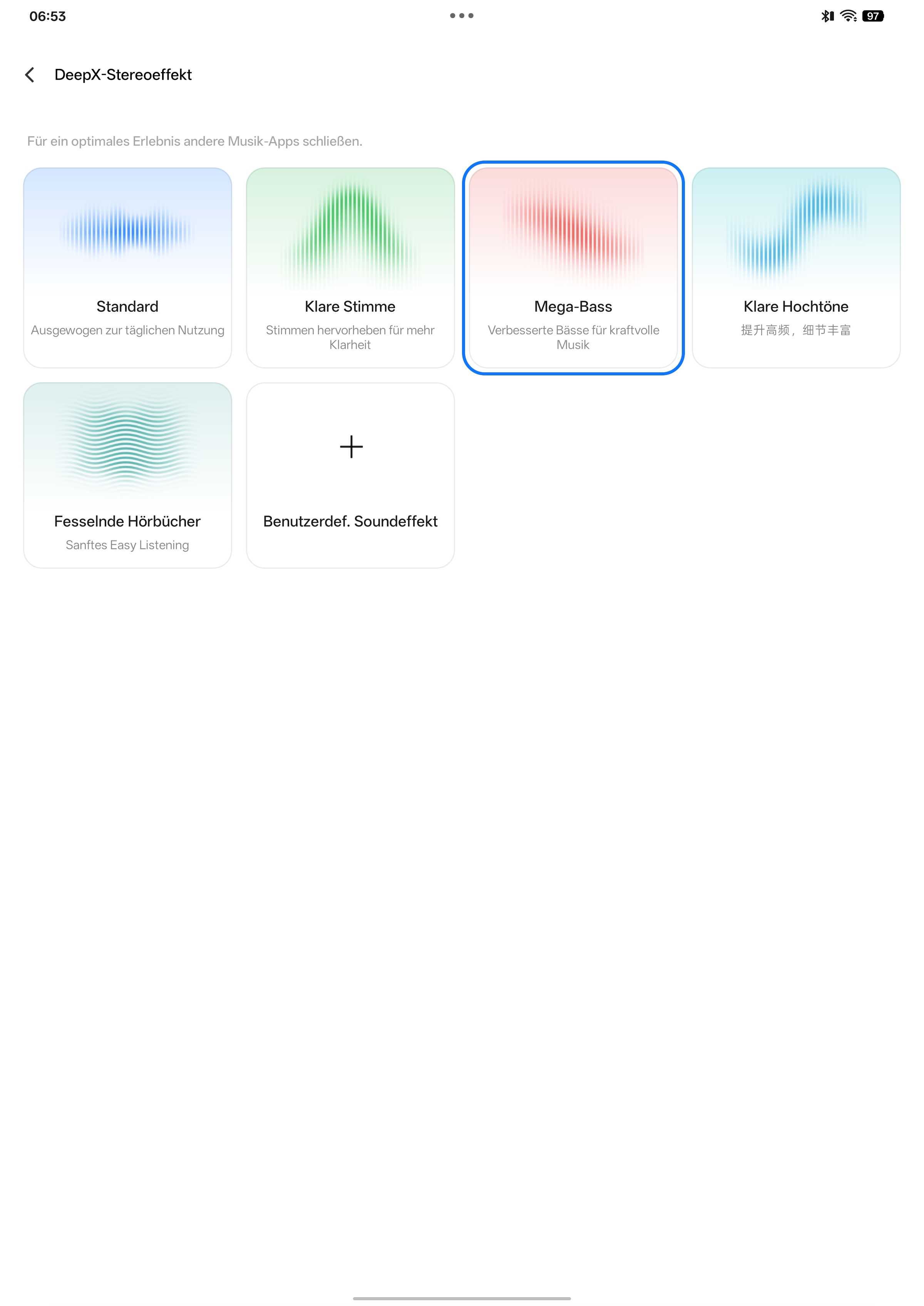
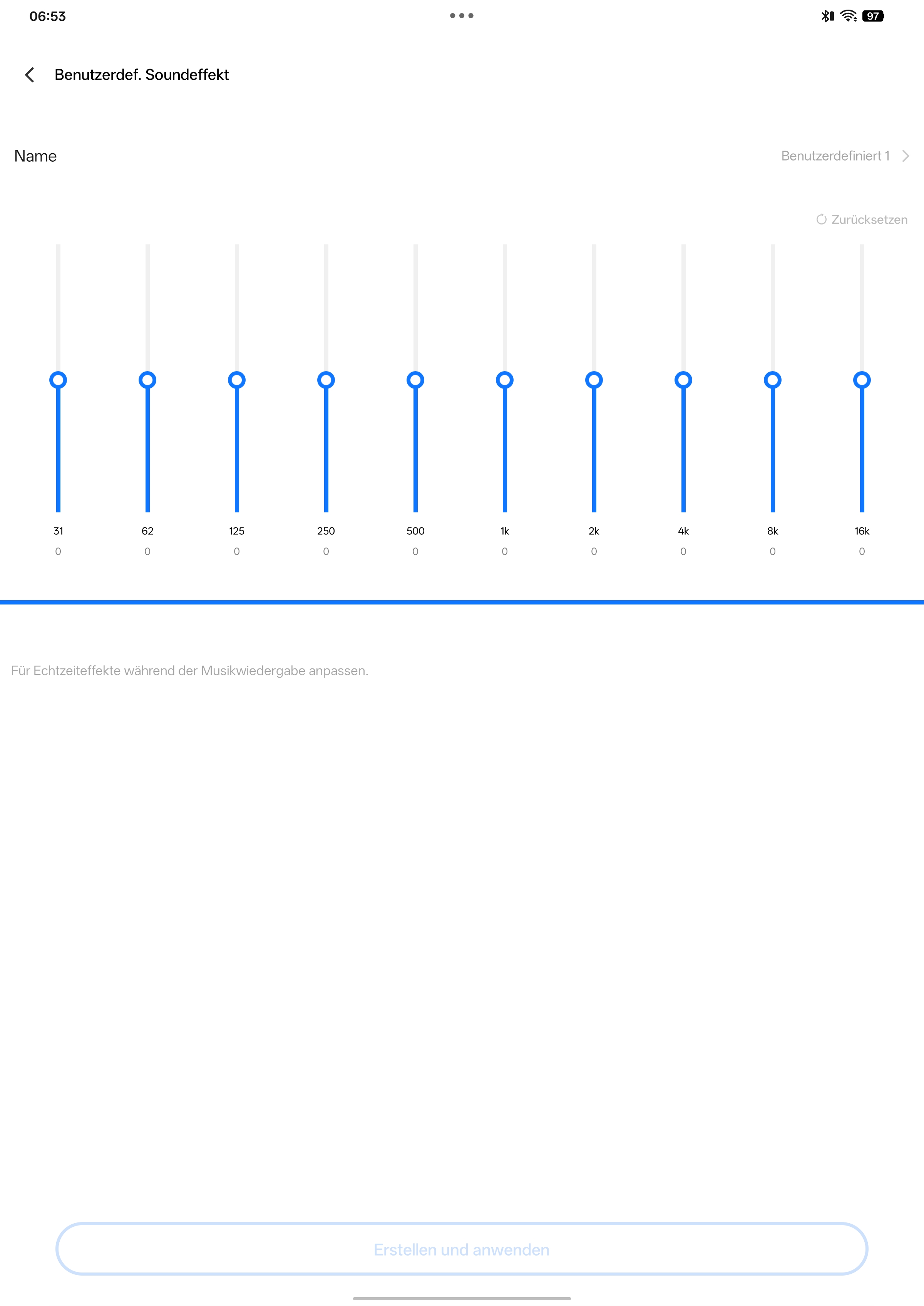
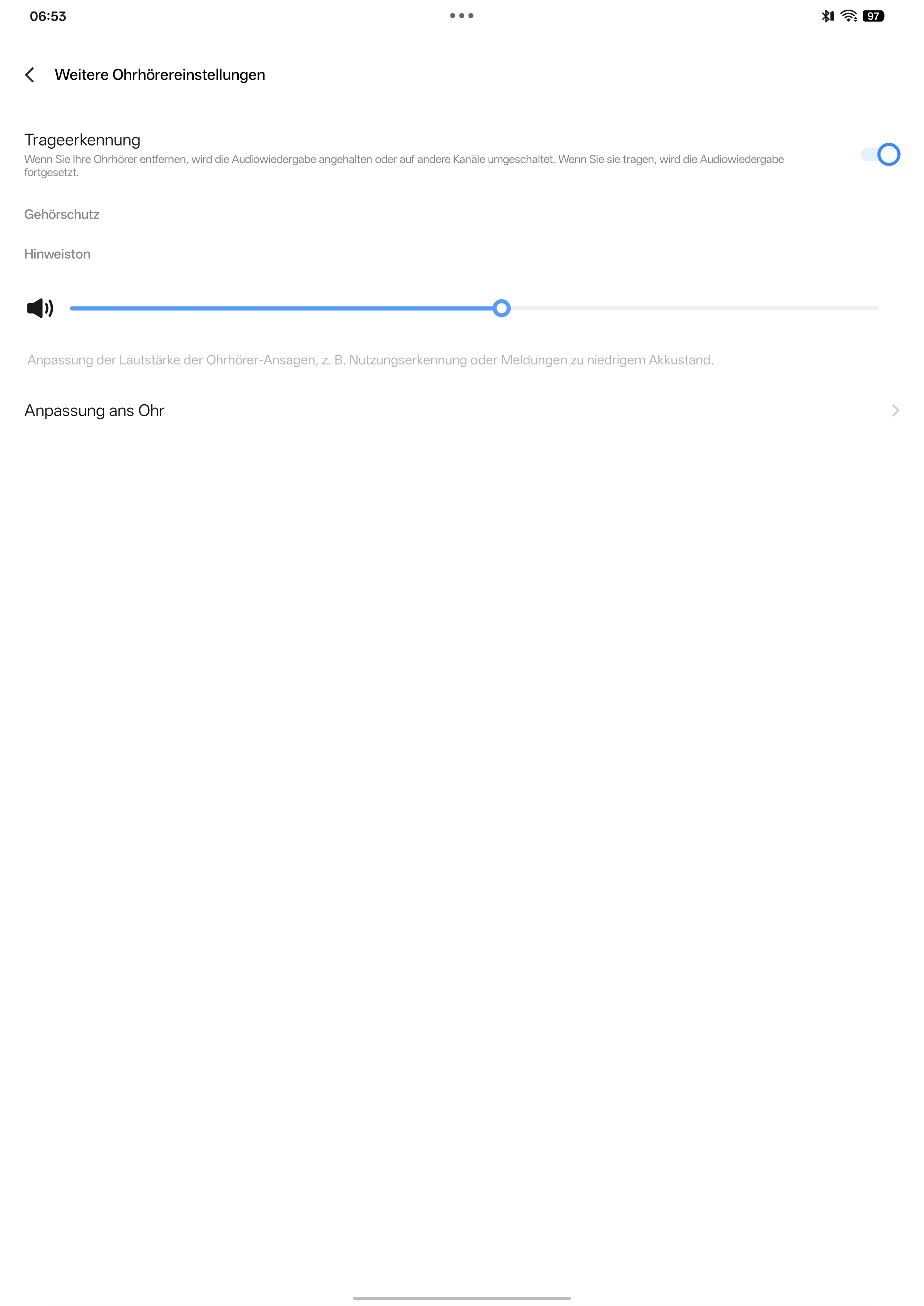
Vivo’s proprietary vEarsphones app can be installed by scanning the QR code on the packaging. The app must be updated to version 5.x for the headphones to be recognized. Pairing does not work with the corresponding version available through the Google Play Store.


Sound - Over-Ear Headphones with 40-mm drivers and LDAC support
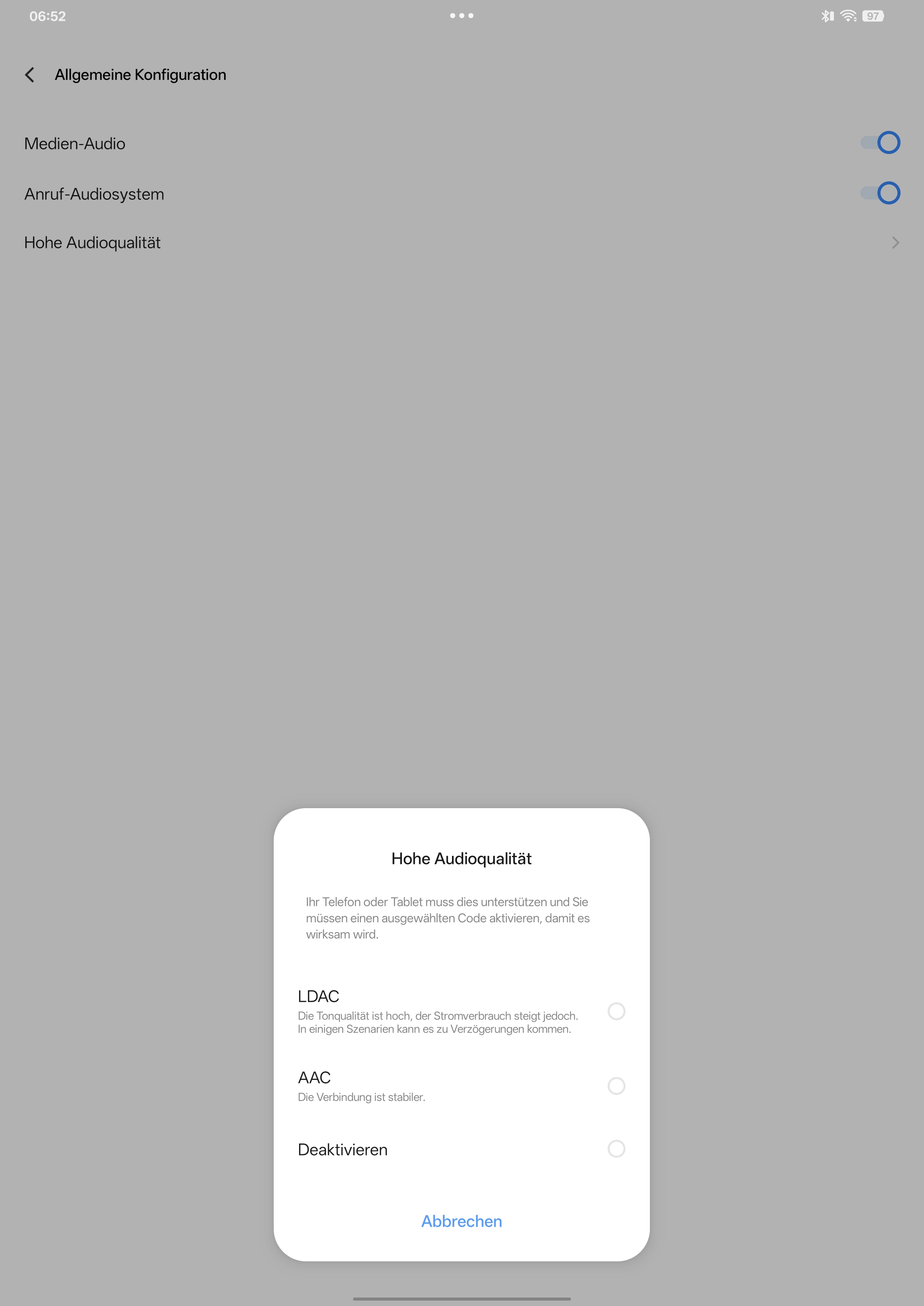
Vivo’s Over-Ear Headphones use large 40 mm dynamic drivers. They also support LDAC, a high-resolution audio codec that enables detailed Bluetooth playback on compatible Android devices. Out of the box, the headphones have a neutral but somewhat uninspiring sound signature.
The midrange is balanced, giving vocals a noticeable presence. Bass is also clearly perceptible when the appropriate sound profile is selected or the EQ is adjusted in the app. Overall, however, the sound lacks brilliance. The treble does not stand out clearly, leaving the presentation sounding somewhat generic.
The active noise cancellation system uses four ANC microphones - two feedback and two feedforward microphones - to detect ambient noise. According to Vivo, it can reduce noise by up to 58 dB. Low-frequency sounds such as engine hum and steady background noise are effectively attenuated, and wind noise is also filtered reasonably well. However, the strong passive isolation already blocks much of this noise, and the ANC itself is not especially convincing.
As expected, the ANC is less effective against voices and higher-frequency sounds because their more complex frequency patterns are harder to predict. With the Vivo headphones, high-frequency noise is reduced only slightly and remains clearly audible.
In everyday use, transparency mode provides a natural-enough connection to the surroundings, although the audio has noticeable DSP coloration. The microphones also produce a low-noise signal during phone calls.
Battery Life - Long runtimes with and without ANC
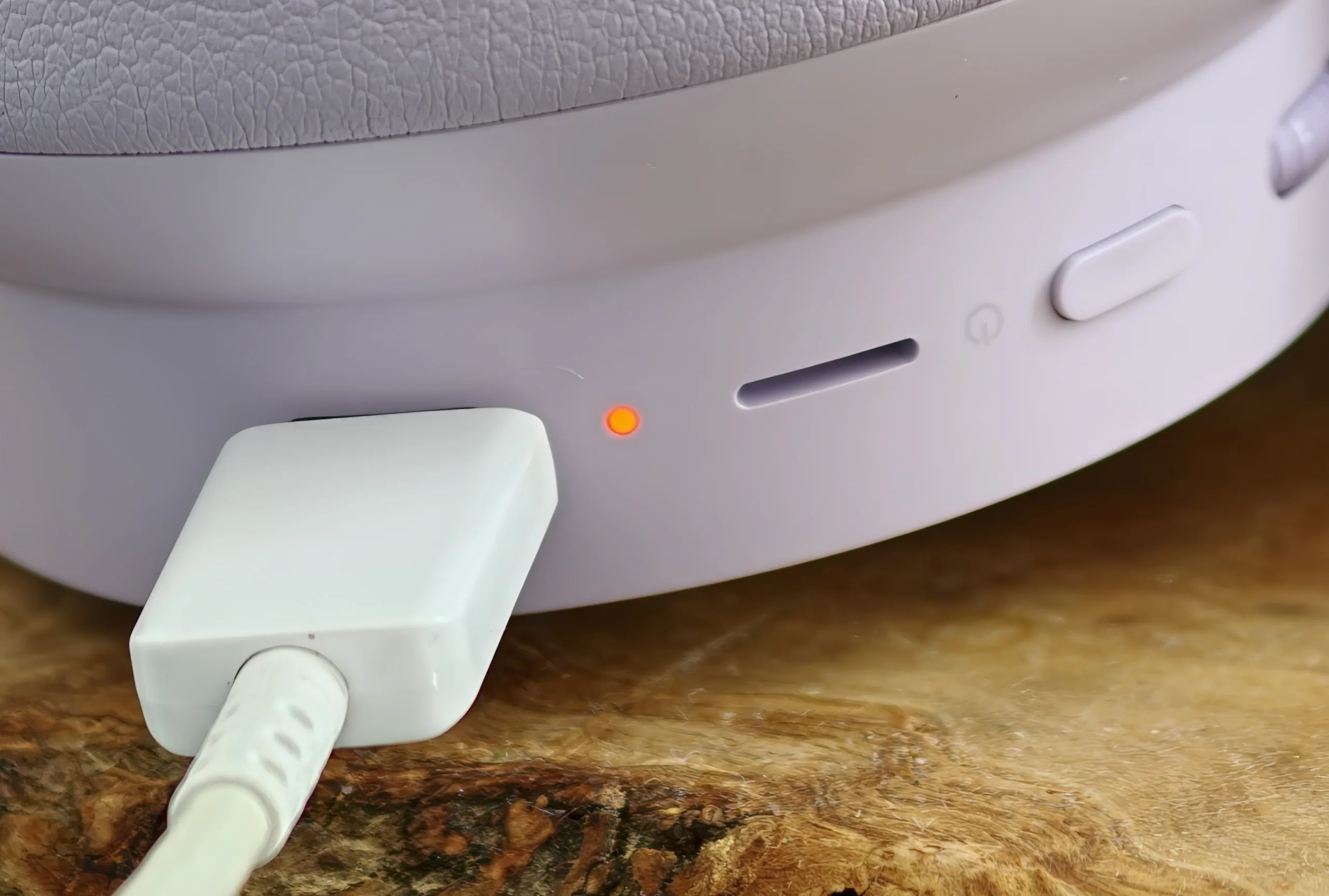
The headphones charge via USB-C. According to Vivo, the fast-charging feature provides around 9 hours of playback after just 10 minutes of charging. A full charge takes approximately 2 to 2.5 hours.
Under optimal conditions, Vivo claims up to 75 hours of music playback without ANC. With active noise cancellation enabled, the rated battery life is still a strong 35 hours.
However, we did not achieve such long runtimes in everyday use. With ANC enabled and the volume set to around two-thirds of the maximum, the battery level dropped by approximately 10% during 1.5 to 2 hours of continuous music playback. Users who listen at less than 50% volume with ANC enabled will probably be able to play music continuously for about a day, but the advertised 1.5 days is unlikely to be achievable in typical use.

Transparency
The selection of devices to be reviewed is made by our editorial team. The test sample was given to the author by the manufacturer free of charge for the purposes of review. There was no third-party influence on this review, nor did the manufacturer receive a copy of this review before publication. There was no obligation to publish this review. As an independent media company, Notebookcheck is not subjected to the authority of manufacturers, retailers or publishers.
 Add as a preferred source on Google


