



Tidal bans AI-generated music and removes 29 million songs
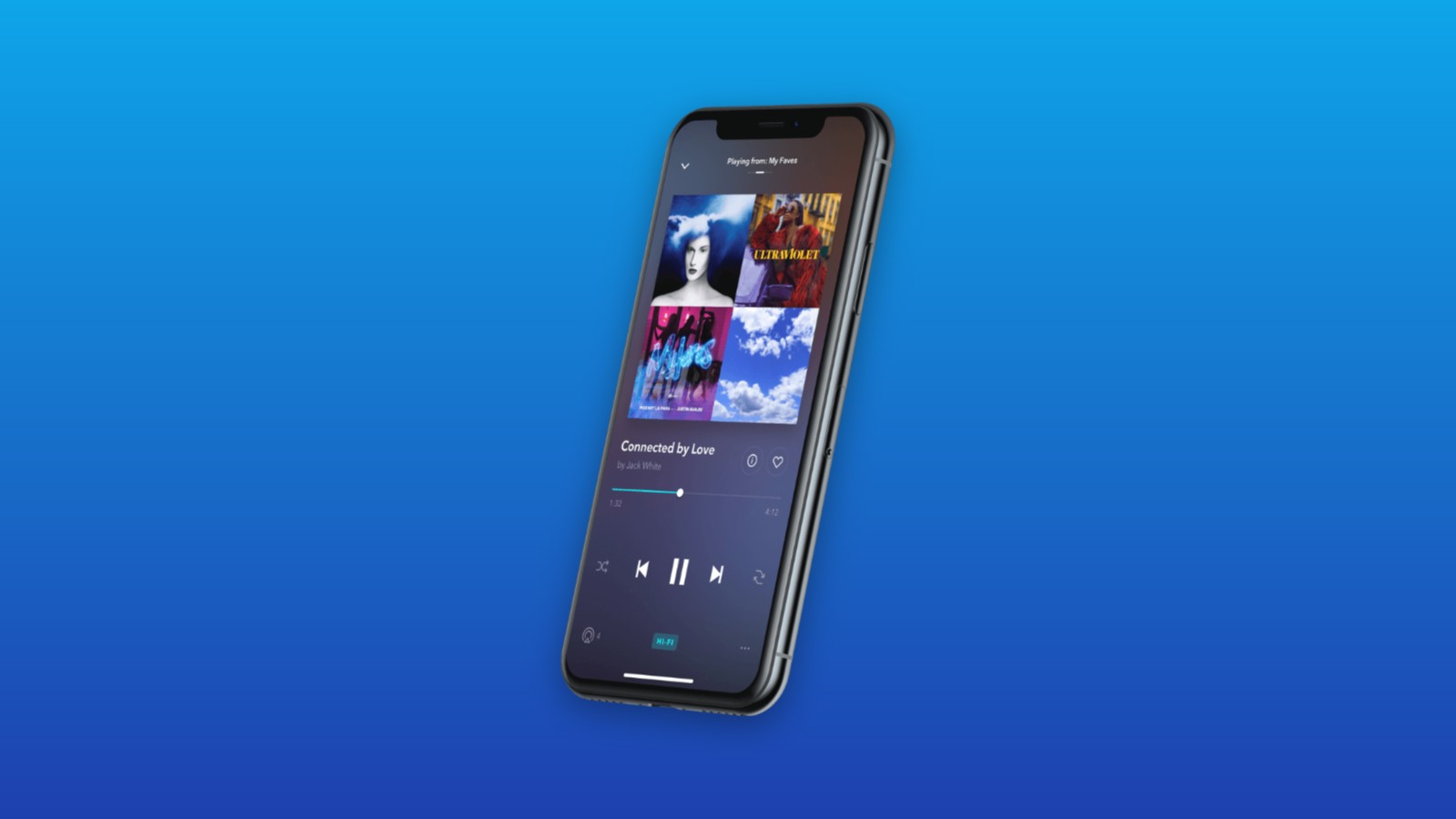
29 million songs – that is how many tracks music streaming service Tidal intends to remove from its catalog by the end of the year. What these tracks have in common is that they were generated entirely using artificial intelligence. While other streaming services are still exploring different ways of labeling AI-generated music, Tidal is taking things considerably further.
According to the company's updated AI policy, fully AI-generated recordings will no longer be accepted starting December 9, 2026. Existing recordings of this kind are also set to be removed from the platform.
Figures shared by Tidal's music lead Robert Andersen illustrate the scale of the development: 43% of the tracks submitted over the past 90 days were identified as AI-generated. Going forward, the company expects to reject between 80,000 and 85,000 such tracks every day.
Another figure is particularly interesting in this context: According to the company, 96% of AI-generated songs have never been streamed. The enormous growth of the catalog is apparently accompanied by relatively little demand.
AI remains permitted as a creative tool
Earlier this summer, Tidal began labeling AI-generated music and excluding it from royalty payments. Fraudulent content, such as recordings impersonating existing artists, could already be removed. Under the new policy, labeling will give way to an outright ban on fully AI-generated recordings.
This does not mean that musicians will have to abandon artificial intelligence as a creative tool. Music produced with the assistance of AI will remain permitted. Among the reasons Tidal gives for making this distinction are the technical limitations of current detection methods and the risk of incorrectly classifying human-made music as AI-generated.
The strategies of major streaming services are increasingly diverging. While YouTube Music labels AI-generated songs and Spotify is reportedly considering additional AI features, Tidal has opted to exclude fully AI-generated recordings from its platform altogether.
Sources
 Add as a preferred source on Google


