




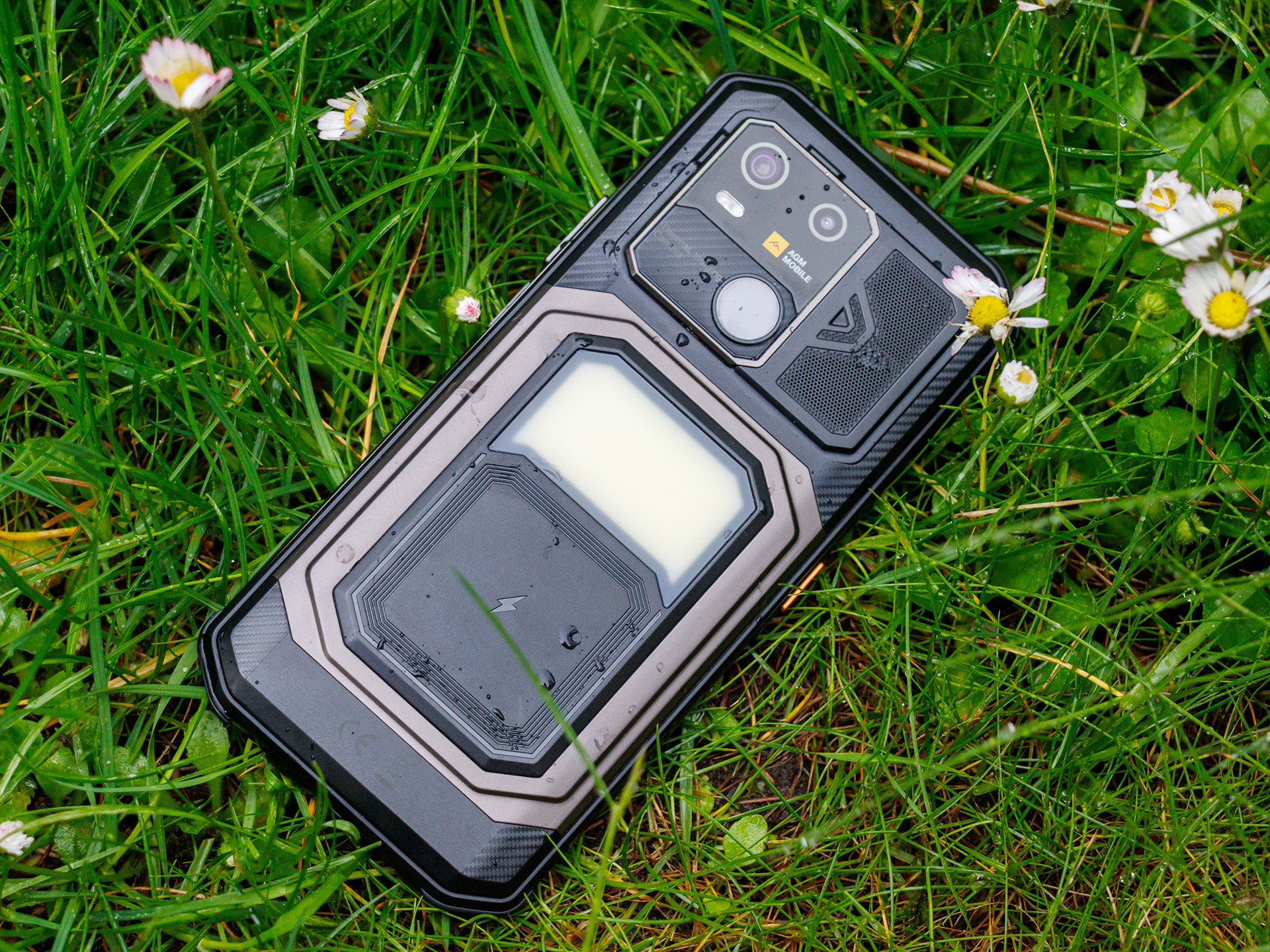
Verdict on the AGM G3 Pro
The AGM G3 Pro is clearly aimed at outdoor users, tradespeople, and anyone looking for an especially rugged smartphone with practical special features. In testing, the rugged phone stood out above all for its durable construction, extremely bright camping light, integrated thermal camera, and very long battery life. System performance is also more than sufficient for everyday use, and the speaker reaches a high maximum volume.
However, the AGM G3 Pro also has clear weaknesses. The cameras deliver only mediocre results, the display cannot match modern OLED panels despite its decent brightness, and communication features such as dual-band GNSS and faster Wi-Fi are missing. There are also the high weight, uncertain update support, and a battery that, according to the manufacturer, is not designed for a particularly high number of charge cycles.
Pros
Cons
Price and availability

Table of Contents
- Verdict on the AGM G3 Pro
- Specifications: AGM G3 Pro
- Case and features - Rugged smartphone with plenty of extras
- Communication and operation - Outdoor phone with single-band GNSS only
- Software and sustainability - No information from AGM
- Cameras - Weak cameras in the AGM G3 Pro
- Display - High-contrast LCD in the AGM G3 Pro
- Performance, emissions and battery life - AGM G3 Pro with MediaTek SoC
- Notebookcheck overall rating
- Possible alternatives in comparison
There are plenty of rugged outdoor smartphones, but only a few combine real durability with modern technology and an integrated thermal camera. This is where the AGM G3 Pro comes in. The rugged phone promises extremely long battery life, strong outdoor features, and reliable performance on the job site, on adventures, and in everyday use. But how well does the smartphone actually perform in testing? We took a closer look at the AGM G3 Pro and outline its key strengths and weaknesses.
Specifications: AGM G3 Pro
Case and features - Rugged smartphone with plenty of extras
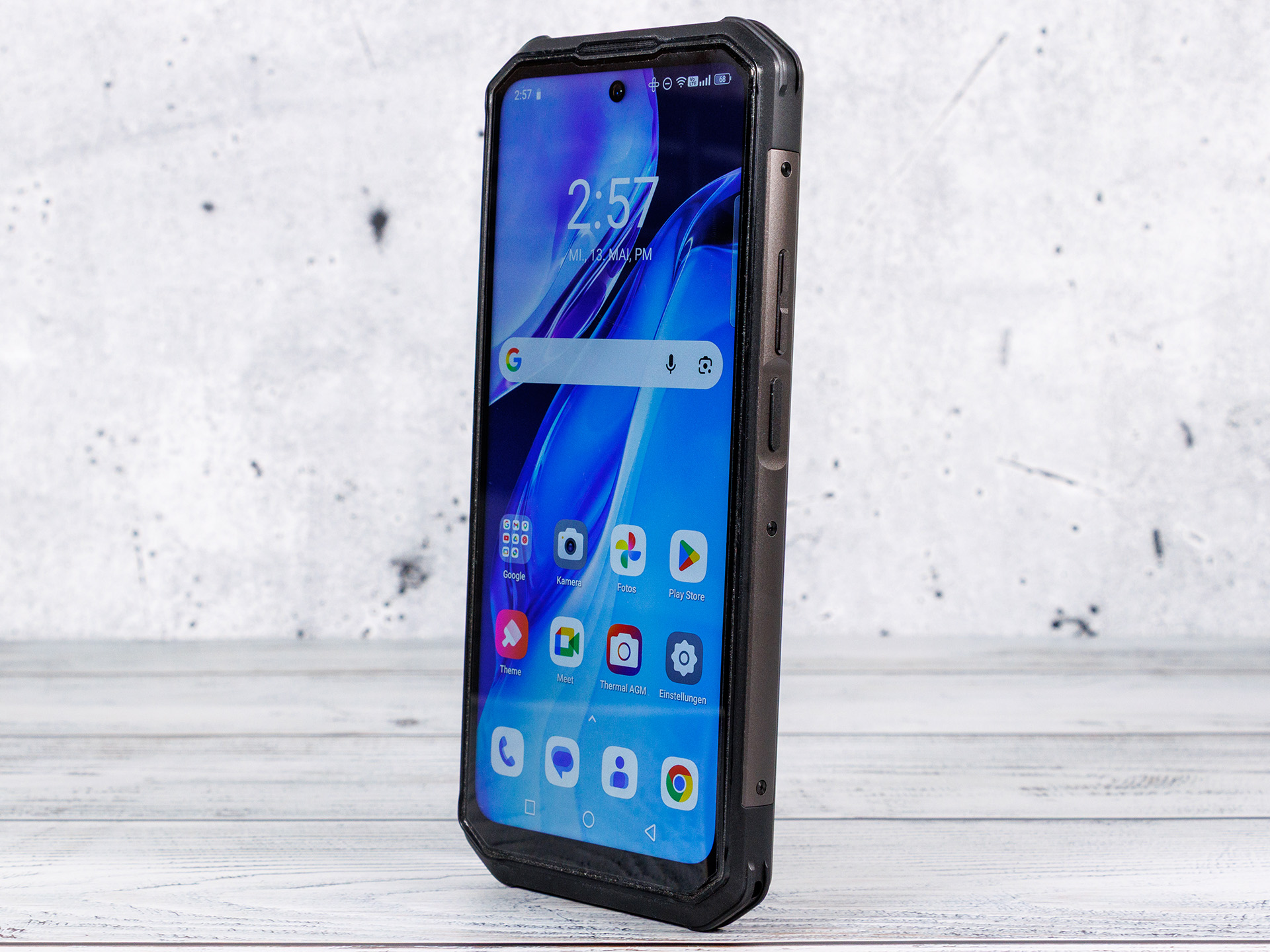
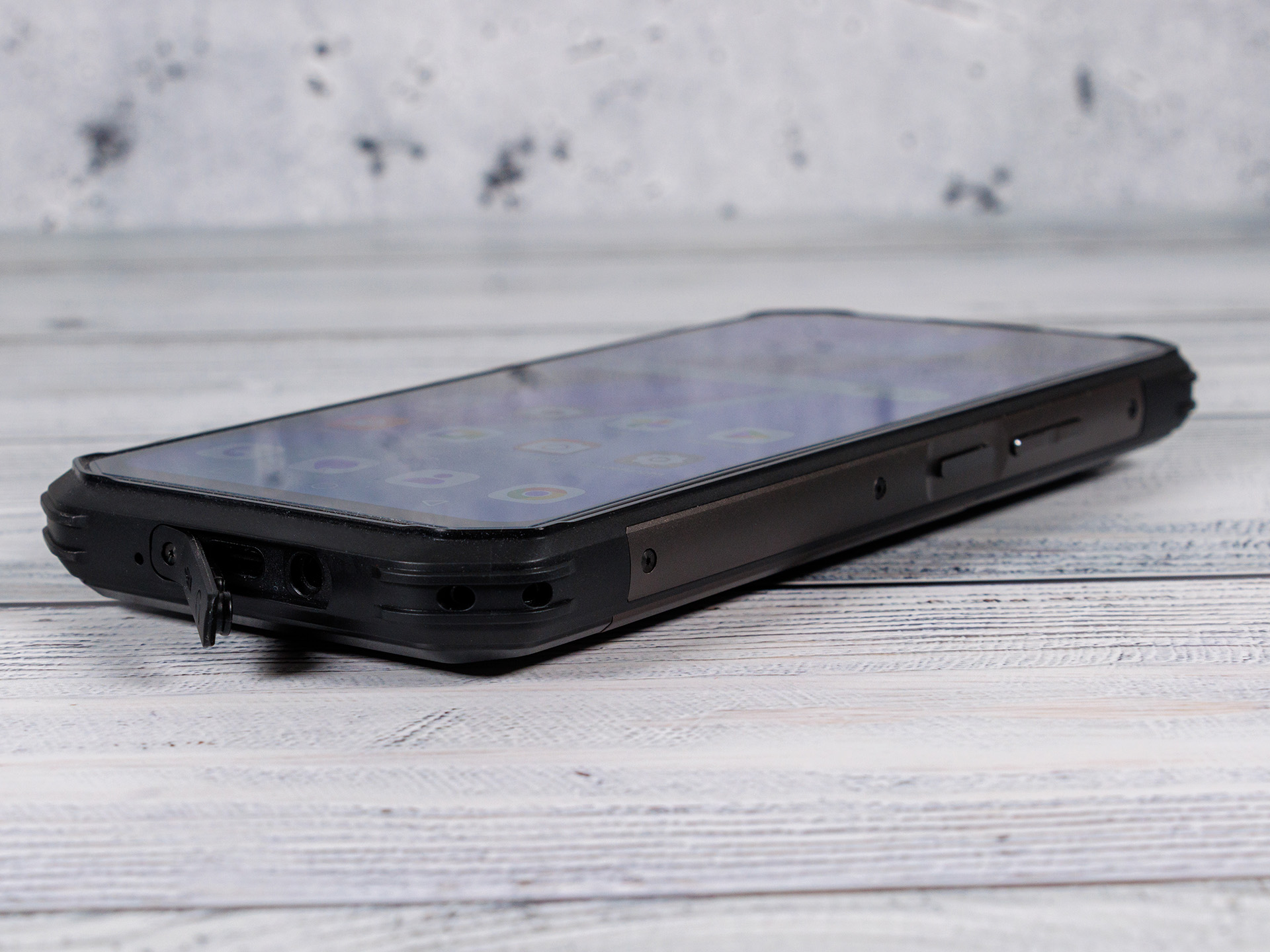
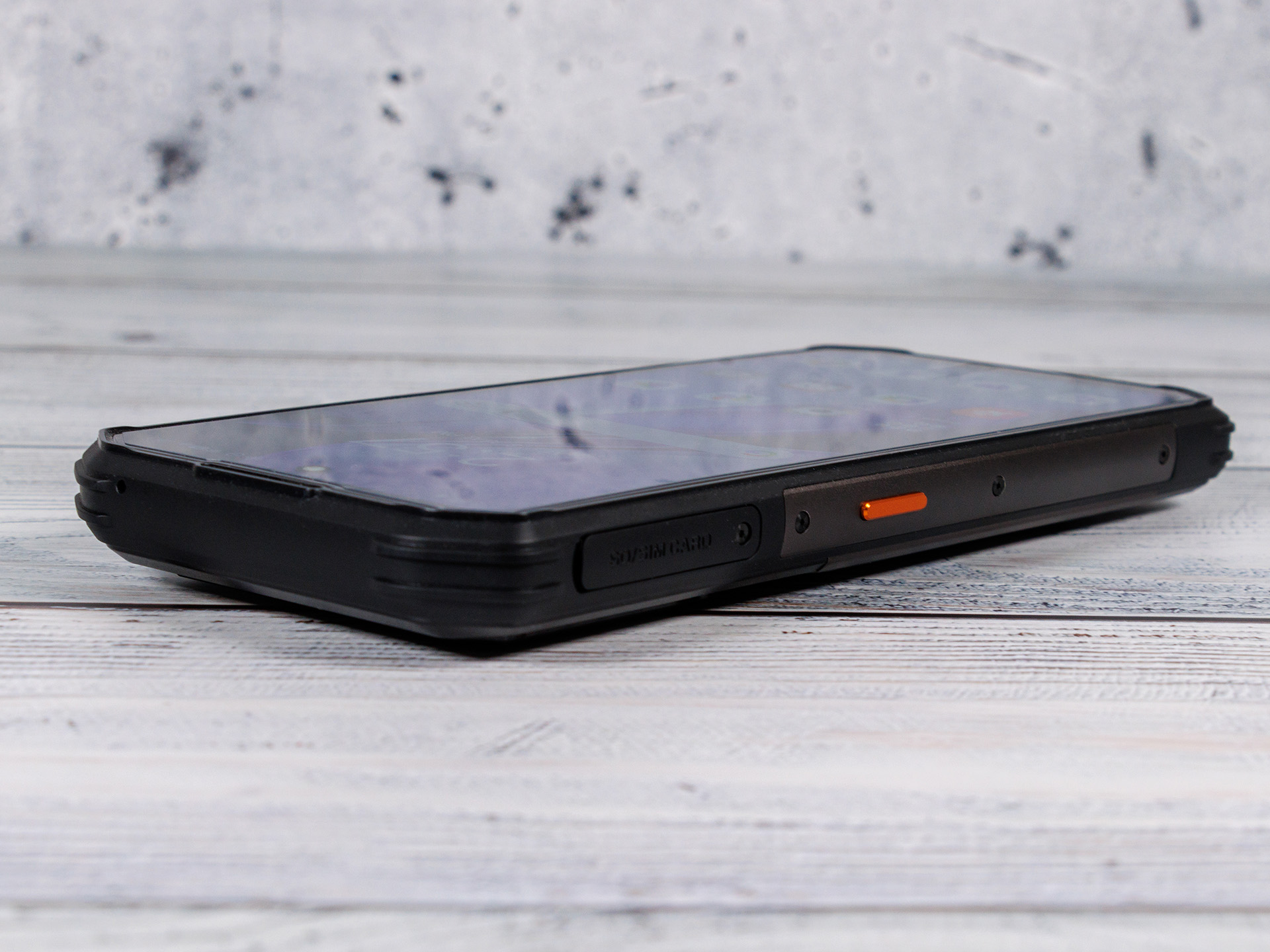
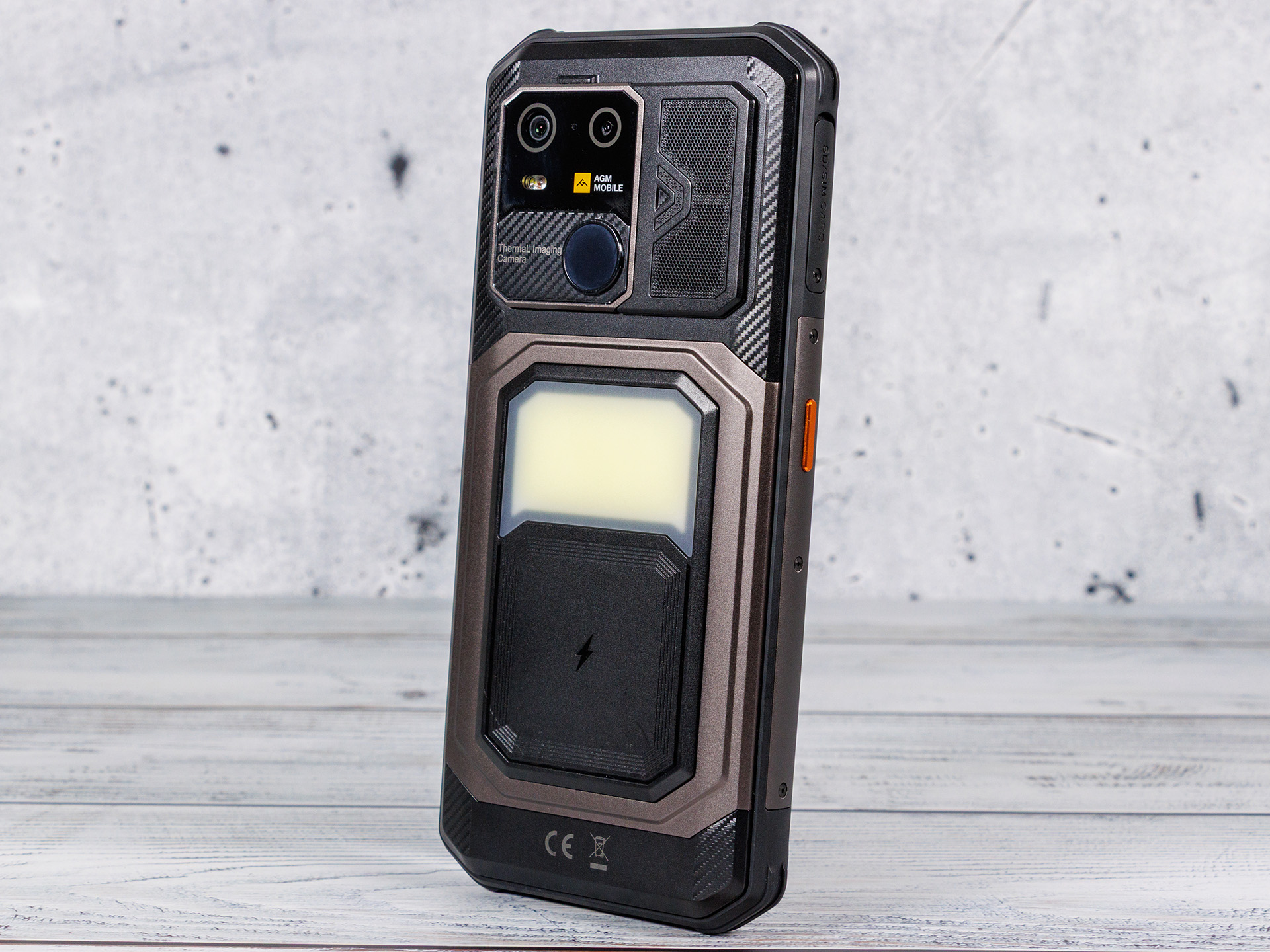
The AGM G3 Pro certainly will not win any design awards and has the typical functional look of a rugged smartphone. It feels very sturdy and is cleanly finished, but it is also heavy. The G3 Pro is dustproof, waterproof, resistant to high-pressure and steam-jet cleaning, and drop-resistant according to MIL-STD-810H from heights of up to 1.5 meters. Its operating temperature range is -20 °C to +60 °C.
The large camping light, which can get very bright, is prominently placed on the back. Another core feature of the G3 Pro is the thermal camera. It can measure a freely selectable fixed point, but it can also automatically detect and mark the warmest and coolest areas within the sensor’s field of view. However, the temperature readings are not exact. In testing, they were generally a few degrees higher than those from an IR thermometer.
A configurable function button and an FM radio receiver are also integrated.
| SD Card Reader - average JPG Copy Test (av. of 3 runs) | |
| Samsung Galaxy XCover 7 Pro (Angelbird V60) | |
| Average of class Smartphone (5.72 - 58.9, n=55, last 2 years) | |
| AGM G3 Pro (Angelbird AV Pro V60) | |
| Doogee S200 Ultra (Angelbird AV Pro V60) | |
Communication and operation - Outdoor phone with single-band GNSS only
The supported mobile frequencies cover all the bands needed for use in Europe, but they are not extensive enough for the AGM G3 Pro to qualify as a true globetrotter. The smartphone also only supports Wi-Fi 5 with limited bandwidth. For an outdoor smartphone, it is also disappointing that only single-band GNSS is supported.
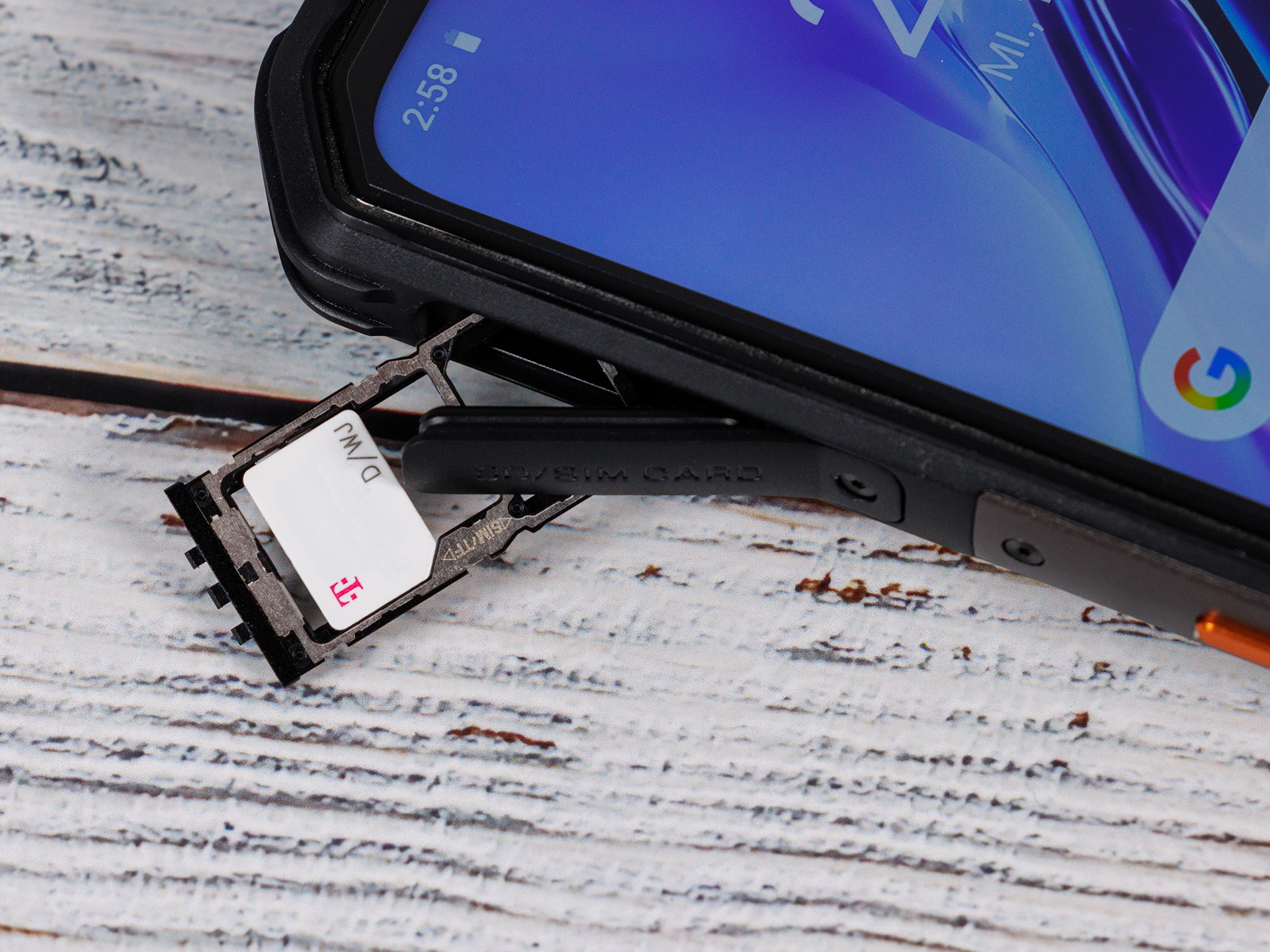
The G3 Pro has a hybrid slot. This means it supports either two nano-SIM cards or one nano-SIM and a microSD card. Voice quality is average, and ambient noise is practically not suppressed at all.
The capacitive fingerprint scanner in the power button offers decent speed and fairly high recognition rates. According to AGM, the strong vibration motor is a linear model, but it feels rather spongy. We would have guessed it was a less expensive ERM motor.
| Networking | |
| AGM G3 Pro | |
| iperf3 transmit AXE11000 | |
| iperf3 receive AXE11000 | |
| Doogee S200 Ultra | |
| iperf3 transmit AXE11000 6GHz | |
| iperf3 receive AXE11000 6GHz | |
| Honor Magic8 Lite | |
| iperf3 transmit AXE11000 | |
| iperf3 receive AXE11000 | |
| Samsung Galaxy XCover 7 Pro | |
| iperf3 transmit AXE11000 6GHz | |
| iperf3 receive AXE11000 6GHz | |
| Average 802.11 a/b/g/n/ac | |
| iperf3 transmit AXE11000 | |
| iperf3 receive AXE11000 | |
| iperf3 transmit AXE11000 6GHz | |
| iperf3 receive AXE11000 6GHz | |
| Average of class Smartphone | |
| iperf3 transmit AXE11000 | |
| iperf3 receive AXE11000 | |
| iperf3 transmit AXE11000 6GHz | |
| iperf3 receive AXE11000 6GHz | |
Software and sustainability - No information from AGM
The outer packaging is large and also contains plastic. AGM does not provide any information about the G3 Pro’s sustainability, and the smartphone is not designed to be repairable.
Update support is uncertain. According to the EPREL database, it is five years. AGM also confirmed this for the security patches when asked. However, AGM would not fully commit to Android version updates, although the company is considering updates to Android 16 and Android 17.
Cameras - Weak cameras in the AGM G3 Pro

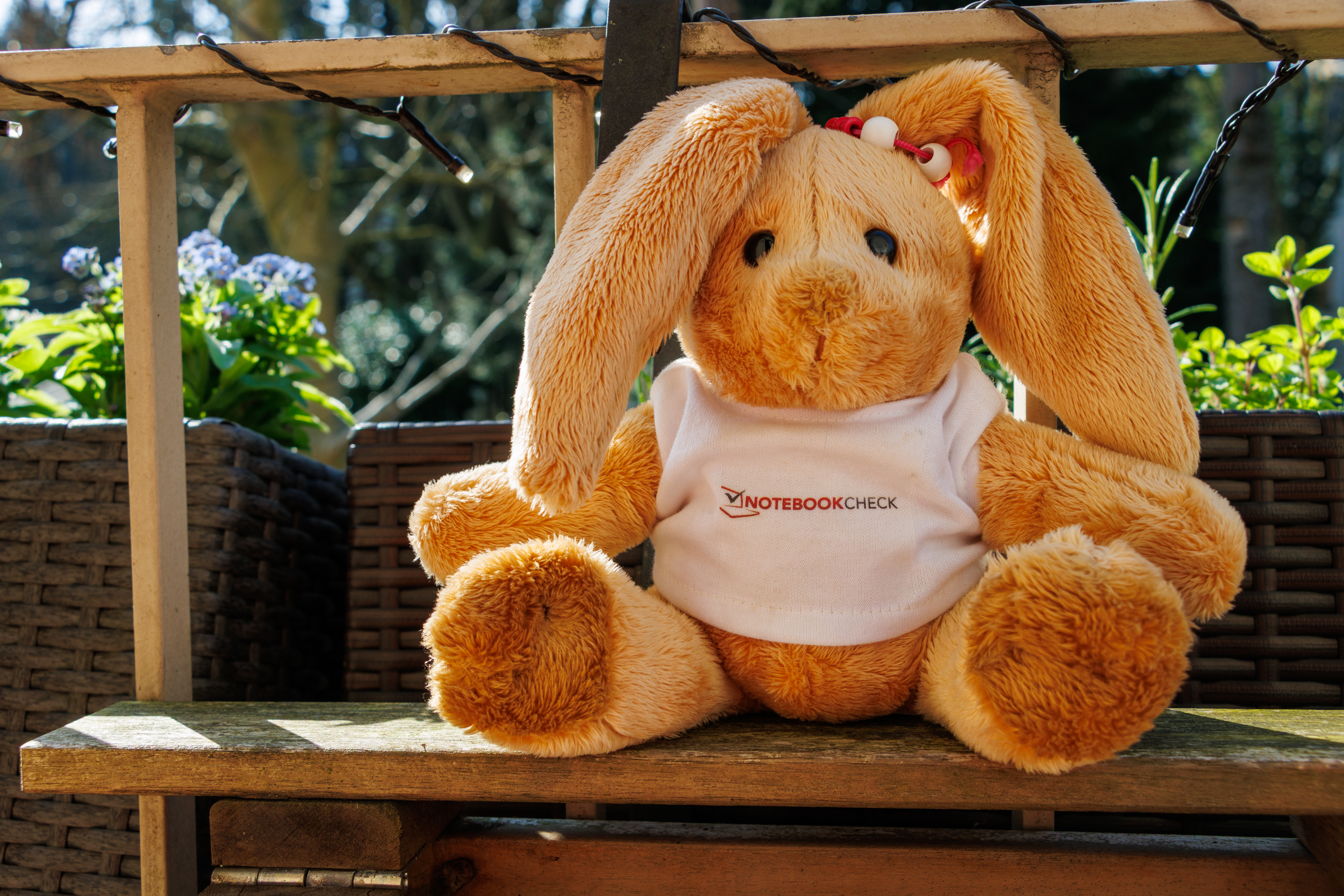
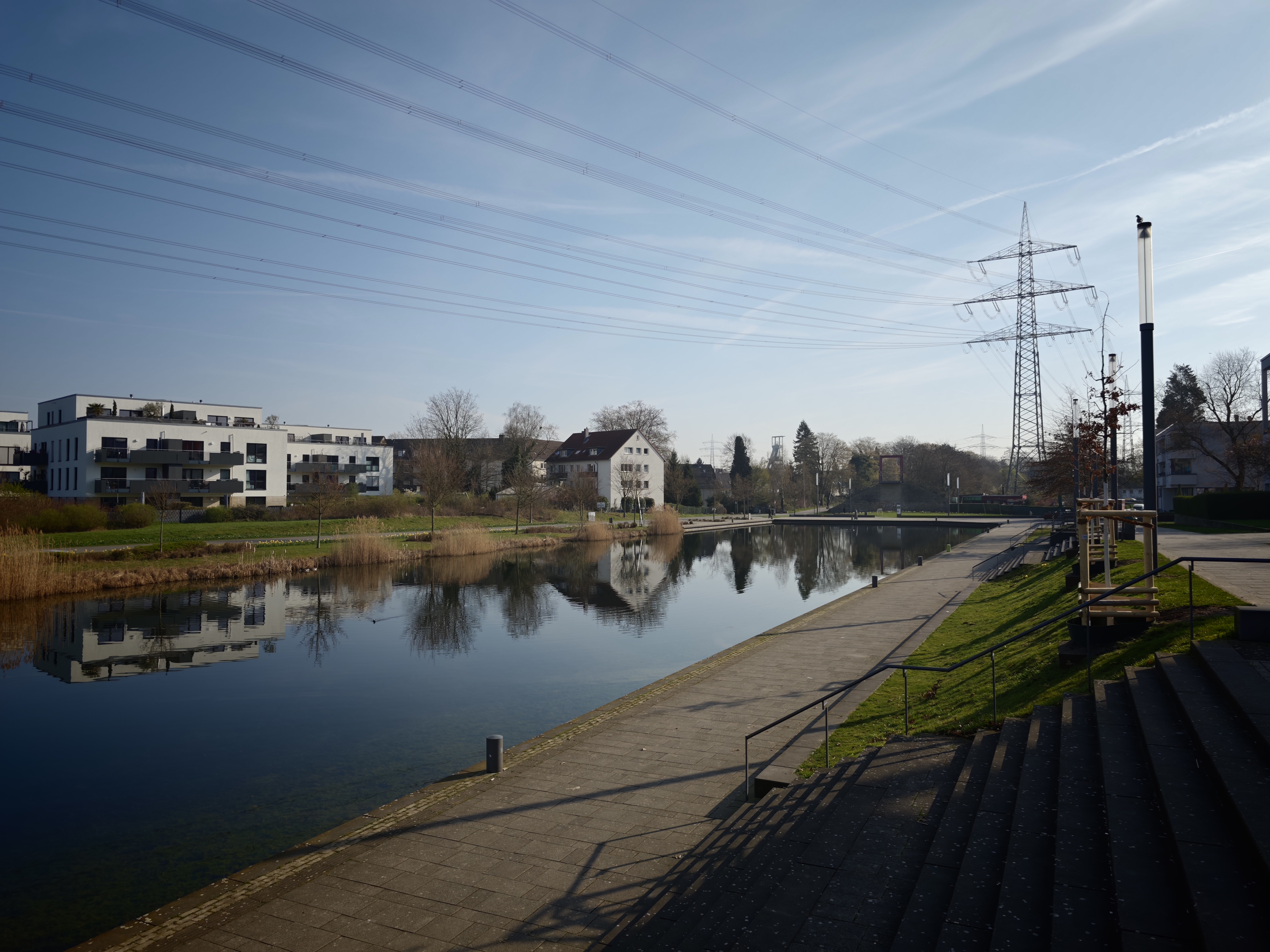
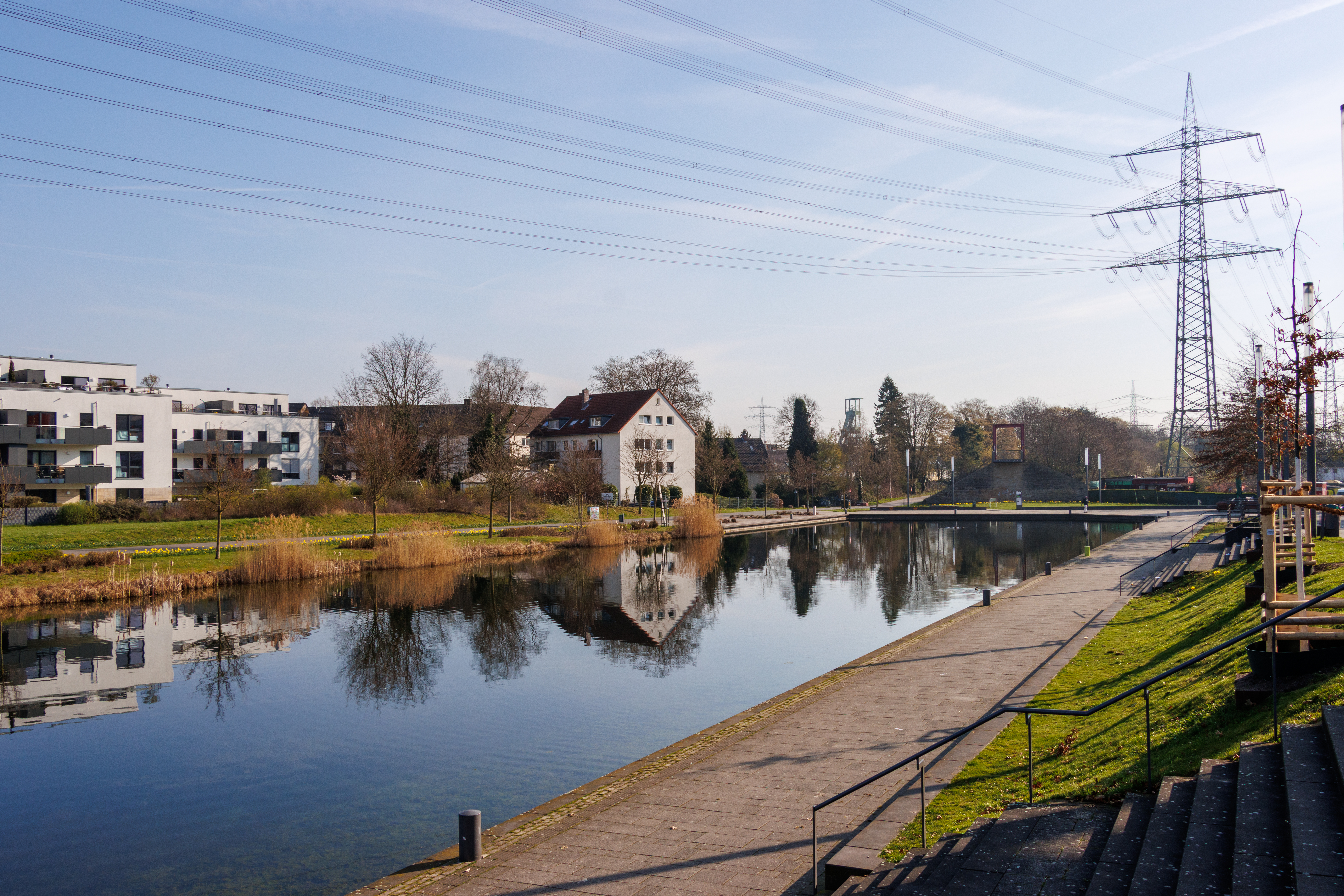

The front camera takes fairly decent photos, but they are somewhat oversharpened, and colors are sometimes too bright. Image quality also drops significantly in low light.
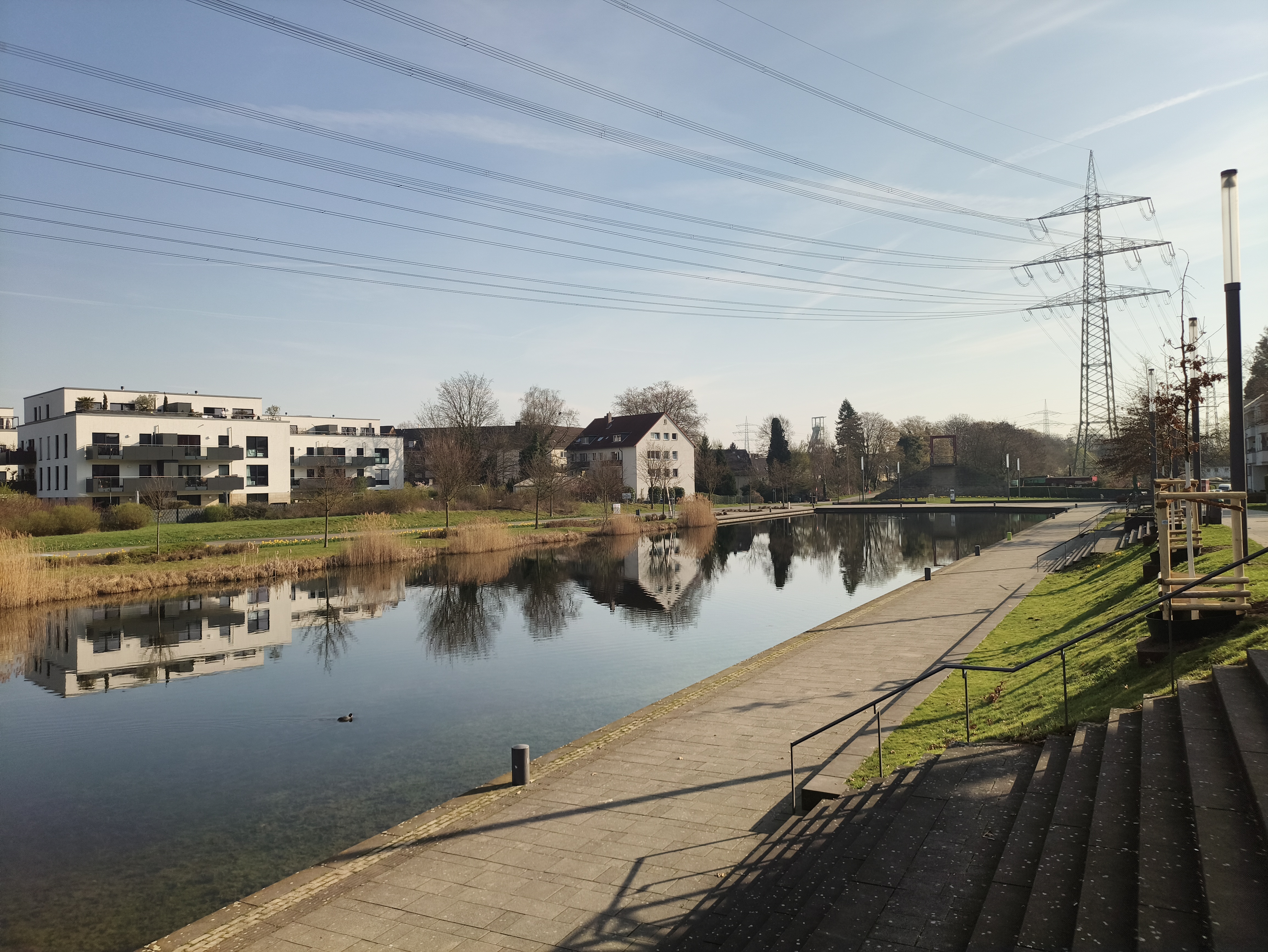
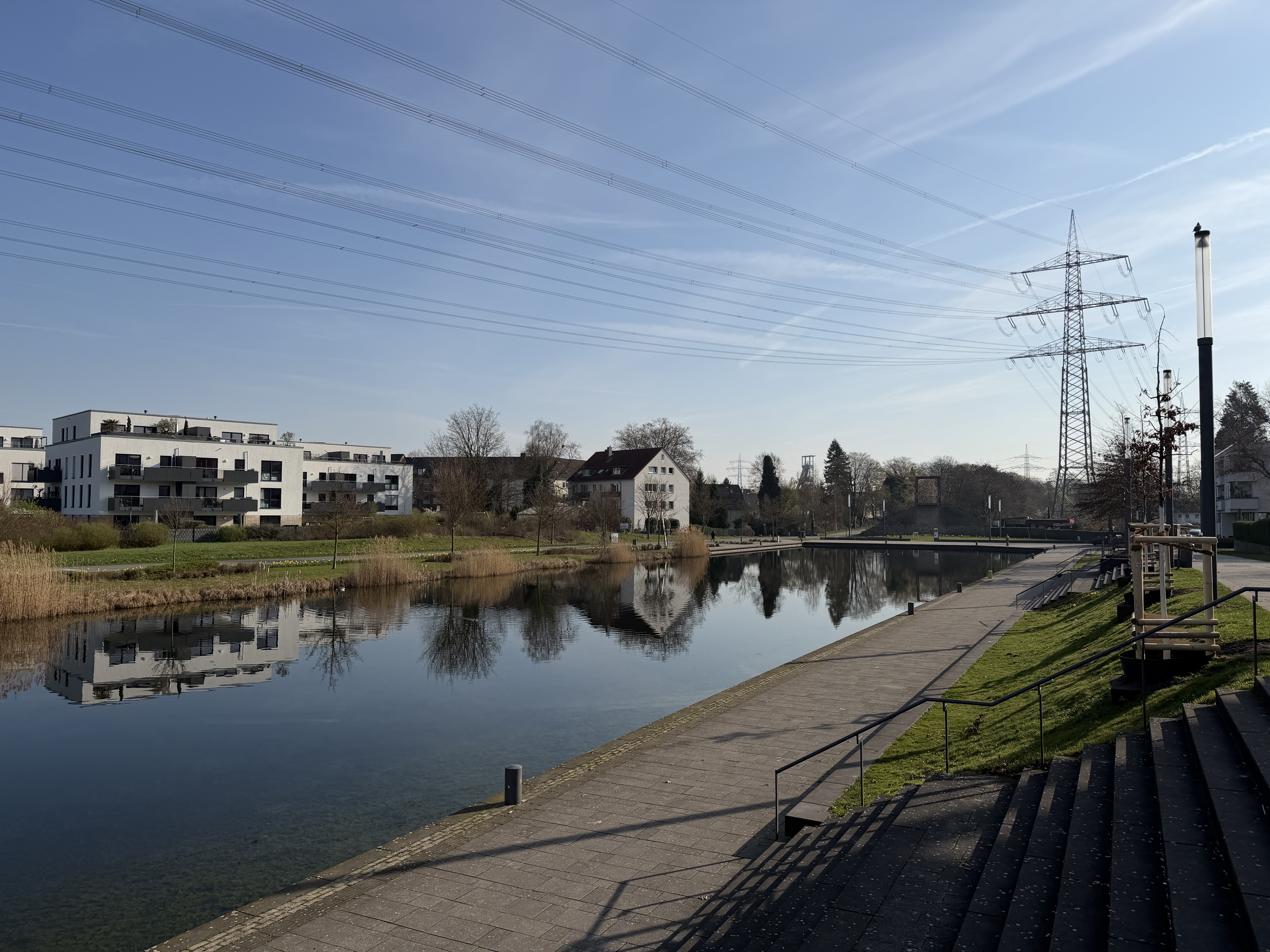
The two rear cameras are not much fun to shoot with. The main camera lacks detail and image stabilization, and blur is also visible toward the edges. Zoom is digital only, with a maximum of 10x.
Videos can only be recorded at 30 FPS. The main camera supports Ultra HD recording, while the front camera tops out at Full HD.
Image comparison
Choose a scene and navigate within the first image. One click changes the position on touchscreens. One click on the zoomed-in image opens the original in a new window. The first image shows the scaled photograph of the test device.
HauptkameraHauptkameraLow-Light














Display - High-contrast LCD in the AGM G3 Pro
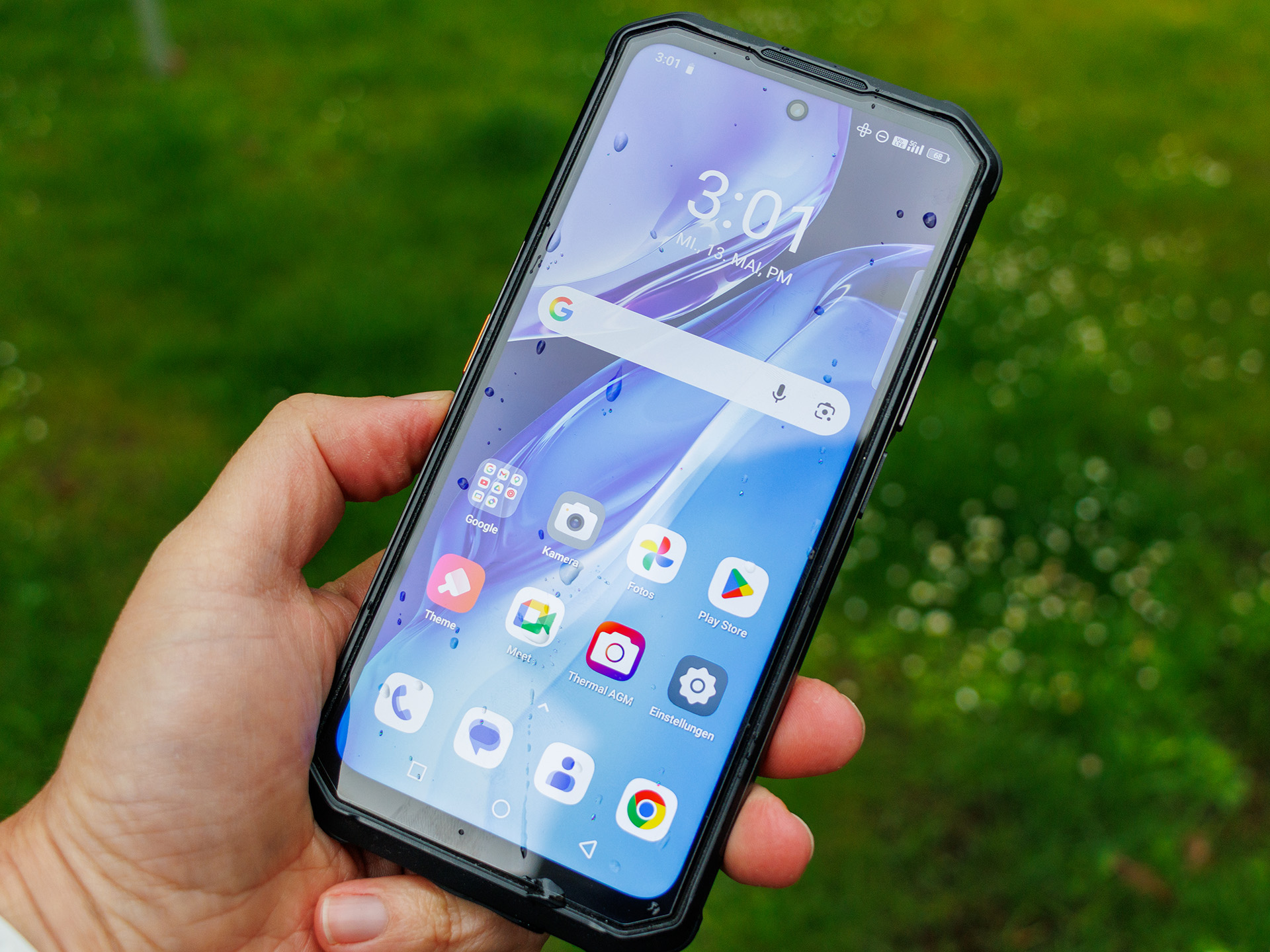
The AGM G3 Pro has a large TFT LCD that can get comparatively bright, but it does not come close to the brightness levels of current OLED panels. Although the black level is slightly elevated, it still helps the G3 Pro achieve crisp contrast.
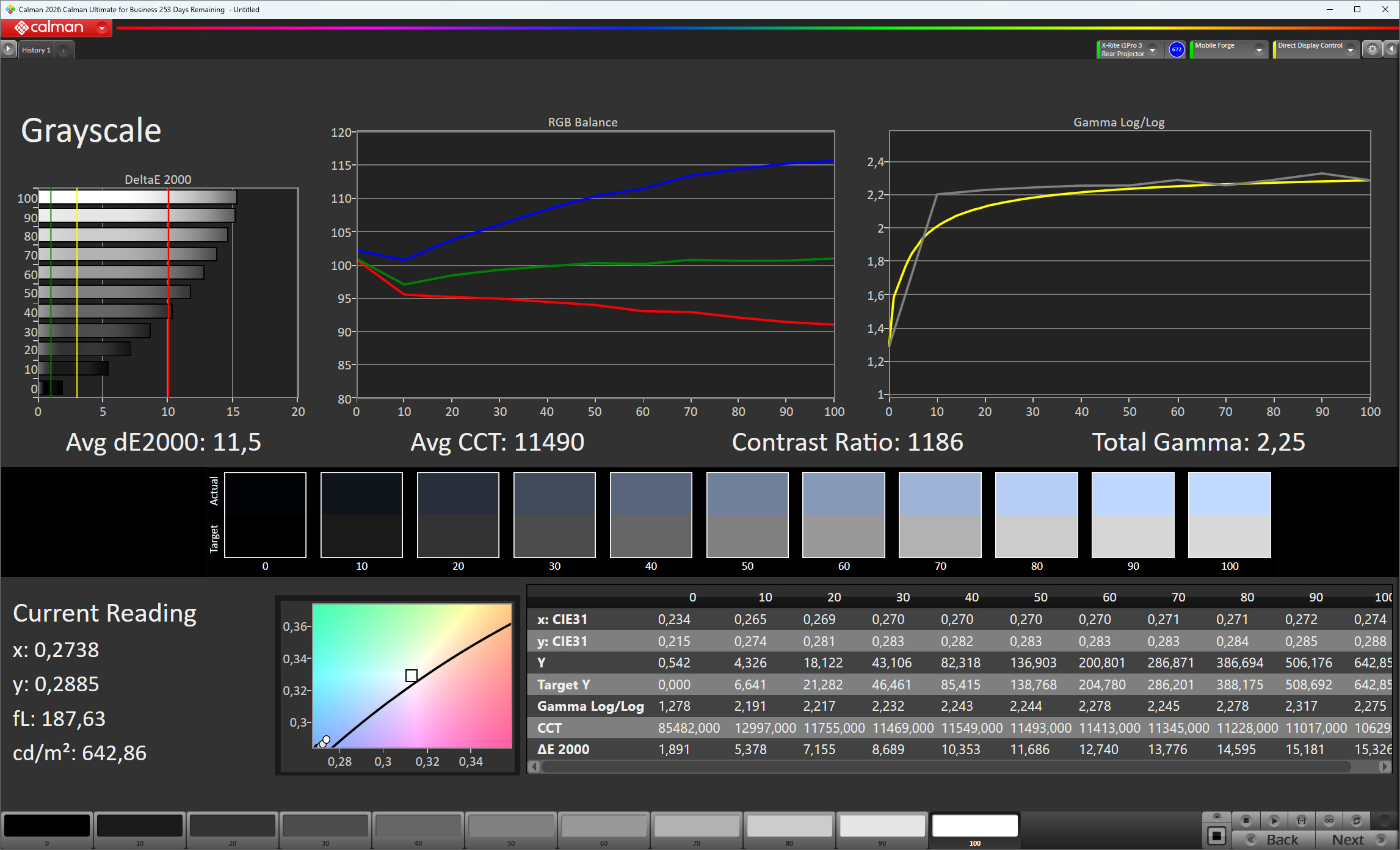
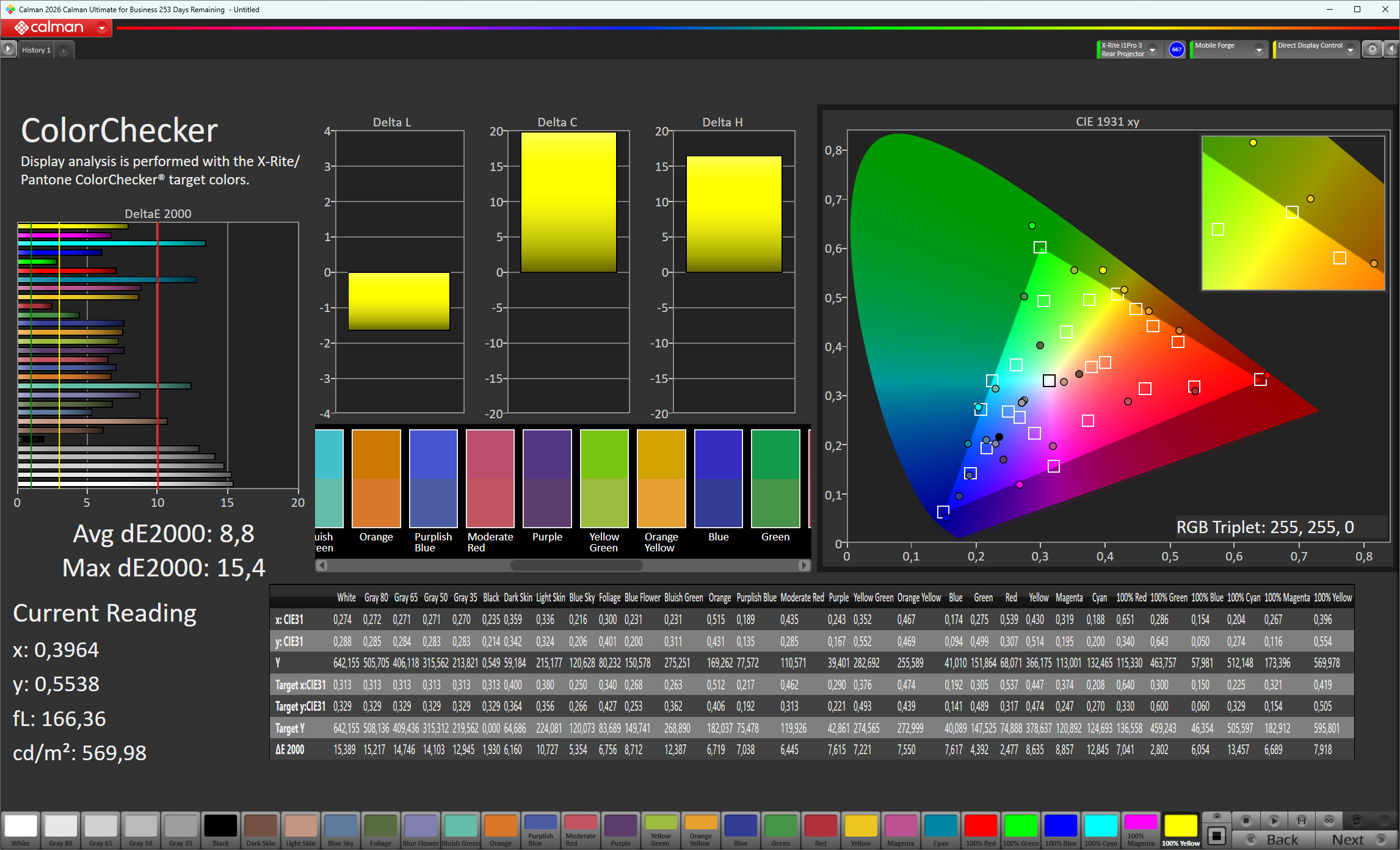
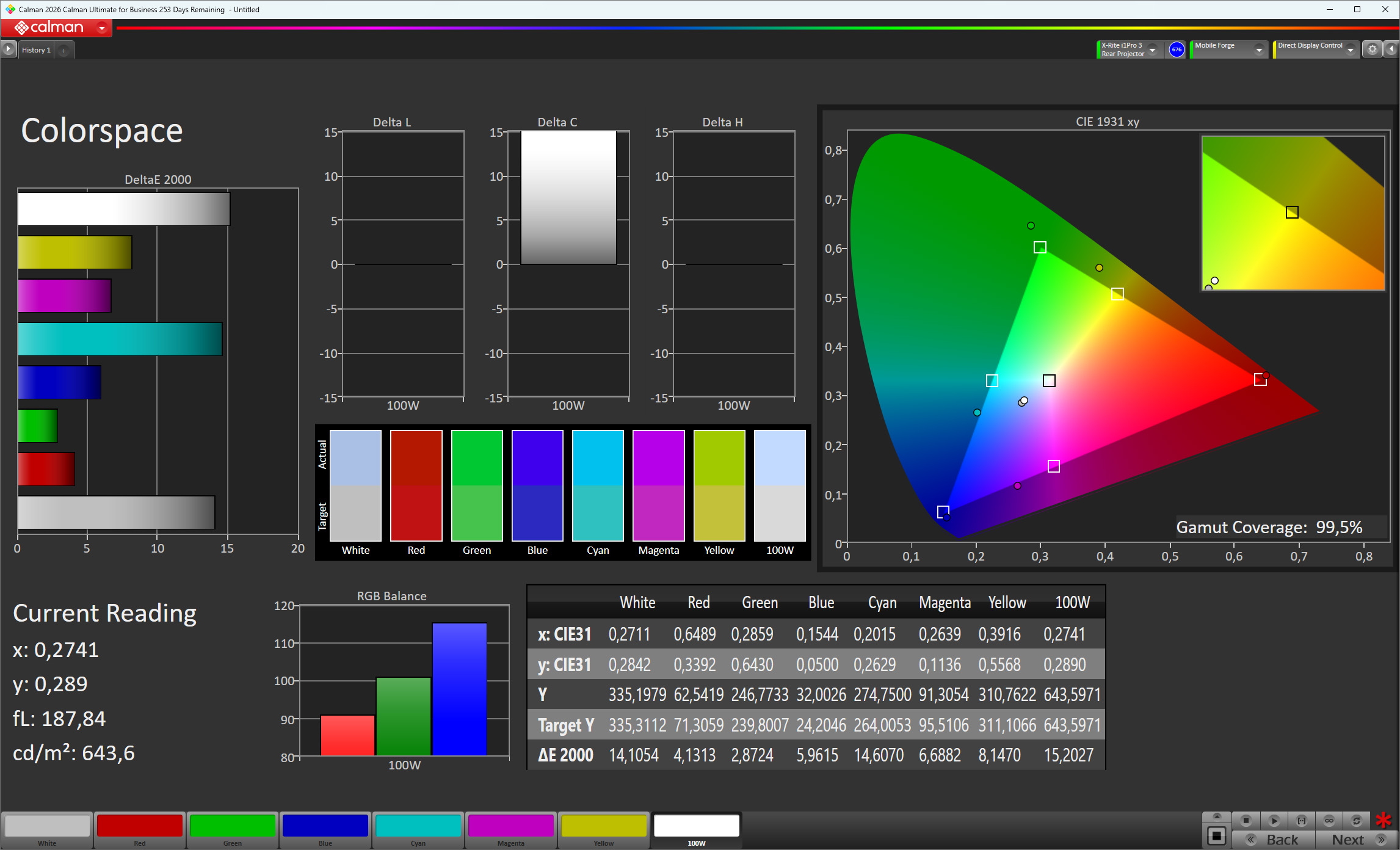
The display is tuned rather cool, and blue tones are not reproduced accurately. However, this is not noticeable in everyday use.
We measured fairly high-frequency flickering at minimum display brightness, but this is not pulse-width modulation (PWM).
| |||||||||||||||||||||||||
Brightness Distribution: 84 %
Center on Battery: 616 cd/m²
Contrast: 1232:1 (Black: 0.5 cd/m²)
ΔE ColorChecker Calman: 8.8 | ∀{0.5-29.43 Ø4.69}
ΔE Greyscale Calman: 11.5 | ∀{0.09-98 Ø4.94}
99.5% sRGB (Calman 2D)
Gamma: 2.25
CCT: 11490 K
| AGM G3 Pro TFT-LCD, 2400x1080, 6.7" | Doogee S200 Ultra IPS, 2400x1080, 6.7" | Honor Magic8 Lite OLED, 2640x1200, 6.8" | Samsung Galaxy XCover 7 Pro PLS, 2408x1080, 6.6" | |
|---|---|---|---|---|
| Screen | 0% | 107% | 3% | |
| Brightness middle (cd/m²) | 616 | 396 -36% | 1754 185% | 495 -20% |
| Brightness (cd/m²) | 587 | 386 -34% | 1748 198% | 466 -21% |
| Brightness Distribution (%) | 84 | 82 -2% | 98 17% | 86 2% |
| Black Level * (cd/m²) | 0.5 | 0.44 12% | 0.58 -16% | |
| Contrast (:1) | 1232 | 900 -27% | 853 -31% | |
| Colorchecker dE 2000 * | 8.8 | 6.3 28% | 1.5 83% | 5.85 34% |
| Colorchecker dE 2000 max. * | 15.4 | 12.9 16% | 3.5 77% | 9.78 36% |
| Greyscale dE 2000 * | 11.5 | 6.5 43% | 2.4 79% | 7 39% |
| Gamma | 2.25 98% | 2.25 98% | 2.27 97% | 2.231 99% |
| CCT | 11490 57% | 8209 79% | 6358 102% | 8691 75% |
* ... smaller is better
| Display / APL18 Peak Brightness | |
| Honor Magic8 Lite | |
| AGM G3 Pro | |
| Doogee S200 Ultra | |
| Display / HDR Peak Brightness | |
| Honor Magic8 Lite | |
| AGM G3 Pro | |
| Doogee S200 Ultra | |
Screen Flickering / PWM (Pulse-Width Modulation)
| Screen flickering / PWM detected | 555 Hz | 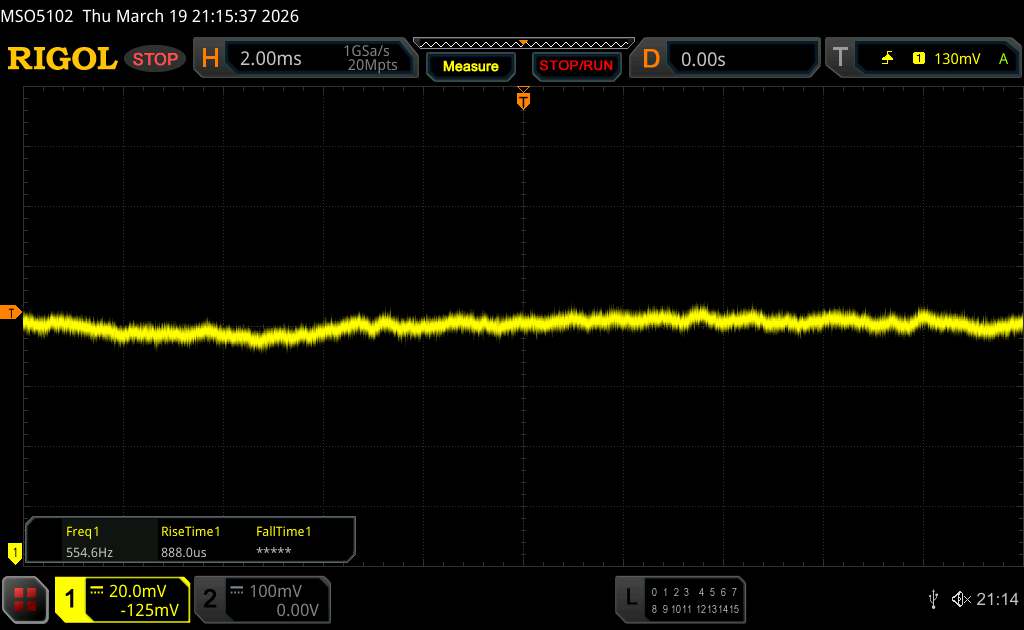 | |
The display backlight flickers at 555 Hz (worst case, e.g., utilizing PWM) . The frequency of 555 Hz is quite high, so most users sensitive to PWM should not notice any flickering. In comparison: 52 % of all tested devices do not use PWM to dim the display. If PWM was detected, an average of 7622 (minimum: 5 - maximum: 343500) Hz was measured. | |||
Display Response Times
| ↔ Response Time Black to White | ||
|---|---|---|
| 15.94 ms ... rise ↗ and fall ↘ combined | ↗ 4.669 ms rise | 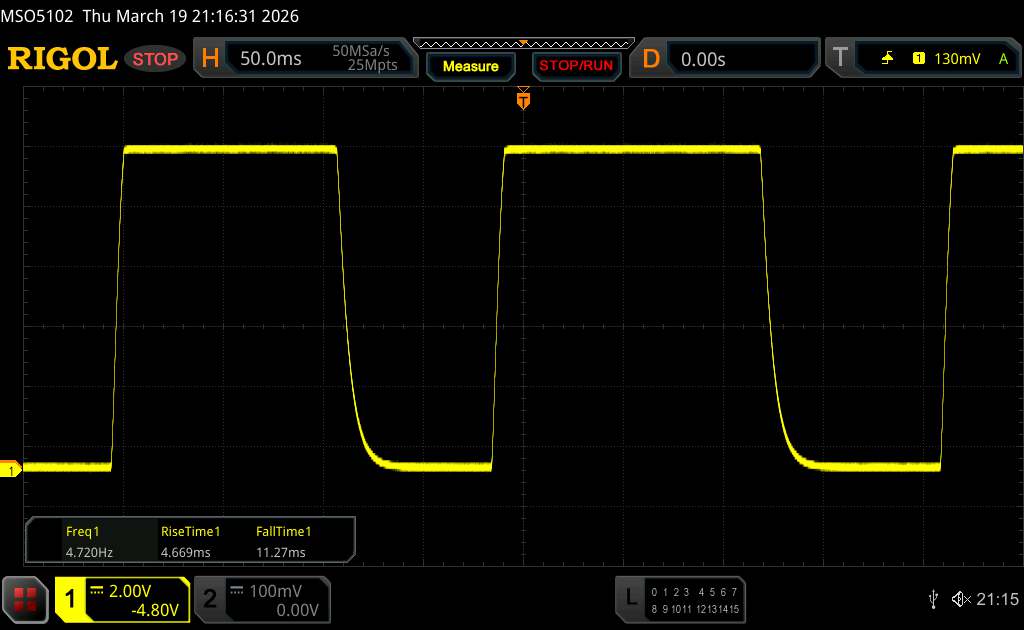 |
| ↘ 11.27 ms fall | ||
| The screen shows good response rates in our tests, but may be too slow for competitive gamers. In comparison, all tested devices range from 0.1 (minimum) to 240 (maximum) ms. » 38 % of all devices are better. This means that the measured response time is better than the average of all tested devices (19.7 ms). | ||
| ↔ Response Time 50% Grey to 80% Grey | ||
| 36.03 ms ... rise ↗ and fall ↘ combined | ↗ 16 ms rise | 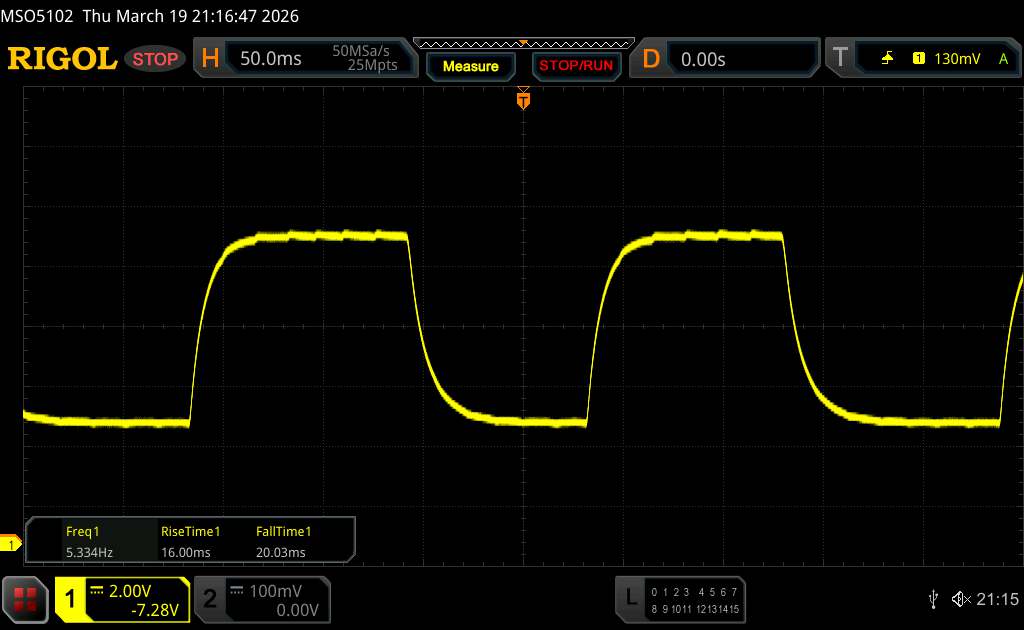 |
| ↘ 20.03 ms fall | ||
| The screen shows slow response rates in our tests and will be unsatisfactory for gamers. In comparison, all tested devices range from 0.13 (minimum) to 636 (maximum) ms. » 53 % of all devices are better. This means that the measured response time is worse than the average of all tested devices (30.7 ms). | ||

Performance, emissions and battery life - AGM G3 Pro with MediaTek SoC
The MediaTek Dimensity 7300 is positioned in the mid-range and seems a bit underpowered given the price. However, system speed is fairly good and sufficient for everyday tasks.
The AGM G3 Pro’s speaker can get very loud, but it does not reach the 116 dB(A) advertised by the manufacturer.
Battery life is very good thanks to the large capacity. Unfortunately, the battery itself is not especially long-lasting, as AGM specifies only 800 charge cycles for it.
| Jetstream 2 - 2.2 Total | |
| Average of class Smartphone (2 - 480, n=103, last 2 years) | |
| Samsung Galaxy XCover 7 Pro | |
| AGM G3 Pro | |
| Doogee S200 Ultra | |
| Average MediaTek Dimensity 7300 (116.9 - 149.6, n=7) | |
| AGM G3 Pro | Doogee S200 Ultra | Honor Magic8 Lite | Samsung Galaxy XCover 7 Pro | Average 512 GB UFS 3.1 Flash | Average of class Smartphone | |
|---|---|---|---|---|---|---|
| AndroBench 3-5 | 260% | 259% | -21% | 201% | 230% | |
| Sequential Read 256KB (MB/s) | 1864.48 | 2009.1 8% | 1948.54 5% | 1043.4 -44% | 1878 ? 1% | 2280 ? 22% |
| Sequential Write 256KB (MB/s) | 1410.8 | 1886.02 34% | 1828.13 30% | 232.6 -84% | 1406 ? 0% | 1972 ? 40% |
| Random Read 4KB (MB/s) | 238.04 | 281.51 18% | 344.19 45% | 194.4 -18% | 291 ? 22% | 317 ? 33% |
| Random Write 4KB (MB/s) | 39.19 | 422.57 978% | 412.87 954% | 63.5 62% | 345 ? 780% | 362 ? 824% |
(±) The maximum temperature on the upper side is 43.5 °C / 110 F, compared to the average of 35.4 °C / 96 F, ranging from 21.9 to 247 °C for the class Smartphone.
(+) The bottom heats up to a maximum of 38.5 °C / 101 F, compared to the average of 34.1 °C / 93 F
(+) In idle usage, the average temperature for the upper side is 28.8 °C / 84 F, compared to the device average of 33 °C / 91 F.
3DMark Stress Tests
| 3DMark | |
| Wild Life Stress Test Stability | |
| Honor Magic8 Lite | |
| AGM G3 Pro | |
| Doogee S200 Ultra | |
| Samsung Galaxy XCover 7 Pro | |
| Wild Life Extreme Stress Test | |
| Honor Magic8 Lite | |
| AGM G3 Pro | |
| Samsung Galaxy XCover 7 Pro | |
| Steel Nomad Light Stress Test Stability | |
| Honor Magic8 Lite | |
| Doogee S200 Ultra | |
| AGM G3 Pro | |
AGM G3 Pro audio analysis
(+) | speakers can play relatively loud (92.6 dB)
Bass 100 - 315 Hz
(-) | nearly no bass - on average 15.7% lower than median
(+) | bass is linear (6.6% delta to prev. frequency)
Mids 400 - 2000 Hz
(+) | balanced mids - only 2.6% away from median
(+) | mids are linear (4% delta to prev. frequency)
Highs 2 - 16 kHz
(±) | higher highs - on average 5.2% higher than median
(+) | highs are linear (5.3% delta to prev. frequency)
Overall 100 - 16.000 Hz
(+) | overall sound is linear (13.6% difference to median)
Compared to same class
» 1% of all tested devices in this class were better, 1% similar, 98% worse
» The best had a delta of 11%, average was 34%, worst was 136%
Compared to all devices tested
» 15% of all tested devices were better, 4% similar, 81% worse
» The best had a delta of 4%, average was 23%, worst was 136%
Honor Magic8 Lite audio analysis
(+) | speakers can play relatively loud (91.1 dB)
Bass 100 - 315 Hz
(-) | nearly no bass - on average 20.9% lower than median
(+) | bass is linear (6.5% delta to prev. frequency)
Mids 400 - 2000 Hz
(±) | higher mids - on average 5.4% higher than median
(+) | mids are linear (4.6% delta to prev. frequency)
Highs 2 - 16 kHz
(±) | higher highs - on average 6.7% higher than median
(+) | highs are linear (4.1% delta to prev. frequency)
Overall 100 - 16.000 Hz
(±) | linearity of overall sound is average (17% difference to median)
Compared to same class
» 10% of all tested devices in this class were better, 8% similar, 82% worse
» The best had a delta of 11%, average was 34%, worst was 136%
Compared to all devices tested
» 31% of all tested devices were better, 8% similar, 61% worse
» The best had a delta of 4%, average was 23%, worst was 136%
| Battery runtime | |
| WiFi v1.3 | |
| AGM G3 Pro | |
| Doogee S200 Ultra | |
| Honor Magic8 Lite | |
| Samsung Galaxy XCover 7 Pro | |
| H.264 | |
| Samsung Galaxy XCover 7 Pro | |
Notebookcheck overall rating
The AGM G3 Pro is a rugged outdoor smartphone with a thermal camera and very long battery life, but its weak cameras, limited feature set, and mediocre display lead to noticeable compromises in everyday use.
AGM G3 Pro
- 05/18/2026 v8
Daniel Schmidt
 Total Sustainability Score:
 Possible alternatives in comparison
Image | Model / Review | Price | Weight | Drive | Display |
|---|---|---|---|---|---|
1. 76.5%  | AGM G3 Pro MediaTek Dimensity 7300 ⎘ ARM Mali-G615 MP2 ⎘ 12 GB Memory, 512 GB UFS 3.1 | List Price: 699€ | 375 g | 512 GB UFS 3.1 Flash | 6.72" 2400x1080 392 PPI TFT-LCD |
2. 74.3%  | Doogee S200 Ultra MediaTek Dimensity 7400X ⎘ ARM Mali-G615 MP2 ⎘ 12 GB Memory, 1024 GB UFS 3.1 | List Price: 629 US-Dollar | 383 g | 1 TB UFS 3.1 Flash | 6.72" 2400x1080 392 PPI IPS |
3. 78%  | Honor Magic8 Lite Qualcomm Snapdragon 6 Gen 4 ⎘ Qualcomm Adreno 810 ⎘ 8 GB Memory, 512 GB UFS 3.1 | List Price: 400€ | 189 g | 512 GB UFS 3.1 Flash | 6.79" 2640x1200 427 PPI OLED |
4. 75.8%  | Samsung Galaxy XCover 7 Pro Qualcomm Snapdragon 7s Gen 3 ⎘ Qualcomm Adreno 810 ⎘ 6 GB Memory, 128 GB UFS 2.1 | Amazon: $945.00 List Price: 609€ | 240 g | 128 GB UFS 2.1 Flash | 6.60" 2408x1080 400 PPI PLS |
Transparency
The selection of devices to be reviewed is made by our editorial team. The test sample was given to the author by the manufacturer free of charge for the purposes of review. There was no third-party influence on this review, nor did the manufacturer receive a copy of this review before publication. There was no obligation to publish this review. As an independent media company, Notebookcheck is not subjected to the authority of manufacturers, retailers or publishers.
This is how Notebookcheck is testing
Every year, Notebookcheck independently reviews hundreds of laptops and smartphones using standardized procedures to ensure that all results are comparable. We have continuously developed our test methods for around 20 years and set industry standards in the process. In our test labs, high-quality measuring equipment is utilized by experienced technicians and editors. These tests involve a multi-stage validation process. Our complex rating system is based on hundreds of well-founded measurements and benchmarks, which maintains objectivity. Further information on our test methods can be found here.
 Add as a preferred source on Google


