




RTX Spark laptop hands on review: The OmniBook Ultra that wants to beat the MacBook Pro
Benjamin Herzig Published
It is the beginning of a new era for the PC market: A new competitor is entering the historically Intel and AMD dominated field of PC processors. In this case, it is a very well known player in Nvidia, the most important manufacturer of GPUs for computers.
The launch of Nvidia's new RTX Spark platform of ARM-based Socs is close, and Nvidia has managed to get all the big PC manufacturers on board. One of them is HP, the second biggest PC manufacturer if you go by sales numbers. The American tech company is launching two devices with RTX Spark, and both are under the OmniBook brand: The OmniBook Ultra 14 and the OmniBook Ultra 16.
Ahead of the launch, we had a chance to take a look at the bigger of the two, the new HP OmniBook Ultra 16. Unfortunately, we could only look at a turned-off sample, as Nvidia does not want any benchmarks ahead of the official release, but the physical quality of the laptop is interesting to us all the same.
HP OmniBook Ultra 16: An OmniBook that could be a ZBook
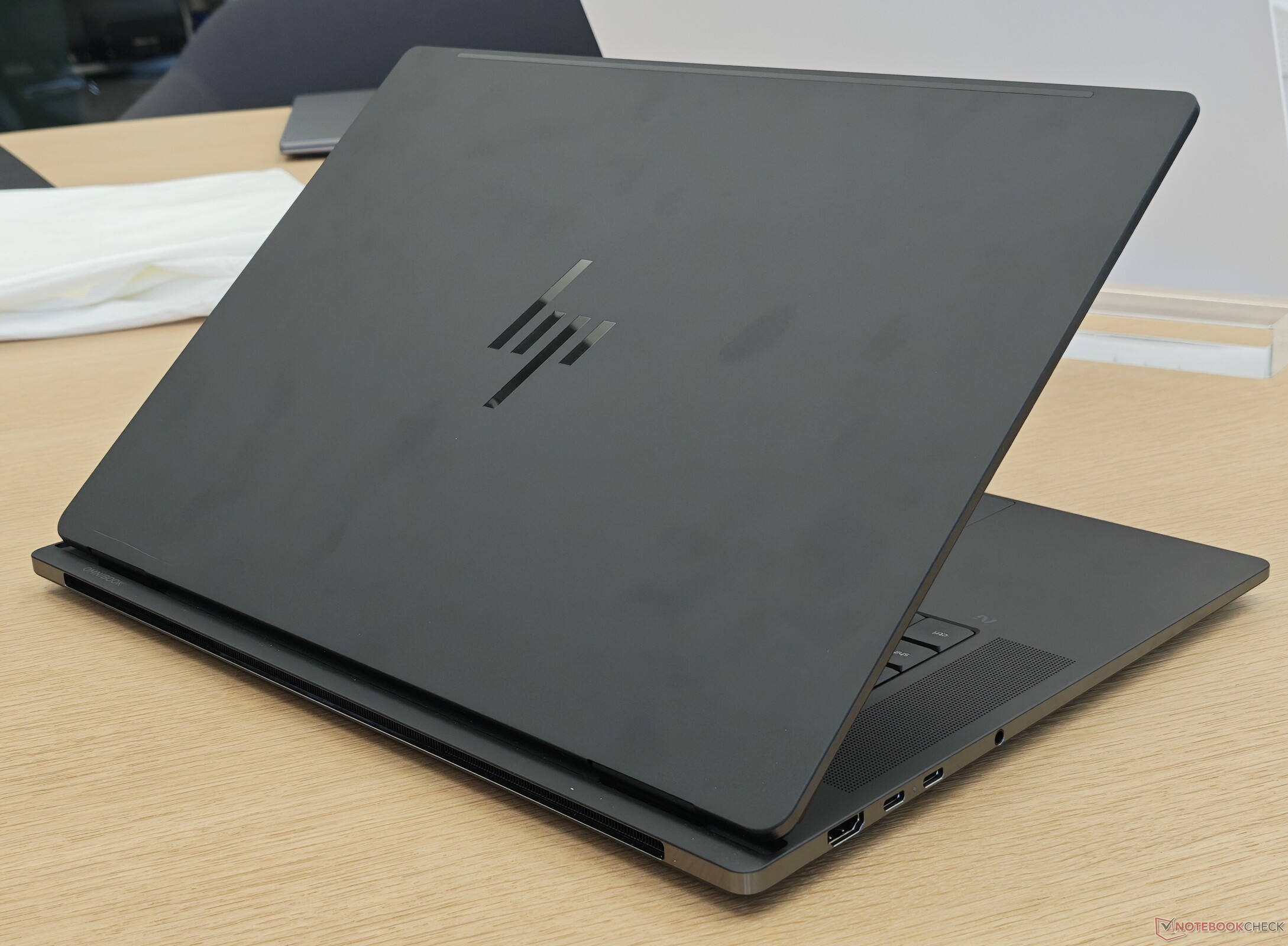
When compared with the new colorful entry-level OmniBook 5, the OmniBook Ultra 16 looks far more business-like. It is clad in an all-black aluminum chassis, with the aluminum being painted with a smooth finish as well as polished sides. The overall quality of the device is very high, thanks to the CNC unibody construction chosen, but so is the weight. With 2.2 kg, this is not a device many people will want to lug around every day, and it feels substantial in when held.
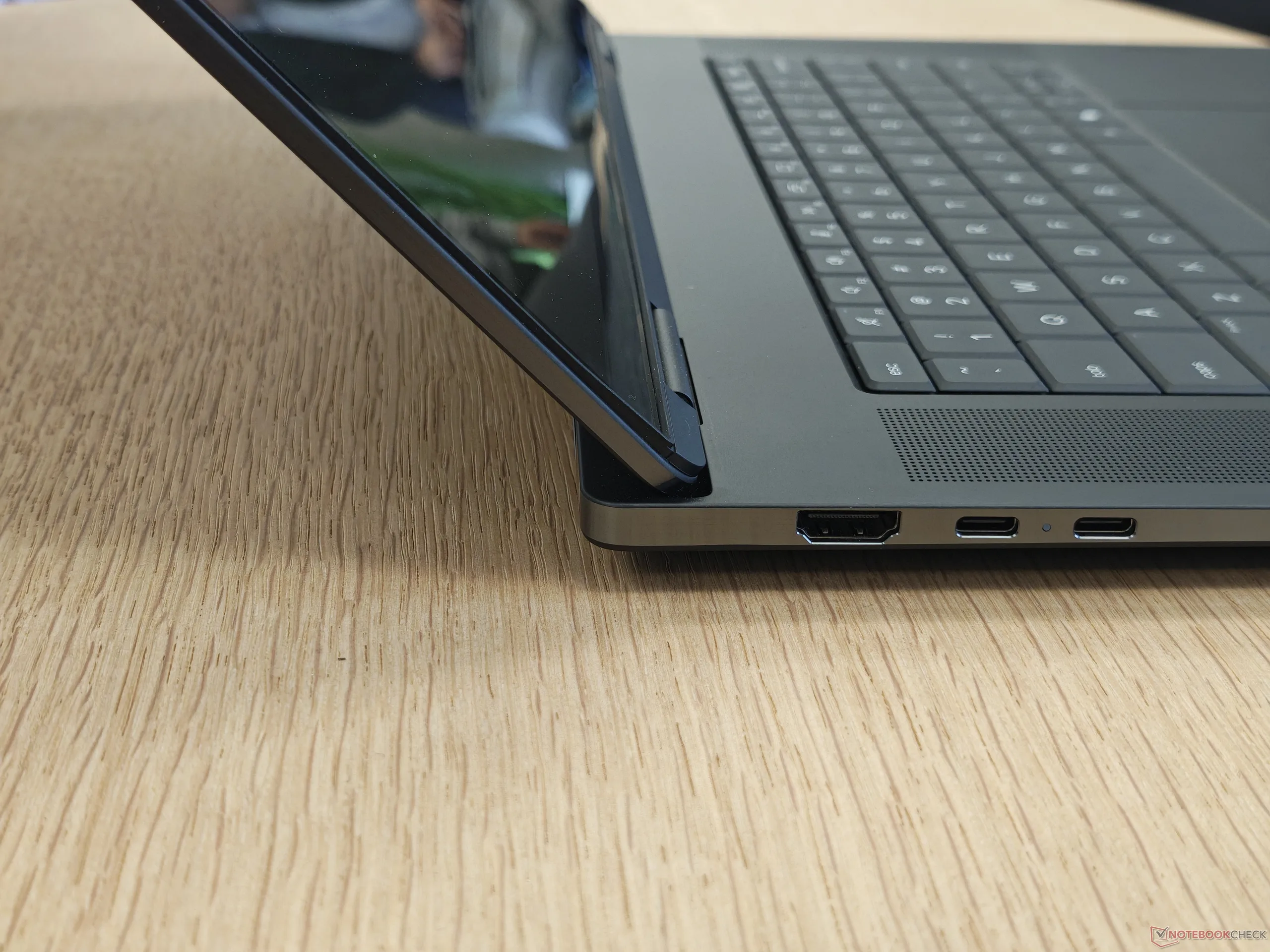
A contributing factor here is the glass front of the screen. It also makes the screen highly glossy, which is the most distinguishing factor marking this as a consumer device. In other ways, the OmniBook Ultra 16 also could be sold as a workstation HP ZBook model with no issues. Take the hinge design, for example: The hinges on the top of the base allow for big fan exhausts on the back and thus a better airflow. A negative of this design: The screen opening angle is fairly limited, to around 135 degree.
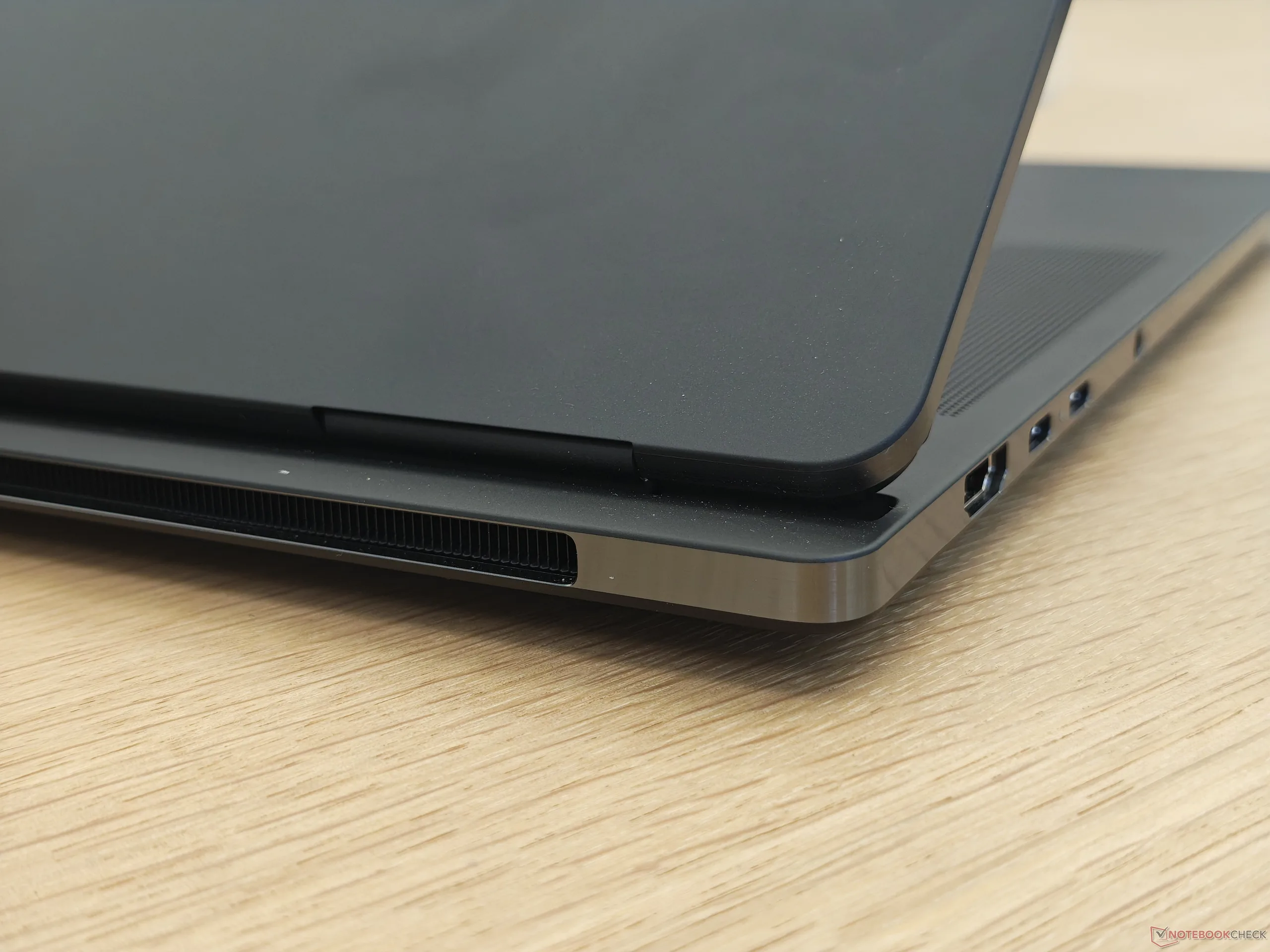
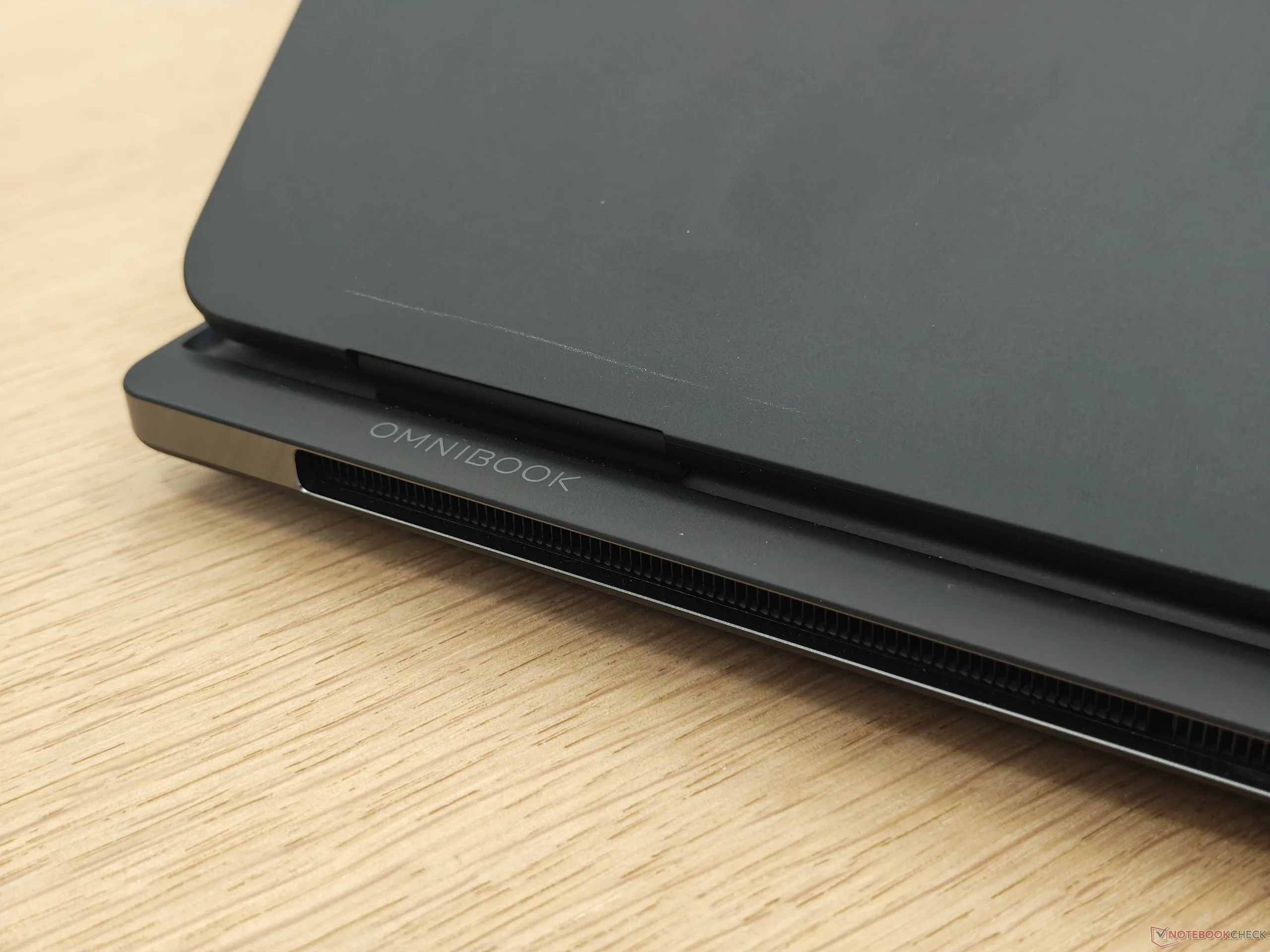
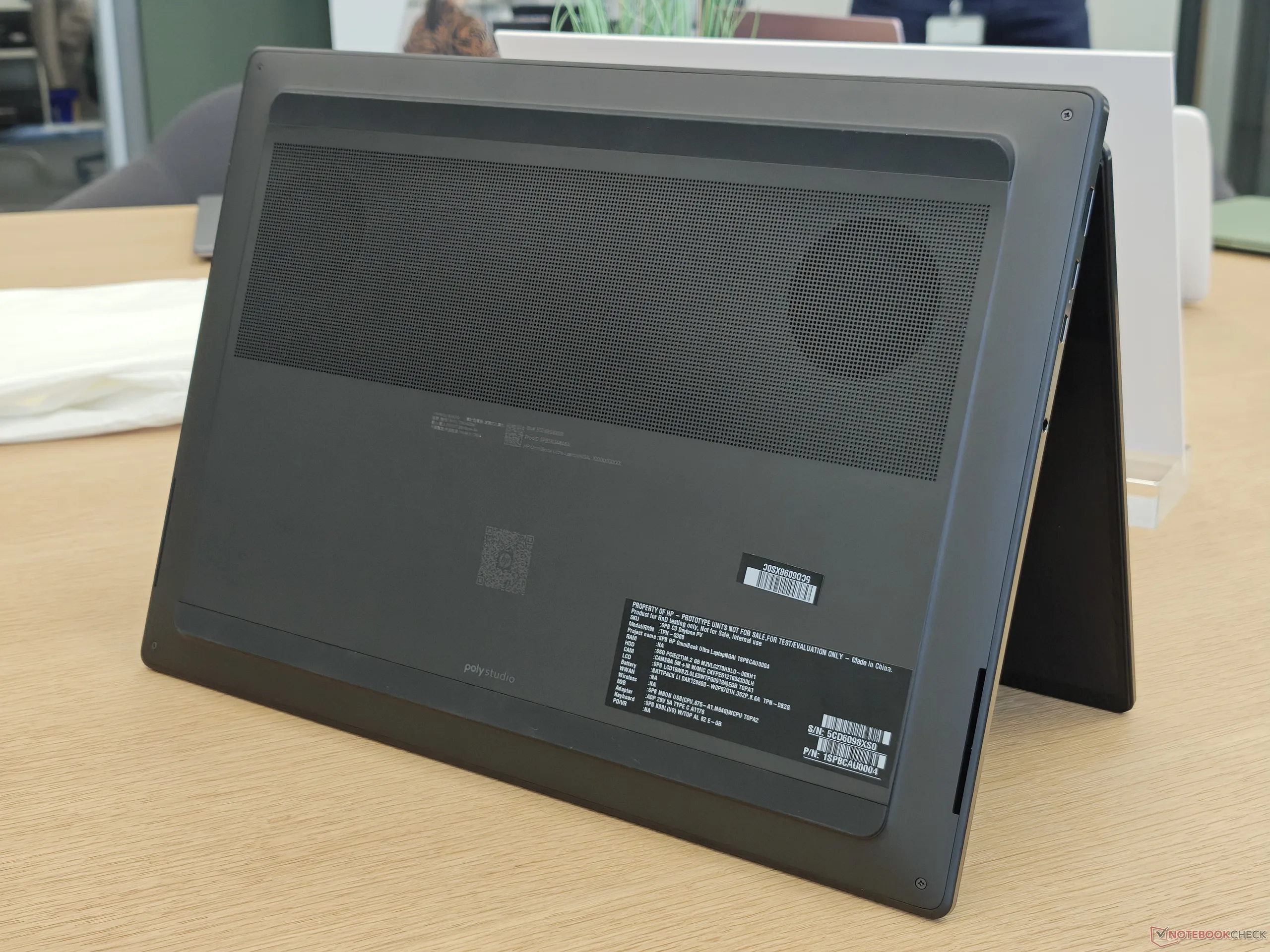
A look at the bottom of the system reveals a rather large air intake for the two fans. While we could not open up the laptop, HP says that the new OmniBook Ultra has a total of two fans and three heatpipes, enabling the 20 core version of the Nvidia RTX Spark used here to consume up to 70 W. The power is supplied by a 140 W charger or a 99 Wh battery.
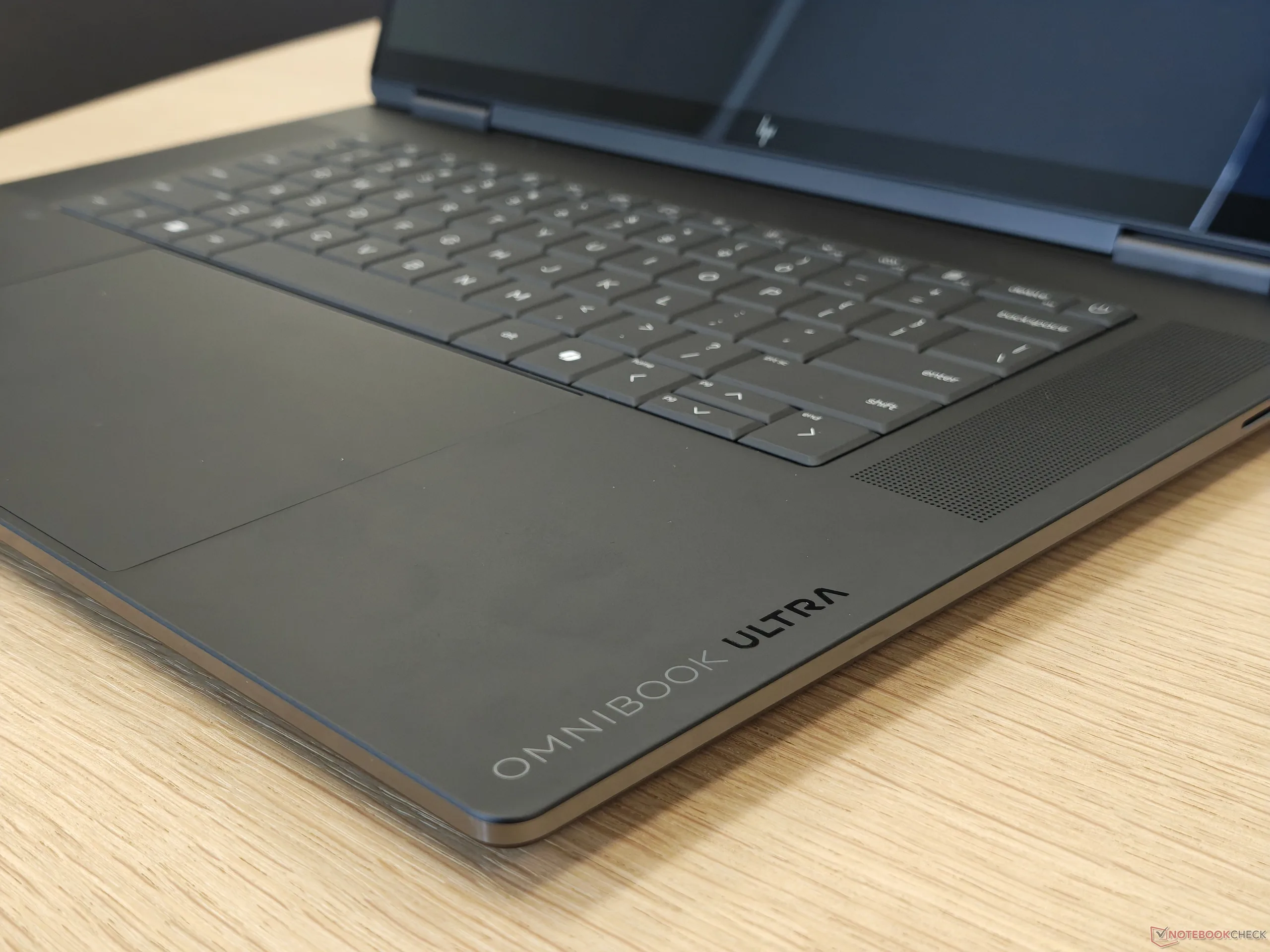
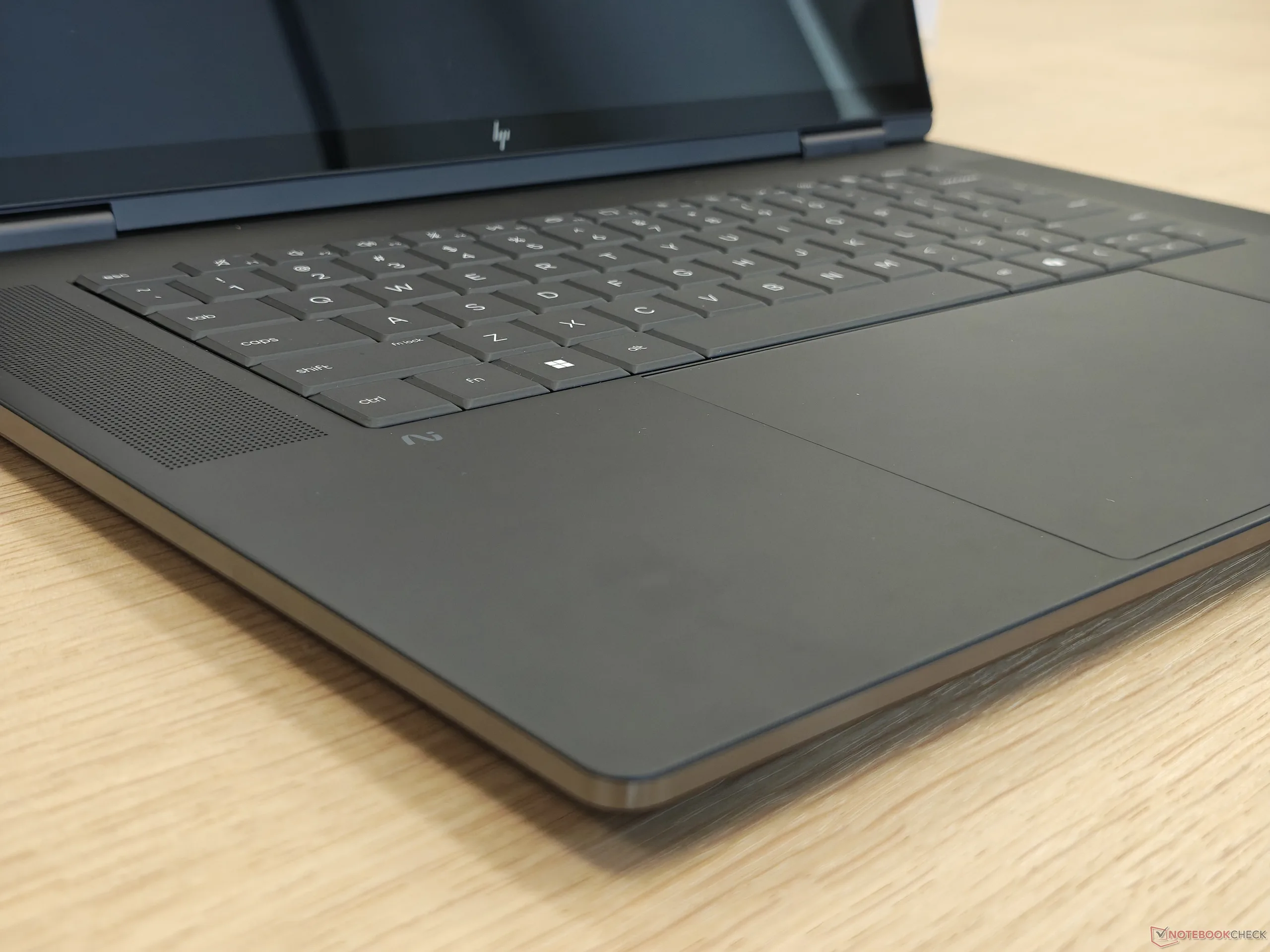
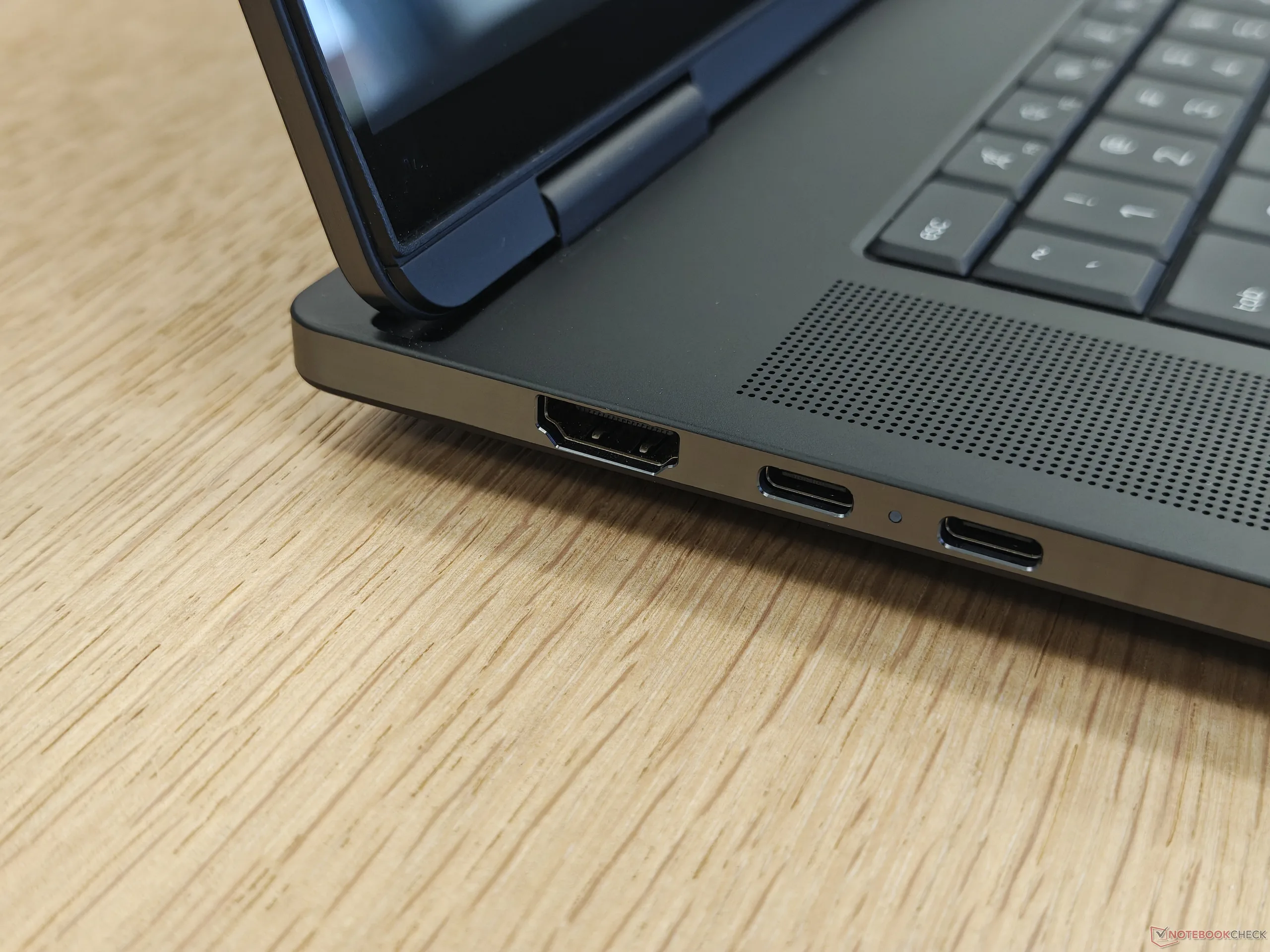
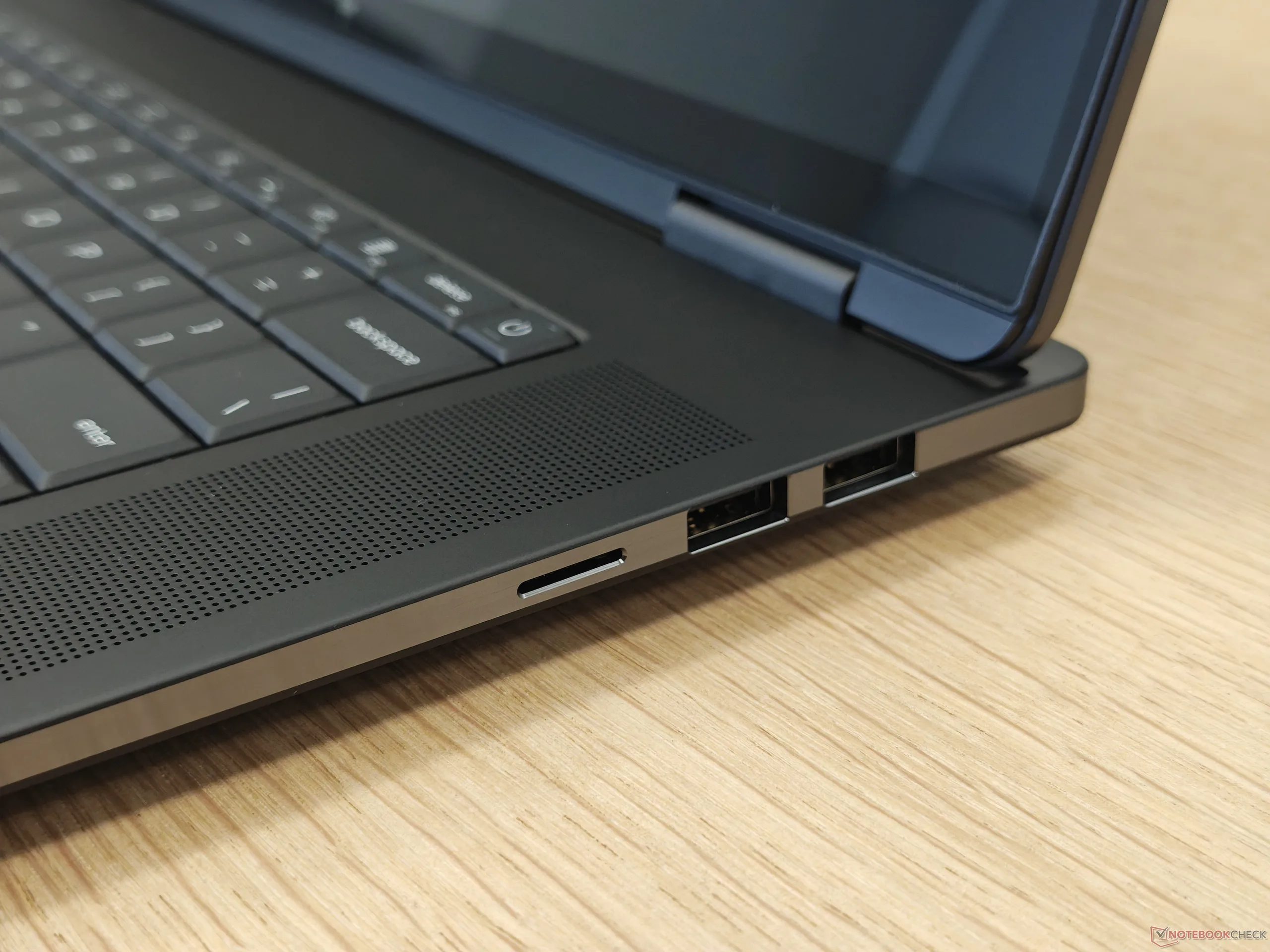
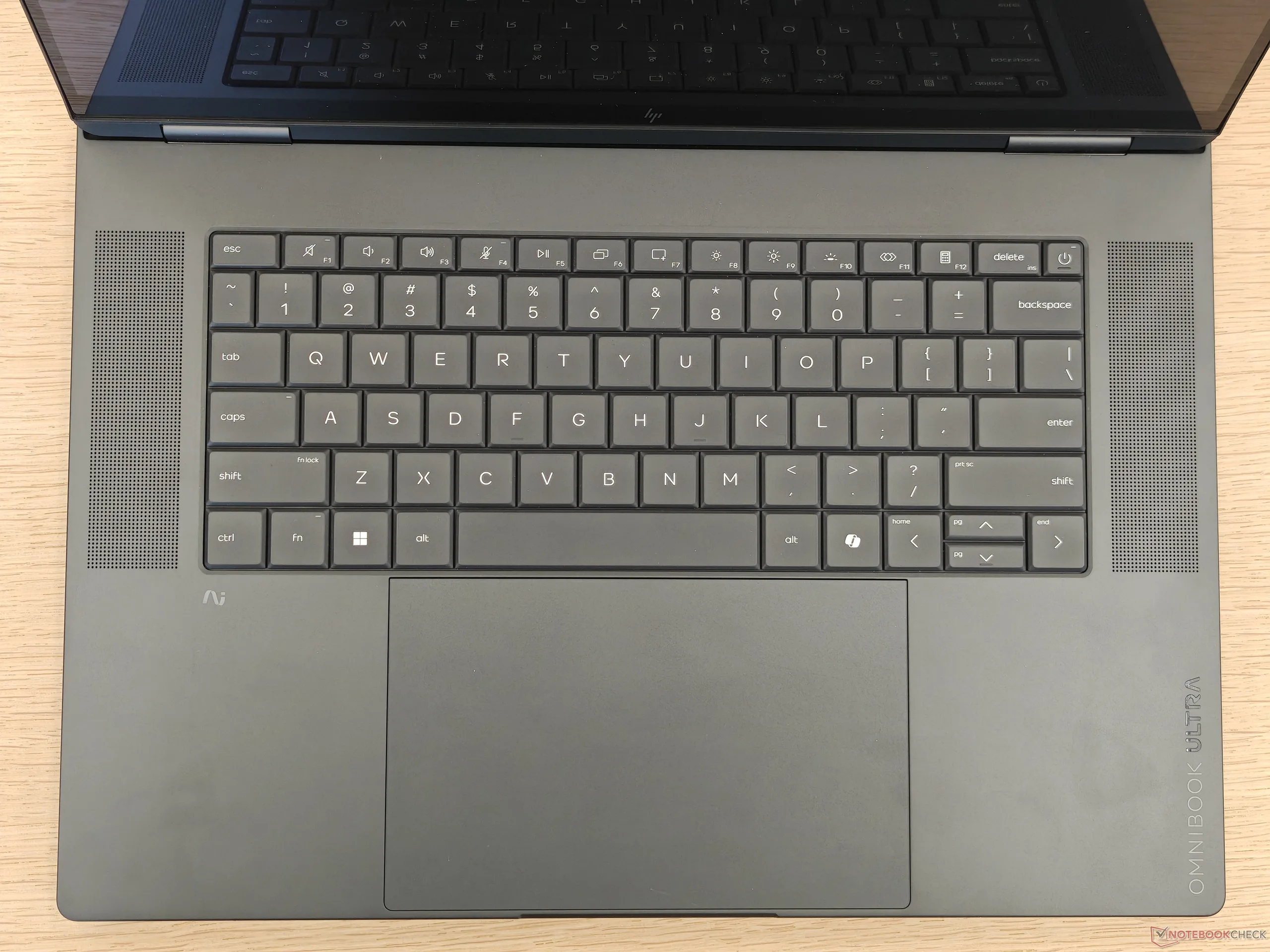
The keyboard of the OmniBook looks familiar to the EliteBook X we recently tested, but it is different, with a lower key travel. But HP has changed the design, given the key-dish a slightly concave form to make it more comfortable. For the mouse, HP puts in a huge haptic touchpad, which we unfortunately could not test due to the device being switched off. As for ports, HP includes Thunderbolt as well as USB A and HDMI, as well as a microSD slot - too bad that it could not squeeze in a full-size SD card reader. At least there are four speakers, and HP managed to build a physical webcam shutter, too. That is another feature that is also very common in HP's business series.
If you are interested in a detailed review of the HP OmniBook Ultra 16, you will not have to wait long: A Notebookcheck review of this new 16-inch creator flagship is already planned.
Source(s)
Own
 Add as a preferred source on Google


No comments for this article
