




Noctua wants to bring server-grade 2000W cooling to desktop PCs
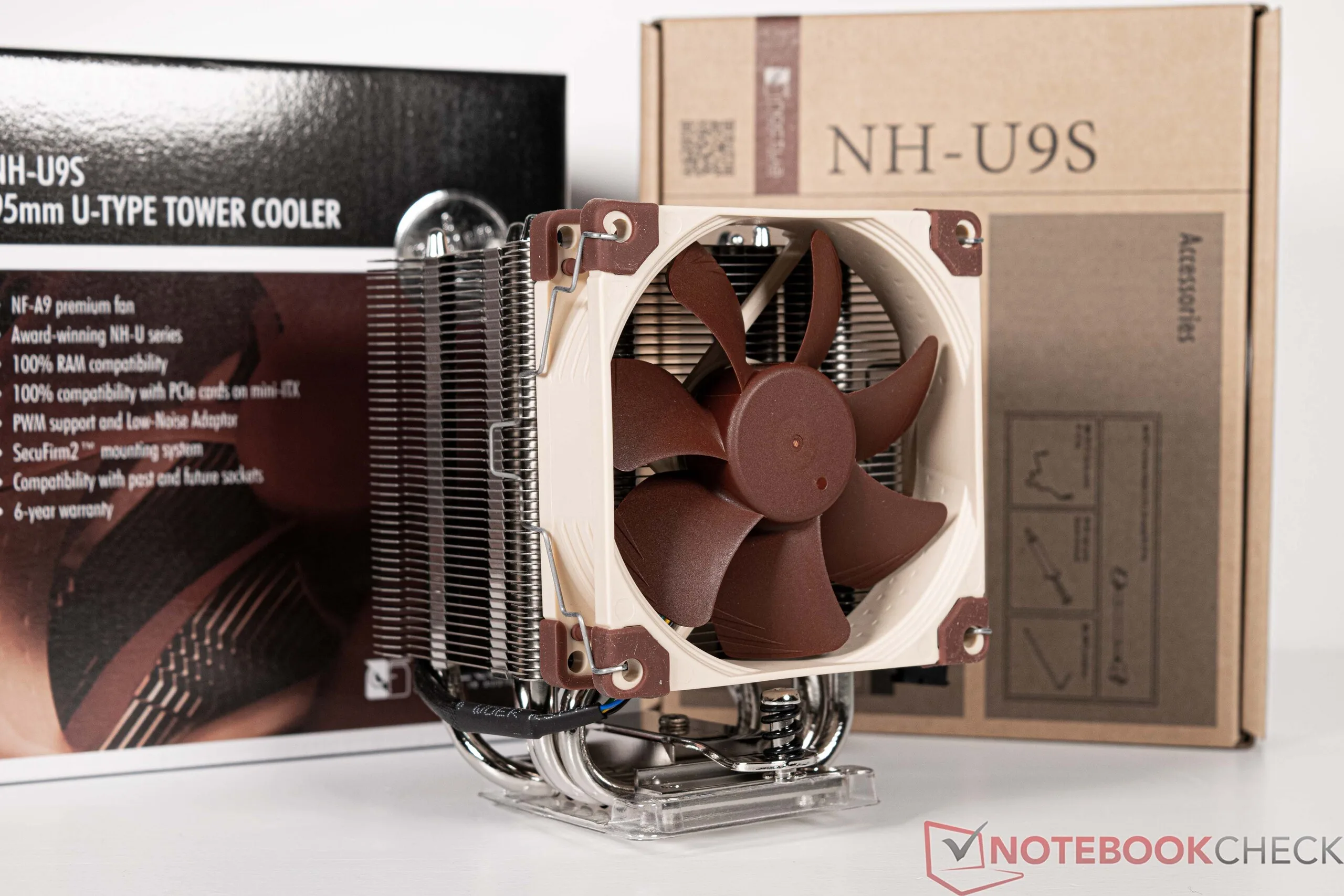
Noctua is working on a way to bring cooling technology designed for high-density computing systems to ordinary desktop PCs and workstations. The Austrian cooling specialist has teamed up with Forced Physics DCT to see whether the company’s JouleForce micro-channel technology can be made practical for desktop hardware—without turning a PC into a noisy industrial machine.
At first glance, JouleForce looks like another type of air cooler. Instead of pushing air across the large metal fins used in conventional heatsinks, however, it sends air through thousands of tiny, closely packed channels. This geometry gives the air more contact with the channel walls, allowing heat to be removed more efficiently. Forced Physics says the design prevents the full formation of an insulating layer of slow-moving air that normally forms near a cooling surface. According to the company, the technology can dissipate more than 2,000W of heat using air alone, without a liquid-cooling loop.
There is, however, a major catch. Those tiny channels are extremely restrictive, so moving air through them requires far more pressure than a standard PC fan can generate. Current JouleForce systems use industrial blowers, high-speed centrifugal fans or even vacuum pumps—not hardware anyone would want beside a desk.
That is where Noctua comes in. Its work with Forced Physics will focus on either reducing the pressure the cooling array needs or finding a practical way to generate that pressure without turning a PC into a noisy miniature server rack. It will also have to solve sealing issues: at high pressure, even small gaps can let air bypass the channels instead of flowing through them.
For now, this is strictly a research project. Noctua and Forced Physics have not announced a product or release date, and the companies describe the collaboration as a long-term effort. If they can solve the pressure and noise problems, the result could be a new type of air cooler capable of handling heat loads that currently require much more elaborate cooling systems.
 Add as a preferred source on Google


