




Netflix's latest price hike turns 4K and privacy into a luxury tax

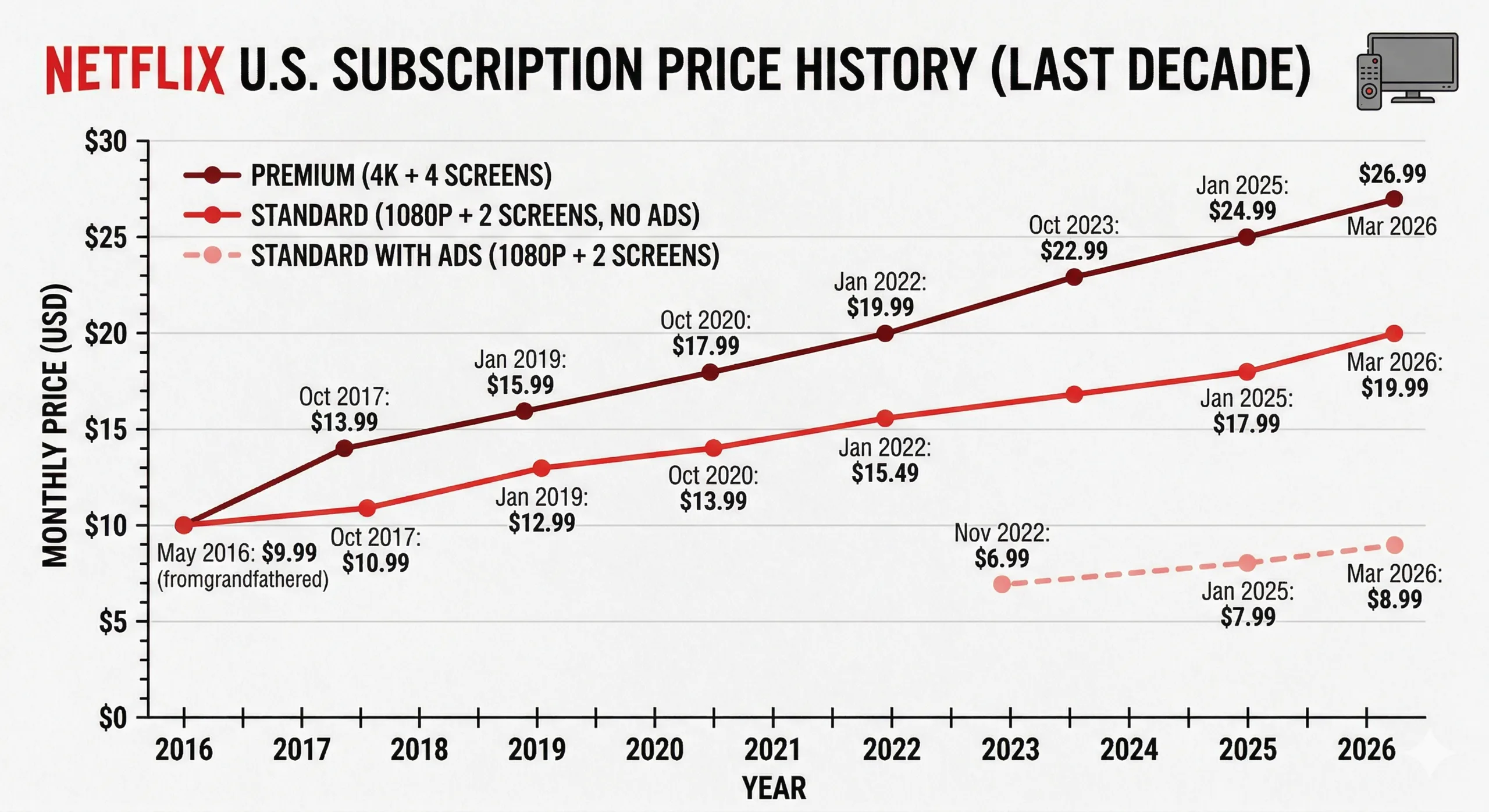
Netflix just raised its U.S. subscription prices for the second time in a year. The new math is starting to look like a direct tax on your hardware. As of March 26, 2026, the Premium 4K tier has climbed to $26.99 per month, while the ad-supported entry level looks to be more anchored at $8.99. This creates a massive price delta that basically forces a choice between two things that used to be considered standard: the resolution of your screen and the privacy of your habits. If you bought a high-end laptop like a MacBook Pro M5 specifically for its 1,600-nit peak brightness and Mini LED display, Netflix is now charging you a big annual fee just to see what that screen can actually do.
The specific data behind this hike exposes an intentional strategy that will widen the gap between those who pay and those who are sold. The ad-supported tier now costs roughly $108 a year, but the jump to a basic ad-free experience at $19.99 per month is a staggering $132 annual increase just to stop being tracked. If you're someone who wants the Premium 4K experience, the bill hits $323.88 per year. That is a pretty hefty investment for a service that continues to gatekeep high-bitrate content behind its most expensive wall, even as 4K resolution is becoming the baseline for almost every high-end monitor and television sold in the last few years.
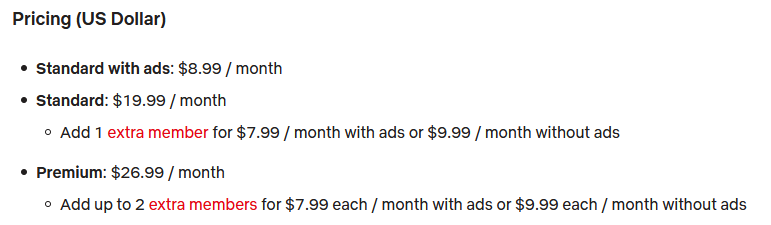
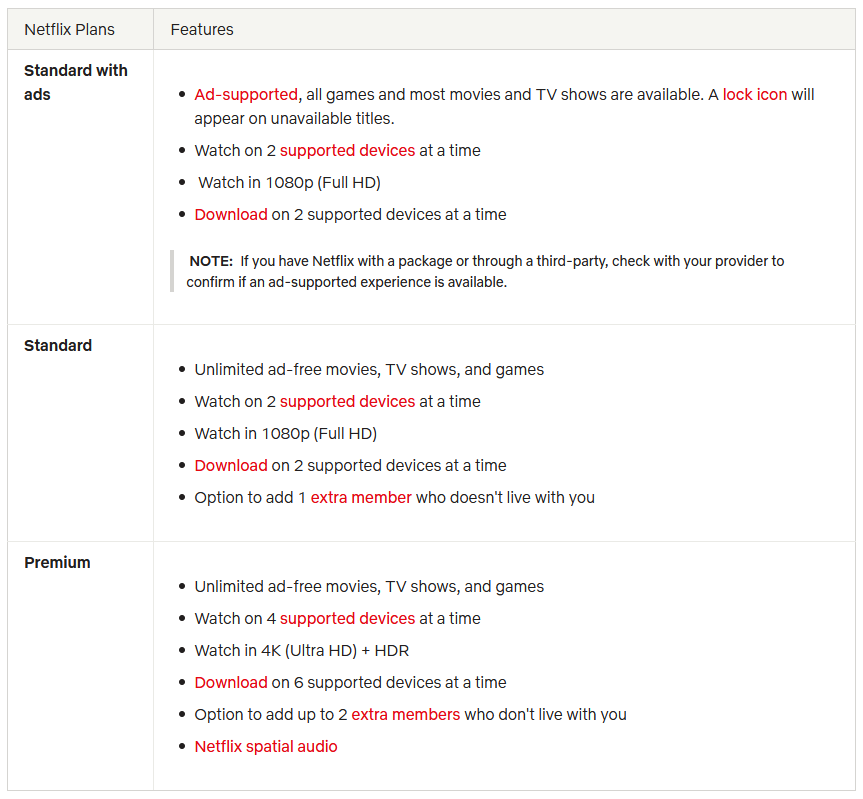
This price shift changes the relationship between a consumer and their devices more than you think. When streaming was still growing as a service, as a subscription - it felt like a utility that unlocked your hardware. However, in 2026, it feels more like a bottleneck than anything. By pricing the ad-free Standard tier at $20, Netflix has effectively placed an $11 monthly value on your personal data. Users on the lower tier aren't just watching commercials; they are being segmented and tracked by an increasingly aggressive ad-tech stack that targets them based on real-time viewing habits. It sucks to say this, but privacy has transitioned from a fundamental right to a premium feature that requires a specific, higher-tier commitment. That just sounds absurd on its own, but the truth is, many services and platforms are adopting this strategy nowadays.
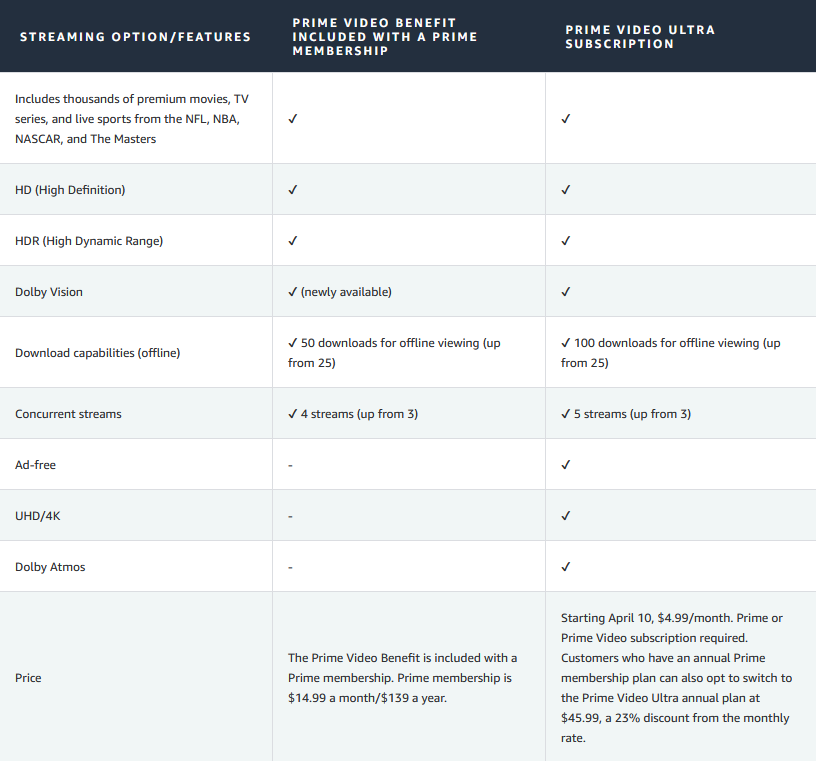
Analysts are calling this "resolution gating." Starting April 10, 2026, Amazon is also rebranding its ad-free tier to "Prime Video Ultra" and hiking the surcharge from $2.99 to $4.99 per month. More importantly, Amazon is following the Netflix playbook by removing 4K/UHD access from its standard plan entirely, so high-resolution streaming will become a paid privilege rather than a standard feature for Prime members. Similarly, Disney+ has spent the last year aggressively scaling its prices, with CEO Bob Iger openly stating that these hikes are designed to "steer" subscribers toward the more profitable ad-supported tiers. The message from streaming giants in 2026 is as clear as it gets: if you want to keep your data private and your pixels sharp, the price of admission is only going up - and let's be honest, it will only get worse with time.
For the standard tech-conscious user, the argument for 4K streaming is staring to crumble under the weight of these increases. At over $320 a year, a single Netflix Premium subscription now costs more than a high-end standalone 4K Blu-ray player (this Panasonic model is curr. $90 on Amazon) and a small library of physical discs. Unlike streaming, a physical disc comes with a predetermined bitrate that doesn't fluctuate with your internet speed and requires no monthly fee, obviously. If Netflix keeps pushing the boundaries of what consumers will tolerate, the "all-you-can-eat" convenience of streaming will eventually lose its competitive edge against the superior quality and ownership of physical media. We're already seeing this with music - more audiophiles than ever are moving away from Spotify and Apple Music, opting for dedicated music players that can play offline music from their digitized libraries.
We should start treat streaming subscriptions like a rotating door; permanence is the enemy of the modern tech budget, it seems. If the goal is to maximize your hardware without being overcharged for basic privacy, "subscription hopping" is the only thing that makes sense. Subscribing for one month to watch a specific series in 4K and then immediately canceling prevents the service from becoming a stagnant, overpriced tax on your OLED display. We as consumers must be more deliberate about which months we actually choose to pay for them, and if we really want to pay for them at all.
Source(s)
Own, Netflix, Amazon Prime Video
 Add as a preferred source on Google


