




Huge 120 GWh battery at home: How EVs could help save the power grid
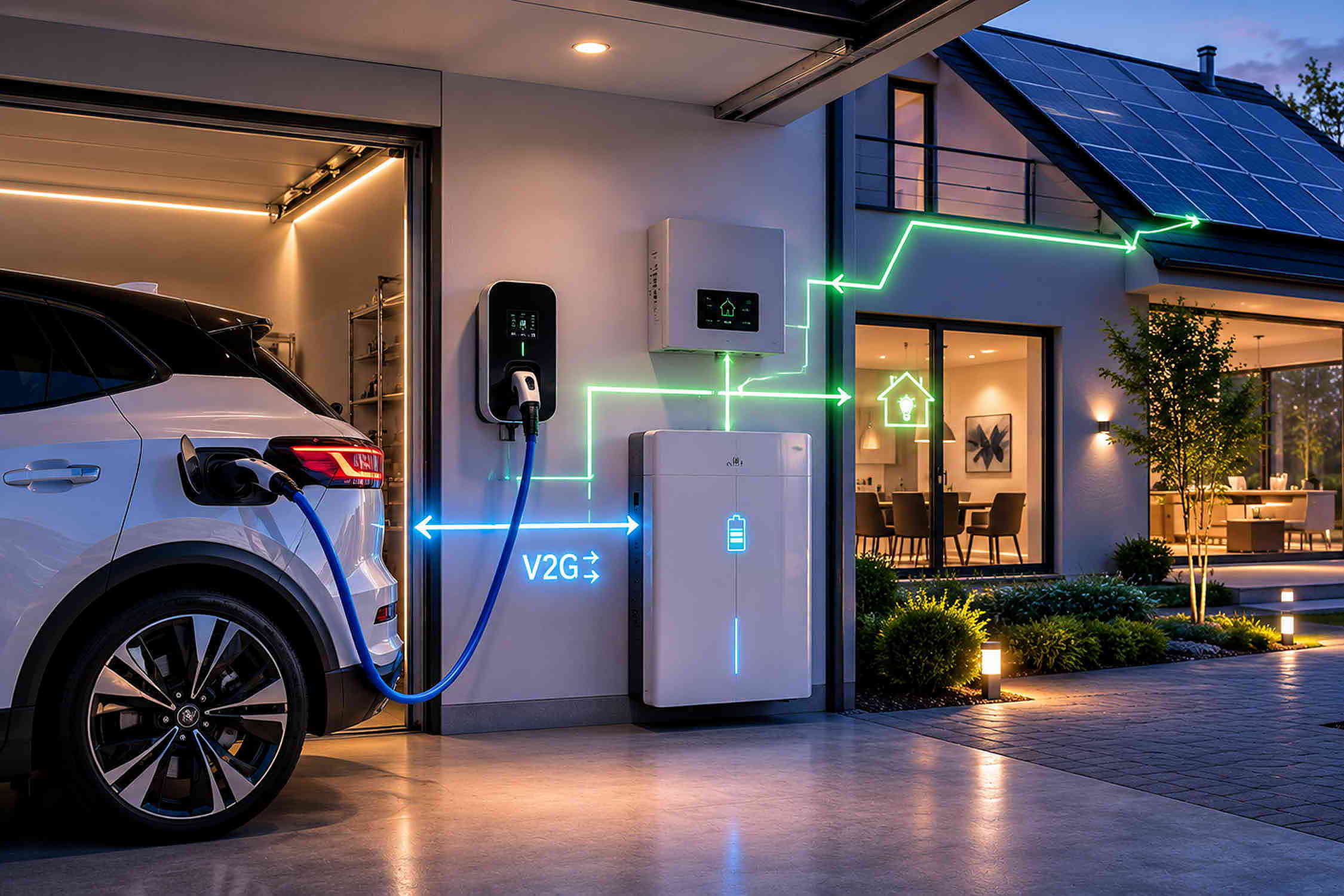
Electricity from solar panels and wind power is not always available when energy demand is at its highest. Large battery storage systems operated by grid providers are intended to close these gaps. But the largest giant battery already exists millions of times over on the road. The batteries of parked EVs offer untapped potential for temporarily storing renewable energy. This relieves the power grids and drastically lowers energy costs for private households.
Figures from RWTH Aachen illustrate the huge scale of this EV fleet storage system. According to Mark Junker, department head at RWTH Aachen, EV batteries currently provide a storage capacity of around 120 gigawatt-hours. For comparison, stationary home storage systems and large-scale batteries amounted to just 25 GWh at the beginning of 2026. The EV fleet therefore already provides several times that capacity. However, making this giant power storage system usable requires not only a "bidirectional EV", but also a compatible home charger and a smart HEMS energy management system.
Profit for EV owners: By feeding energy into the grid, drivers can earn money with their own electric car. And things are moving in countries like Germany, as first automakers and energy providers are already launching pilot projects for bidirectional charging via vehicle-to-home (V2H) and vehicle-to-grid (V2G). The difference: With V2H, electricity flows from the EV battery directly into the owner's home to optimize self-consumption from a solar panel system. With V2G, EVs effectively serve as a "virtual fleet battery" for the public power grid, absorbing excess wind and solar energy and feeding it back during periods of high load.
The technical groundwork for the mass market has been laid. The ISO 15118 standard for bidirectional charging serves as the fundamental basis. Starting January 1, 2027, this ISO standard will become a legal requirement for all new private and public charging stations and home chargers.
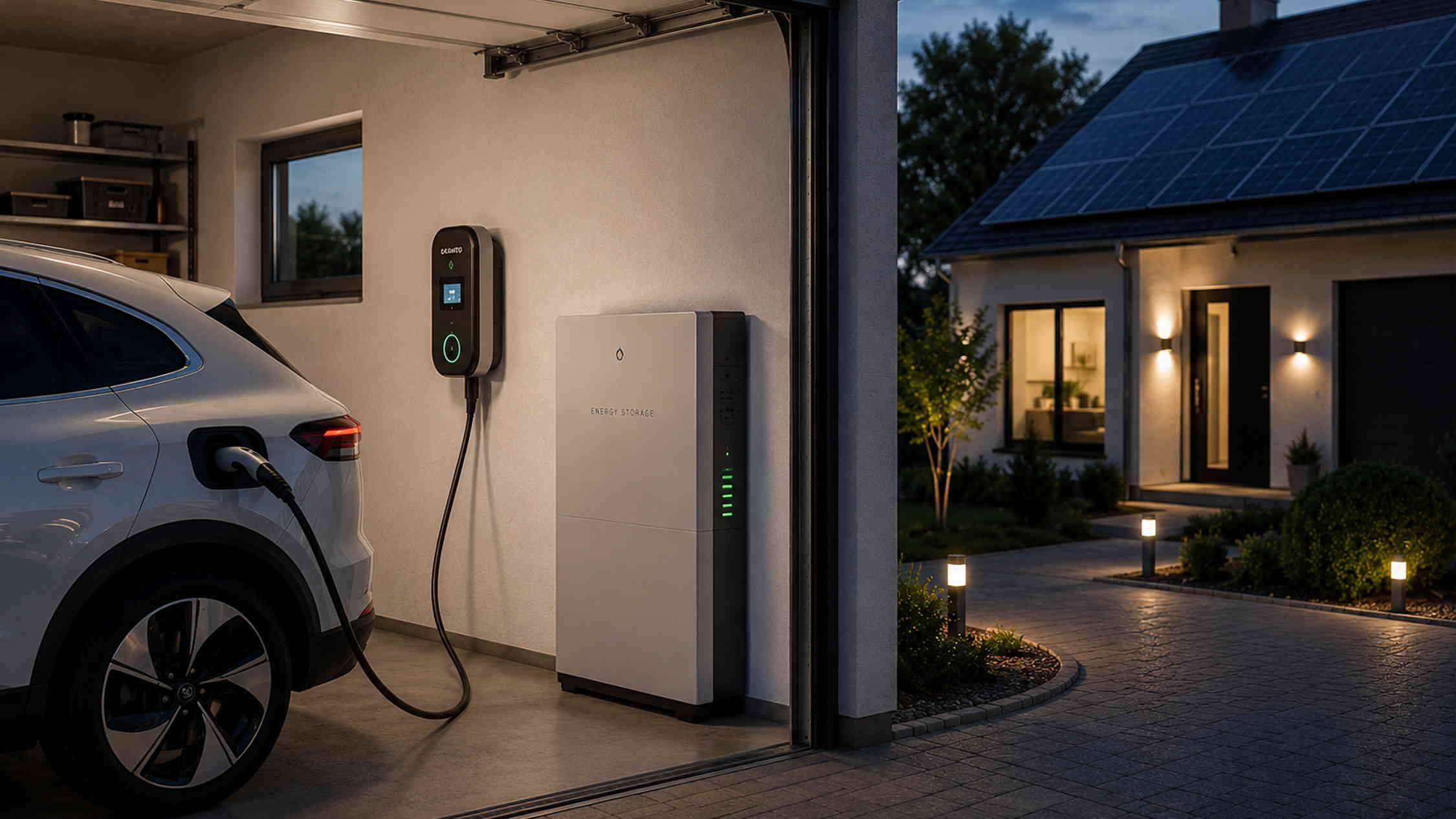
Carine Chardon, managing director of the German industry organization GFU Consumer and Home Electronics, also sees this as the breakthrough:
The EV as an energy storage system was long a vision of the future that is now becoming reality. Rising demand for electric vehicles is turning e-mobility into a key pillar of the energy transition.
The open EEBUS control standard, which is specifically optimized for charging infrastructure (EVSE), enables communication across manufacturers in smart buildings. The last major hurdle is the seamless interaction between automakers and charging infrastructure operators so that electricity can be fed flexibly into different grids. Once this hurdle has been cleared, nothing will stand in the way of activating the giant 120-gigawatt-hour battery right outside the front door.
Source(s)
 Add as a preferred source on Google


