




Mediatek Helio G81 Ultra vs Qualcomm Snapdragon 6s 4G Gen 1
Mediatek Helio G81 Ultra
► remove from comparison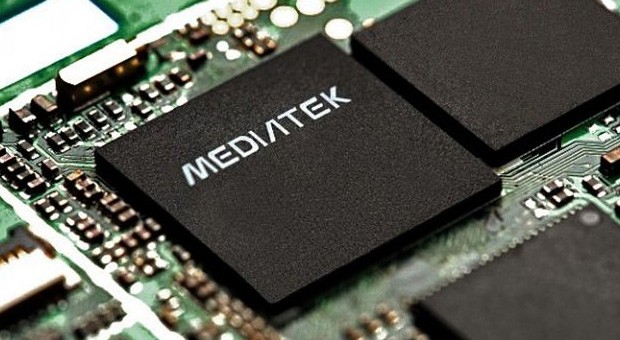
The Mediatek Helio G81 Ultra is a mainstream ARM SoC for smartphones (mainly Android based) that was introduced in 2020. It is manufactured in a 12 nm FinFET process and integrates 8 CPU cores. Two fast ARM Cortex-A75 cores with up to 2 GHz for performance tasks and six small ARM Cortex-A55 with up to 2 GHz for efficiency. All eight cores can be used together thanks to Heterogeneous Multi-Processing support. The integrated GPU is a ARM Mali-G52 MC2 (MP2) with two clusters at up to 950 MHz. The SoC also integrates the HyperEngine that handles a dynamic management of CPU, GPU and memory.
Compared to the old Helio G80, the G81 offers support for 120Hz displays.
The SoC integrates furthermore a LTE radio with Cat-7 (download) / Cat-13 (upload) support, Wifi 5 (ac), Bluetooth 5.0, LPDDR4x 1800 MHz and eMMC 5.1 storage.
Qualcomm Snapdragon 6s 4G Gen 1
► remove from comparison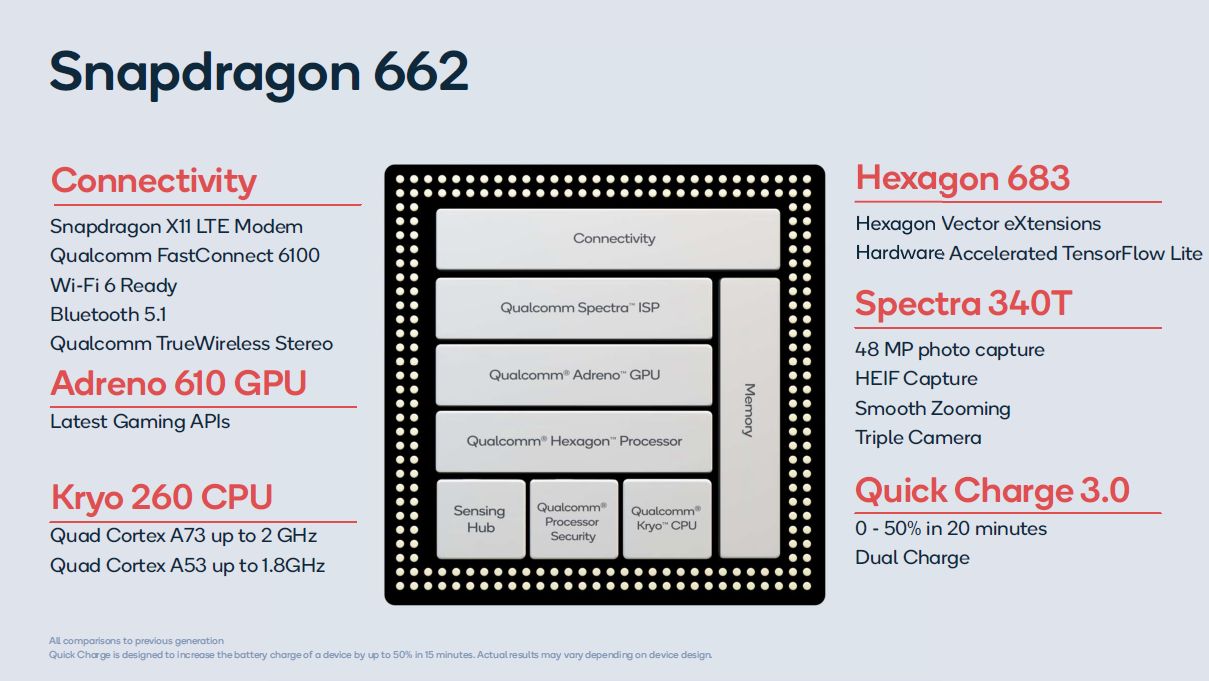
The Qualcomm Snapdragon 6s 4G Gen 1 (SM6115-AC) is a renamed Snapdragon 662 SoC of the lower mid-range for (Android based) smartphones and tablets. The processor unit contains 8 Kryo-260 CPU cores (4x ARM Cortex-A73 with up to 2.1 GHz and 4x ARM Cortex-A53 with up to 1.8 GHz). The Qualcomm Adreno 610 is used as the graphics unit
The SoC comes with the third generation of Qualcomm's AI Engine and also includes Bluetooth 5.1. It is interesting to note that Qualcomm describes the Wi-Fi capability as "WiFi-6-ready", meaning you can connect to a WiFi 6 network, but not all parts of the standard are supported. The new WPS3 security protocol can be used. Support for the HEIF image file format and the Indian satellite network NavIC are also new.
The performance should be very similar to the old Snapdragon 662 (see for benchmarks).
The Snapdragon X11 is integrated as an LTE modem, which supports LTE Cat.13 in the uplink and downlink, as well as 2x2 MIMO in the downlink. The maximum transmission speed is 390 MBit/s (download) and 150 MBit/s (upload).
In terms of mass storage, a maximum of UFS 2.1 is supported, the memory limits are 32 GB and LP4x.
The SoC is manufactured using the 11 nm process.
| Model | Mediatek Helio G81 Ultra | Qualcomm Snapdragon 6s 4G Gen 1 | ||||||||||||||||||||||||||||||||||||||||||||
| Codename | Cortex-A75 / A55 | Kryo 260 | ||||||||||||||||||||||||||||||||||||||||||||
| Series | Mediatek Mediatek Helio G | Qualcomm Snapdragon | ||||||||||||||||||||||||||||||||||||||||||||
| Series: Snapdragon Kryo 260 |
|
| ||||||||||||||||||||||||||||||||||||||||||||
| Clock | 2000 - 2000 MHz | 1800 - 2100 MHz | ||||||||||||||||||||||||||||||||||||||||||||
| Cores / Threads | 8 / 8 2 x 2.0 GHz ARM Cortex-A75 6 x 2.0 GHz ARM Cortex-A55 | 8 / 8 ARM Cortex-A53 | ||||||||||||||||||||||||||||||||||||||||||||
| Technology | 12 nm | 11 nm | ||||||||||||||||||||||||||||||||||||||||||||
| Features | 2x Cortex-A75, 6x Cortex-A55 | Adreno 610 GPU, X11 LTE Modem, Hexagon 683 DSP, Specra 340T ISP | ||||||||||||||||||||||||||||||||||||||||||||
| iGPU | ARM Mali-G52 MP2 ( - 950 MHz) | Qualcomm Adreno 610 ( - 1050 MHz) | ||||||||||||||||||||||||||||||||||||||||||||
| Architecture | ARM | ARM | ||||||||||||||||||||||||||||||||||||||||||||
| Announced | ||||||||||||||||||||||||||||||||||||||||||||||
| Manufacturer | www.mediatek.com |


Benchmarks

Average Benchmarks Mediatek Helio G81 Ultra → 100% n=2
Average Benchmarks Qualcomm Snapdragon 6s 4G Gen 1 → 96% n=2
 - Average benchmark values for this graphics card
* Smaller numbers mean a higher performance
1 This benchmark is not used for the average calculation


