




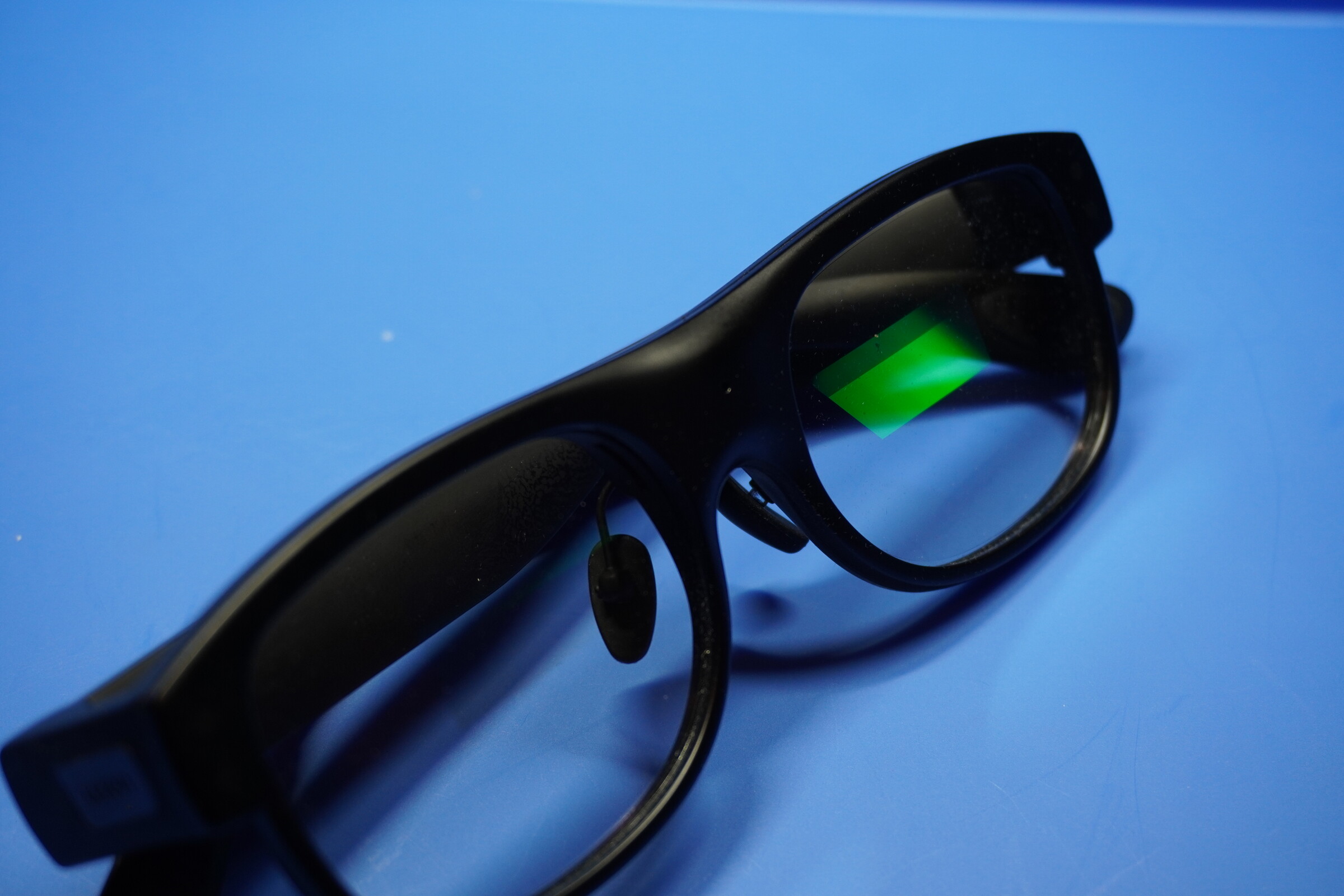
Hands-on with Leion Hey 2 glasses: Living life with subtitles
Finally a solid answer to "What did I just say?"
The Leion Hey 2 AR glasses bring real-time translations capabilities directly to the user's line of sight. Touting 98% translation accuracy, these glasses take on language barriers in over 100 different languages.Stephen Pereyra Published 🇳🇱 🇫🇷 ...
Verdict - Excels at translation but relies heavily on a stable connection.
The Leion Hey 2 AR glasses offer a practical solution to communication barriers by moving real-time transcription from a phone screen directly into the user's line of sight. While the hardware and high-brightness Micro LED display are impressive, the device’s performance is deeply tethered to cloud processing and stable Bluetooth connectivity. Additionally, the early discoloration on the arms is probably a harbinger of the glasses' appearance in the future. However, as a whole, the Leion Hey 2 glasses are a hyper-focused tool that, when working, offer unmatched utility in the field of human connection.
Pros
Cons
Price and availability
The Leion Hey 2 is currently available through the Leion site and select retailers for an MSRP of $549.00.
The Leion Hey 2 glasses are designed to transcribe and translate speech in real-time directly onto the lenses.
Specifications
| Product Name | Leion Hey 2 |
| Weight | 49g |
| Display Type | Micro LED |
| Peak Brightness | 2500 nits |
| Latency | < 500ms |
| Languages Supported | 100+ |
| Frame Material | Magnesium-Lithium Alloy |
| Battery Life | 6-8 Hours (96 with case) |
| Connectivity | Bluetooth 5.4 / Smartphone Required |
Unboxing and design
The Leion Hey 2 glasses come in a nice box with everything securely in place, and the included charging case for full display. The unit we received arrived without the lens inserts, but their absence did not limit functionality. In addition to the glasses themselves, users receive a charging cable and additional nose pads to find what works best for them.
The Leion Hey 2 makes no secret of its identity; it unquestionably feels like a gadget. While the browline design attempts to mimic traditional glasses, the hardware's nature is apparent. Additionally, the nose bridge pads are pointed far too far out of the box and require manual adjustment to achieve a usable fit. One of the most notable visual elements is the light-diffraction film on the lenses, which creates a visible effect in which the user's eyes appear to glow to anyone nearby. Furthermore, while the magnesium-lithium frame feels high-end, the plastic on the arms is a disappointing contrast, showing signs of discoloration after minimal use, likely due to the device heating up during operation.
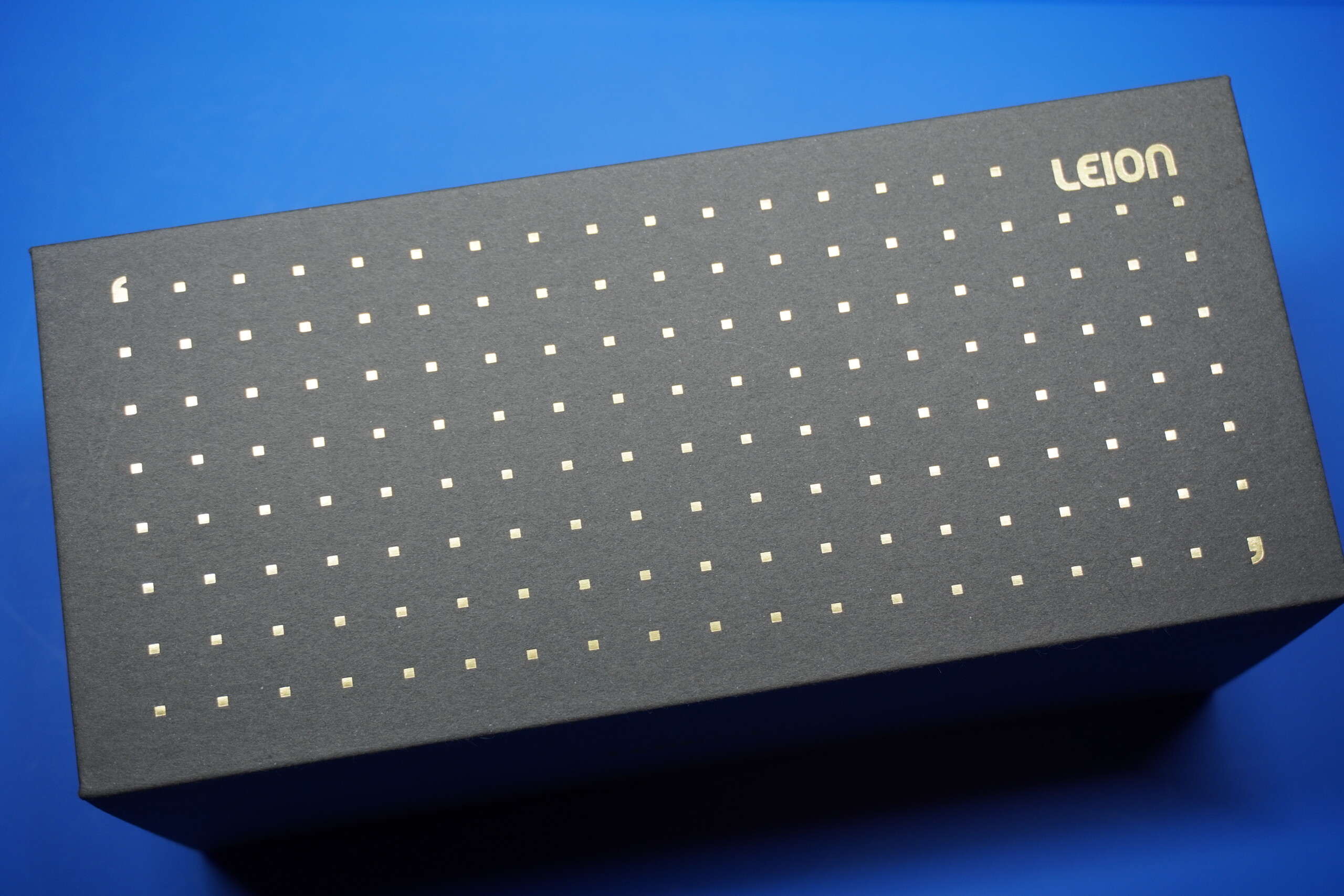
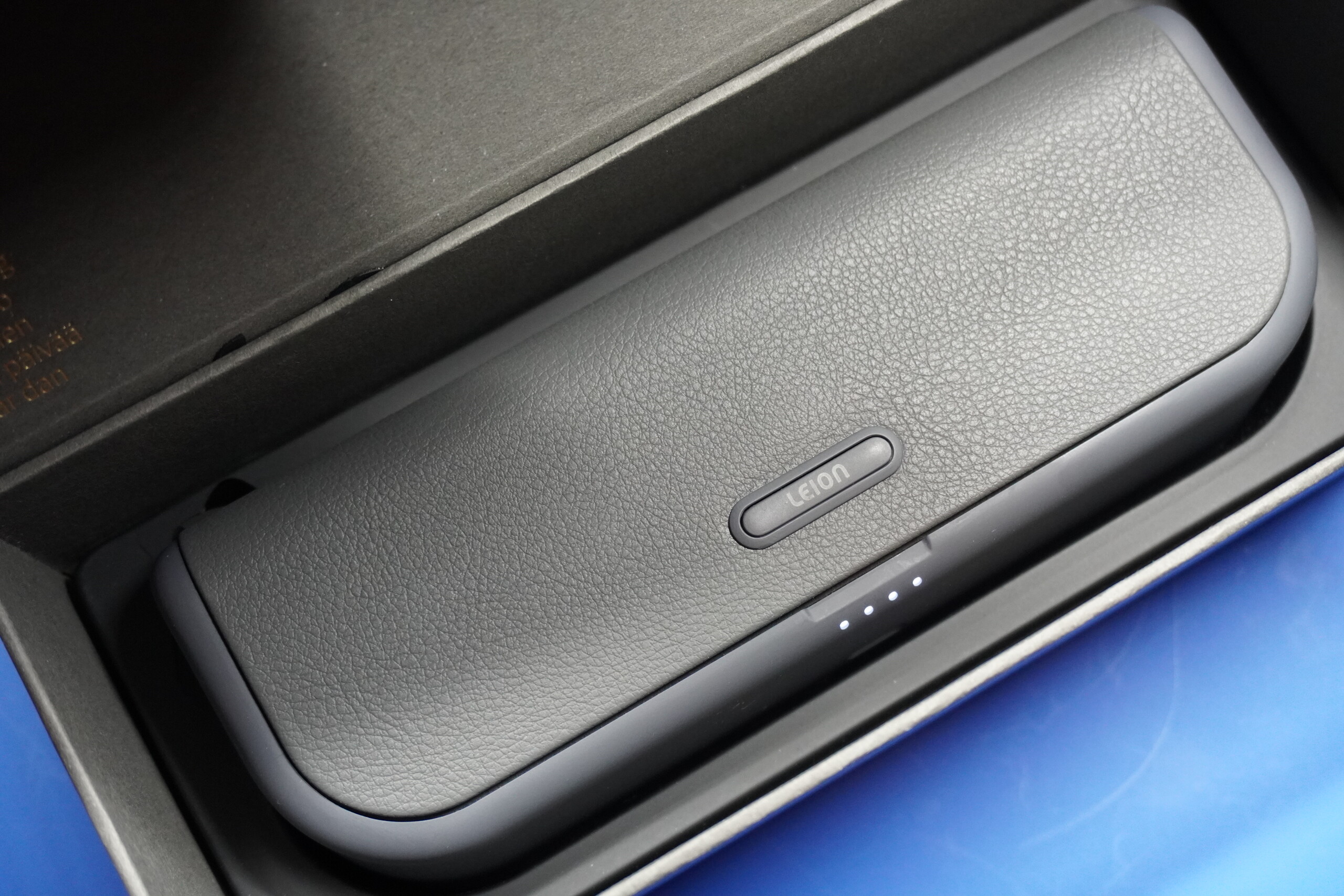
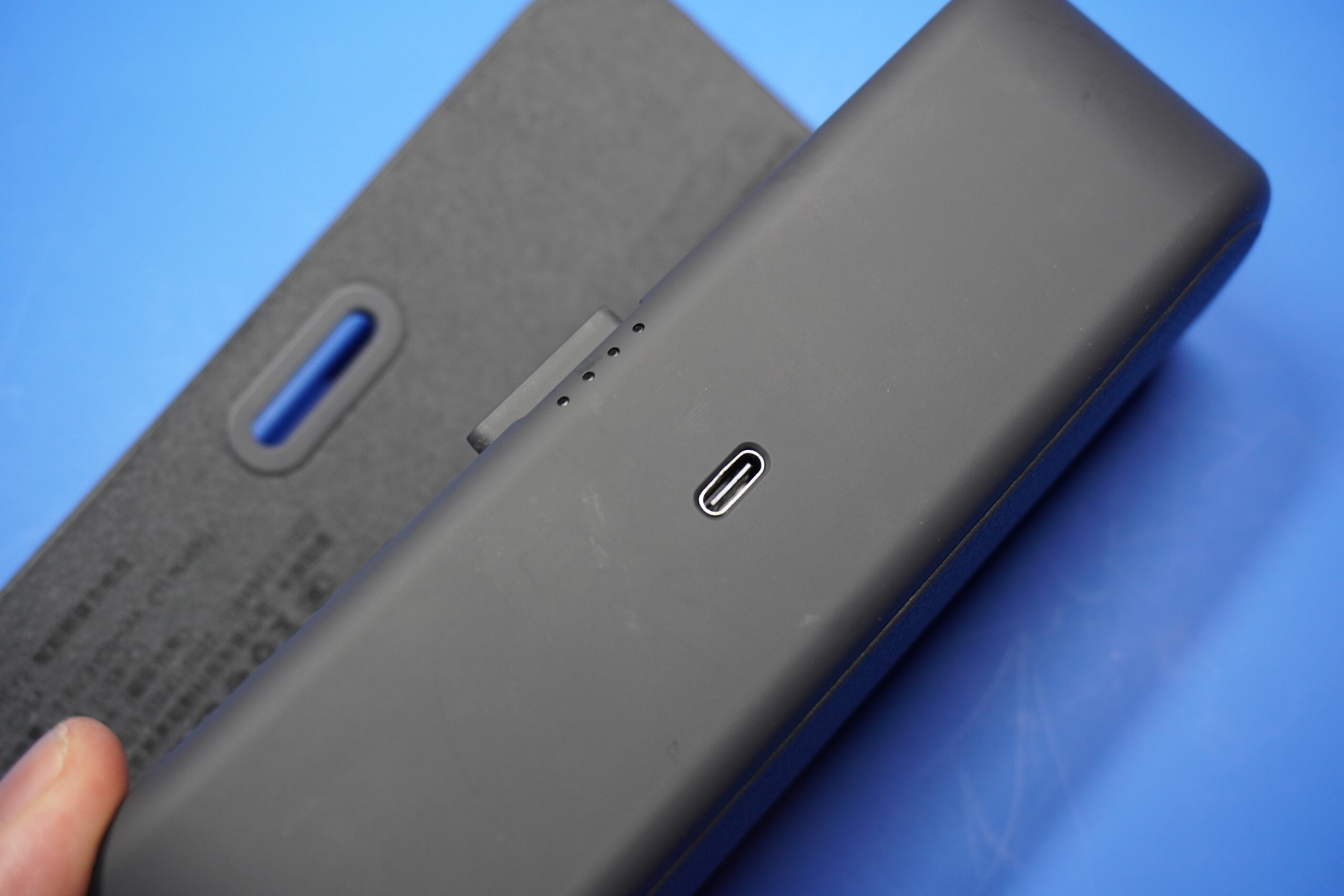
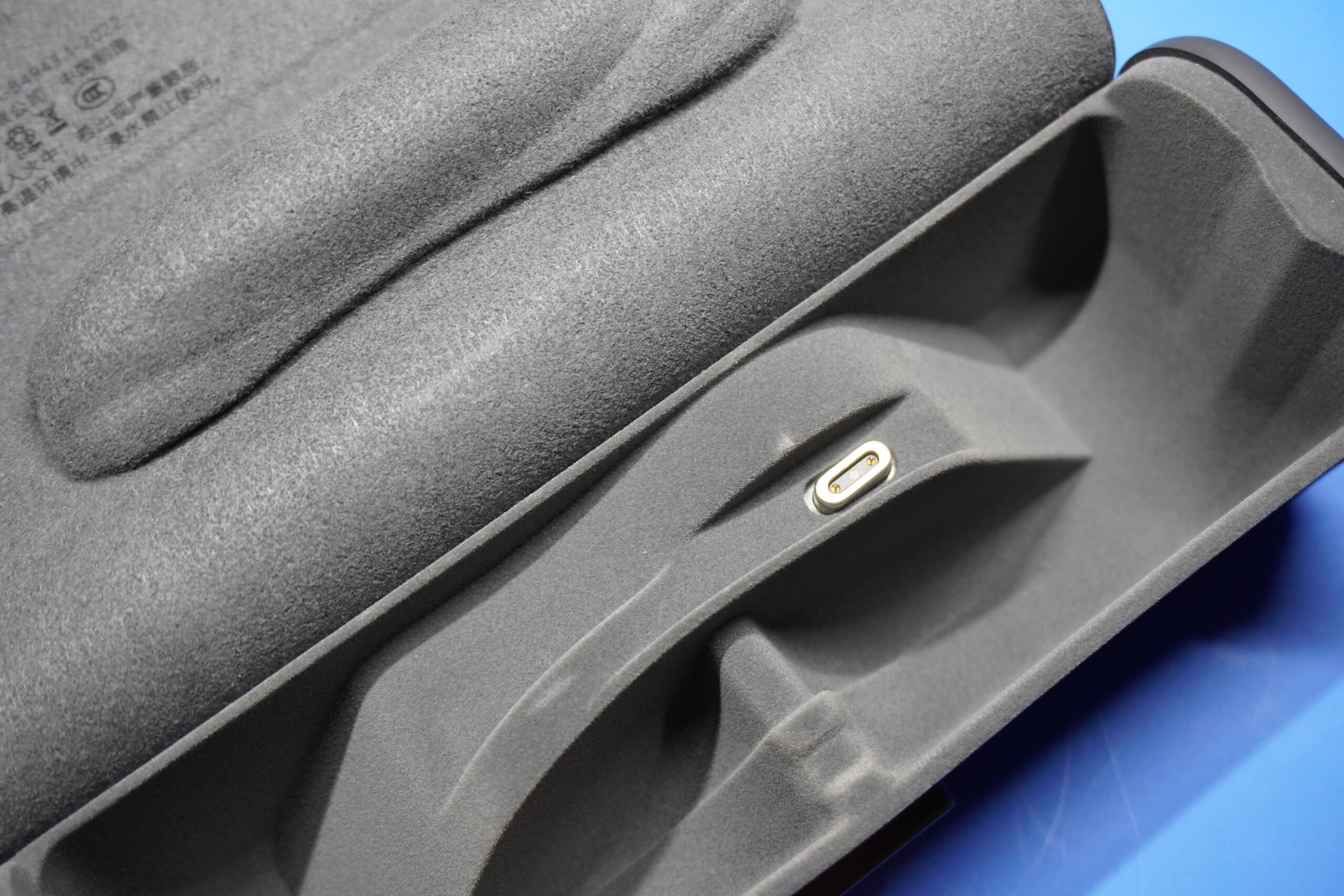
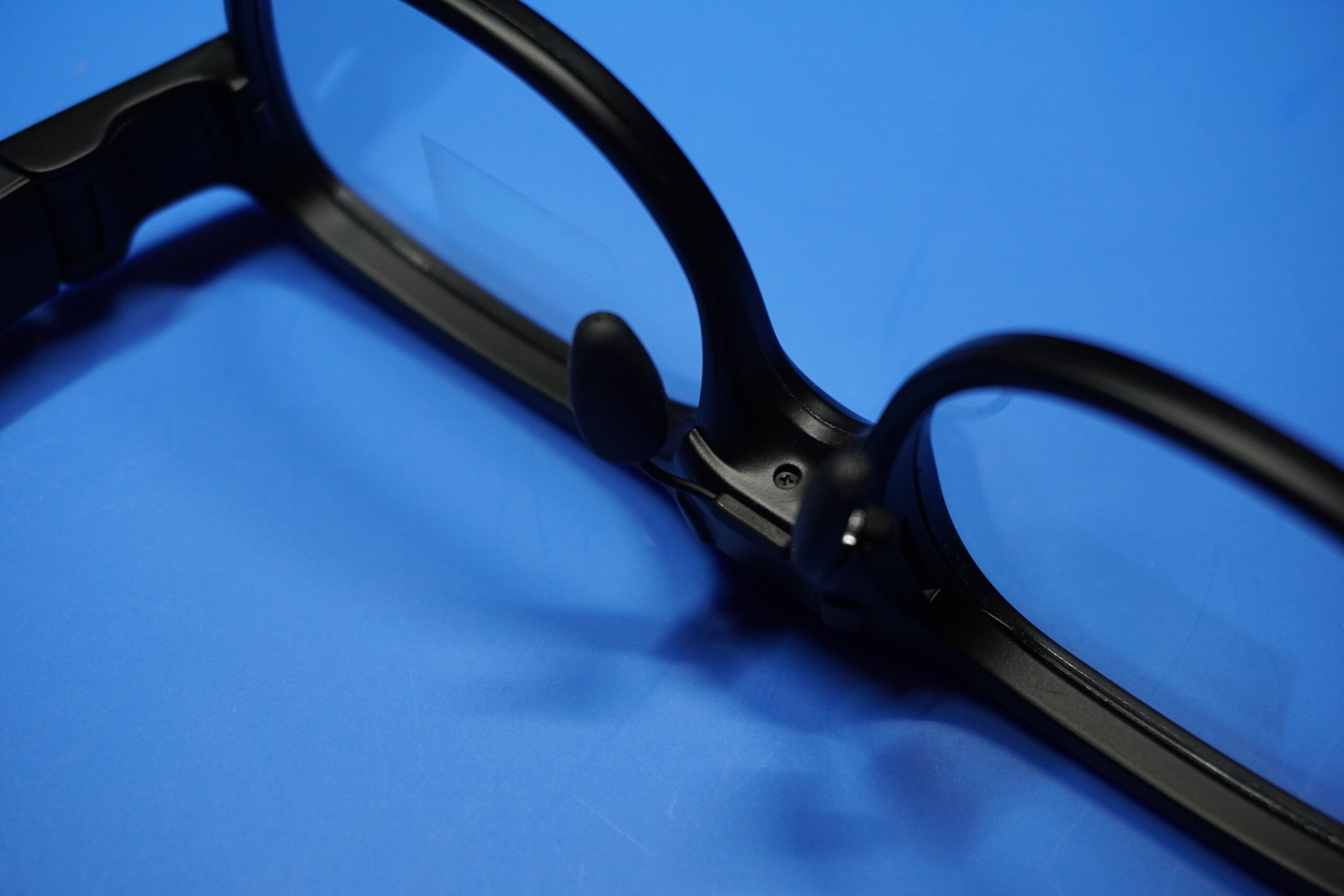

The Micro LED display is the star of the hardware, providing text that is exceptionally bright and clear. At maximum settings, it actually borders on being too bright for comfortable use, and users should exercise caution if they are sensitive to light. However, having ample brightness is a significant advantage when walking outdoors in direct sunlight. Legibility is high, but it improves further with the use of custom prescription inserts. The case provided for the glasses is well-made and adds very little bulk when placed in a bag. It is also comforting to know that the glasses are well protected.
Performance
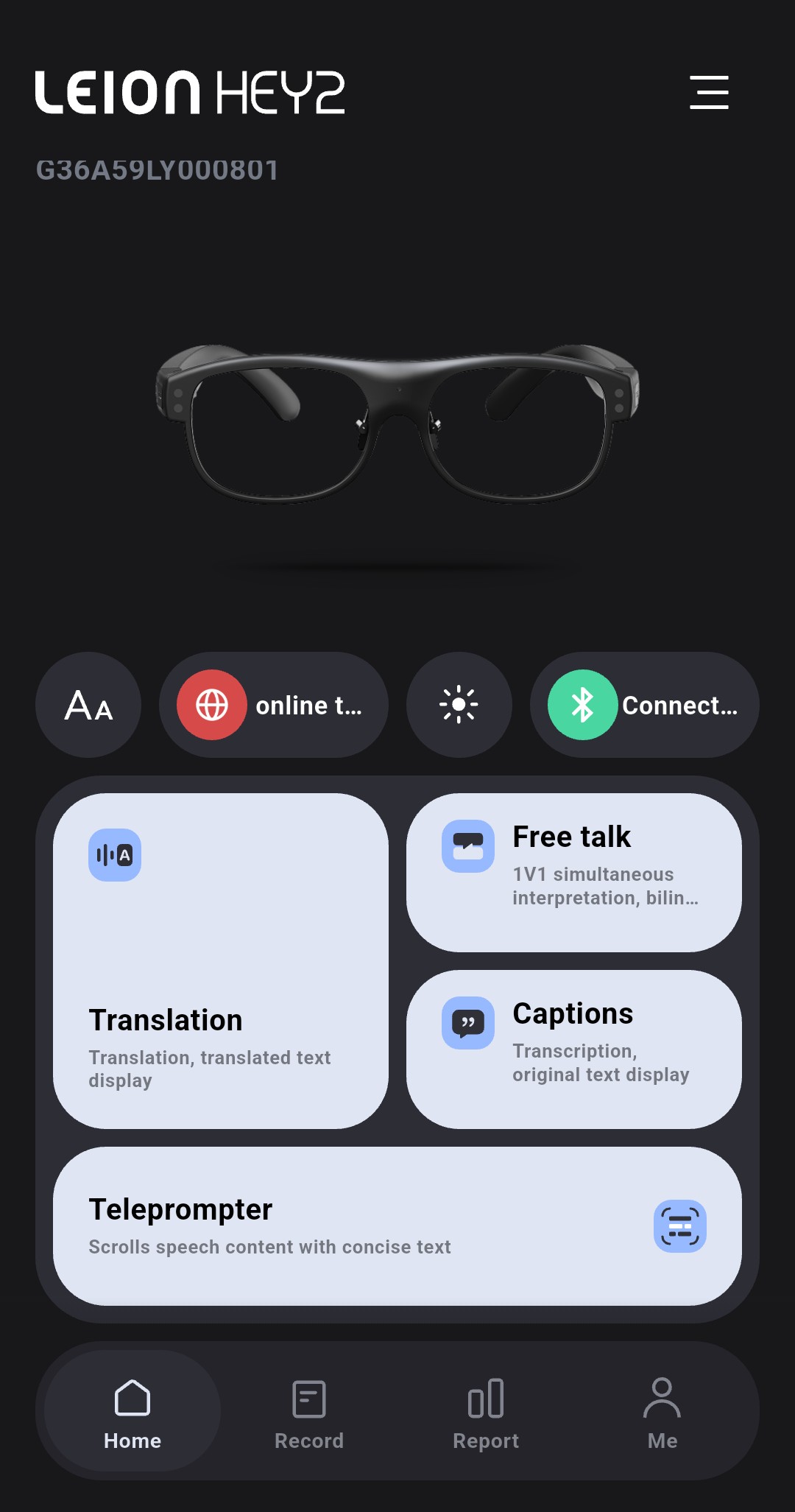
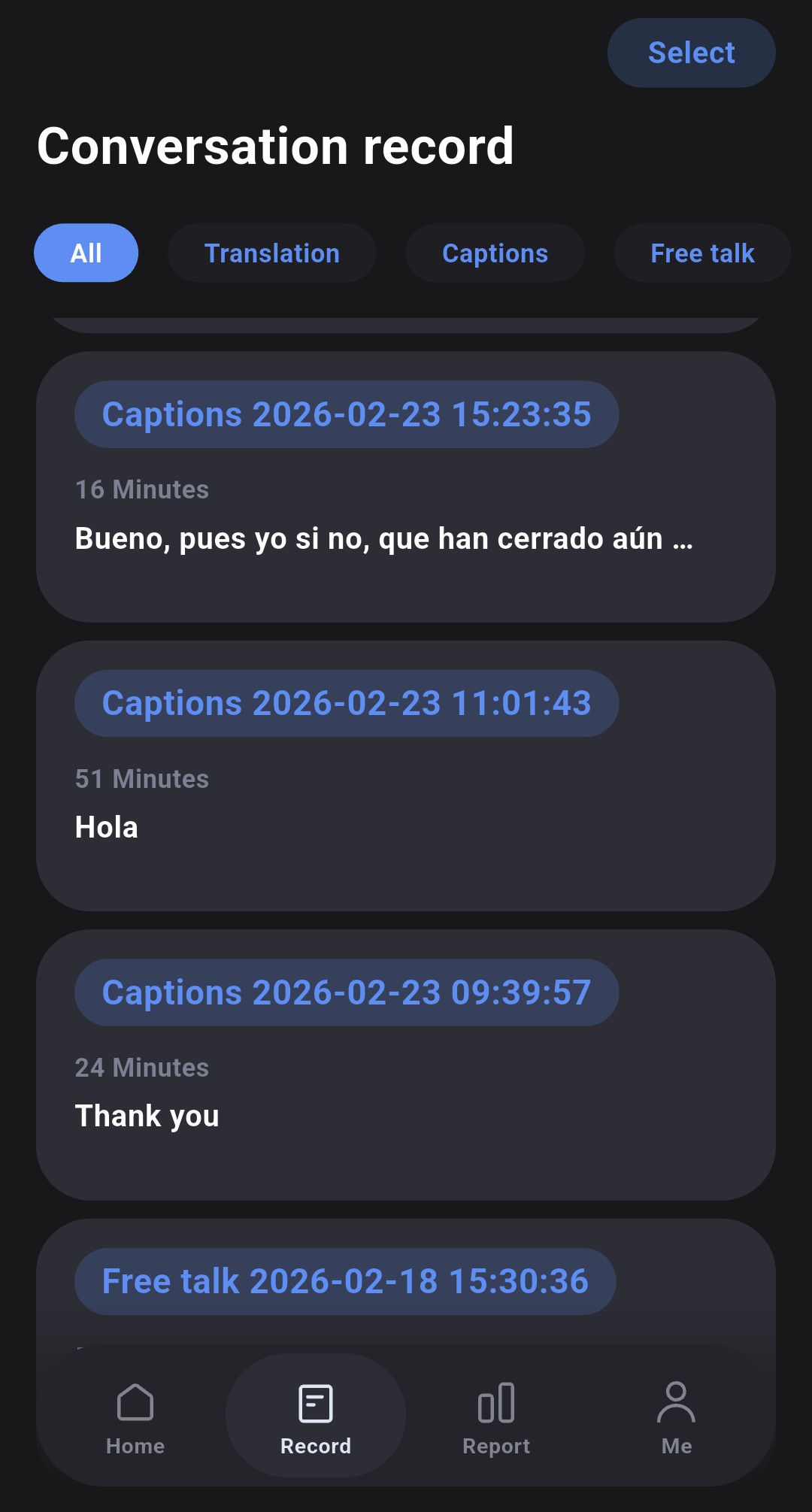
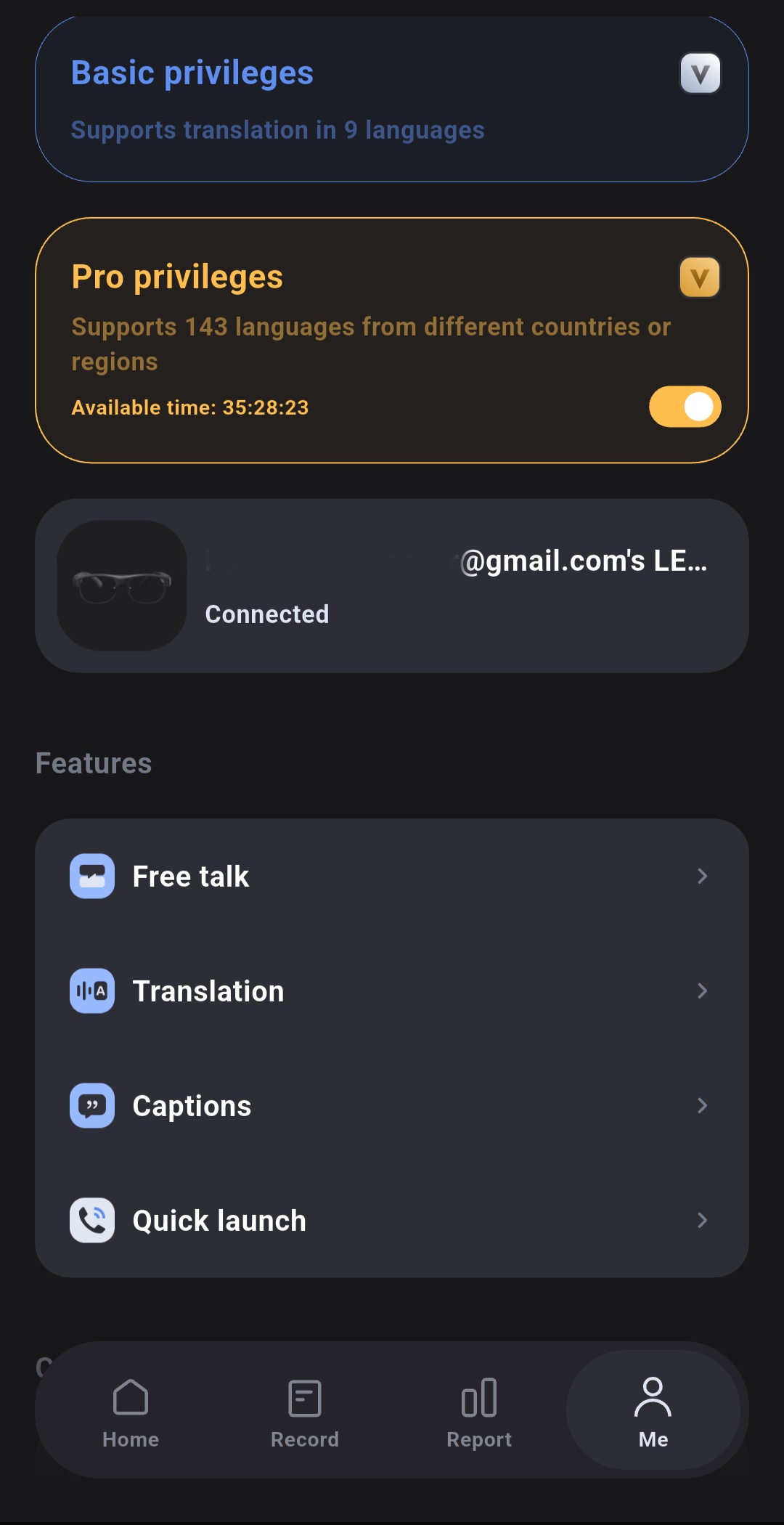
Performance is deeply tied to the host smartphone, as the Hey 2 uses Bluetooth to transfer audio to a phone for cloud-based translation. The Hey 2 offers several functional modes, including Bilingual Mode, Real-Time Translation, and Free Talk, with the latter proving most useful during testing, as it handles natural, multi-person conversations. While the built-in AI Q&A feature provides quick clarifications, it currently relies on an older version of GPT-4o, which makes its utility feel somewhat dated compared to modern standalone assistants. Also, if a user is too far from their phone, has other Bluetooth devices causing interference, or has spotty cellular service, the translation speed will suffer or stop working entirely. This reliance on the cloud is also a potential deal-breaker for those in corporate environments; if a company's security policy excludes cloud-connected audio devices, the Hey 2 will not be an option.
When the conditions are right, the voice isolation is effective at filtering out background noise, allowing the listener to focus on the speaker. One of the most unique aspects of the Hey 2 is using it in public spaces in standard transcript mode. Walking through a crowded area becomes a "super-spy" adjacent experience as the display begins to populate with a live transcript of the surrounding conversations. For those in situations where privacy concerns are secondary to the need for understanding, seeing real-time translations pop up in the air feels magical.
Conclusion
The Leion Hey 2 is a specialized tool that performs its primary mission with visual excellence. While it is unfortunate to see the discoloration early on, the Hey 2 offers a level of utility that is difficult to find in multipurpose wearables. It is an approachable way to ensure that "What did I just say?" is a question that never needs to be asked again.
Transparency
The selection of devices to be reviewed is made by our editorial team. The test sample was given to the author by the manufacturer free of charge for the purposes of review. There was no third-party influence on this review, nor did the manufacturer receive a copy of this review before publication. There was no obligation to publish this review. As an independent media company, Notebookcheck is not subjected to the authority of manufacturers, retailers or publishers.
 Add as a preferred source on Google


