




Google must open Android to ChatGPT and other AI assistants
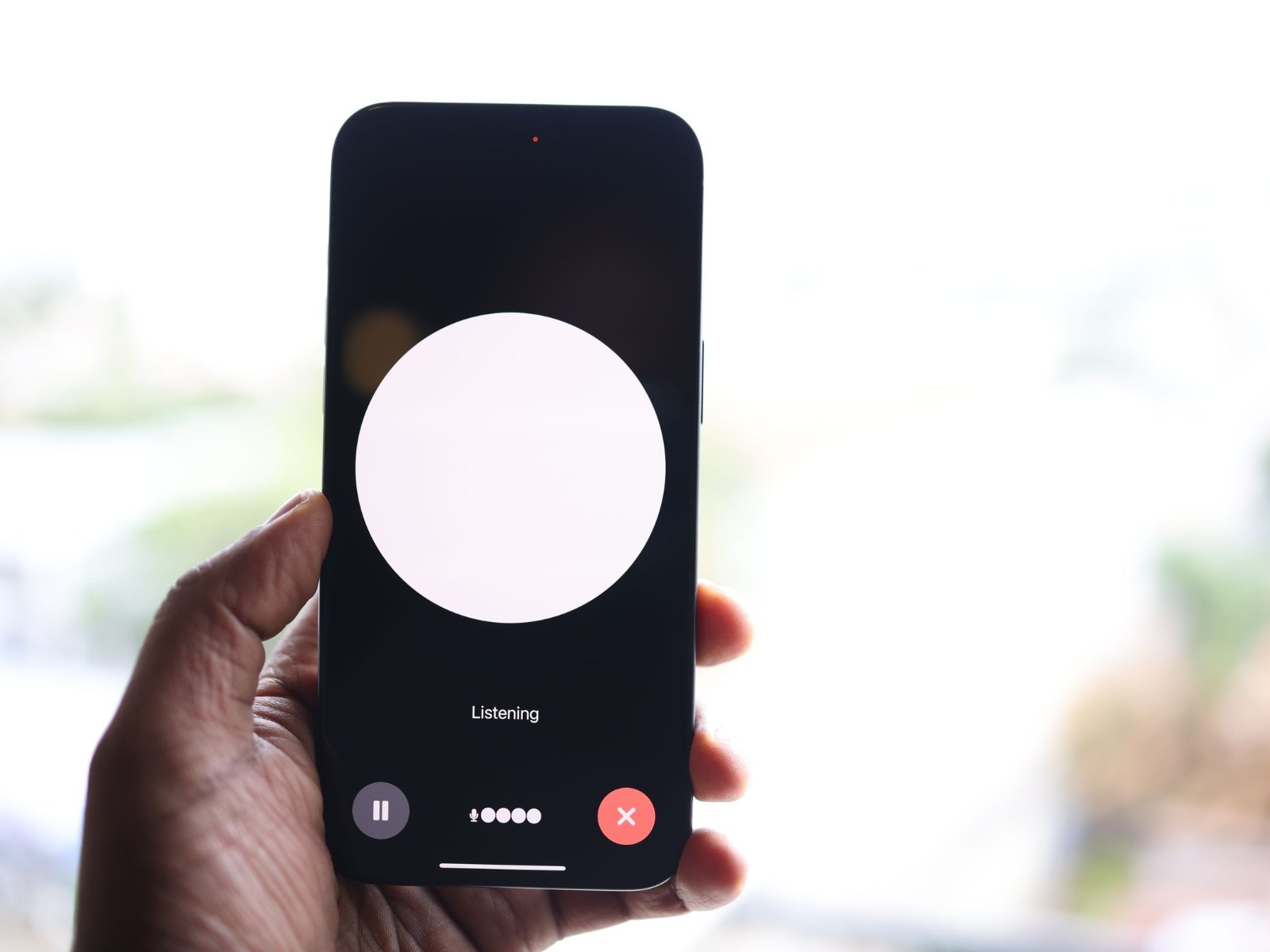
On Android phones, only one AI assistant has had full access to the system so far: Google's Gemini. It is the only one you can wake by voice at any time, and the only one allowed to carry out tasks in other apps. That is set to change. On July 16, the European Commission issued two binding decisions under the Digital Markets Act. Google must open up eleven key Android features to competing AI services, free of charge and across the entire Android ecosystem, including devices from Samsung and other manufacturers. Coming after the recently upheld €4.1 billion Android fine, this is the second major blow for Google in Europe within a few weeks.
What changes for you
You should eventually be able to use your preferred assistant, whether that is ChatGPT, Claude or Perplexity, just as easily as you use Gemini today. That includes waking it with a hotword along the lines of "Hey Google", even with the display off. At your request, the assistant can handle tasks in apps, such as drafting an email, creating a calendar entry or ordering food. Proactive suggestions, live translation and access to on-device AI models like Gemini Nano are on the list as well. Nothing gets access without your explicit consent. The EU has forced open a platform before: after a similar move against Meta, ChatGPT is back on WhatsApp.
It will be a while, though
None of this is usable today. Google has to deliver the changes with Android 18, by August 1, 2027 at the latest. Only concurrent hotword detection for multiple assistants can wait until Android 19, due by August 2028. The second decision concerns search: Google must hand over anonymized search data to competing search engines, explicitly including AI chatbots with search features. The dataset has to be ready by November 2026, the pricing model by January 2027.
Google warns of privacy risks
Google's chief legal officer Kent Walker sharply criticized the decisions. According to CNBC, he said they risk undermining vital privacy and security guardrails for millions of Europeans. The Commission disagrees: direct identifiers such as usernames and IP addresses are stripped from the search data, rare queries are suppressed, and every user disappears into a group of at least 1,000 people with the same language, region and device class. Independent audits will check this every year. Google is expected to appeal, but that does not suspend its obligation to comply.
 Add as a preferred source on Google


