




Garmin Cirqa: Too expensive or enough added value?
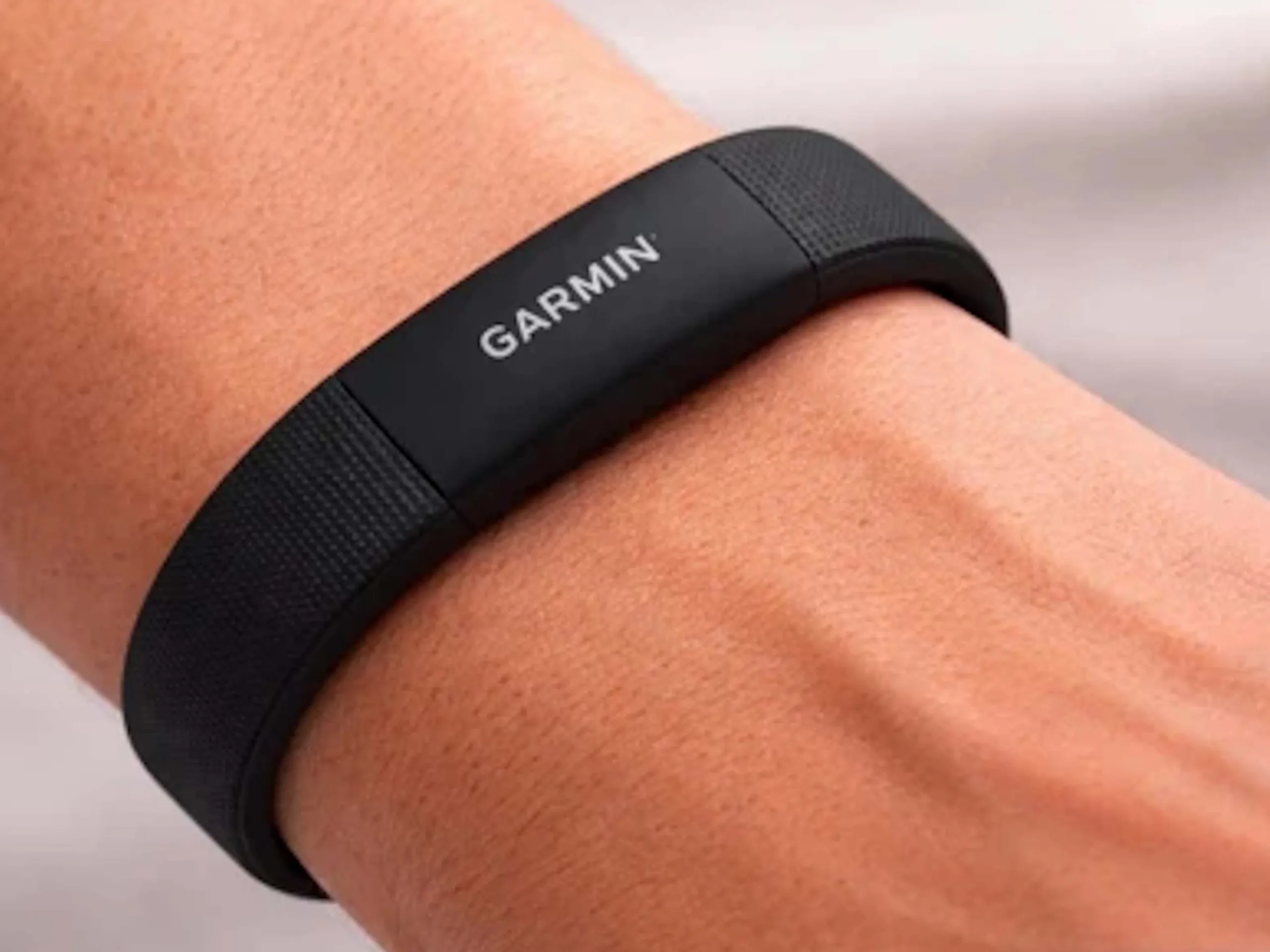
Wearables without a screen but with optical sensors are now available from various manufacturers, including Zepp Health with the Helio Strap and, more recently, Fitbit with the Fitbit Air. That means Garmin is entering the market for this type of wearable relatively late, at least at first glance or under a narrow definition of the device category. In reality, Garmin already offers a smart wristband without a display in the form of the Index Sleep Monitor, though that device is specifically intended for advanced sleep tracking rather than tracking workouts.
The features the Garmin Cirqa could or could not offer cannot necessarily be inferred from the leaked price. According to consistent but, of course, not necessarily verifiable statements from Ukrainian users, the leaked price of around $500 is not particularly reliable. The retailer apparently also sells gray-market goods, and products sold in Ukraine are more expensive. It is also unclear whether this is simply some kind of placeholder listing. In fact, even by Garmin standards, the tracker would be exorbitantly expensive.
In our view, the Garmin Cirqa is unlikely to be an accessory for a smartwatch and is more likely to be a replacement for one. Since this screenless tracker is worn just like a smartwatch, its positioning does not offer any advantages when recording workout data. Such benefits would be more conceivable if the device were worn on the legs, for example to record running efficiency metrics at a higher quality. We strongly assume that it is essentially an everyday version of the Garmin Index Sleep Monitor, meaning a device with optical sensors as well as a motion sensor. This would allow workouts to be recorded without using a display. That could make sense if a smartwatch is banned in a particular sport or if a larger wearable gets in the way. This can be the case with kettlebell training, for example, since a display may not necessarily survive contact with a kettlebell without damage.
 Add as a preferred source on Google


