Flipper One pocket hacking PC raises over $11 million in just 24 hours — 39 times its goal
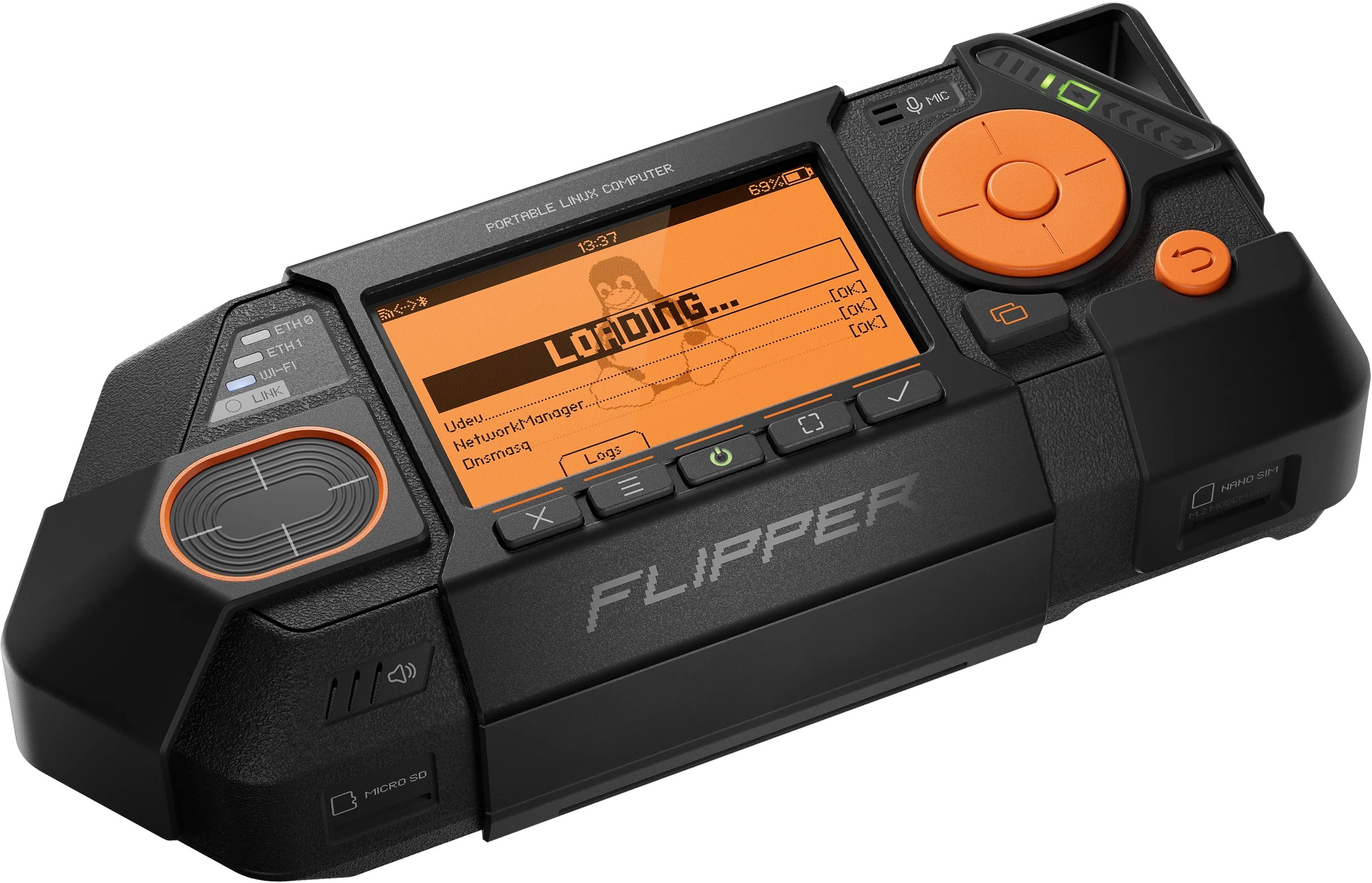
Flipper Devices’ new portable Linux computer designed for security researchers and hacking enthusiasts, the Flipper One, has raised more than $11,7 million on Kickstarter in just 24 hours — 39 times its original $300,000 funding goal.
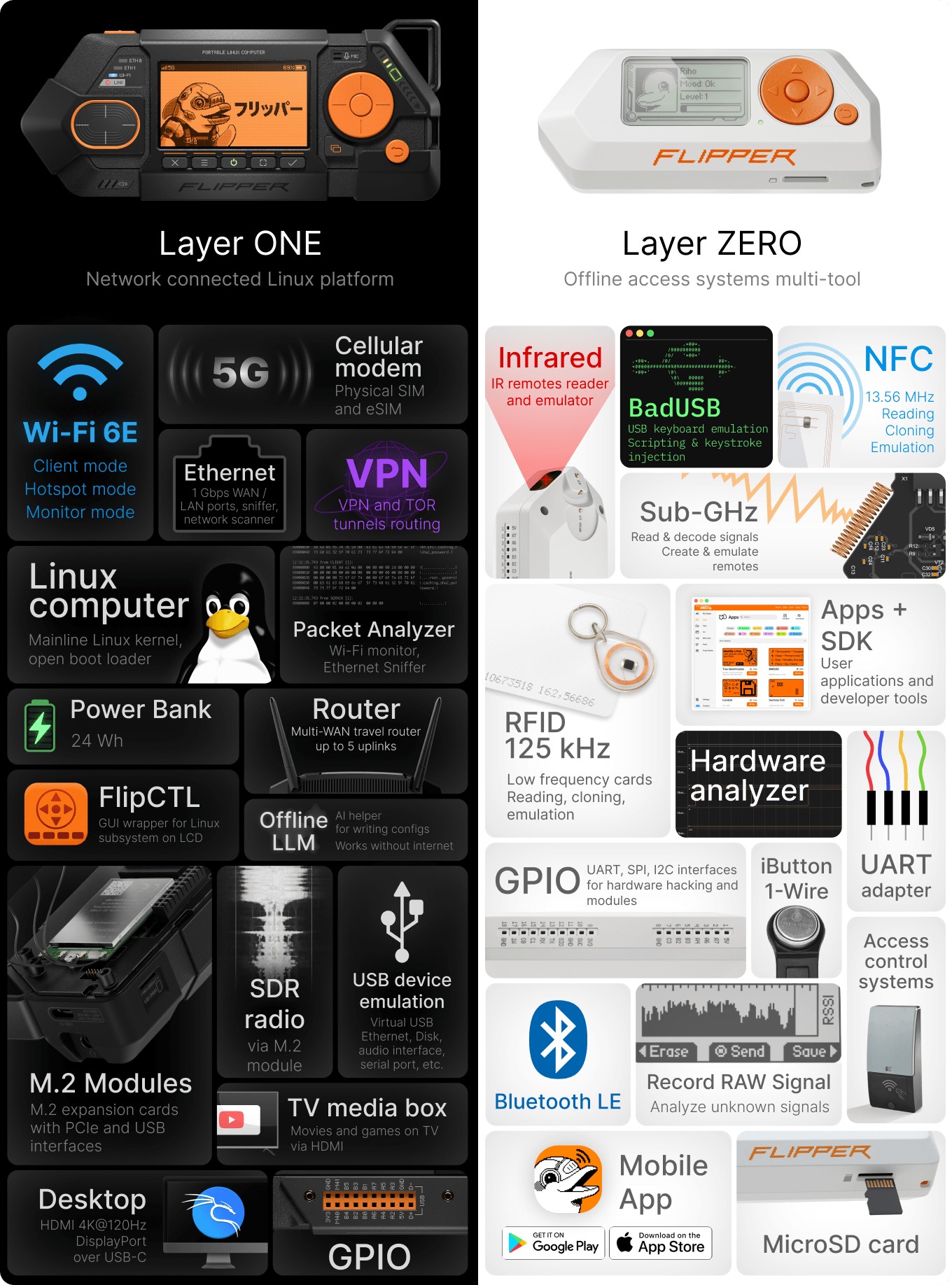
The Flipper One is a portable, standalone Arm-based Linux computer designed for security research, networking experiments, and custom computing projects. Unlike the smaller Flipper Zero, it is built to work with IP-connected systems and supports Wi‑Fi 6E, Gigabit Ethernet, as well as 5G and even satellite communications via additional M.2 modules.
Flipper Devices describes it as a “layer one” tool, while the Flipper Zero is a lower-power “layer zero” multi-tool for protocols such as NFC, RFID, sub‑GHz radio, and UART. The One also offers full support for the mainline Linux kernel and can run software-defined radio applications and local AI models.
The Flipper One is built around a Rockchip RK3576 processor paired with a Raspberry Pi RP2350 microcontroller. The combination is designed to provide considerably more computing power while retaining a low-power backup controller that can keep the device operational even if its embedded Linux system becomes unusable.
The device includes a desktop mode accessible through USB‑C, as well as network scanning, traffic tunneling, and packet analysis. It also offers several expansion options, including external hardware modules and an internal high-speed M.2 slot. Users can add custom cellular antennas and modems, making it possible to build portable networking setups in areas with limited connectivity.
The campaign raised more than $11.74 million within 24 hours, far exceeding its $300,000 target. Early backers can pre-order the Flipper One for $399, a 25 % discount from its estimated $550 retail price. Flipper Devices says the crowdfunding price leaves it with no profit margin, partly because of the ongoing memory shortage. The company says RAM and storage account for roughly half of the device’s bill of materials.
Flipper Devices expects to begin shipping the device in July 2027 in most markets. However, the company warns that shortages of components and chips could affect production schedules and delivery dates.
Source(s)
 Add as a preferred source on Google