


Axera AX8860P takes aim at Nvidia DGX Spark with proprietary AI accelerator
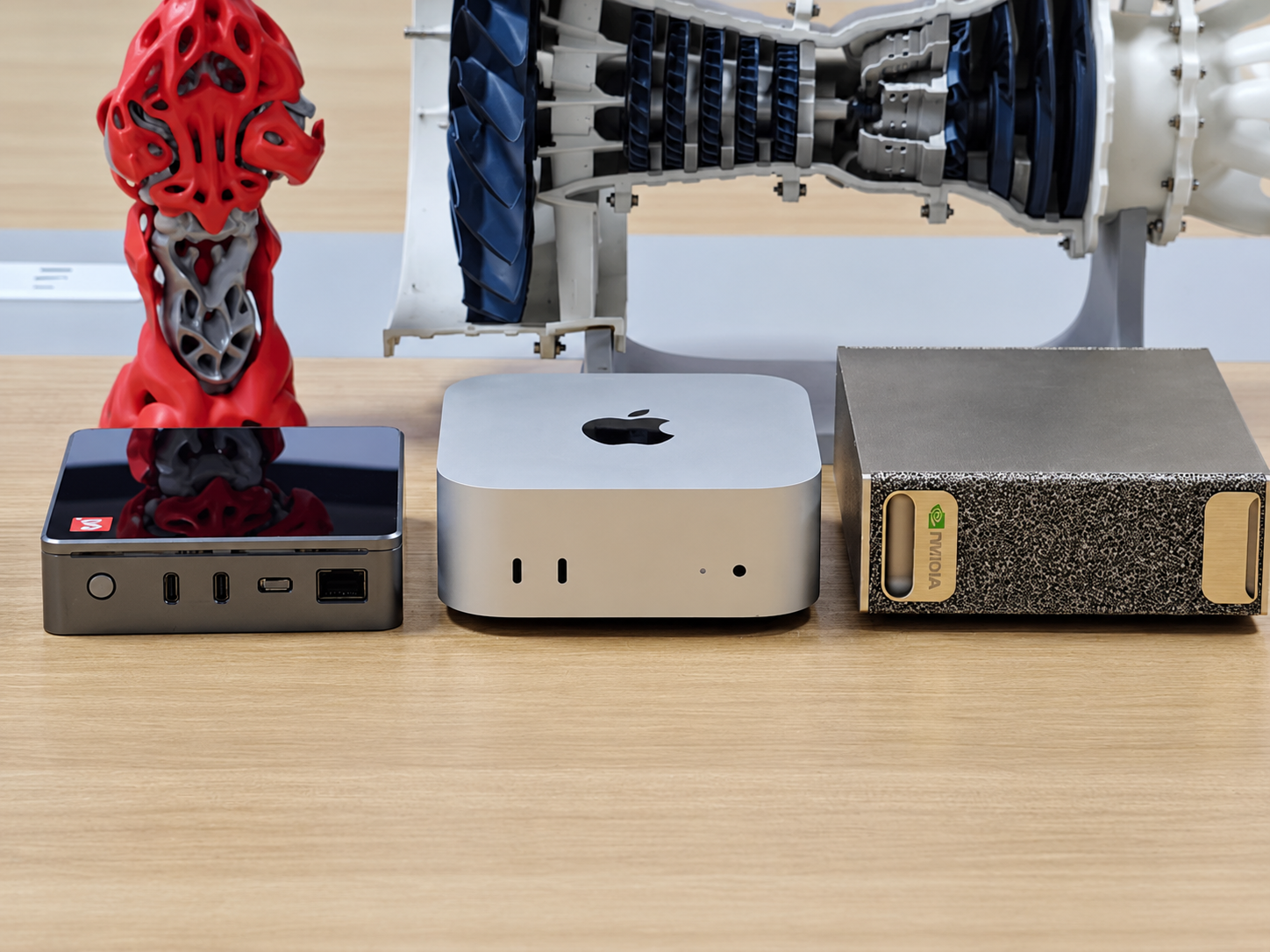
Nvidia's DGX Spark has an unlikely competitor from China (H/T CNX Software). Chipmaker Axera unveiled its AX8860 series, a family of AI-focused processors designed to run large language models locally. The chips will power compact AI computers from manufacturers such as Sipeed and Radxa, with the former claiming its upcoming MaixStation can outperform Nvidia's DGX Spark in select workloads.
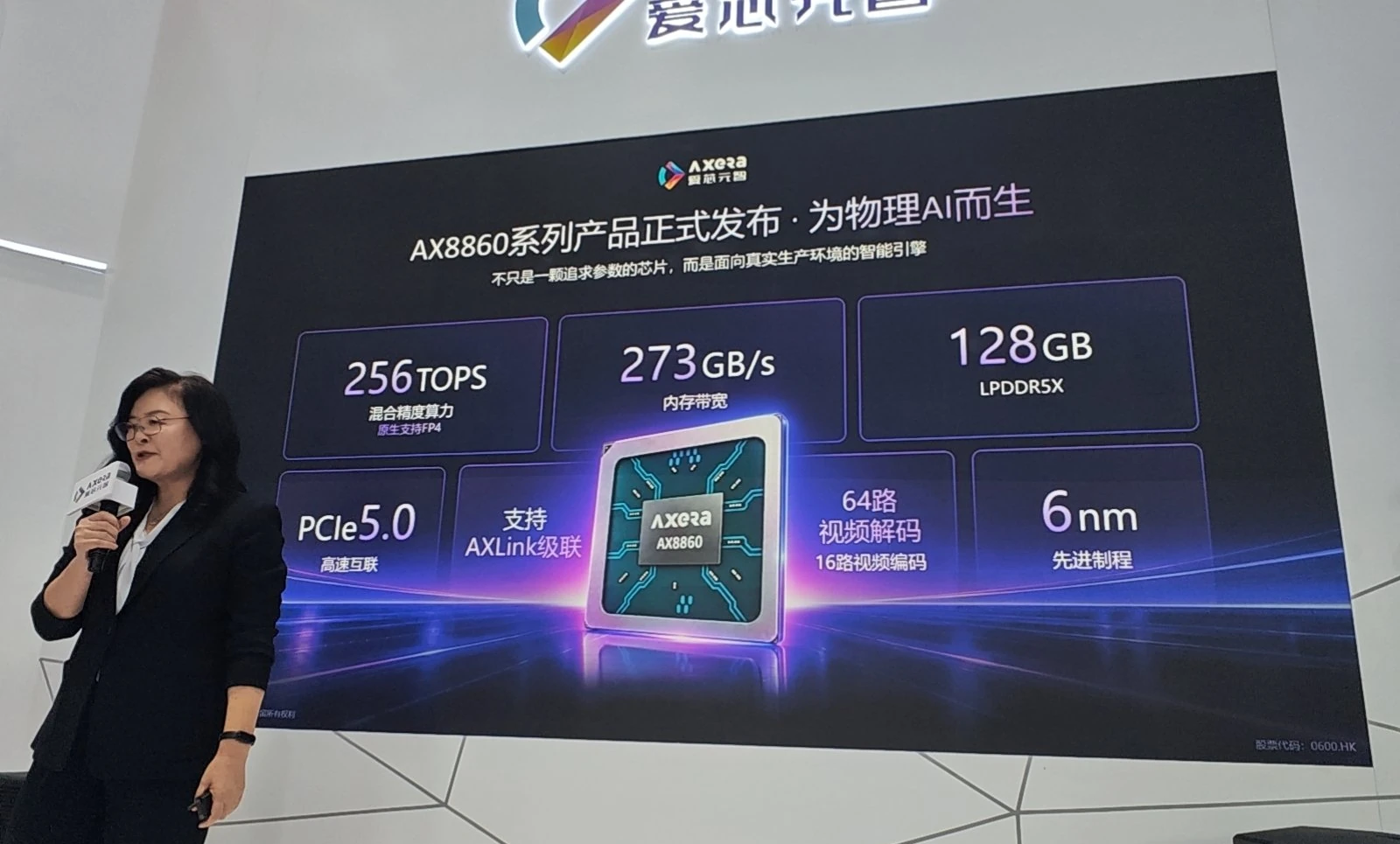
The Axera AX8860P features 16 Arm Cortex-A55 CPU cores and a dedicated neural processing unit (NPU) capable of delivering up to 256 TOPS of FP4 compute performance. Manufactured on a 6 nm process, the chip supports up to 128 GB of LPDDR5X memory through a 256-bit interface, offering a maximum bandwidth of 273 GB/s. Other specifications include PCIe 5.0 connectivity, AXLink chip-to-chip interconnects and extensive video encoding and decoding capabilities.
At the heart of the AX8860P's AI capabilities is Axera's proprietary AXNeutron architecture. Unlike the Blackwell GPU found in Nvidia's DGX Spark, AXNeutron is a purpose-built neural processing architecture that Axera describes as using a programmable dataflow design optimised for AI inference. The company claims this approach improves hardware utilisation and reduces unnecessary data movement, potentially offering advantages when running Transformer-based language models.
However, Axera has disclosed relatively little about the NPU's underlying hardware. Therefore, it is difficult to determine how much of the claimed performance comes from architectural improvements, memory bandwidth or software-level optimisations. The advertised 256 TOPS figure is impressive on paper, but it tells us relatively little about sustained performance under real-world workloads.
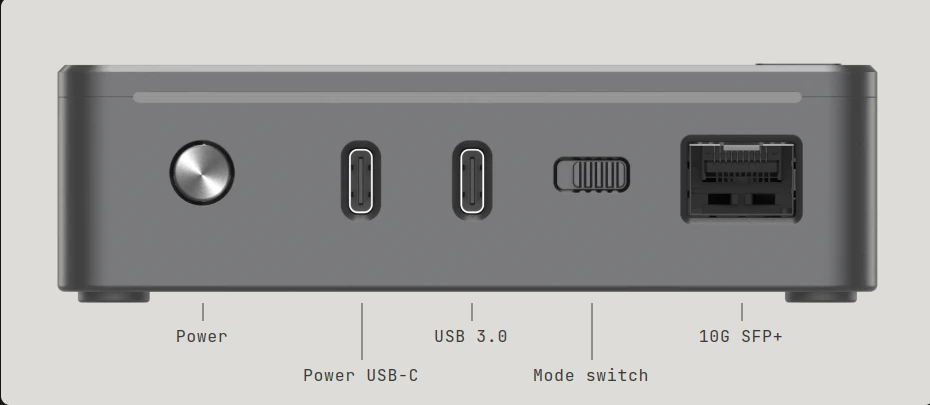
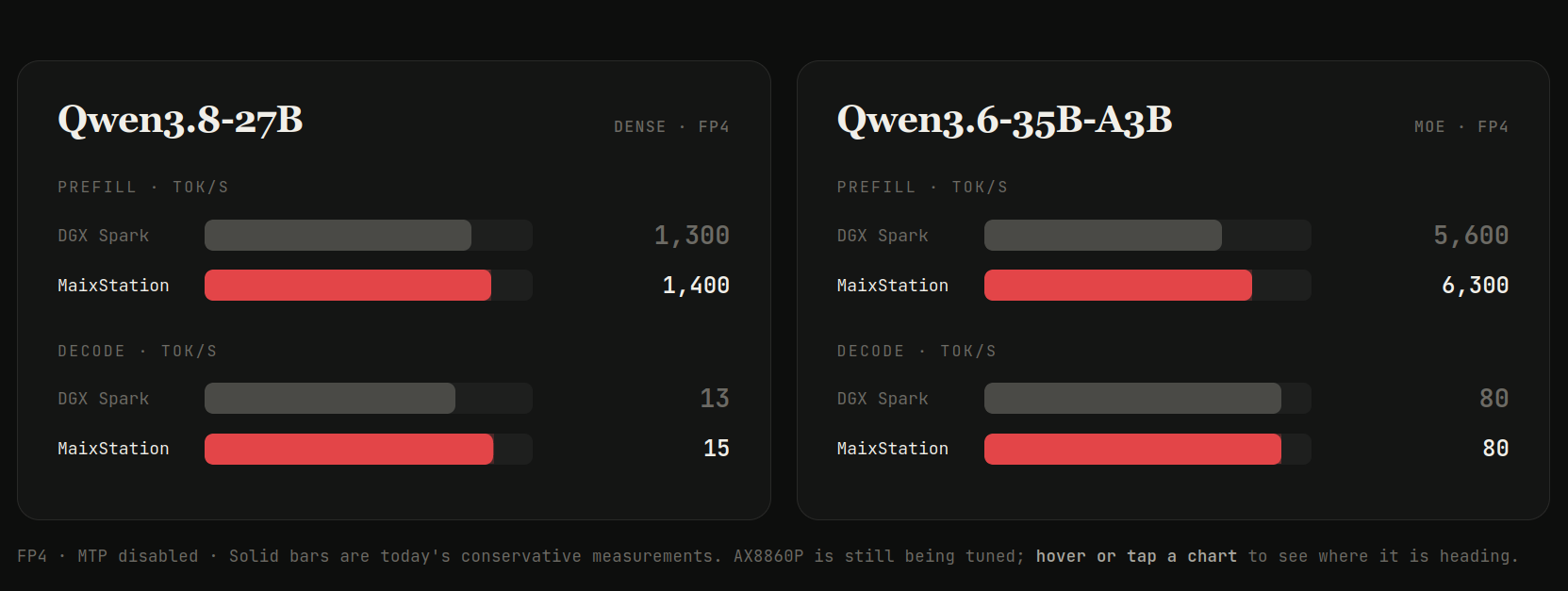
Sipeed (yeah I know), which is developing the AX8860P-powered MaixStation, claims its implementation can outperform Nvidia's DGX Spark in selected LLM inference benchmarks. The company attributes its results partly to the AX8860P's native dense FP4 acceleration and more effective utilisation of available memory bandwidth. Furthermore, Sipeed's benchmarks are manufacturer-supplied and cover specific models and inference configurations. Without independent testing using identical models, quantisation settings and software environments, there is no way to establish whether the AX8860P consistently outperforms the DGX Spark.
Software support includes compatibility with popular AI frameworks, including PyTorch, vLLM and SGLang, but compatibility does not necessarily translate into equivalent performance, feature support or ease of deployment.
Sipeed plans to offer its MaixStation with 32 GB and 128 GB of LPDDR5X memory. The company is targeting prices below $2,000 and $4,000, respectively, with a Kickstarter campaign expected towards the end of 2026. Radxa is also developing an AX8860P-powered Pocket Supercomputer, while Sipeed has outlined plans for multi-chip accelerator configurations.
Source(s)
 Add as a preferred source on Google


No comments for this article
