




Aurora sodium-ion battery with 170 Wh/kg energy density charges in 11 minutes
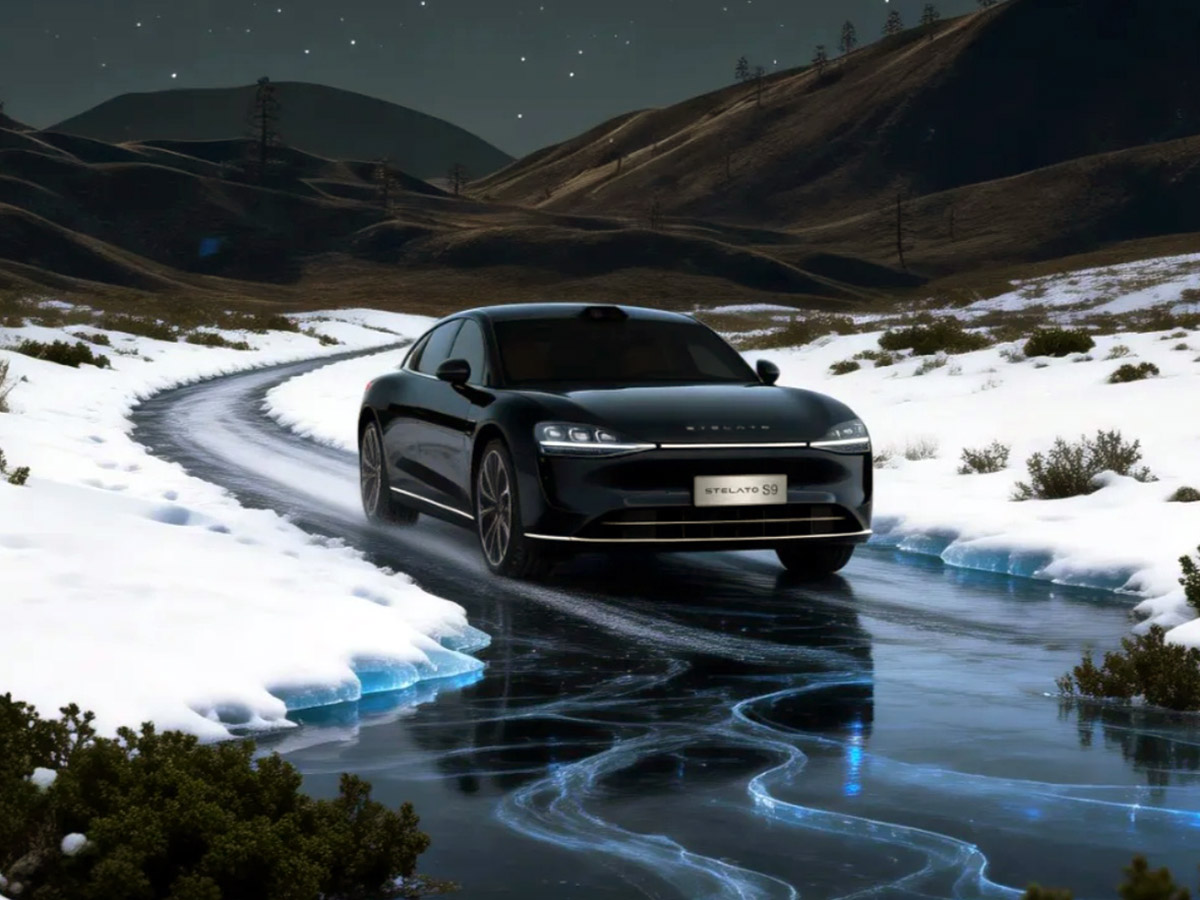
In the latest example of a solid-state battery innovation primed for commercial adoption, BAIC has unveiled a battery without lithium that offers energy density parity with the LFP chemistry that most mass-market EVs now use.
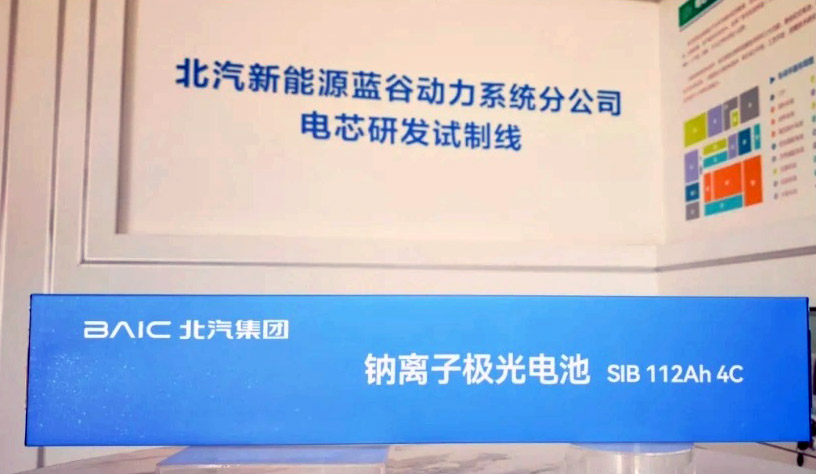
According to automaker BAIC, its new Aurora sodium-ion battery comes with a prismatic cell energy density pushing past 170 Wh/kg, similar to CATL's Naxtra pack. This is already at the level of the most common LFP batteries used in everything, from mass-market Teslas to the Anker Solix 2 power station that is now discounted by 47% at Amazon.
The other headline specification is the support for 4C charging speeds, meaning that the Aurora sodium-ion battery can reach a full charge from empty in 15 minutes. BAIC's development team cites an 11-minute charging speed, but it likely means the usual 10-90% charge test. Cold-weather endurance is equally impressive. The pack operates stably across an extreme temperature window of -40°C/-40°F to 60°C, retaining over 92% of its capacity at -20°C.
The sodium-ion battery also holds up in electrical, mechanical, and thermal abuse scenarios, or the kind of punishment that regulators and real-world crashes usually subject EV batteries to. The team has filed 20 patents spanning core materials, cell design, manufacturing processes, test methods, and system integration, so BAIC's Aurora battery line now covers lithium, solid-state, and sodium chemistries under a single roof.
CATL has already brought a sodium-ion battery with similar specs to market. Its Naxtra line delivers 175 Wh/kg, supports 5C peak charging, and targets 500 km of range on a charge while boasting a lifespan exceeding 10,000 cycles. It operates in an even wider temperature range, especially at the hotter end, while maintaining triple the discharge power at −30°C compared to LFP batteries.
What's more, Naxtra has already passed the upcoming GB 38031-2025 national safety certification and is the world's first sodium-ion cell to do so. Still, BAIC's Aurora Na-ion pack has closed the gap very meaningfully and is now targeting volume production, a boon for sodium-ion battery viability amidst the rising price of lithium.
Source(s)
 Add as a preferred source on Google


