


Ashes of the Singularity II hands-on with GPU benchmarks
Klaus Hinum (translated by Klaus Hinum) Published 🇩🇪
The real-time strategy game Ashes of the Singularity II from Oxide Games and Stardock launches for Windows on November 10, 2026. Like the first game from 2016, it focuses on large-scale battles for territorial control. The standalone expansion Escalation, released later that same year, added larger maps, new units and a strategic zoom to the original. Performance results for the original are available in our laptop and desktop benchmark.
The United Earth Forces join as a third playable faction. The single-player campaign tells the story of the conflict with the Post-Human Coalition and the machine faction Substrate from the humans' perspective. The two existing factions also receive new units.
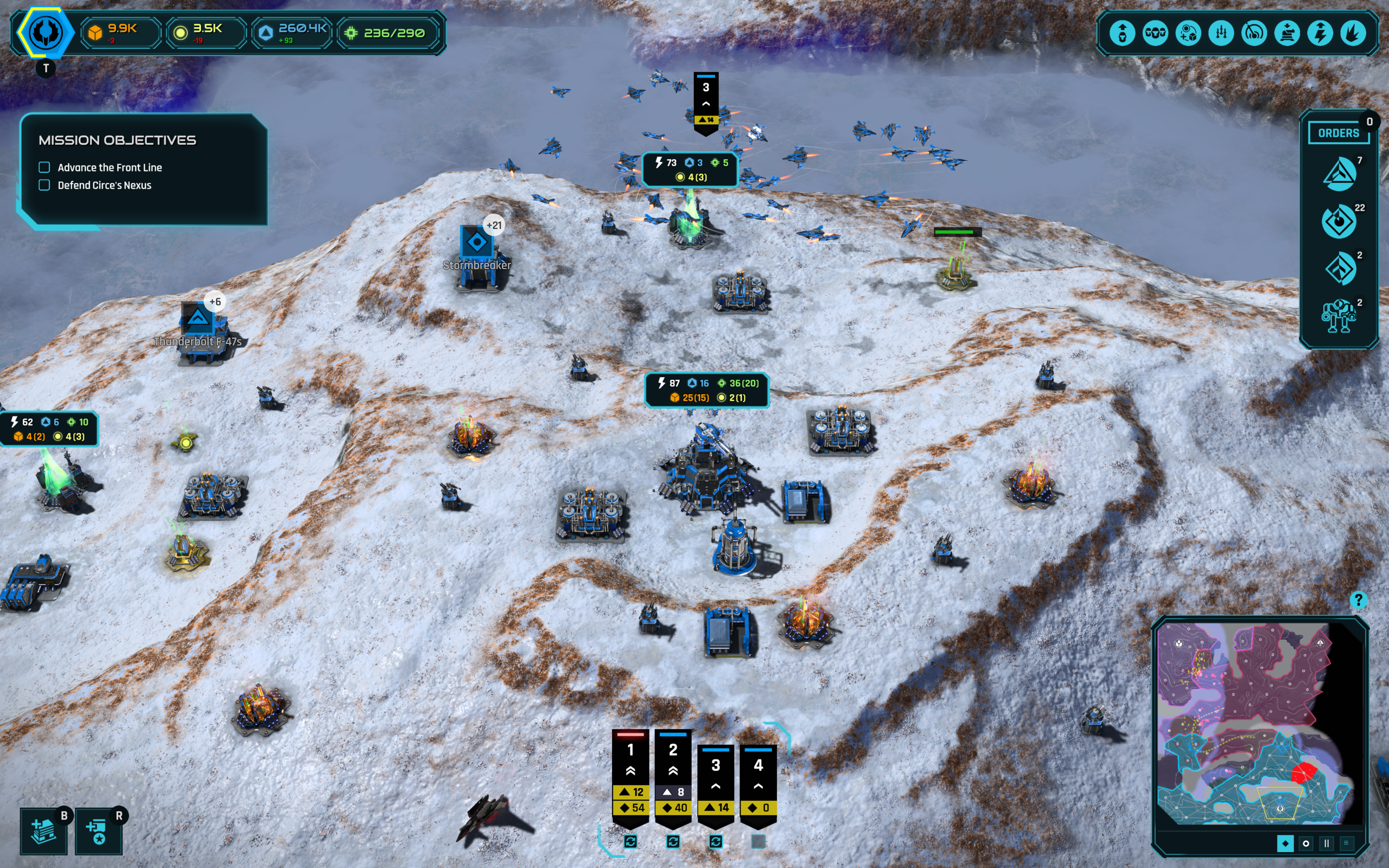
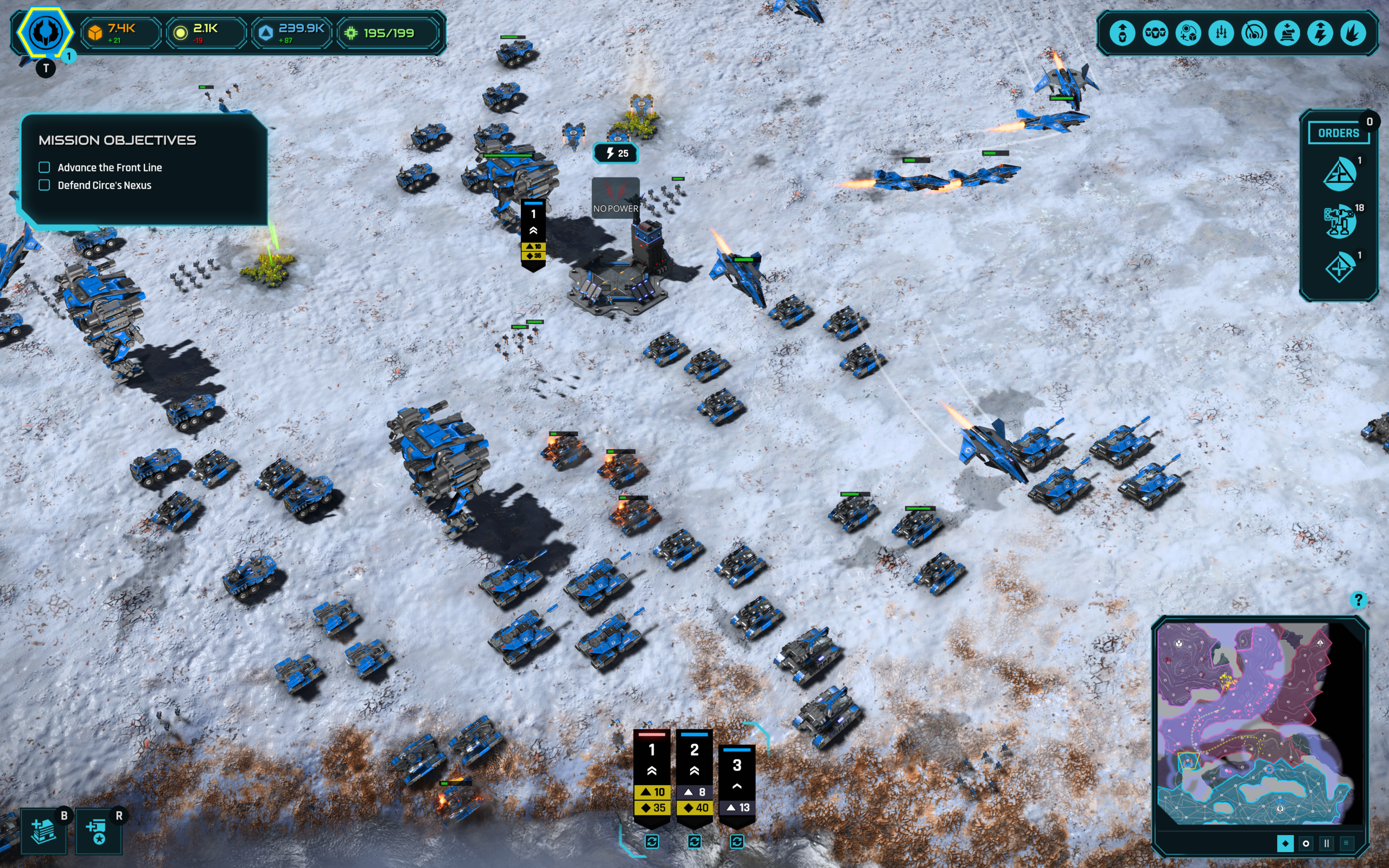
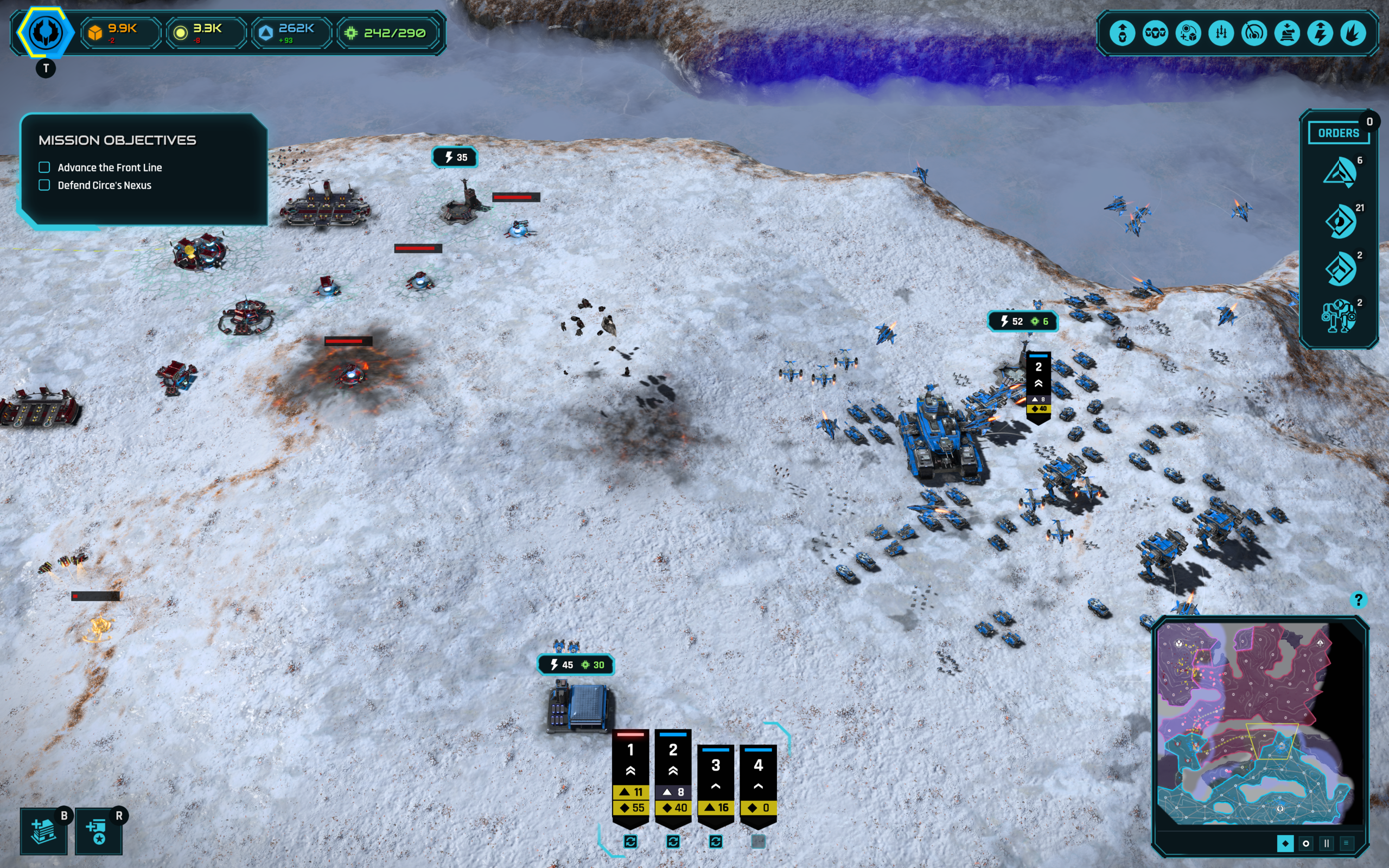
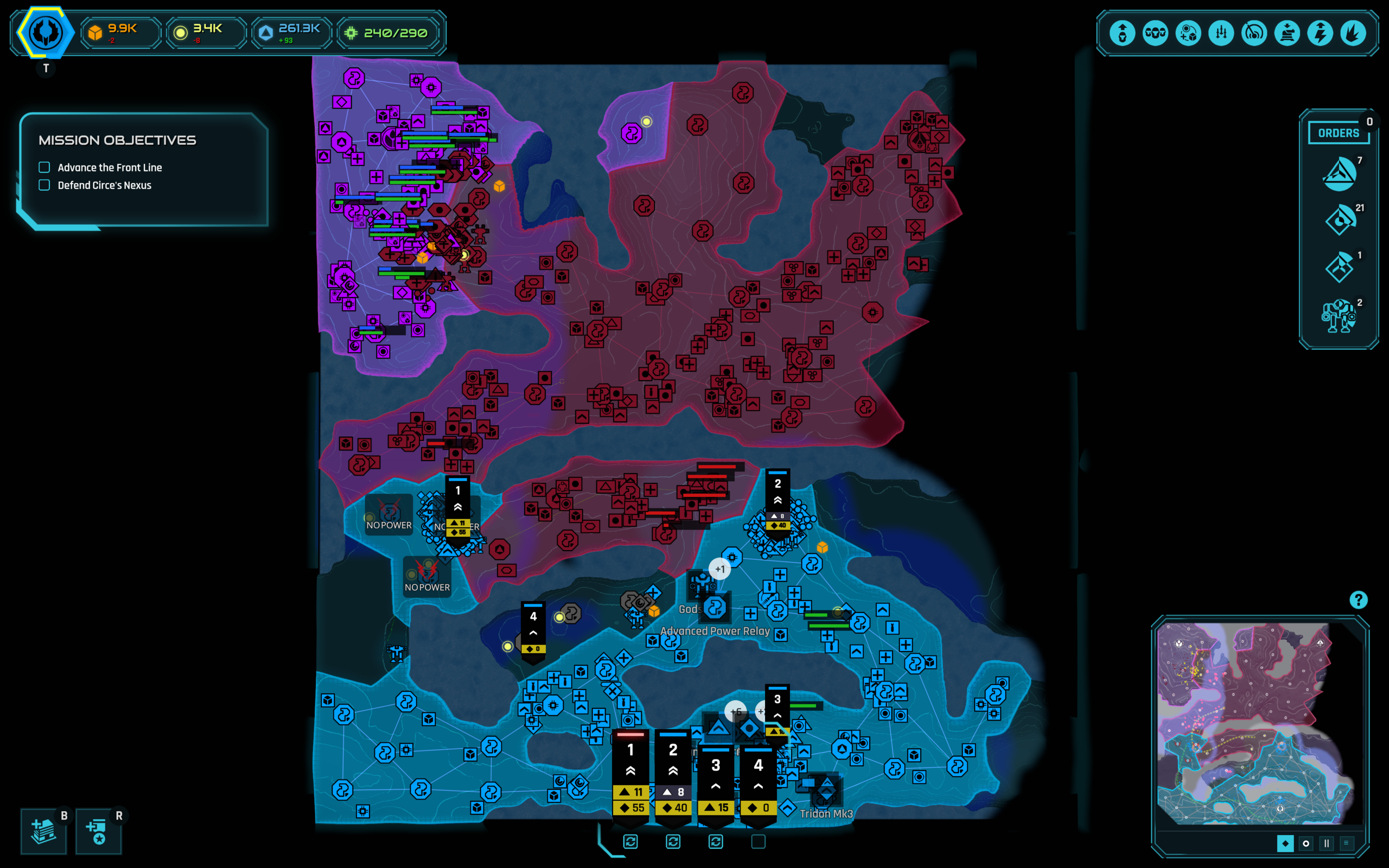
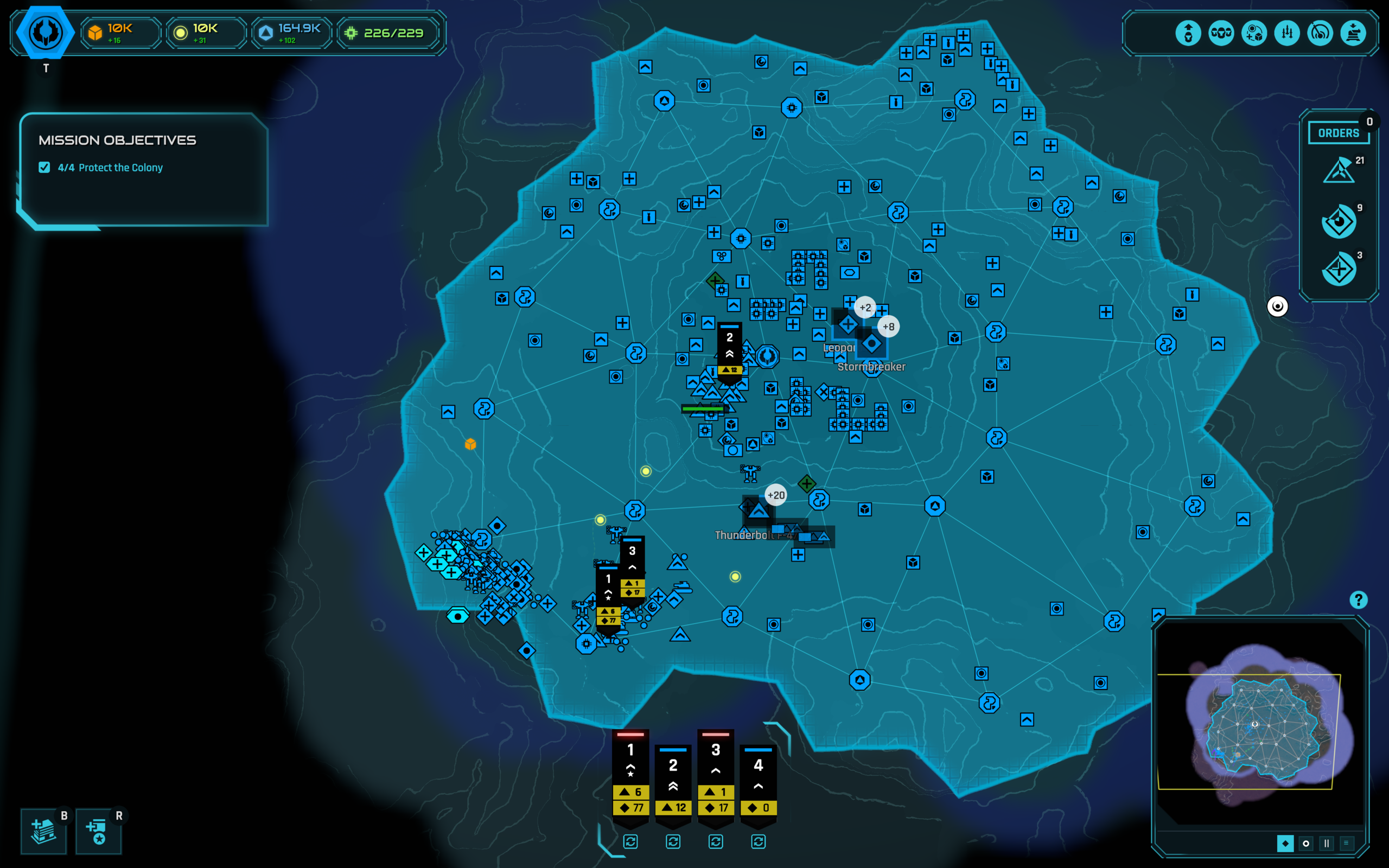
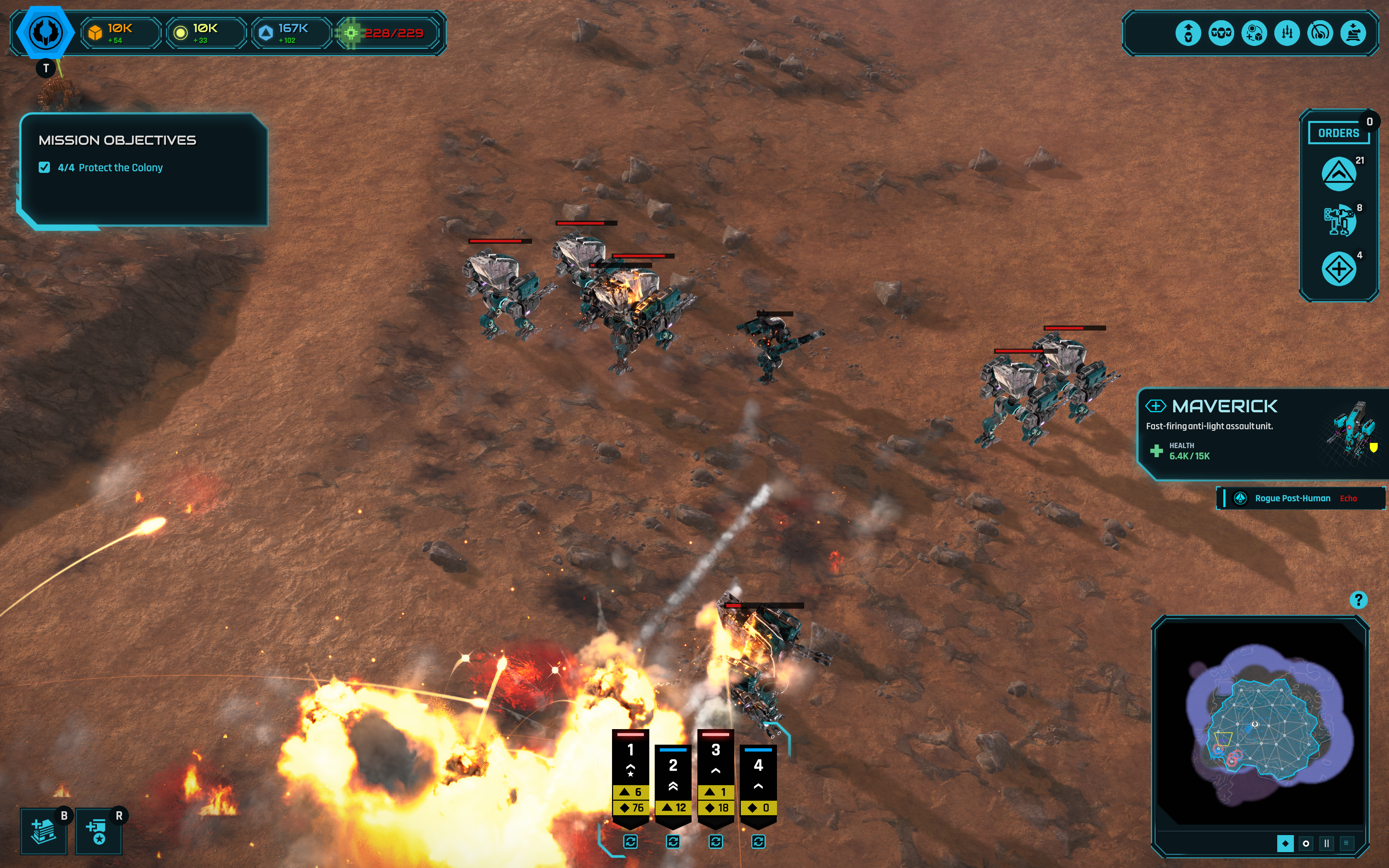
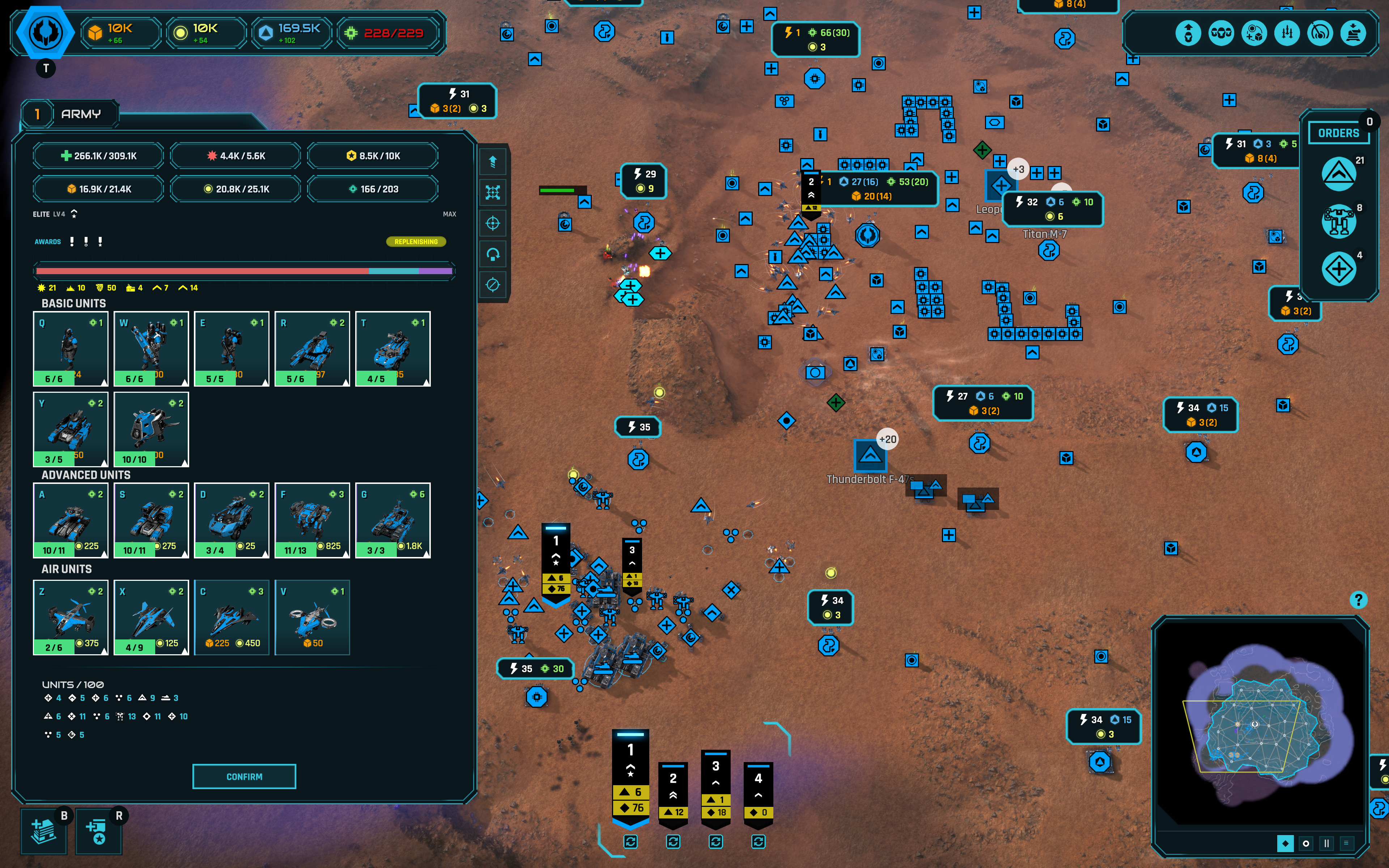
Hands-on: A short campaign
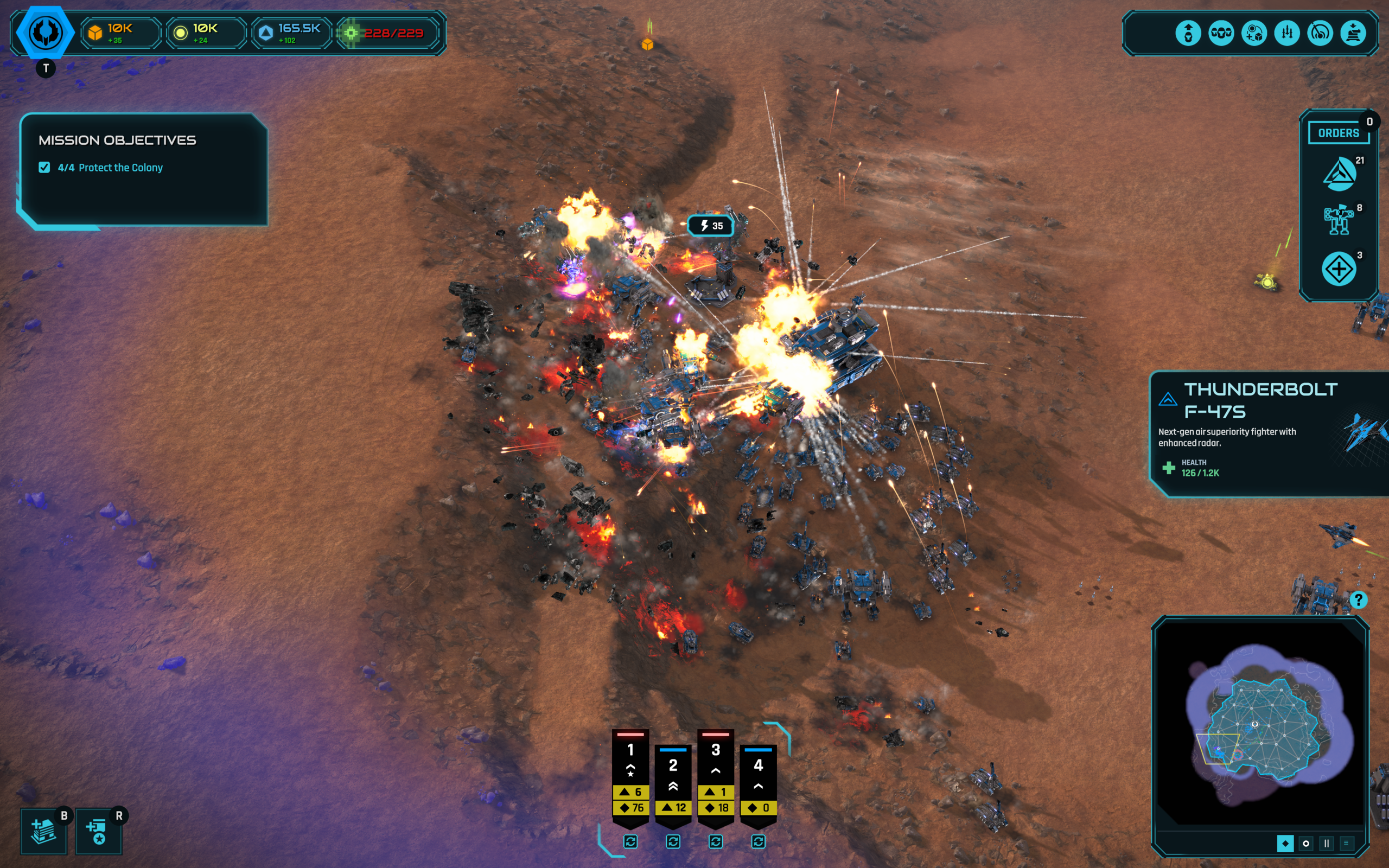
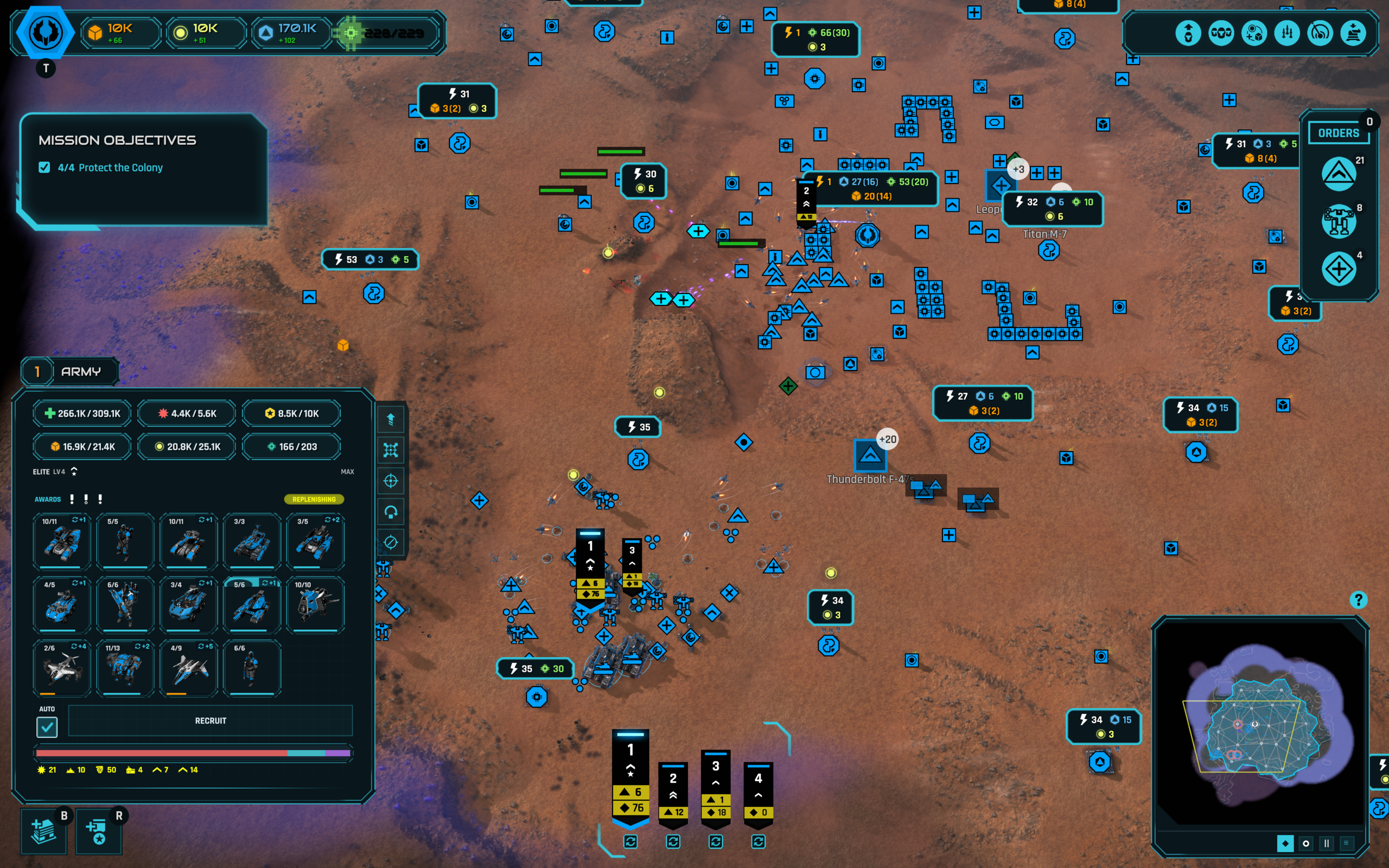
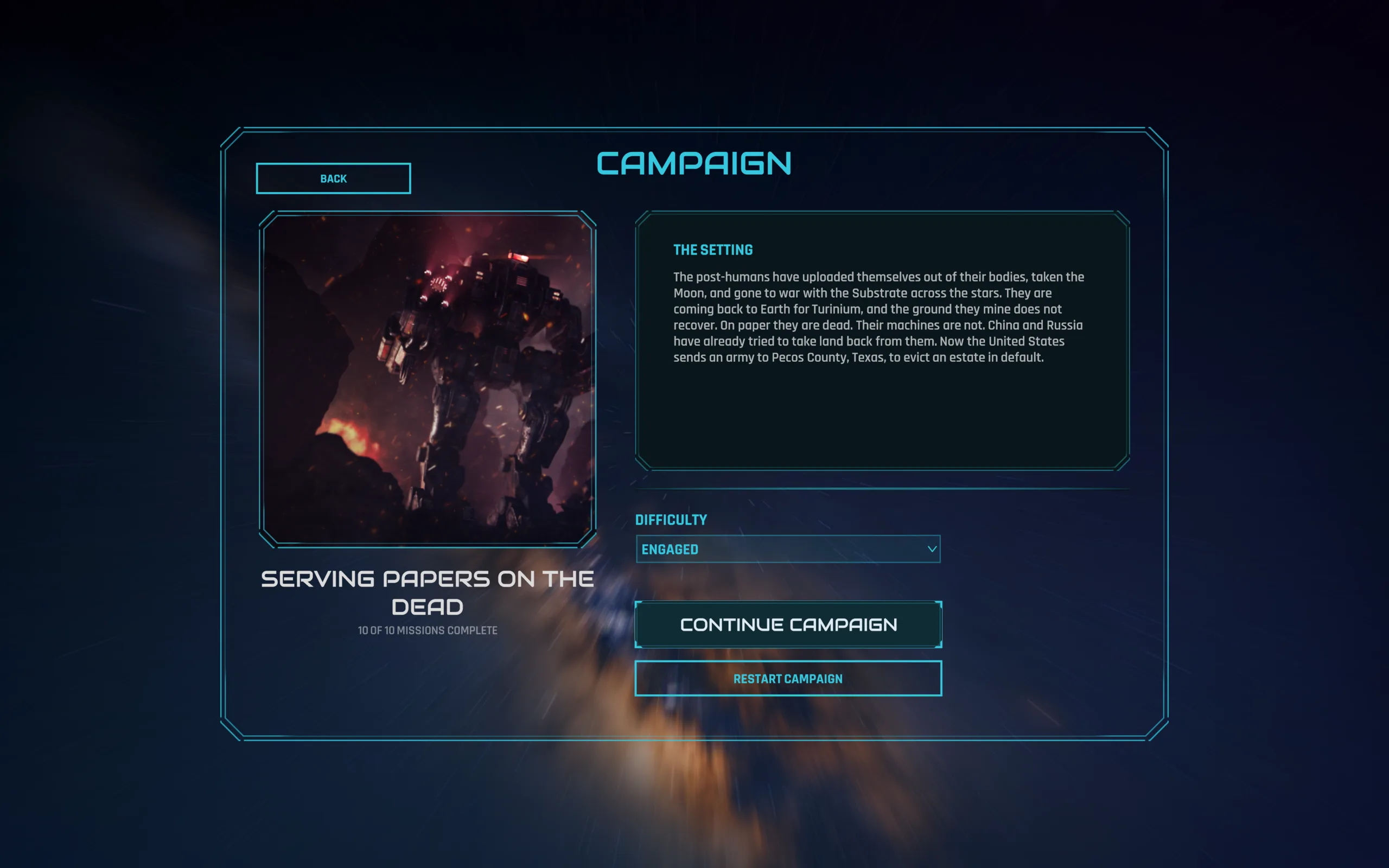
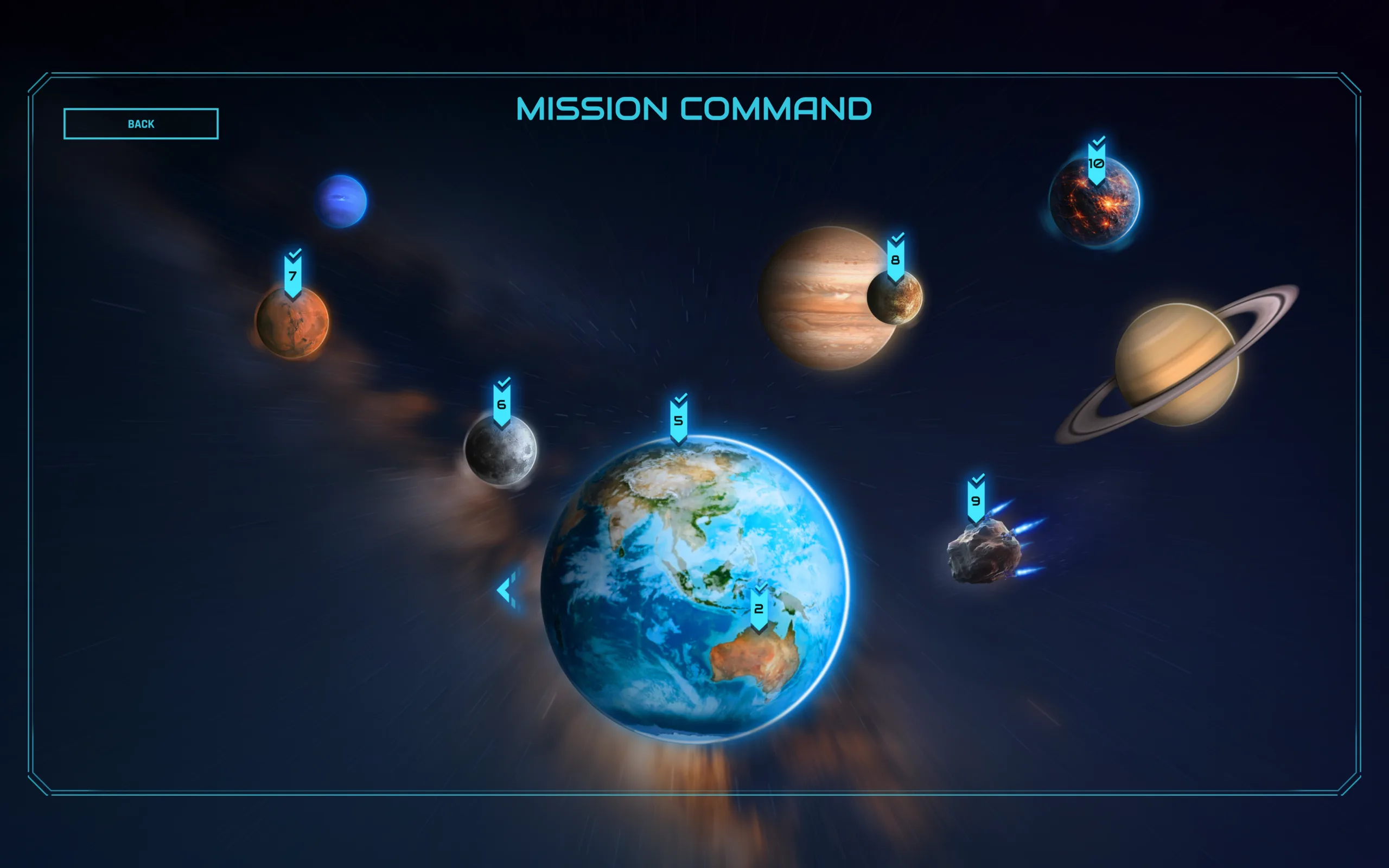
In our hands-on, the sequel's gameplay stays so close to the original that it feels more like an expansion. The campaign is fairly short, with ten missions lasting around 30 to 40 minutes each. It barely challenged us on medium difficulty, while some sections were disproportionately difficult on the higher setting. The story is entertaining, but its moral themes feel heavy-handed at times.
Voice acting and cutscenes
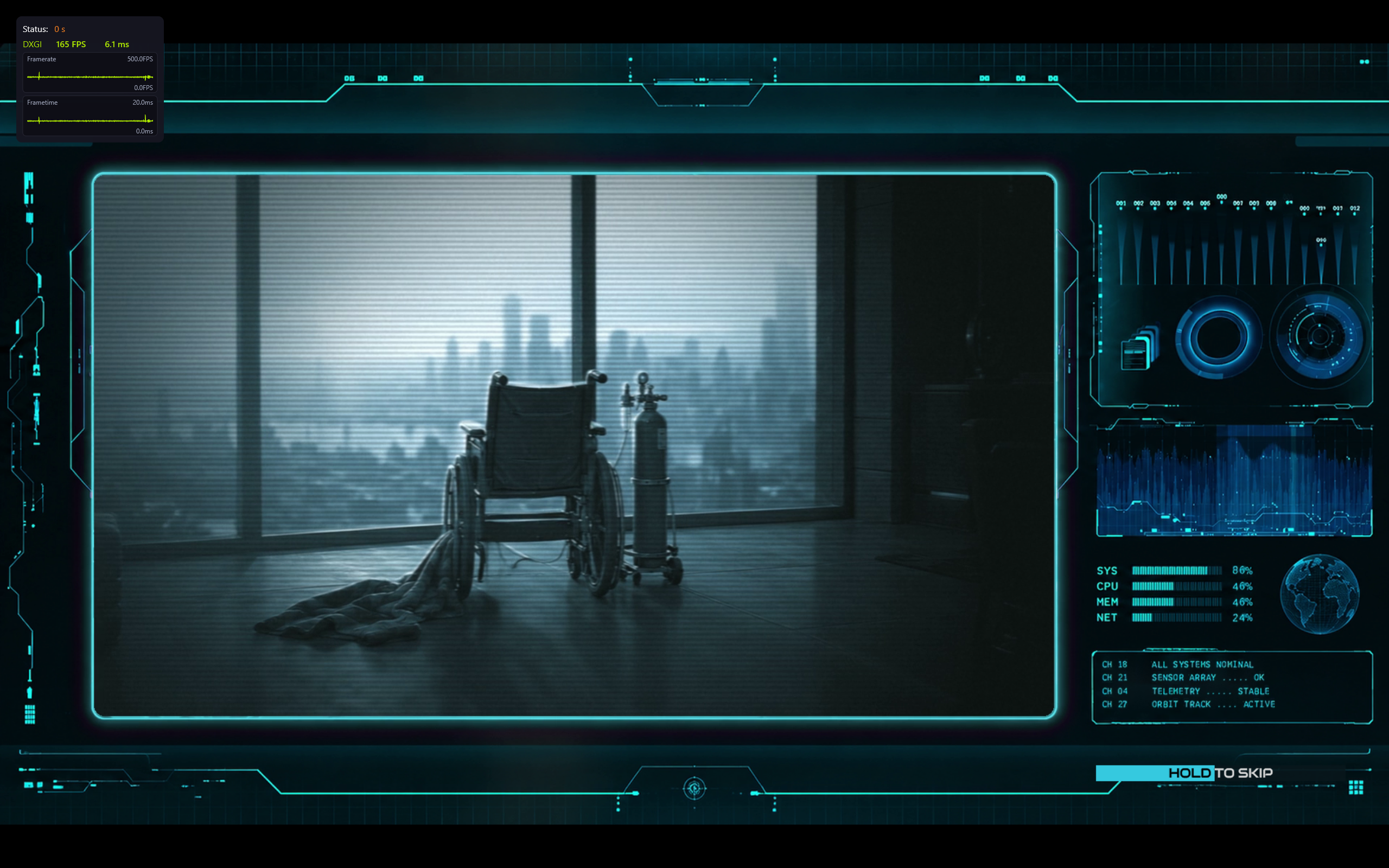
The English voice acting is well done, and German subtitles are available. However, the cutscenes in the test build largely looked like still images. According to the developers on Steam, AI was used for post-processing and animation in some scenes – and it is certainly noticeable.
Army controls make large battles easier to manage
Controlling entire armies takes some getting used to at first, but proves to be a strength in larger battles. If desired, fallen units are automatically replaced and sent straight to their formation. This makes it easy to restore the desired unit mix even after heavy losses. It also keeps specialized units relevant into the late game, as enemy troops can be countered using a rock-paper-scissors approach.
Few graphics options
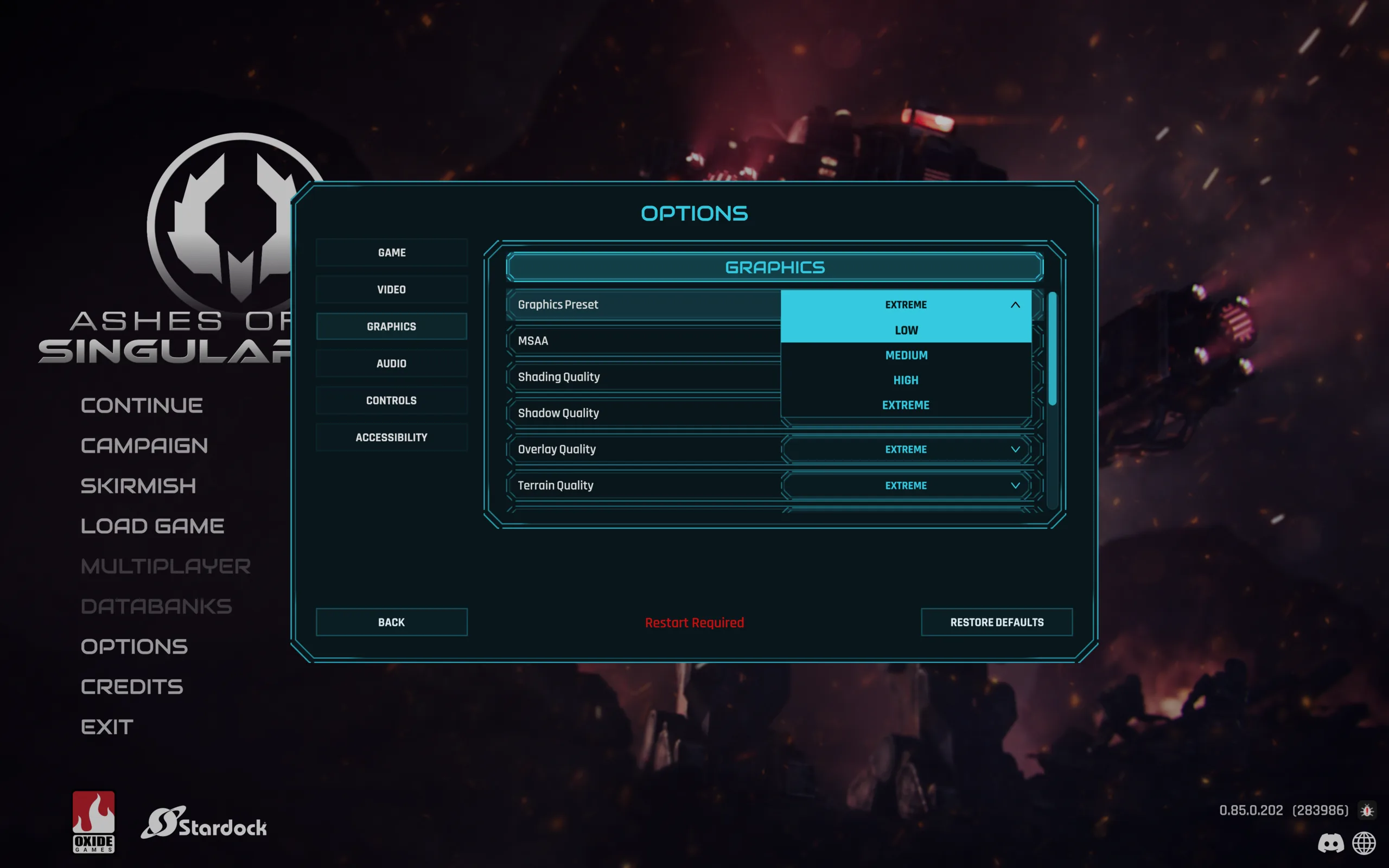
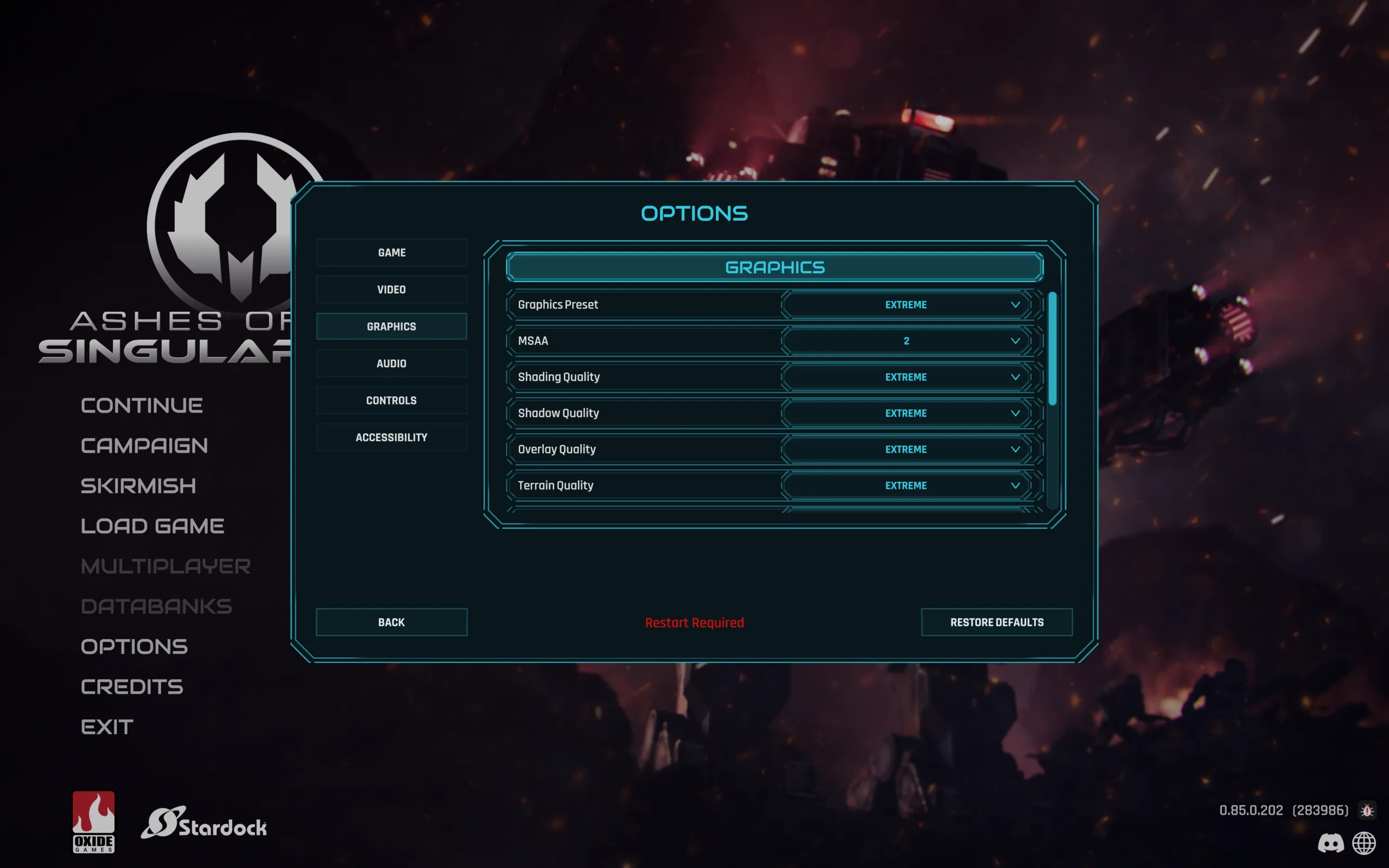
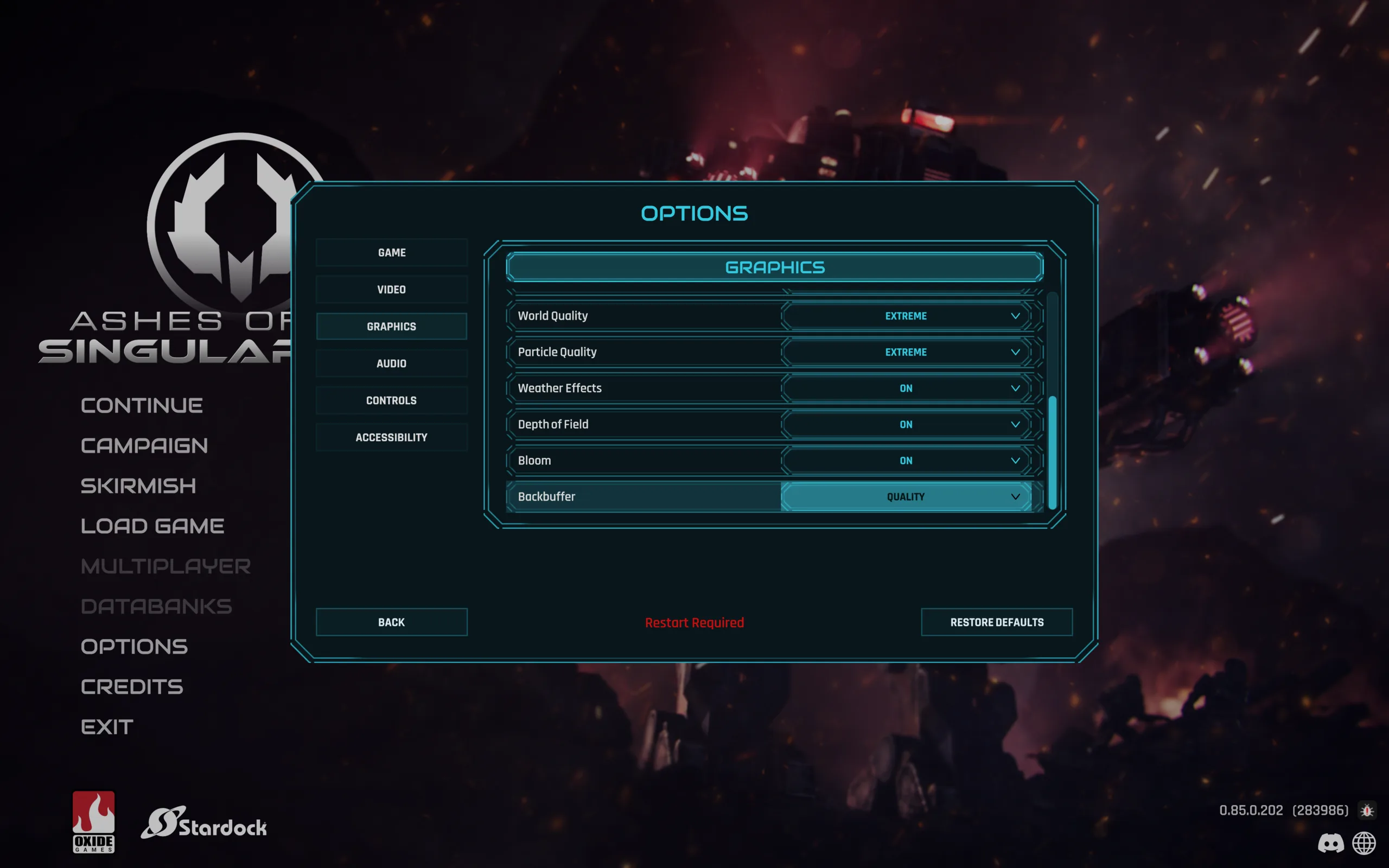
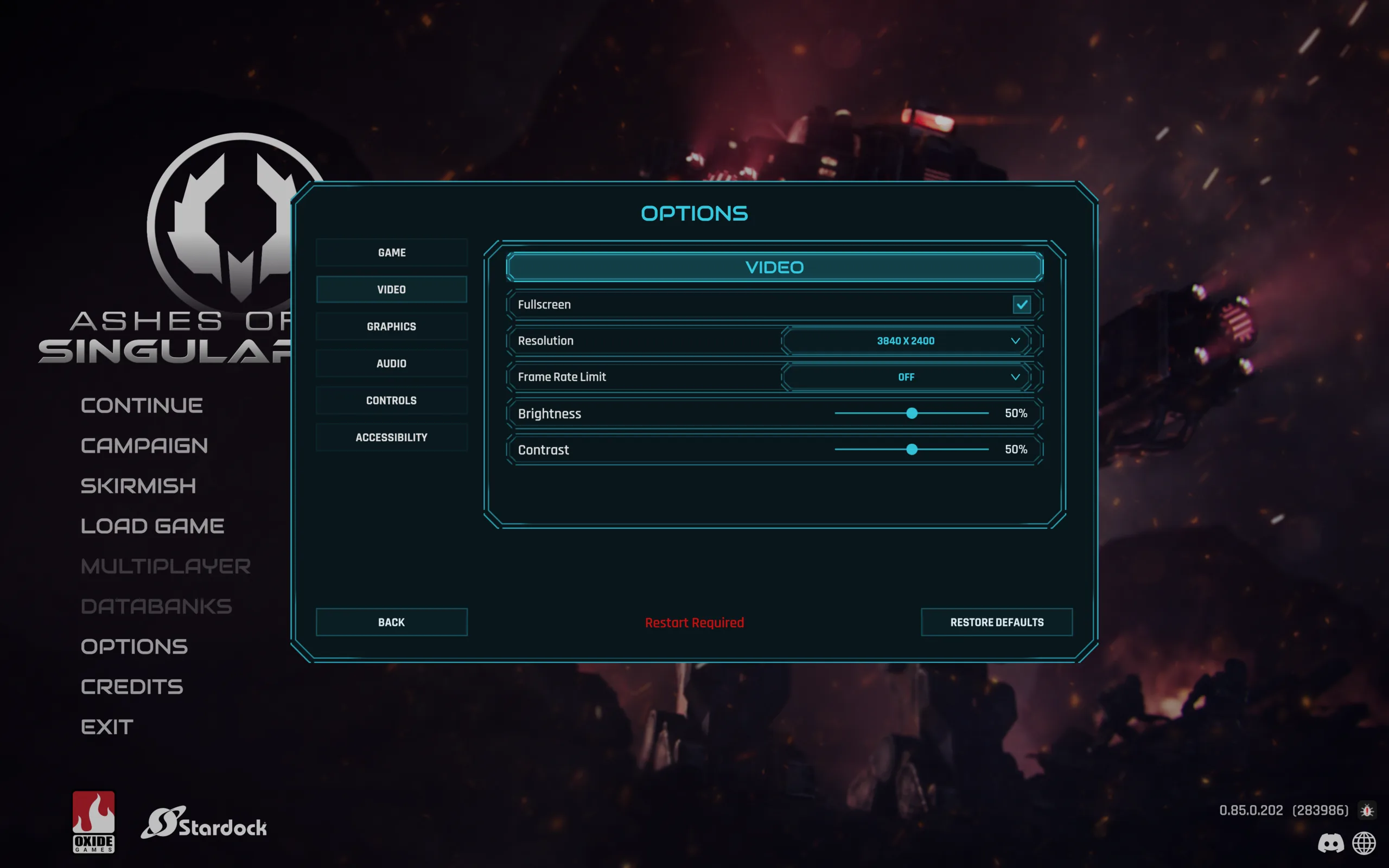
Visually, the sequel is only a slight improvement over the original. The graphics menu offers few options. DLSS and other upscaling technologies are absent, and changing the graphics settings requires restarting the game.
Benchmarks with the RTX 5090 and RTX 3060
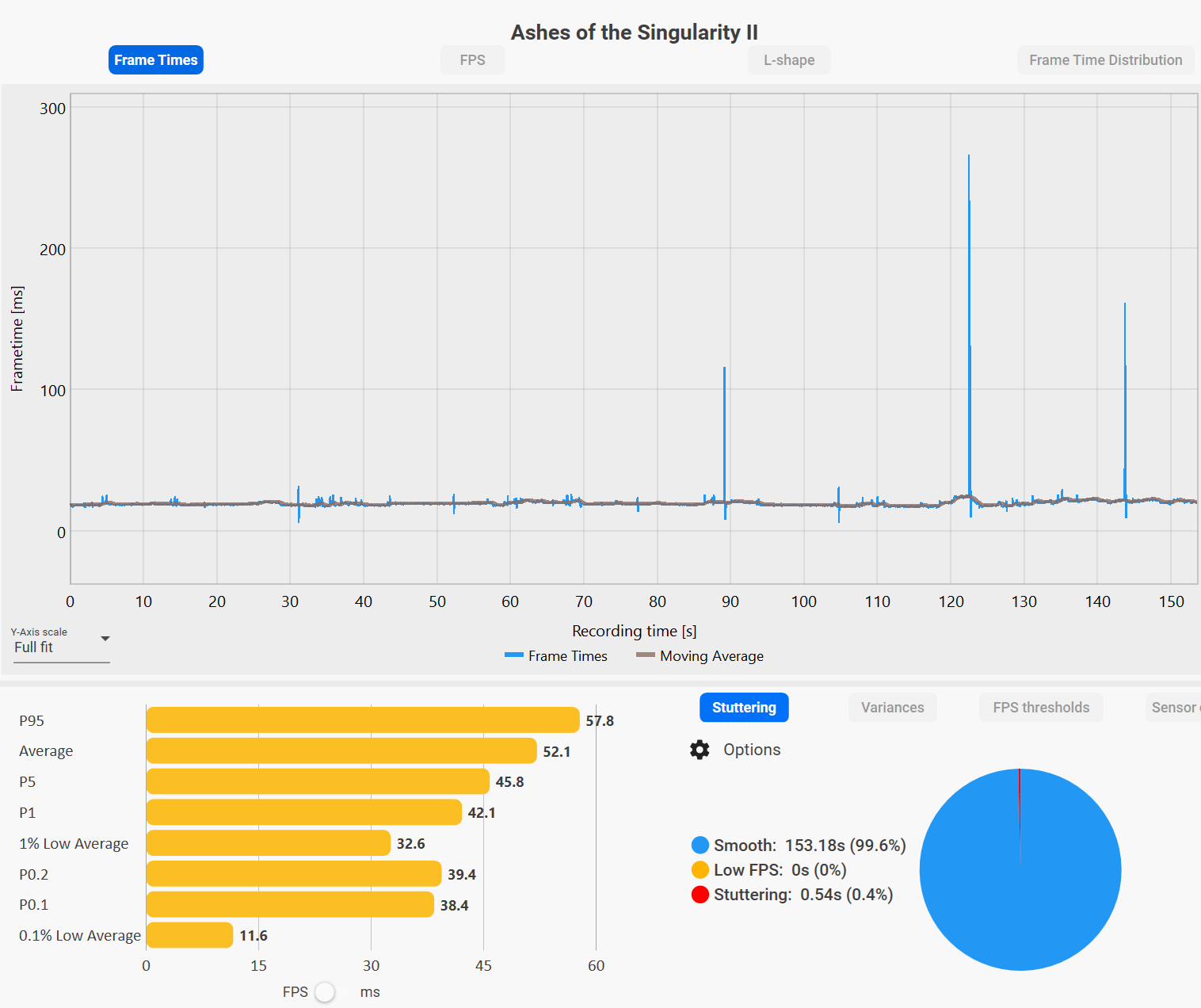
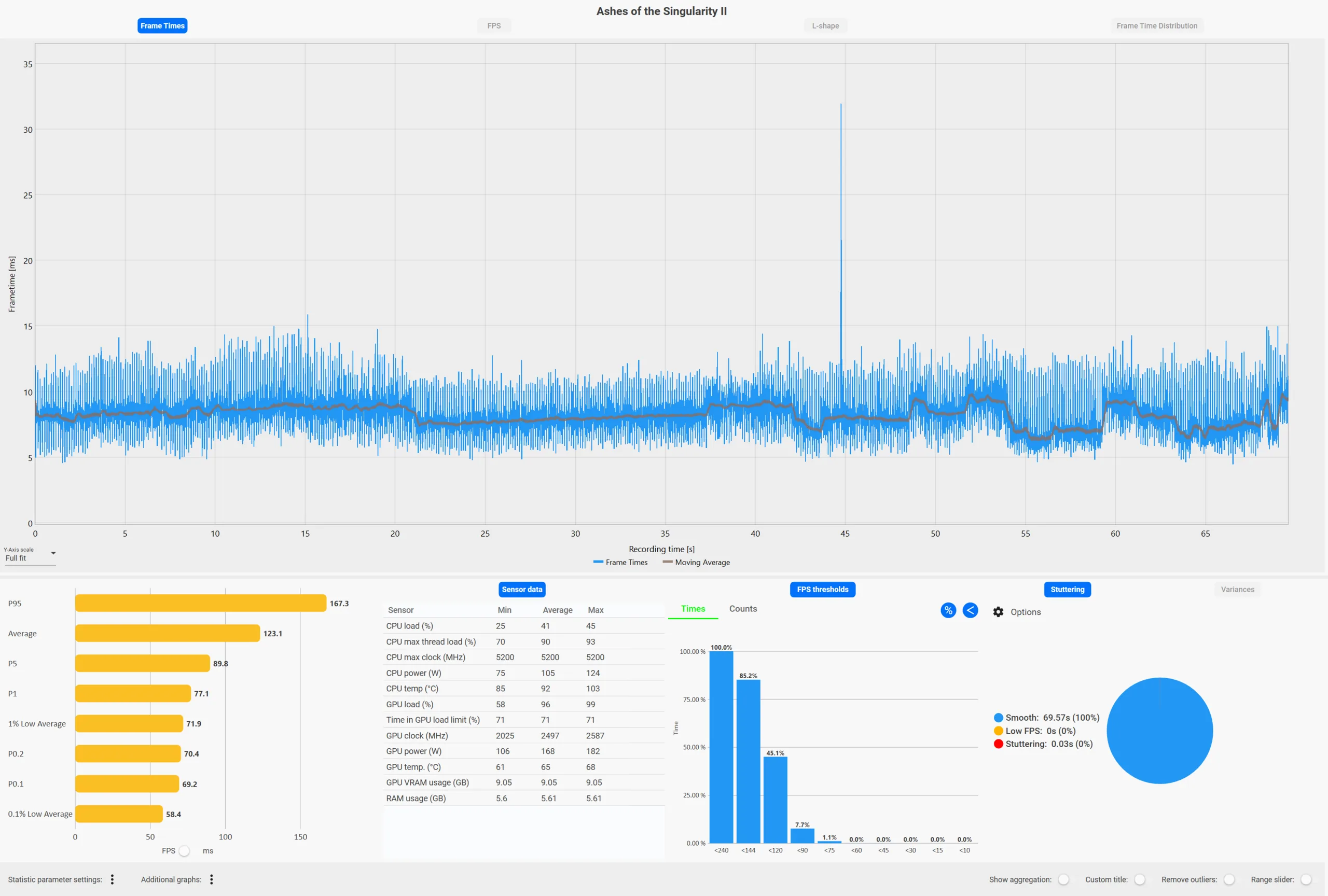
In a demanding battle, the mobile GeForce RTX 5090 in the Lenovo Legion 9 18 18IAX10 achieved 46 fps at 4K with the “Extreme” preset. At Full HD with “High”, it reached 123 fps. The RTX 3060 in the Lenovo Legion 5 Pro managed 50 fps at Full HD with “Medium” and 40 fps with “High”. The first campaign mission was comfortably playable on the RTX 3060 at Full HD with “High”, averaging 52 fps with a P1 value of 42 fps. Unfortunately, the popular benchmark from the first game is no longer available in the sequel.
Problems with Intel integrated GPUs
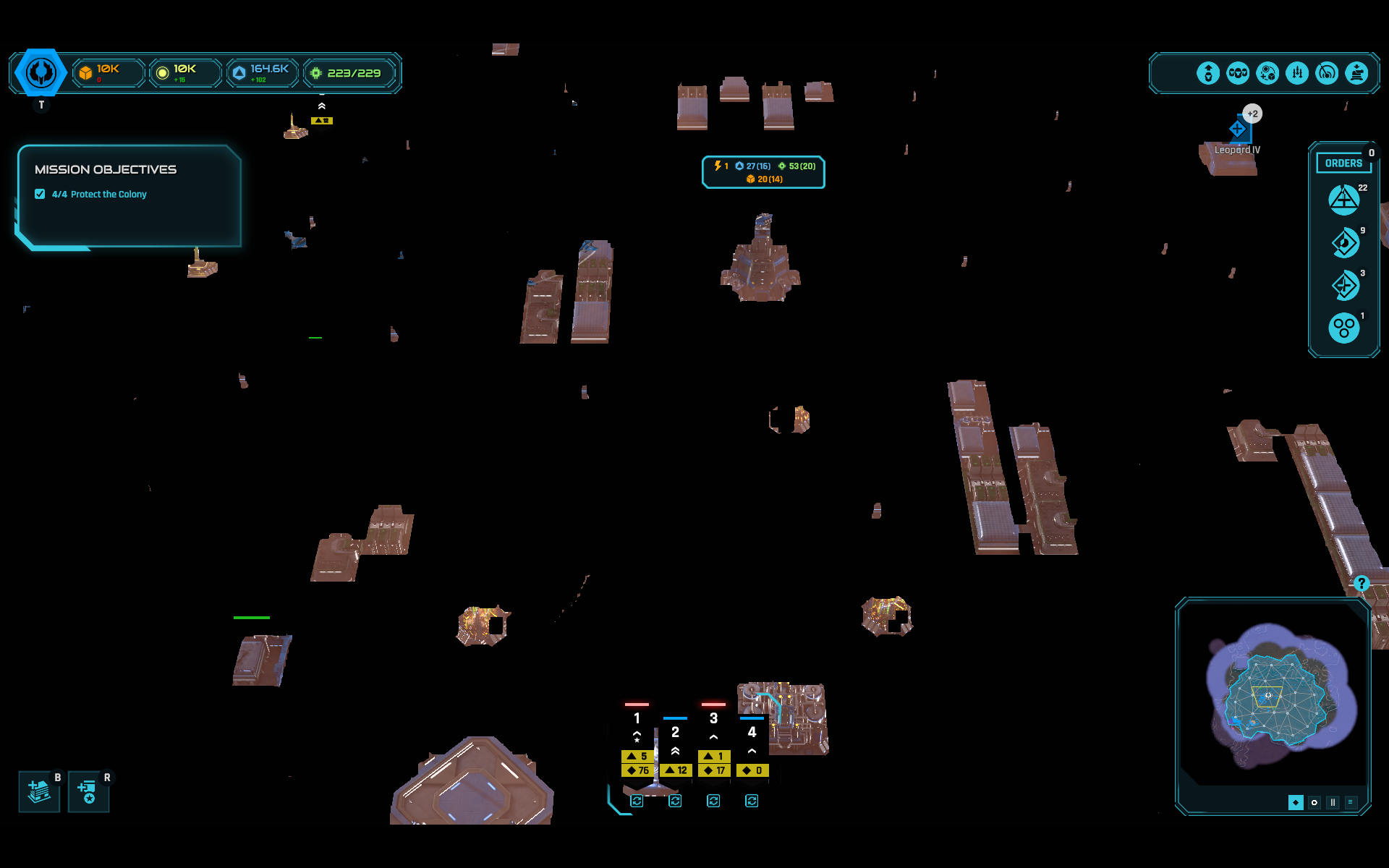
The game did not run on the Core Ultra 7 258V with Arc 140V in our testing. On the Core Ultra X7 358H with Arc B390, textures were missing even with the latest Intel driver available at the time of testing. This made the game unplayable on that system.
Open-source alternatives
For those primarily interested in large-scale real-time battles, Zero-K and Beyond All Reason (BAR) are two open-source alternatives with plenty of depth and excellent balancing.
 Add as a preferred source on Google


