




Apple uses Siri AI as anti-EU propaganda, wants to force DMA exemption
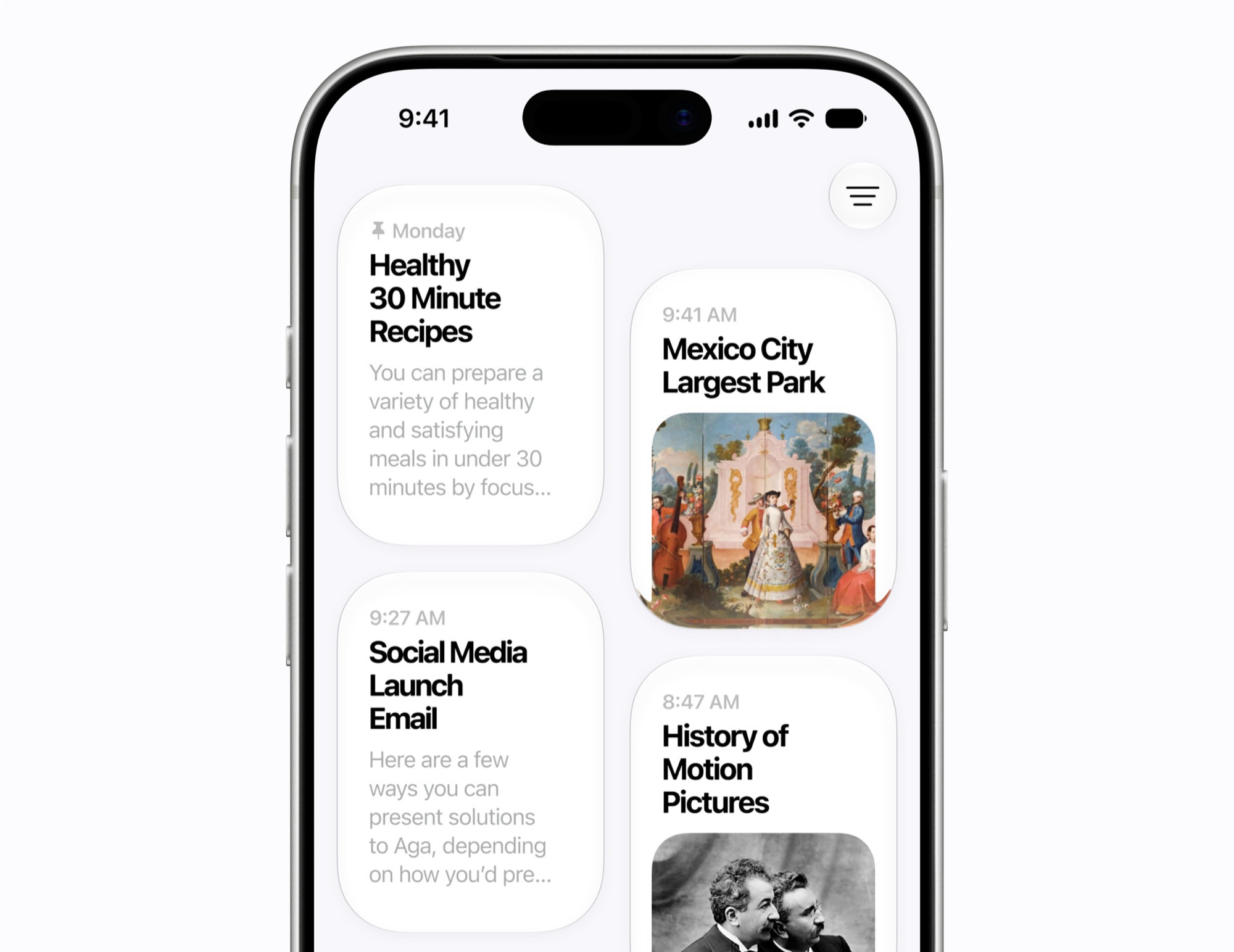
On Monday, Apple has revealed iOS 27, the next major operating system update for smartphones such as the iPhone 17 ($762 on Amazon). In addition to performance optimizations and minor design adjustments, the update primarily introduces new AI features, led by Siri AI. Apple's new chatbot is strongly reminiscent of products such as ChatGPT, including its own app, whereby Siri AI can also access the screen content, installed apps and the iPhone's camera.
In the EU, however, Siri AI is only available at launch on the Mac, the Apple Watch and on Apple TV, but not on the iPhone or iPad, the platforms that the EU considers to be "gatekeepers" due to their large market share. According to Apple, the EU refused to work constructively with the iPhone manufacturer to find a way to offer Siri AI in the EU without compromising the security and privacy of users. Reuters now quotes a spokesperson for the European Commission as saying that it would be solely Apple's decision not to offer Siri AI in the EU.
Instead of finding a viable solution that meets the requirements of the Digital Markets Act, Apple would have simply applied for an exemption valid for at least 18 months, which the Commission unsurprisingly rejected. The fact that Apple is choosing to incite customers against the EU's policy and spread propaganda instead of developing a compliant solution is a strategy that the company has been pursuing for a long time, probably in the hope of influencing EU antitrust law. Behind the scenes, however, an EU-compliant solution is clearly already in the works, because as the screenshot embedded below shows, the Siri app can already integrate third-party chatbots.
 Add as a preferred source on Google


