 Deutsch
 Español
 Français
 Italiano
 Nederlands
 Polski
 Português
 Русский
 Türkçe
 Svenska
 Chinese
 Magyar
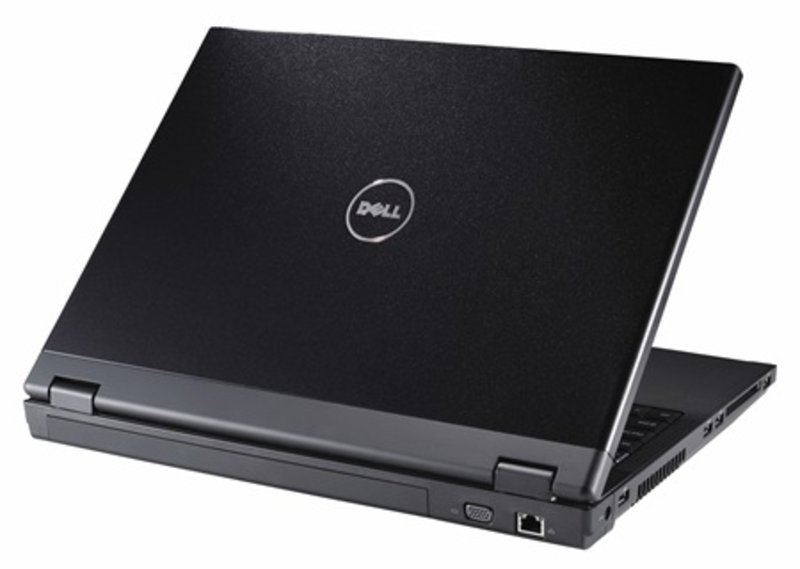
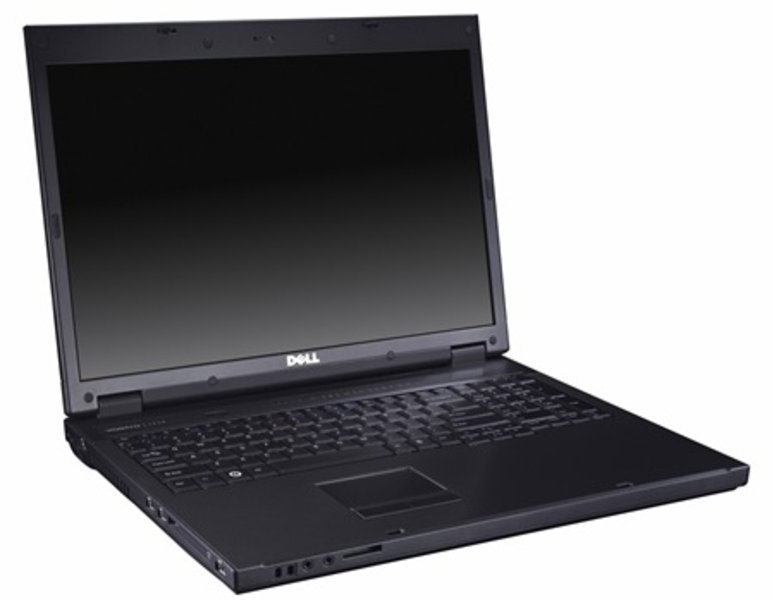
Dell Vostro 1710
Specifications
Pricecompare
Average of 4 scores (from 3 reviews)
Reviews for the Dell Vostro 1710
Large Business Notebook. After we had the Dell Vostro 1310 under review, which achieved with 86% a very good rating, it's now time to look at its big brother, a 17 inch notebook of the Vostro family. If you are interested in a solid 17 inch notebook with good workmanship and many hardware and service options, the Vostro 1710 would well meet these demands.
Source: Techradar
 Archive.org version
The Dell Vostro 1710 is a workhorse machine for a small business on a limited budget. We found it a powerful laptop that ran well and offers a better than average battery life for its class.
3.5 von 5, Display gut, Leistung sehr gut, Ausstattung schlecht, Emissionen mangelhaft
Single Review, online available, Short, Date: 07/29/2008
Rating: Total score: 70% performance: 90% features: 40% display: 80% emissions: 50%
Foreign Reviews
Source: Notebookcheck
 DE→EN Archive.org version
Single Review, online available, Long, Date: 08/28/2008
Rating: Total score: 84% price: 80% performance: 82% display: 86% mobility: 71% workmanship: 88% ergonomy: 84% emissions: 87%
Source: Notebookjournal
DE→EN Archive.org versionSingle Review, online available, Long, Date: 06/20/2008
Rating: Total score: 80% price: 80% performance: 50% display: 30% mobility: 70% workmanship: 70% ergonomy: 70% emissions: 50%
Comment
NVIDIA GeForce 8600M GS: NVIDIA GeForce 8600M GS is the DirectX 10 capable successor of the GeForce Go 7600 / 7700 for laptops and technically a higher clocked 8400M GT. The performance is slightly above the 7600 / 7700 and, therefore, it can represent DirectX9 games fluently. For DirectX 10 effects, the power of the card is not sufficient.
Only some 3D games with very low demands are playable with these cards.
» Further information can be found in our Comparison of Mobile Graphics Cards and the corresponding Benchmark List.
Intel Core 2 Duo: This is the Core Duo and Core Solo successor with a longer pipeline and 5-20% more speed without more power consumption. As an addition to the Core Duo design there exists a fourth decoder, an amplified SSE-unit and an additional arithmetical logical unit (ALU).
The Core 2 Duo for laptops is identical to the desktop Core 2 Duo processors but the notebook-processors work with lower voltages (0.95 to 1188 Volt) and a lower Frontside bus clock (1066 vs 667 MHz). The performance of equally clocked notebooks is 20-25% lower than Desktop PCs because of the lower Frontside bus clock and the slower hard disks.
T8100: Former mid-range Core 2 Duo based on the Penryn core that features FSB800 and VT-x virtualization functions.» Further information can be found in our Comparison of Mobile Processsors.
17.10": This display size is a standard format for desktop replacements (DTR). The DTR laptops are heavier to carry, need more power, but texts are easy to read and high resolutions are no problem. DTR are mainly intended for stationary desk use, where weight and energy hunger don't matter. In return, you enjoy the advantages of high resolutions (more details, better legibility).» To find out how fine a display is, see our DPI List.
3.26 kg:
A laptop with this weight is comparatively heavy and less designed for mobility than for use at the desk. Therefore, the devices tend to shine less with battery life than with a large screen and higher performance.
Dell: Dell is a U.S. manufacturer (based in Texas) of computer hardware founded in 1984 and is one of the largest international manufacturers in terms of both market share and notebook models. Its product line includes desktops, notebooks, storage systems, monitors, servers, printers, consumer electronics and peripherals. Dell offers laptops that are suitable for various applications, such as business laptops, gaming laptops, ultra portables and workstations. Dell's business laptops from the Latitude and Precision series are an option for professional users and businesses.
In 2023, Dell had an approximate 17% market share of global PC sales, ranking #3 after Lenovo and HP.
For gaming enthusiasts, Dell's Alienware brand is for gaming notebooks.
79.5%: This rating is not earth-shattering. This rating must actually be seen as average, since there are about as many devices with worse ratings as better ones. A purchase recommendation can only be seen with a lot of goodwill, unless it is about websites that generally rate strictly.
» Further information can be found in our Notebook Purchase Guide.